
Published: 2023 | Last reviewed: May 2026
Introduction to Tissue-Derived Cell Lines
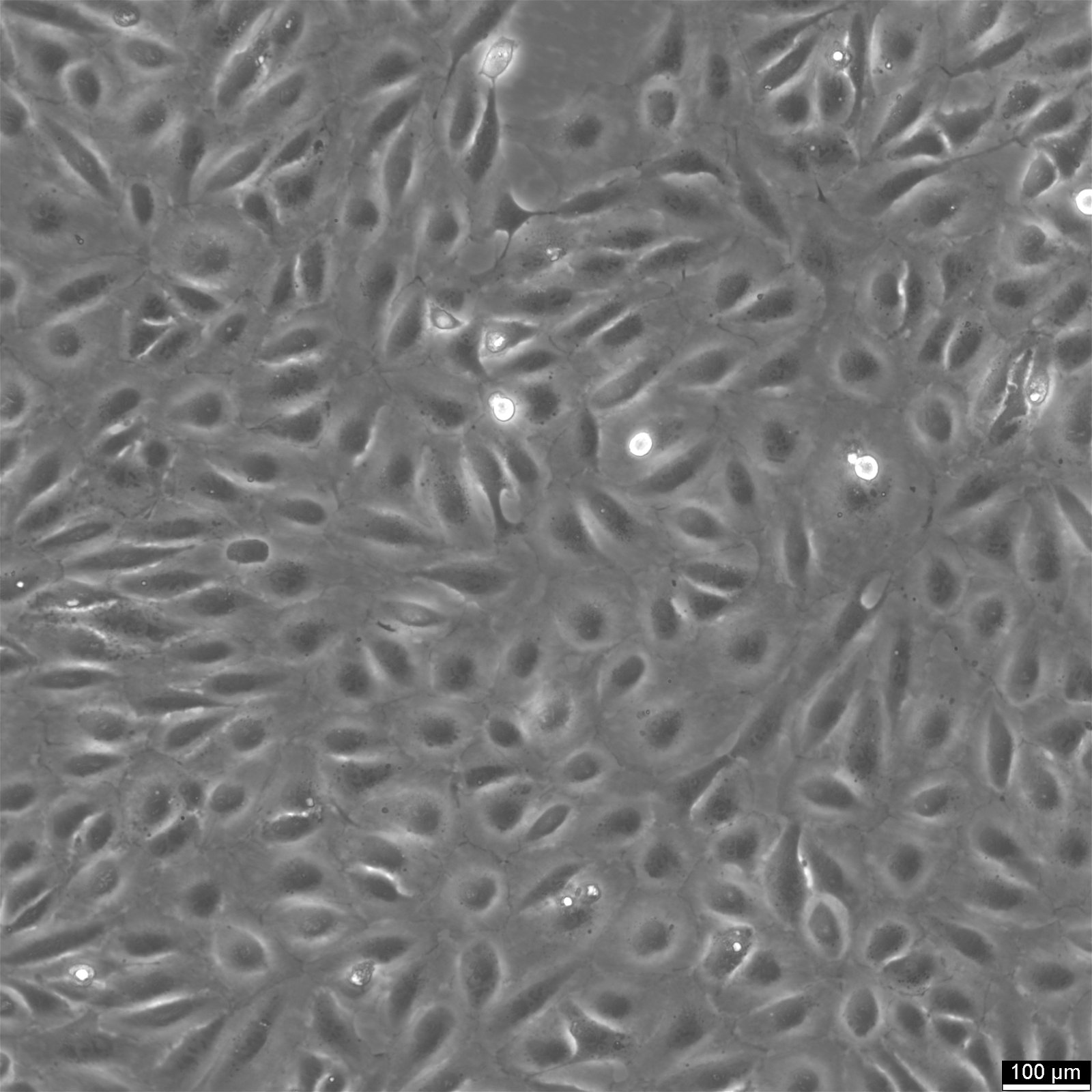
Tissue-derived cell lines are invaluable tools in biomedical research, offering researchers a window into cellular processes, disease mechanisms, and drug responses. These cell lines are populations of cells isolated from specific tissues that can be maintained and propagated in culture. They provide a more accurate representation of in vivo cellular behavior compared to traditional immortalized cell lines, making them crucial for advancing our understanding of human biology and disease.
| Type | Description | Advantages | Limitations | Common Examples |
|---|---|---|---|---|
| Epithelial Cells | Derived from tissues lining internal and external surfaces of the body | Maintain tissue-specific functions, useful for studying barrier function and secretion | Can be difficult to culture long-term without immortalization | ARPE-19 Cells (retinal pigment epithelium) |
| Fibroblasts | Obtained from connective tissue | Easy to culture, useful for studying wound healing and extracellular matrix production | May not fully represent the complexity of in vivo connective tissue | Human Dermal Fibroblast - Adult (HDF-Ad) |
| Endothelial Cells | Isolated from blood vessels | Crucial for studying angiogenesis and vascular biology | Require specialized culture conditions to maintain phenotype | HUVEC, single donor |
| Keratinocytes | Derived from the epidermis | Important for skin biology research and toxicology studies | Limited lifespan in culture without immortalization | HaCaT Cells (immortalized keratinocytes) |
| Melanocytes | Specialized skin cells | Used in pigmentation studies and melanoma research | Slow-growing and sensitive to culture conditions | Primary human melanocytes (not in provided product list) |
| Smooth Muscle Cells | Obtained from various organs | Useful in cardiovascular and respiratory research | Can dedifferentiate in culture, losing specific markers | A7r5 Cells (rat aortic smooth muscle) |
| Immune Cells | Including PBMCs and other immune cell types | Critical for immunology research and drug screening | Often have short lifespans in culture | THP-1 Cells (human monocytic cell line) |
| Stem Cells | Including mesenchymal stem cells and iPSCs | Multipotent, useful for regenerative medicine research | Complex culture requirements, potential for spontaneous differentiation | Human Mesenchymal Stem Cells - Bone Marrow (HMSC-BM) |
Applications of Tissue-Derived Cell Lines
Tissue-derived cell lines have become indispensable tools in biomedical research, offering a wide range of applications across various fields. These cell lines serve as powerful models for disease modeling, allowing researchers to study the molecular mechanisms of diseases in a controlled environment. They are particularly valuable in cancer research, where patient-derived cell lines can provide insights into tumor biology and potential treatment strategies. Additionally, tissue-derived cell lines play a crucial role in drug discovery and toxicology studies, offering a platform for high-throughput screening of potential therapeutic compounds and assessment of their efficacy and safety profiles.
Challenges and Considerations in Using Tissue-Derived Cell Lines
While tissue-derived cell lines offer numerous advantages, their use comes with certain challenges and considerations. One primary concern is the potential for genetic drift and phenotypic changes over time, which can lead to discrepancies between the cell line and its tissue of origin. This emphasizes the importance of regular authentication and characterization of cell lines to ensure the reliability and reproducibility of research findings. Another critical aspect is the ethical considerations surrounding the sourcing of primary tissues, particularly for human-derived cell lines. Researchers must adhere to strict ethical guidelines and obtain proper informed consent when establishing new tissue-derived cell lines. Furthermore, the limited lifespan of primary cell cultures often necessitates careful planning and optimization of experimental designs to maximize the utility of these valuable resources.

Advancements in Tissue-Derived Cell Culture Techniques
Recent years have seen significant advancements in tissue-derived cell culture techniques, revolutionizing the way researchers work with these valuable tools. One notable development is the emergence of three-dimensional (3D) cell culture systems, which better mimic the in vivo cellular microenvironment compared to traditional 2D cultures. These 3D systems, including organoids and spheroids, allow cells to form complex structures and interactions, providing more physiologically relevant models for studying tissue development, disease progression, and drug responses. For instance, Caco-2 cells, derived from human colorectal adenocarcinoma, can form 3D structures that closely resemble the intestinal epithelium, offering improved models for drug absorption and toxicity studies.
The Role of Tissue-Derived Cell Lines in Personalized Medicine
Tissue-derived cell lines are playing an increasingly important role in the rapidly evolving field of personalized medicine. Patient-derived cell lines and organoids offer unique opportunities to tailor treatment strategies to individual patients, particularly in oncology. These personalized models allow researchers and clinicians to test the efficacy of different therapeutic approaches on a patient's own cells, potentially predicting treatment outcomes and identifying the most effective interventions. For example, cell lines derived from tumor biopsies, such as MCF-7 cells for breast cancer or HepG2 cells for liver cancer, can be used to screen various drugs and combinations, guiding treatment decisions. This approach not only has the potential to improve patient outcomes but also to reduce healthcare costs by avoiding ineffective treatments. As technologies for establishing and maintaining patient-derived cell lines continue to advance, their integration into clinical decision-making processes is likely to become more widespread, marking a significant step towards truly personalized healthcare.
Cell Culture
Genetic Analysis
- Research Applications
Drug Discovery