
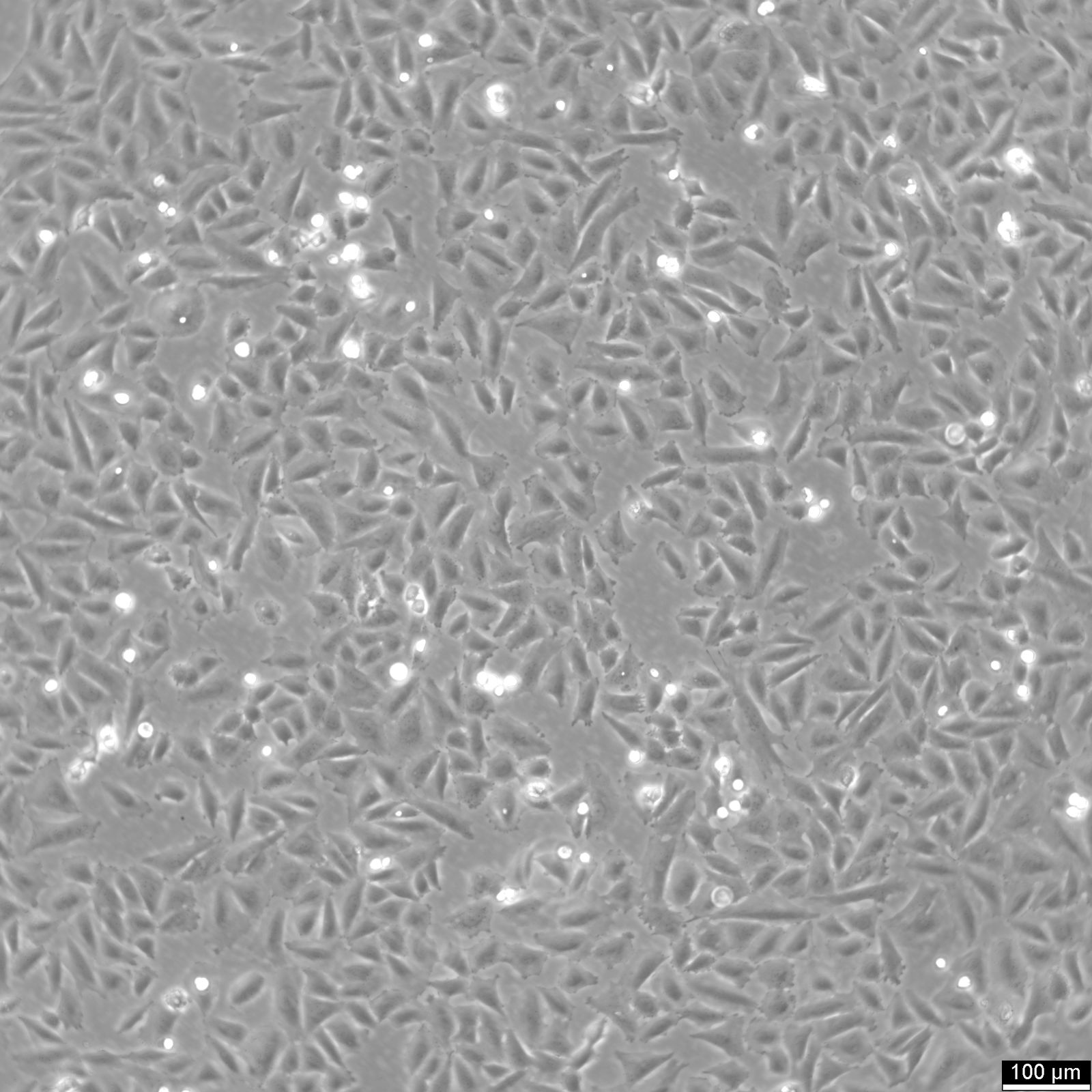
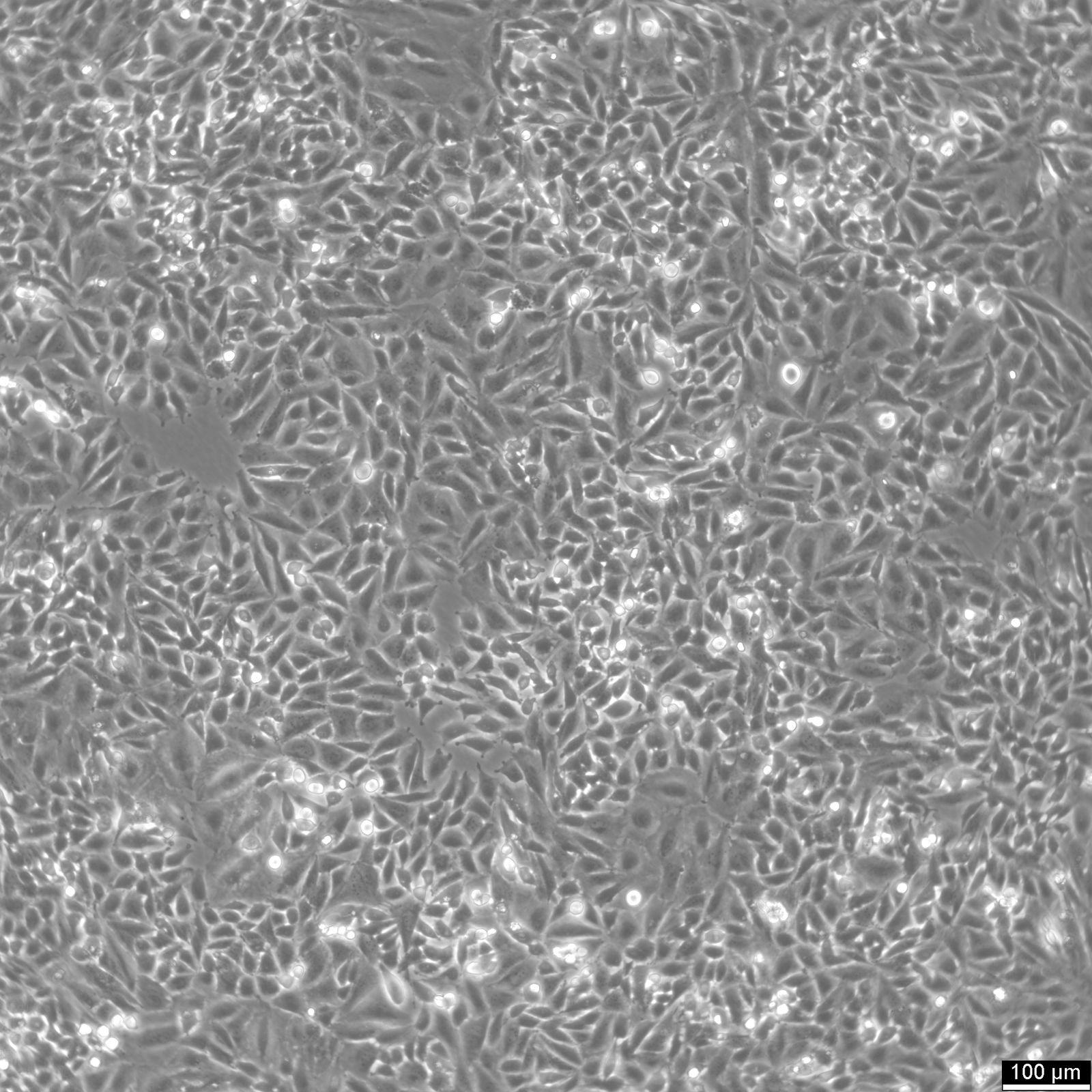
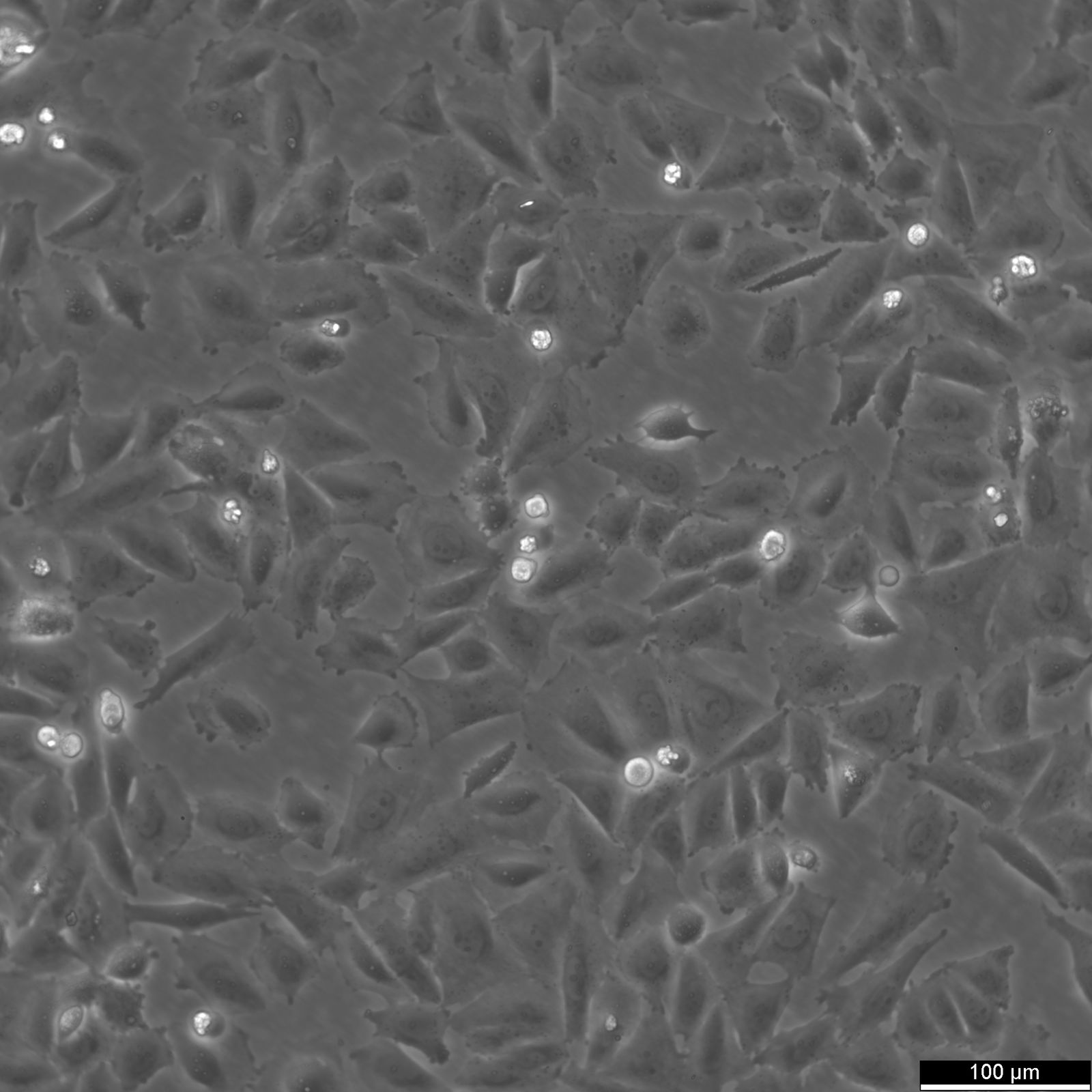
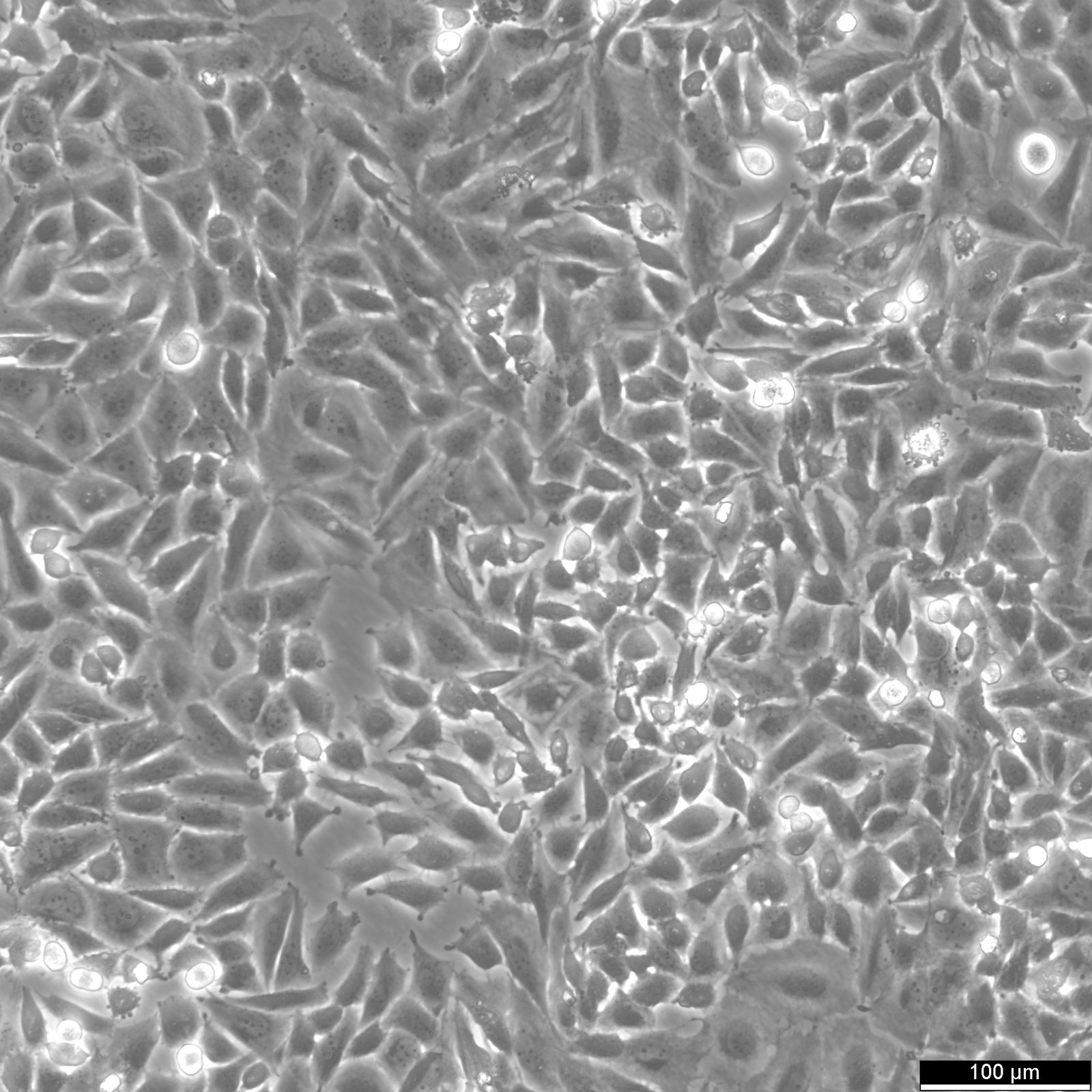
SaOS-2 Cells
USUSD$395.00*
Products are shipped frozen on dry ice in cryotubes. Each cryotube typically contains 3 × 10⁶ cells for adherent lines or 5 × 10⁶ cells for suspension lines (refer to the batch CoA for details).
Key facts about the SaOS-2 cell line
| 說明 | Saos-2 cells are an osteosarcoma cell line derived from the primary osteogenic sarcoma of an 11-year-old Caucasian female. These cells are a widely recognized model for studying osteosarcoma and bone biology, due to their osteoblastic characteristics and the ability to produce a bone-like extracellular matrix. Characterized by their high level of alkaline phosphatase activity and expression of bone-specific proteins such as osteocalcin and osteopontin, Saos-2 cells serve as an effective in vitro system to study bone formation and the pathophysiology of osteosarcoma. They are particularly valuable for investigating cellular responses to various biochemical stimuli and mechanical forces that mimic the bone environment. Saos-2 cells also exhibit an aneuploid karyotype, lacking several chromosomes but with extra copies of others, typical of many cancer cell lines. They are negative for mycoplasma and possess a robust capacity for calcification, making them suitable for assays related to mineral deposition. In the context of cancer research, Saos-2 cells are extensively used to explore the molecular mechanisms of tumorigenesis, metastasis, and the effects of anticancer drugs on osteosarcoma. The cells are also employed to study gene expression profiles associated with osteoblastic differentiation and malignancy. Due to their high transfectability, Saos-2 cells are amenable to genetic manipulation, which allows for the study of gene function and the validation of molecular targets for therapeutic intervention. This adaptability has facilitated significant advancements in understanding the genetic and molecular basis of bone cancer and in developing targeted treatments for osteosarcoma. |
|---|---|
| 生物體 | Human |
| 組織 | Bone |
| 疾病 | Osteosarcoma |
| 同義詞 | SAOS-2, Saos-2, SAOS 2, Saos 2, Saos2, SaOs2, SAOS2, Sarcoma OSteogenic-2, SaOS, SAOS |
Details
| 年齡 | 11 years |
|---|---|
| 性別 | Female |
| 族裔 | Caucasian |
| 形態學 | Epithelial-like |
| 生長特性 | Monolayer, adherent |
Specification
| 引用 | SaOS-2 (Cytion catalog number 300331) |
|---|---|
| 生物安全等級 | 1 |
| NCBI_TaxID | 9606 |
| Cellosaurus 編號 | CVCL_0548 |
Genetic characteristics of Saos2 cells
| 受體的表達 | Epidermal growth factor (EGF), transforming growth factor beta (type 1 and type 2) |
|---|---|
| 抗原表達 | Blood Type B, Rh+, HLA A2, A3, Bw16, Bw47 |
| 同工酶 | Me-2, 1, PGM3, 1-2, PGM1, 1-2, ES-D, 2, AK-1, 1, GLO-1, 2, G6PD, B, Phenotype Frequency Product: 0.0002 |
| 致瘤性 | No |
| MSI 狀態 | Stable (MSS) |
| 核型分析 | The stemline chromosome number is hypotriploid with the modal number of 56 chromosomes per cell and the 2S component occurring at 13.2%. Over two-thirds of the chromosome complement consisted of structurally rearranged chromosomes. Most marker chromosomes had complex rearrangements. The origin of the segments composing these markers could not be identified. Of the identifiable markers, 6p+/q+, 7p+, 11p+, and 12p+ occasionally were present at 2 copies per cell. The Y chromosome was not detected in the QM stained preparation. |
Culturing guidelines
| 培養基 | DMEM:Ham's F12 (1:1), w: 3.1 g/L Glucose, w: 2.5 mM L-Glutamine, w: 15 mM HEPES, w: 0.5 mM Sodium pyruvate, w: 1.2 g/L NaHCO3 (Cytion article number 820400a) |
|---|---|
| 營養補充品 | Supplement the medium with 10% FBS |
| 解離試劑 | Accutase |
| 倍增時間 | 35 to 40 hours |
| 傳代培養 | Remove the old medium from the adherent cells and wash them with PBS that lacks calcium and magnesium. For T25 flasks, use 3-5 ml of PBS, and for T75 flasks, use 5-10 ml. Then, cover the cells completely with Accutase, using 1-2 ml for T25 flasks and 2.5 ml for T75 flasks. Let the cells incubate at room temperature for 8-10 minutes to detach them. After incubation, gently mix the cells with 10 ml of medium to resuspend them, then centrifuge at 300xg for 3 minutes. Discard the supernatant, resuspend the cells in fresh medium, and transfer them into new flasks that already contain fresh medium. |
| 播種密度 | 1 x 10⁴ cells/cm2 |
| 流體更新 | 2 to 3 times per week |
| 解凍後的恢復 | Fast |
| 冷凍培養基 | As a cryopreservation medium, we use complete growth medium (including FBS) + 10% DMSO for adequate post-thaw viability, or CM-1 (Cytion catalog number 800100), which includes optimized osmoprotectants and metabolic stabilizers to enhance recovery and reduce cryo-induced stress. |
| 細胞解凍與培養 |
|
| 培養環境 | 37°C, 5% CO2, humidified atmosphere. |
| 運送條款 | Cryopreserved cell lines are shipped on dry ice in validated, insulated packaging with sufficient refrigerant to maintain approximately −78 °C throughout transit. On receipt, inspect the container immediately and transfer vials without delay to appropriate storage. |
| 儲存條件 | For long-term preservation, place vials in vapor-phase liquid nitrogen at about −150 to −196 °C. Storage at −80 °C is acceptable only as a short interim step before transfer to liquid nitrogen. |
Quality control on the human osteosarcoma cell line Saos-2
| 不孕症 | Mycoplasma contamination is excluded using both PCR-based assays and luminescence-based mycoplasma detection methods. To ensure there is no bacterial, fungal, or yeast contamination, cell cultures are subjected to daily visual inspections. |
|---|
分析證明書 (CoA)
| 批次編號 | 證書類型 | 日期 | 型號 |
|---|---|---|---|
| 300331-140624 | 分析證明書 | 23. May. 2025 | 300331 |
| 300331-250923 | 分析證明書 | 23. May. 2025 | 300331 |