
NCH644 Cells
USUSD$800.00*
Products are shipped frozen on dry ice in cryotubes. Each cryotube typically contains 3 × 10⁶ cells for adherent lines or 5 × 10⁶ cells for suspension lines (refer to the batch CoA for details).
一般資訊
| 說明 | The NCH644 cell line is a glioblastoma stem-like cell line derived from patient tumors that lack EGFR amplification, making it a valuable model for studying glioblastoma biology, especially in the context of growth factor signaling and stem cell properties. Studies have demonstrated that in NCH644 cells, basic fibroblast growth factor (bFGF) plays a significant role in mediating growth and maintaining stem cell characteristics, whereas epidermal growth factor (EGF) does not show similar effects. NCH644 cells respond to bFGF by increasing the expression of stem cell markers such as CD133 and nestin, and they also exhibit enhanced resistance to apoptosis. This resistance, coupled with the lack of EGFR amplification, makes NCH644 a suitable model for understanding glioblastoma stem-like cell behavior, particularly under different growth factor conditions. Another notable feature of NCH644 is its slower proliferation rate when compared to other glioblastoma stem-like cell lines, such as NCH421k. However, when stimulated by bFGF, NCH644 cells show increased expression of EGFR, even in the absence of EGFR amplification, which highlights the interaction between fibroblast growth factor receptors (FGFRs) and EGFR signaling pathways. Moreover, bFGF plays a role in increasing the clonogenicity and multipotency of NCH644 cells, further supporting the notion that bFGF is crucial for maintaining the glioma stem-like properties of these cells. NCH644 cells have also been shown to harbor label-retaining, slow-cycling subpopulations that exhibit increased tumorigenicity and resistance to treatments such as irradiation and temozolomide. This subpopulation of label-retaining cells within the NCH644 line is highly tumorigenic, capable of forming tumors in immunocompromised mice even with small cell numbers. These features, combined with their resistance to standard treatments, make NCH644 a critical tool for investigating therapeutic strategies targeting glioblastoma stem cells. |
|---|---|
| 生物體 | Human |
| 組織 | Brain |
| 疾病 | Glioblastoma |
特徵
| 年齡 | 66 years |
|---|---|
| 性別 | Female |
| 族裔 | Caucasian |
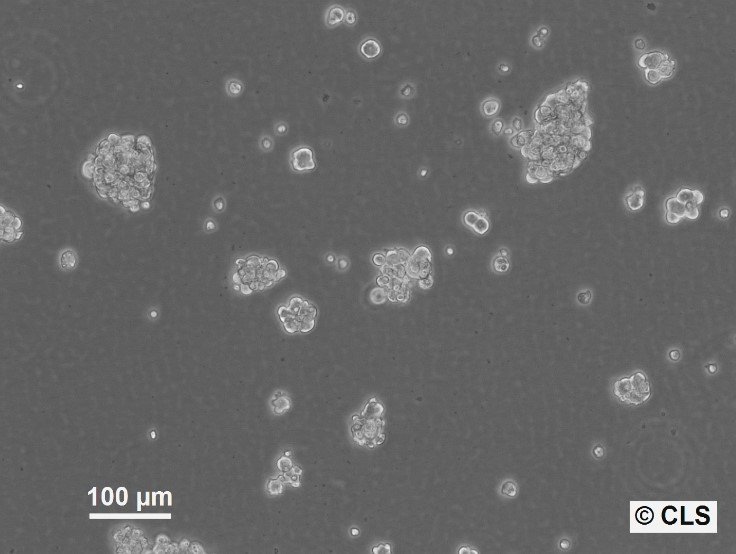
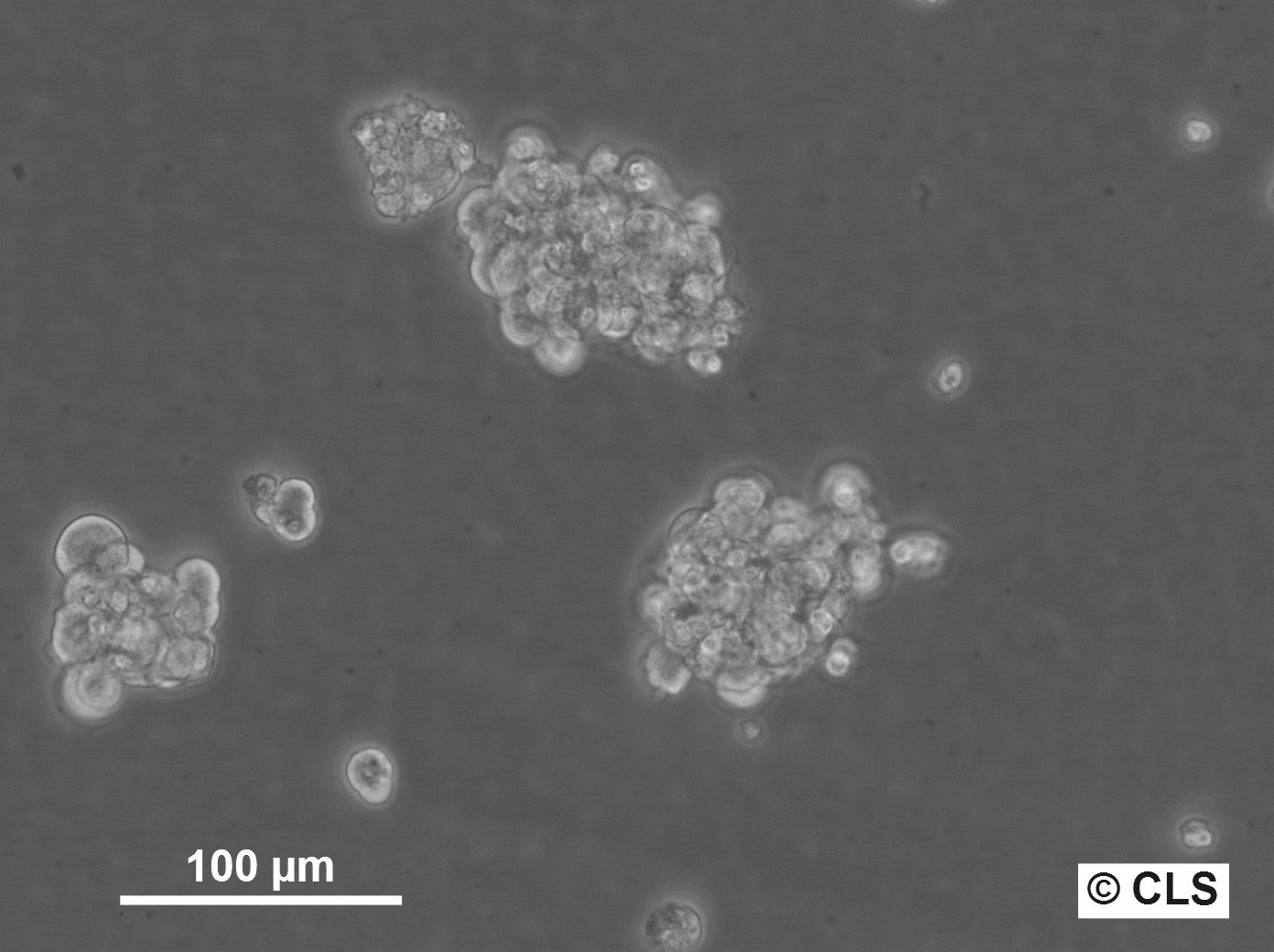
| 生長特性 | Spheroid culture |
監管數據
| 引用 | NCH644 (Cytion catalog number 300124) |
|---|---|
| 生物安全等級 | 1 |
| NCBI_TaxID | 9606 |
| Cellosaurus 編號 | CVCL_x914 |
生物分子資料
| 抗原表達 | Highly CD133 positive |
|---|---|
| 致瘤性 | Yes |
| 倍性狀態 | Aneuploid |
處理方式
| 培養基 | DMEM:Ham's F12 (1:1), w: 3.1 g/L Glucose, w: 2.5 mM L-Glutamine, w: 15 mM HEPES, w: 0.5 mM Sodium pyruvate, w: 1.2 g/L NaHCO3 (Cytion article number 820400a) |
|---|---|
| 營養補充品 | Supplement the medium with 10% FBS, 5 mg/L Heparin, 20 ng/mL bFGF, 20 microgram/L EGF, 5 mg/L Insulin, 100 mg/L Transferrin, 5,2 microgram/L Na-selenit, 6,3 microgram/L Progesteron, 161,1 microgram/L Putrescin, 50 mg/L Hydrocortinson |
| 傳代培養 | For subculturing spheroid cultures, begin by mechanically dissociating the spheroids through pipetting up and down 5 to 10 times using an Eppendorf pipette with 1000 μl filter tips. After this, centrifuge the mixture at 300g for 5 minutes at room temperature to pellet the cells. Discard the supernatant and resuspend the cell pellet in fresh culture medium. Finally, transfer the resuspended cells into new culture vessels to promote further spheroid formation. This approach ensures efficient spheroid breakdown and readies them for continued growth in a new environment. |
| 播種密度 | 2 x 10⁵ cells/ml |
| 流體更新 | 2 to 3 times per week |
| 解凍後的恢復 | After thawing allow the cells to recover from the freezing process for at least 24 to 48 hours. |
| 冷凍培養基 | As a cryopreservation medium, we use 50% basal medium + 40% FBS + 10% DMSO, or CM-1 (Cytion catalog number 800100), which includes optimized osmoprotectants and metabolic stabilizers to enhance recovery and reduce cryo-induced stress. |
| 細胞解凍與培養 |
|
| 培養環境 | 37°C, 5% CO2, humidified atmosphere. |
| 運送條款 | Cryopreserved cell lines are shipped on dry ice in validated, insulated packaging with sufficient refrigerant to maintain approximately −78 °C throughout transit. On receipt, inspect the container immediately and transfer vials without delay to appropriate storage. |
| 儲存條件 | For long-term preservation, place vials in vapor-phase liquid nitrogen at about −150 to −196 °C. Storage at −80 °C is acceptable only as a short interim step before transfer to liquid nitrogen. |
品質控制與分子分析
| 不孕症 | Mycoplasma contamination is excluded using both PCR-based assays and luminescence-based mycoplasma detection methods. To ensure there is no bacterial, fungal, or yeast contamination, cell cultures are subjected to daily visual inspections. |
|---|
分析證明書 (CoA)
| 批次編號 | 證書類型 | 日期 | 型號 |
|---|---|---|---|
| 300124-622 | 分析證明書 | 26. May. 2025 | 300124 |
| 300124-416SF | 分析證明書 | 04. May. 2026 | 300124 |