
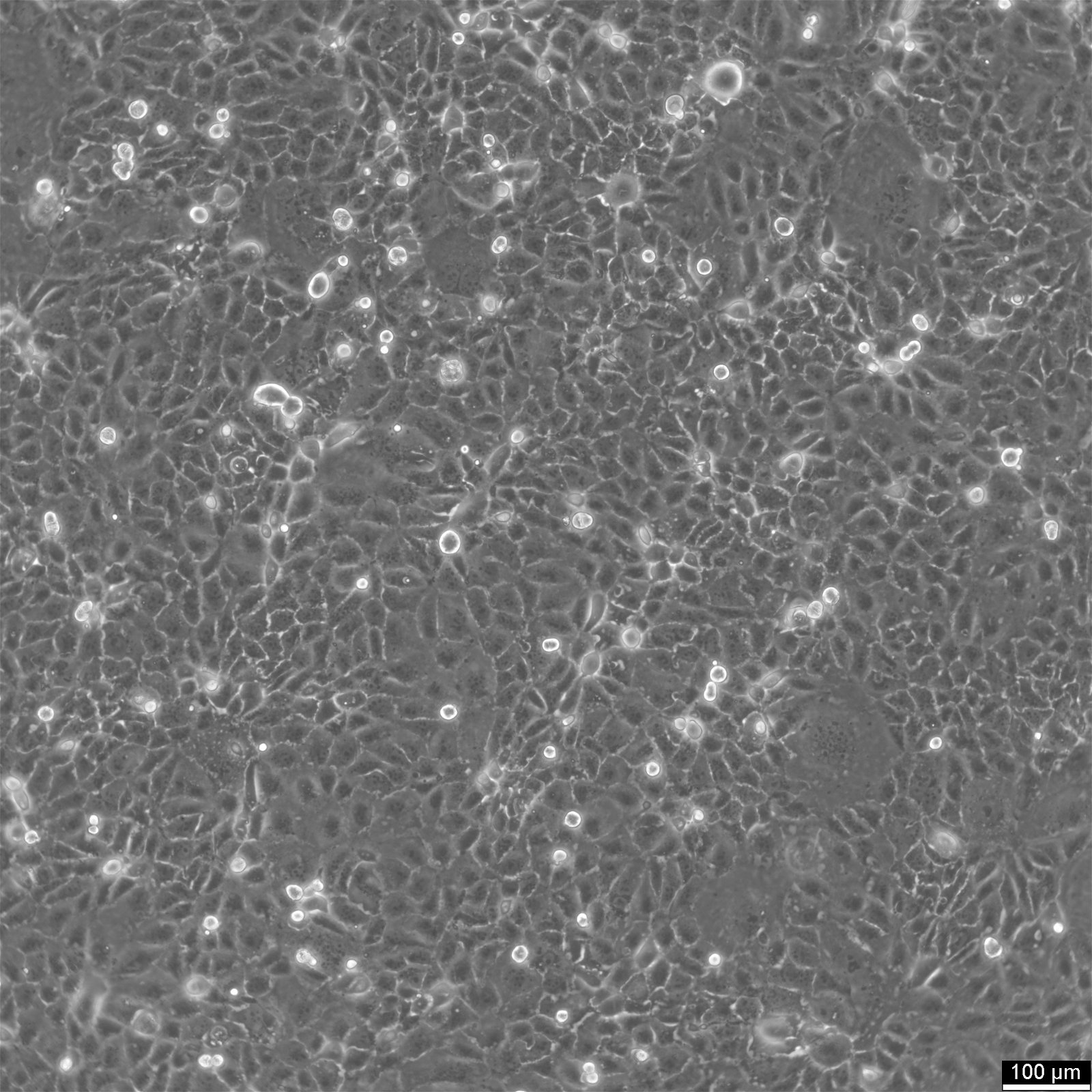
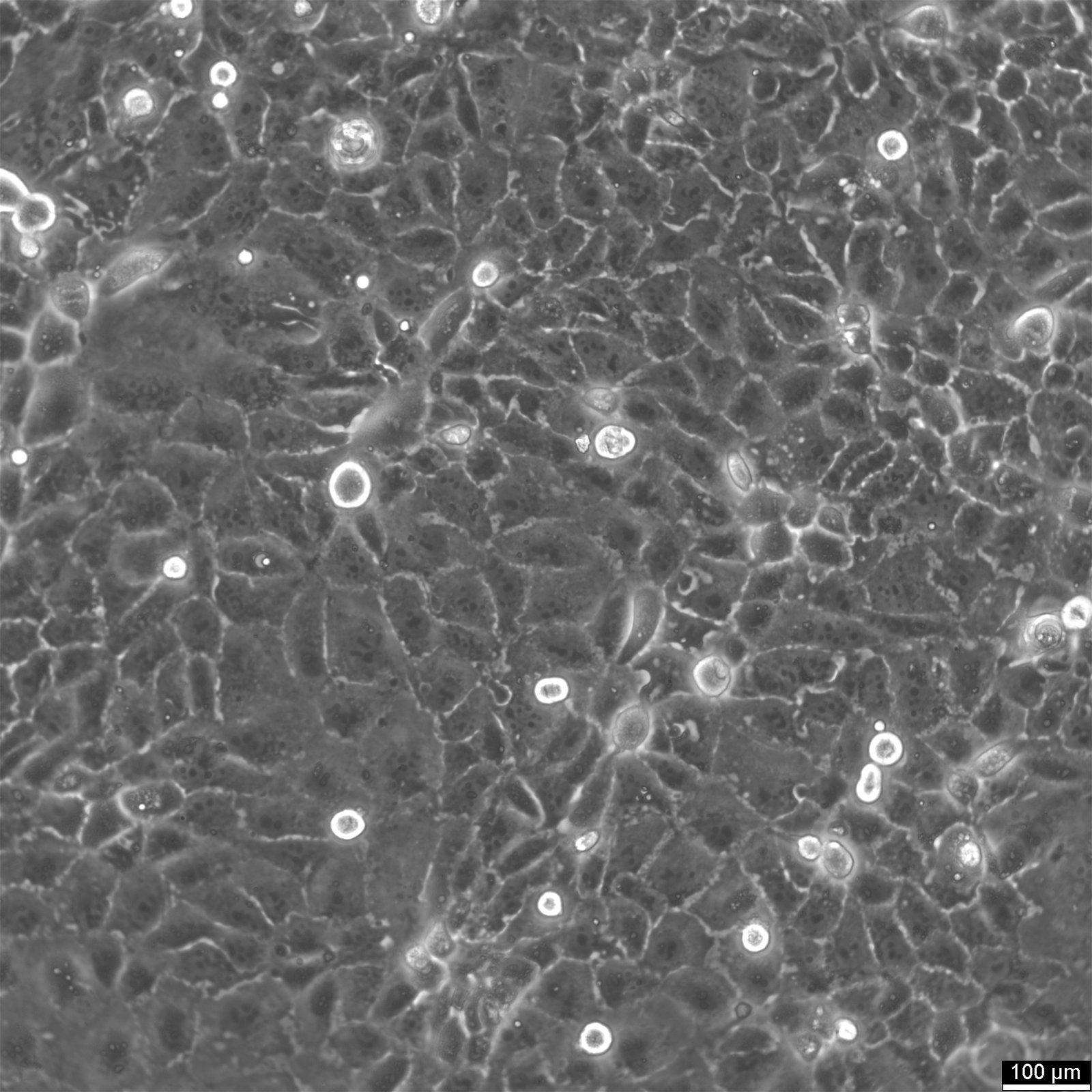
HuCC-T1 Cells
USUSD$800.00*
Products are shipped frozen on dry ice in cryotubes. Each cryotube typically contains 3 × 10⁶ cells for adherent lines or 5 × 10⁶ cells for suspension lines (refer to the batch CoA for details).
一般資訊
| 說明 | HuCC-T1 is a human cholangiocarcinoma cell line established from an intrahepatic bile duct carcinoma. Cholangiocarcinoma is a highly aggressive malignancy with limited treatment options and a poor prognosis. HuCC-T1 cells have been utilized extensively in research to study the pathophysiology of cholangiocarcinoma and to explore potential therapeutic approaches. The cell line is particularly valuable in studying the effects of various chemotherapeutic agents, including statins, which have shown potential in suppressing the proliferation of cholangiocarcinoma cells. In studies involving HuCC-T1, statins such as pitavastatin and atorvastatin were observed to significantly inhibit cell proliferation, particularly when combined with conventional chemotherapeutic agents like gemcitabine, cisplatin, and 5-fluorouracil (5-FU). The combination of these drugs resulted in enhanced suppression of cell growth, indicating potential synergistic effects. The mechanism of action involves the induction of apoptosis via suppression of the MAPK/ERK signaling pathway, as evidenced by increased levels of cleaved caspase-3 and reduced levels of phosphorylated ERK (p-ERK). These findings suggest that statins may serve as a promising adjunct therapy in the treatment of cholangiocarcinoma, potentially improving outcomes when used alongside existing anticancer drugs. Furthermore, the HuCC-T1 cell line has been characterized for various molecular markers, including p53 gene status, which plays a critical role in cell cycle regulation and apoptosis. The precise p53 mutation status in HuCC-T1 could provide insights into the cell line's response to DNA-damaging agents and its overall tumorigenic potential. Given its molecular characteristics, HuCC-T1 continues to be a pivotal tool in cholangiocarcinoma research, offering insights into the disease's molecular underpinnings and aiding in the development of novel therapeutic strategies. |
|---|---|
| 生物體 | Human |
| 組織 | Liver |
| 疾病 | Intrahepatic cholangiocarcinoma |
| 轉移部位 | Ascites |
| 應用 | Studies of the mechanism of tumor marker secretion and tumor cell growth in the human cholangiocellular carcinoma |
| 同義詞 | HuCCT-1, HUCCT-1, HUCC-T1, HUCCT1, HuCCT1 |
特徵
| 年齡 | 56 years |
|---|---|
| 性別 | Male |
| 族裔 | Japanese |
| 形態學 | Epithelial |
| 生長特性 | Adherent |
監管數據
| 引用 | HuCC-T1 (Cytion catalog number 300469) |
|---|---|
| 生物安全等級 | 1 |
| NCBI_TaxID | 9606 |
| Cellosaurus 編號 | CVCL_0324 |
生物分子資料
| 致瘤性 | Yes, in nude mice. |
|---|
處理方式
| 培養基 | RPMI 1640, w: 2.0 mM stable Glutamine, w: 2.0 g/L NaHCO3 (Cytion article number 820700a) |
|---|---|
| 營養補充品 | Supplement the medium with 10% FBS |
| 解離試劑 | Accutase |
| 傳代培養 | Discard the old medium and wash the cells with PBS. Add a freshly prepared 0.025% trypsin/0.02% EDTA solution heated to 37 degrees Celsius and wait until the cells detach, which usually takes about 5 minutes. Neutralize the trypsin by adding fresh medium, then transfer the cell mixture to a tube and centrifuge. After centrifugation, remove the supernatant, resuspend the cell pellet in fresh culture medium, and transfer the suspension to new flasks. Incorporate G418 into the culture medium to achieve a final concentration of 0.5 mg/ml |
| 冷凍培養基 | As a cryopreservation medium, we use complete growth medium (including FBS) + 10% DMSO for adequate post-thaw viability, or CM-1 (Cytion catalog number 800100), which includes optimized osmoprotectants and metabolic stabilizers to enhance recovery and reduce cryo-induced stress. |
| 細胞解凍與培養 |
|
| 培養環境 | 37°C, 5% CO2, humidified atmosphere. |
| 運送條款 | Cryopreserved cell lines are shipped on dry ice in validated, insulated packaging with sufficient refrigerant to maintain approximately −78 °C throughout transit. On receipt, inspect the container immediately and transfer vials without delay to appropriate storage. |
| 儲存條件 | For long-term preservation, place vials in vapor-phase liquid nitrogen at about −150 to −196 °C. Storage at −80 °C is acceptable only as a short interim step before transfer to liquid nitrogen. |
品質控制與分子分析
| 不孕症 | Mycoplasma contamination is excluded using both PCR-based assays and luminescence-based mycoplasma detection methods. To ensure there is no bacterial, fungal, or yeast contamination, cell cultures are subjected to daily visual inspections. |
|---|
分析證明書 (CoA)
| 批次編號 | 證書類型 | 日期 | 型號 |
|---|---|---|---|
| 300469-030325 | 分析證明書 | 23. May. 2025 | 300469 |
| 300469-050324 | 分析證明書 | 23. May. 2025 | 300469 |