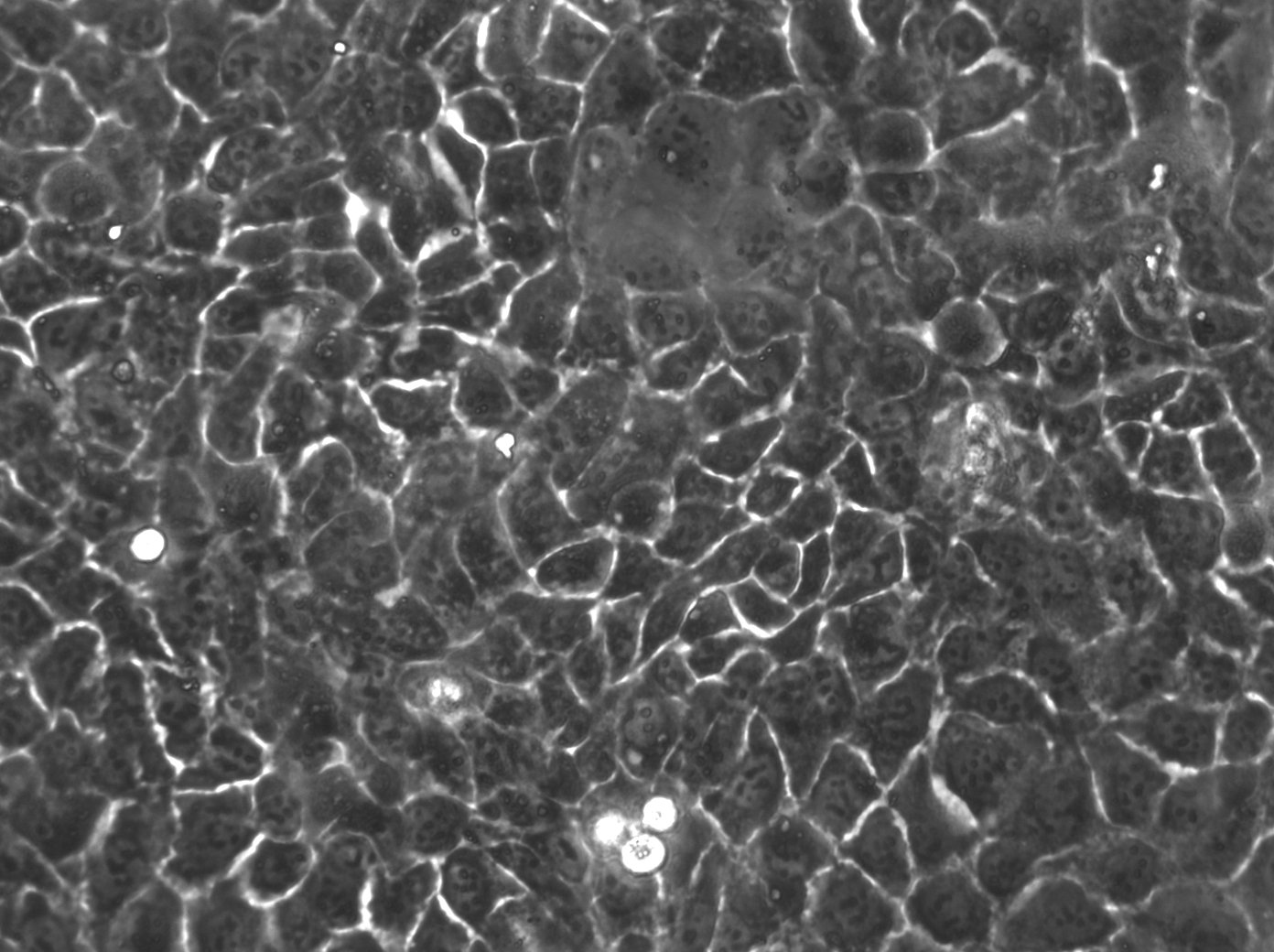
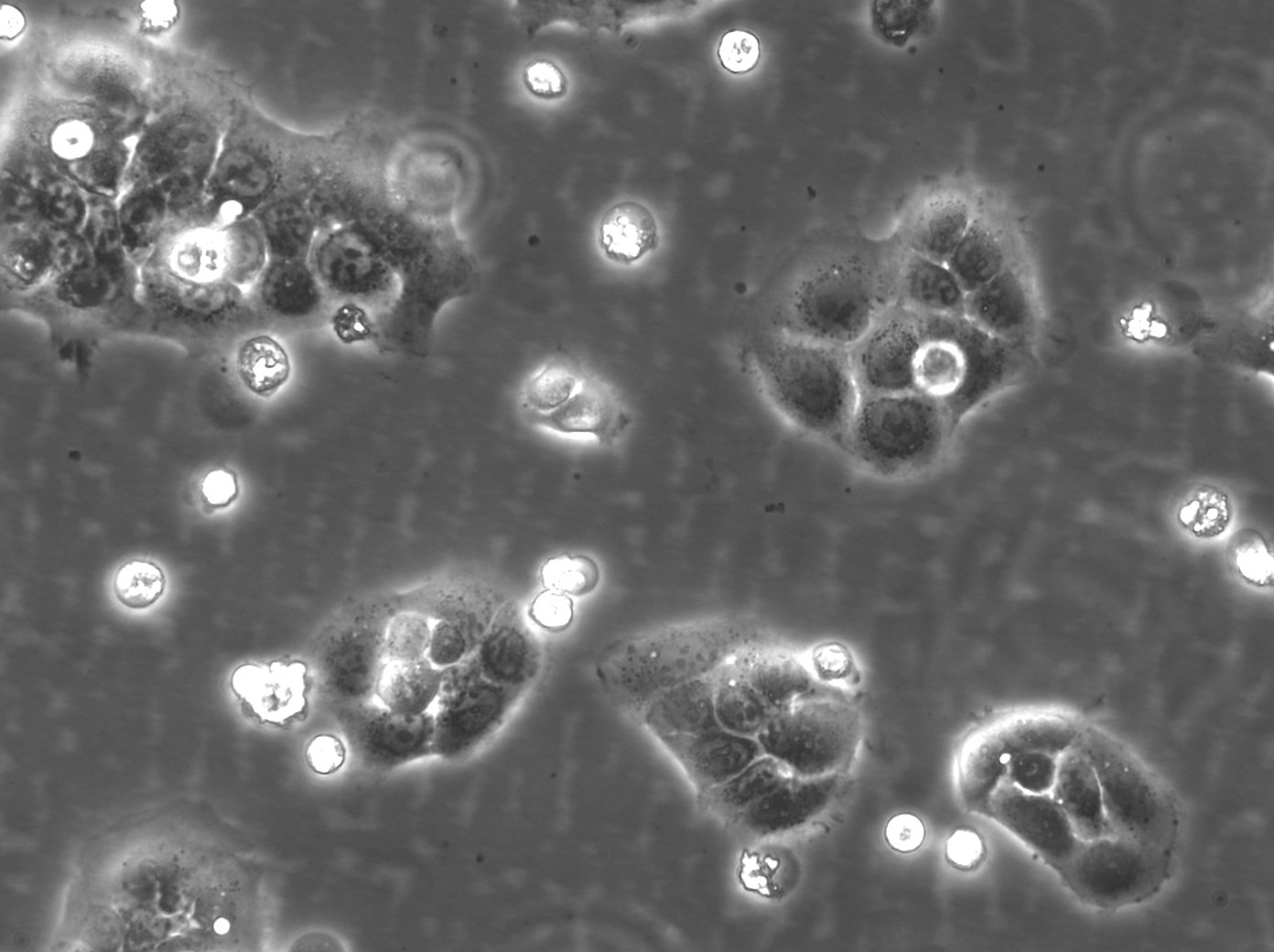
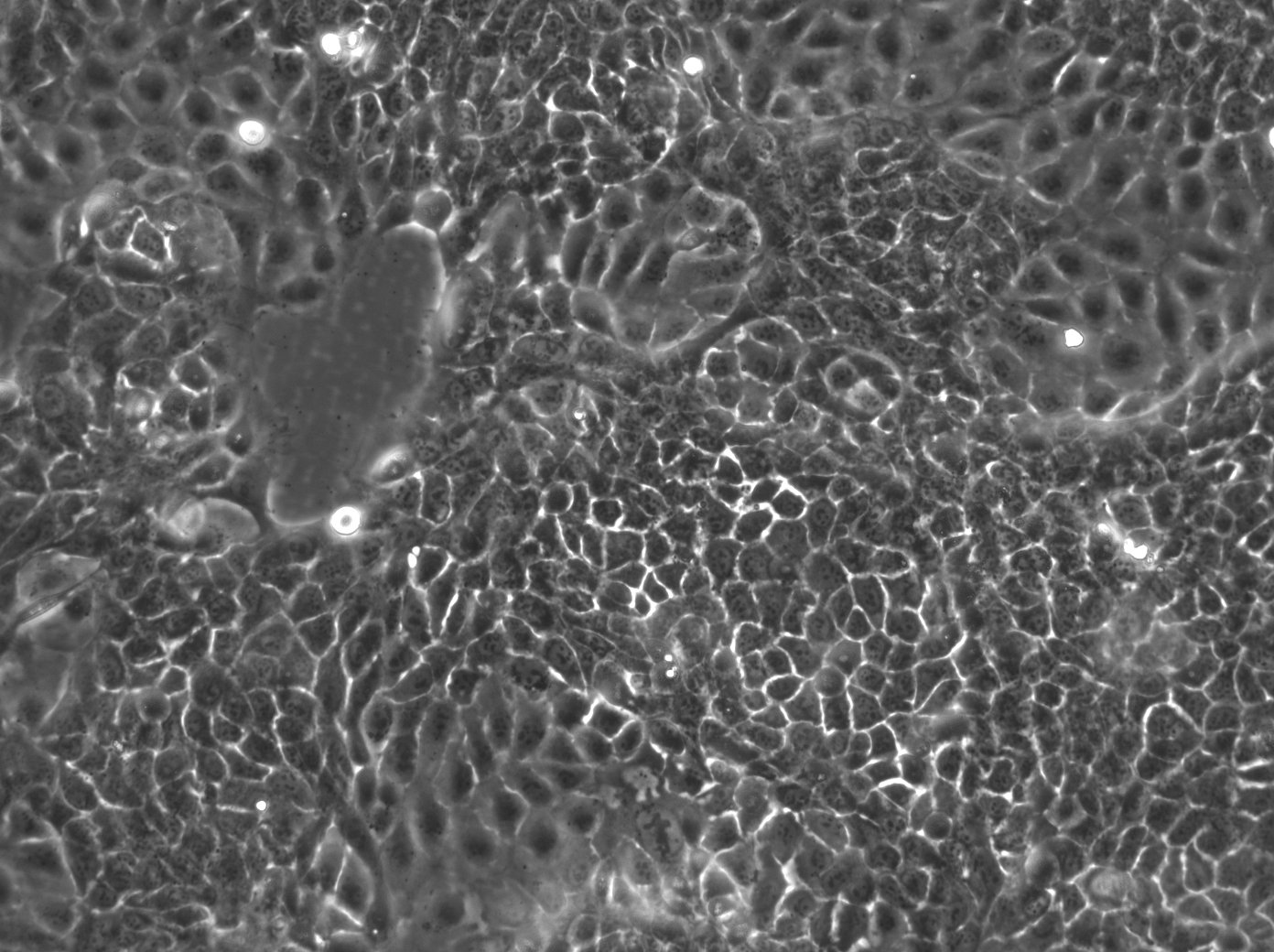
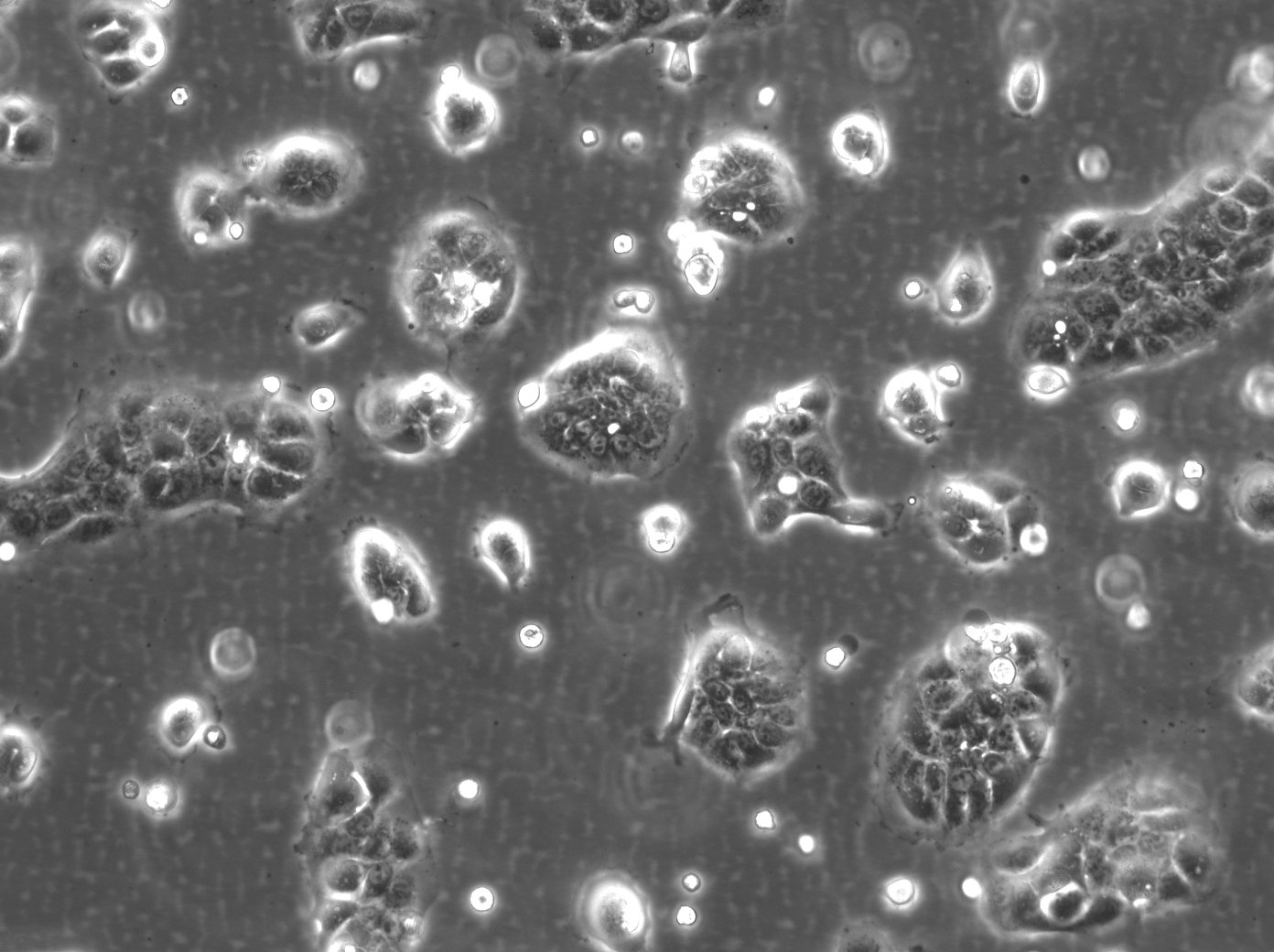
HaCaT-ras II-4 Cells
USUSD$550.00*
Products are shipped frozen on dry ice in cryotubes. Each cryotube typically contains 3 × 10⁶ cells for adherent lines or 5 × 10⁶ cells for suspension lines (refer to the batch CoA for details).
一般資訊
| 說明 | HaCaT-ras II-4 cells are a remarkable and extensively studied cellular model in biological science. These cells are derived from spontaneously immortalized human skin keratinocytes, known as HaCaT cells, which were modified through transfection with the c-Ha-ras (EJ) oncogene. The selection of these cells was based on their resistance to G418, a selective antibiotic, as described in the comprehensive study conducted by Boukamp et al. in 1990. One notable characteristic of HaCaT-ras II-4 cells is their tumorigenic nature. When these clonal cells are injected into Balb/c-nu/nu mice, they exhibit a fascinating behaviour by forming highly differentiated and locally invasive squamous cell carcinomas. This unique property allows researchers to explore tumour development and progression mechanisms within a controlled experimental environment. HaCaT-ras II-4 cells are predominantly derived from the Caucasian population, ensuring relevance to a specific ethnic group in scientific investigations. Their origin and characteristics make them an invaluable resource for researchers interested in studying various skin biology and differentiation aspects. These cells possess a partially to fully differentiated phenotype under typical culture conditions. This phenotype is attributed to the abundant presence of calcium in both traditional media and fetal bovine serum, which provides an ideal environment for the cells to exhibit characteristics resembling those of mature skin cells. This feature allows researchers to investigate the intricate processes involved in skin development, wound healing, and epidermal differentiation. With their tumorigenic nature and the ability to replicate skin biology in vitro, HaCaT-ras II-4 cells offer a unique opportunity to explore the molecular pathways associated with skin cancer and other skin-related disorders. By utilizing this exceptional cellular model, researchers can gain deeper insights into the underlying mechanisms of tumorigenesis, invasive potential, and therapeutic interventions. HaCaT-ras II-4 cells are a vital tool for biological science research, specifically in skin biology and differentiation studies. Their origin from spontaneously immortalized human skin keratinocytes, modification with the c-Ha-ras (EJ) oncogene, and subsequent tumorigenic behaviour in mice make them invaluable for investigating skin-related diseases and therapeutic approaches. By harnessing the unique characteristics of HaCaT-ras II-4 cells, researchers can unlock a deeper understanding of skin biology and contribute to advancing medical knowledge and treatment options for various skin disorders. |
|---|---|
| 生物體 | Human |
| 組織 | Skin |
| 同義詞 | HaCaT-ras clone II-4, HaCaT II-4, II-4 |
特徵
| 年齡 | 62 years |
|---|---|
| 性別 | Male |
| 族裔 | Caucasian |
| 細胞類型 | Keratinocyte |
| 生長特性 | Adherent |
監管數據
| 引用 | HaCaT-ras II-4 (Cytion catalog number 300495) |
|---|---|
| 生物安全等級 | 1 |
| NCBI_TaxID | 9606 |
| Cellosaurus 編號 | CVCL_3868 |
| 轉基因狀態 | GMO-S1: This human keratinocyte line (HaCaT-ras II-4) contains a plasmid encoding c-Ha-Ras oncogene sequences introduced by transfection, enabling transformed growth behavior. The construct is integrated into HaCaT-derived keratinocytes. This classification applies only within Germany and may differ elsewhere. |
生物分子資料
| 蛋白質表達 | P53 (+), CEA (+), |
|---|---|
| 致瘤性 | Formation of highly differentiated, locally invasive squamous cell carcinoma in Balb/c-nu/nu mice. |
| 核型分析 | Aneuploid (hypotetraploid) |
處理方式
| 培養基 | DMEM, w: 4.5 g/L Glucose, w: 4 mM L-Glutamine, w: 3.7 g/L NaHCO3, w: 1.0 mM Sodium pyruvate (Cytion article number 820300a) |
|---|---|
| 營養補充品 | Supplement the medium with 10% FBS |
| 解離試劑 | The 1:1 mixture of EDTA (stock. 0.05%) and trypsin (stock: 0.1%) must be prepared each time ahead of detaching the cells using PBS without Ca2+ and Mg2+ to provide a physiologic osmolarity. Ready-to-use mixtures of trypsin/EDTA are not recommended, as this may result in cell clumps. As an alternative, TrypLETM Express (Life Technologies) instead of trypsin/EDTA can be used. The protocol of the manufacturer should be followed. |
| 傳代培養 |
|
| 播種密度 | 1 x 10⁴ cells/cm2 |
| 流體更新 | 2 times per week |
| 冷凍培養基 | As a cryopreservation medium, we use complete growth medium (including FBS) + 10% DMSO for adequate post-thaw viability, or CM-1 (Cytion catalog number 800100), which includes optimized osmoprotectants and metabolic stabilizers to enhance recovery and reduce cryo-induced stress. |
| 細胞解凍與培養 |
|
| 培養環境 | 37°C, 5% CO2, humidified atmosphere. |
| 運送條款 | Cryopreserved cell lines are shipped on dry ice in validated, insulated packaging with sufficient refrigerant to maintain approximately −78 °C throughout transit. On receipt, inspect the container immediately and transfer vials without delay to appropriate storage. |
| 儲存條件 | For long-term preservation, place vials in vapor-phase liquid nitrogen at about −150 to −196 °C. Storage at −80 °C is acceptable only as a short interim step before transfer to liquid nitrogen. |
品質控制與分子分析
| 不孕症 | Mycoplasma contamination is excluded using both PCR-based assays and luminescence-based mycoplasma detection methods. To ensure there is no bacterial, fungal, or yeast contamination, cell cultures are subjected to daily visual inspections. |
|---|