H9 Cells (derivative of HuT 78)
USUSD$395.00*
Products are shipped frozen on dry ice in cryotubes. Each cryotube typically contains 3 × 10⁶ cells for adherent lines or 5 × 10⁶ cells for suspension lines (refer to the batch CoA for details).
一般資訊
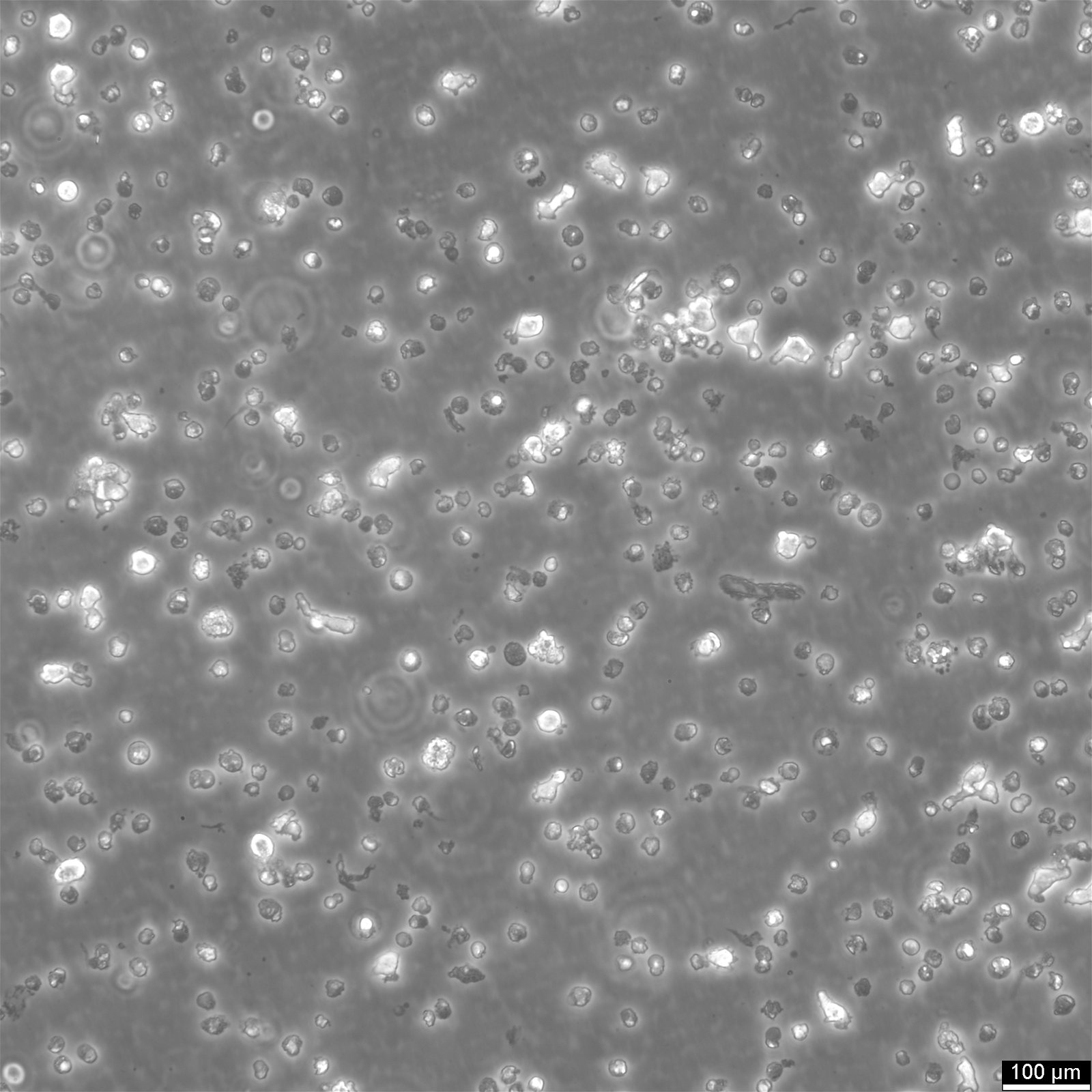
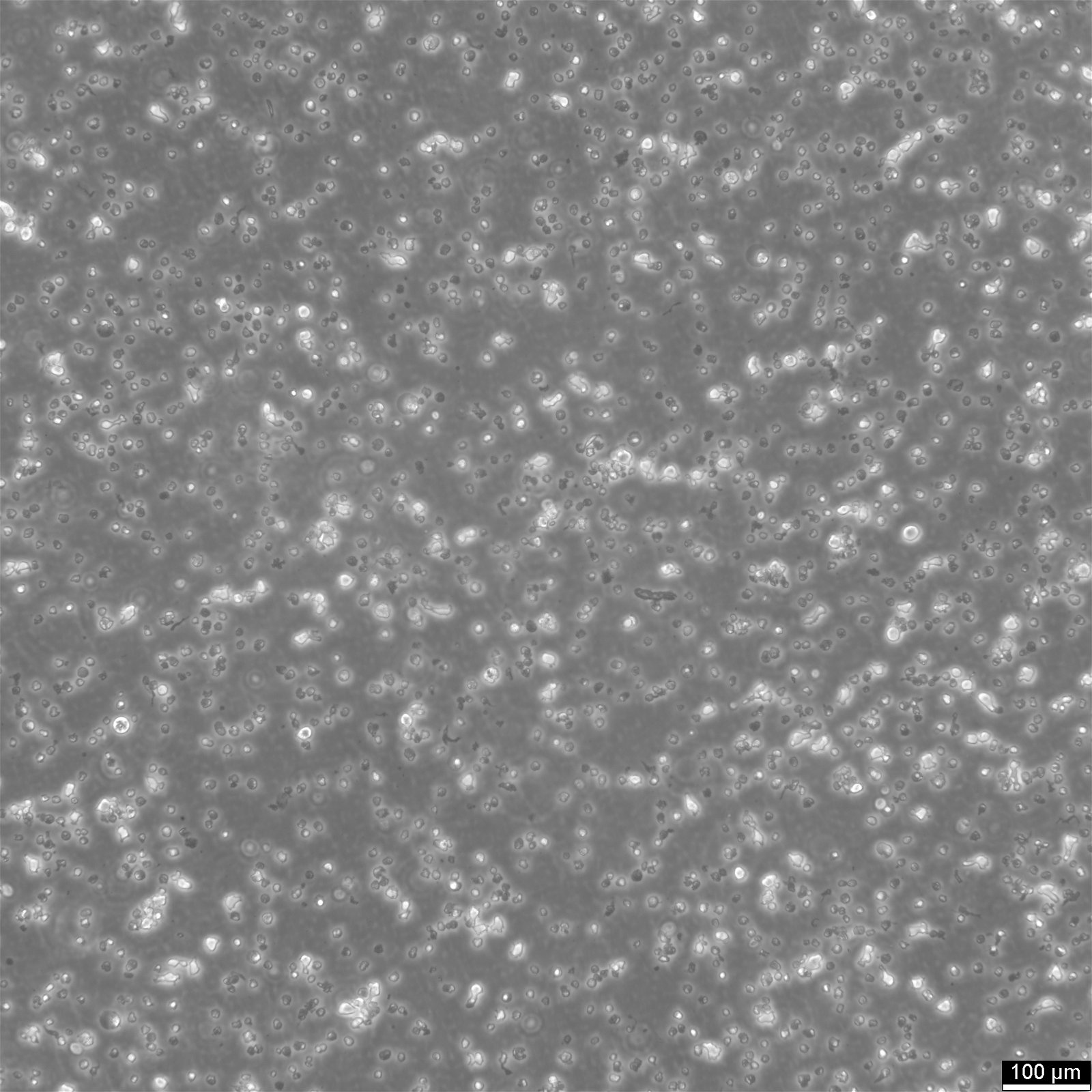
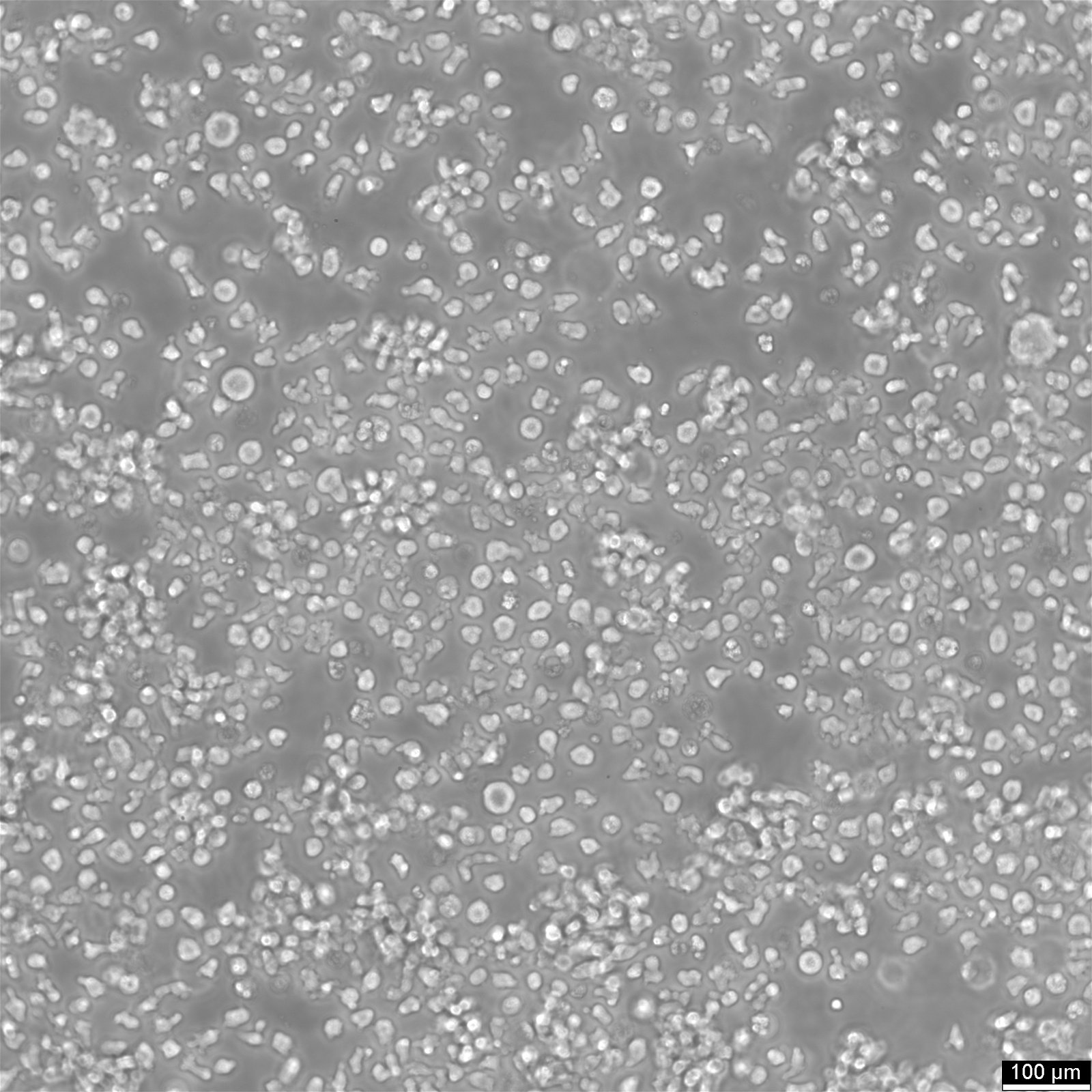
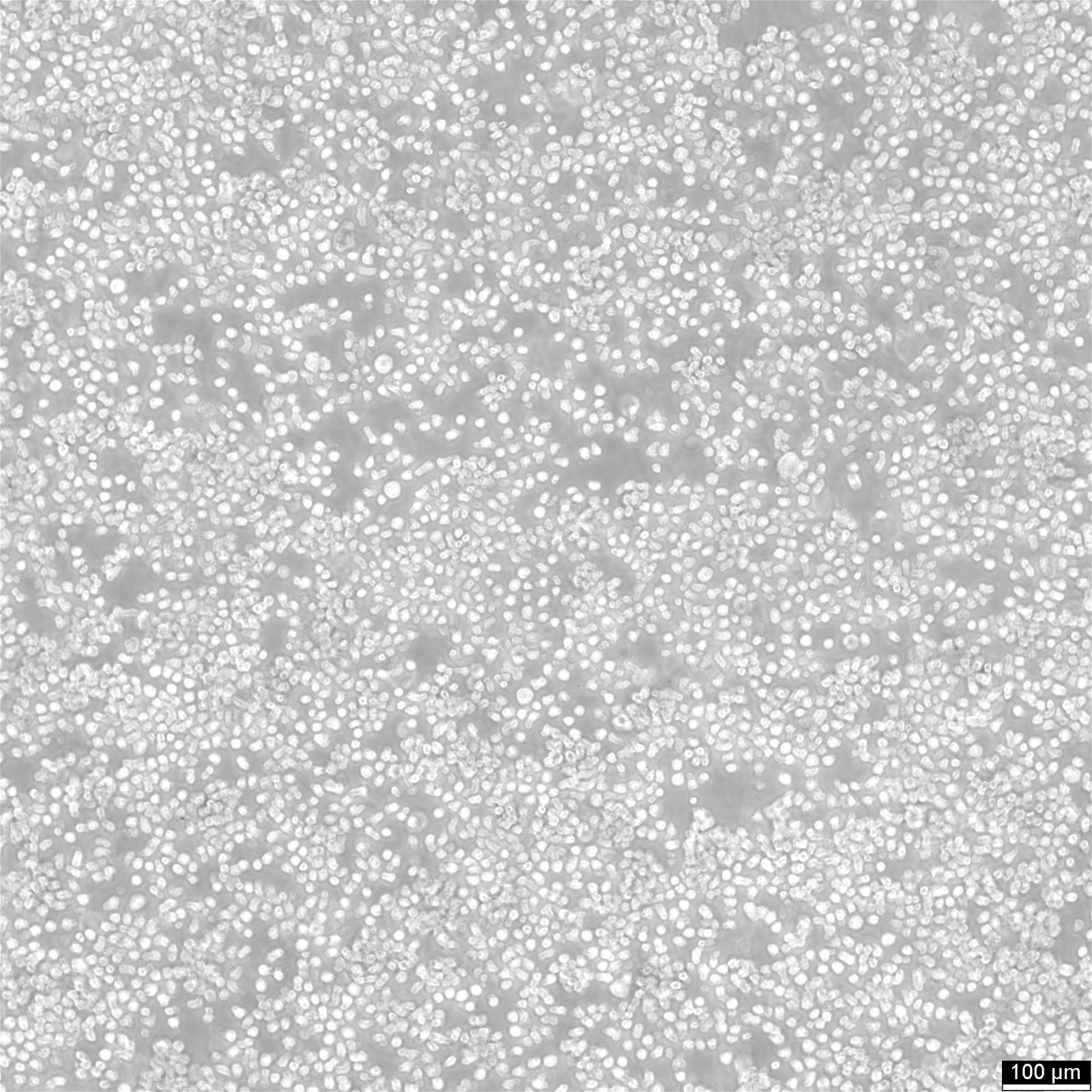
| 說明 | The H9 cell line, derived from a clonal derivative of the HUT 78 T-cell line from an adult patient with Sezary syndrome, exhibits specific clinical characteristics making it highly relevant in HIV research. It is notably permissive for HIV-1 replication, facilitating the isolation and propagation of HIV-1 from the blood of patients with AIDS and pre-AIDS conditions. This feature underscores its utility in studying viral behaviors and testing antiviral strategies under varied clinical scenarios. Karyotypically, H9 is near triploid with a modal chromosome number of 69, ranging from 58 to 74, and exhibits a 2.5% frequency of higher ploidies. The cell line displays an extremely complex karyotype, with nearly 60% of the chromosomes per cell consisting of structurally altered marker chromosomes, including translocations such as t(3p4q), t(5q6q), t(5p6p), and deletions like del(7)(q32). Such chromosomal abnormalities contribute to the line’s unique genetic profile, influencing its behavior and response to viral infections. The absence of normal chromosomes N4, N5, N6, N7, N10, N13, N18, N19, N20, and X further distinguishes its genetic makeup. Moreover, the H9 cell line is tumorigenic in nature, demonstrated by successful subcutaneous tumor formation in nude mice when inoculated with 10(7) cells. It expresses a range of antigens including CD4 and various human leukocyte antigens (HLA) like A1, B62, C3, DR4, and DQ3, which play critical roles in immune recognition and response. Its susceptibility to HIV-1 and expression of genes like interleukin-2 (IL-2) are pivotal for investigating immune responses and viral interactions, making H9 a vital tool in the landscape of immunological and virological research. |
|---|---|
| 生物體 | Human |
| 組織 | Blood |
| 疾病 | Sezary syndrome (aggressive form of cutaneous T-cell lymphoma) |
| 轉移部位 | Peripheral blood |
| 同義詞 | HT clone H9, HT(H9), H 9, H-9 |
特徵
| 年齡 | 53 years |
|---|---|
| 性別 | Male |
| 族裔 | European |
| 形態學 | Lymphoblast |
| 細胞類型 | T cell |
| 生長特性 | Suspension |
監管數據
| 引用 | H9 (derivative of HuT 78) (Cytion catalog number 300460) |
|---|---|
| 生物安全等級 | 1 |
| NCBI_TaxID | 9606 |
| Cellosaurus 編號 | CVCL_1240 |
生物分子資料
| 受體的表達 | CD4+ |
|---|---|
| 蛋白質表達 | Interleukin 2 (IL-2) |
| 同工酶 | AK-1, 0, ES-D, 1, G6PD, B, GLO-I, 1, Me-2, 0, PGM1, 1, PGM3, 0 |
| 對病毒的易感性 | HIV-1 (HTLV-III) |
處理方式
| 培養基 | RPMI 1640, w: 2.0 mM stable Glutamine, w: 2.0 g/L NaHCO3 (Cytion article number 820700a) |
|---|---|
| 營養補充品 | Supplement the medium with 10% FBS |
| 傳代培養 | Gently homogenize the cell suspension in the flask by pipetting up and down, then take a representative sample to determine the cell density per ml. Dilute the suspension to achieve a cell concentration of 1 x 10⁵ cells/ml with fresh culture medium, and aliquot the adjusted suspension into new flasks for further cultivation. |
| 冷凍培養基 | As a cryopreservation medium, we use complete growth medium (including FBS) + 10% DMSO for adequate post-thaw viability, or CM-1 (Cytion catalog number 800100), which includes optimized osmoprotectants and metabolic stabilizers to enhance recovery and reduce cryo-induced stress. |
| 細胞解凍與培養 |
|
| 培養環境 | 37°C, 5% CO2, humidified atmosphere. |
| 運送條款 | Cryopreserved cell lines are shipped on dry ice in validated, insulated packaging with sufficient refrigerant to maintain approximately −78 °C throughout transit. On receipt, inspect the container immediately and transfer vials without delay to appropriate storage. |
| 儲存條件 | For long-term preservation, place vials in vapor-phase liquid nitrogen at about −150 to −196 °C. Storage at −80 °C is acceptable only as a short interim step before transfer to liquid nitrogen. |
品質控制與分子分析
| 不孕症 | Mycoplasma contamination is excluded using both PCR-based assays and luminescence-based mycoplasma detection methods. To ensure there is no bacterial, fungal, or yeast contamination, cell cultures are subjected to daily visual inspections. |
|---|
分析證明書 (CoA)
| 批次編號 | 證書類型 | 日期 | 型號 |
|---|---|---|---|
| 300460-020425 | 分析證明書 | 23. May. 2025 | 300460 |