
COX Cells
USUSD$395.00*
Products are shipped frozen on dry ice in cryotubes. Each cryotube typically contains 3 × 10⁶ cells for adherent lines or 5 × 10⁶ cells for suspension lines (refer to the batch CoA for details).
一般資訊
| 說明 | The COX cell line is a reference B-lymphoblastoid cell line (B-LCL) derived from a human donor and transformed with Epstein-Barr virus (EBV). It is frequently used in immunogenetics and histocompatibility research due to its inclusion in the International Histocompatibility Working Group (IHWG) panels. The COX cell line represents a specific major histocompatibility complex (MHC) haplotype, HLA-A1-B8-Cw7-DR3-DQ2, associated with susceptibility to autoimmune diseases such as type 1 diabetes, systemic lupus erythematosus, and myasthenia gravis. This haplotype is notable for its high degree of linkage disequilibrium, making the cell line an essential model for studying MHC-related genetic associations. The genomic sequence of the COX haplotype has been completely characterized as part of the MHC Haplotype Project. It spans approximately 4.8 Mb, encompassing the class I, II, and III regions of the MHC, as well as the extended class I region. Detailed sequencing revealed over 16,000 single nucleotide polymorphisms (SNPs) and numerous structural variations, providing insights into the genetic architecture of this region. The COX cell line's comprehensive MHC characterization makes it a key resource for understanding immune system function and the genetic basis of HLA-associated diseases. In research, the COX cell line is used for fine mapping of disease-associated loci within the MHC, as well as for functional studies on antigen processing and presentation. Its well-defined genetic profile allows for comparative studies with other MHC haplotypes, aiding in the identification of disease risk variants and potential therapeutic targets. Additionally, the cell line is involved in the evaluation of new sequencing and genotyping technologies, serving as a standard reference in immunogenetic studies. |
|---|---|
| 生物體 | Human |
| 組織 | Peripheral blood |
| 疾病 | Burkitt lymphoma |
| 同義詞 | LCL (DR3) |
特徵
| 年齡 | Age unspecified |
|---|---|
| 性別 | Male |
| 族裔 | Caucasian |
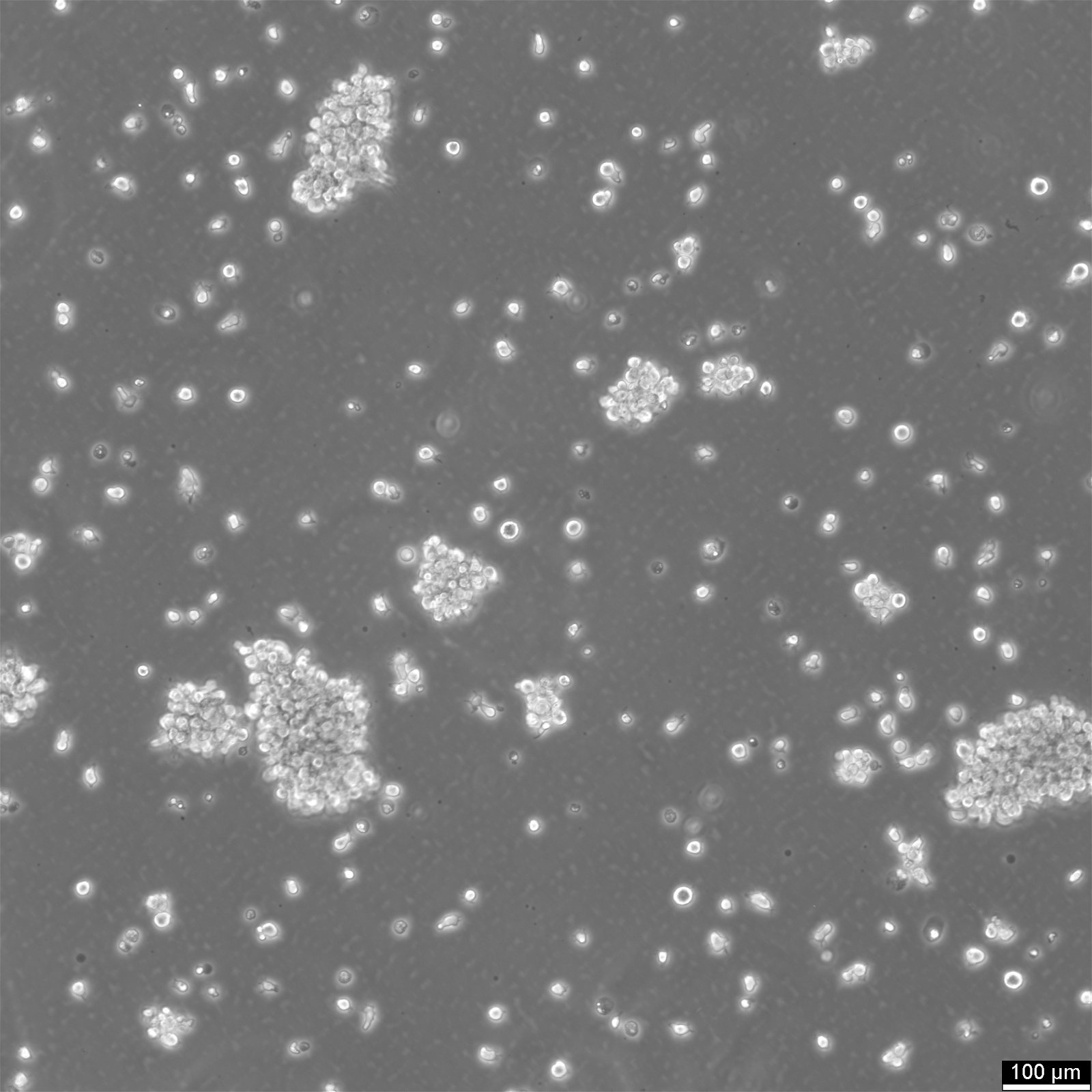
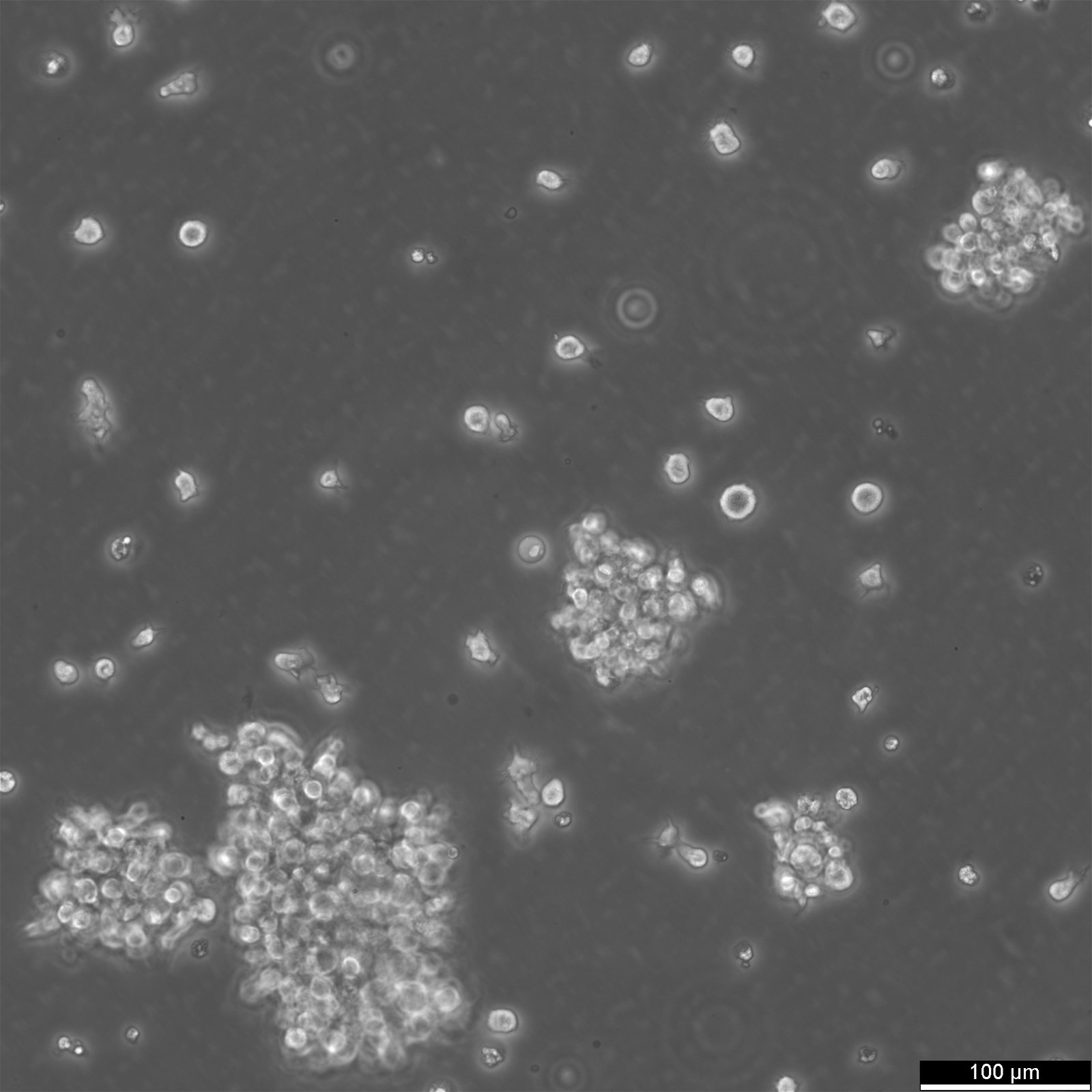
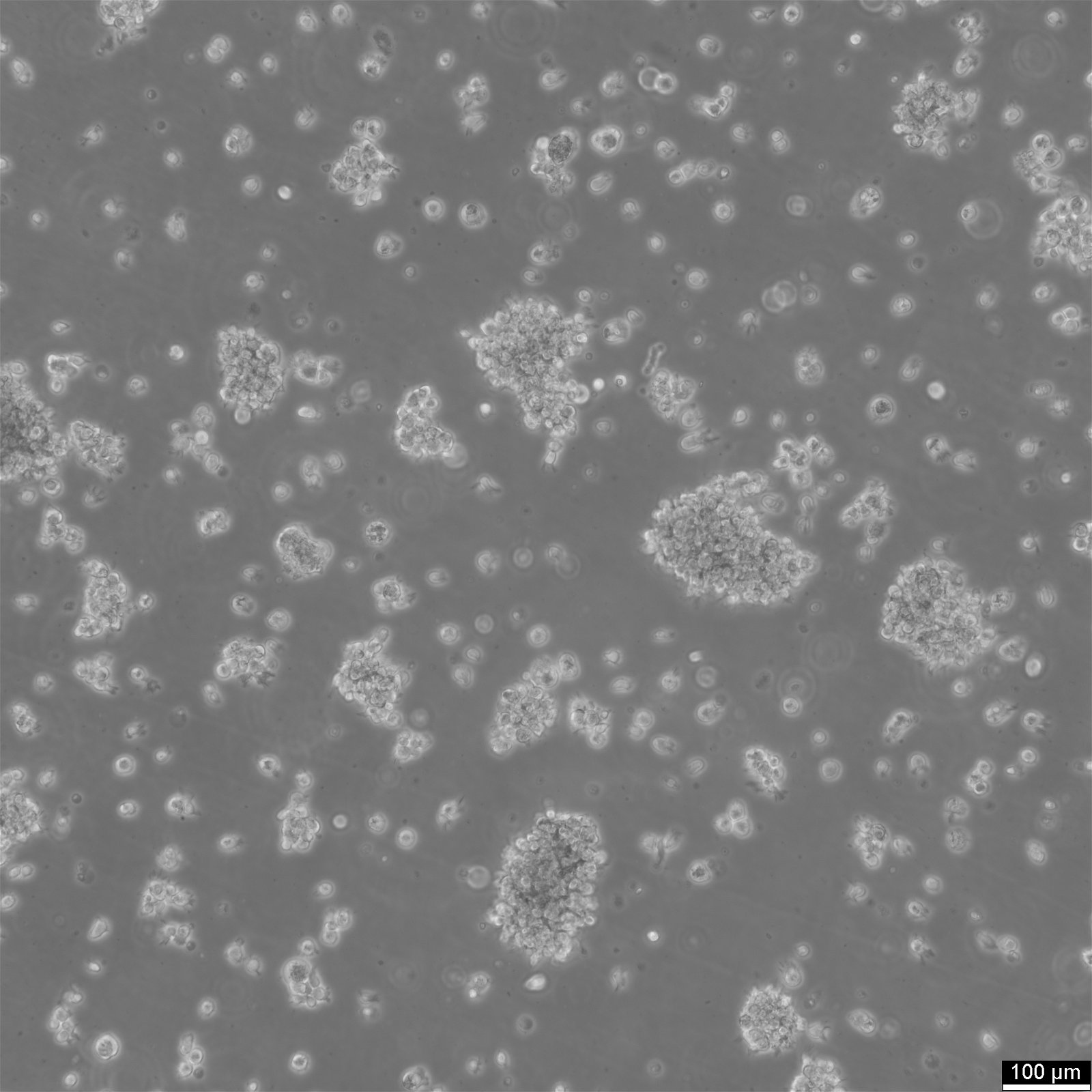
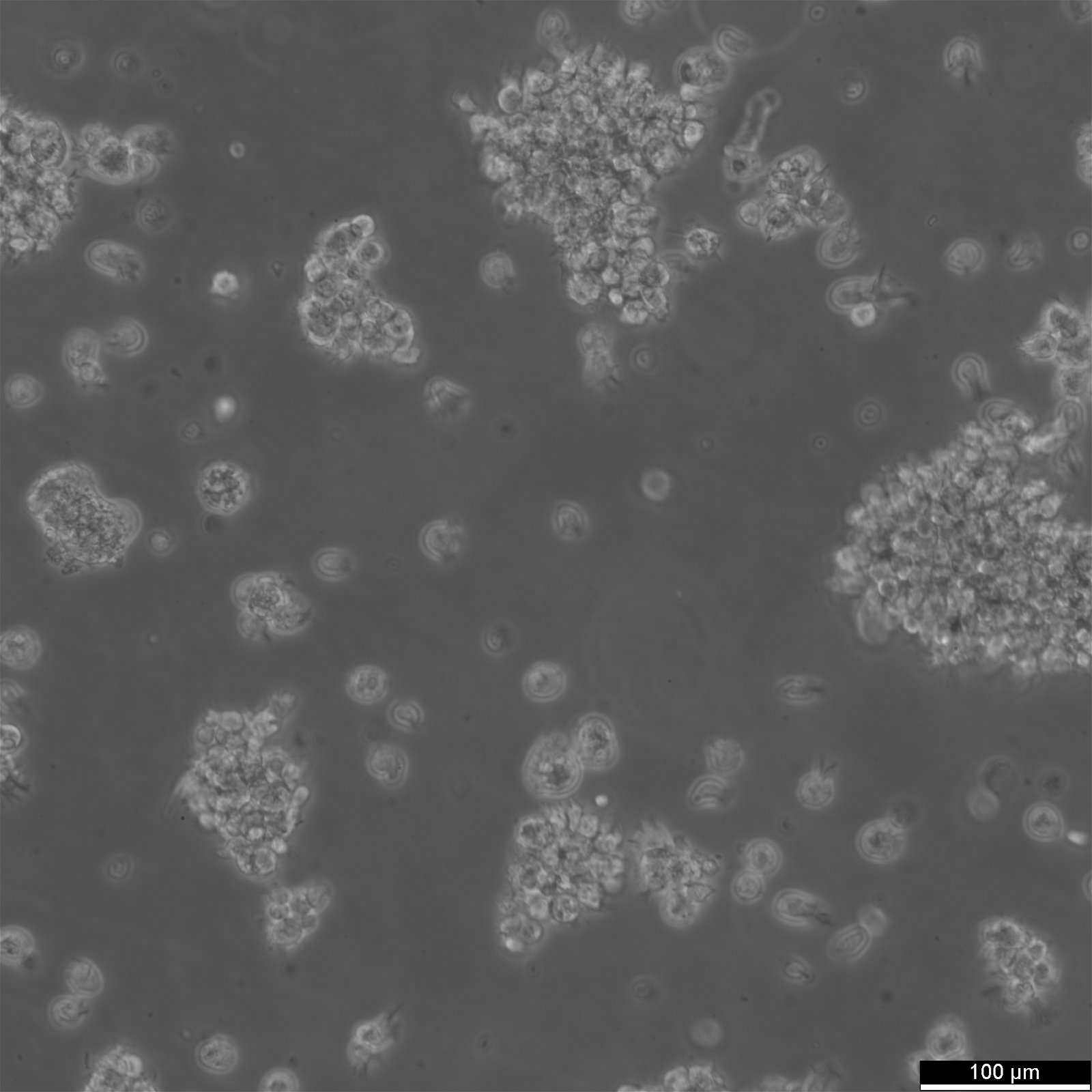
| 形態學 | Round cells |
| 細胞類型 | B lymphoblast |
| 生長特性 | Suspension |
監管數據
| 引用 | COX (Cytion catalog number 302138) |
|---|---|
| 生物安全等級 | 2 |
| NCBI_TaxID | 9606 |
| Cellosaurus 編號 | CVCL_E534 |
生物分子資料
| 病毒 | Transformed by EBV |
|---|
處理方式
| 培養基 | RPMI 1640, w: 2.0 mM stable Glutamine, w: 2.0 g/L NaHCO3 (Cytion article number 820700a) |
|---|---|
| 營養補充品 | Supplement the medium with 10% heat-inactivated FBS |
| 傳代培養 | Gently homogenize the cell suspension in the flask by pipetting up and down, then take a representative sample to determine the cell density per ml. Dilute the suspension to achieve a cell concentration of 1 x 10⁵ cells/ml with fresh culture medium, and aliquot the adjusted suspension into new flasks for further cultivation. |
| 播種密度 | 5 x 10⁵ cells/cm2 |
| 解凍後的恢復 | After thawing, plate the cells at 5 x 10⁵ cells/cm2 and allow the cells to recover from the freezing process and to adhere for at least 24 hours. |
| 冷凍培養基 | As a cryopreservation medium, we use complete growth medium (including FBS) + 10% DMSO for adequate post-thaw viability, or CM-1 (Cytion catalog number 800100), which includes optimized osmoprotectants and metabolic stabilizers to enhance recovery and reduce cryo-induced stress. |
| 細胞解凍與培養 |
|
| 培養環境 | 37°C, 5% CO2, humidified atmosphere. |
| 運送條款 | Cryopreserved cell lines are shipped on dry ice in validated, insulated packaging with sufficient refrigerant to maintain approximately −78 °C throughout transit. On receipt, inspect the container immediately and transfer vials without delay to appropriate storage. |
| 儲存條件 | For long-term preservation, place vials in vapor-phase liquid nitrogen at about −150 to −196 °C. Storage at −80 °C is acceptable only as a short interim step before transfer to liquid nitrogen. |
品質控制與分子分析
| 不孕症 | Mycoplasma contamination is excluded using both PCR-based assays and luminescence-based mycoplasma detection methods. To ensure there is no bacterial, fungal, or yeast contamination, cell cultures are subjected to daily visual inspections. |
|---|
分析證明書 (CoA)
| 批次編號 | 證書類型 | 日期 | 型號 |
|---|---|---|---|
| 302138-081223 | 分析證明書 | 23. May. 2025 | 302138 |
| 302138-230925 | 分析證明書 | 05. Dec. 2025 | 302138 |