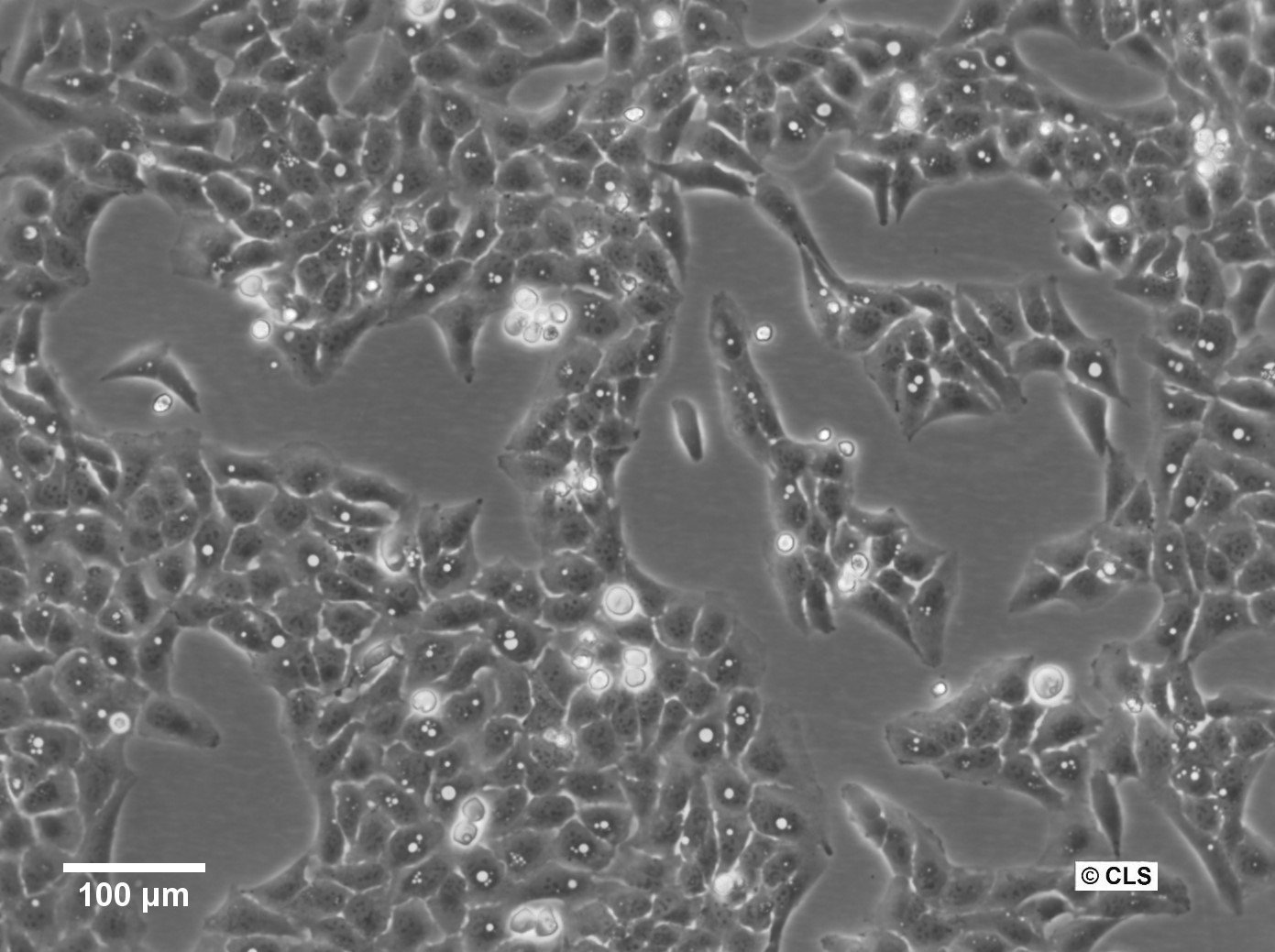
U2OS-CRISPR-SNAPf-SEH1 Cells
USD 800.00*
Products are shipped frozen on dry ice in cryotubes. Each cryotube typically contains 3 × 10⁶ cells for adherent lines or 5 × 10⁶ cells for suspension lines (refer to the batch CoA for details).
Información general
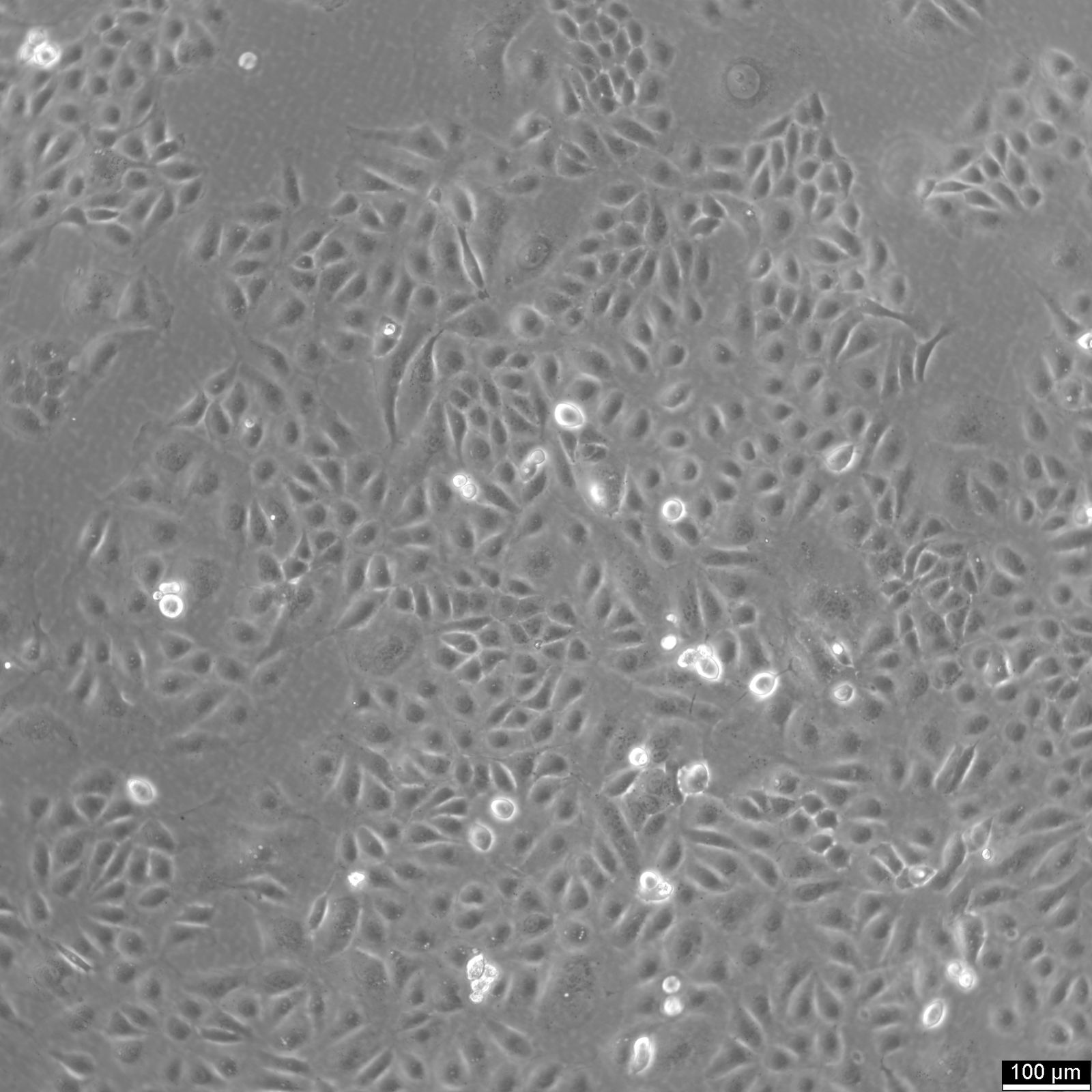
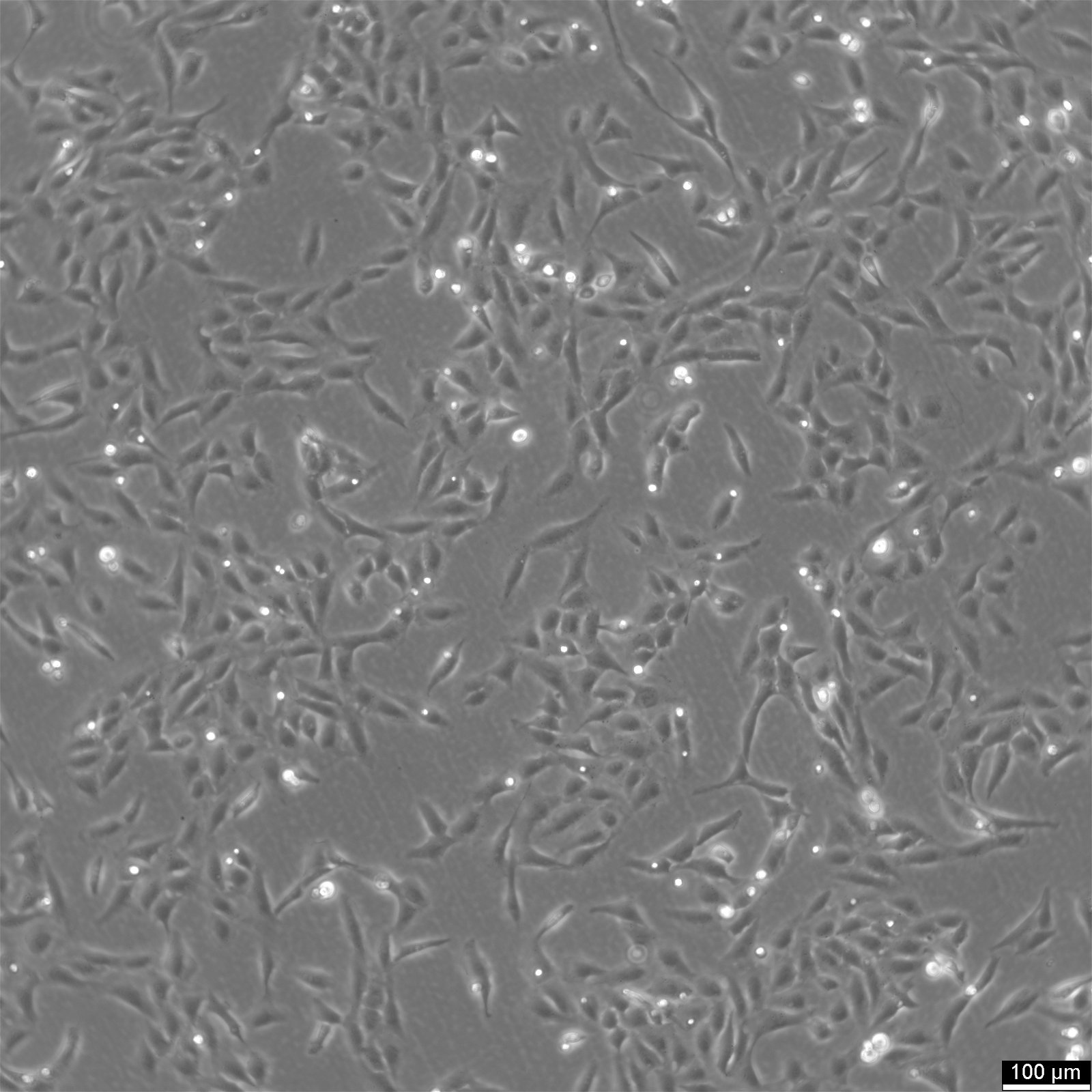
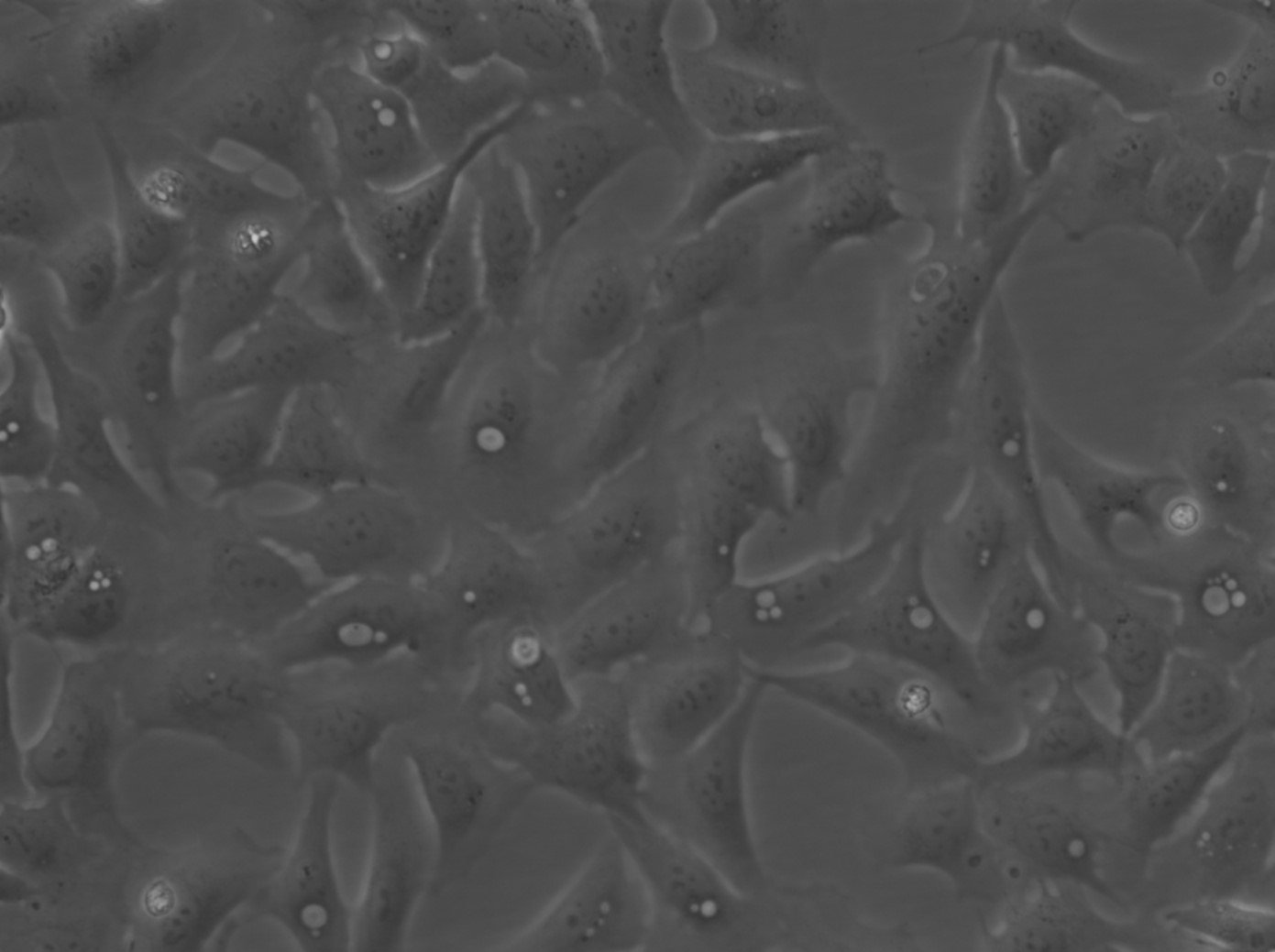
| Descripción | U2OS-CRISPR-SNAPf-SEH1 is a genome-edited human osteosarcoma cell line derived from U2OS cells in which the endogenous SEH1L (SEH1) gene has been modified using CRISPR/Cas9 technology to encode an in-frame SNAPf tag. SEH1 is a component of the Y-complex (also known as the NUP107-160 complex), a core structural module of the nuclear pore complex (NPC) that contributes to pore scaffold assembly and stability. By inserting the SNAPf coding sequence at the endogenous locus, the tagged SEH1 protein is expressed under native regulatory control, preserving physiological expression levels and minimizing perturbations to nuclear pore composition. The SNAPf tag is an engineered, fast-reacting variant of the SNAP-tag that covalently binds benzylguanine-conjugated substrates, allowing selective and stable fluorescent labeling in live or fixed cells. In U2OS-CRISPR-SNAPf-SEH1 cells, the fusion protein localizes to the nuclear envelope in a punctate pattern characteristic of NPC distribution. Because labeling occurs at endogenous protein levels, this system is well suited for quantitative fluorescence microscopy, super-resolution imaging, and single-particle tracking analyses aimed at dissecting NPC organization and stoichiometry. The flat morphology and large nuclei of U2OS cells further facilitate high-resolution visualization of nuclear envelope structures. SEH1 participates in NPC biogenesis and has also been implicated in kinetochore-associated processes during mitosis. Accordingly, this cell line provides a robust platform for investigating cell cycle-dependent NPC assembly and disassembly, spatial organization of the Y-complex within the pore scaffold, and potential dual roles of SEH1 at the nuclear envelope and mitotic kinetochores. U2OS-CRISPR-SNAPf-SEH1 enables mechanistic studies of nuclear pore architecture and dynamics under physiologically relevant expression conditions. |
|---|---|
| Organismo | Human |
| Tejido | Bone |
| Enfermedad | Osteosarcoma |
Características
| Edad | 15 years |
|---|---|
| Género | Female |
| Origen étnico | Caucasian |
| Morfología | Epithelial-like |
| Propiedades de crecimiento | Adherent |
Datos normativos
| Referencia | U2OS-CRISPR-SNAPf-SEH1 (Cytion catalog number 300664) |
|---|---|
| Nivel de bioseguridad | 1 |
| NCBI_TaxID | 9606 |
| Depositante | The Ellenberg Lab (EMBL) |
| Estado de los OGM | GMO-S1: This human osteosarcoma cell line (U2OS-CRISPR-SNAPf-SEH1) contains a CRISPR-mediated SNAPf-SEH1 fusion that allows selective labeling of the SEH1 nucleoporin. The modification is stably present. This classification applies only within Germany and may differ elsewhere. |
Datos biomoleculares
| Expresión de proteínas | SEH1, SNAPf-tag |
|---|
Manejo
| Medio de cultivo | McCoys 5a, w: 3.0 g/L Glucose, w: stable Glutamine, w: 2.0 mM Sodium pyruvate, w: 2.2 g/L NaHCO3 (Cytion article number 820200a) |
|---|---|
| Suplementos | Supplement the medium with 10% FBS, 3.0 g/L Glucose, stable Glutamine, 2.0 mM Sodium pyruvate, 2.2 g/L NaHCO3, 1% NEAA |
| Reactivo de disociación | Accutase |
| Subcultivo | Remove the old medium from the adherent cells and wash them with PBS that lacks calcium and magnesium. For T25 flasks, use 3-5 ml of PBS, and for T75 flasks, use 5-10 ml. Then, cover the cells completely with Accutase, using 1-2 ml for T25 flasks and 2.5 ml for T75 flasks. Let the cells incubate at room temperature for 8-10 minutes to detach them. After incubation, gently mix the cells with 10 ml of medium to resuspend them, then centrifuge at 300xg for 3 minutes. Discard the supernatant, resuspend the cells in fresh medium, and transfer them into new flasks that already contain fresh medium. |
| Medio de congelación | As a cryopreservation medium, we use complete growth medium (including FBS) + 10% DMSO for adequate post-thaw viability, or CM-1 (Cytion catalog number 800100), which includes optimized osmoprotectants and metabolic stabilizers to enhance recovery and reduce cryo-induced stress. |
| Descongelación y cultivo de células |
|
| Atmósfera de incubación | 37°C, 5% CO2, humidified atmosphere. |
| Condiciones de envío | Cryopreserved cell lines are shipped on dry ice in validated, insulated packaging with sufficient refrigerant to maintain approximately −78 °C throughout transit. On receipt, inspect the container immediately and transfer vials without delay to appropriate storage. |
| Condiciones de almacenamiento | For long-term preservation, place vials in vapor-phase liquid nitrogen at about −150 to −196 °C. Storage at −80 °C is acceptable only as a short interim step before transfer to liquid nitrogen. |
Control de calidad y análisis molecular
| Esterilidad | Mycoplasma contamination is excluded using both PCR-based assays and luminescence-based mycoplasma detection methods. To ensure there is no bacterial, fungal, or yeast contamination, cell cultures are subjected to daily visual inspections. |
|---|
-
Related products
Related products
U2OS-CRISPR-SNAPf-Nup358/RanBP2 CellsOrganismo Human Tejido Bone Enfermedad Osteosarcoma USD 800.00*