
RBE Cells
US$ 550,00*
Products are shipped frozen on dry ice in cryotubes. Each cryotube typically contains 3 × 10⁶ cells for adherent lines or 5 × 10⁶ cells for suspension lines (refer to the batch CoA for details).
Informações gerais
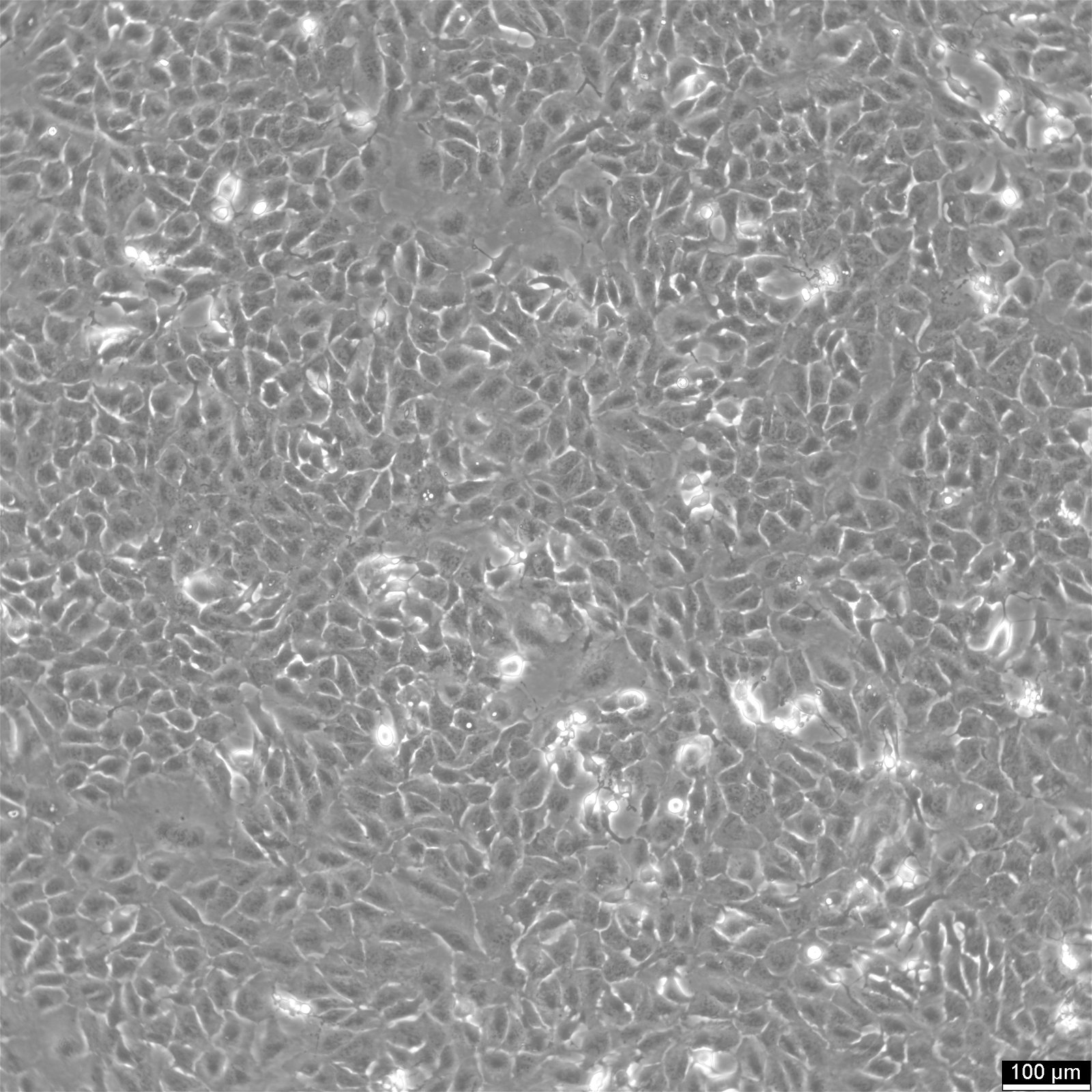
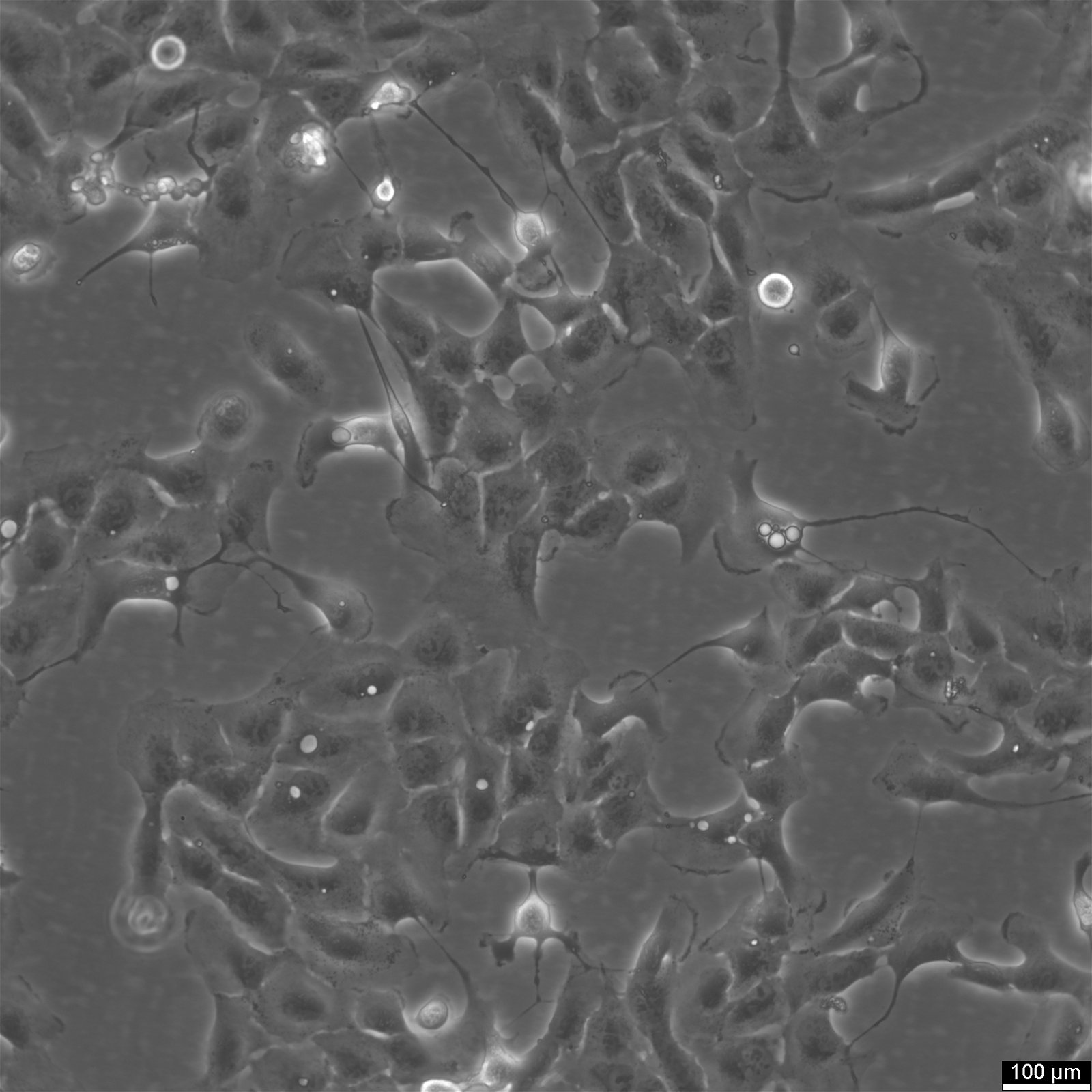
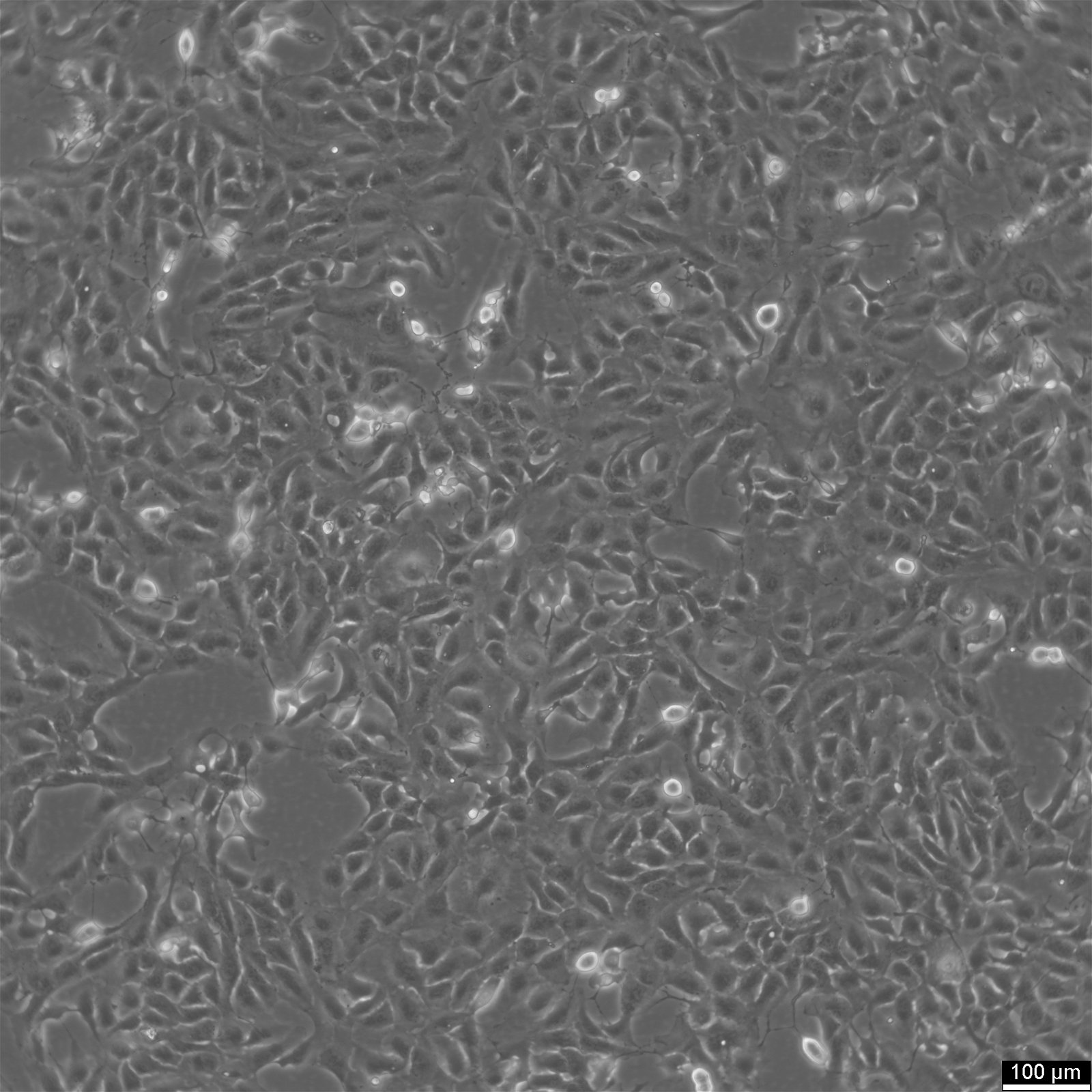
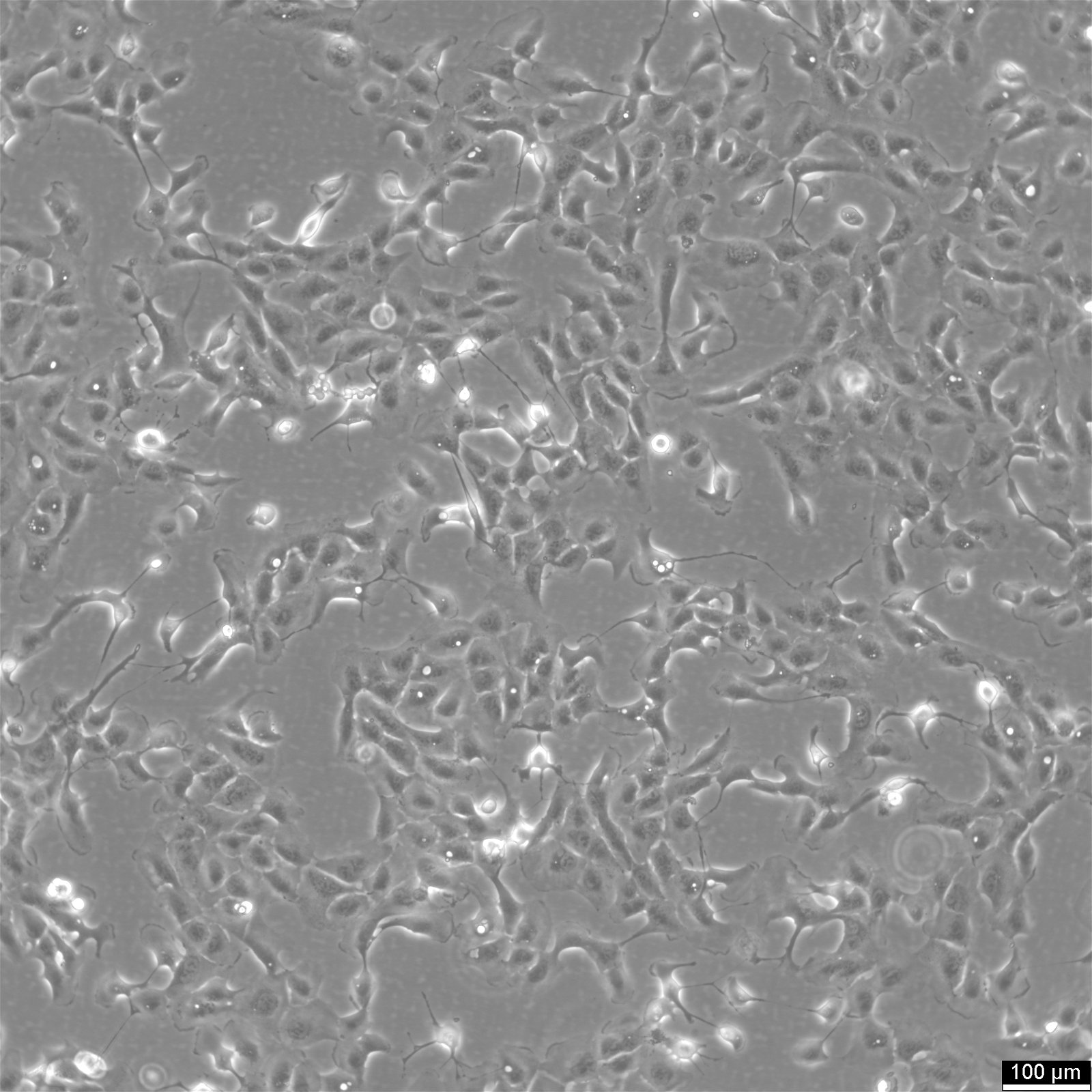
| Descrição | The RBE cell line is a human intrahepatic cholangiocarcinoma (CC) cell line derived from a 64-year-old female patient. This cell line was established alongside a sarcomatoid counterpart (SSP-25) from the same tumor nodule, highlighting the coexistence of adenocarcinoma and sarcomatoid components within a single CC lesion. RBE cells are characterized by their epithelial morphology, growing as a monolayer with a Epithelial-like appearance, which is typical of epithelial cells. Phenotypically, the RBE cell line expresses key markers associated with cholangiocarcinoma. These include cytokeratins CK7 and CK19, gamma-glutamyl transpeptidase (GGT), carcinoembryonic antigen (CEA), carbohydrate antigen 19-9 (CA19-9), and vimentin. Additionally, mucin production is detected in approximately half of the RBE cells, as evidenced by periodic acid-Schiff (PAS) staining. These features confirm the adenocarcinoma origin of RBE cells and distinguish them from the SSP-25 cell line, which lacks CEA, CA19-9, and mucin expression. |
|---|---|
| Organismo | Human |
| Tecido | Bile duct |
| Doença | Intrahepatic cholangiocarcinoma |
Características
| Idade | 64 years |
|---|---|
| Gênero | Female |
| Morfologia | Epithelial |
| Propriedades de crescimento | Adherent |
Dados regulatórios
| Referência | RBE (Cytion catalog number 305019) |
|---|---|
| Nível de biossegurança | 1 |
| NCBI_TaxID | 9606 |
| Número de acesso do Cellosaurus | CVCL_4896 |
Dados biomoleculares
Manuseio
| Meio de cultura | RPMI 1640, w: 2.0 mM stable Glutamine, w: 2.0 g/L NaHCO3 (Cytion article number 820700a) |
|---|---|
| Suplementos | Supplement the medium with 10% FBS |
| Reagente de dissociação | Accutase |
| Subcultura | Remove the old medium from the adherent cells and wash them with PBS that lacks calcium and magnesium. For T25 flasks, use 3-5 ml of PBS, and for T75 flasks, use 5-10 ml. Then, cover the cells completely with Accutase, using 1-2 ml for T25 flasks and 2.5 ml for T75 flasks. Let the cells incubate at room temperature for 8-10 minutes to detach them. After incubation, gently mix the cells with 10 ml of medium to resuspend them, then centrifuge at 300xg for 3 minutes. Discard the supernatant, resuspend the cells in fresh medium, and transfer them into new flasks that already contain fresh medium. |
| Renovação de fluidos | 2 to 3 times per week |
| Meio de congelamento | As a cryopreservation medium, we use complete growth medium (including FBS) + 10% DMSO for adequate post-thaw viability, or CM-1 (Cytion catalog number 800100), which includes optimized osmoprotectants and metabolic stabilizers to enhance recovery and reduce cryo-induced stress. |
| Descongelamento e cultura de células |
|
| Atmosfera de incubação | 37°C, 5% CO2, humidified atmosphere. |
| Condições de envio | Cryopreserved cell lines are shipped on dry ice in validated, insulated packaging with sufficient refrigerant to maintain approximately −78 °C throughout transit. On receipt, inspect the container immediately and transfer vials without delay to appropriate storage. |
| Condições de armazenamento | For long-term preservation, place vials in vapor-phase liquid nitrogen at about −150 to −196 °C. Storage at −80 °C is acceptable only as a short interim step before transfer to liquid nitrogen. |
Controle de Qualidade e Análise Molecular
| Esterilidade | Mycoplasma contamination is excluded using both PCR-based assays and luminescence-based mycoplasma detection methods. To ensure there is no bacterial, fungal, or yeast contamination, cell cultures are subjected to daily visual inspections. |
|---|
Certificado de Análise (CoA)
| Número do lote | Tipo de certificado | Data | Número de catálogo |
|---|---|---|---|
| 305019-020724 | Certificado de Análise | 23. May. 2025 | 305019 |
| 305019-130123 | Certificado de Análise | 23. May. 2025 | 305019 |
| 305019-020326 | Certificado de Análise | 08. Apr. 2026 | 305019 |