
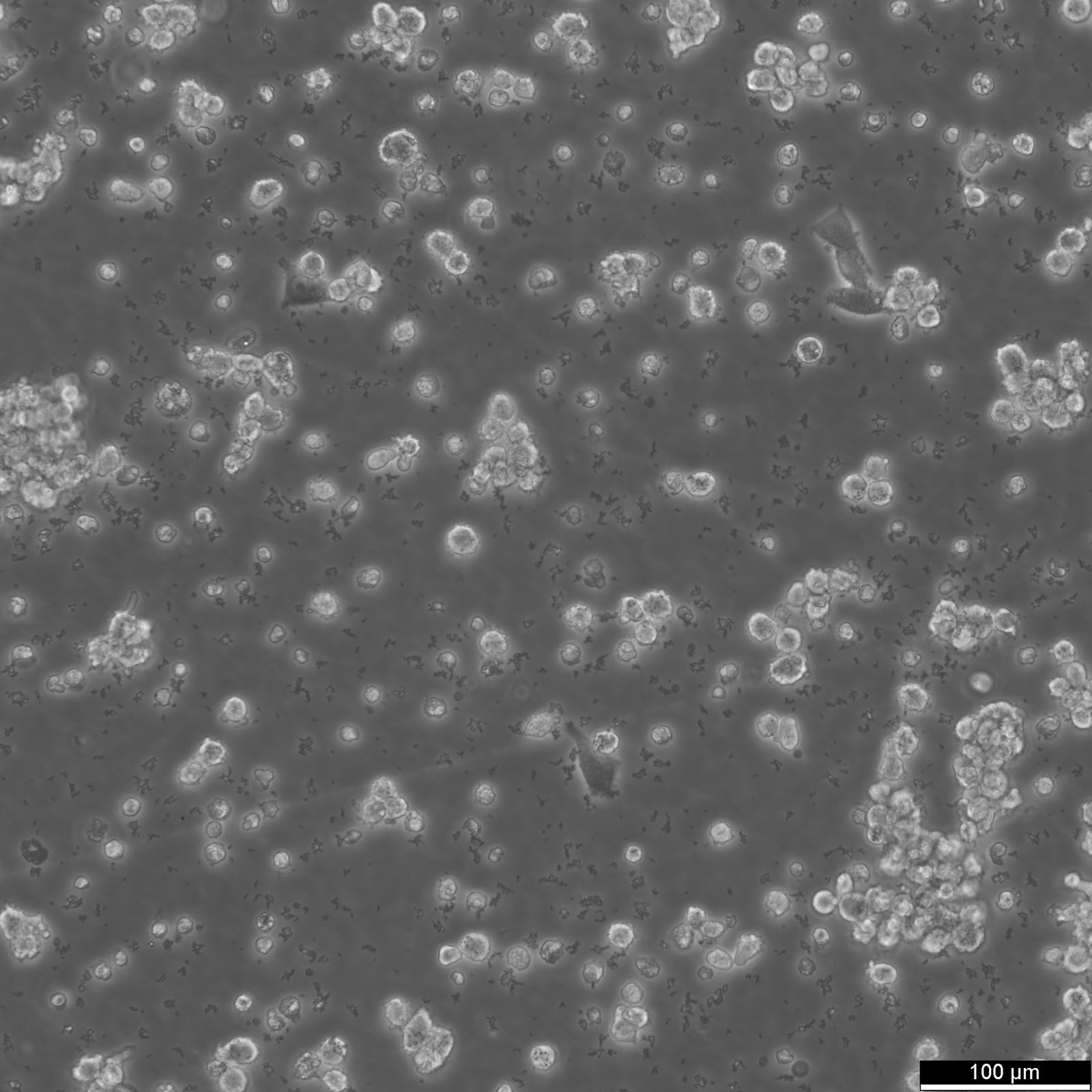
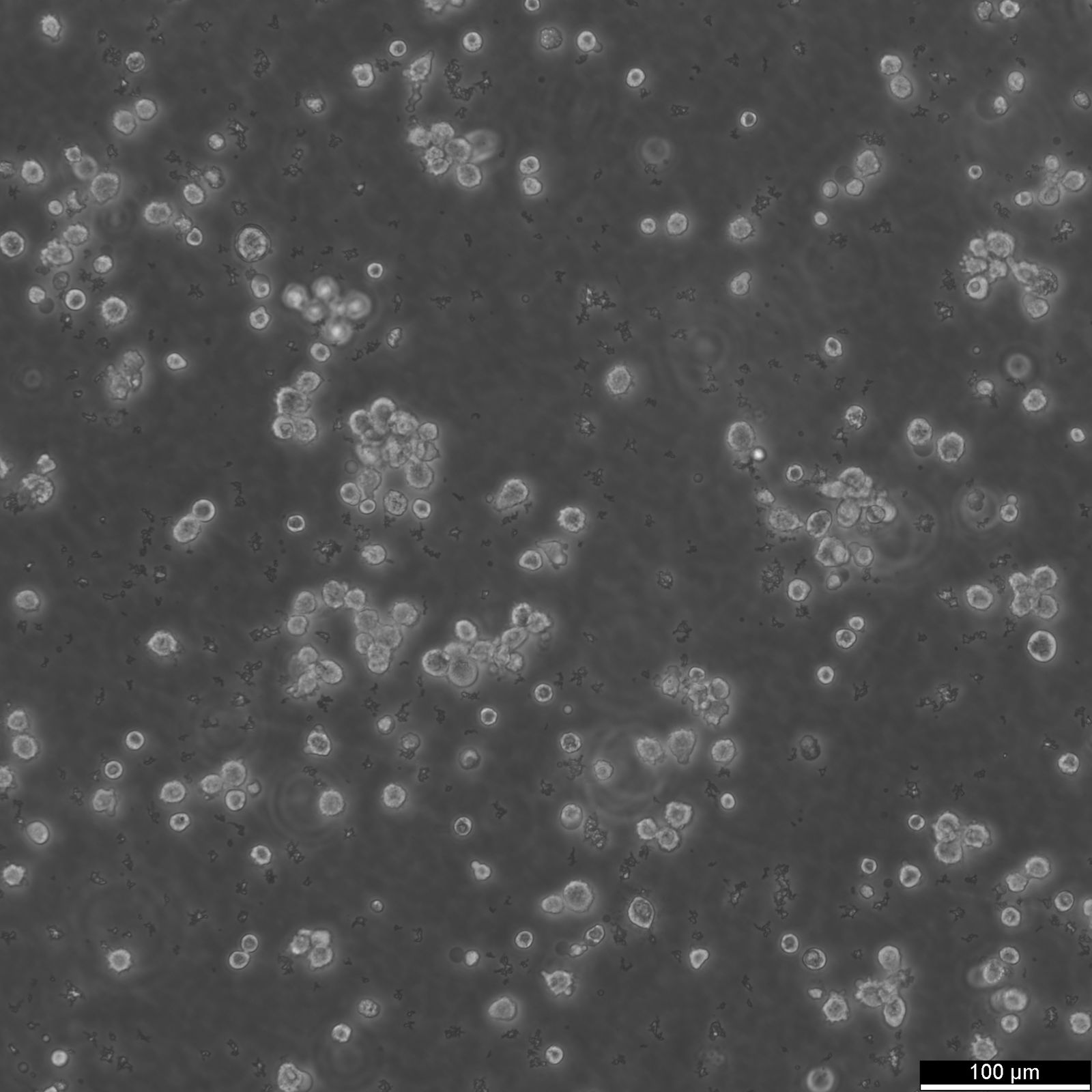
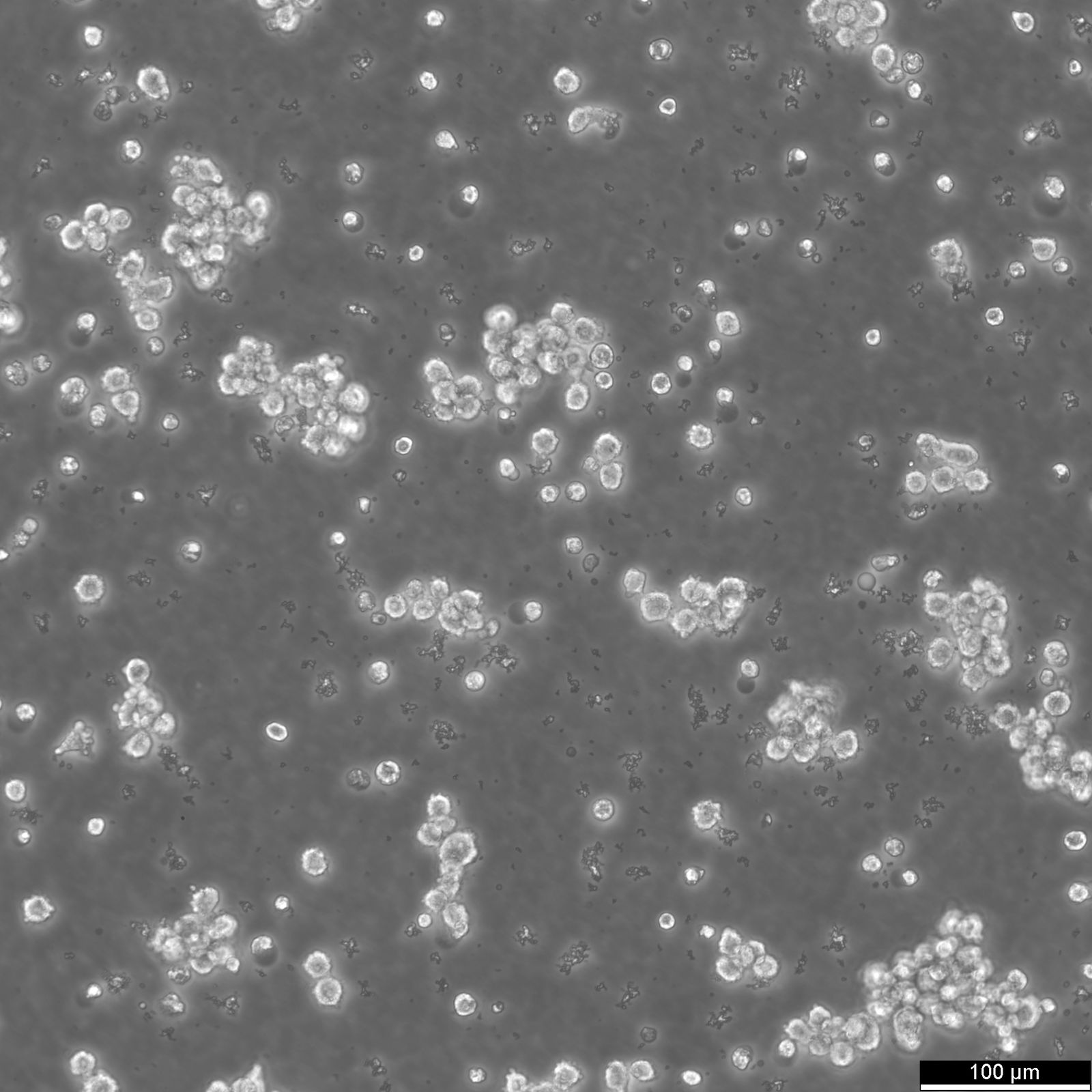
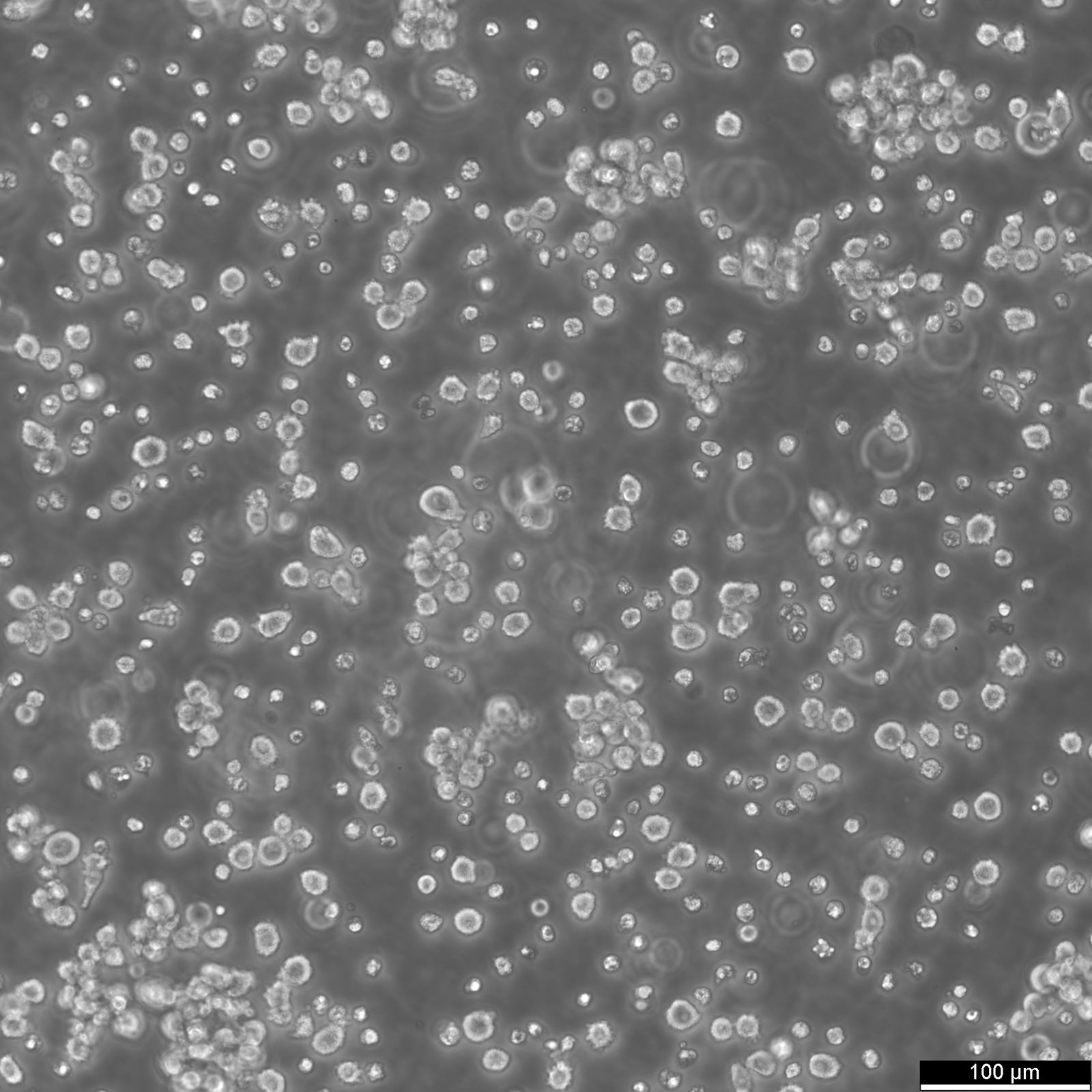
LP-1 Cells
US$ 395,00*
Products are shipped frozen on dry ice in cryotubes. Each cryotube typically contains 3 × 10⁶ cells for adherent lines or 5 × 10⁶ cells for suspension lines (refer to the batch CoA for details).
Informações gerais
| Descrição | The LP-1 cell line is a well-established human multiple myeloma cell line derived from a patient with multiple myeloma. It is characterized by its t(4;14)(p16;q32) translocation, which results in the dysregulated expression of fibroblast growth factor receptor 3 (FGFR3). This genetic aberration is a hallmark of a subset of multiple myeloma cases and is associated with the pathogenesis and progression of the disease. LP-1 cells express a functional FGFR3, which, when activated, can engage the MAP kinase signaling pathway, promoting cell proliferation and survival. Notably, LP-1 carries a non-activating F384L mutation in the FGFR3 gene, distinguishing it from other myeloma cell lines with activating mutations of FGFR3. LP-1 cells are useful for studying the role of FGFR3 in multiple myeloma, particularly in the context of non-activating mutations. Research has shown that in multiple myeloma, FGFR3 mutations and other common oncogenic mutations, such as those in the Ras family, are typically mutually exclusive, suggesting that these mutations may contribute to tumorigenesis through similar or overlapping pathways. This makes LP-1 an invaluable model for exploring the molecular mechanisms underlying multiple myeloma and for testing targeted therapies aimed at the FGFR3 pathway. In addition to its relevance in FGFR3-related studies, LP-1 is also significant in research focused on the broader aspects of myeloma biology, including the role of cytokines like interleukin-6 (IL-6) in cell survival and proliferation. This cell line has been instrumental in studies that investigate the interactions between myeloma cells and their bone marrow microenvironment, as well as in the development of novel therapeutic strategies aimed at disrupting these interactions to control disease progression. |
|---|---|
| Organismo | Human |
| Tecido | Peripheral blood |
| Doença | Multiple myeloma |
| Aplicações | Model to study the process of B lymphocyte maturation. |
| Sinônimos | LP1 |
Características
| Idade | 56 years |
|---|---|
| Gênero | Female |
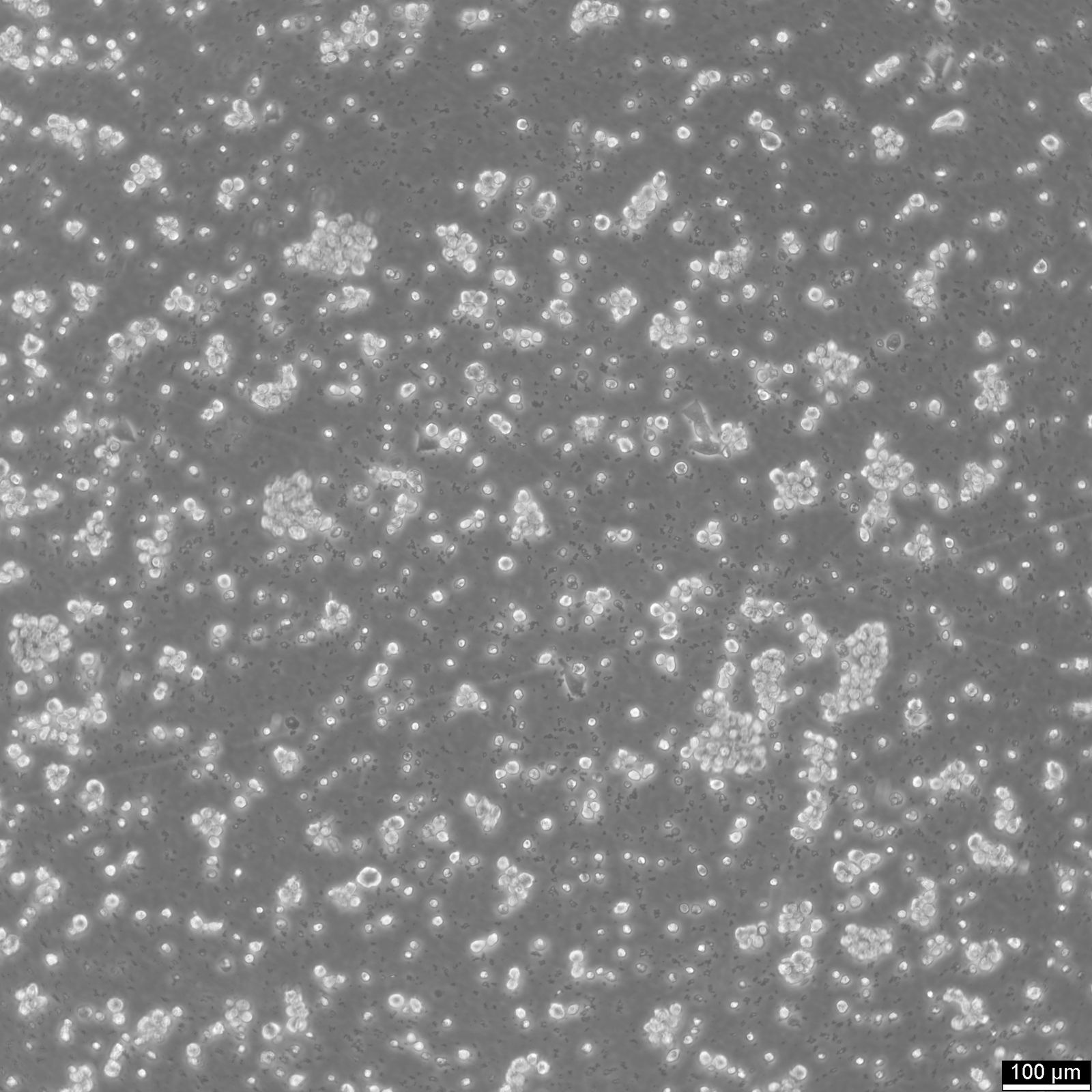
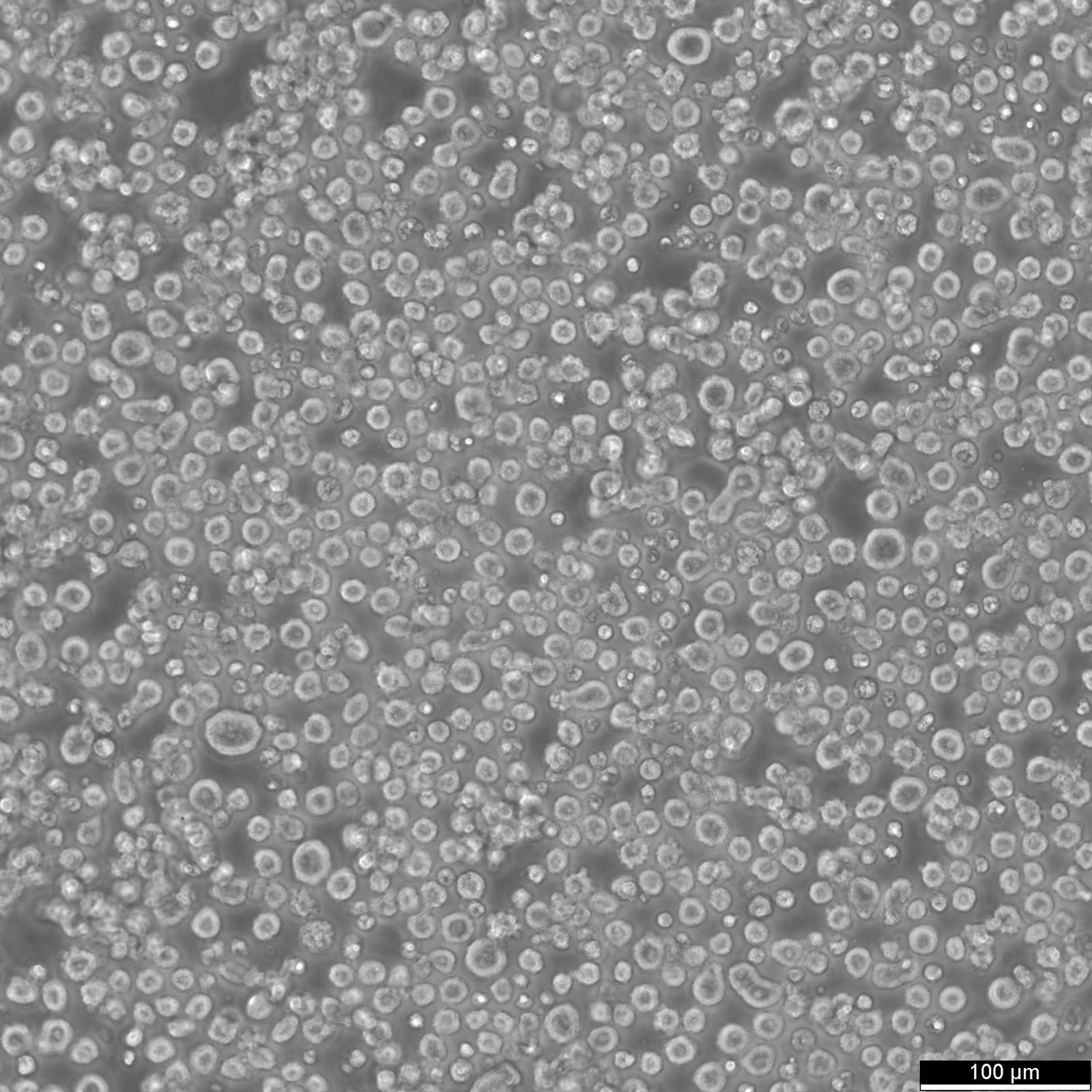
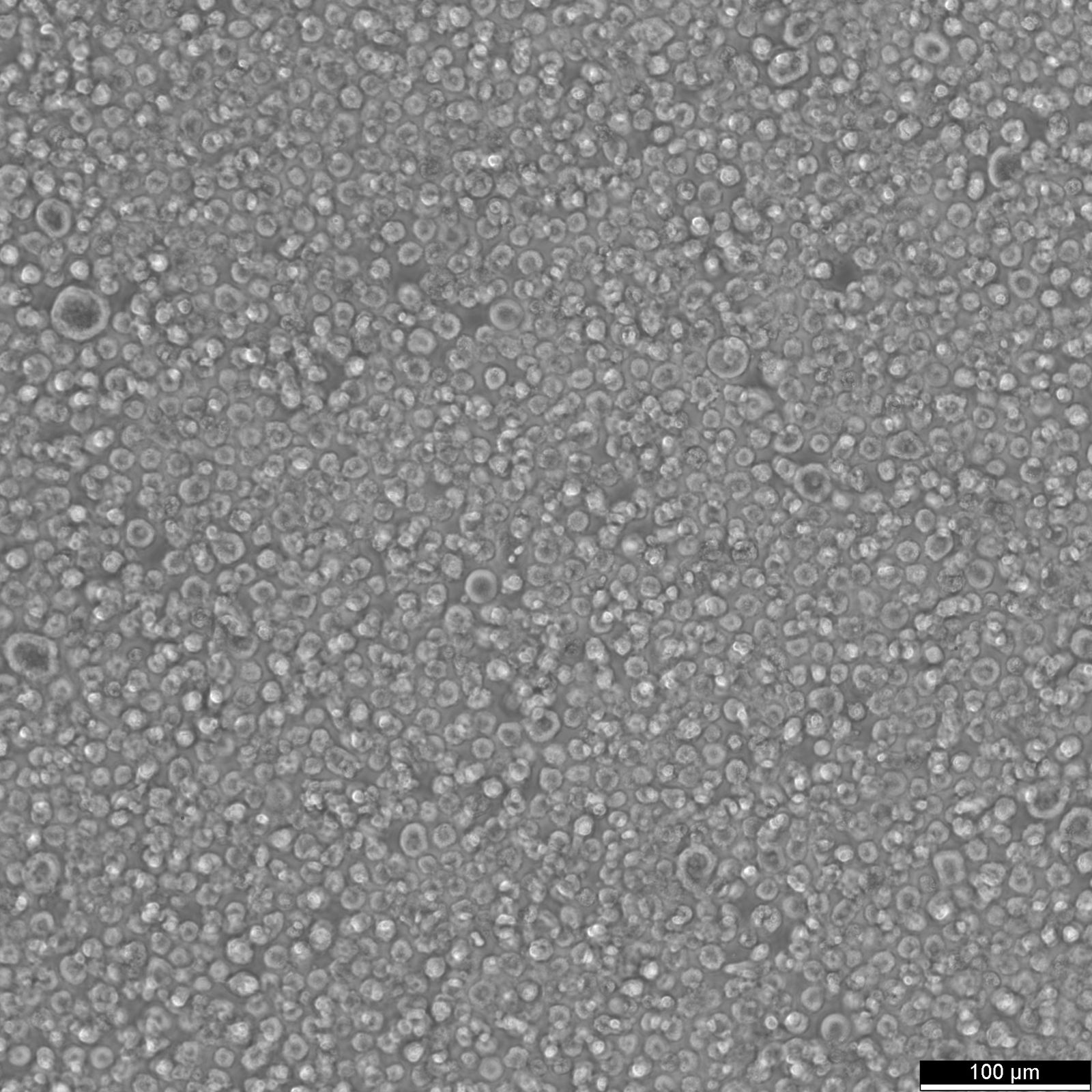
| Morfologia | Elongated single cells |
| Propriedades de crescimento | Suspension |
Dados regulatórios
| Referência | LP-1 (Cytion catalog number 300321) |
|---|---|
| Nível de biossegurança | 1 |
| NCBI_TaxID | 9606 |
| Número de acesso do Cellosaurus | CVCL_0012 |
Dados biomoleculares
| Produtos | IgG lambda |
|---|---|
| Cariótipo | Chromosome modal numer 73, distribution from 60 to 79 chromosomes |
Manuseio
| Meio de cultura | IMDM, w: 4.5 g/L Glucose, w: 4 mM L-Glutamine, w: 25 mM HEPES, w: 1.0 mM Sodium pyruvate, w: 3.024 g/L NaHCO3 (Cytion article number 820800a) |
|---|---|
| Suplementos | Supplement the medium with 20% heat inactivated FBS |
| Subcultura | It is recommended to seed the cells into a 24 well plate and cultivate for one week after thawing. Exchange the medium by dilution. Later on, the cells can be cultivated in regular cell culture flasks. Maintain culture between 0.5 to 1 x10⁶ cells/ml. Incubate at 5% CO2, 37 degree Celsius. |
| Densidade de semeadura | 7 x 10⁵ cells/well of a 24 to well to plate. |
| Recuperação pós-degelo | Viability may be low after thawing. |
| Meio de congelamento | As a cryopreservation medium, we use complete growth medium (including FBS) + 10% DMSO for adequate post-thaw viability, or CM-1 (Cytion catalog number 800100), which includes optimized osmoprotectants and metabolic stabilizers to enhance recovery and reduce cryo-induced stress. |
| Descongelamento e cultura de células |
|
| Atmosfera de incubação | 37°C, 5% CO2, humidified atmosphere. |
| Condições de envio | Cryopreserved cell lines are shipped on dry ice in validated, insulated packaging with sufficient refrigerant to maintain approximately −78 °C throughout transit. On receipt, inspect the container immediately and transfer vials without delay to appropriate storage. |
| Condições de armazenamento | For long-term preservation, place vials in vapor-phase liquid nitrogen at about −150 to −196 °C. Storage at −80 °C is acceptable only as a short interim step before transfer to liquid nitrogen. |
Controle de Qualidade e Análise Molecular
| Esterilidade | Mycoplasma contamination is excluded using both PCR-based assays and luminescence-based mycoplasma detection methods. To ensure there is no bacterial, fungal, or yeast contamination, cell cultures are subjected to daily visual inspections. |
|---|
Certificado de Análise (CoA)
| Número do lote | Tipo de certificado | Data | Número de catálogo |
|---|---|---|---|
| 300321-070125 | Certificado de Análise | 23. May. 2025 | 300321 |
| 300321-240325 | Certificado de Análise | 23. May. 2025 | 300321 |