
KMS-12-PE Cells
US$ 395,00*
Products are shipped frozen on dry ice in cryotubes. Each cryotube typically contains 3 × 10⁶ cells for adherent lines or 5 × 10⁶ cells for suspension lines (refer to the batch CoA for details).
Informações gerais
| Descrição | The KMS-12-PE cell line, established from the pleural effusion of the same patient, differs significantly from KMS-12-BM in several aspects. KMS-12-PE cells represent a more terminally differentiated plasma cell stage, as indicated by the absence of CD20 but continued expression of CD38 and PCA-1. A striking feature of KMS-12-PE is its ability to ectopically produce and secrete a salivary type of amylase, both in the patient’s pleural effusion and in culture, making it unique among human myeloma cell lines. This phenomenon is associated with a chromosomal deletion near the region where the amylase gene is located, specifically del(1)(p22→pter), observed in a significant proportion of KMS-12-PE cells. Despite these distinct differences, both KMS-12-PE and KMS-12-BM share the same clonal marker, the translocation t(11;14)(q13;q32), which is common in myeloma cases. However, KMS-12-PE cells show fewer chromosomal abnormalities than KMS-12-BM and tend to be hypodiploid. Like KMS-12-BM, KMS-12-PE does not produce immunoglobulins, either in surface or secretory form, even though the cells have well-developed endoplasmic reticulum. The lack of tumorigenicity in both cell lines, despite their aggressive in vitro growth, and their stable long-term proliferation in serum-free medium make them valuable tools for studying myeloma biology, particularly in the context of non-Ig-producing myeloma. |
|---|---|
| Organismo | Human |
| Tecido | Pleural effusion |
| Doença | Multiple Myeloma |
| Sinônimos | KMS 12 PE, KMS-12_PE, KMS-12PE, KMS12-PE, KMS12PE, Kawasaki Medical School-12-Pleural Effusion |
Características
| Idade | 64 years |
|---|---|
| Gênero | Female |
| Etnia | Japanese |
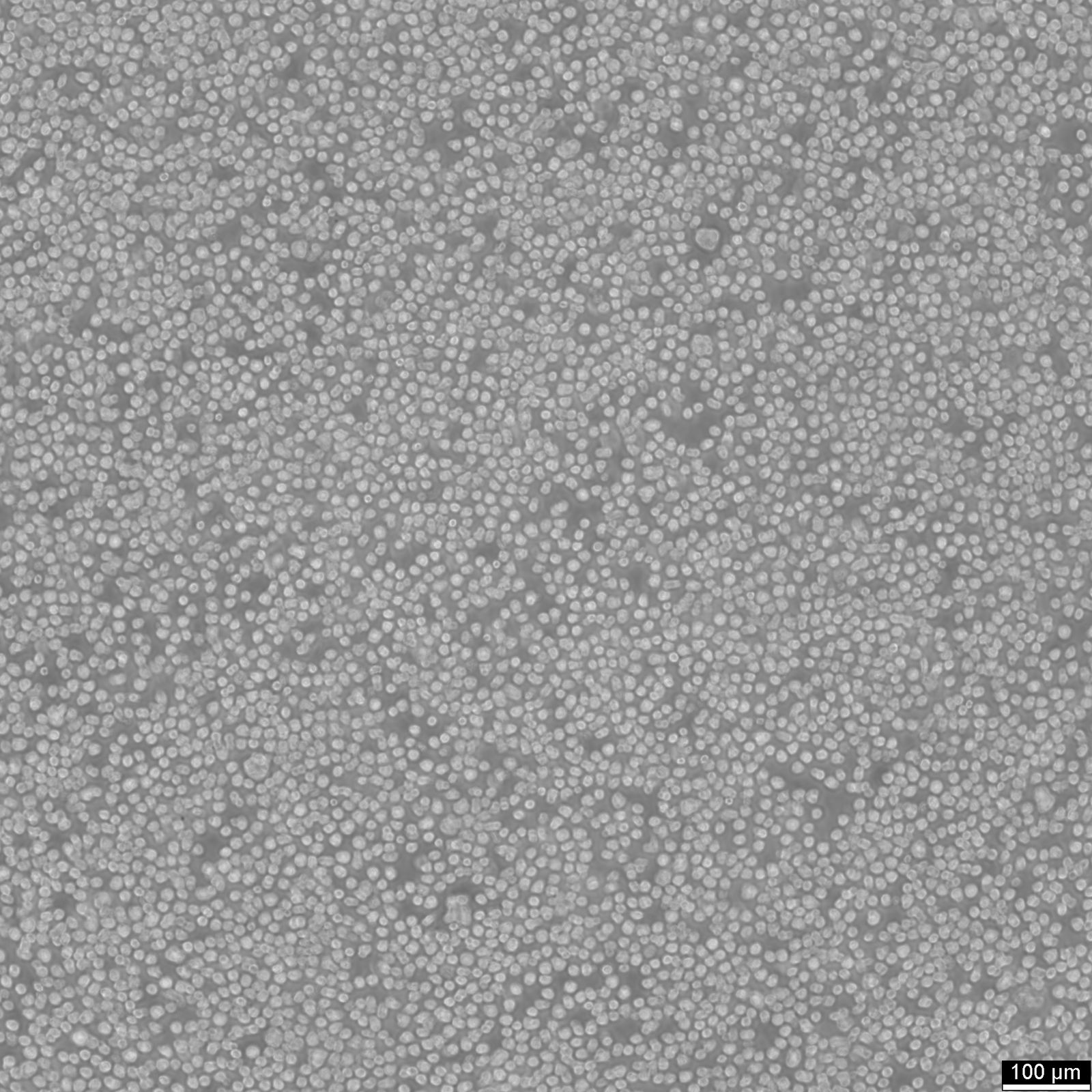
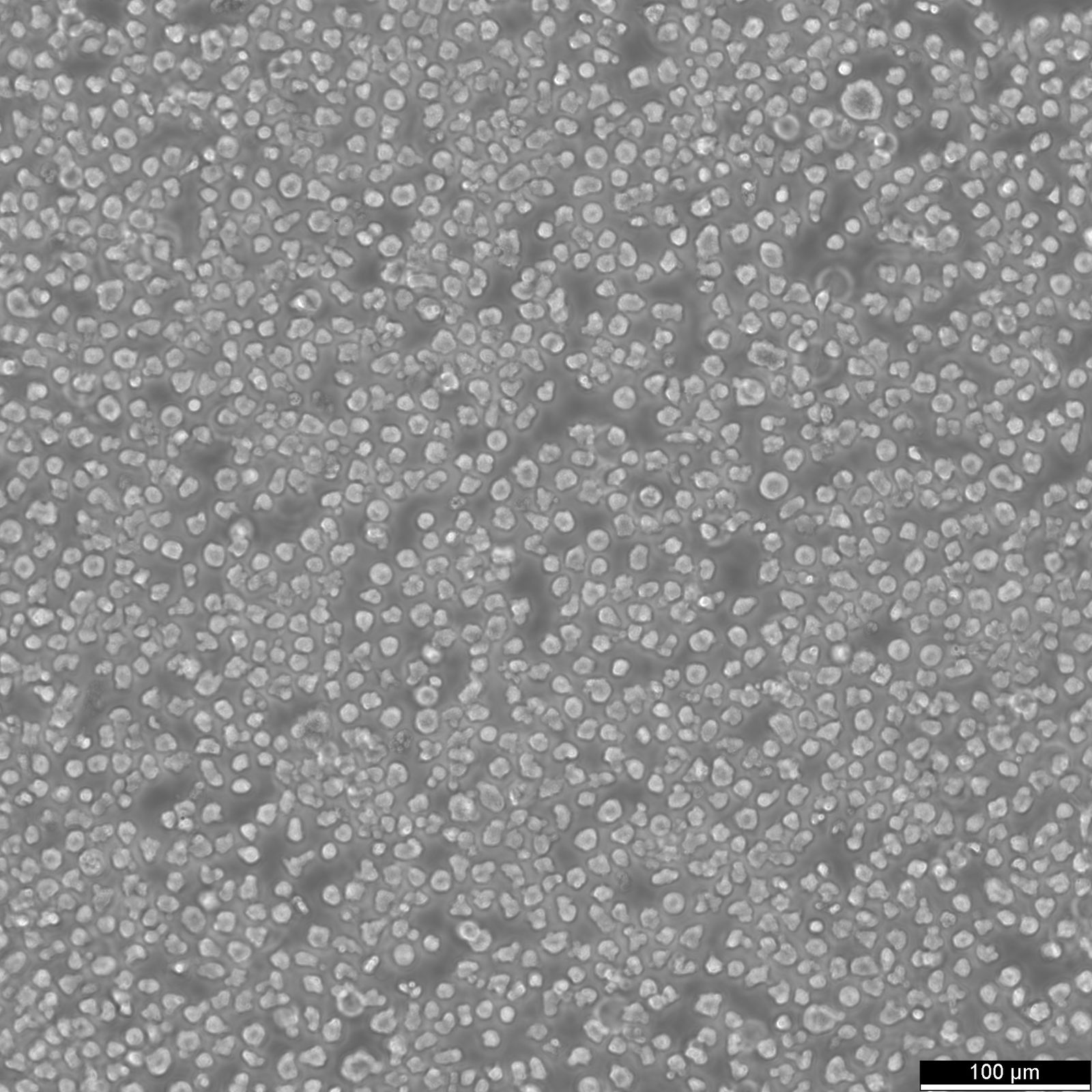
| Morfologia | Round cells |
| Tipo de célula | B cell |
| Propriedades de crescimento | Suspension, single cells and small clusters |
Dados regulatórios
| Referência | KMS-12-PE (Cytion catalog number 300286) |
|---|---|
| Nível de biossegurança | 1 |
| NCBI_TaxID | 9606 |
| Número de acesso do Cellosaurus | CVCL_1333 |
Dados biomoleculares
| Antígenos de superfície | CD3 -, CD4 -, CD13 -, CD14 -, CD15 -, CD19 -, CD20 -, CD34 -, CD38 +, CD138 +, HLA-DR +, PCA-1 + |
|---|---|
| Tumorigênico | Not tumorigenic in nude mice |
| Produtos | No immunoglobulin production |
| Perfil mutacional | Translocation: t(11;14)(q13;q32) |
Manuseio
| Meio de cultura | RPMI 1640, w: 2.0 mM stable Glutamine, w: 2.0 g/L NaHCO3 (Cytion article number 820700a) |
|---|---|
| Suplementos | Supplement the medium with 10% FBS |
| Subcultura | Maintain cultures by periodically adding or replacing the medium. Initiate cultures with a density of 5 x 10⁵ cells/ml and keep the cell concentration within the range of 3 x 10⁵ to 1 x 10⁶ cells/ml for optimal growth. |
| Densidade de semeadura | 5 x 10⁵ cells/ml |
| Meio de congelamento | As a cryopreservation medium, we use complete growth medium (including FBS) + 10% DMSO for adequate post-thaw viability, or CM-1 (Cytion catalog number 800100), which includes optimized osmoprotectants and metabolic stabilizers to enhance recovery and reduce cryo-induced stress. |
| Descongelamento e cultura de células |
|
| Atmosfera de incubação | 37°C, 5% CO2, humidified atmosphere. |
| Condições de envio | Cryopreserved cell lines are shipped on dry ice in validated, insulated packaging with sufficient refrigerant to maintain approximately −78 °C throughout transit. On receipt, inspect the container immediately and transfer vials without delay to appropriate storage. |
| Condições de armazenamento | For long-term preservation, place vials in vapor-phase liquid nitrogen at about −150 to −196 °C. Storage at −80 °C is acceptable only as a short interim step before transfer to liquid nitrogen. |
Controle de Qualidade e Análise Molecular
| Esterilidade | Mycoplasma contamination is excluded using both PCR-based assays and luminescence-based mycoplasma detection methods. To ensure there is no bacterial, fungal, or yeast contamination, cell cultures are subjected to daily visual inspections. |
|---|
Certificado de Análise (CoA)
| Número do lote | Tipo de certificado | Data | Número de catálogo |
|---|---|---|---|
| 300286-041024 | Certificado de Análise | 23. May. 2025 | 300286 |