
HK-2 Cells
US$ 395,00*
Products are shipped frozen on dry ice in cryotubes. Each cryotube typically contains 3 × 10⁶ cells for adherent lines or 5 × 10⁶ cells for suspension lines (refer to the batch CoA for details).
Informações gerais
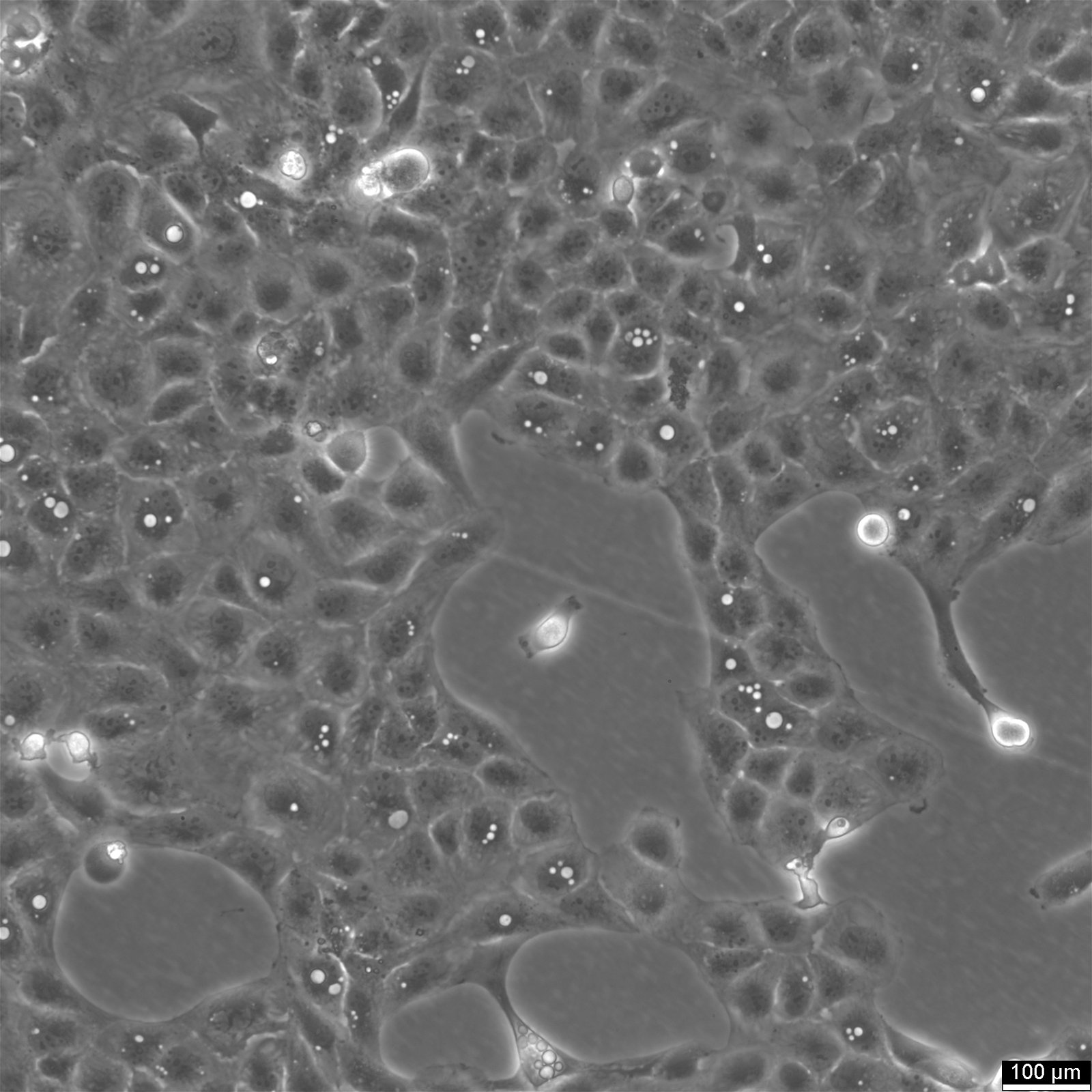
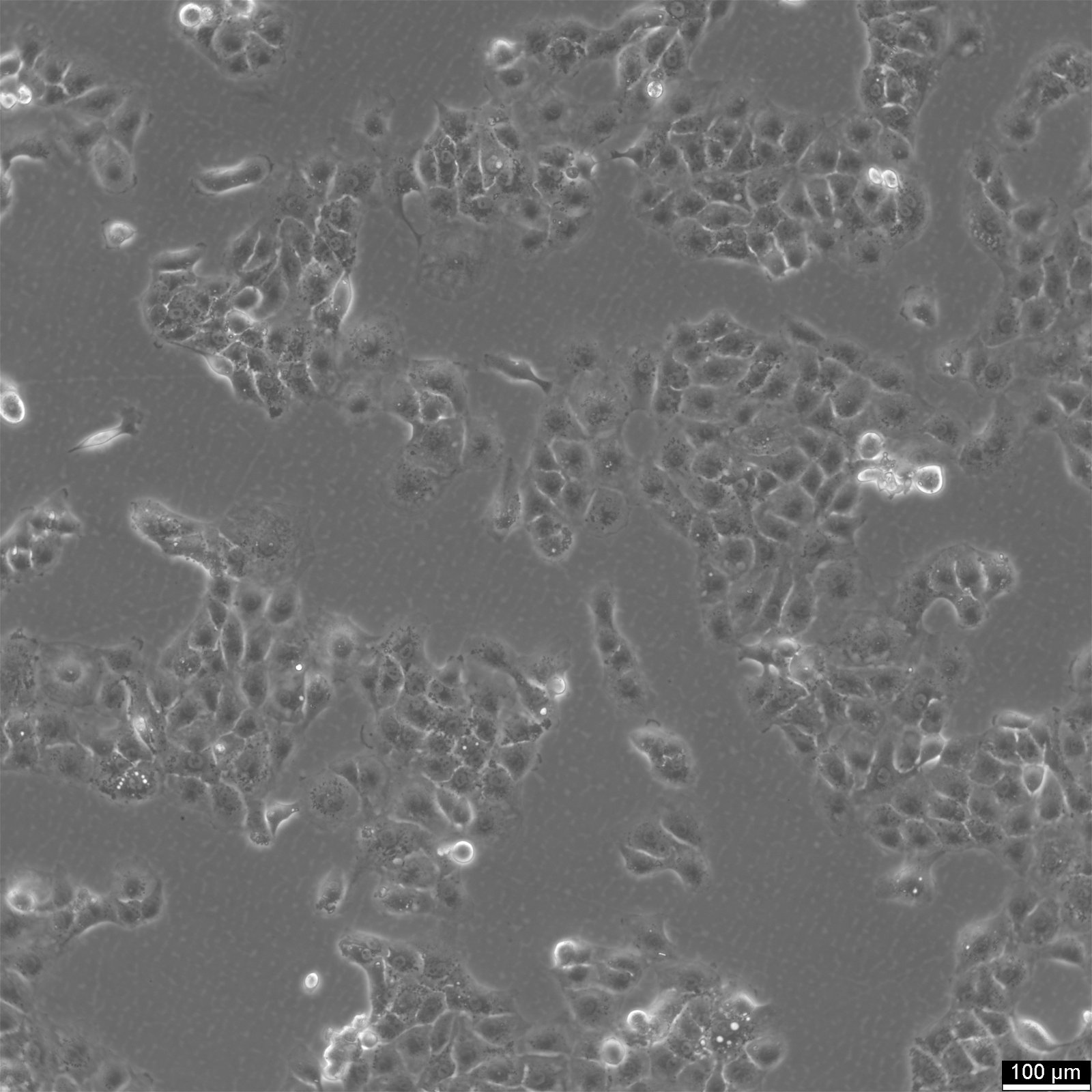
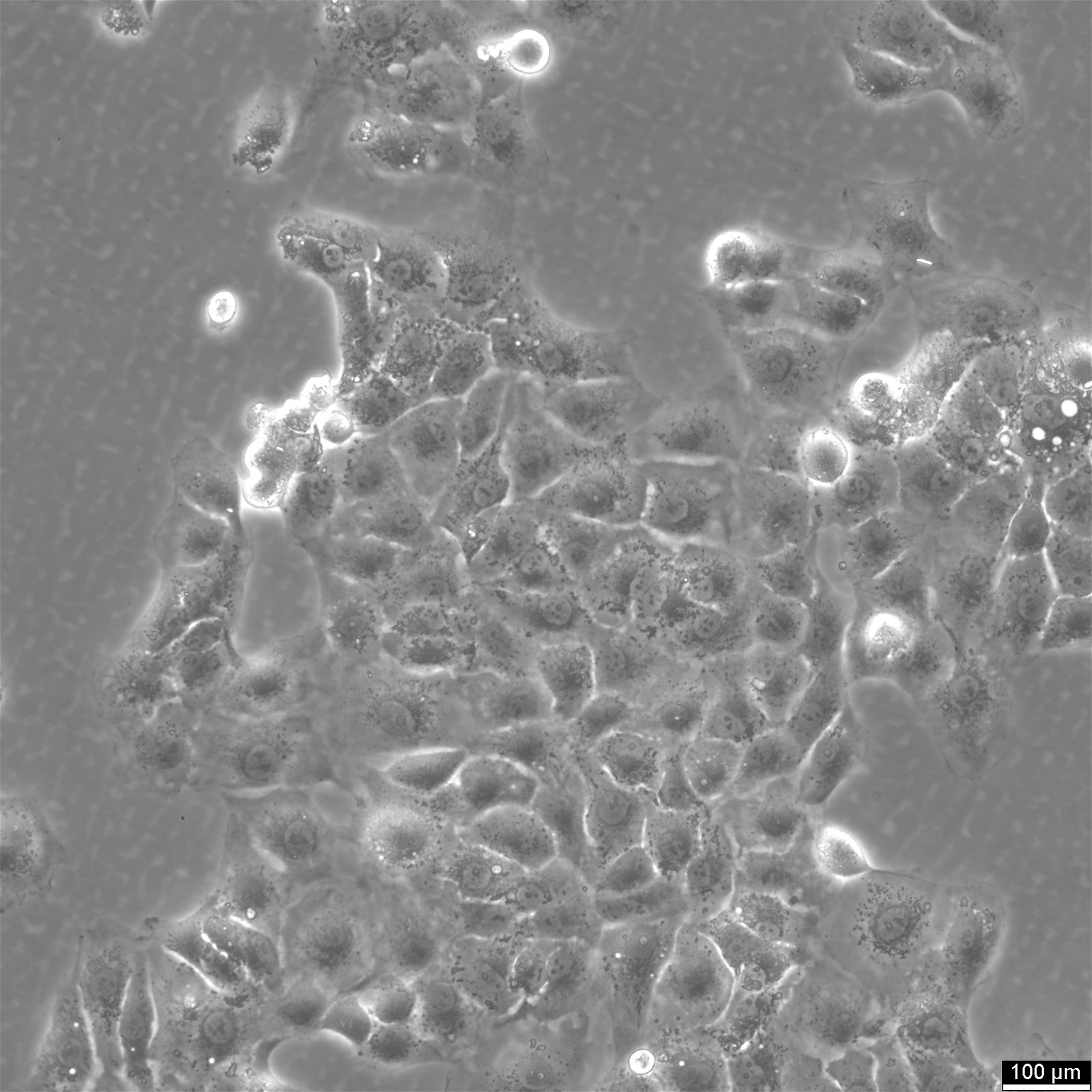
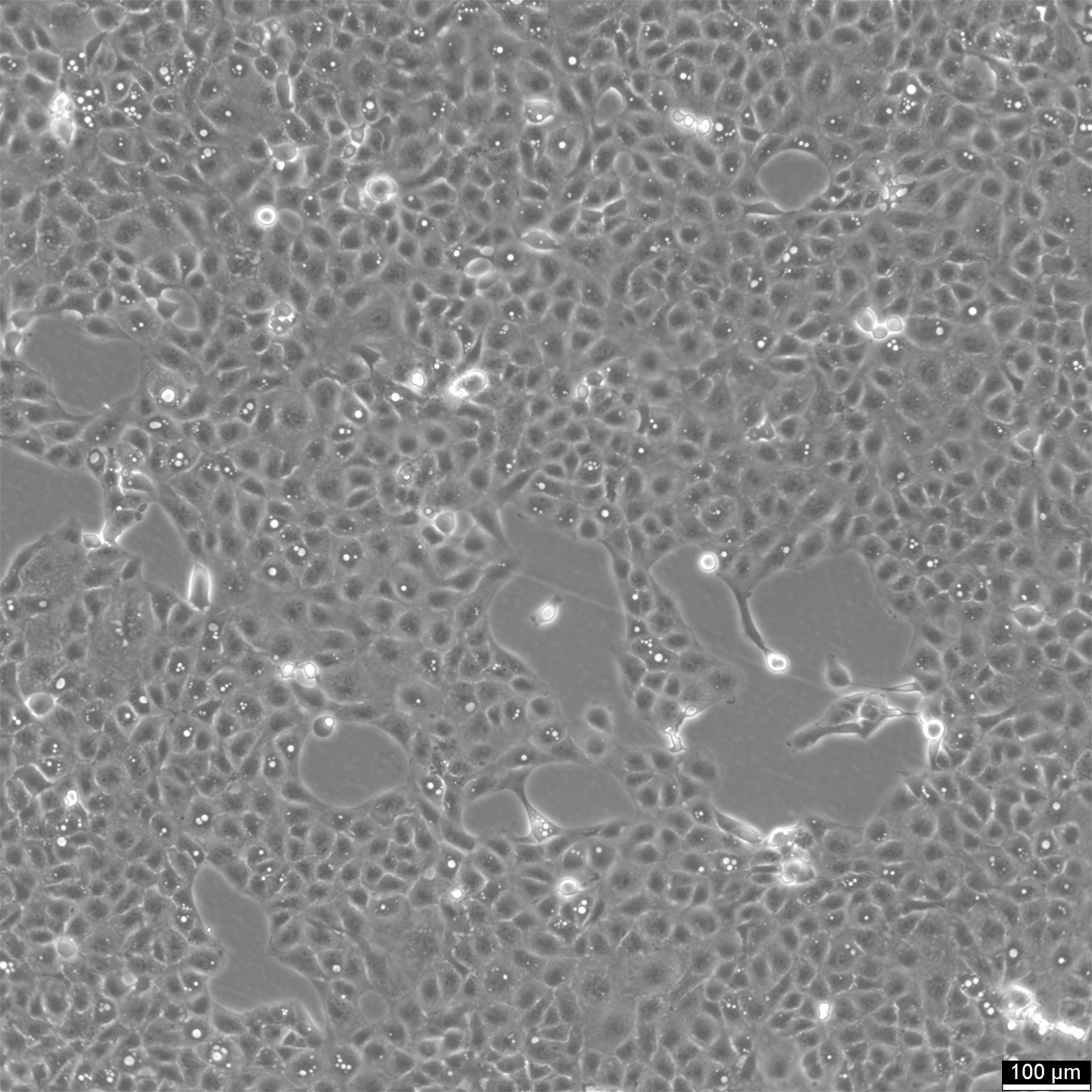
| Descrição | The HK-2 cell line is a well-characterized human proximal tubular epithelial cell line derived from normal adult kidney tissue. These cells exhibit typical epithelial morphology and retain many of the biochemical and functional properties of proximal tubular cells, making them a valuable model for studying renal physiology and pathophysiology. HK-2 cells are known for their ability to perform active transport and exhibit brush border enzyme activities, which are essential for their role in renal reabsorption processes. HK-2 cells express a range of transporters and receptors, including those for glucose, amino acids, and various ions, reflecting their role in renal filtration and reabsorption. They are also responsive to hormonal regulation, such as by parathyroid hormone and aldosterone, which influence their transport activities. Due to these characteristics, HK-2 cells are extensively used in nephrotoxicity studies, drug screening, and research on renal diseases such as acute kidney injury and chronic kidney disease. Moreover, HK-2 cells have been utilized in studies investigating renal cell carcinoma and other kidney-related cancers. They provide a reliable in vitro system for examining cellular responses to toxic agents, oxidative stress, and hypoxia. Researchers also employ HK-2 cells to explore the molecular mechanisms underlying fibrosis and inflammation in the kidney. Overall, the HK-2 cell line is a critical tool in renal research, offering insights into both normal kidney function and disease pathogenesis. |
|---|---|
| Organismo | Human |
| Tecido | Kidney, cortex, proximal tubule |
| Sinônimos | Hk-2, HK2, Human Kidney-2 |
Características
| Idade | Adult |
|---|---|
| Gênero | Male |
| Etnia | European |
| Morfologia | Epithelial |
| Propriedades de crescimento | Adherent |
Dados regulatórios
| Referência | HK-2 (Cytion catalog number 305021) |
|---|---|
| Nível de biossegurança | HK-2 cells are generally classified as Biosafety Level 1 in Germany (ZKBS). However, due to their immortalization with HPV-16 oncogenes, some institutions may handle them at Biosafety Level 2 as a precaution. Consult local biosafety guidelines for specific handling procedures. |
| NCBI_TaxID | 9606 |
| Número de acesso do Cellosaurus | CVCL_0302 |
Dados biomoleculares
| Receptores expressos | Epidermal growth factor(EGF), expressed |
|---|---|
| Expressão de proteínas | Alkaline Phosphatase, Gamma Glutamyltranspeptidase, Leucine Aminopeptidase, Acid Phosphatase, Cytokeratin, Alpha 3, Beta 1 Integrin, Fibronectin |
Manuseio
| Meio de cultura | EMEM (MEM Eagle), w: 2 mM L-Glutamine, w: 2.2 g/L NaHCO3, w: EBSS (Cytion article number 820100a) |
|---|---|
| Suplementos | Supplement the medium with 10% FBS and 1% NEAA |
| Reagente de dissociação | Accutase |
| Subcultura | Remove the old medium from the adherent cells and wash them with PBS that lacks calcium and magnesium. For T25 flasks, use 3-5 ml of PBS, and for T75 flasks, use 5-10 ml. Then, cover the cells completely with Accutase, using 1-2 ml for T25 flasks and 2.5 ml for T75 flasks. Let the cells incubate at room temperature for 8-10 minutes to detach them. After incubation, gently mix the cells with 10 ml of medium to resuspend them, then centrifuge at 300xg for 3 minutes. Discard the supernatant, resuspend the cells in fresh medium, and transfer them into new flasks that already contain fresh medium. |
| Renovação de fluidos | 2 to 3 times per week |
| Meio de congelamento | As a cryopreservation medium, we use complete growth medium (including FBS) + 10% DMSO for adequate post-thaw viability, or CM-1 (Cytion catalog number 800100), which includes optimized osmoprotectants and metabolic stabilizers to enhance recovery and reduce cryo-induced stress. |
| Descongelamento e cultura de células |
|
| Atmosfera de incubação | 37°C, 5% CO2, humidified atmosphere. |
| Condições de envio | Cryopreserved cell lines are shipped on dry ice in validated, insulated packaging with sufficient refrigerant to maintain approximately −78 °C throughout transit. On receipt, inspect the container immediately and transfer vials without delay to appropriate storage. |
| Condições de armazenamento | For long-term preservation, place vials in vapor-phase liquid nitrogen at about −150 to −196 °C. Storage at −80 °C is acceptable only as a short interim step before transfer to liquid nitrogen. |
Controle de Qualidade e Análise Molecular
| Esterilidade | Mycoplasma contamination is excluded using both PCR-based assays and luminescence-based mycoplasma detection methods. To ensure there is no bacterial, fungal, or yeast contamination, cell cultures are subjected to daily visual inspections. |
|---|
Certificado de Análise (CoA)
| Número do lote | Tipo de certificado | Data | Número de catálogo |
|---|---|---|---|
| 305021-020224 | Certificado de Análise | 23. May. 2025 | 305021 |
| 305021-030624 | Certificado de Análise | 23. May. 2025 | 305021 |
| 305021-041022 | Certificado de Análise | 23. May. 2025 | 305021 |
| 305021-280725 | Certificado de Análise | 22. Oct. 2025 | 305021 |