
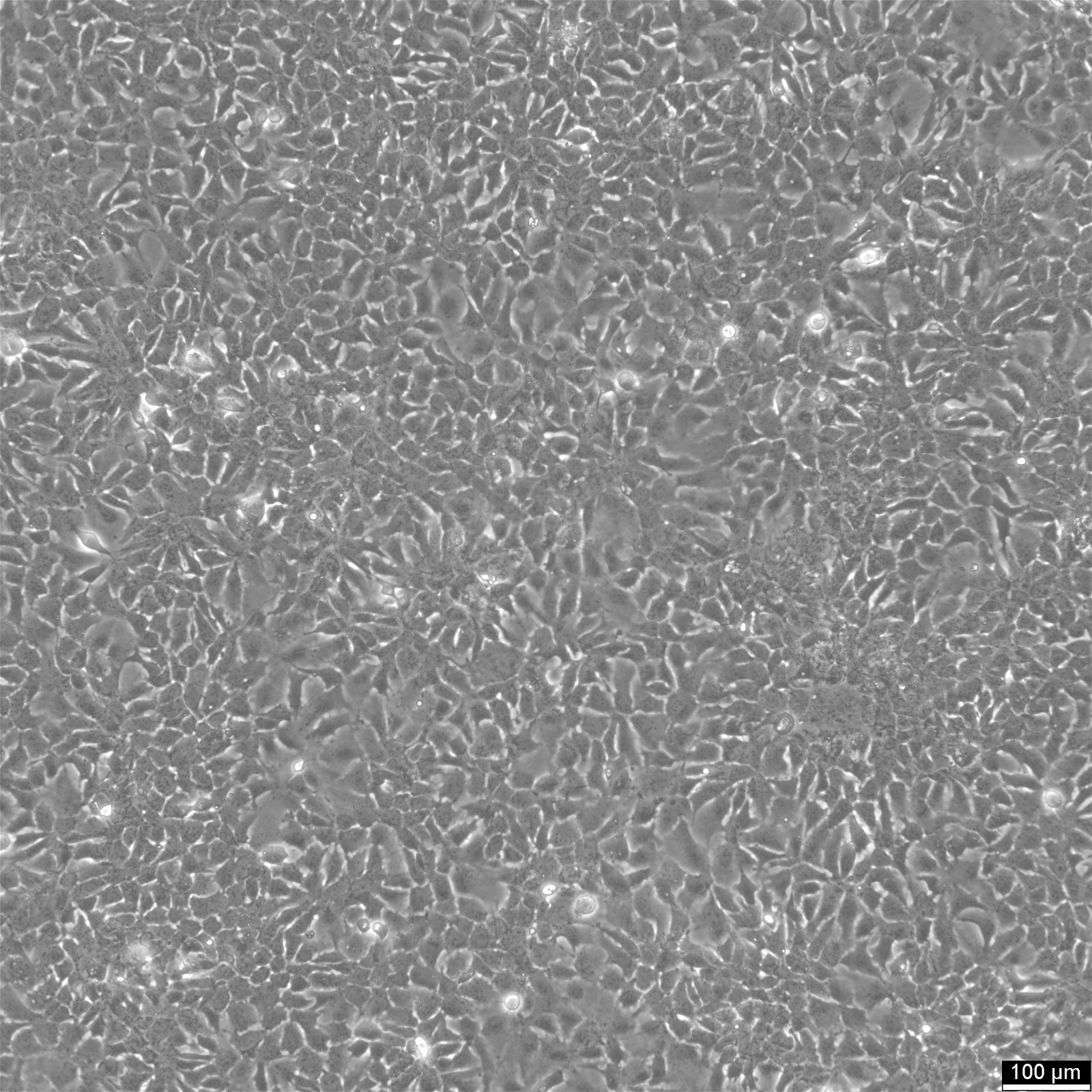
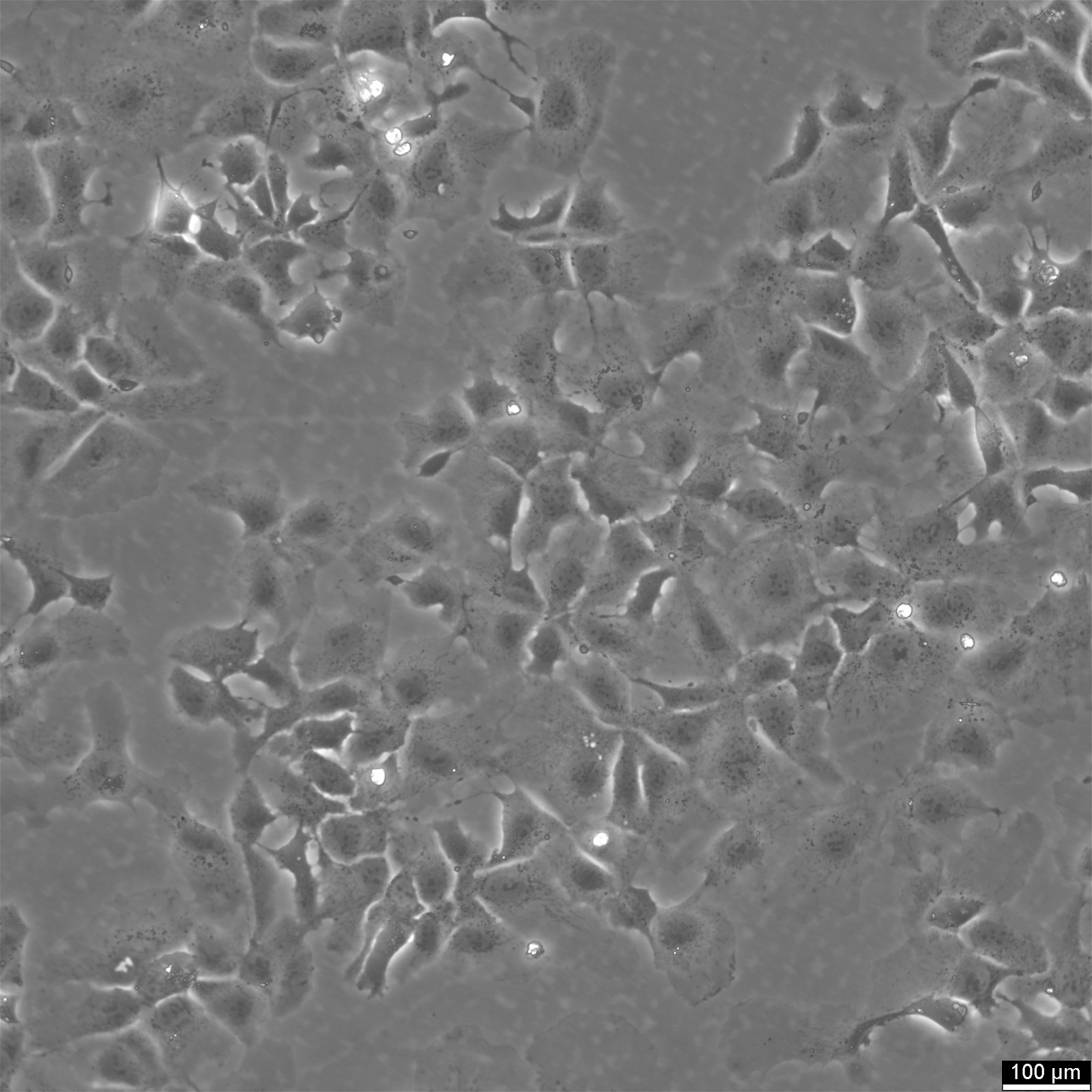
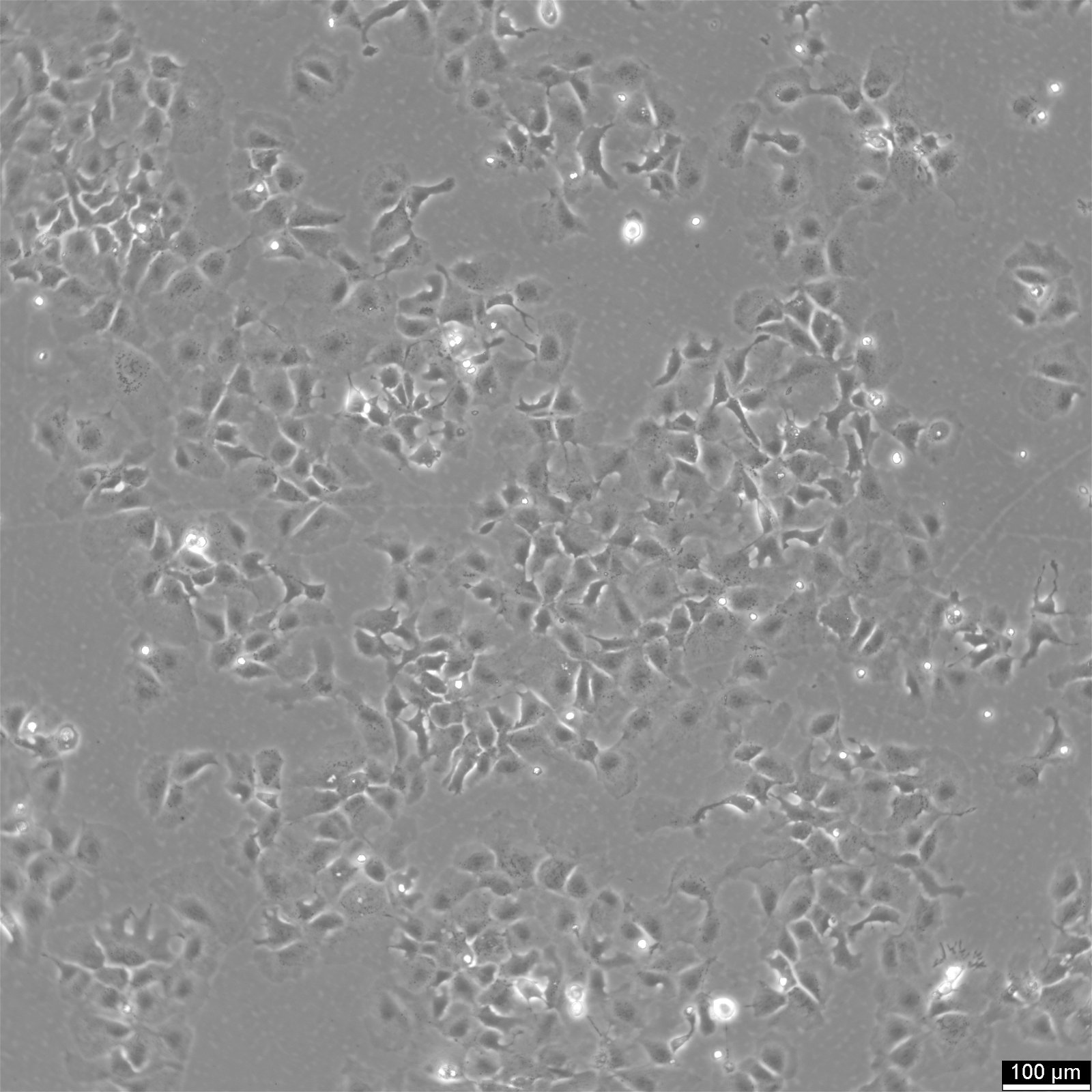
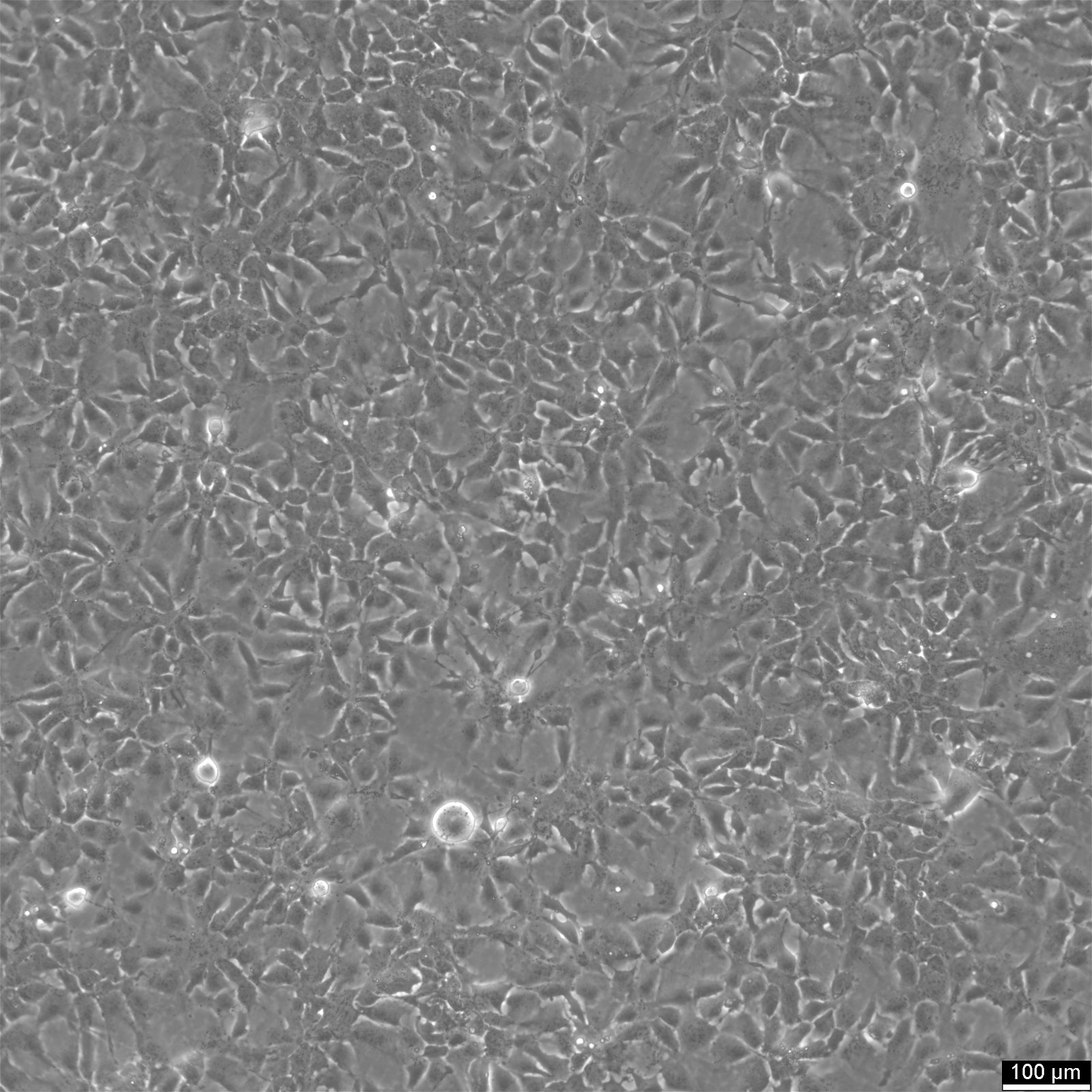
HEP3B Cells
US$ 395,00*
Products are shipped frozen on dry ice in cryotubes. Each cryotube typically contains 3 × 10⁶ cells for adherent lines or 5 × 10⁶ cells for suspension lines (refer to the batch CoA for details).
General information about the Hep-3B cell line
| Descrição | The Hep3B cell line, derived from an 8-year-old child with liver cancer, is a pivotal model in the study of human liver cancer cells and their responses to various therapeutic agents. Hep3B cells contain an integrated hepatitis B virus genome and is integral in the investigation of differential drug responses due to its unique genetic and phenotypic characteristics. The Hep 3B human hepatoma cell line is renowned for its extensive expression of liver-specific proteins such as alpha-fetoprotein (AFP), albumin, and various other markers, making it an invaluable tool in drug metabolism and hepatotoxicity studies. This wide array of expressed proteins allows for a comprehensive assessment of how liver cancer cells interact with and metabolize therapeutic agents. The Hep 3B cell line and its derivative cell lines enable the tracking of tumor growth and metastasis in vivo, facilitating the study of liver cancer progression and the efficacy of potential treatments. The Hep3B cell line stands out as a crucial resource for advancing our understanding of liver cancer biology and the development of more effective therapeutic strategies. |
|---|---|
| Organismo | Human |
| Tecido | Liver |
| Doença | Childhood hepatocellular carcinoma |
| Sinônimos | Hep 3B2_1-7, HEP3B217, Hep 3B2, HEP-3B2, HEP3B2, Hep-3B, HEP-3B, Hep 3B, Hep3B, HEP3B |
Features
| Idade | 8 years |
|---|---|
| Gênero | Male |
| Etnia | African |
| Morfologia | Epithelial |
| Propriedades de crescimento | Adherent |
Specifications about the liver cancer cell line Hep3B
| Referência | Hep 3B2.1-7 (Cytion catalog number 305141) |
|---|---|
| Nível de biossegurança | 2 |
| NCBI_TaxID | 9606 |
| Número de acesso do Cellosaurus | CVCL_0326 |
Genetic profile
| Expressão de proteínas | Alpha Fetoprotein(Alpha-Fetoprotein), Hepatitis B Surface Antigen(Hbsag), Albumin, Alpha2 Macroglobulin(Alpha-2-Macroglobulin), Alpha1 Antitrypsin(Alpha-1-Antitrypsin), Transferrin,, Alpha1 Antichymotrypsin(Alpha-1-Antichymotrypsin), Haptoglobin, Cerulopl |
|---|---|
| Tumorigênico | Yes |
Culturing methods
| Meio de cultura | EMEM (MEM Eagle), w: 2 mM L-Glutamine, w: 2.2 g/L NaHCO3, w: EBSS (Cytion article number 820100a) |
|---|---|
| Suplementos | Supplement the medium with 10% FBS and 1% NEAA |
| Reagente de dissociação | Accutase |
| Subcultura | Remove the old medium from the adherent cells and wash them with PBS that lacks calcium and magnesium. For T25 flasks, use 3-5 ml of PBS, and for T75 flasks, use 5-10 ml. Then, cover the cells completely with Accutase, using 1-2 ml for T25 flasks and 2.5 ml for T75 flasks. Let the cells incubate at room temperature for 8-10 minutes to detach them. After incubation, gently mix the cells with 10 ml of medium to resuspend them, then centrifuge at 300xg for 3 minutes. Discard the supernatant, resuspend the cells in fresh medium, and transfer them into new flasks that already contain fresh medium. |
| Renovação de fluidos | 2 to 3 times per week |
| Meio de congelamento | As a cryopreservation medium, we use complete growth medium (including FBS) + 10% DMSO for adequate post-thaw viability, or CM-1 (Cytion catalog number 800100), which includes optimized osmoprotectants and metabolic stabilizers to enhance recovery and reduce cryo-induced stress. |
| Descongelamento e cultura de células |
|
| Atmosfera de incubação | 37°C, 5% CO2, humidified atmosphere. |
| Condições de envio | Cryopreserved cell lines are shipped on dry ice in validated, insulated packaging with sufficient refrigerant to maintain approximately −78 °C throughout transit. On receipt, inspect the container immediately and transfer vials without delay to appropriate storage. |
| Condições de armazenamento | For long-term preservation, place vials in vapor-phase liquid nitrogen at about −150 to −196 °C. Storage at −80 °C is acceptable only as a short interim step before transfer to liquid nitrogen. |
Quality assurance
| Esterilidade | Mycoplasma contamination is excluded using both PCR-based assays and luminescence-based mycoplasma detection methods. To ensure there is no bacterial, fungal, or yeast contamination, cell cultures are subjected to daily visual inspections. |
|---|
Certificado de Análise (CoA)
| Número do lote | Tipo de certificado | Data | Número de catálogo |
|---|---|---|---|
| 305141-120624 | Certificado de Análise | 23. May. 2025 | 305141 |
| 305141-140823 | Certificado de Análise | 23. May. 2025 | 305141 |
| 305141-110925 | Certificado de Análise | 05. Dec. 2025 | 305141 |