
Wilms3 Cells
USD 800.00*
Products are shipped frozen on dry ice in cryotubes. Each cryotube typically contains 3 × 10⁶ cells for adherent lines or 5 × 10⁶ cells for suspension lines (refer to the batch CoA for details).
Información general
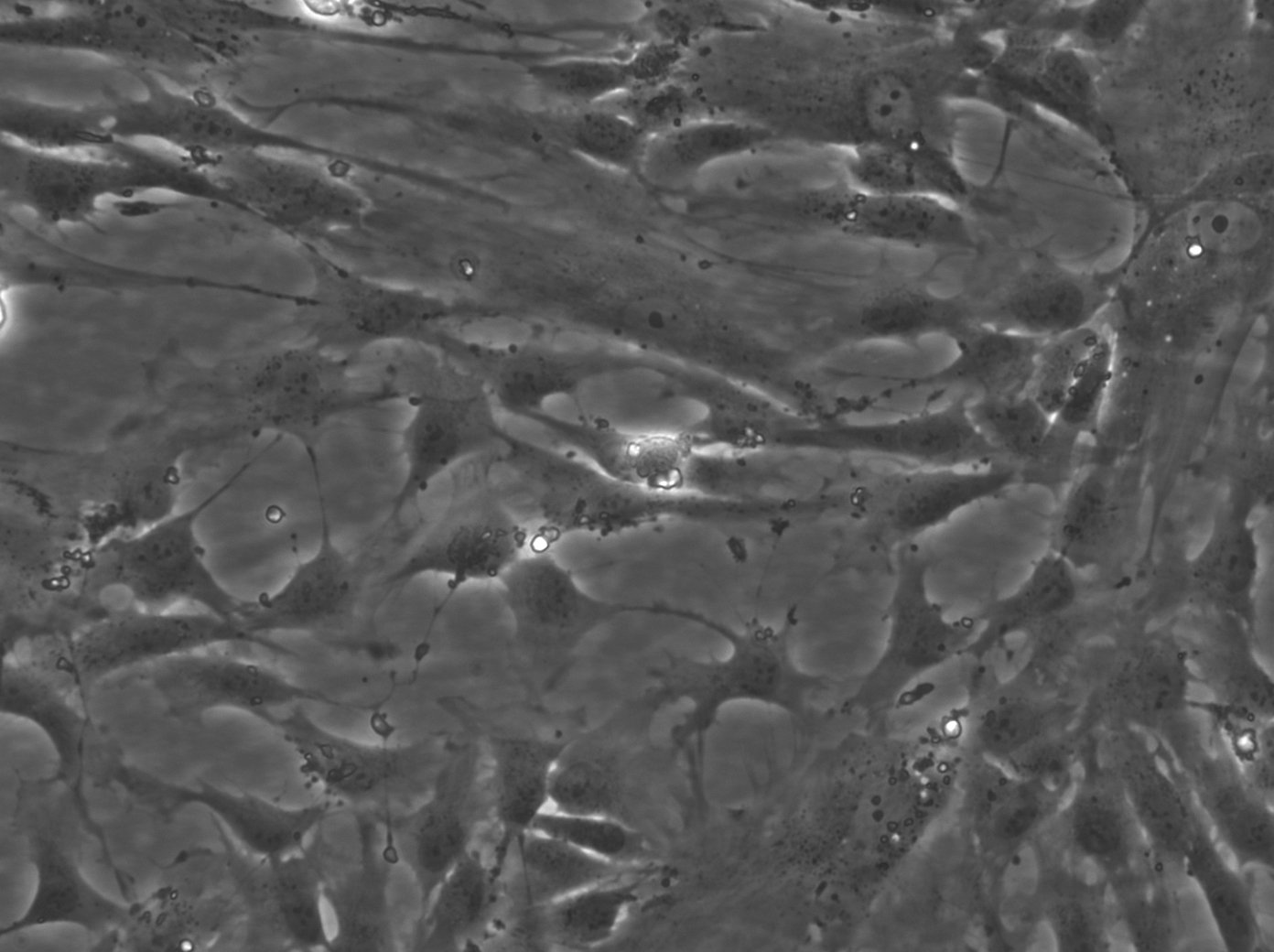
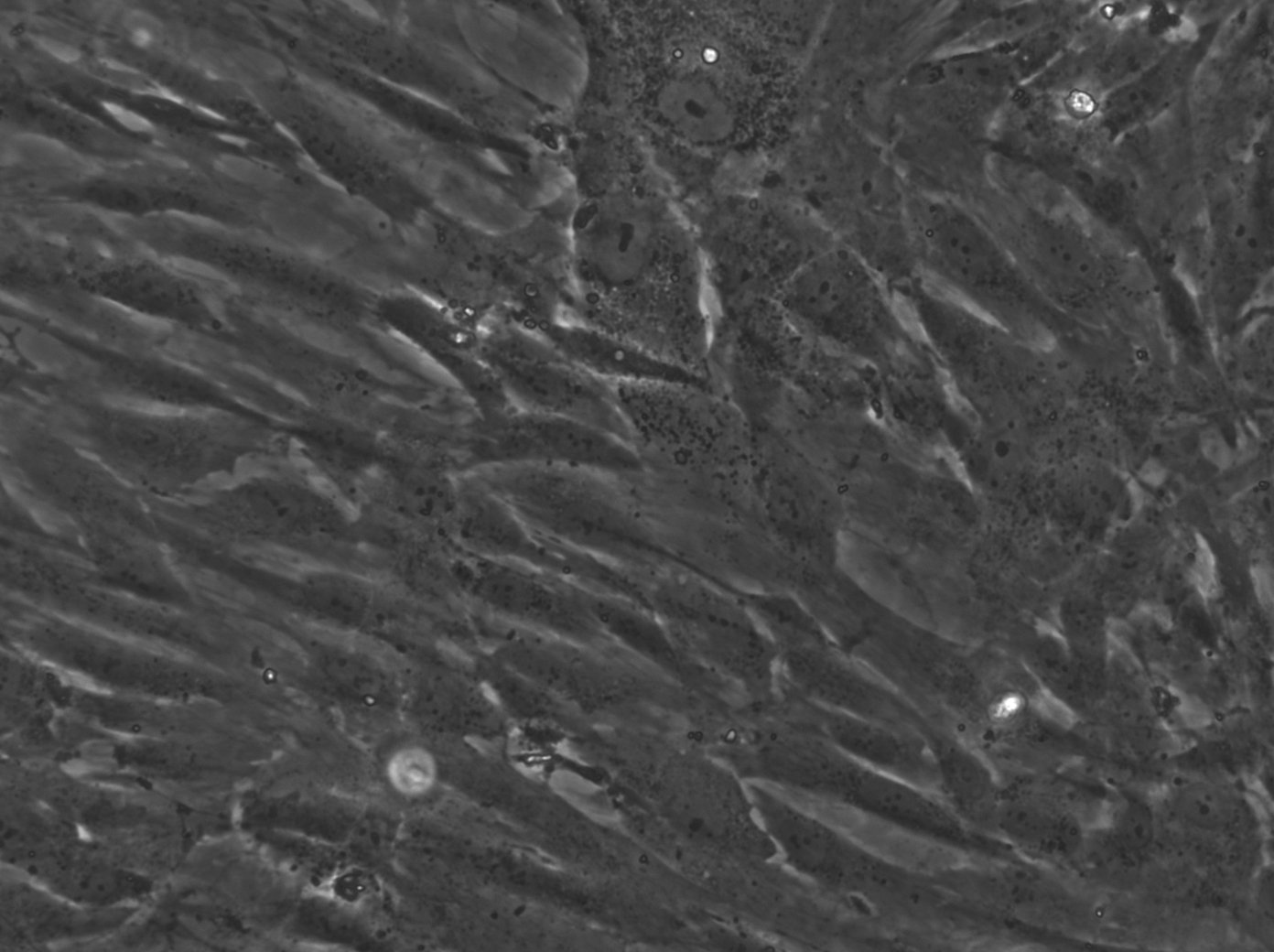
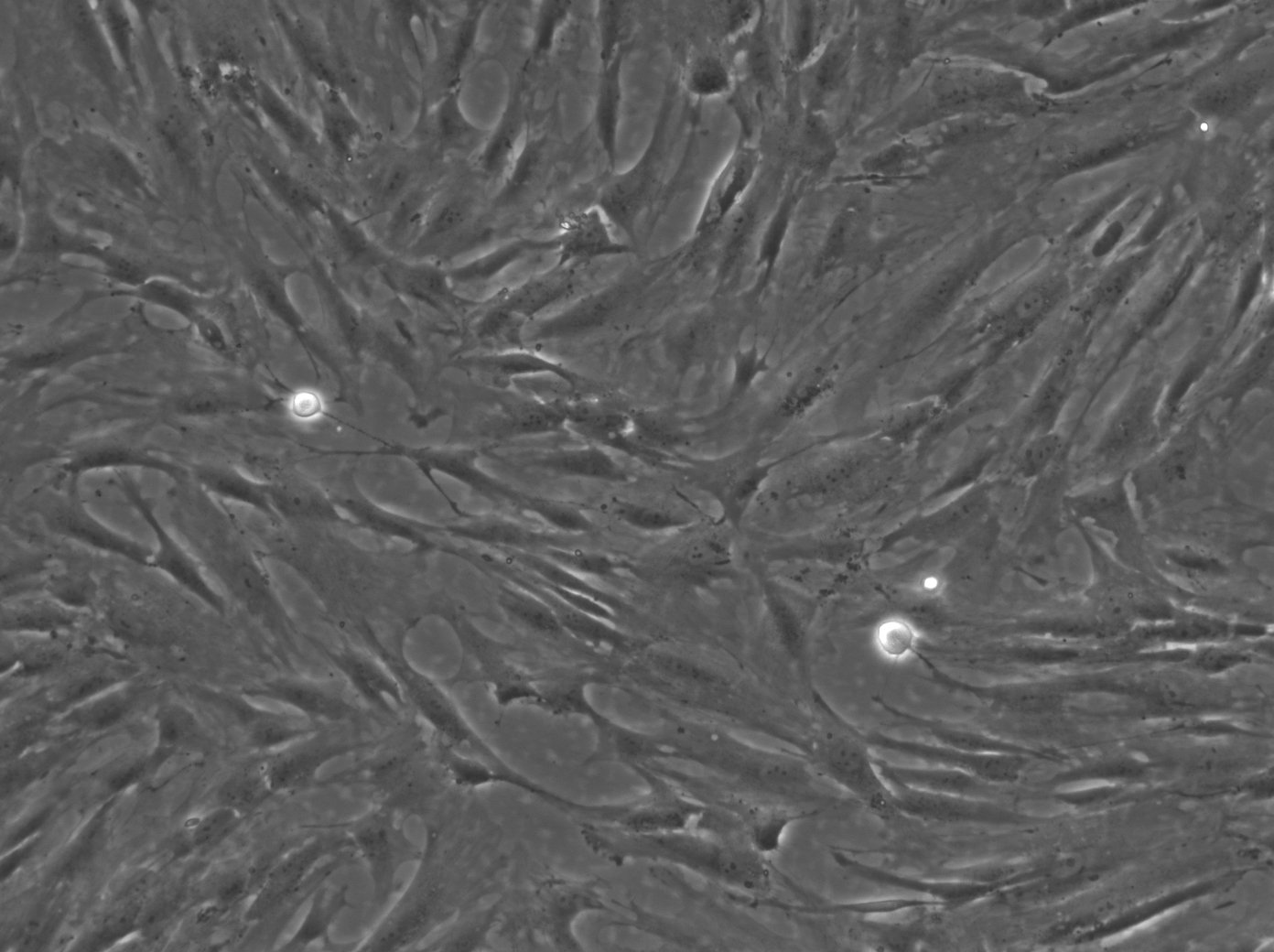
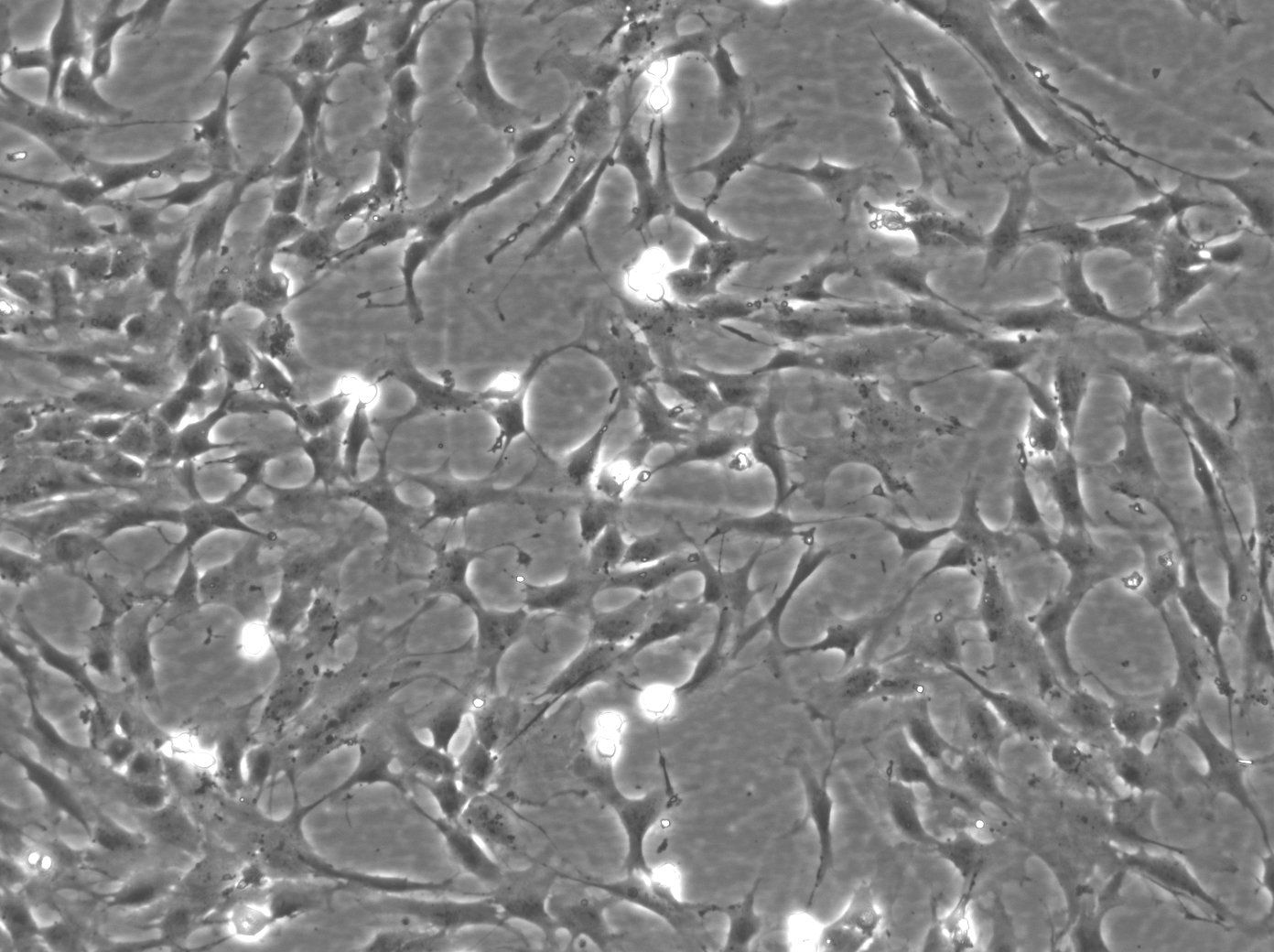
| Descripción | The Wilms3 cell line was established from a primary Wilms tumor in a pediatric patient, characterized by a somatic WT1 mutation. Unlike many other Wilms tumor cell lines, Wilms3 harbors a heterozygous frameshift mutation in the WT1 gene (c.1293-1294insA, p.V432SfsX87), leading to the production of a truncated WT1 protein. This partial loss of WT1 function is associated with the development of tumors that display a stromal or mesenchymal phenotype. However, the WT1 mutation in Wilms3 is not homozygous, which adds complexity to its study, as it retains some WT1 function that can influence tumor biology differently compared to cell lines with complete WT1 loss. Wilms3 also carries a mutation in the CTNNB1 gene, specifically affecting threonine 41 (p.T41A), which plays a critical role in the Wnt signaling pathway. This mutation stabilizes β-Catenin, preventing its degradation and leading to the constitutive activation of the Wnt pathway. The persistent activation of Wnt signaling drives cell proliferation and contributes to tumorigenesis in Wilms3, making it a key model for studying the impact of CTNNB1 mutations in the context of a partially functional WT1 background. Phenotypically, Wilms3 cells exhibit a mesenchymal-like morphology, expressing vimentin and lacking cytokeratin, consistent with the stromal characteristics observed in the original tumor. These cells show limited differentiation potential, with the ability to undergo some mesenchymal differentiation under specific conditions. Proteomic analyses of Wilms3 have revealed the activation of several receptor tyrosine kinases (RTKs), including PDGFRβ and AXL, which support cell survival and proliferation. Additionally, downstream signaling pathways such as MAPK and PI3K/AKT are activated, reinforcing the malignant properties of Wilms3 cells. One unique aspect of Wilms3 is its partial WT1 functionality, which provides a distinct perspective on how WT1 mutations contribute to Wilms tumor biology when the mutation is not complete. The interplay between WT1 and Wnt signaling in Wilms3 offers a valuable opportunity to study the nuanced roles these pathways play in tumor development. Overall, Wilms3 serves as an important model for investigating the molecular mechanisms underlying Wilms tumor in the presence of partial WT1 loss and constitutive Wnt pathway activation. |
|---|---|
| Organismo | Human |
| Tejido | Kidney |
| Enfermedad | Wilms tumor |
| Aplicaciones | In vitro cell culture model. Biochemical studies |
Características
| Edad | 11-12 months |
|---|---|
| Género | Male |
| Origen étnico | Caucasian |
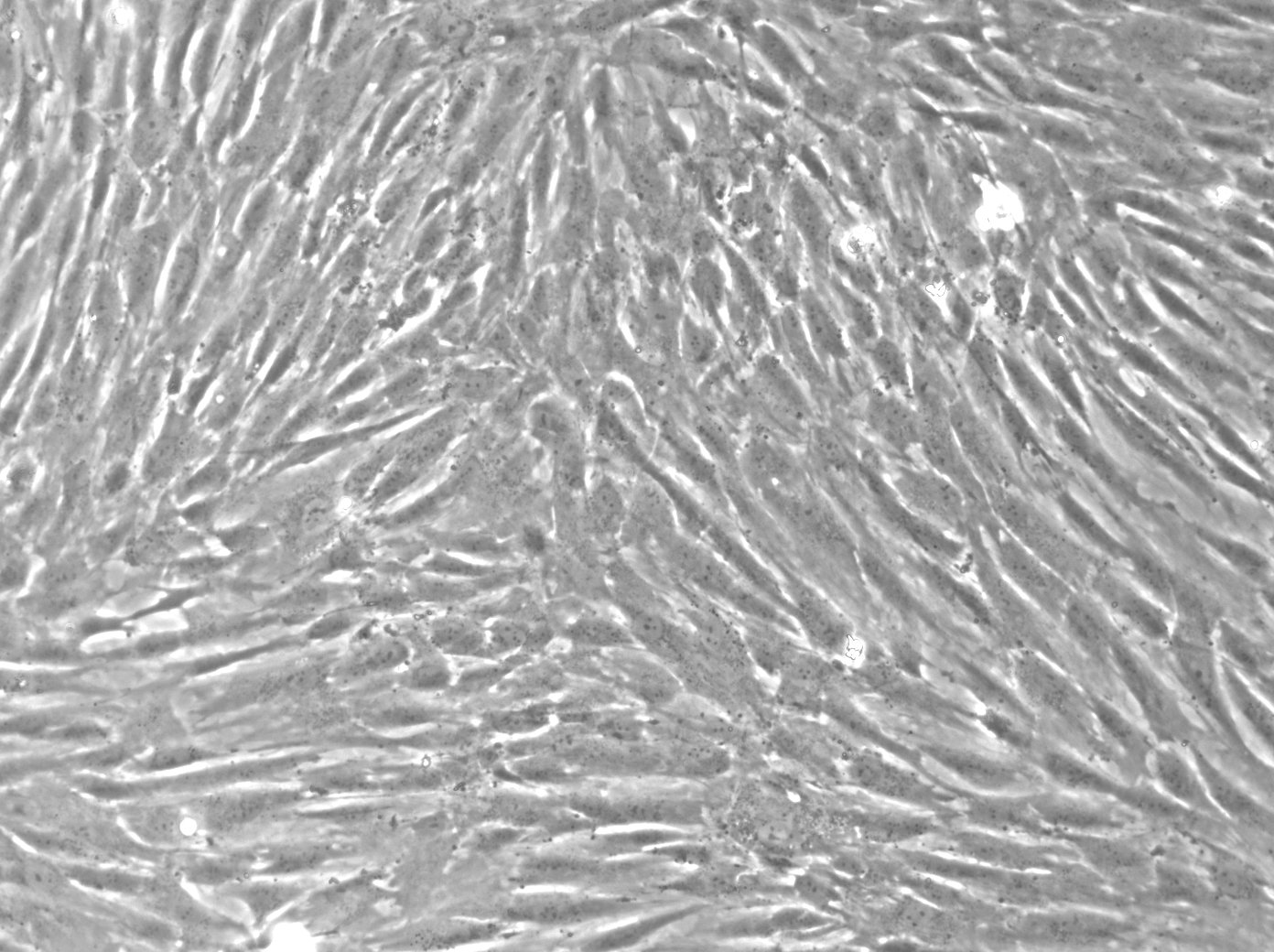
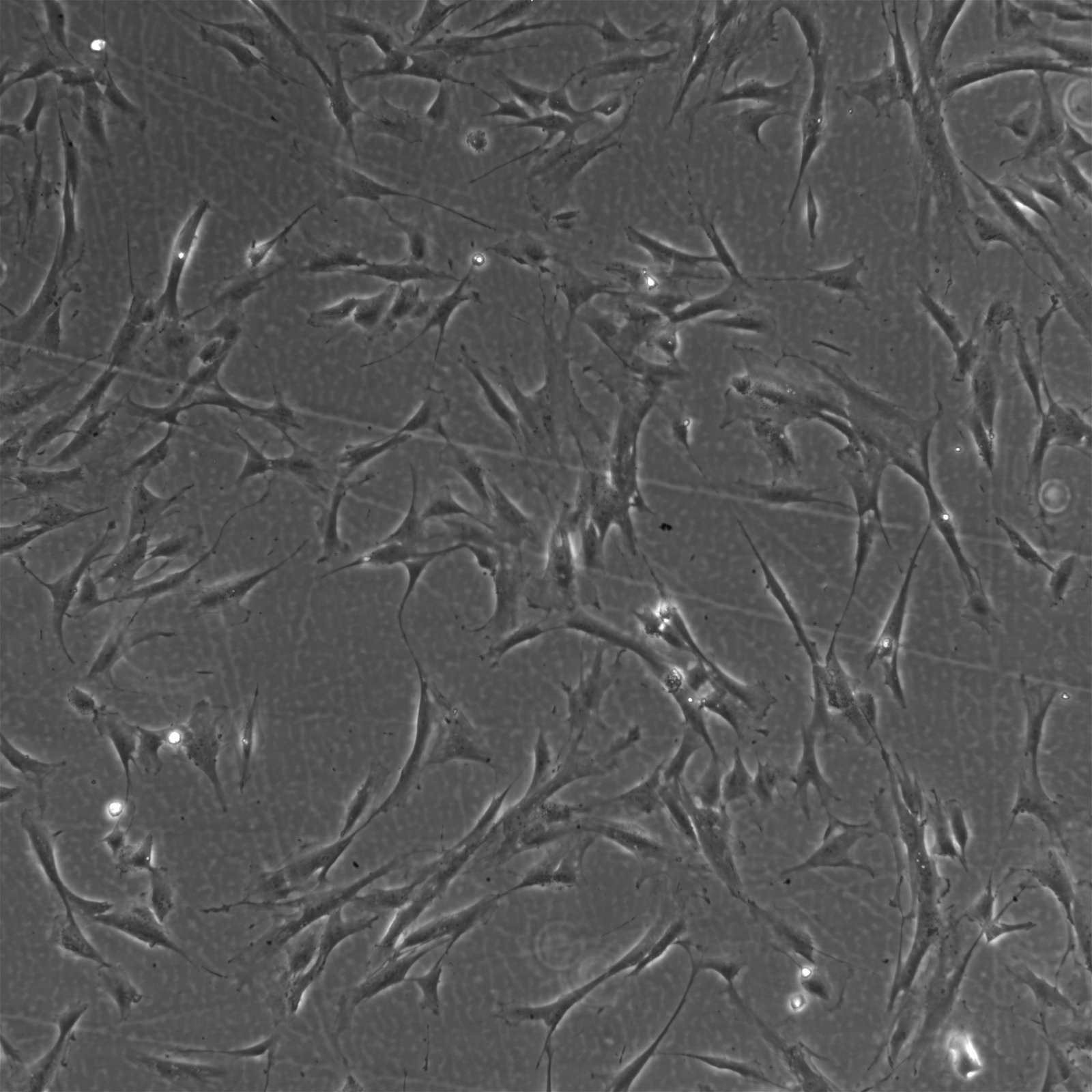
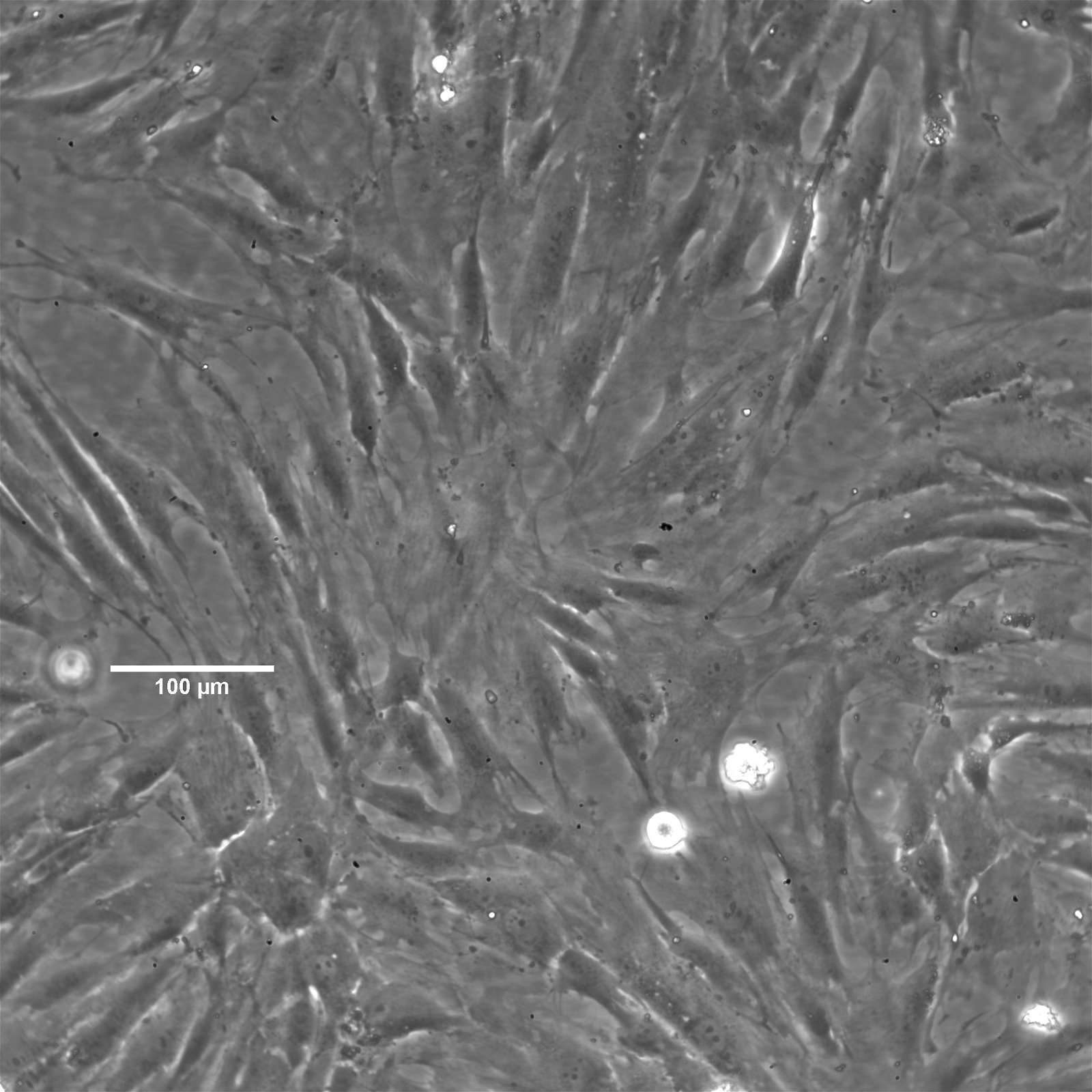
| Morfología | Spindle-shaped |
| Tipo de célula | Wilms cells |
| Propiedades de crecimiento | Adherent |
Datos normativos
| Referencia | Wilms3 (Cytion catalog number 300414) |
|---|---|
| Nivel de bioseguridad | 1 |
| NCBI_TaxID | 9606 |
| N.º de acceso de Cellosaurus | CVCL_A5SF |
Datos biomoleculares
| Perfil mutacional | WT1 mutation status: homozygous c.1293-1294insA, p.V432fsx87, LOH: 11p11-11pter, CTNNB1 mutation status: wild type |
|---|
Manejo
| Medio de cultivo | MSCGM kit (from Lonza) |
|---|---|
| Reactivo de disociación | Accutase |
| Subcultivo | Remove the old medium from the adherent cells and wash them with PBS that lacks calcium and magnesium. For T25 flasks, use 3-5 ml of PBS, and for T75 flasks, use 5-10 ml. Then, cover the cells completely with Accutase, using 1-2 ml for T25 flasks and 2.5 ml for T75 flasks. Let the cells incubate at room temperature for 8-10 minutes to detach them. After incubation, gently mix the cells with 10 ml of medium to resuspend them, then centrifuge at 300xg for 3 minutes. Discard the supernatant, resuspend the cells in fresh medium, and transfer them into new flasks that already contain fresh medium. |
| Medio de congelación | As a cryopreservation medium, we use complete growth medium (including FBS) + 10% DMSO for adequate post-thaw viability, or CM-1 (Cytion catalog number 800100), which includes optimized osmoprotectants and metabolic stabilizers to enhance recovery and reduce cryo-induced stress. |
| Descongelación y cultivo de células |
|
| Atmósfera de incubación | 37°C, 5% CO2, humidified atmosphere. |
| Condiciones de envío | Cryopreserved cell lines are shipped on dry ice in validated, insulated packaging with sufficient refrigerant to maintain approximately −78 °C throughout transit. On receipt, inspect the container immediately and transfer vials without delay to appropriate storage. |
| Condiciones de almacenamiento | For long-term preservation, place vials in vapor-phase liquid nitrogen at about −150 to −196 °C. Storage at −80 °C is acceptable only as a short interim step before transfer to liquid nitrogen. |
Control de calidad y análisis molecular
| Esterilidad | Mycoplasma contamination is excluded using both PCR-based assays and luminescence-based mycoplasma detection methods. To ensure there is no bacterial, fungal, or yeast contamination, cell cultures are subjected to daily visual inspections. |
|---|
Certificado de análisis (CoA)
| Número de lote | Tipo de certificado | Fecha | Número de catálogo |
|---|---|---|---|
| 300414-221 | Certificado de análisis | 23. May. 2025 | 300414 |