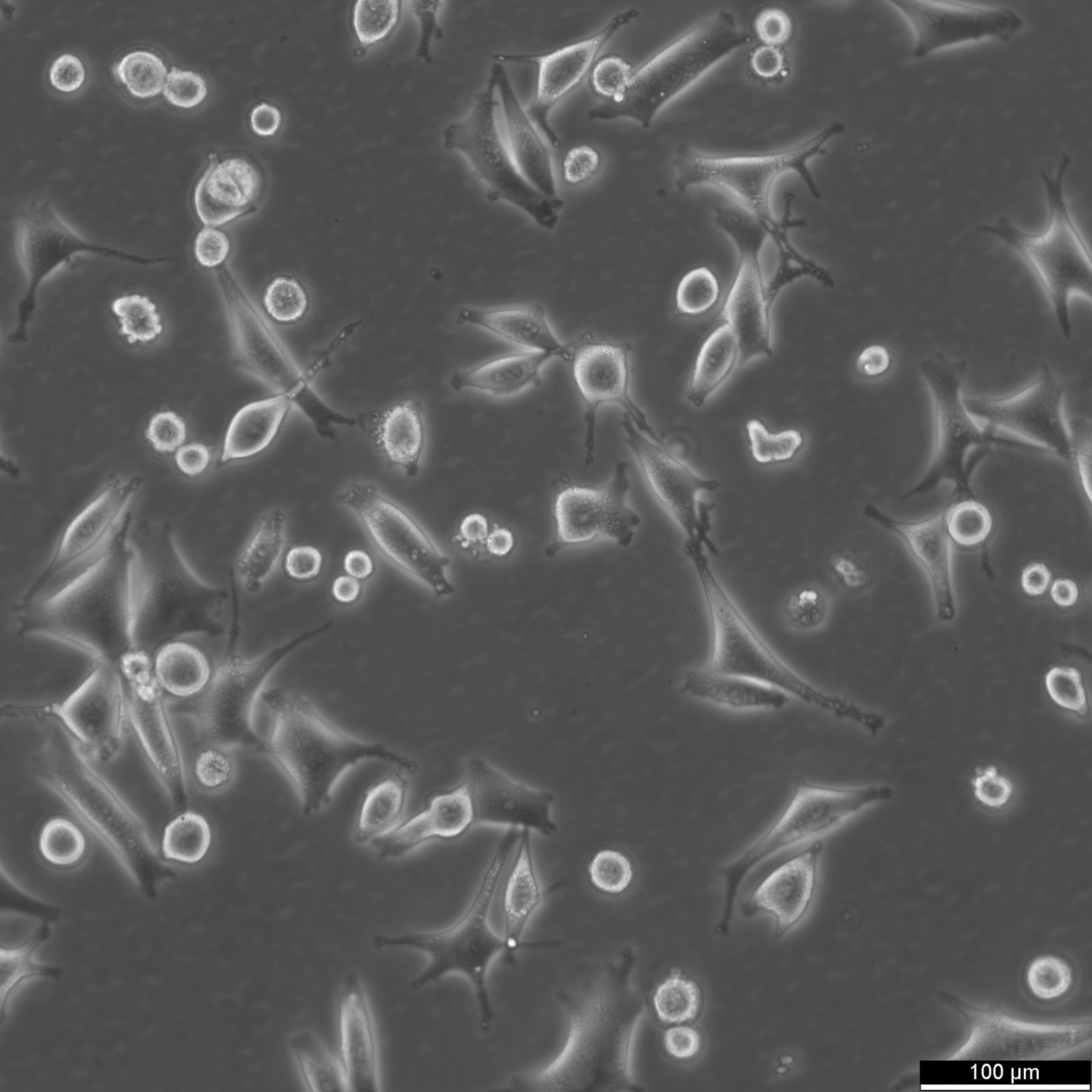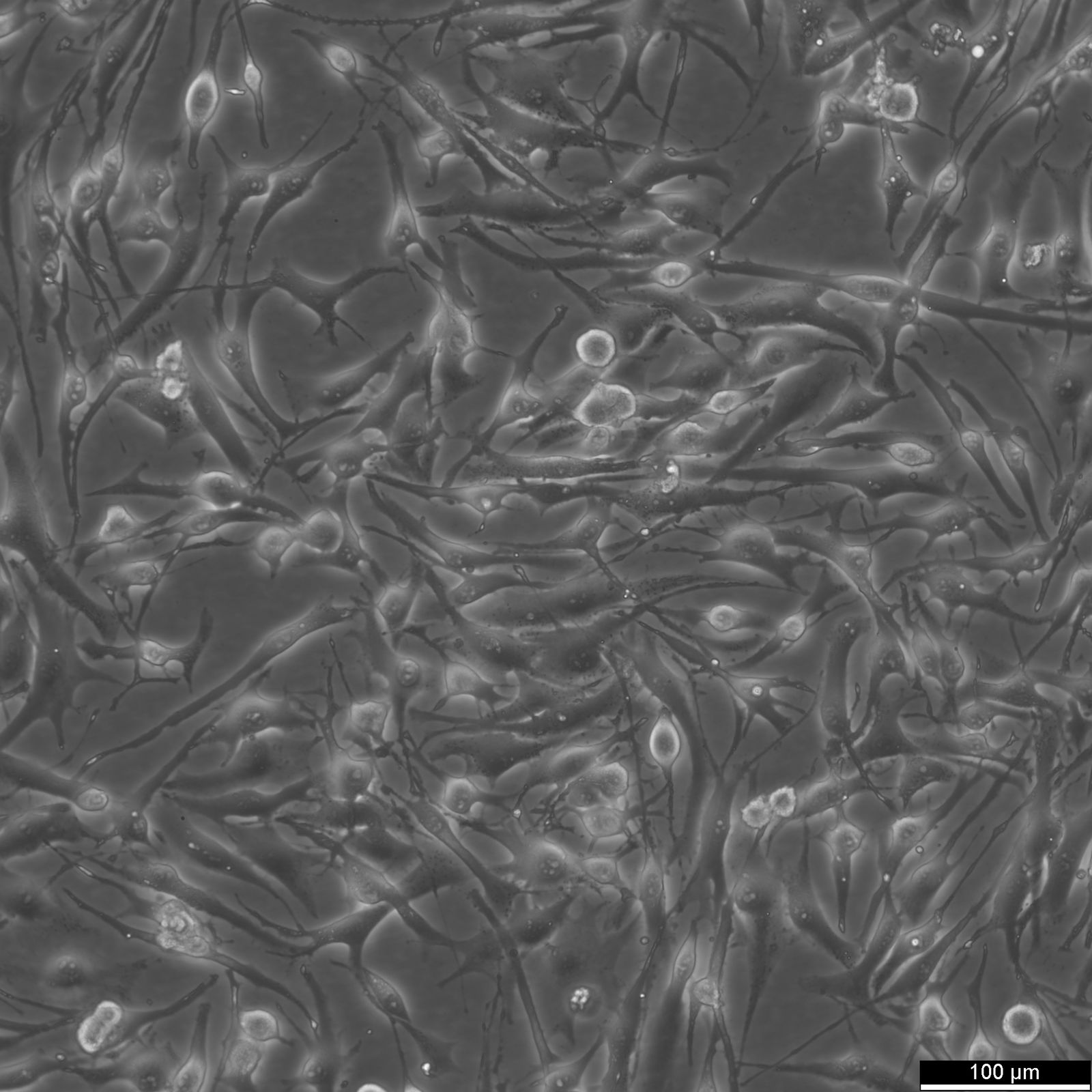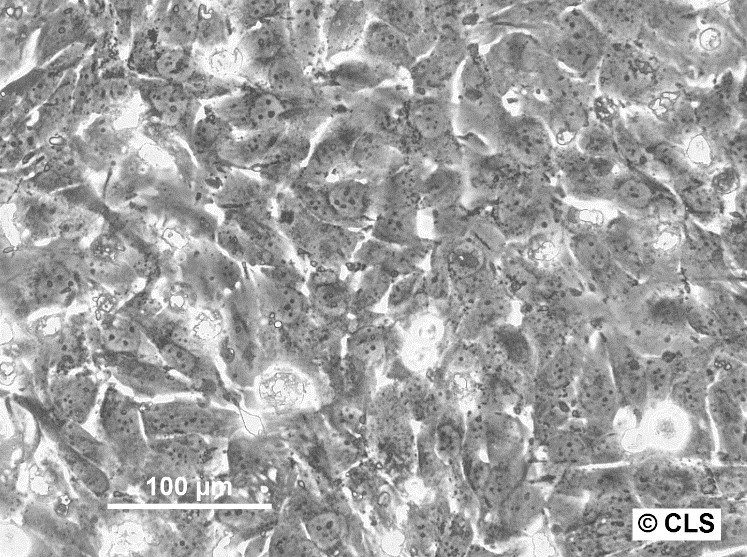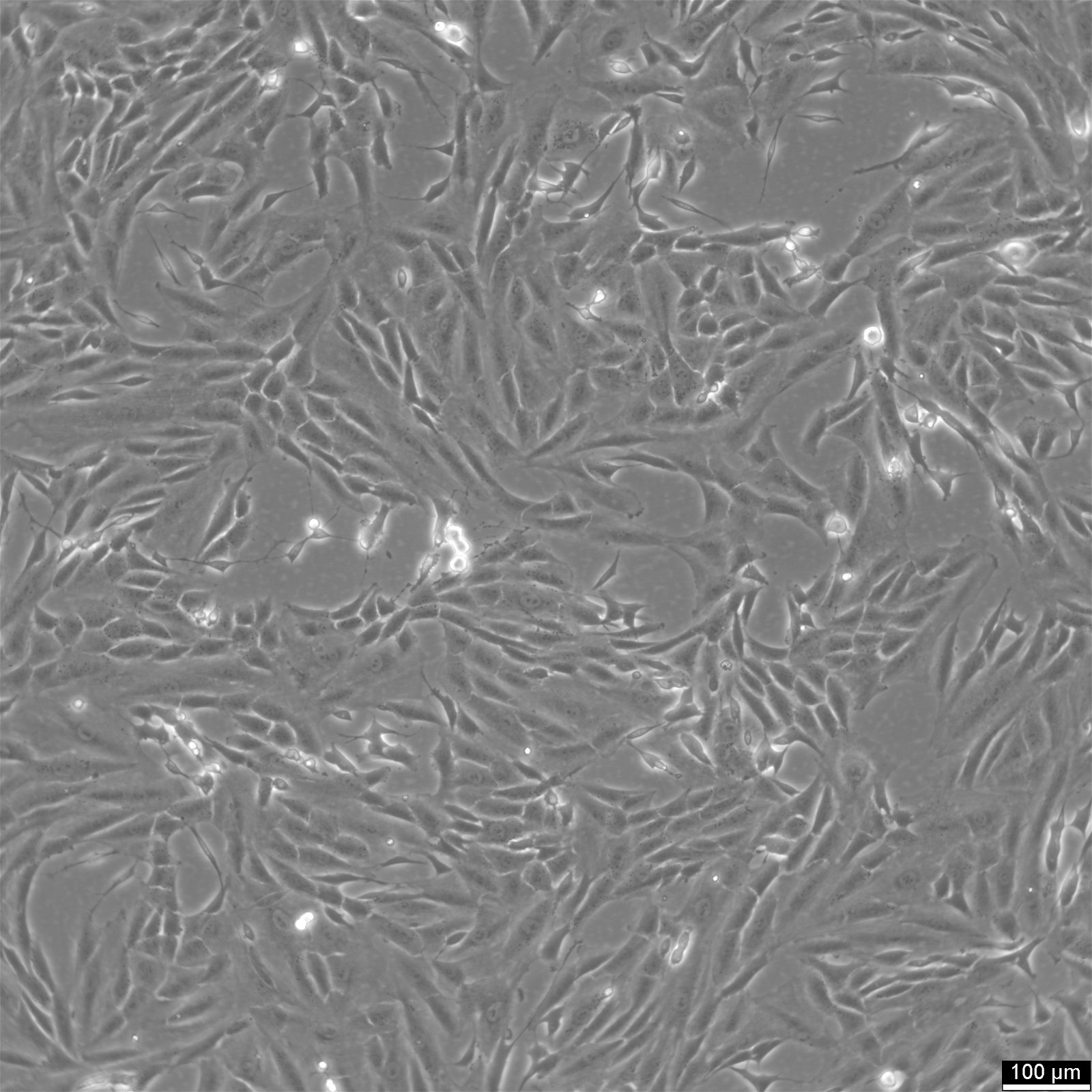
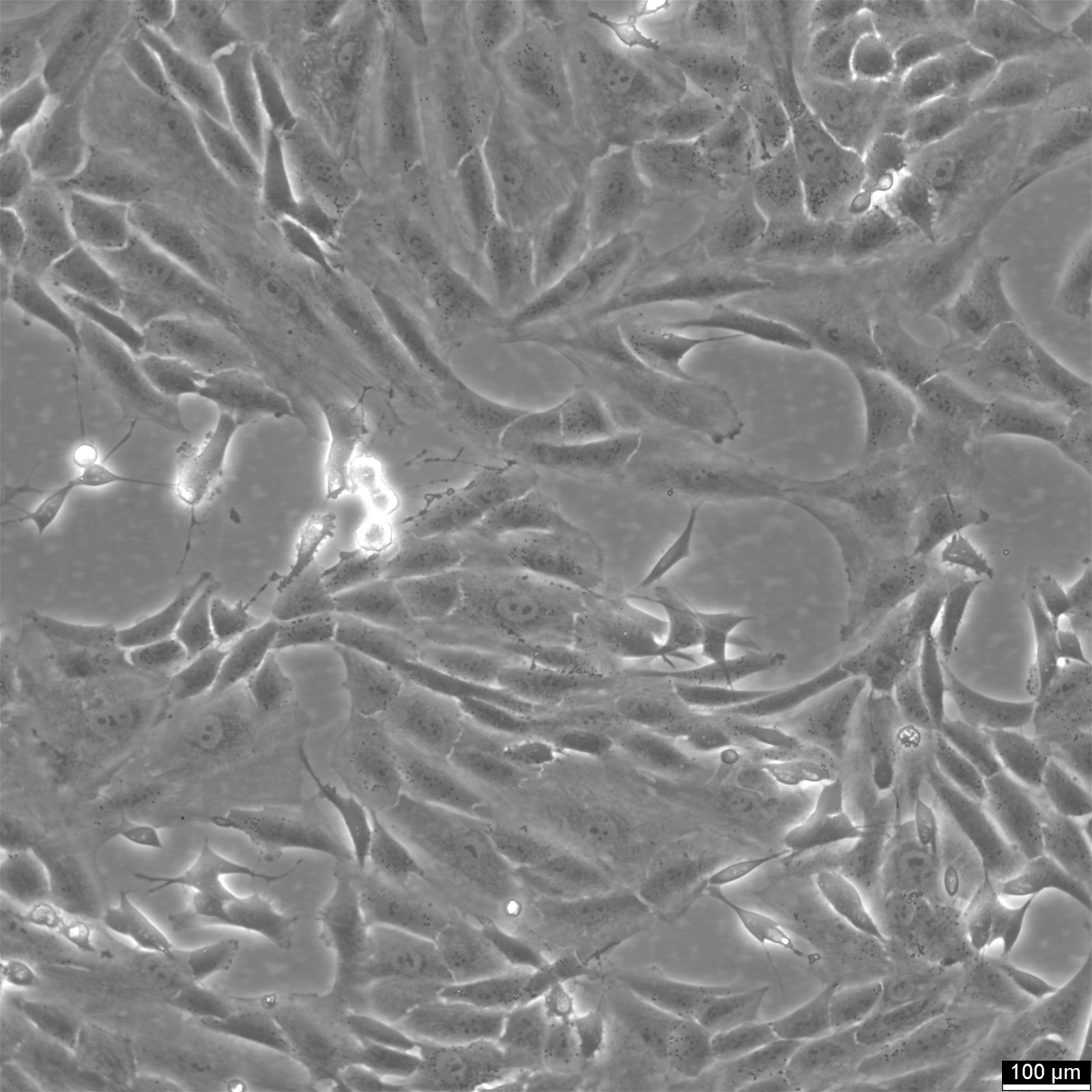
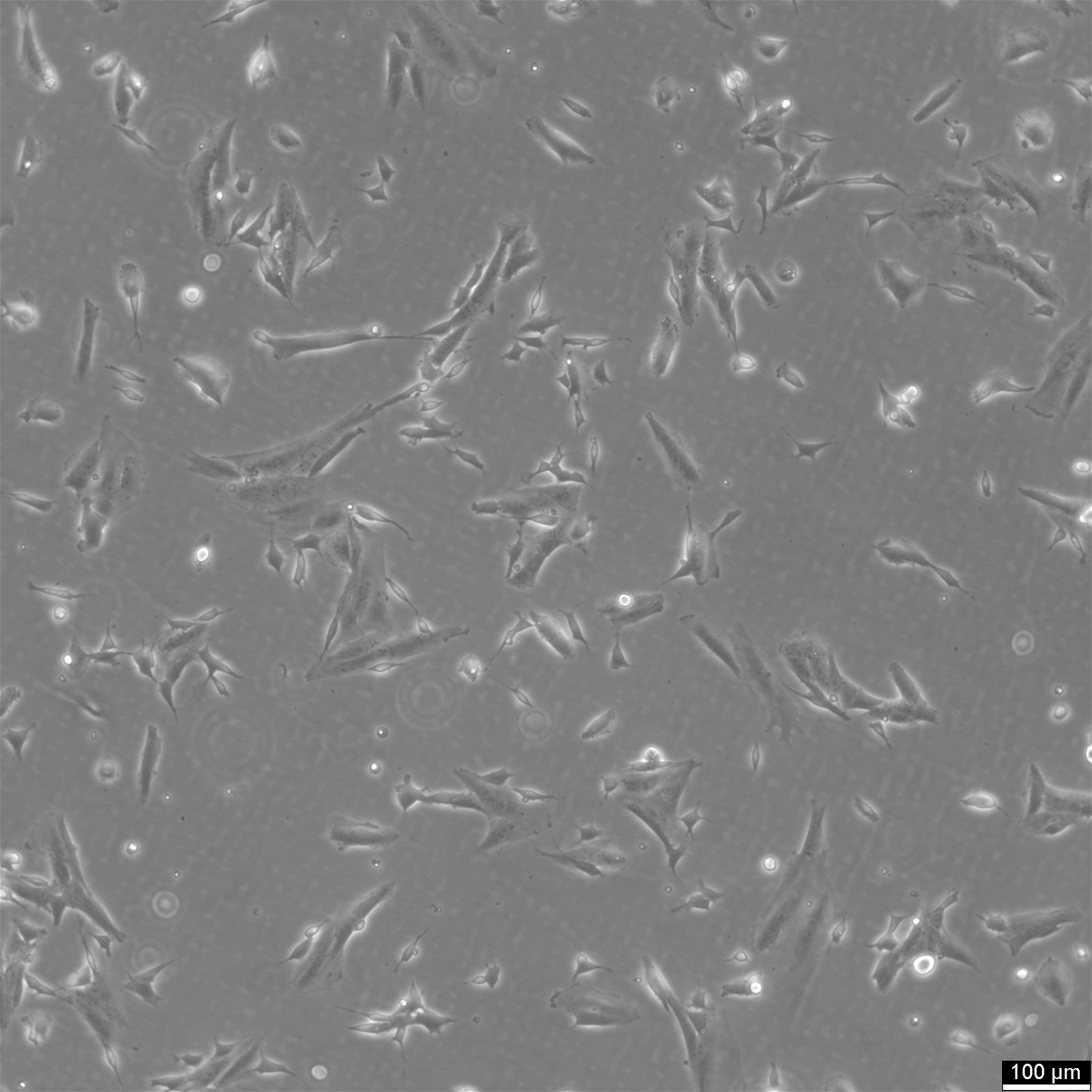
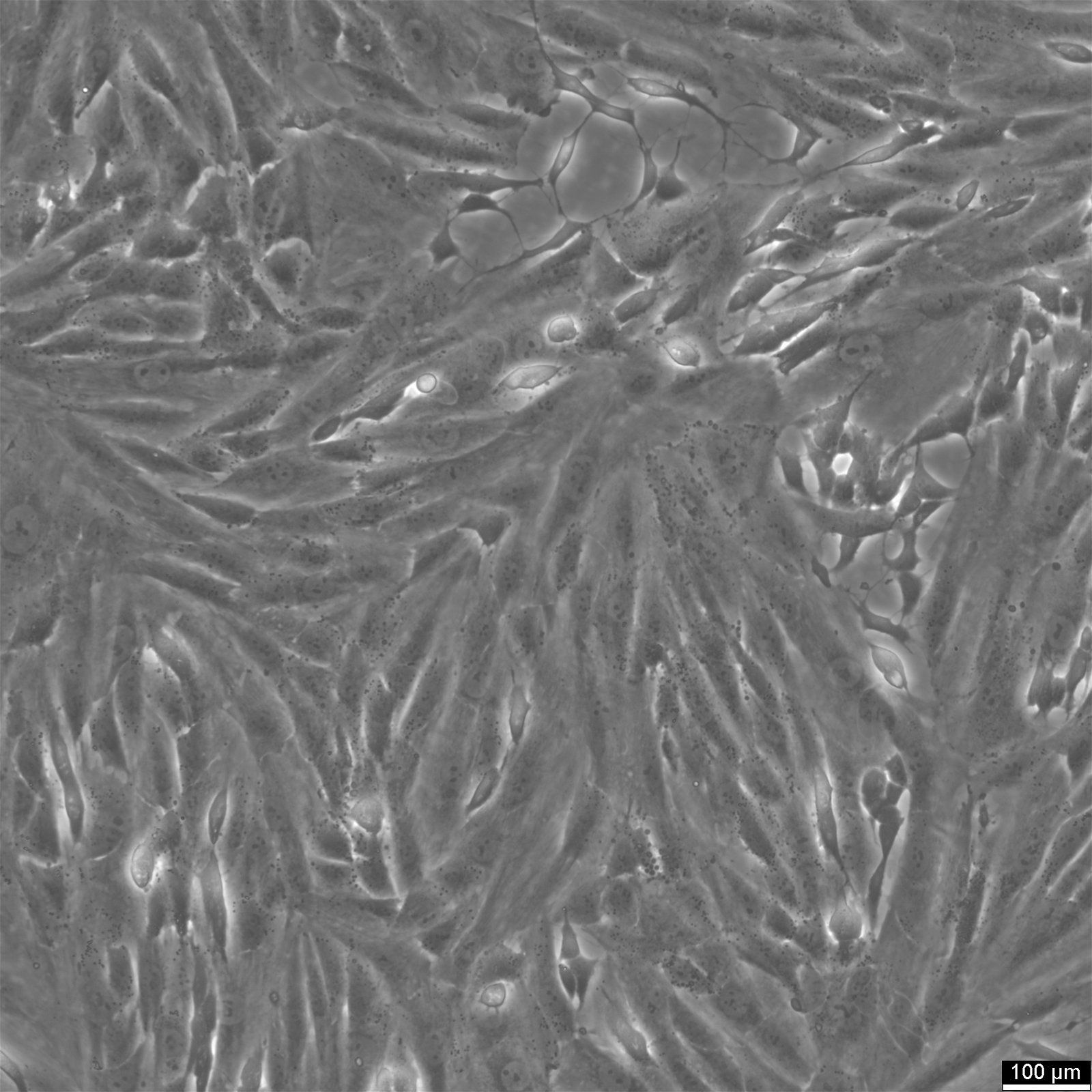
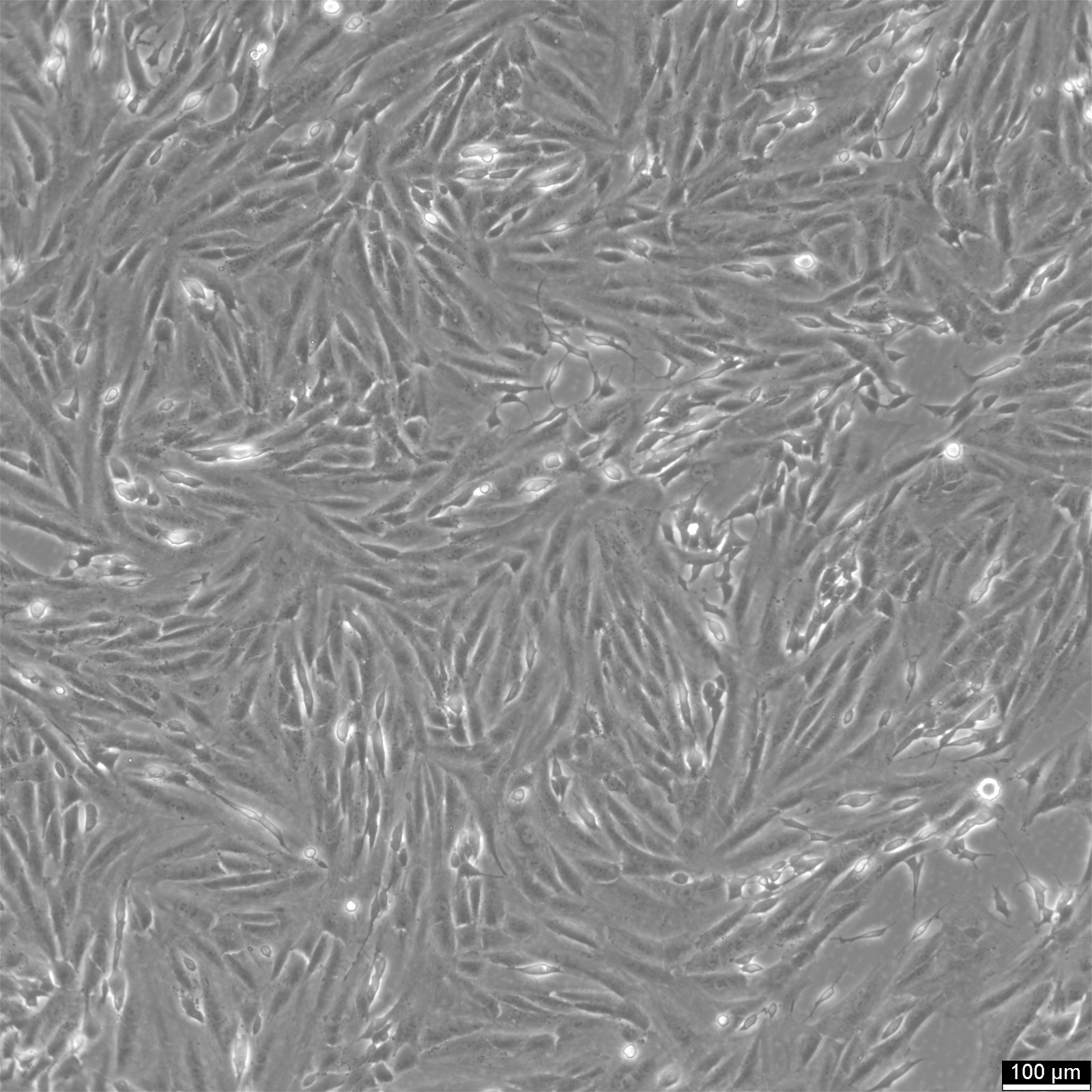
SK-N-SH Cells
USD 395.00*
Products are shipped frozen on dry ice in cryotubes. Each cryotube typically contains 3 × 10⁶ cells for adherent lines or 5 × 10⁶ cells for suspension lines (refer to the batch CoA for details).
Información general
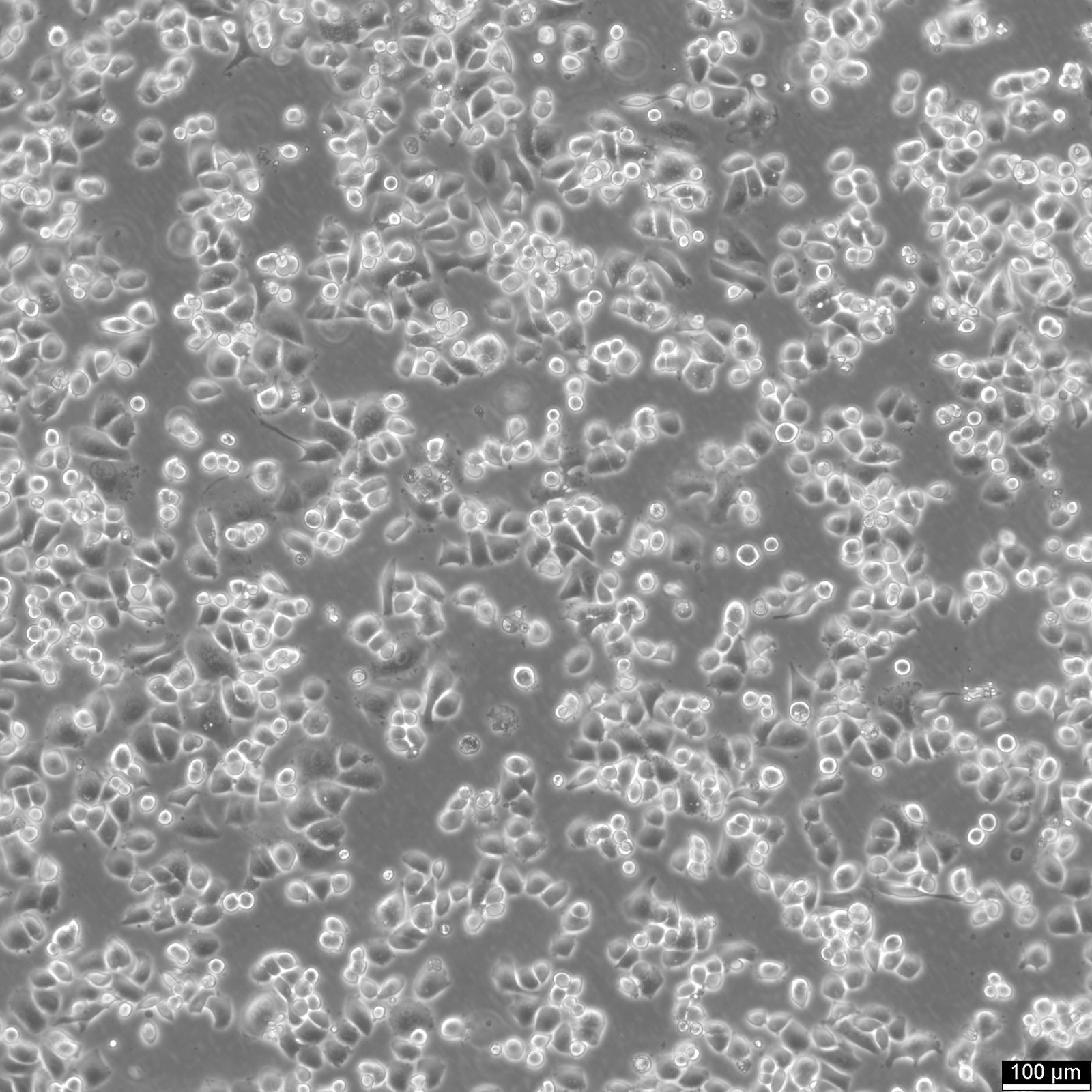
| Descripción | The SK-N-SH cell line is a human neuroblastoma model originally established from the bone marrow aspirate of a child with metastatic neuroblastoma. It is widely used in cancer research, particularly for studying neuronal differentiation, neuroblastoma biology, and therapeutic interventions. The cell line is notable for its heterogeneity and its ability to differentiate into neuronal-like and non-neuronal phenotypes under appropriate conditions, which closely mimics the cellular diversity observed in neuroblastoma tumors. Chromosome analysis of SK-N-SH revealed a near-diploid karyotype with numerical and structural abnormalities. The line consistently displays trisomy of chromosome 7, along with translocations involving chromosomes 9 and 17. Specifically, a segment of chromosome 17 translocates to chromosome 22, resulting in partial trisomy of chromosome 17. Despite these alterations, SK-N-SH cells exhibit relatively stable karyotypic features compared to other neuroblastoma models, making them suitable for studying chromosomal aberrations in neuroblastoma. Functionally, SK-N-SH cells possess neuronal properties and express neuroblastoma markers, including neurotransmitter synthesis enzymes, which are indicative of their neural crest origin. Importantly, SK-N-SH cells can be induced to differentiate into neuron-like cells with morphological and biochemical changes. Agents such as retinoic acid are commonly used to trigger this differentiation, resulting in increased neurite outgrowth and expression of neuronal markers. This property makes SK-N-SH a valuable tool for examining neuronal differentiation pathways, neurotoxicity, and neuroblastoma therapeutic targets. SK-N-SH serves as a robust and versatile model for investigating neuroblastoma progression, neuronal differentiation, and therapeutic responses. Its karyotypic stability and ability to differentiate into neuronal phenotypes provide a platform for translational research into pediatric cancers and neuronal development. |
|---|---|
| Organismo | Human |
| Tejido | Brain |
| Enfermedad | Neuroblastoma |
| Lugar de metástasis | Bone marrow |
| Sinónimos | SK N SH, SKN-SH, SK-NSH, SKNSH, NSH |
Características
| Edad | 4 years |
|---|---|
| Género | Female |
| Origen étnico | European |
| Morfología | Epithelial |
| Propiedades de crecimiento | Adherent |
Datos normativos
| Referencia | SK-N-SH (Cytion catalog number 305028) |
|---|---|
| Nivel de bioseguridad | 1 |
| NCBI_TaxID | 9606 |
| N.º de acceso de Cellosaurus | CVCL_0531 |
Datos biomoleculares
| Expresión de proteínas | Plasminogen Activator, Shows Increased Expression Of M-Csf After Treatment With Amyloid-Beta Peptide. |
|---|---|
| Expresión de antígenos | Blood Type A, Rh+ |
Manejo
| Medio de cultivo | EMEM (MEM Eagle), w: 2 mM L-Glutamine, w: 2.2 g/L NaHCO3, w: EBSS (Cytion article number 820100a) |
|---|---|
| Suplementos | Supplement the medium with 10% FBS and 1% NEAA |
| Reactivo de disociación | Accutase |
| Subcultivo | Remove the old medium from the adherent cells and wash them with PBS that lacks calcium and magnesium. For T25 flasks, use 3-5 ml of PBS, and for T75 flasks, use 5-10 ml. Then, cover the cells completely with Accutase, using 1-2 ml for T25 flasks and 2.5 ml for T75 flasks. Let the cells incubate at room temperature for 8-10 minutes to detach them. After incubation, gently mix the cells with 10 ml of medium to resuspend them, then centrifuge at 300xg for 3 minutes. Discard the supernatant, resuspend the cells in fresh medium, and transfer them into new flasks that already contain fresh medium. |
| Renovación de fluidos | 2 to 3 times per week |
| Medio de congelación | As a cryopreservation medium, we use 50% basal medium + 40% FBS + 10% DMSO, or CM-1 (Cytion catalog number 800100), which includes optimized osmoprotectants and metabolic stabilizers to enhance recovery and reduce cryo-induced stress. |
| Descongelación y cultivo de células |
|
| Atmósfera de incubación | 37°C, 5% CO2, humidified atmosphere. |
| Condiciones de envío | Cryopreserved cell lines are shipped on dry ice in validated, insulated packaging with sufficient refrigerant to maintain approximately −78 °C throughout transit. On receipt, inspect the container immediately and transfer vials without delay to appropriate storage. |
| Condiciones de almacenamiento | For long-term preservation, place vials in vapor-phase liquid nitrogen at about −150 to −196 °C. Storage at −80 °C is acceptable only as a short interim step before transfer to liquid nitrogen. |
Control de calidad y análisis molecular
| Esterilidad | Mycoplasma contamination is excluded using both PCR-based assays and luminescence-based mycoplasma detection methods. To ensure there is no bacterial, fungal, or yeast contamination, cell cultures are subjected to daily visual inspections. |
|---|
Certificado de análisis (CoA)
| Número de lote | Tipo de certificado | Fecha | Número de catálogo |
|---|---|---|---|
| 305028-101022 | Certificado de análisis | 23. May. 2025 | 305028 |
| 305028-160625 | Certificado de análisis | 21. Jul. 2025 | 305028 |
-
Related products
Related products
SK-BR-3 CellsOrganismo Human Tejido Breast, mammary gland Enfermedad Invasive ductal carcinoma USD 395.00*