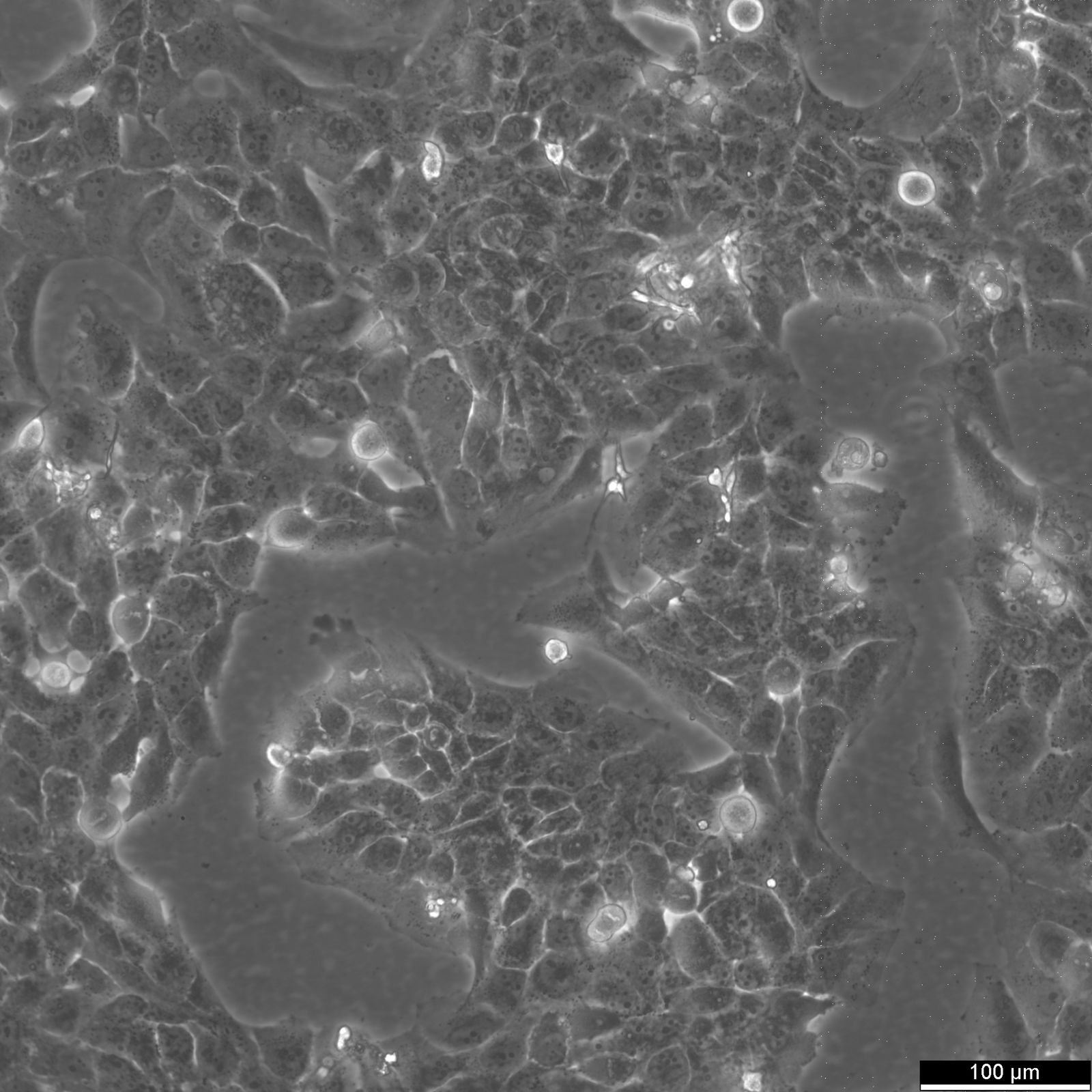
NCI-H820 Cells
USD 550.00*
Products are shipped frozen on dry ice in cryotubes. Each cryotube typically contains 3 × 10⁶ cells for adherent lines or 5 × 10⁶ cells for suspension lines (refer to the batch CoA for details).
Información general
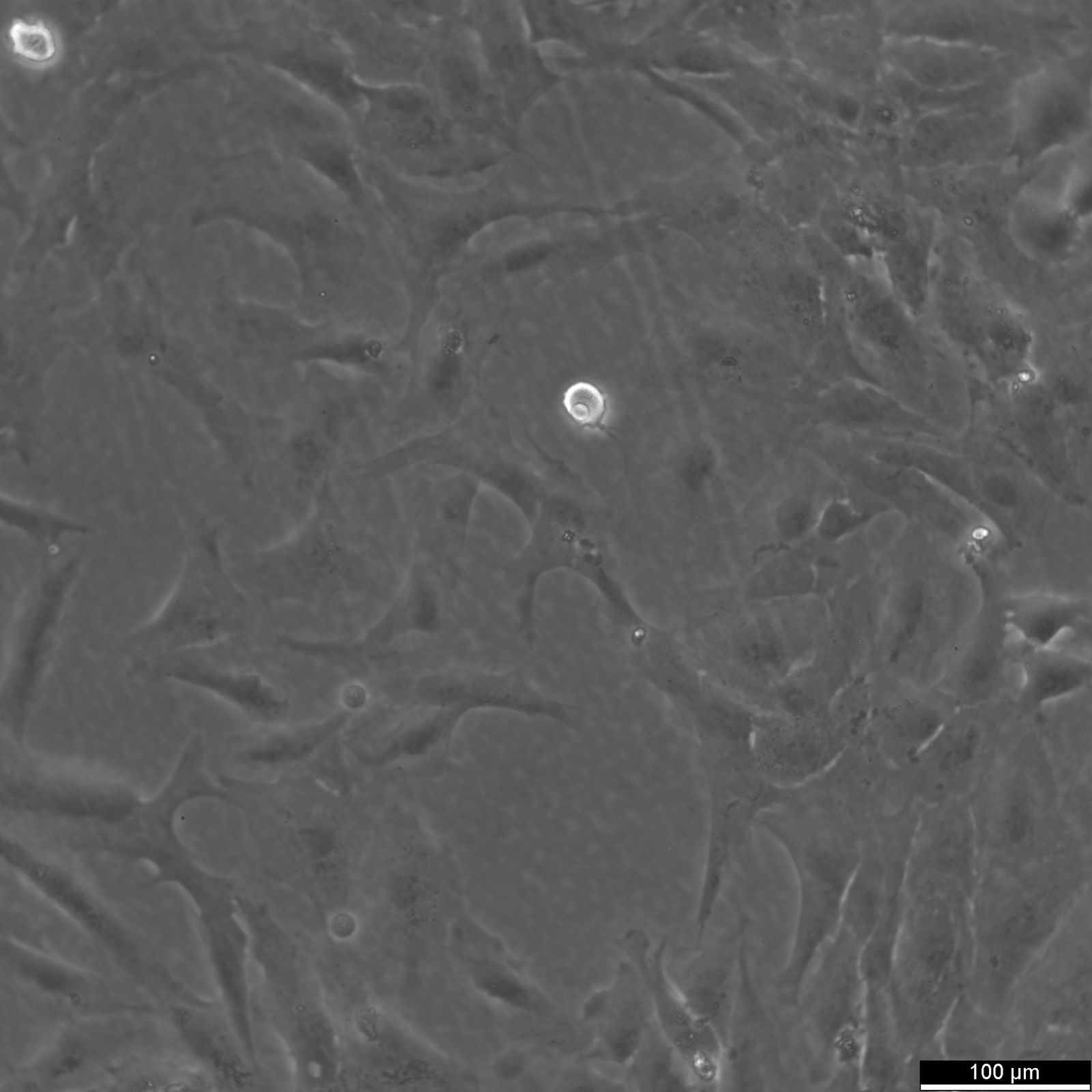
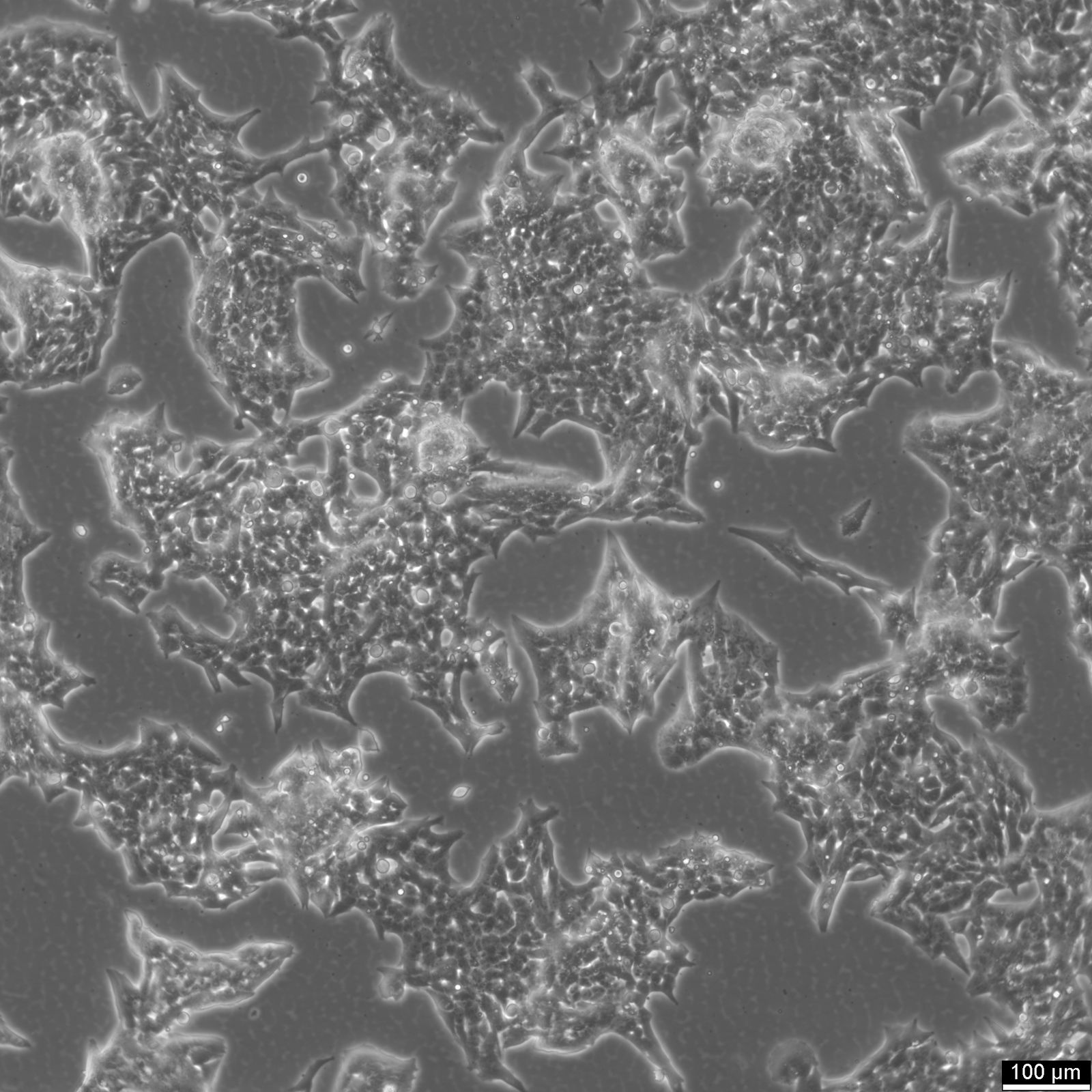
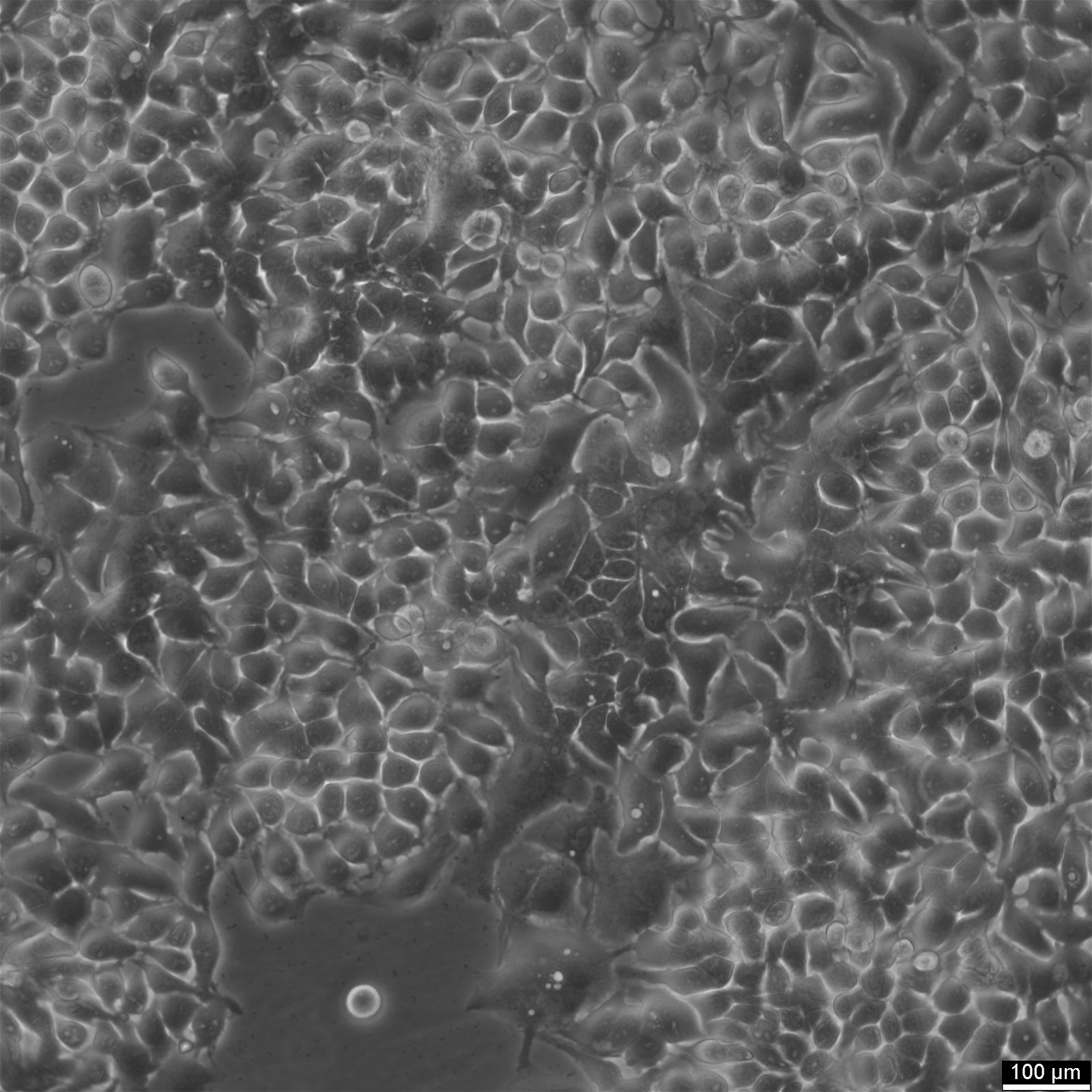
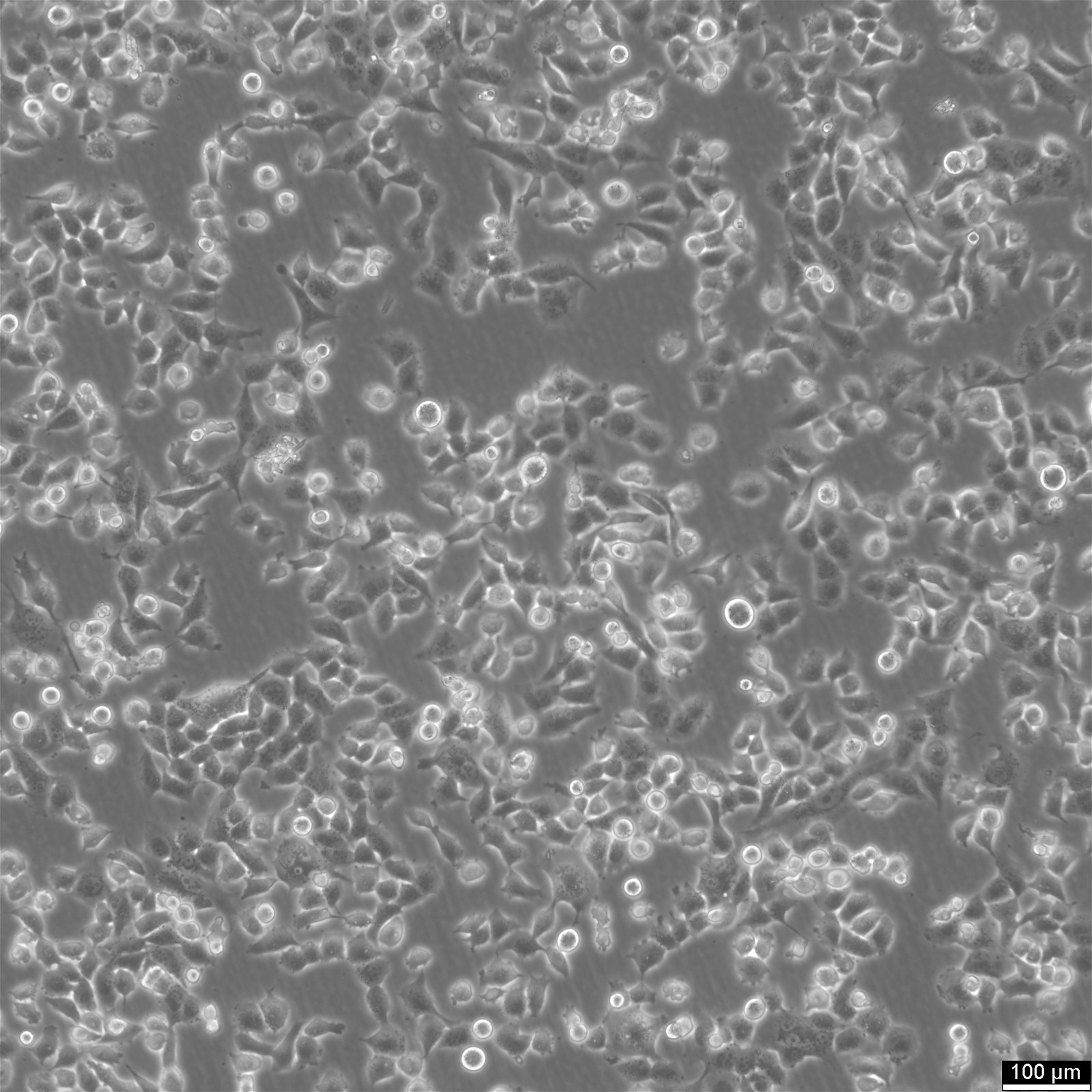
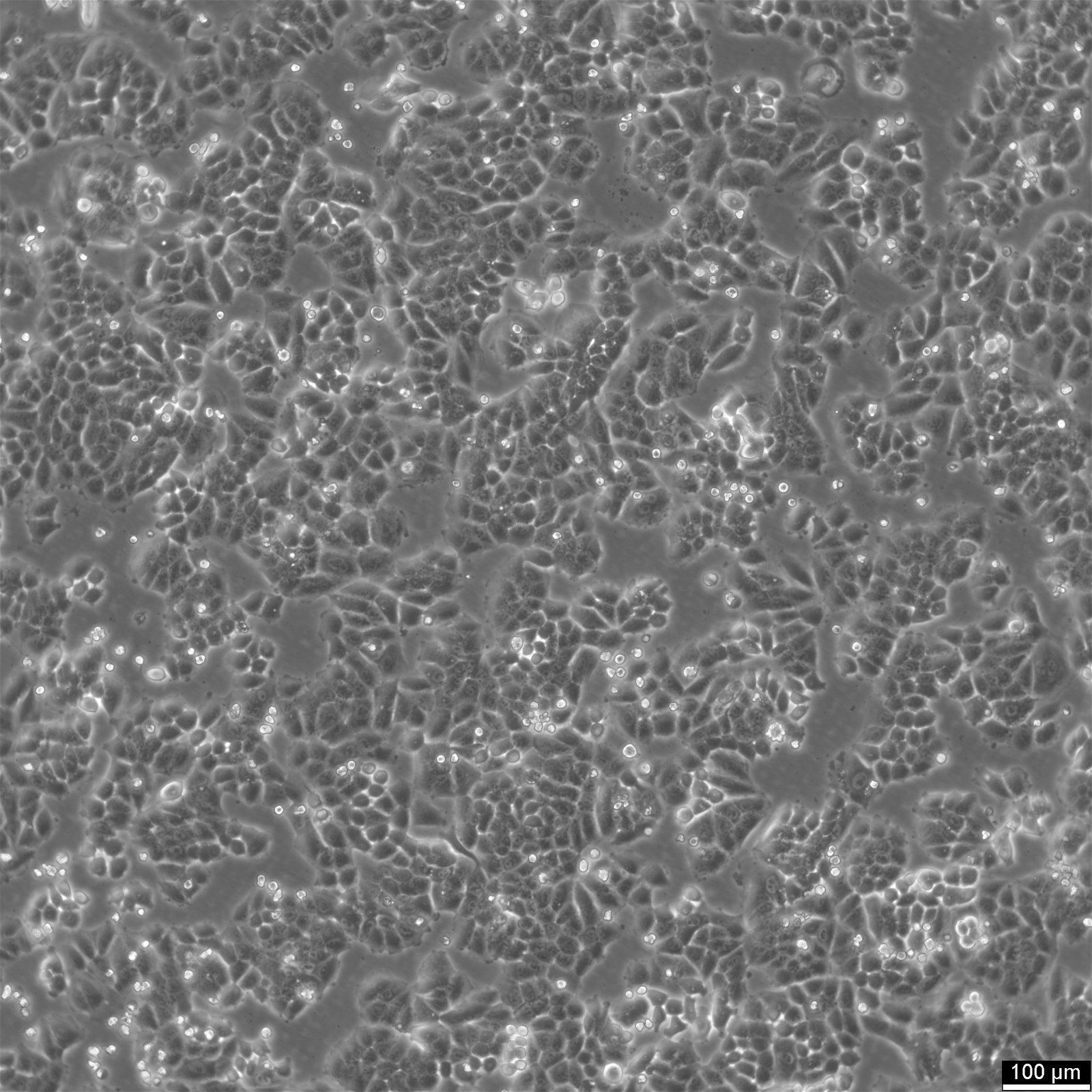
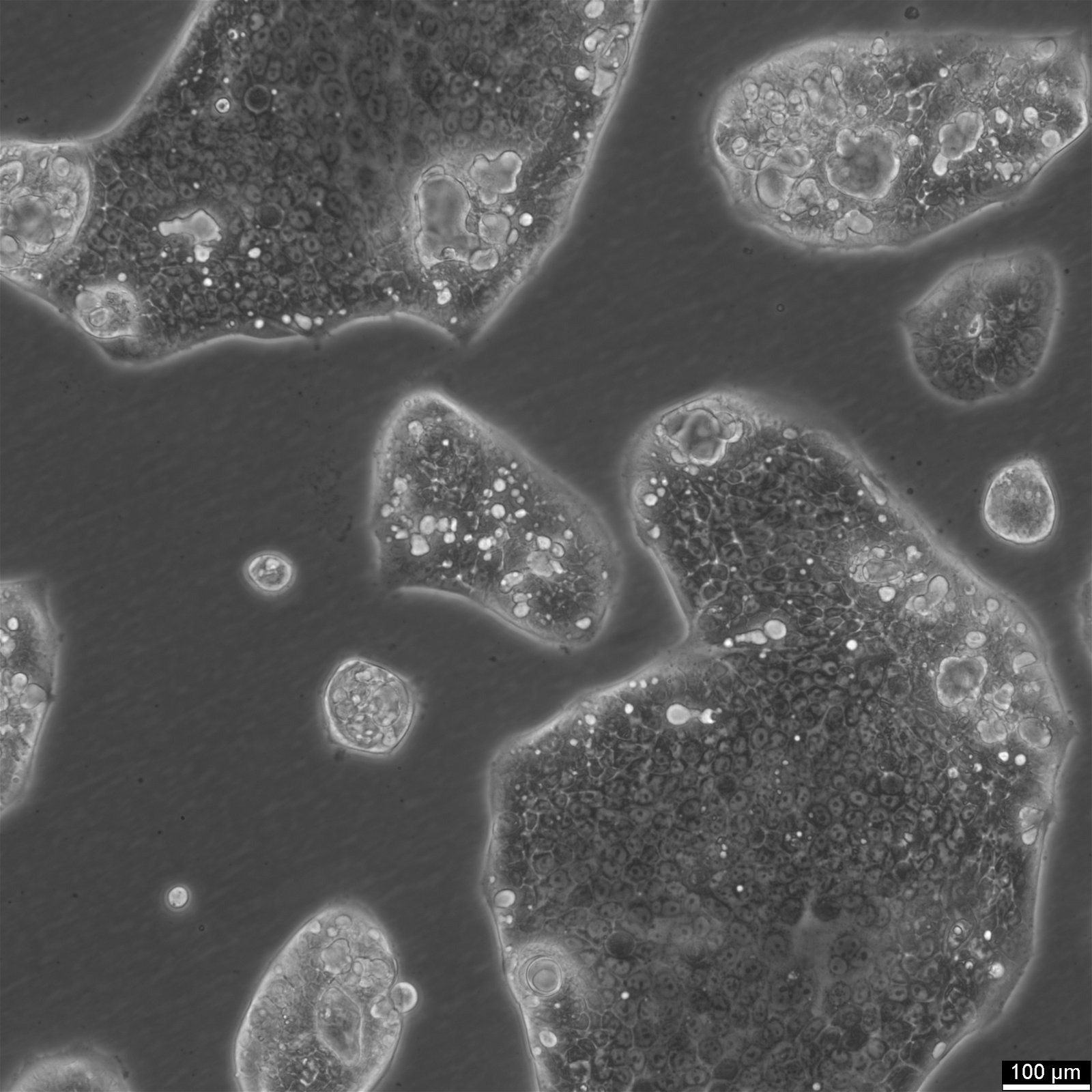
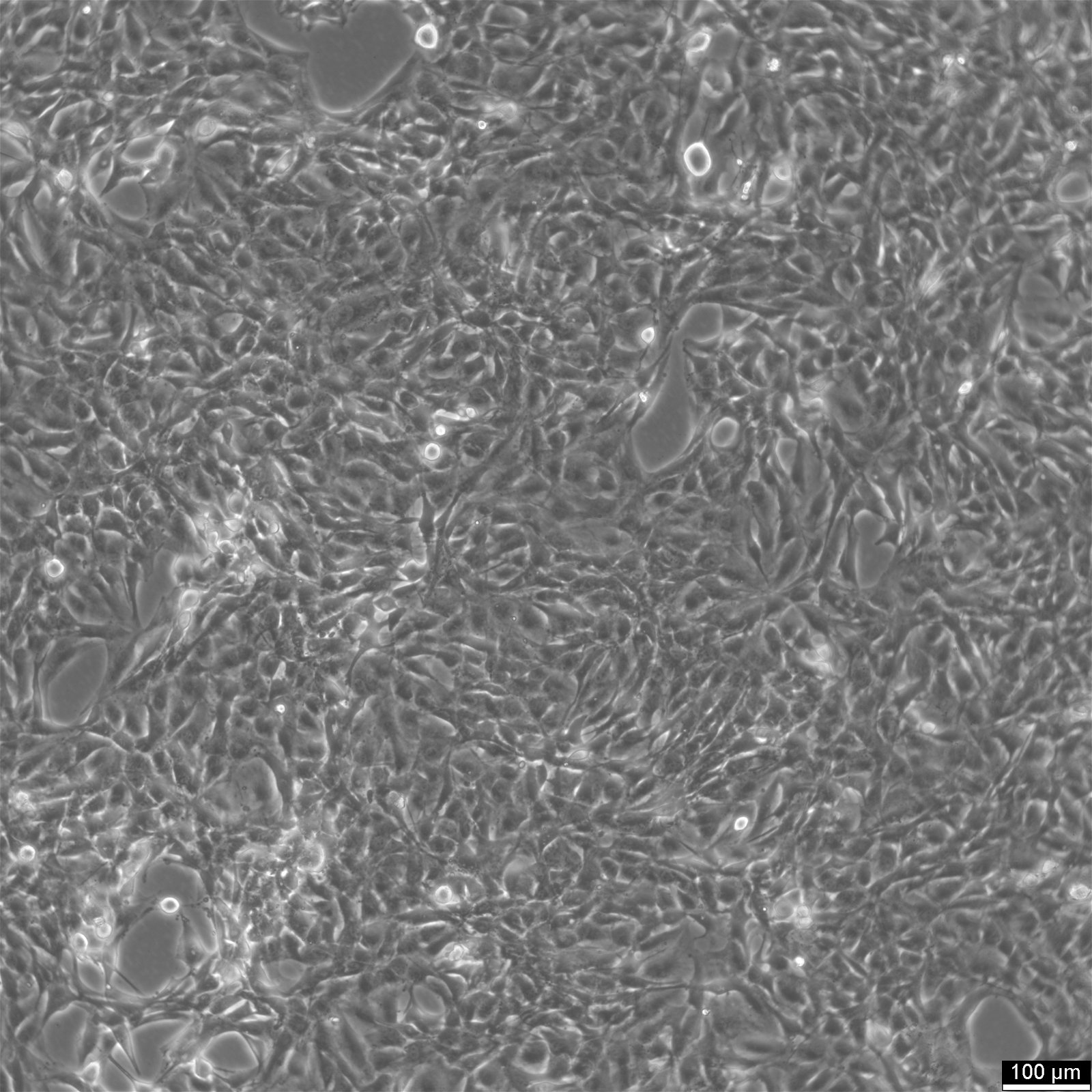
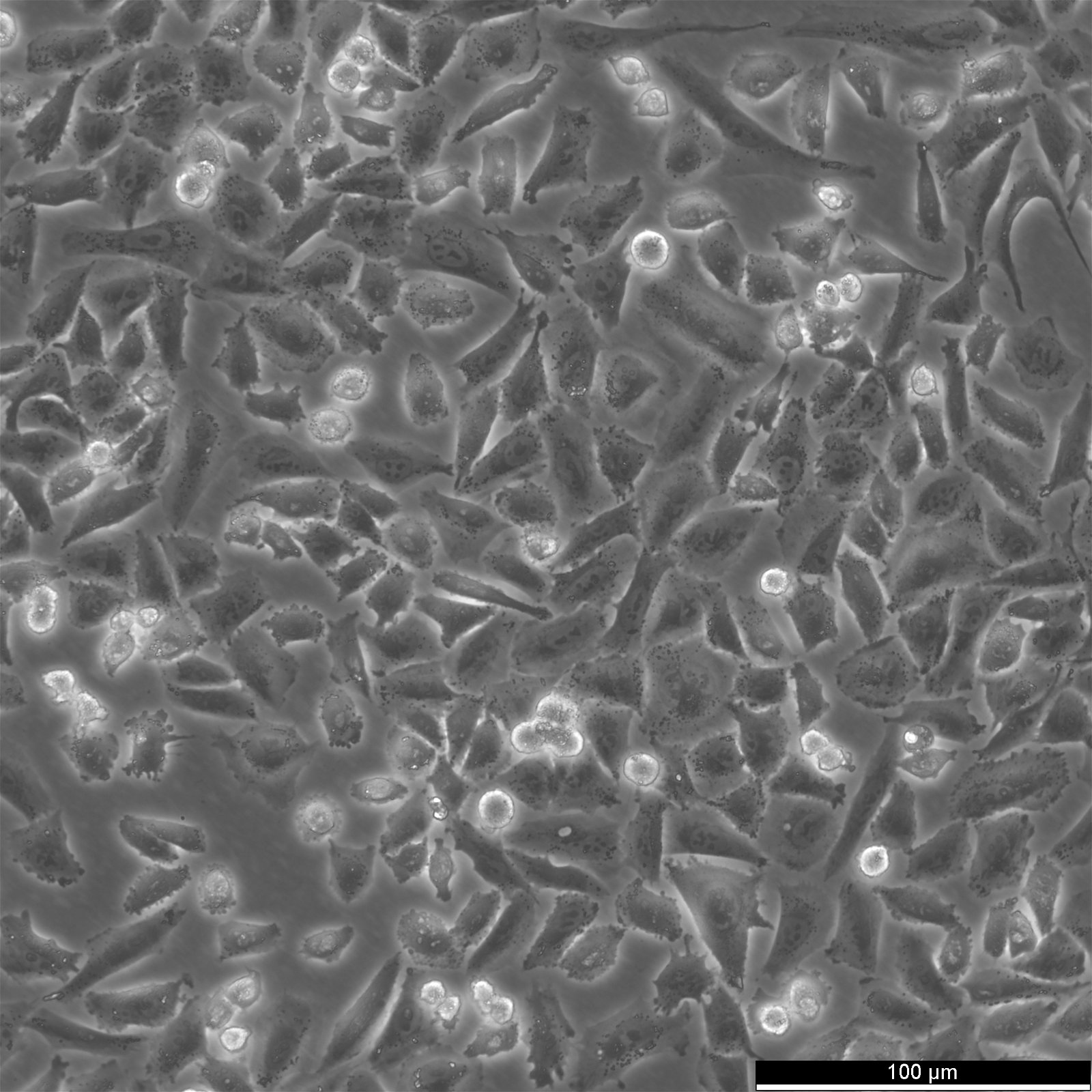
| Descripción | NCI-H820 is a human non-small cell lung cancer (NSCLC) cell line derived from a lung adenocarcinoma of an adult patient. It is part of the NCI lung cancer panel and has been widely used in research on targeted therapies due to its unique genetic features. Morphologically, the cells exhibit epithelial characteristics and grow as adherent monolayers. They are typically cultured in RPMI-1640 medium supplemented with 10% fetal bovine serum and maintained under standard cell culture conditions (37°C, 5% CO₂). Genetically, NCI-H820 is notable for harboring an EGFR exon 19 deletion mutation (E746-A750del), a common activating mutation associated with sensitivity to EGFR tyrosine kinase inhibitors (TKIs). However, it also possesses a secondary EGFR T790M mutation, which is a well-established mechanism of acquired resistance to first-generation TKIs such as erlotinib and gefitinib. This dual mutation status makes NCI-H820 a highly relevant model for investigating resistance mechanisms and for evaluating third-generation EGFR inhibitors like osimertinib, which can overcome T790M-mediated resistance. In addition to its EGFR mutations, NCI-H820 has been used to study autocrine signaling loops and growth factor receptor pathways. Research has demonstrated that it expresses the type I insulin-like growth factor receptor (IGF-1R), contributing to survival and proliferation signaling. Its dual mutation profile and expression of receptor tyrosine kinases make it a valuable tool in preclinical studies focused on drug resistance, combination therapy strategies, and the development of personalized treatment approaches for EGFR-mutant NSCLC. |
|---|---|
| Organismo | Human |
| Tejido | Metastatic |
| Enfermedad | Lung papillary adenocarcinoma |
| Lugar de metástasis | Lymph node |
| Sinónimos | H820, H-820, NCIH820 |
Características
| Edad | 53 years |
|---|---|
| Género | Male |
| Origen étnico | Caucasian |
| Morfología | Epithelial |
| Tipo de célula | Epithelial like |
| Propiedades de crecimiento | Adherent |
Datos normativos
| Referencia | NCI-H820 (Cytion catalog number 305841) |
|---|---|
| Nivel de bioseguridad | 1 |
| NCBI_TaxID | 9606 |
| N.º de acceso de Cellosaurus | CVCL_1592 |
Datos biomoleculares
| Isoenzimas | AK-1, 1 ES-D, 1 G6PD, B GLO-I, 2 Me-2, 2 PGM1, 1 PGM3, 1 |
|---|---|
| Tumorigénico | Yes; in nude mice |
| Perfil mutacional | Mutation: TP53, Simple, p.Thr284Pro (c.850A>C), Homozygous |
| Cariotipo | Near triploid; modal number = 69; range = 46 to 74 |
Manejo
| Medio de cultivo | RPMI 1640, w: 2.0 mM stable Glutamine, w: 2.0 g/L NaHCO3 (Cytion article number 820700a) |
|---|---|
| Suplementos | Supplement the medium with 5% FBS |
| Reactivo de disociación | Accutase |
| Tiempo de duplicación | 65 |
| Renovación de fluidos | 2 to 3 times per week |
| Medio de congelación | As a cryopreservation medium, we use complete growth medium (including FBS) + 10% DMSO for adequate post-thaw viability, or CM-1 (Cytion catalog number 800100), which includes optimized osmoprotectants and metabolic stabilizers to enhance recovery and reduce cryo-induced stress. |
| Descongelación y cultivo de células |
|
| Atmósfera de incubación | 37°C, 5% CO2, humidified atmosphere. |
| Condiciones de envío | Cryopreserved cell lines are shipped on dry ice in validated, insulated packaging with sufficient refrigerant to maintain approximately −78 °C throughout transit. On receipt, inspect the container immediately and transfer vials without delay to appropriate storage. |
| Condiciones de almacenamiento | For long-term preservation, place vials in vapor-phase liquid nitrogen at about −150 to −196 °C. Storage at −80 °C is acceptable only as a short interim step before transfer to liquid nitrogen. |
Control de calidad y análisis molecular
| Esterilidad | Mycoplasma contamination is excluded using both PCR-based assays and luminescence-based mycoplasma detection methods. To ensure there is no bacterial, fungal, or yeast contamination, cell cultures are subjected to daily visual inspections. |
|---|
| Lugar de metástasis: | Lymph node |
|---|
Certificado de análisis (CoA)
| Número de lote | Tipo de certificado | Fecha | Número de catálogo |
|---|---|---|---|
| 305841-031125 | Certificado de análisis | 05. Dec. 2025 | 305841 |
-
Related products
Related products