
Jiyoye Cells
USD 395.00*
Products are shipped frozen on dry ice in cryotubes. Each cryotube typically contains 3 × 10⁶ cells for adherent lines or 5 × 10⁶ cells for suspension lines (refer to the batch CoA for details).
Información general
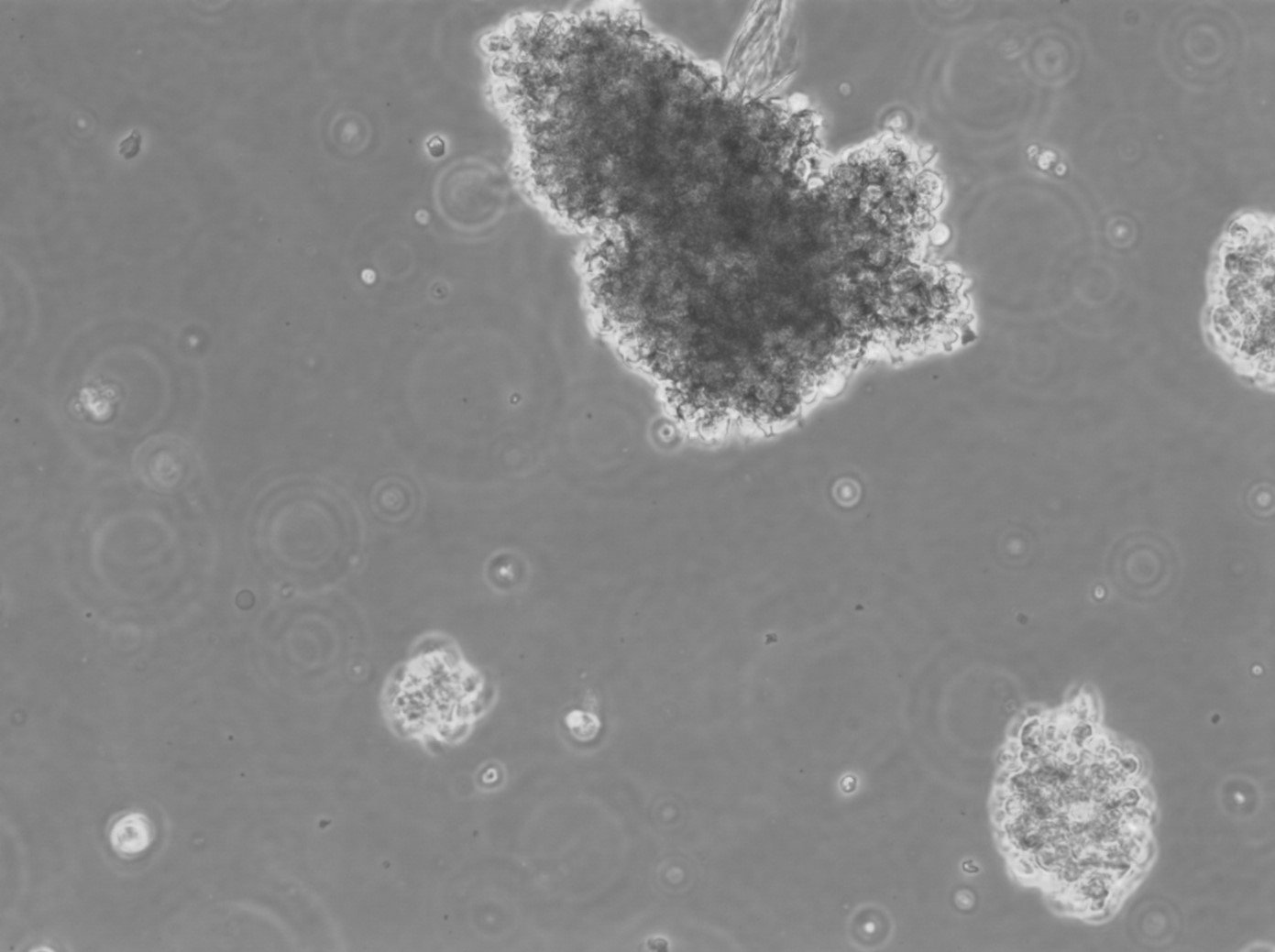
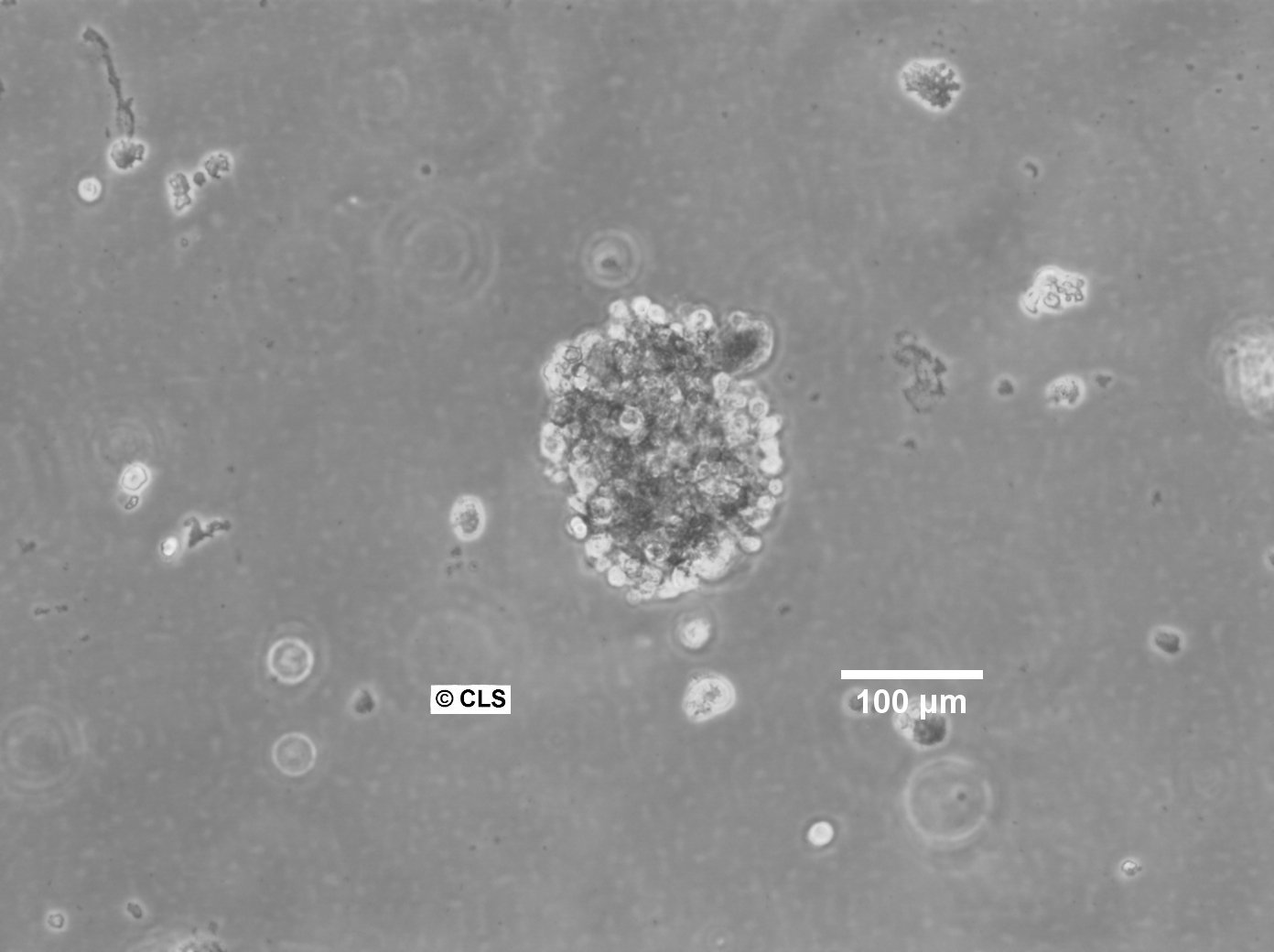
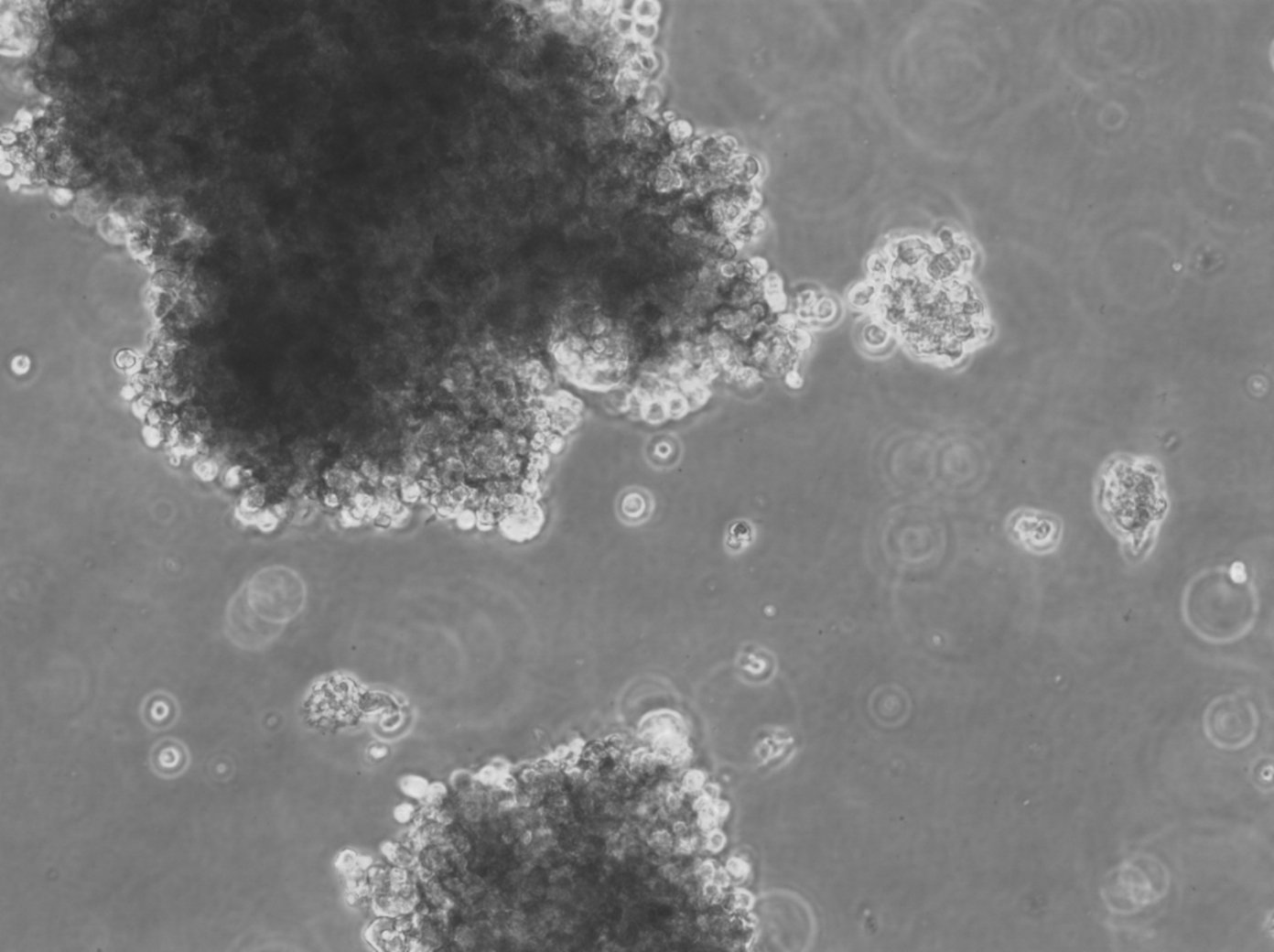
| Descripción | The Jiyoye cell line is an extensively studied model derived from a human Burkitt lymphoma. Burkitt lymphoma is a type of non-Hodgkin lymphoma that predominantly affects B cells, and the Jiyoye cell line retains many of the key characteristics of this malignancy. The cells exhibit the typical chromosomal translocation between the c-MYC gene and immunoglobulin gene loci, which is a hallmark of Burkitt lymphoma. This translocation leads to the overexpression of the c-MYC oncogene, driving the proliferative and aggressive nature of the tumor cells. As such, the Jiyoye cell line is an invaluable tool for studying the molecular and genetic mechanisms underlying lymphomagenesis, especially in the context of MYC-driven cancers. Jiyoye cells grow in suspension and are characterized by their high proliferation rate, which makes them suitable for a variety of experimental applications, including drug screening, gene expression studies, and apoptosis assays. The cell line is also frequently used in research focusing on Epstein-Barr virus (EBV), as Burkitt lymphoma cells, including Jiyoye, often harbor this virus, which is implicated in the pathogenesis of the disease. This makes Jiyoye particularly useful for investigating the interplay between viral oncogenes and cellular pathways in B cell malignancies. Given its origin and characteristics, the Jiyoye cell line is a critical model for oncological research, particularly in understanding the pathophysiology of B cell lymphomas. |
|---|---|
| Organismo | Human |
| Tejido | Lymphatic System |
| Enfermedad | B-cell Non-Hodgkin-Lymphoma |
| Lugar de metástasis | B-Lymphocyte |
| Aplicaciones | Analysis of B cell surface antigens, testing of cytotoxic drugs, mutational analysis, analysis of apoptotic mechanisms, haplotype standard. |
| Sinónimos | JIYOYE, Jijoye, JIJOYE, P-2003, P3 (Jiyoye), P-3-Jijoye, P3-Jiyoye, P-3J, P3J, Jiyoye(P-2003), Jiyoye (P-2003), JiyoyeP-2003, OB2, GM04678 |
Características
| Edad | 7 years |
|---|---|
| Género | Male |
| Origen étnico | African |
| Tipo de célula | B lymphocyte |
| Propiedades de crecimiento | Suspension |
Datos normativos
| Referencia | Jiyoye (Cytion catalog number 300366) |
|---|---|
| Nivel de bioseguridad | 1 |
| NCBI_TaxID | 9606 |
| N.º de acceso de Cellosaurus | CVCL_1317 |
Datos biomoleculares
| Expresión de antígenos | CD10+, CD19+ |
|---|---|
| Cariotipo | 46, hypodiploid |
Manejo
| Medio de cultivo | RPMI 1640, w: 2.0 mM stable Glutamine, w: 2.0 g/L NaHCO3 (Cytion article number 820700a) |
|---|---|
| Suplementos | Supplement the medium with 10% FBS |
| Subcultivo | Maintain cultures by periodically adding or replacing the medium. Initiate cultures with a density of 5 x 10⁵ cells/ml and keep the cell concentration within the range of 3 x 10⁵ to 1 x 10⁶ cells/ml for optimal growth. |
| Densidad de siembra | 3 x 10⁵ cells/ml |
| Renovación de fluidos | 2 to 3 times per week |
| Recuperación tras el deshielo | Fast (48 hours) |
| Medio de congelación | As a cryopreservation medium, we use complete growth medium (including FBS) + 10% DMSO for adequate post-thaw viability, or CM-1 (Cytion catalog number 800100), which includes optimized osmoprotectants and metabolic stabilizers to enhance recovery and reduce cryo-induced stress. |
| Descongelación y cultivo de células |
|
| Atmósfera de incubación | 37°C, 5% CO2, humidified atmosphere. |
| Condiciones de envío | Cryopreserved cell lines are shipped on dry ice in validated, insulated packaging with sufficient refrigerant to maintain approximately −78 °C throughout transit. On receipt, inspect the container immediately and transfer vials without delay to appropriate storage. |
| Condiciones de almacenamiento | For long-term preservation, place vials in vapor-phase liquid nitrogen at about −150 to −196 °C. Storage at −80 °C is acceptable only as a short interim step before transfer to liquid nitrogen. |
Control de calidad y análisis molecular
| Esterilidad | Mycoplasma contamination is excluded using both PCR-based assays and luminescence-based mycoplasma detection methods. To ensure there is no bacterial, fungal, or yeast contamination, cell cultures are subjected to daily visual inspections. |
|---|