
HT-1376 Cells
USD 395.00*
Products are shipped frozen on dry ice in cryotubes. Each cryotube typically contains 3 × 10⁶ cells for adherent lines or 5 × 10⁶ cells for suspension lines (refer to the batch CoA for details).
Información general
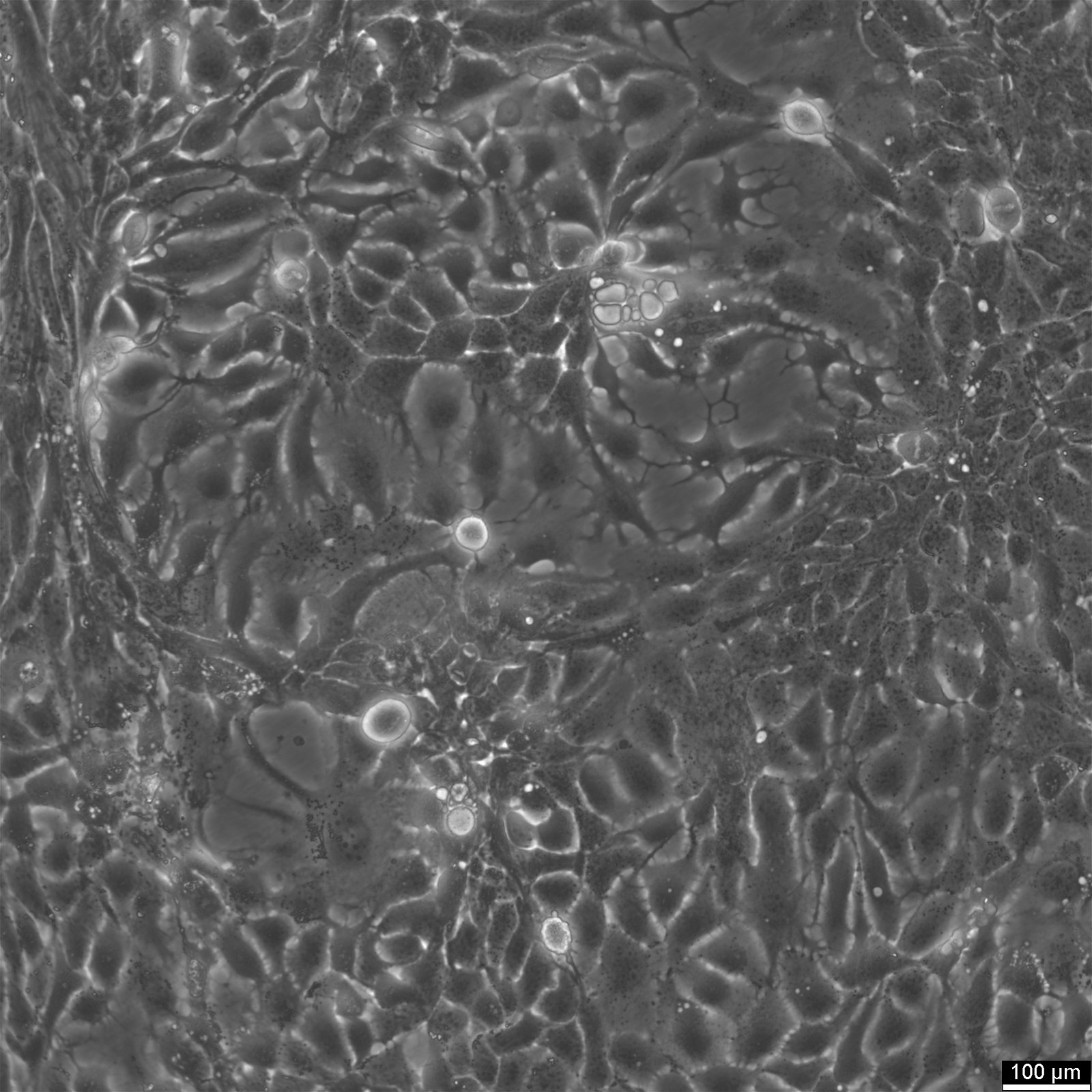
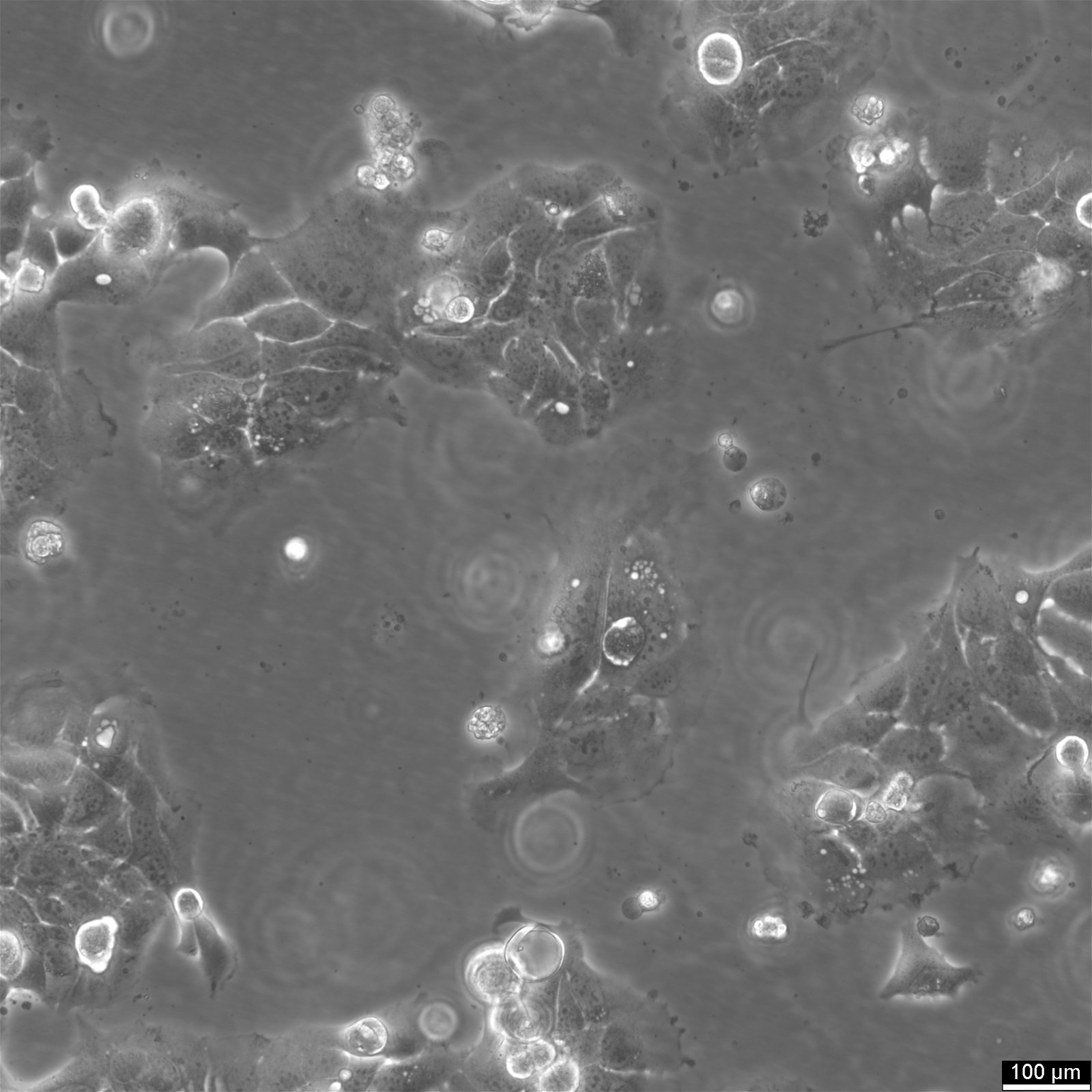
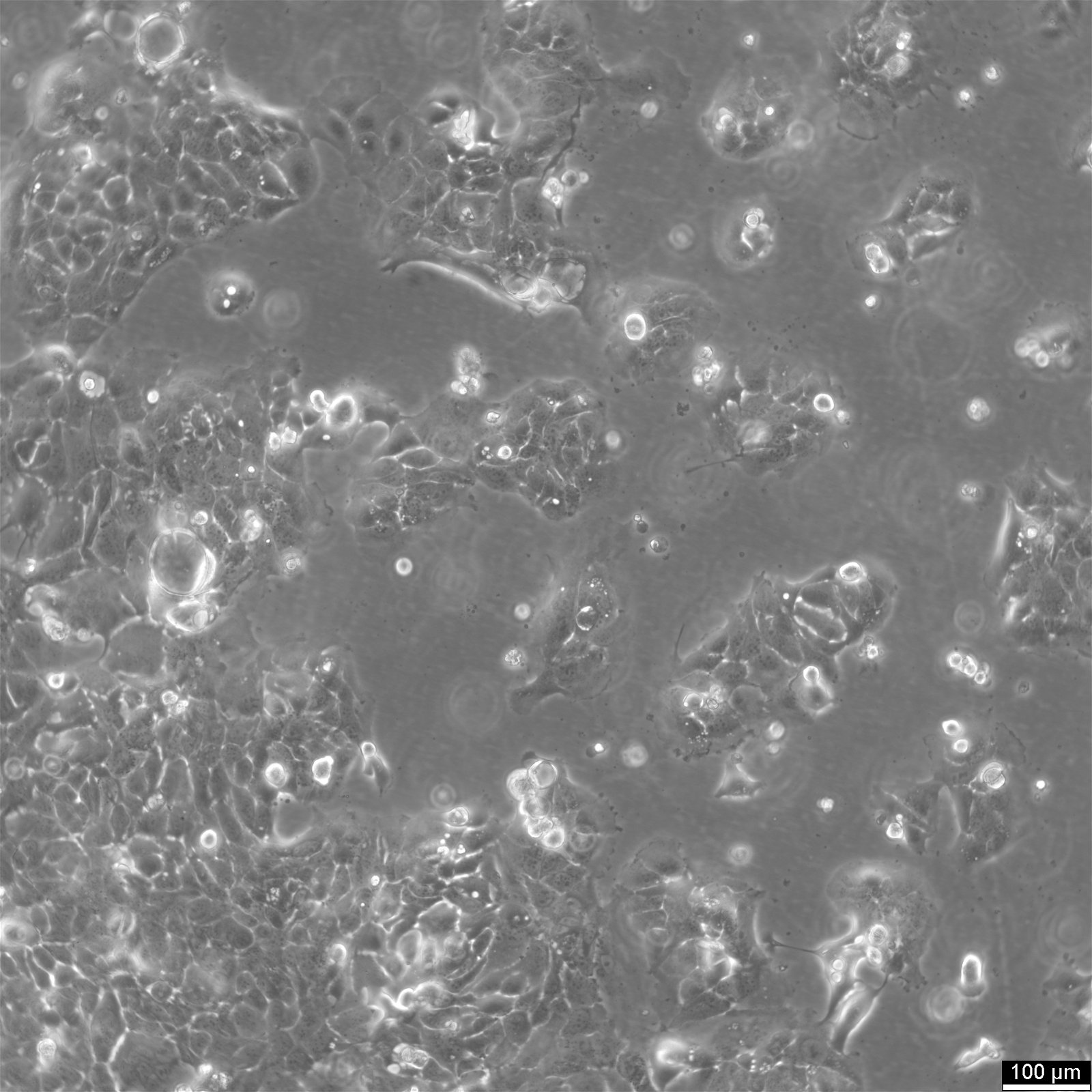
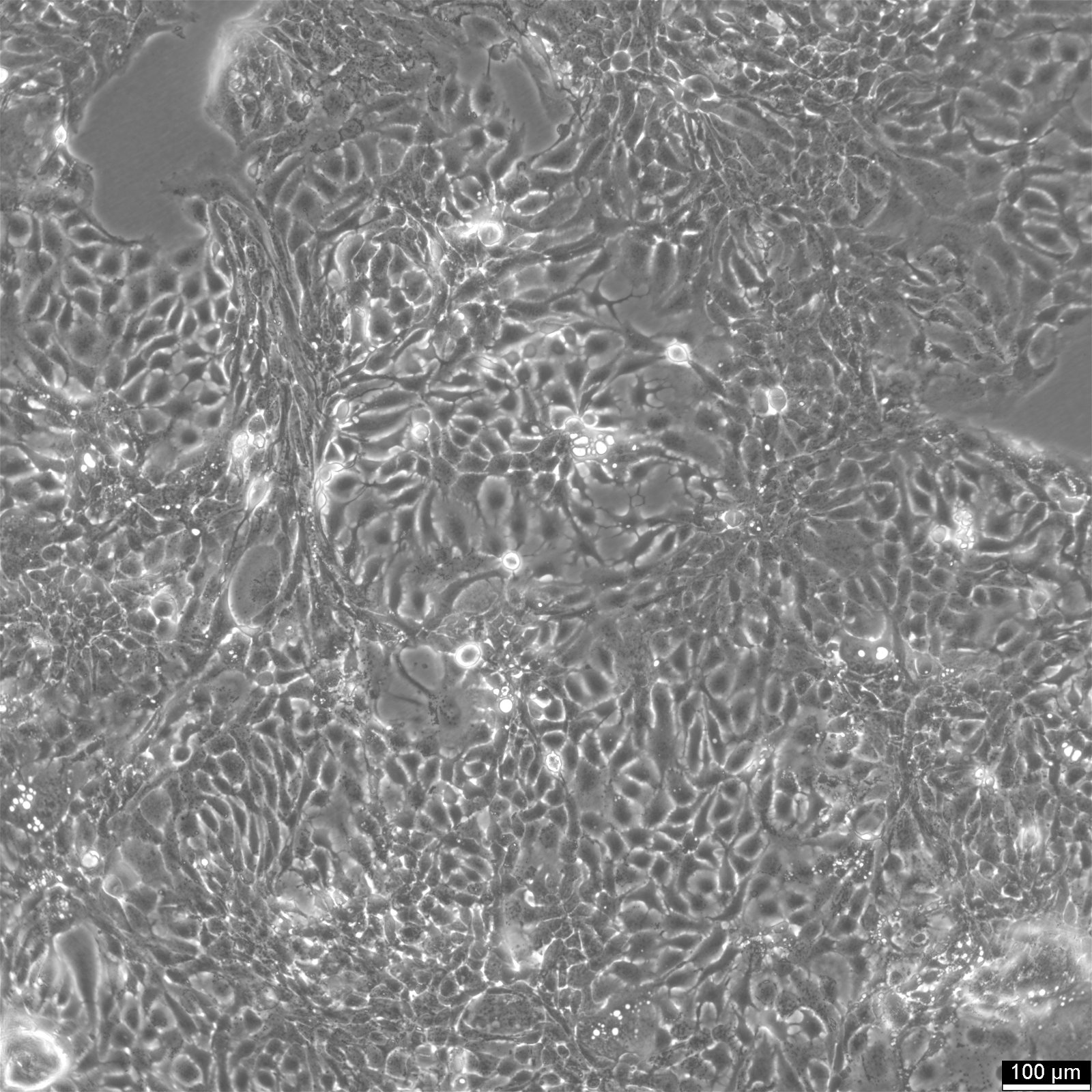
| Descripción | The HT-1376 cell line is derived from a human bladder carcinoma, specifically a grade 3 transitional cell carcinoma. This cell line was established from a tumor obtained via transurethral resection from an adult female patient who had a history of invasive bladder carcinoma. HT-1376 cells exhibit epithelial characteristics, including the presence of microvilli and tonofibrils, which are indicative of their epithelial origin. Additionally, these cells display several marker chromosomes, which distinguish them from other known tumor cell lines. HT-1376 cells are also known to grow in soft agar and are highly tumorigenic, forming tumors when injected into immunocompromised mice and hamsters. HT-1376 is significant in bladder cancer research due to its genetic profile, including notable alterations in the 9p21 chromosomal region. This region often undergoes large homozygous deletions, leading to the inactivation of critical tumor suppressor genes such as CDKN2, CDKN2B, and MTAP. These deletions are common in bladder cancer and are crucial for understanding the molecular mechanisms underlying tumorigenesis. For instance, the loss of CDKN2 and CDKN2B is associated with the dysregulation of the cell cycle, which is a key event in cancer progression. Furthermore, HT-1376 cells have been studied for their expression of the p16 protein, a product of the CDKN2 gene, which is often correlated with the absence of pRb expression, another tumor suppressor protein. The HT-1376 cell line has also been used in virology research to assess the presence of tumor viruses, although no virus expression has been detected in these cells. This makes HT-1376 a valuable model for studying the non-viral mechanisms of bladder cancer development and progression. The cell line's genetic alterations and its ability to grow in vitro and in vivo provide a robust platform for preclinical studies, including drug testing and the exploration of new therapeutic strategies targeting specific genetic pathways in bladder cancer. |
|---|---|
| Organismo | Human |
| Tejido | Urinary bladder |
| Enfermedad | Bladder carcinoma |
| Sinónimos | HT1376, HT 1376, HT 1376.T |
Características
| Edad | 58 years |
|---|---|
| Género | Female |
| Origen étnico | European |
| Morfología | Epithelial |
| Propiedades de crecimiento | Adherent |
Datos normativos
| Referencia | HT-1376 (Cytion catalog number 305100) |
|---|---|
| Nivel de bioseguridad | 1 |
| NCBI_TaxID | 9606 |
| N.º de acceso de Cellosaurus | CVCL_1292 |
Datos biomoleculares
| Expresión de proteínas | Fibrinolytic activity, interferon |
|---|---|
| Tumorigénico | Yes |
Manejo
| Medio de cultivo | EMEM (MEM Eagle), w: 2 mM L-Glutamine, w: 2.2 g/L NaHCO3, w: EBSS (Cytion article number 820100a) |
|---|---|
| Suplementos | Supplement the medium with 10% FBS and 1% NEAA |
| Reactivo de disociación | Accutase |
| Tiempo de duplicación | 31 hours |
| Subcultivo | Remove the old medium from the adherent cells and wash them with PBS that lacks calcium and magnesium. For T25 flasks, use 3-5 ml of PBS, and for T75 flasks, use 5-10 ml. Then, cover the cells completely with Accutase, using 1-2 ml for T25 flasks and 2.5 ml for T75 flasks. Let the cells incubate at room temperature for 8-10 minutes to detach them. After incubation, gently mix the cells with 10 ml of medium to resuspend them, then centrifuge at 300xg for 3 minutes. Discard the supernatant, resuspend the cells in fresh medium, and transfer them into new flasks that already contain fresh medium. |
| Renovación de fluidos | 2 to 3 times per week |
| Medio de congelación | As a cryopreservation medium, we use complete growth medium (including FBS) + 10% DMSO for adequate post-thaw viability, or CM-1 (Cytion catalog number 800100), which includes optimized osmoprotectants and metabolic stabilizers to enhance recovery and reduce cryo-induced stress. |
| Descongelación y cultivo de células |
|
| Atmósfera de incubación | 37°C, 5% CO2, humidified atmosphere. |
| Condiciones de envío | Cryopreserved cell lines are shipped on dry ice in validated, insulated packaging with sufficient refrigerant to maintain approximately −78 °C throughout transit. On receipt, inspect the container immediately and transfer vials without delay to appropriate storage. |
| Condiciones de almacenamiento | For long-term preservation, place vials in vapor-phase liquid nitrogen at about −150 to −196 °C. Storage at −80 °C is acceptable only as a short interim step before transfer to liquid nitrogen. |
Control de calidad y análisis molecular
| Esterilidad | Mycoplasma contamination is excluded using both PCR-based assays and luminescence-based mycoplasma detection methods. To ensure there is no bacterial, fungal, or yeast contamination, cell cultures are subjected to daily visual inspections. |
|---|
Certificado de análisis (CoA)
| Número de lote | Tipo de certificado | Fecha | Número de catálogo |
|---|---|---|---|
| 305100-070723 | Certificado de análisis | 23. May. 2025 | 305100 |
| 305100-250425 | Certificado de análisis | 23. May. 2025 | 305100 |