
HPAF-II Cells
USD 450.00*
Products are shipped frozen on dry ice in cryotubes. Each cryotube typically contains 3 × 10⁶ cells for adherent lines or 5 × 10⁶ cells for suspension lines (refer to the batch CoA for details).
Información general
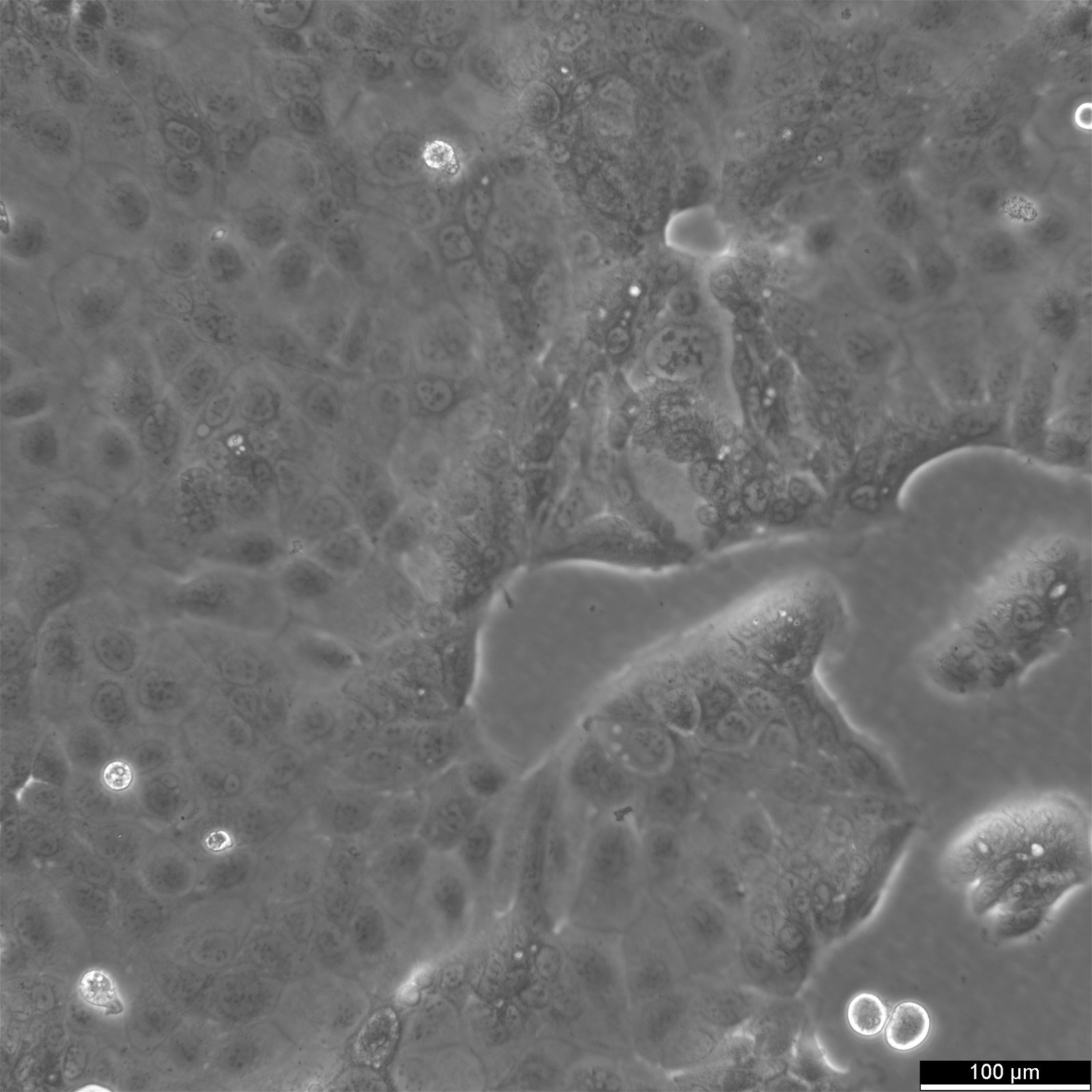
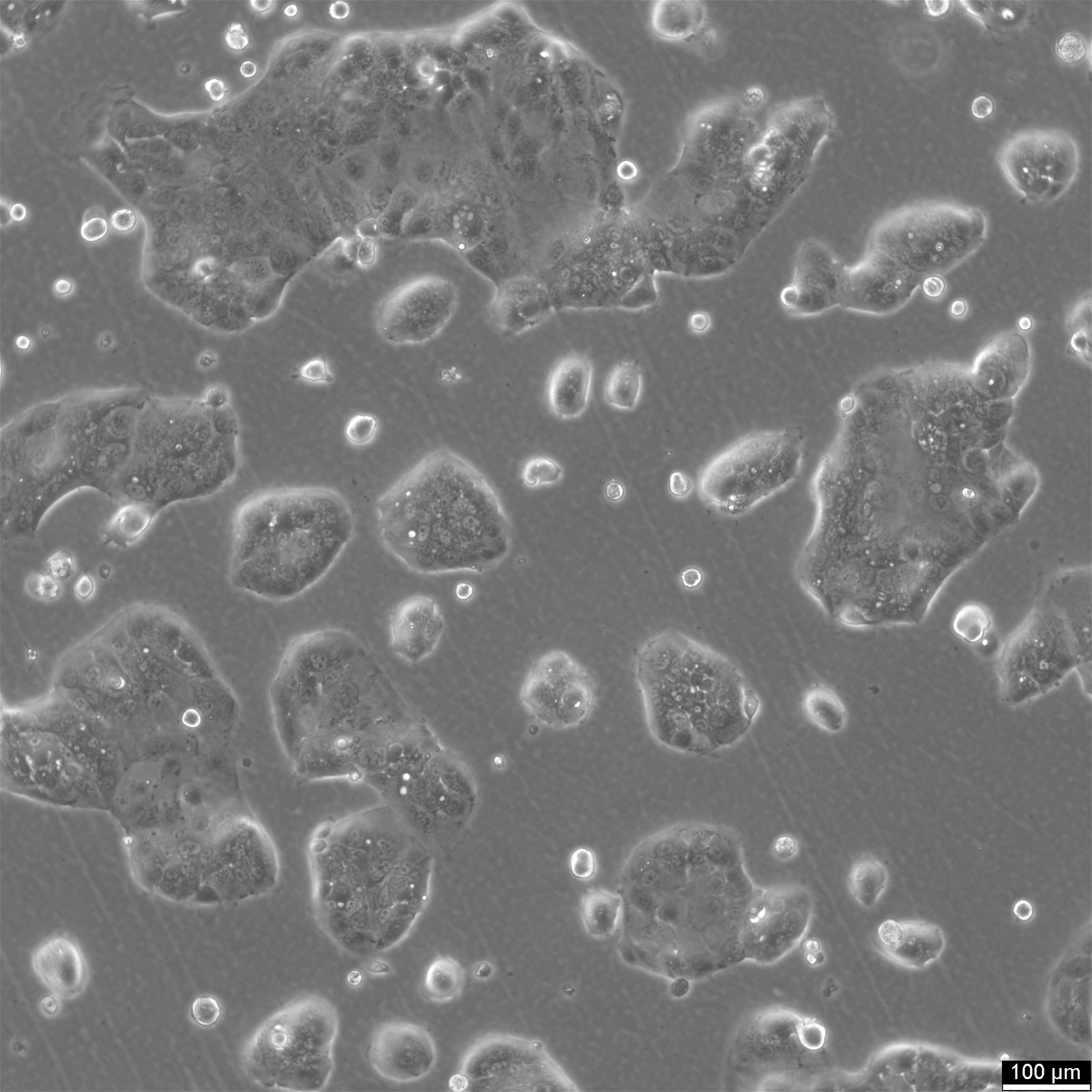
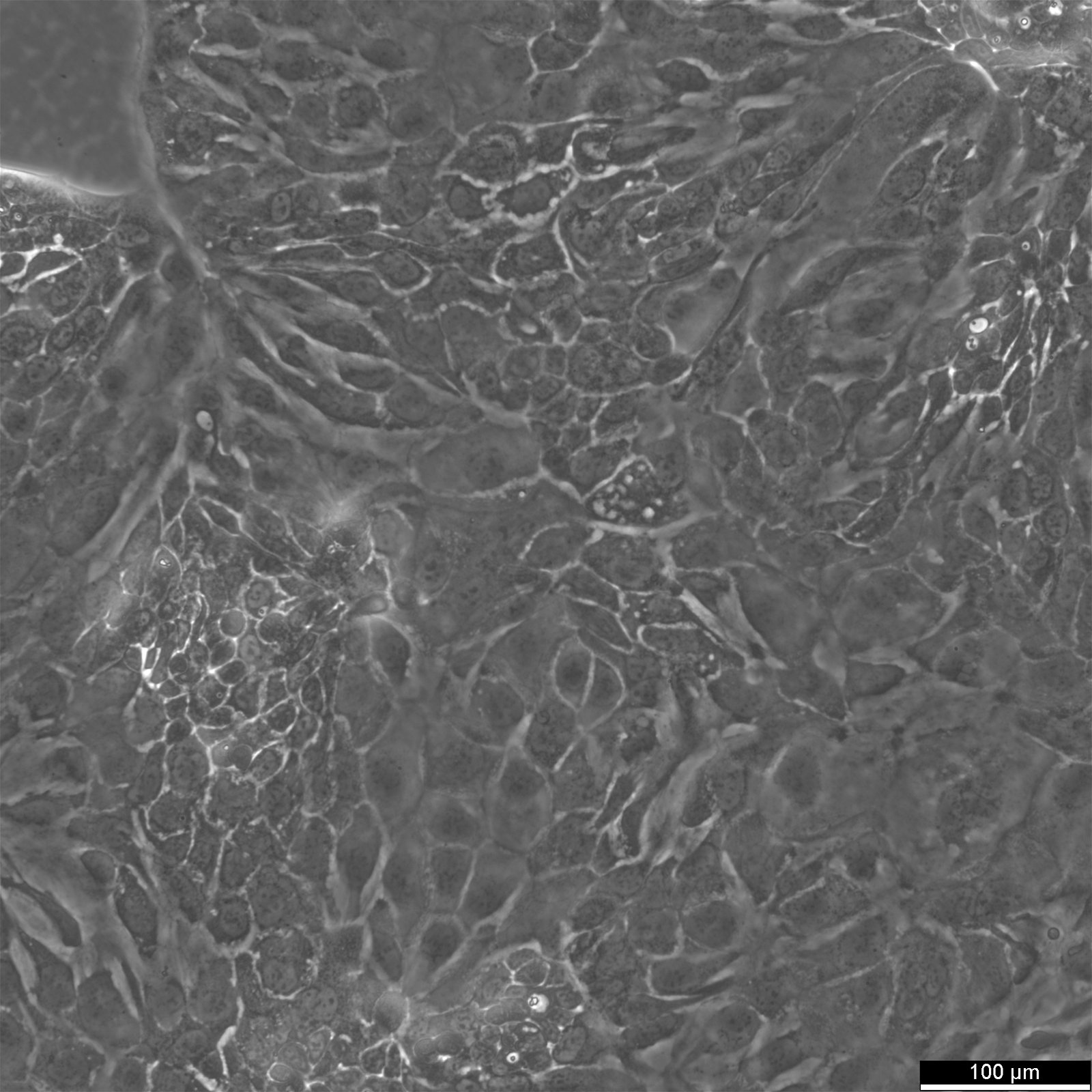
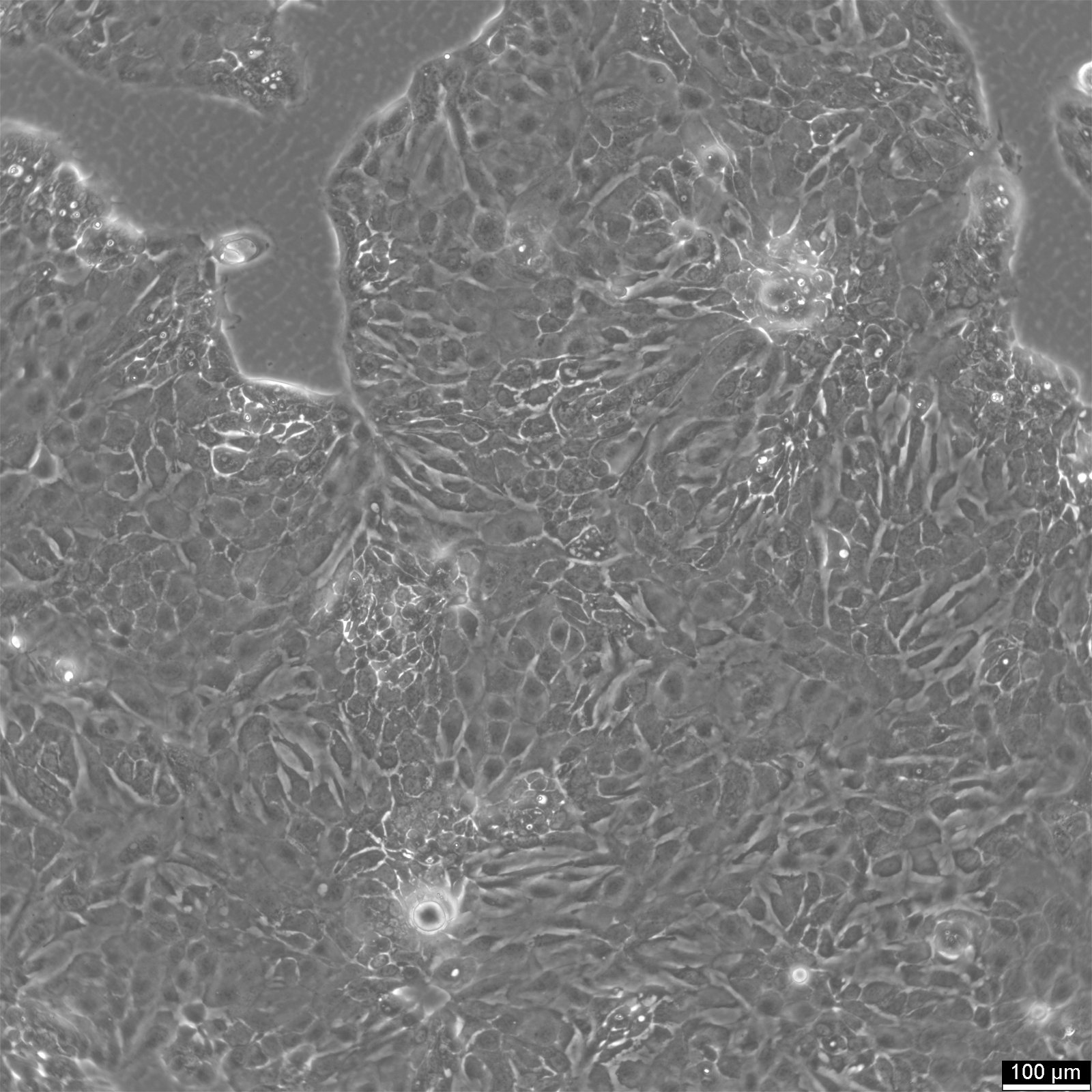
| Descripción | HPAF-II is a human pancreatic adenocarcinoma cell line derived from an adult patient. This cell line is commonly used in cancer research due to its relevance in studying pancreatic cancer, a highly aggressive and lethal malignancy. HPAF-II cells exhibit epithelial morphology and are known for their ability to form tumors when xenografted into immunocompromised mice, making them a valuable model for in vivo studies of tumor growth, metastasis, and response to therapeutic interventions. Researchers often employ HPAF-II cells to investigate the molecular mechanisms underlying pancreatic cancer progression, including genetic and epigenetic alterations, signal transduction pathways, and interactions with the tumor microenvironment. HPAF-II cells are characterized by specific genetic mutations and alterations that are frequently observed in pancreatic adenocarcinomas. These include mutations in the KRAS gene, which plays a critical role in cell signaling and proliferation, and alterations in tumor suppressor genes such as TP53 and CDKN2A. The cell line also exhibits high levels of mucin production, a feature that contributes to the aggressive nature of pancreatic tumors. Studies utilizing HPAF-II cells have provided significant insights into the biology of pancreatic cancer and have facilitated the development of potential therapeutic strategies aimed at targeting key molecular pathways involved in the disease. |
|---|---|
| Organismo | Human |
| Tejido | Pancreas |
| Enfermedad | Pancreatic ductal adenocarcinoma |
| Lugar de metástasis | Ascites |
| Sinónimos | HPAF II, HPAFII, HPAF-2, HPAF2, HPAF/CD18, CD18/HPAF, HPAF-II/CD18, CD-18, CD18, CD 18 |
Características
| Edad | 44 years |
|---|---|
| Género | Male |
| Origen étnico | European |
| Morfología | Epithelial |
| Propiedades de crecimiento | Adherent |
Datos normativos
| Referencia | HPAF-II (Cytion catalog number 305088) |
|---|---|
| Nivel de bioseguridad | 1 |
| NCBI_TaxID | 9606 |
| N.º de acceso de Cellosaurus | CVCL_0313 |
Datos biomoleculares
Manejo
| Medio de cultivo | EMEM (MEM Eagle), w: 2 mM L-Glutamine, w: 2.2 g/L NaHCO3, w: EBSS (Cytion article number 820100a) |
|---|---|
| Suplementos | Supplement the medium with 10% FBS and 1% NEAA |
| Reactivo de disociación | Accutase |
| Tiempo de duplicación | 26 hours |
| Subcultivo | Remove the old medium from the adherent cells and wash them with PBS that lacks calcium and magnesium. For T25 flasks, use 3-5 ml of PBS, and for T75 flasks, use 5-10 ml. Then, cover the cells completely with Accutase, using 1-2 ml for T25 flasks and 2.5 ml for T75 flasks. Let the cells incubate at room temperature for 8-10 minutes to detach them. After incubation, gently mix the cells with 10 ml of medium to resuspend them, then centrifuge at 300xg for 3 minutes. Discard the supernatant, resuspend the cells in fresh medium, and transfer them into new flasks that already contain fresh medium. |
| Renovación de fluidos | 2 to 3 times per week |
| Medio de congelación | As a cryopreservation medium, we use complete growth medium (including FBS) + 10% DMSO for adequate post-thaw viability, or CM-1 (Cytion catalog number 800100), which includes optimized osmoprotectants and metabolic stabilizers to enhance recovery and reduce cryo-induced stress. |
| Descongelación y cultivo de células |
|
| Atmósfera de incubación | 37°C, 5% CO2, humidified atmosphere. |
| Condiciones de envío | Cryopreserved cell lines are shipped on dry ice in validated, insulated packaging with sufficient refrigerant to maintain approximately −78 °C throughout transit. On receipt, inspect the container immediately and transfer vials without delay to appropriate storage. |
| Condiciones de almacenamiento | For long-term preservation, place vials in vapor-phase liquid nitrogen at about −150 to −196 °C. Storage at −80 °C is acceptable only as a short interim step before transfer to liquid nitrogen. |
Control de calidad y análisis molecular
| Esterilidad | Mycoplasma contamination is excluded using both PCR-based assays and luminescence-based mycoplasma detection methods. To ensure there is no bacterial, fungal, or yeast contamination, cell cultures are subjected to daily visual inspections. |
|---|
Certificado de análisis (CoA)
| Número de lote | Tipo de certificado | Fecha | Número de catálogo |
|---|---|---|---|
| 305088-041023 | Certificado de análisis | 23. May. 2025 | 305088 |
| 305088-290925 | Certificado de análisis | 05. Dec. 2025 | 305088 |