
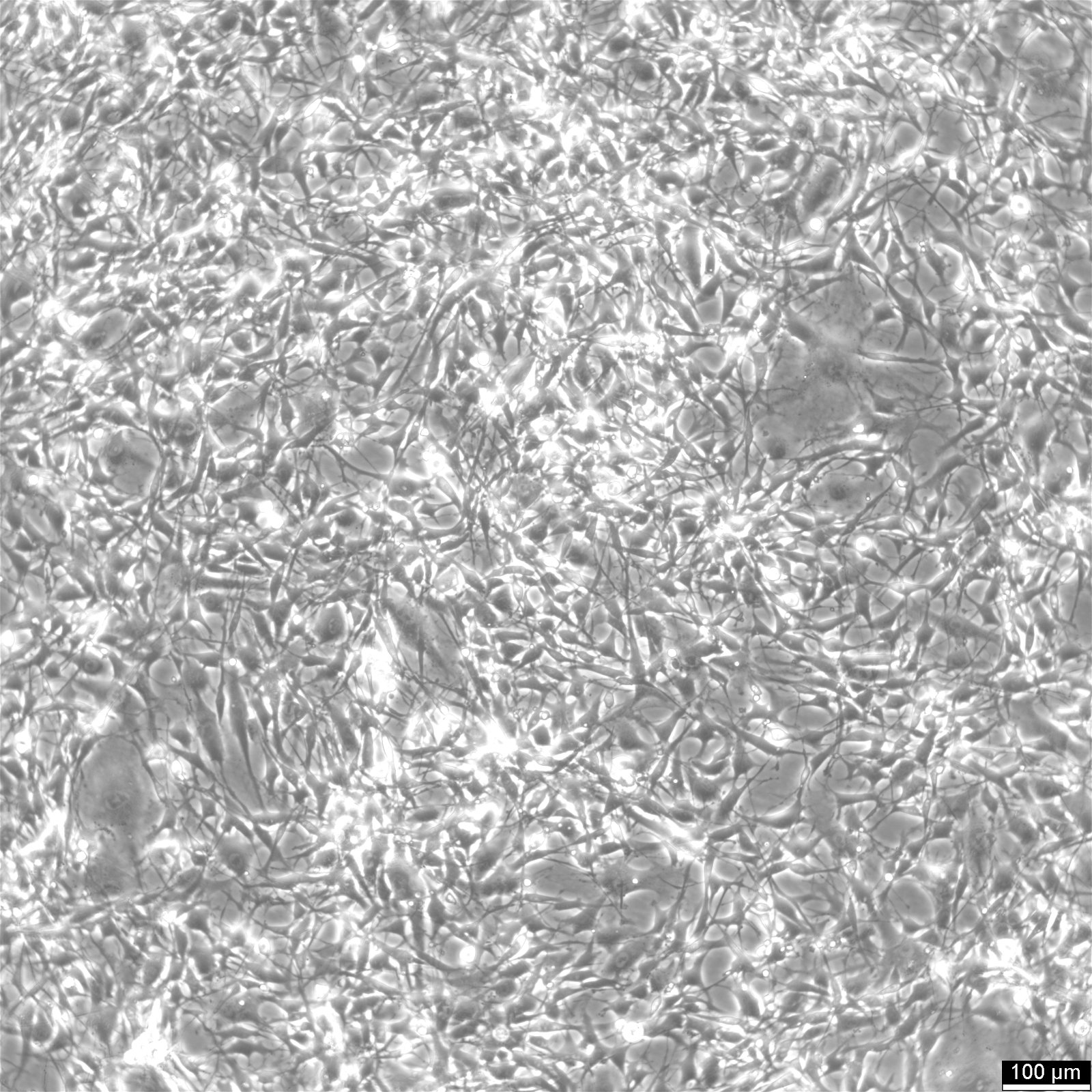
GIMEN Cells
USD 395.00*
Products are shipped frozen on dry ice in cryotubes. Each cryotube typically contains 3 × 10⁶ cells for adherent lines or 5 × 10⁶ cells for suspension lines (refer to the batch CoA for details).
Información general
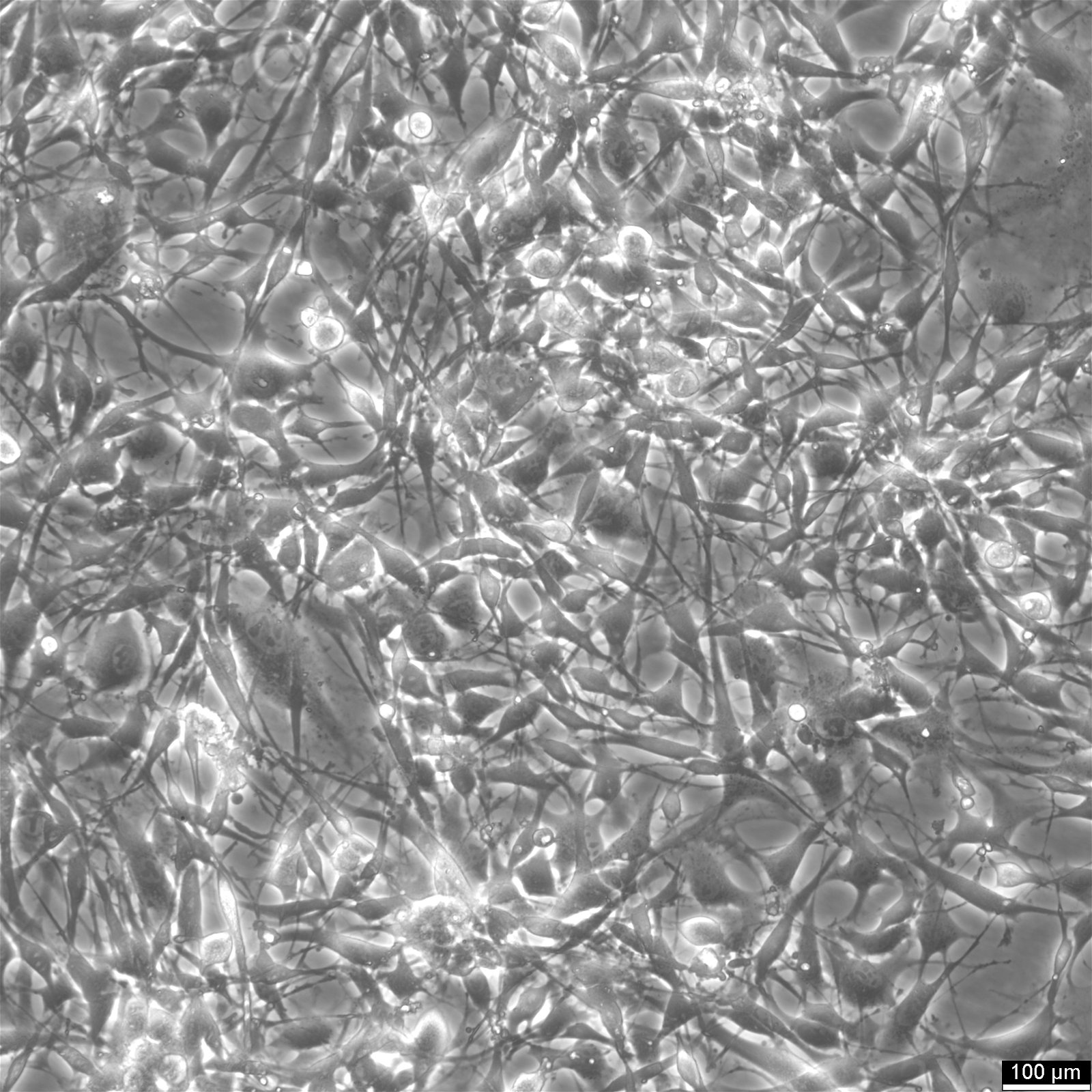
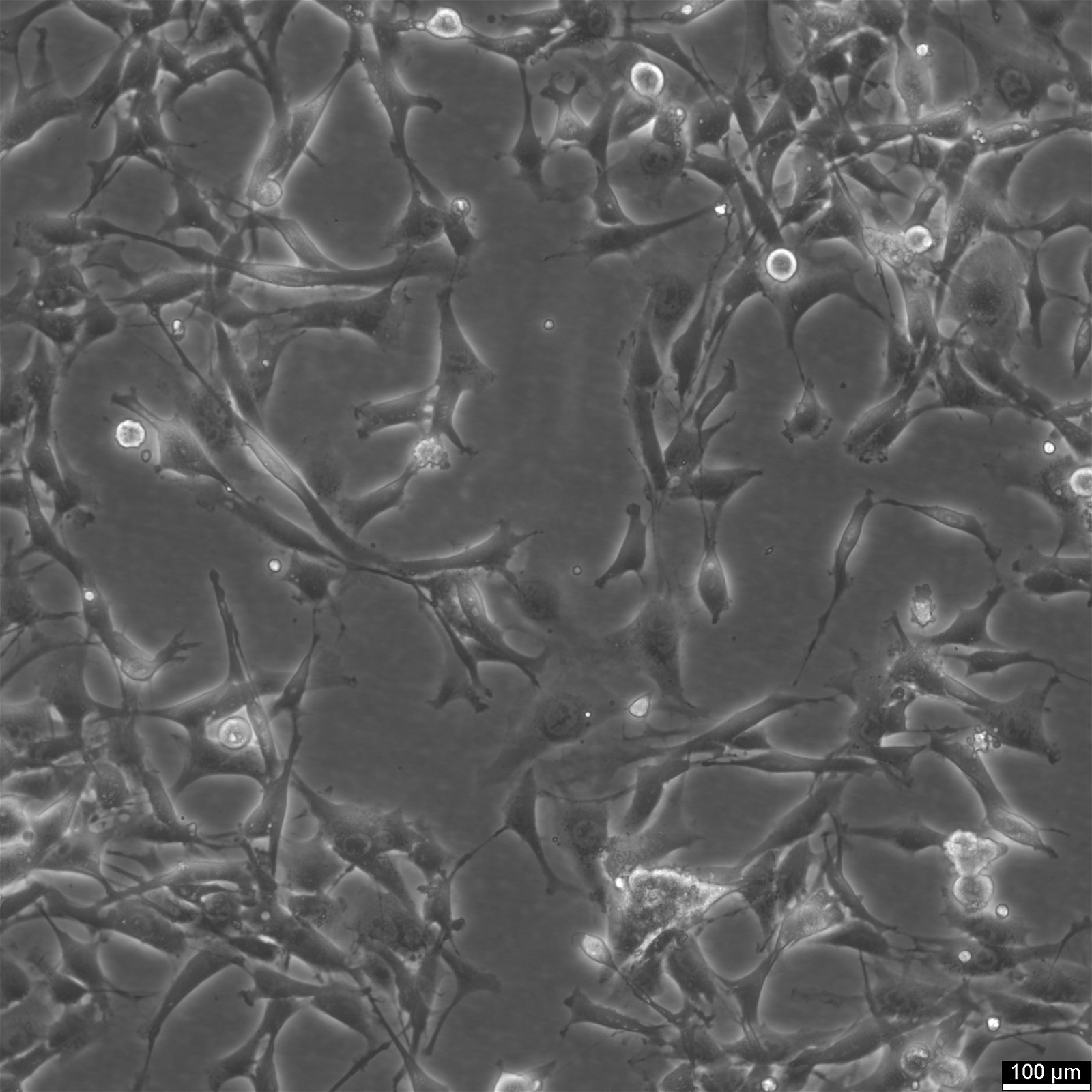
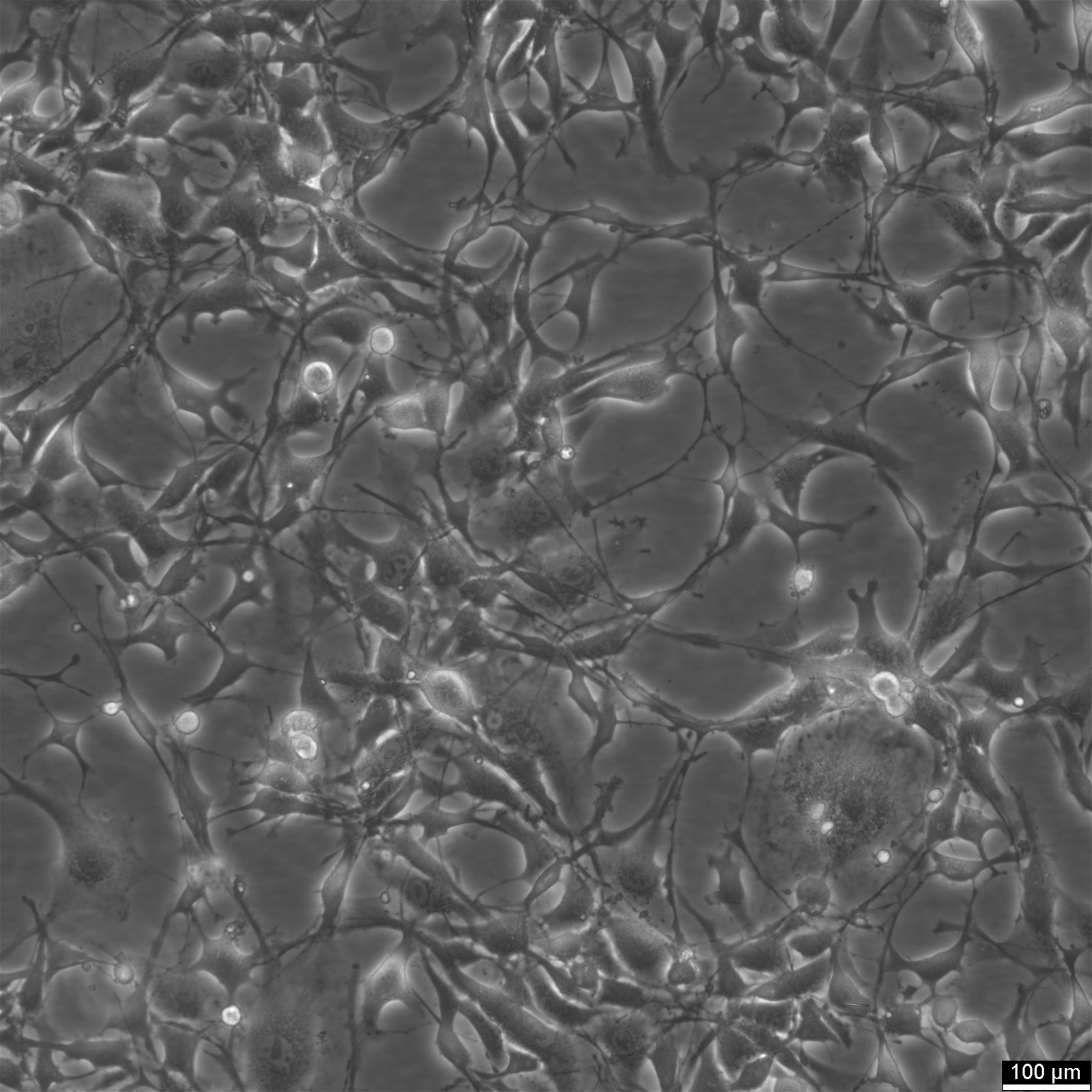
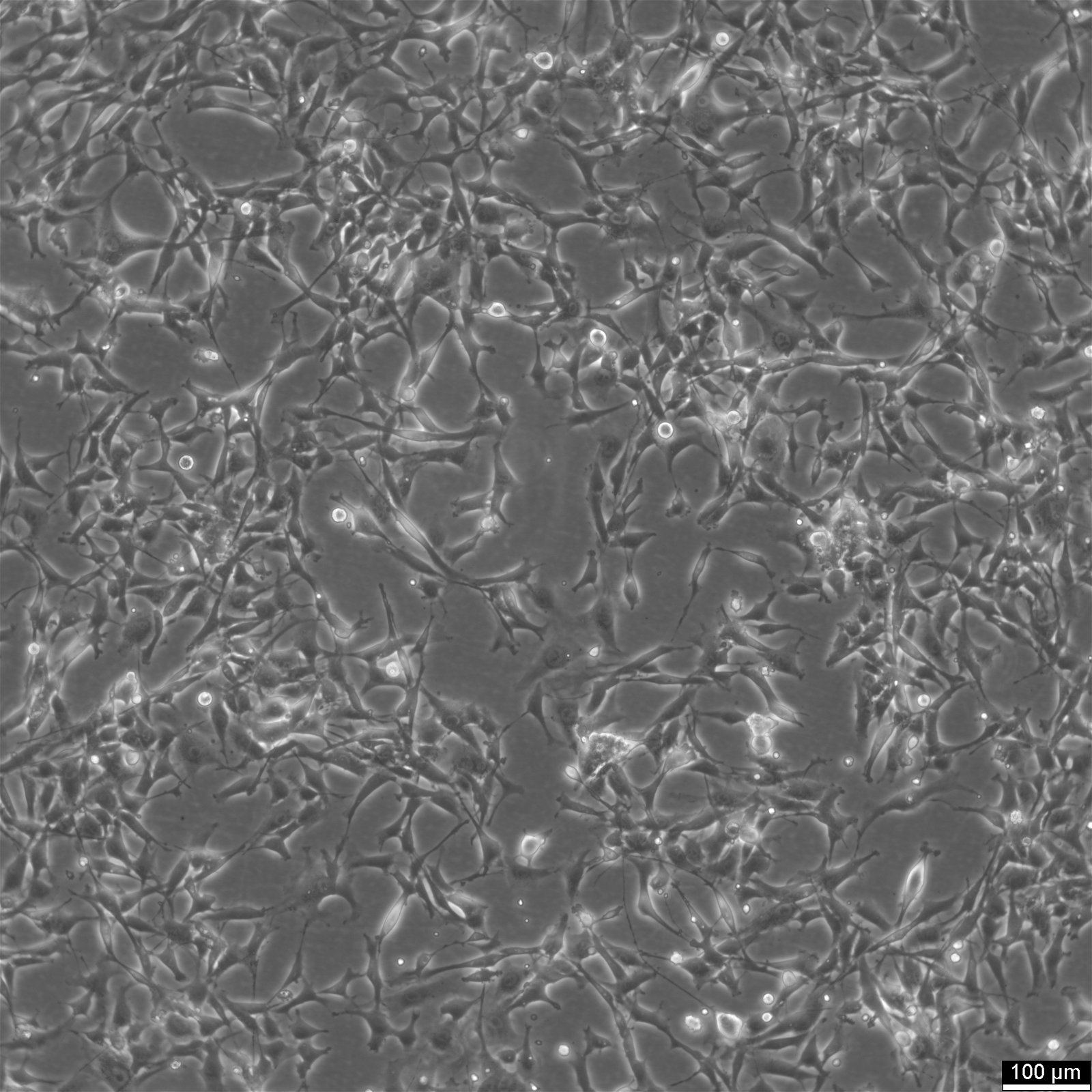
| Descripción | The GIMEN cell line is derived from the bone marrow metastasis of a young child diagnosed with stage IV neuroblastoma. These cells are classified as N-type, which typically indicates a neuroblastic phenotype characterized by high cell density, neuronal properties, and the capability for extensive neurite outgrowth in culture. The establishment of the GIMEN cell line provides a valuable model for studying the molecular and cellular mechanisms underlying aggressive forms of neuroblastoma, particularly those associated with metastatic dissemination. Functionally, GIMEN cells exhibit notable interactions with various cytokines and growth factors. Specifically, their growth is inhibited by interferon-gamma (IFN-gamma), a cytokine known for its antiproliferative effects on certain cancer cells. Furthermore, fibroblast growth factor-2 (FGF-2) demonstrates an antimitogenic effect on these cells, which can be reversed by the addition of IFN-gamma. This reversal suggests a complex interplay between these factors in modulating cell proliferation. Additionally, interleukin-1 beta (IL-1 beta) enhances the antimitogenic effects of FGF-2, indicating its potential role in the regulation of tumor growth dynamics in the neuroblastoma microenvironment. These interactions highlight the GIMEN cell line's utility in exploring the impact of cytokines and growth factors on neuroblastoma progression and response to therapy. |
|---|---|
| Organismo | Human |
| Tejido | Brain |
| Enfermedad | Neuroblastoma |
| Lugar de metástasis | Bone marrow |
| Sinónimos | Gi-ME-N, Gi-MEN, GI-ME-N, Gimen, Gimen1, Gaslini Institute-ME-Neuroblastoma |
Características
| Edad | 3,5 years |
|---|---|
| Género | Female |
| Origen étnico | Caucasian |
| Morfología | Epithelial-like |
| Propiedades de crecimiento | Adherent |
Datos normativos
| Referencia | GIMEN (Cytion catalog number 300179) |
|---|---|
| Nivel de bioseguridad | 1 |
| NCBI_TaxID | 9606 |
| N.º de acceso de Cellosaurus | CVCL_1232 |
Datos biomoleculares
Manejo
| Medio de cultivo | DMEM, w: 4.5 g/L Glucose, w: 4 mM L-Glutamine, w: 3.7 g/L NaHCO3, w: 1.0 mM Sodium pyruvate (Cytion article number 820300a) |
|---|---|
| Suplementos | Supplement the medium with 10% FBS |
| Reactivo de disociación | Accutase |
| Tiempo de duplicación | 25 hours |
| Subcultivo | Remove the old medium from the adherent cells and wash them with PBS that lacks calcium and magnesium. For T25 flasks, use 3-5 ml of PBS, and for T75 flasks, use 5-10 ml. Then, cover the cells completely with Accutase, using 1-2 ml for T25 flasks and 2.5 ml for T75 flasks. Let the cells incubate at room temperature for 8-10 minutes to detach them. After incubation, gently mix the cells with 10 ml of medium to resuspend them, then centrifuge at 300xg for 3 minutes. Discard the supernatant, resuspend the cells in fresh medium, and transfer them into new flasks that already contain fresh medium. |
| Densidad de siembra | 2 to 3 x 10⁴ cells/cm2 |
| Renovación de fluidos | 2 to 3 times per week |
| Medio de congelación | As a cryopreservation medium, we use complete growth medium (including FBS) + 10% DMSO for adequate post-thaw viability, or CM-1 (Cytion catalog number 800100), which includes optimized osmoprotectants and metabolic stabilizers to enhance recovery and reduce cryo-induced stress. |
| Descongelación y cultivo de células |
|
| Atmósfera de incubación | 37°C, 5% CO2, humidified atmosphere. |
| Condiciones de envío | Cryopreserved cell lines are shipped on dry ice in validated, insulated packaging with sufficient refrigerant to maintain approximately −78 °C throughout transit. On receipt, inspect the container immediately and transfer vials without delay to appropriate storage. |
| Condiciones de almacenamiento | For long-term preservation, place vials in vapor-phase liquid nitrogen at about −150 to −196 °C. Storage at −80 °C is acceptable only as a short interim step before transfer to liquid nitrogen. |
Control de calidad y análisis molecular
| Esterilidad | Mycoplasma contamination is excluded using both PCR-based assays and luminescence-based mycoplasma detection methods. To ensure there is no bacterial, fungal, or yeast contamination, cell cultures are subjected to daily visual inspections. |
|---|
Certificado de análisis (CoA)
| Número de lote | Tipo de certificado | Fecha | Número de catálogo |
|---|---|---|---|
| 300179-190523 | Certificado de análisis | 18. Aug. 2025 | 300179 |
| 300179-100725 | Certificado de análisis | 18. Aug. 2025 | 300179 |