
Daudi Cells
USD 395.00*
Products are shipped frozen on dry ice in cryotubes. Each cryotube typically contains 3 × 10⁶ cells for adherent lines or 5 × 10⁶ cells for suspension lines (refer to the batch CoA for details).
Essential facts about Daudi cells
| Descripción | The Daudi cell line was established in 1967 from a 16-year-old African boy diagnosed with Burkitt's Lymphoma, a type of lymphoma. Named after the patient from whom it was derived, the Daudi cell line is characterized by its Epstein-Barr Virus (EBV) positivity, a common feature in Burkitt's lymphoma and several other lymphoproliferative disorders. The EBV infection within these cells offers a unique model for studying the virus's role in tumorigenesis, particularly in the context of B-cell malignancies. Daudi human cells lack expression of the classical Major Histocompatibility Complex (MHC) class I molecules on their surface, which is attributed to the absence of beta-2-microglobulin, a crucial component responsible for the correct intracellular folding and processing of the MHC class I molecule in the endoplasmic reticulum. The lack of beta-2-microglobulin in the Daudi cell line leads to a lack of glycosyl modifications necessary for proper cell surface expression of these molecules. The Daudi cell line is extensively utilized in immunology research, particularly in studies involving the immunodepletion of lymphocyte subpopulations, including lymphocytes, natural killer cells, and peripheral blood mononuclear cells. In summary, the Daudi cell line serves as a critical resource for advancing our knowledge in various research fields, from the basic understanding of cell biology to the development of targeted therapies for cancer treatment. |
|---|---|
| Organismo | Human |
| Tejido | Blood |
| Enfermedad | Burkitt lymphoma |
| Aplicaciones | Analysis of B cell surface antigens, testing of cytotoxic drugs, mutational analysis, analysis of apoptotic mechanisms, assay development. |
| Sinónimos | DAUDI, NK-10A, NK-10a, NK 10a, NK10a, N, GM03190, GM3190, GM03190A, GM17346 |
Details
| Edad | 16 years |
|---|---|
| Género | Male |
| Origen étnico | African |
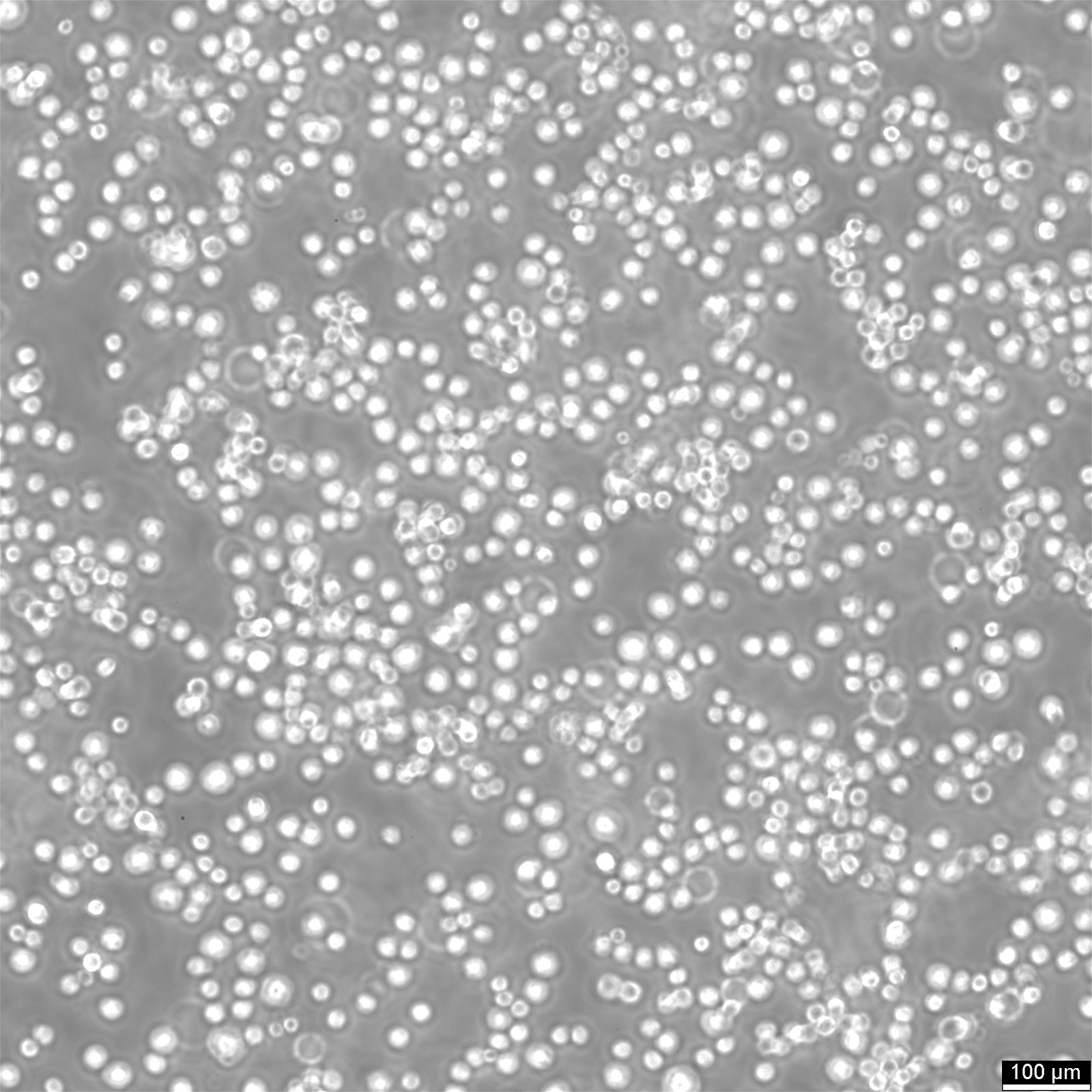
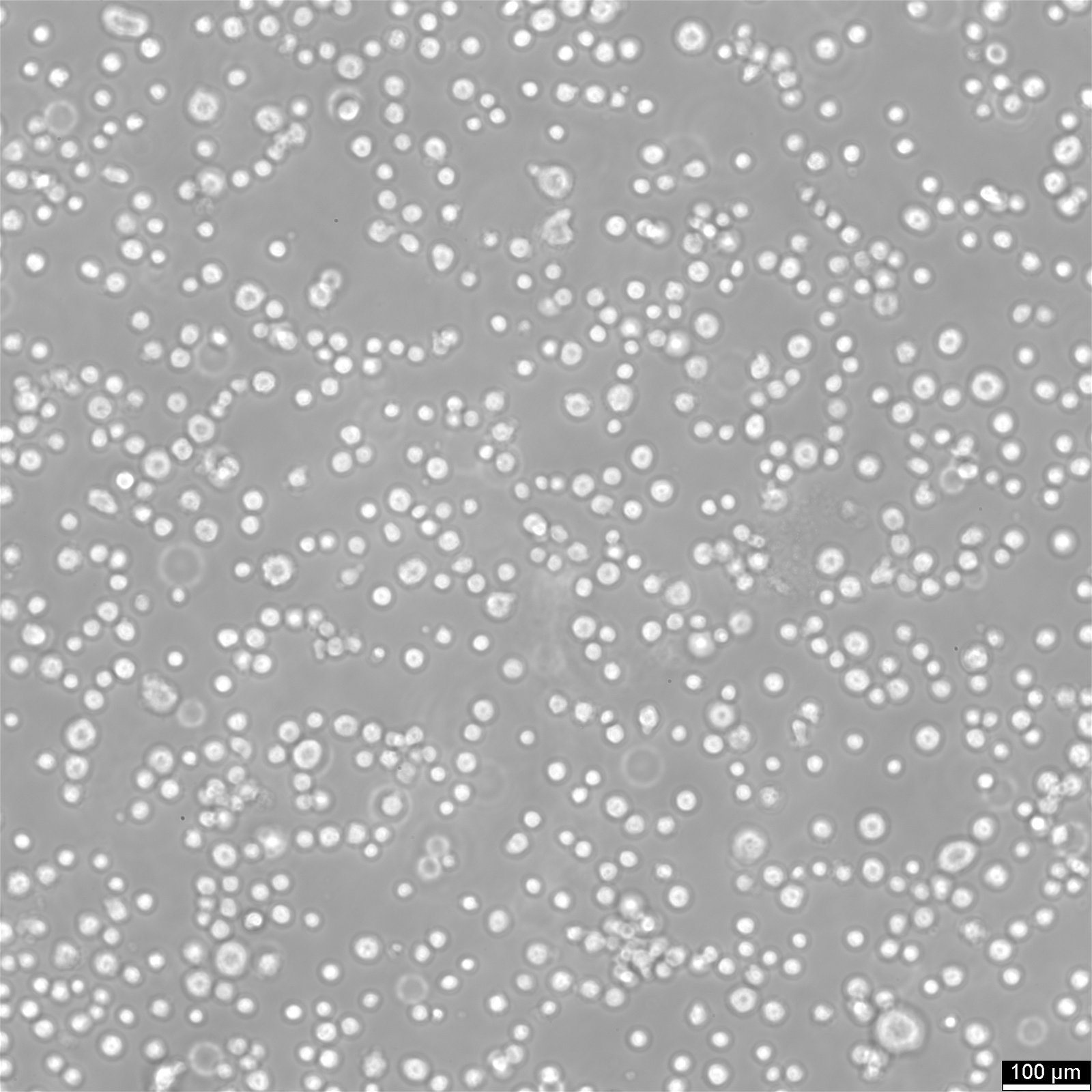
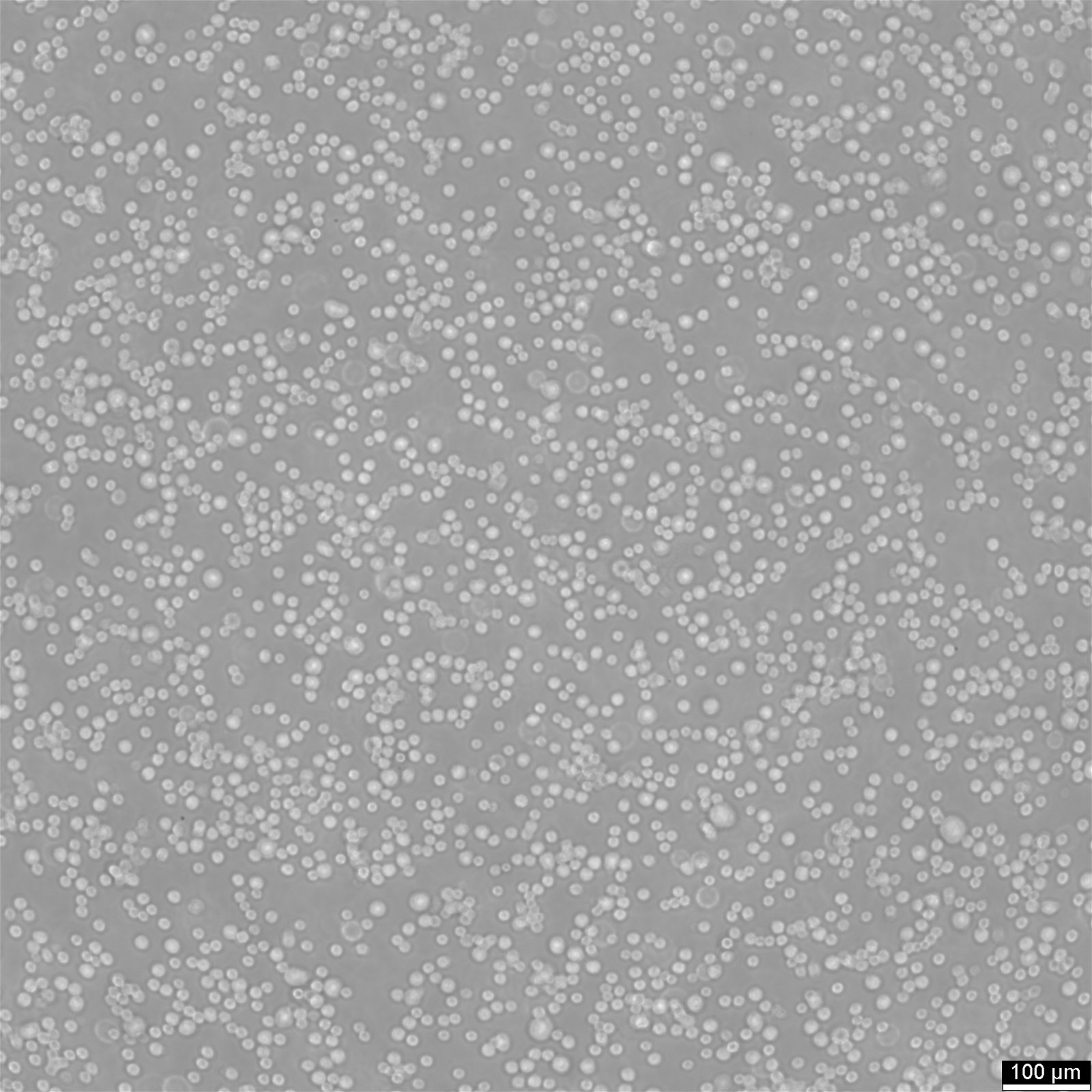
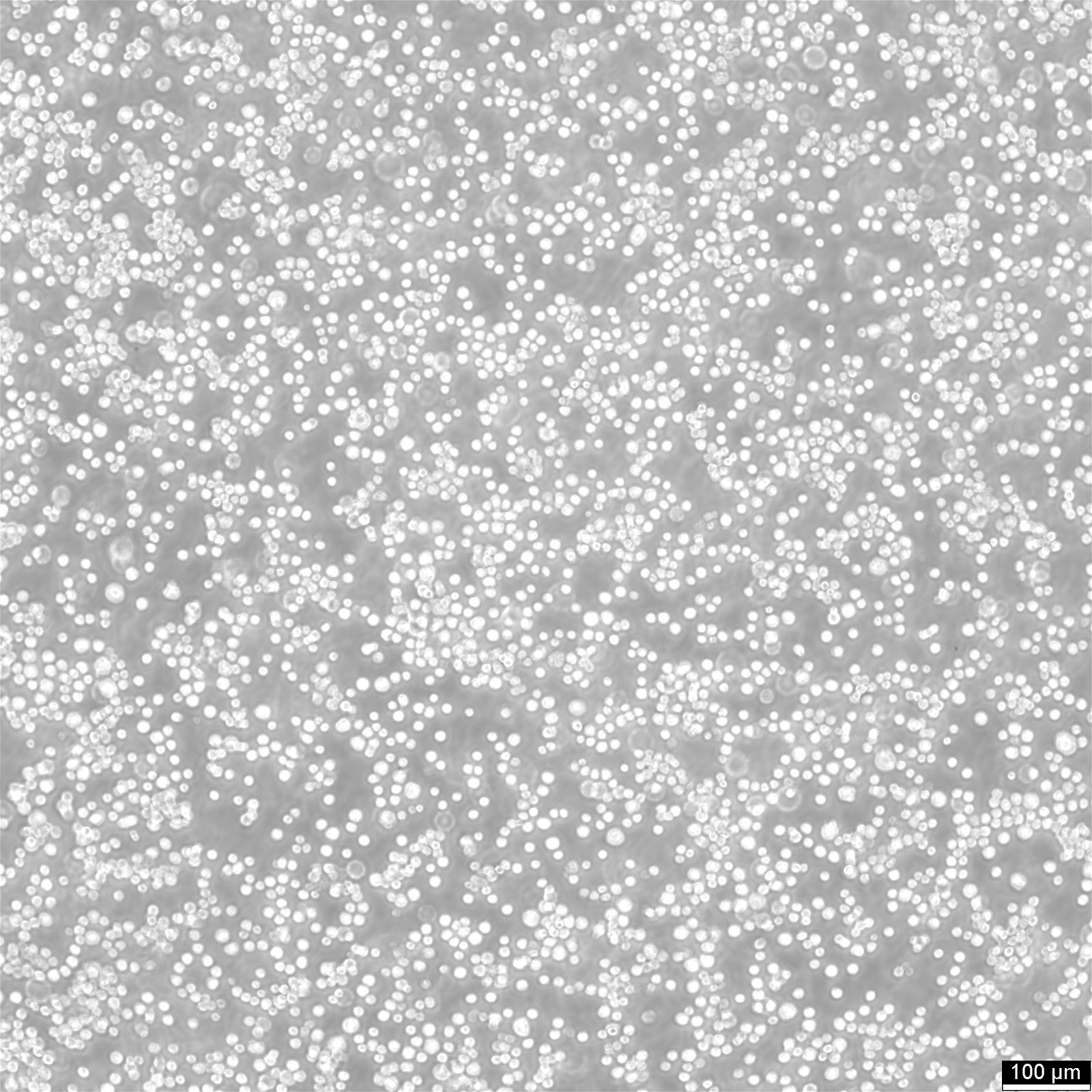
| Morfología | Round cells |
| Tipo de célula | B lymphoblast |
| Propiedades de crecimiento | Suspension |
Identifiers
| Referencia | Daudi (Cytion catalog number 302009) |
|---|---|
| Nivel de bioseguridad | Daudi cells do not release Epstein-Barr virus (EBV) when cultured, classifying them as Risk Group 1. However, when used for genetic experiments, they should be treated as Risk Group 2 cells. |
| NCBI_TaxID | 9606 |
| N.º de acceso de Cellosaurus | CVCL_0008 |
Genetics
| Expresión de antígenos | CD10+, CD19+, CD20+, CD21+, CD22+, CD23-, CD24-, CD32+, CD37+, CD38+, CD39-,CD40+, CD54+, CD72+, CD73-, CD75+, CD77+, CD81+, CD82+, CD83-, CD84+, CD86+ |
|---|---|
| Cariotipo | 46, almost diploid |
Daudi cell line culturing methods
| Medio de cultivo | RPMI 1640, w: 2.0 mM stable Glutamine, w: 2.0 g/L NaHCO3 (Cytion article number 820700a) |
|---|---|
| Suplementos | Supplement the medium with 10% heat-inactivated FBS |
| Subcultivo | Maintain cultures by periodically adding or replacing the medium. Initiate cultures with a density of 5 x 10⁵ cells/ml and keep the cell concentration within the range of 3 x 10⁵ to 1 x 10⁶ cells/ml for optimal growth. |
| Densidad de siembra | 3 x 10⁵ cells/ml |
| Renovación de fluidos | 2 times per week |
| Recuperación tras el deshielo | Fast (48 hours) |
| Medio de congelación | As a cryopreservation medium, we use complete growth medium (including FBS) + 10% DMSO for adequate post-thaw viability, or CM-1 (Cytion catalog number 800100), which includes optimized osmoprotectants and metabolic stabilizers to enhance recovery and reduce cryo-induced stress. |
| Descongelación y cultivo de células |
|
| Atmósfera de incubación | 37°C, 5% CO2, humidified atmosphere. |
| Condiciones de envío | Cryopreserved cell lines are shipped on dry ice in validated, insulated packaging with sufficient refrigerant to maintain approximately −78 °C throughout transit. On receipt, inspect the container immediately and transfer vials without delay to appropriate storage. |
| Condiciones de almacenamiento | For long-term preservation, place vials in vapor-phase liquid nitrogen at about −150 to −196 °C. Storage at −80 °C is acceptable only as a short interim step before transfer to liquid nitrogen. |
Quality control of Daudi cells
| Esterilidad | Mycoplasma contamination is excluded using both PCR-based assays and luminescence-based mycoplasma detection methods. To ensure there is no bacterial, fungal, or yeast contamination, cell cultures are subjected to daily visual inspections. |
|---|
Certificado de análisis (CoA)
| Número de lote | Tipo de certificado | Fecha | Número de catálogo |
|---|---|---|---|
| 302009-110425 | Certificado de análisis | 23. May. 2025 | 302009 |
| 302009-140723 | Certificado de análisis | 23. May. 2025 | 302009 |