
CEM/C1 Cells
USD 550.00*
Products are shipped frozen on dry ice in cryotubes. Each cryotube typically contains 3 × 10⁶ cells for adherent lines or 5 × 10⁶ cells for suspension lines (refer to the batch CoA for details).
Información general
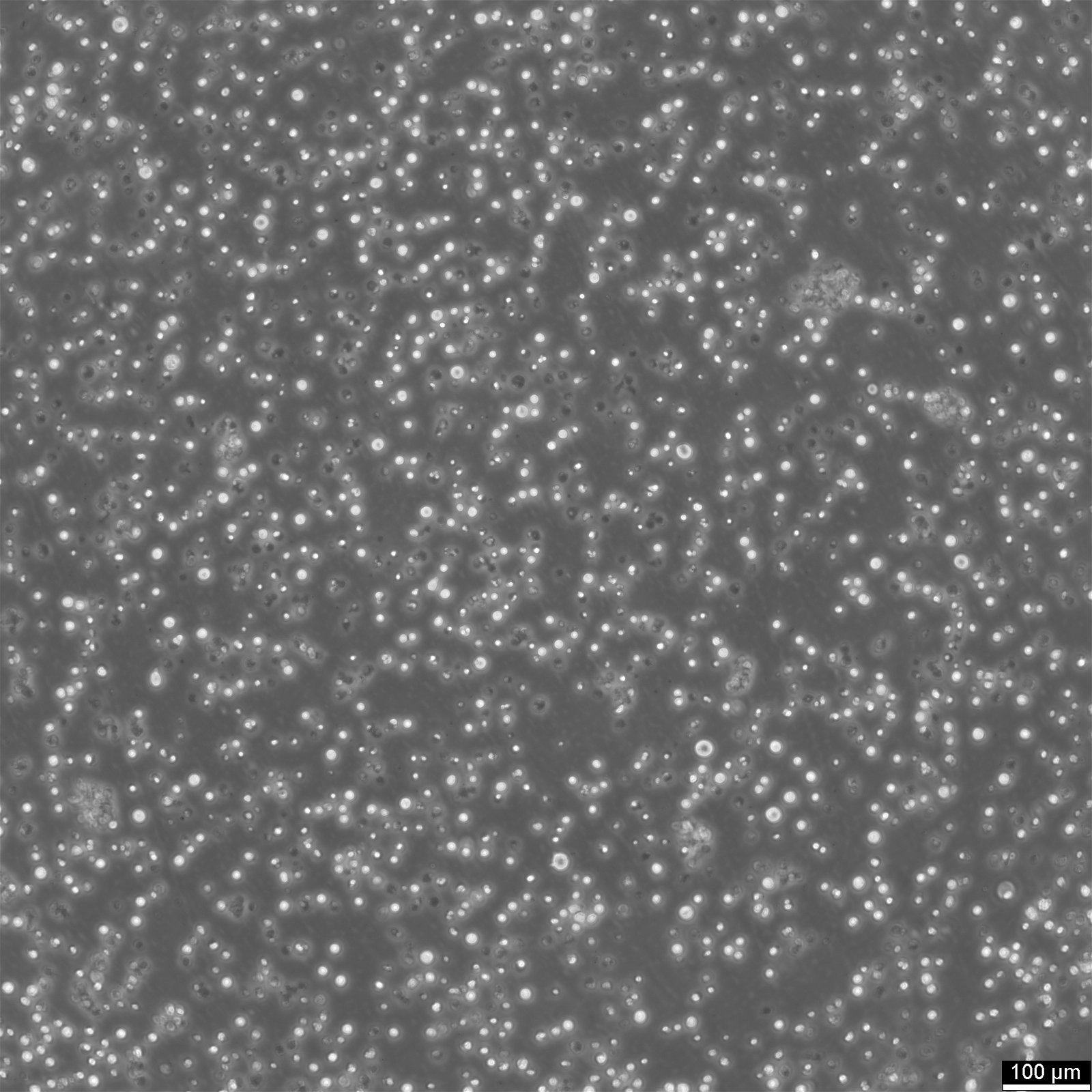
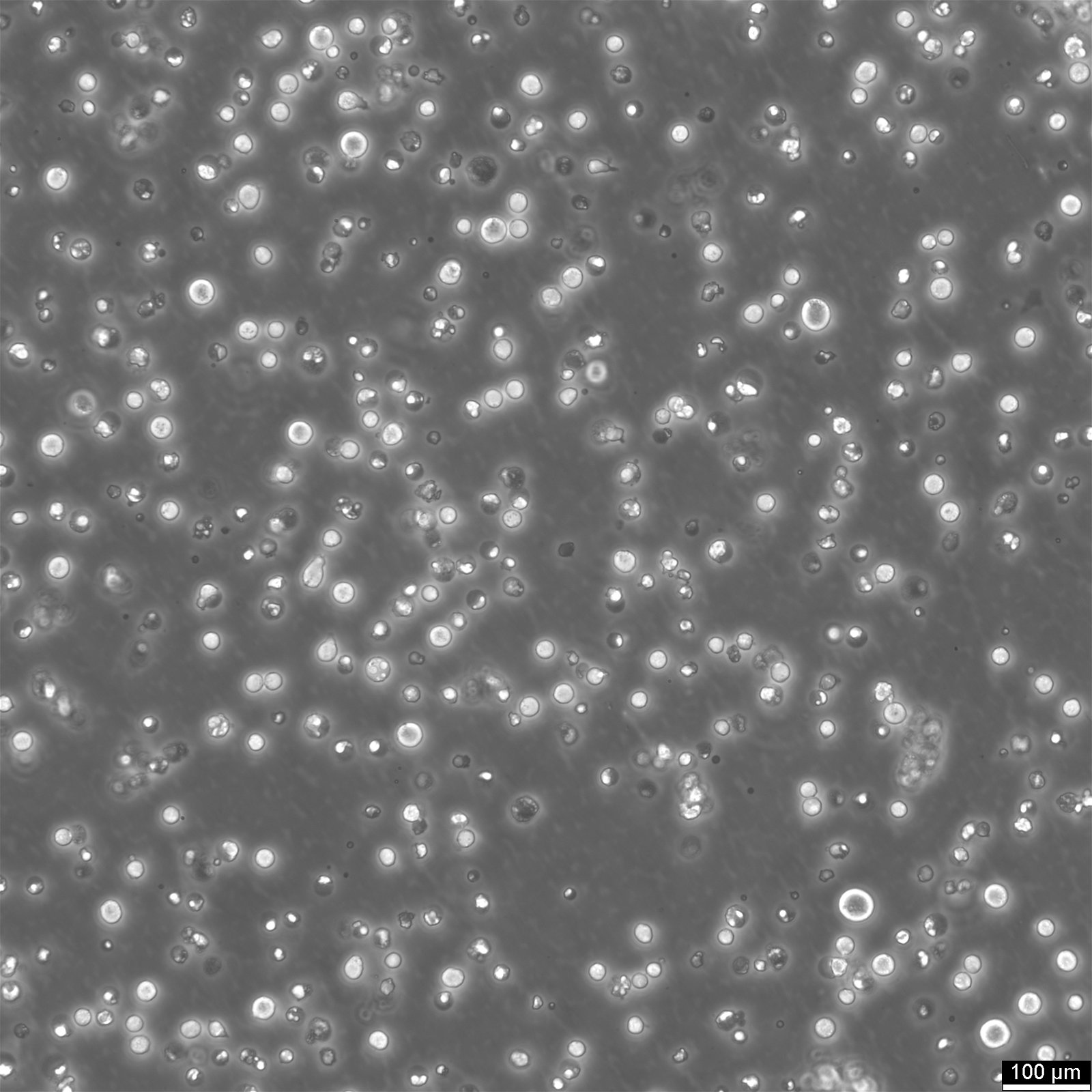
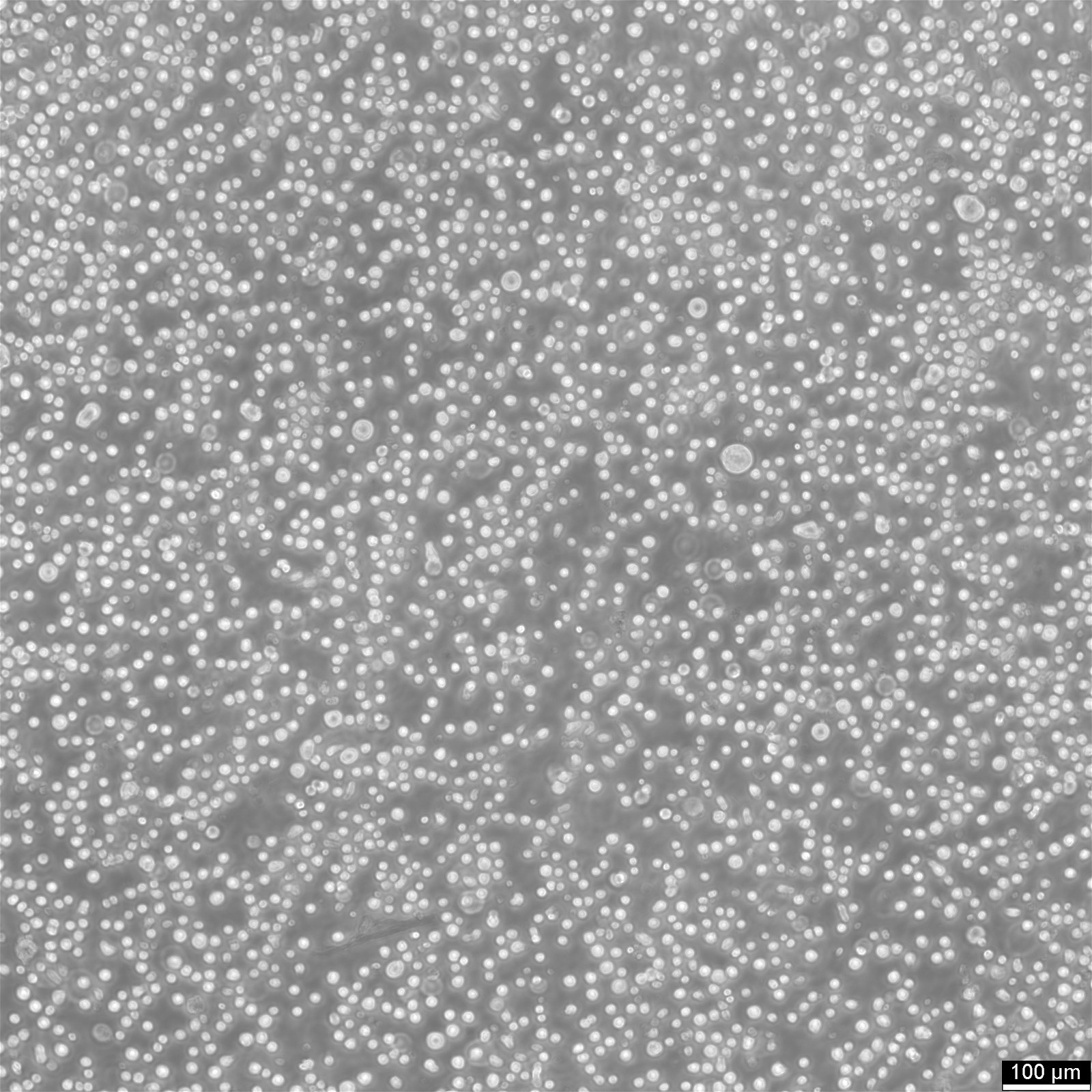
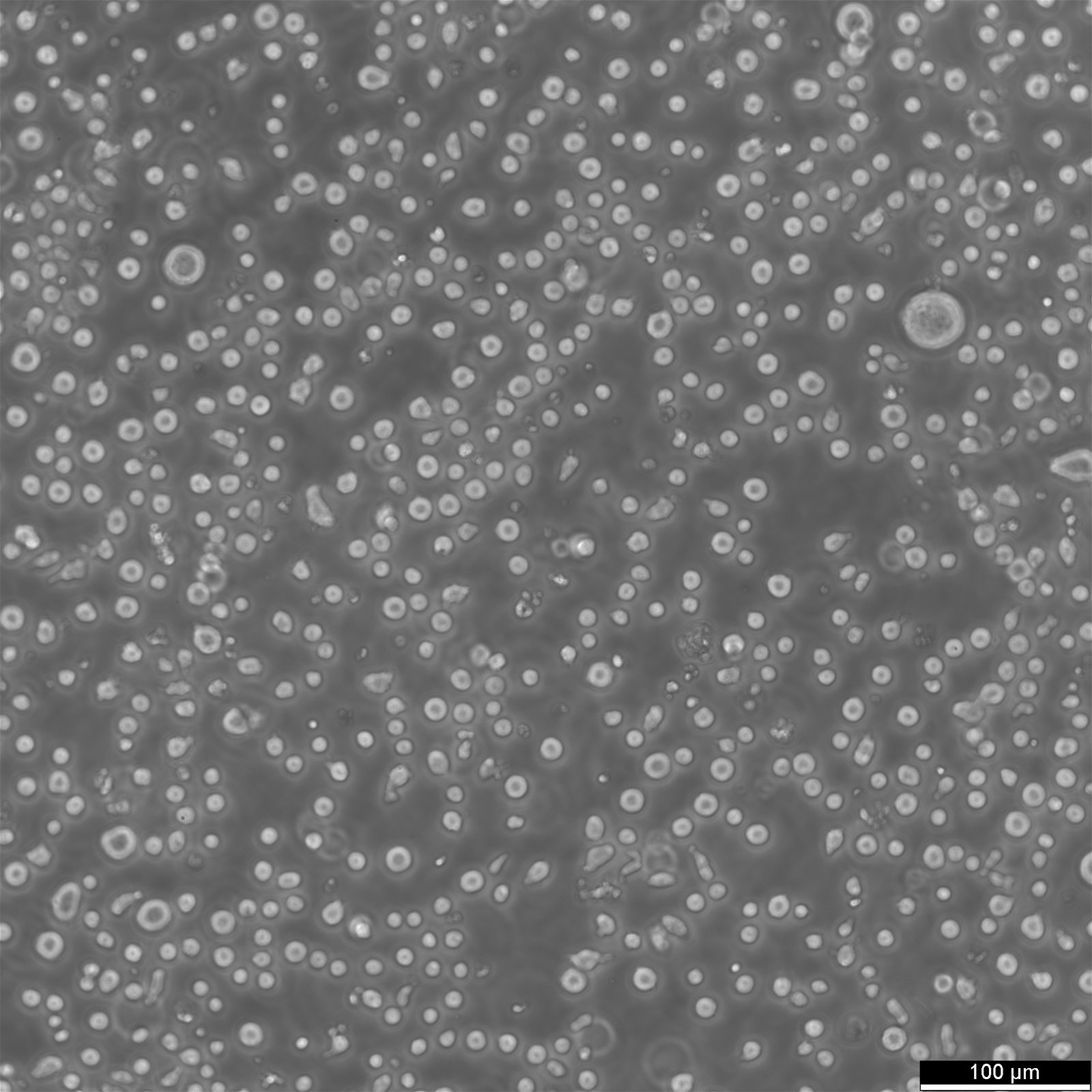
| Descripción | The CEM/C1 cell line is a derivative of the CCRF-CEM human T-cell leukemia cell line, specifically selected for its resistance to certain chemotherapeutic agents, notably the topoisomerase II inhibitor, doxorubicin. This selection confers the cell line with significant applications in the study of multidrug resistance, a prevalent challenge in the treatment of various cancers. The CEM/C1 line exhibits overexpression of the MDR1 gene, which encodes the P-glycoprotein, a key efflux transporter involved in the resistance of cells to chemotherapeutic drugs. Genetically, CEM/C1 cells are characterized by their human T-lymphoblastoid lineage, making them highly relevant for research into T-cell biology and leukemia. The cells maintain a robust proliferative capacity and can be used in in vitro experiments aimed at understanding the cellular mechanisms of drug resistance, apoptosis, and the efficacy of new chemotherapeutic agents. These cells also provide a valuable tool for pharmacological studies, particularly in evaluating the pharmacodynamics and pharmacokinetics of anticancer drugs within a controlled experimental setting. Due to their drug-resistant properties, CEM/C1 cells are particularly useful in the development of treatment strategies that circumvent or directly target mechanisms of drug resistance. Studies utilizing this cell line can contribute to the broader understanding of cancer cell survival tactics and potentially lead to the development of more effective cancer therapies, especially for refractory or relapsed T-cell leukemia. |
|---|---|
| Organismo | Human |
| Tejido | Peripheral blood |
| Enfermedad | T-cell acute lymphoblastic leukemia |
| Sinónimos | CCRF-CEM C1, CEM-C1, CEM.C1, CEMC1 |
Características
| Edad | 4 years |
|---|---|
| Género | Female |
| Morfología | Lymphoblast |
| Propiedades de crecimiento | Suspension |
Datos normativos
| Referencia | CEM/C1 (Cytion catalog number 305103) |
|---|---|
| Nivel de bioseguridad | 1 |
| NCBI_TaxID | 9606 |
| N.º de acceso de Cellosaurus | CVCL_3496 |
Datos biomoleculares
Manejo
| Medio de cultivo | RPMI 1640, w: 2.0 mM stable Glutamine, w: 2.0 g/L NaHCO3 (Cytion article number 820700a) |
|---|---|
| Suplementos | Supplement the medium with 10% heat-inactivated FBS |
| Subcultivo | Gently homogenize the cell suspension in the flask by pipetting up and down, then take a representative sample to determine the cell density per ml. Dilute the suspension to achieve a cell concentration of 1 x 10⁵ cells/ml with fresh culture medium, and aliquot the adjusted suspension into new flasks for further cultivation. |
| Renovación de fluidos | 2 to 3 times per week |
| Medio de congelación | As a cryopreservation medium, we use complete growth medium (including FBS) + 10% DMSO for adequate post-thaw viability, or CM-1 (Cytion catalog number 800100), which includes optimized osmoprotectants and metabolic stabilizers to enhance recovery and reduce cryo-induced stress. |
| Descongelación y cultivo de células |
|
| Atmósfera de incubación | 37°C, 5% CO2, humidified atmosphere. |
| Condiciones de envío | Cryopreserved cell lines are shipped on dry ice in validated, insulated packaging with sufficient refrigerant to maintain approximately −78 °C throughout transit. On receipt, inspect the container immediately and transfer vials without delay to appropriate storage. |
| Condiciones de almacenamiento | For long-term preservation, place vials in vapor-phase liquid nitrogen at about −150 to −196 °C. Storage at −80 °C is acceptable only as a short interim step before transfer to liquid nitrogen. |
Control de calidad y análisis molecular
| Esterilidad | Mycoplasma contamination is excluded using both PCR-based assays and luminescence-based mycoplasma detection methods. To ensure there is no bacterial, fungal, or yeast contamination, cell cultures are subjected to daily visual inspections. |
|---|
Certificado de análisis (CoA)
| Número de lote | Tipo de certificado | Fecha | Número de catálogo |
|---|---|---|---|
| 305103-181223 | Certificado de análisis | 23. May. 2025 | 305103 |