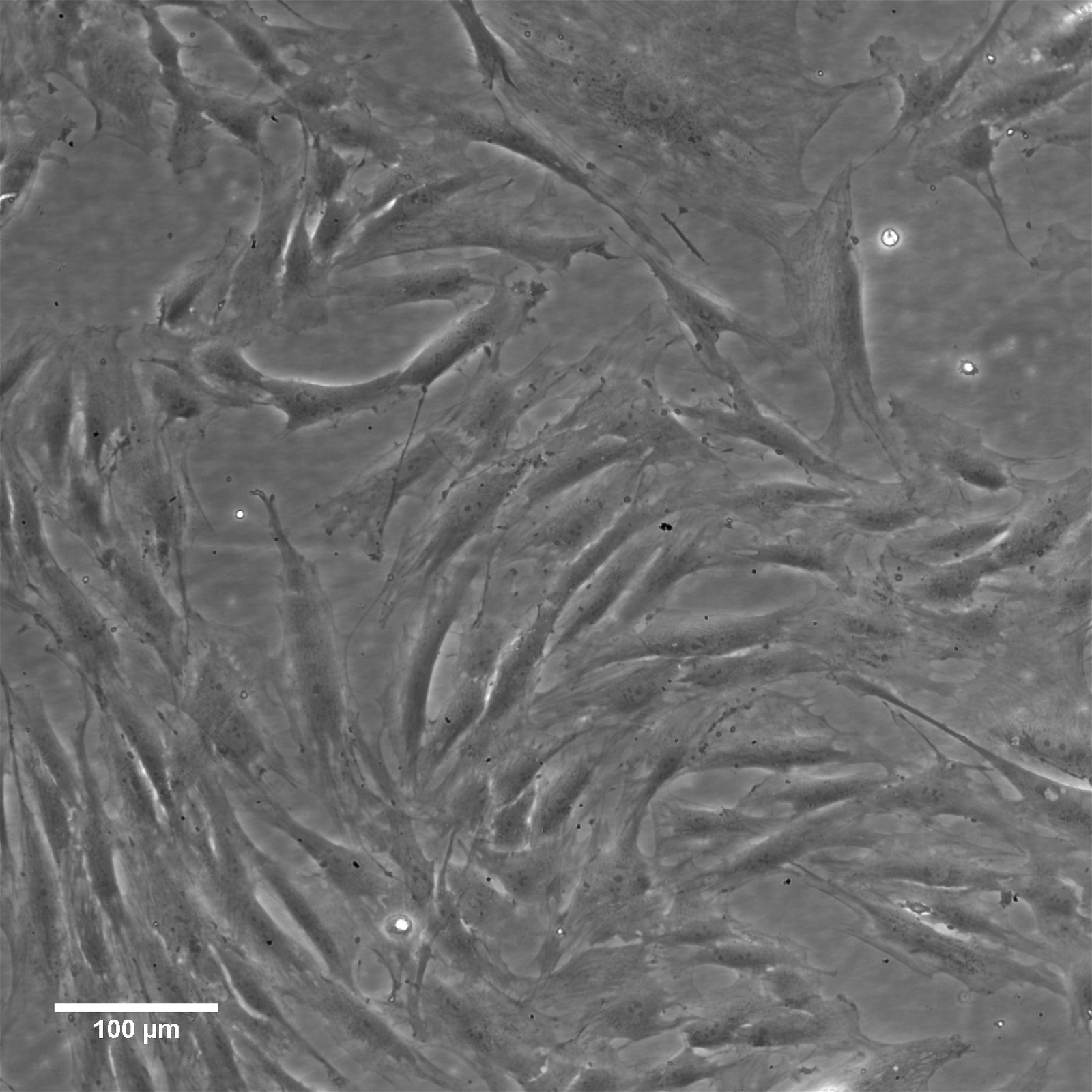
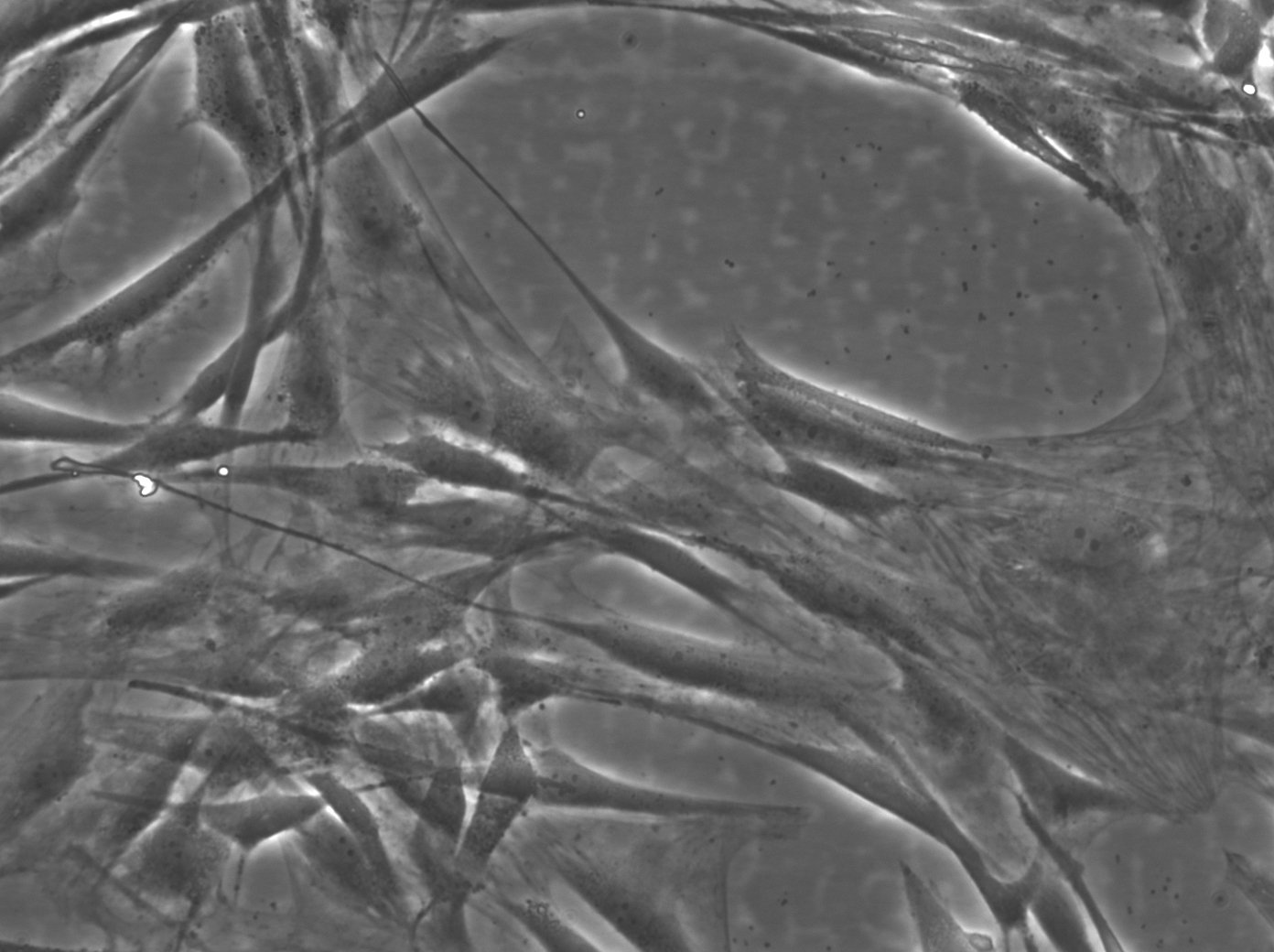
Wilms6 Cells
USD$800.00*
Products are shipped frozen on dry ice in cryotubes. Each cryotube typically contains 3 × 10⁶ cells for adherent lines or 5 × 10⁶ cells for suspension lines (refer to the batch CoA for details).
General information
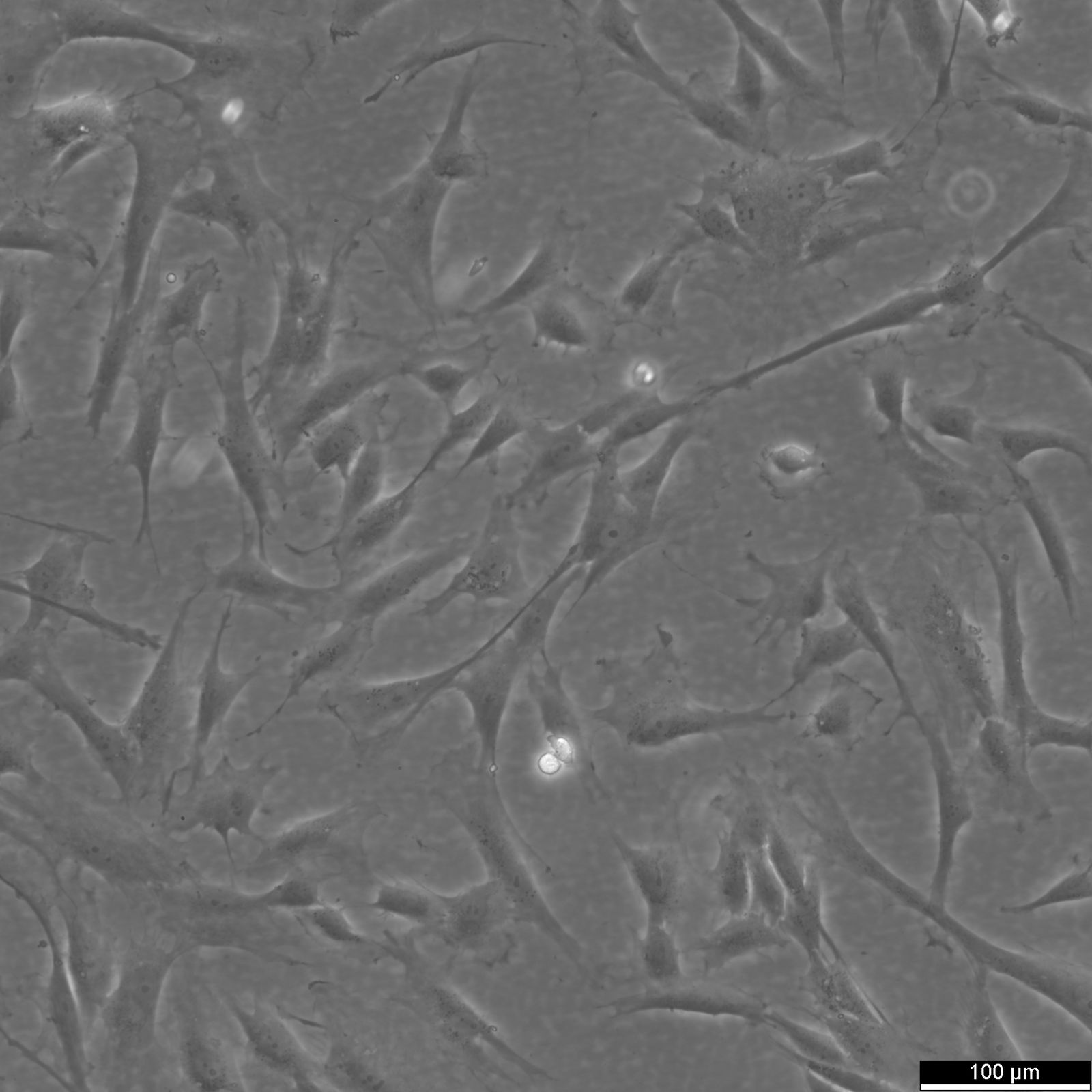
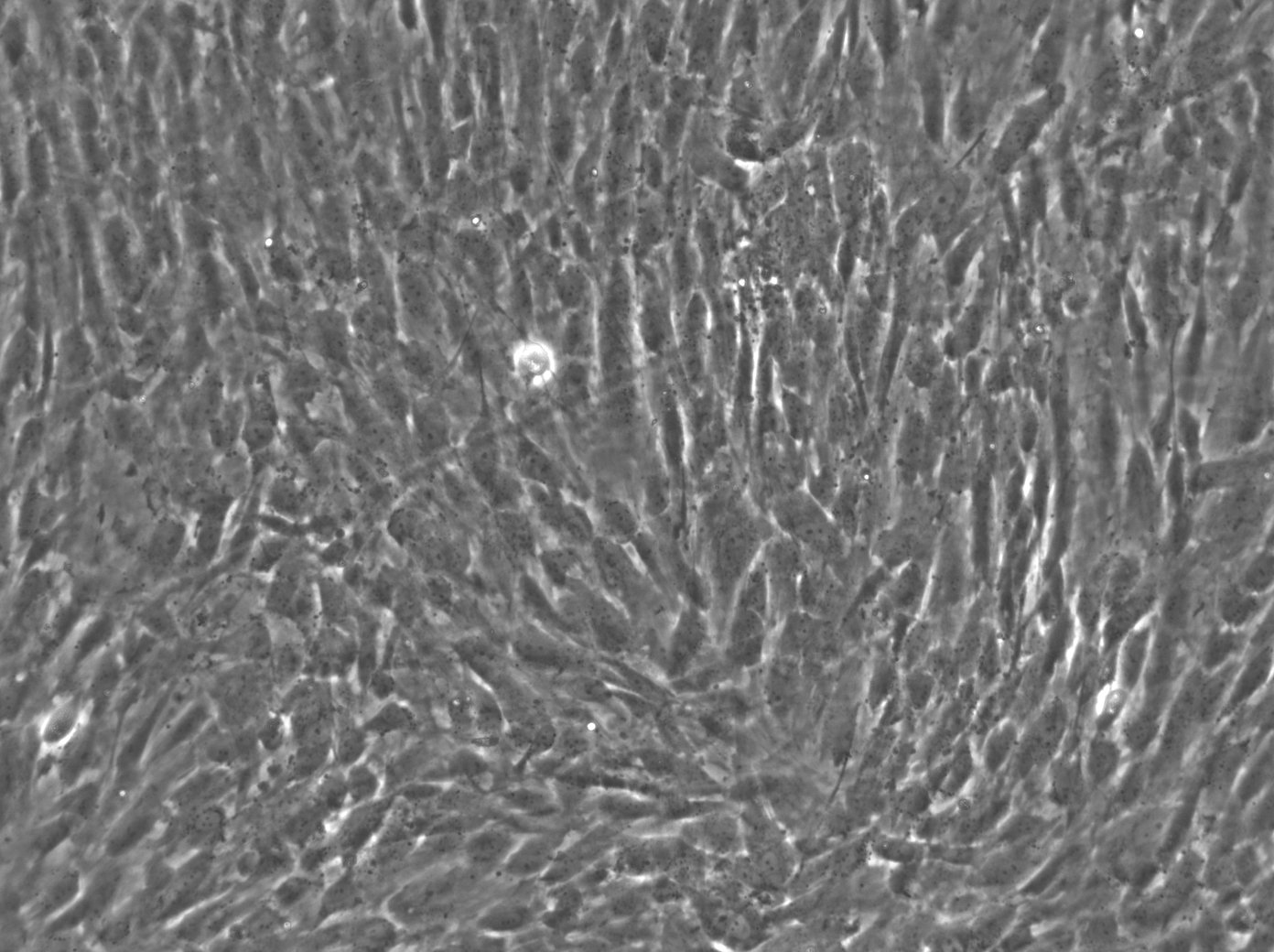
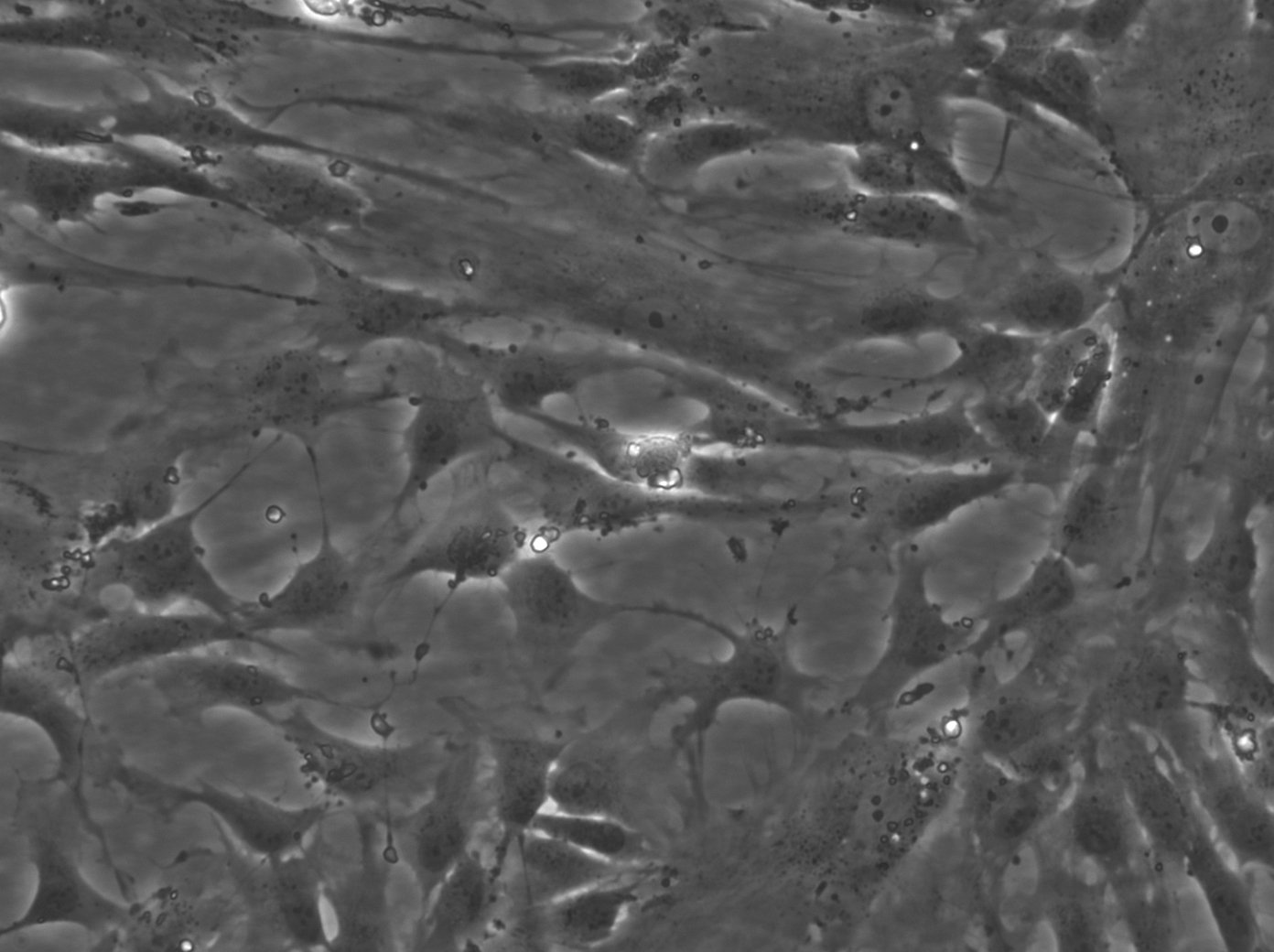
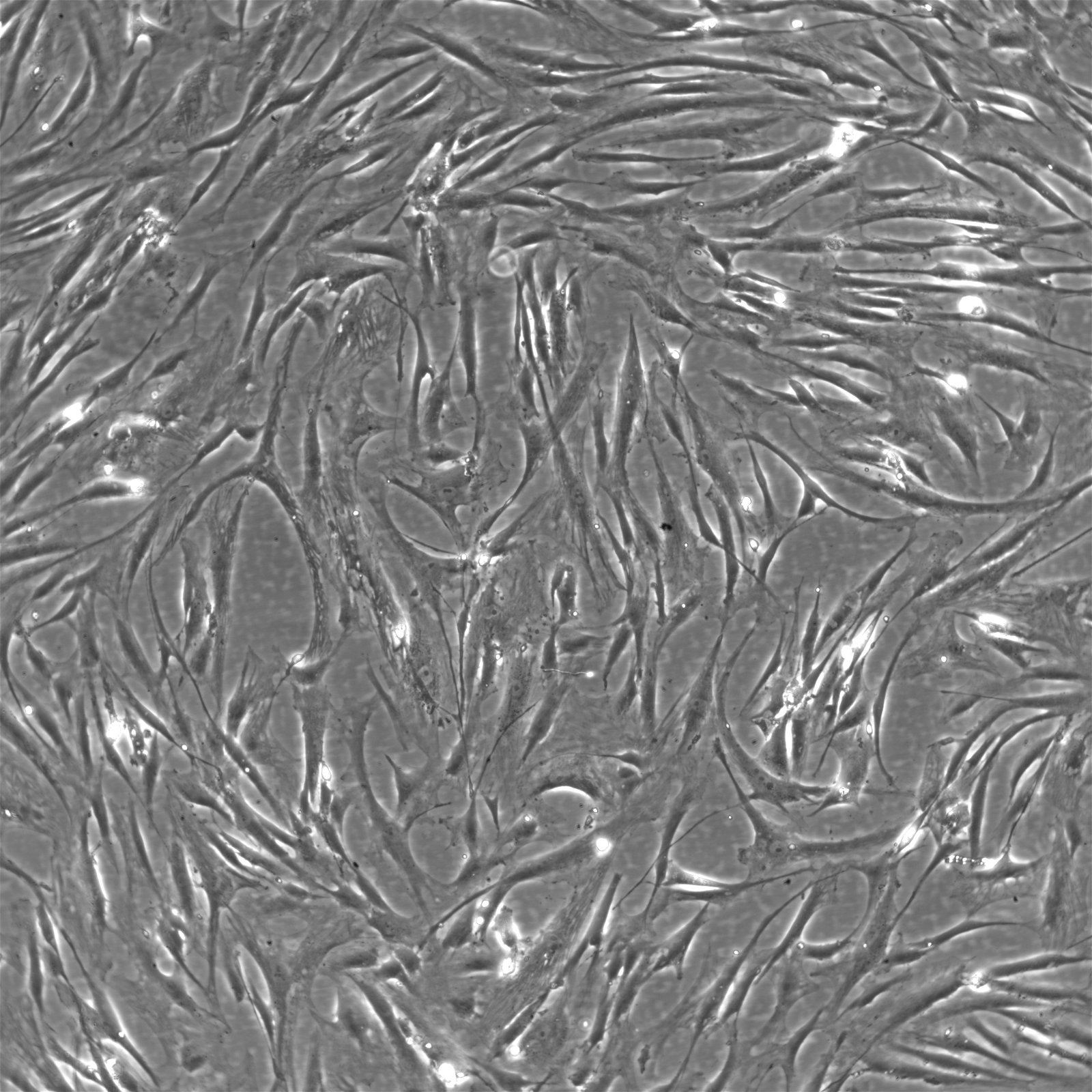
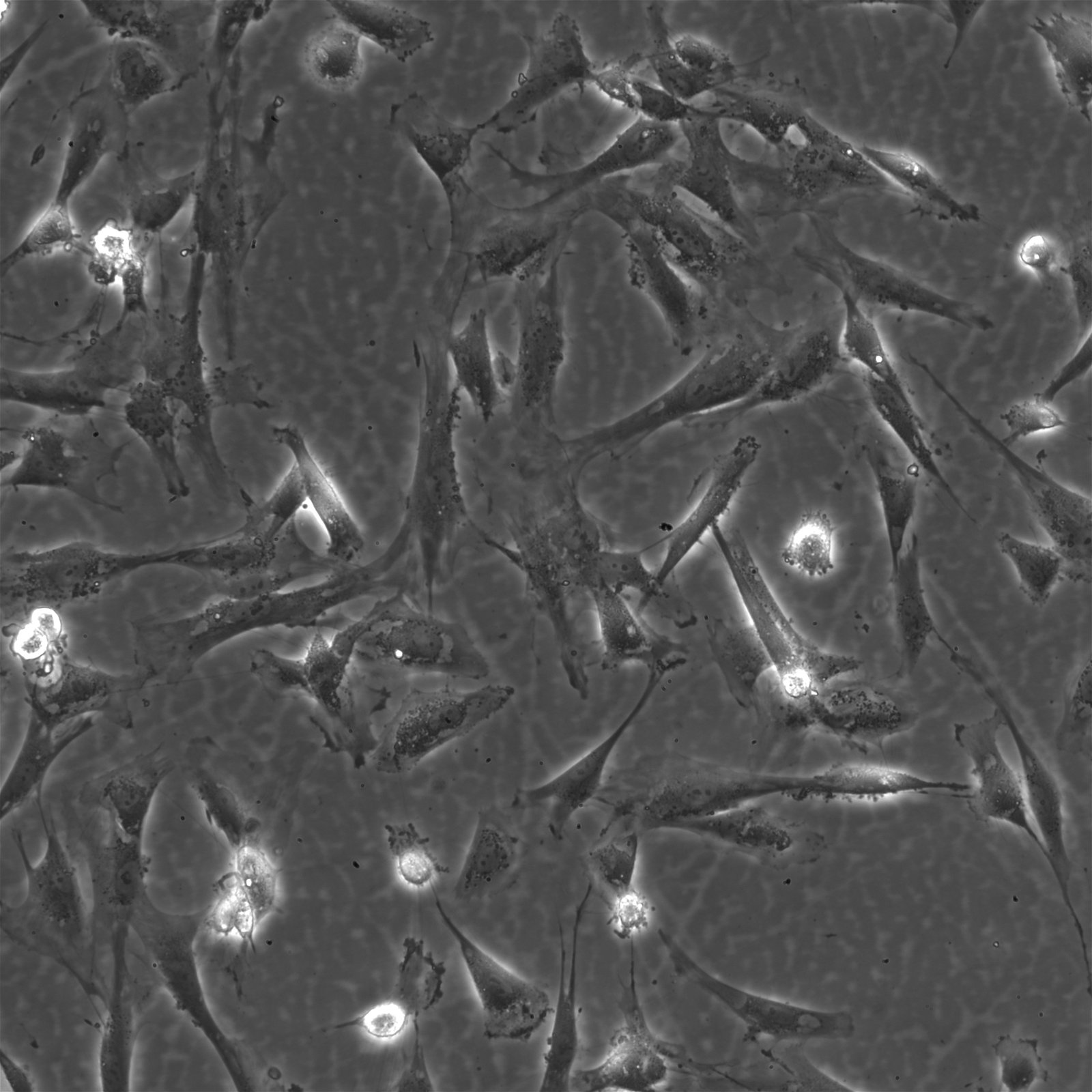
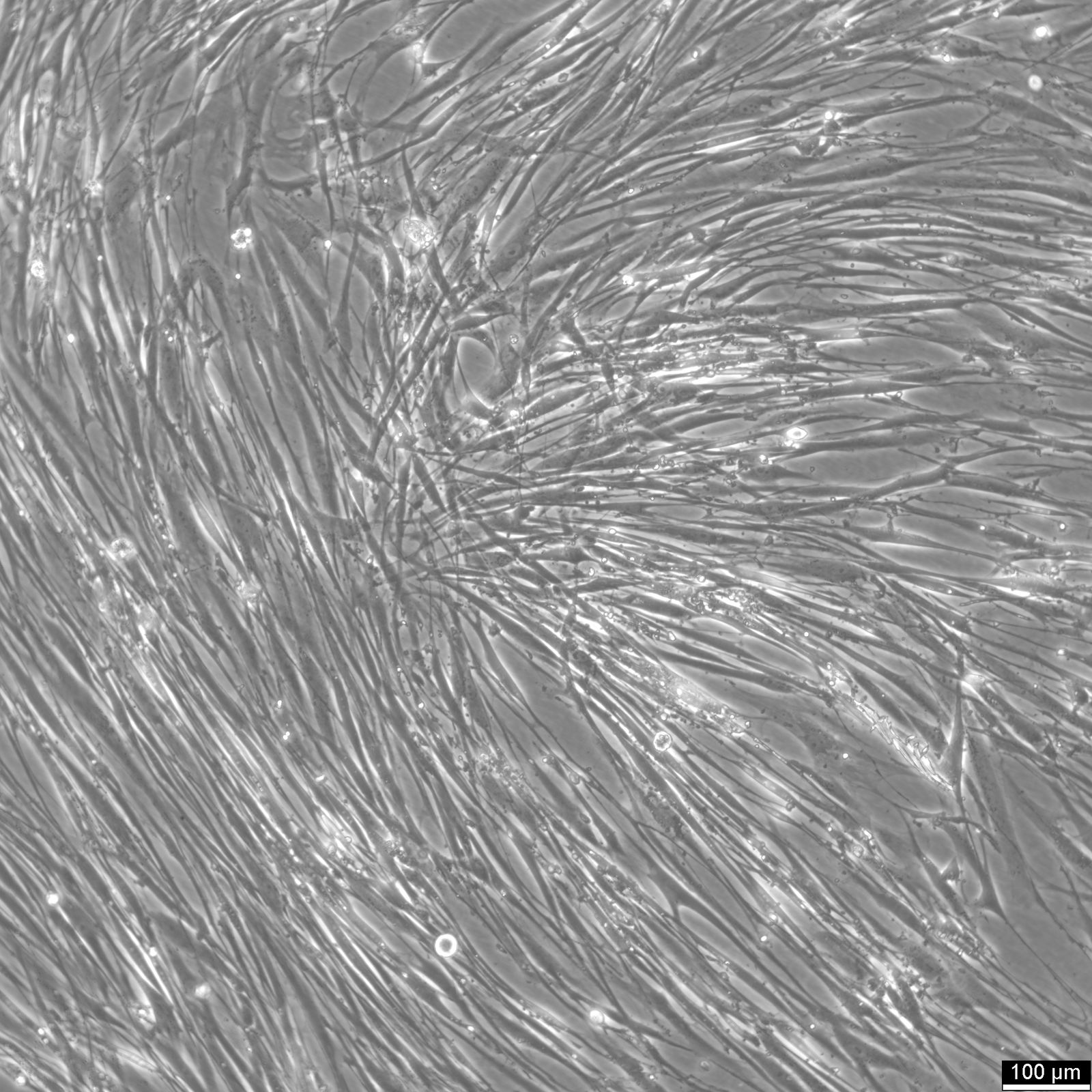
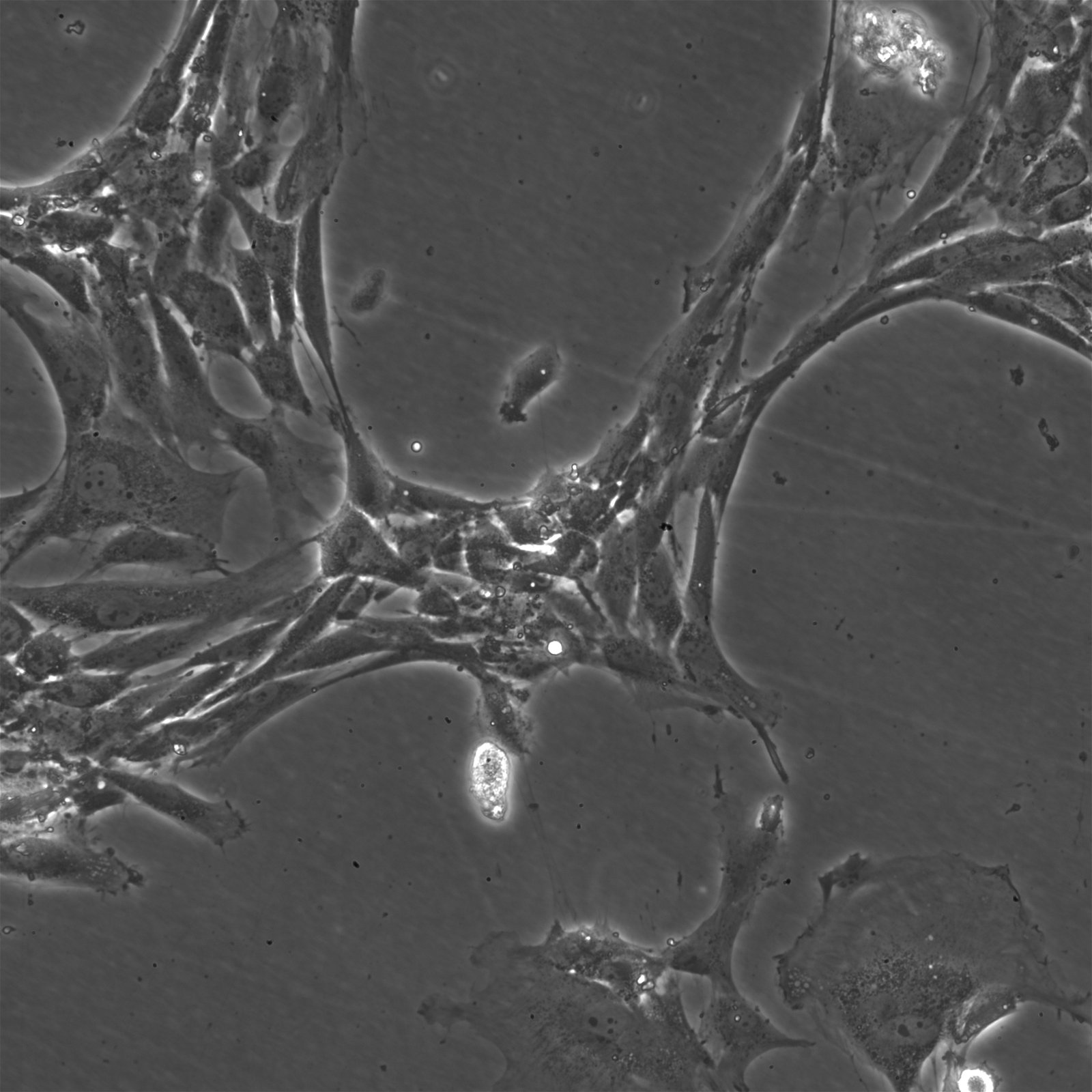
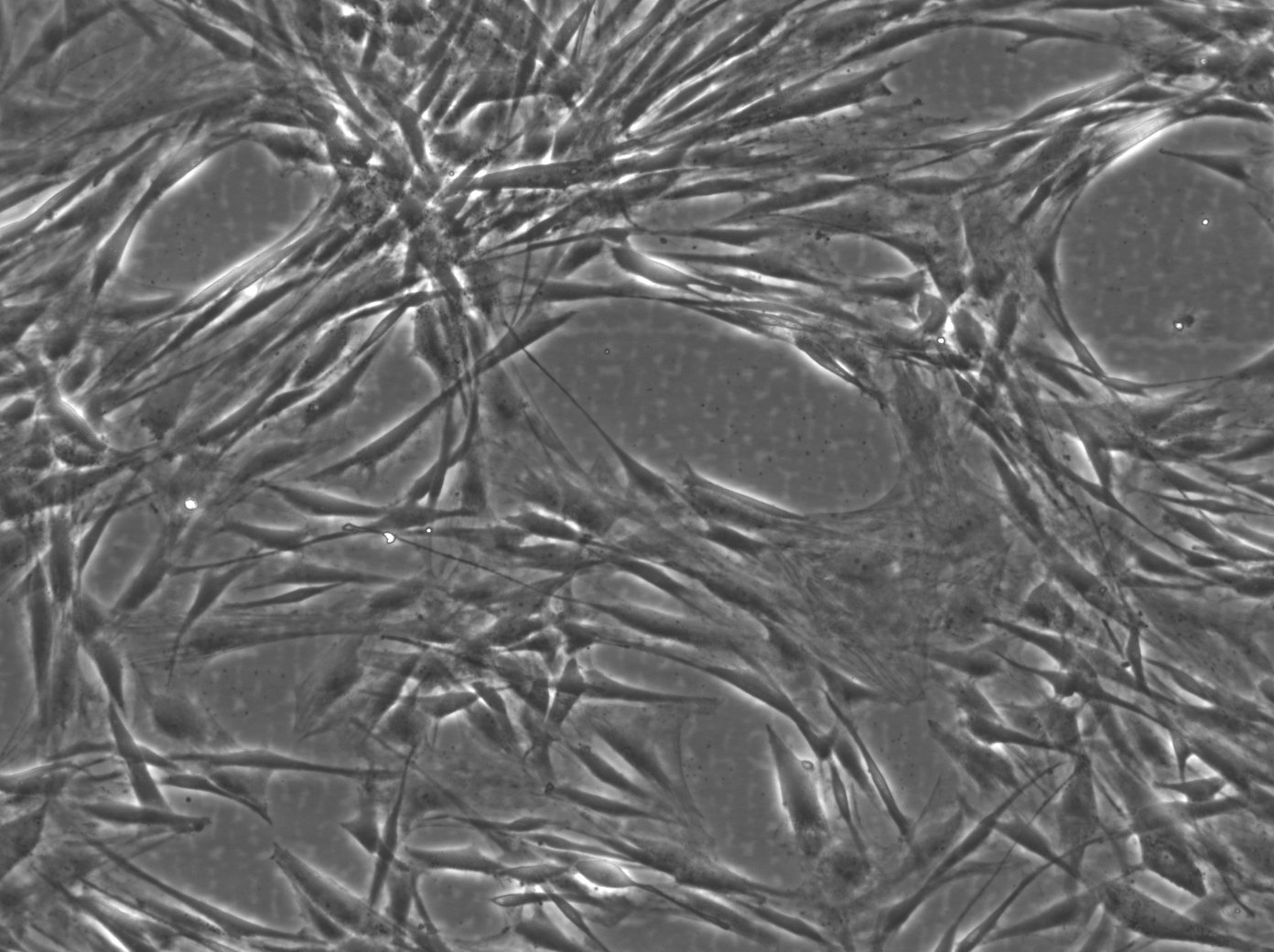
| Description | The Wilms6 cell line was established from a primary Wilms tumor in a pediatric patient with a germline WT1 mutation. This cell line is defined by a homozygous nonsense mutation in the WT1 gene (c.1168 C>T, p.R390X), which results in a truncated and non-functional WT1 protein. WT1 is a critical regulator of kidney development, and its loss is strongly associated with Wilms tumor, particularly in cases displaying mesenchymal differentiation. The Wilms6 cell line is an important model for studying the tumorigenic effects of complete WT1 loss, particularly in the context of tumors that exhibit both epithelial and mesenchymal characteristics. Wilms6 cells also carry a mutation in the CTNNB1 gene, specifically affecting serine 45 (p.S45F), a key site for phosphorylation that regulates β-Catenin degradation. This mutation leads to the stabilization and nuclear accumulation of β-Catenin, resulting in the constitutive activation of the Wnt signaling pathway. The aberrant activation of Wnt signaling is a known driver of cell proliferation and tumorigenesis in Wilms tumors, making Wilms6 a valuable tool for investigating the role of Wnt pathway dysregulation in tumors with WT1 mutations. Phenotypically, Wilms6 cells display a mesenchymal morphology, with strong expression of vimentin and absence of epithelial markers such as cytokeratin, reflecting the stromal nature of the original tumor. These cells have been shown to possess limited but notable differentiation potential, including the ability to differentiate into muscle-like cells under specific conditions, which mirrors the mesenchymal differentiation observed in some Wilms tumors. Proteomic studies of Wilms6 have identified the activation of multiple receptor tyrosine kinases (RTKs), including PDGFRβ and AXL, which are involved in promoting cell survival, proliferation, and migration. The downstream activation of signaling pathways such as MAPK and PI3K/AKT further underscores the aggressive nature of this cell line. Overall, the Wilms6 cell line serves as a crucial model for exploring the molecular mechanisms underlying Wilms tumor development, particularly in cases of complete WT1 loss combined with Wnt signaling activation. Its genetic and phenotypic characteristics make it an excellent platform for studying the interplay between WT1 deficiency and aberrant signaling pathways, providing insights into potential therapeutic targets for this aggressive tumor type. |
|---|---|
| Organism | Human |
| Tissue | Kidney |
| Disease | Wilms tumor |
| Applications | In vitro cell culture model. Biochemical studies |
Characteristics
| Age | 15 months |
|---|---|
| Gender | Male |
| Ethnicity | Caucasian |
| Morphology | Spindle-shaped |
| Cell type | Wilms cells |
| Growth properties | Adherent |
Regulatory Data
| Citation | Wilms6 (Cytion catalog number 300415) |
|---|---|
| Biosafety level | 1 |
| NCBI_TaxID | 9606 |
| CellosaurusAccession | CVCL_A5SI |
Biomolecular Data
| Mutational profile | WT1 mutation status: homozygous c.1168C>T, p.R390x, LOH: 11p11-11pter, CTNNB1 mutation status: homozygous del TCT, p.DS45 |
|---|
Handling
| Culture Medium | MSCGM kit (from Lonza) |
|---|---|
| Dissociation Reagent | Accutase |
| Subculturing | Remove the old medium from the adherent cells and wash them with PBS that lacks calcium and magnesium. For T25 flasks, use 3-5 ml of PBS, and for T75 flasks, use 5-10 ml. Then, cover the cells completely with Accutase, using 1-2 ml for T25 flasks and 2.5 ml for T75 flasks. Let the cells incubate at room temperature for 8-10 minutes to detach them. After incubation, gently mix the cells with 10 ml of medium to resuspend them, then centrifuge at 300xg for 3 minutes. Discard the supernatant, resuspend the cells in fresh medium, and transfer them into new flasks that already contain fresh medium. |
| Freeze medium | As a cryopreservation medium, we use complete growth medium (including FBS) + 10% DMSO for adequate post-thaw viability, or CM-1 (Cytion catalog number 800100), which includes optimized osmoprotectants and metabolic stabilizers to enhance recovery and reduce cryo-induced stress. |
| Thawing and Culturing Cells |
|
| Incubation Atmosphere | 37°C, 5% CO2, humidified atmosphere. |
| Shipping Conditions | Cryopreserved cell lines are shipped on dry ice in validated, insulated packaging with sufficient refrigerant to maintain approximately −78 °C throughout transit. On receipt, inspect the container immediately and transfer vials without delay to appropriate storage. |
| Storage Conditions | For long-term preservation, place vials in vapor-phase liquid nitrogen at about −150 to −196 °C. Storage at −80 °C is acceptable only as a short interim step before transfer to liquid nitrogen. |
Quality Control & Molecular Analysis
| Sterility | Mycoplasma contamination is excluded using both PCR-based assays and luminescence-based mycoplasma detection methods. To ensure there is no bacterial, fungal, or yeast contamination, cell cultures are subjected to daily visual inspections. |
|---|
Certificate of Analysis (CoA)
| Lot Number | Certificate Type | Date | Catalog Number |
|---|---|---|---|
| 300415-221 | Certificate of Analysis | 23. May. 2025 | 300415 |
-
Related products
Related products