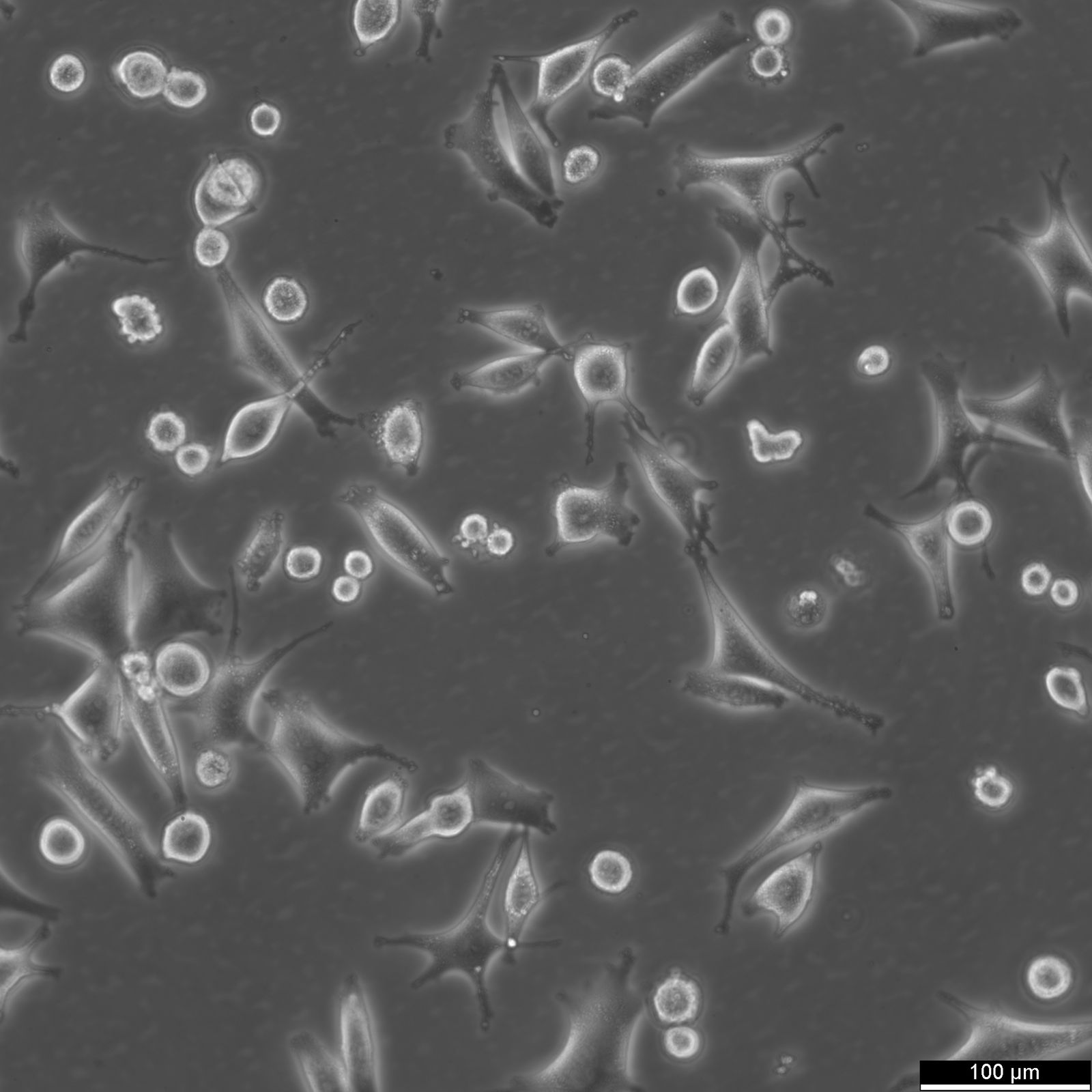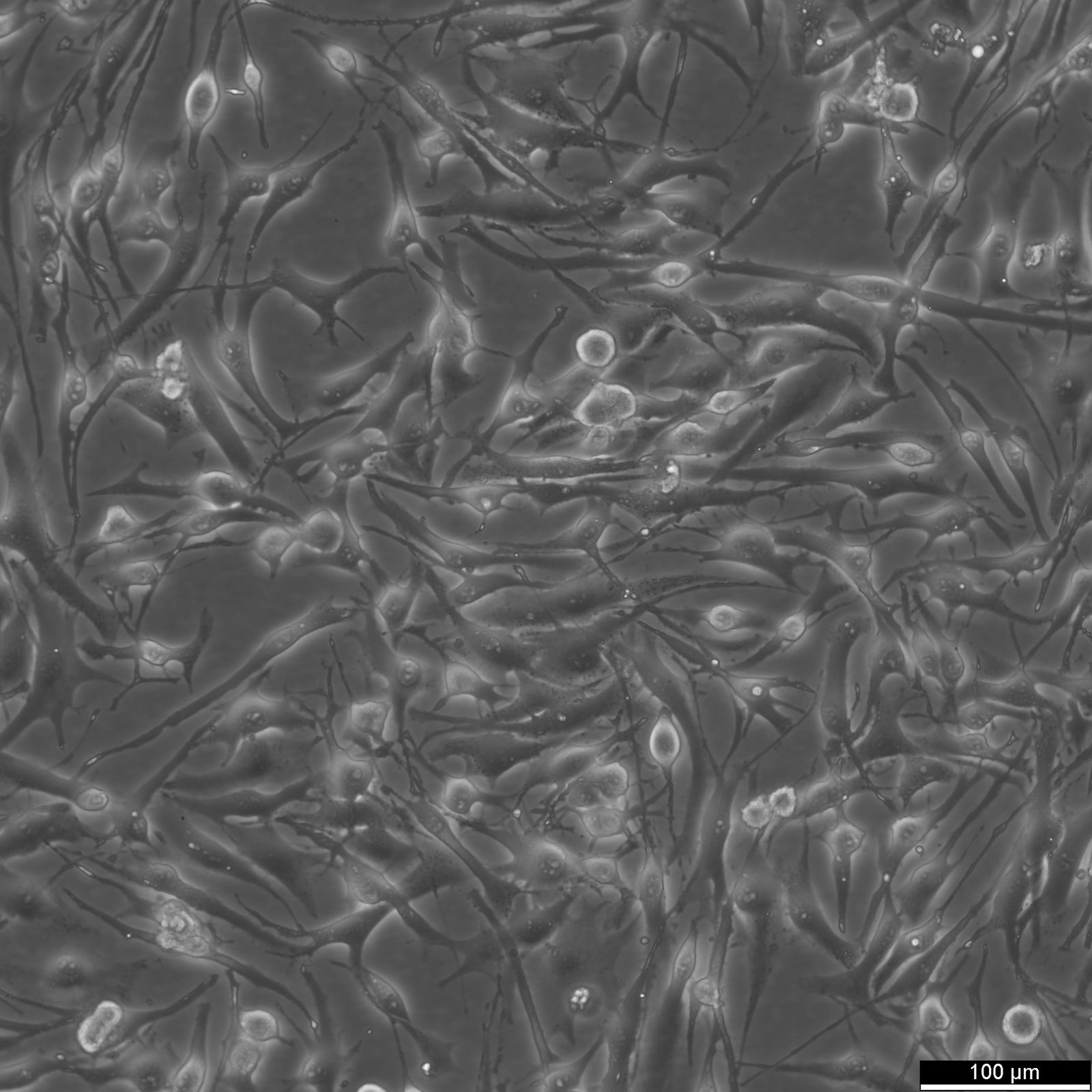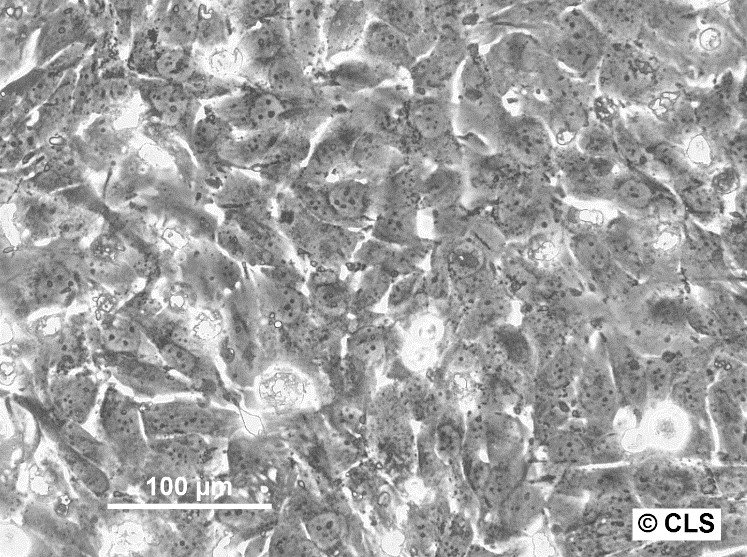
SK-N-DZ Cells
General information
| Description | The SK-N-DZ cell line is a human neuroblastoma model established from metastatic bone marrow of a child with neuroblastoma. It is part of the SK-N series of neuroblastoma cell lines and exhibits characteristics of neural crest-derived tumor cells. These cells are adherent in culture and demonstrate a small fraction of side population (SP) cells, indicative of a cancer stem-like subpopulation with high drug efflux capacity. SK-N-DZ cells have been extensively used in research to understand the role of genetic and epigenetic alterations in neuroblastoma. The cell line has been shown to harbor MYCN amplification and ALK gene mutations, both of which are implicated in the aggressive phenotype and poor prognosis of high-risk neuroblastomas. Furthermore, SK-N-DZ has been used to evaluate therapeutic responses to agents such as retinoids and vitamin E derivatives. Studies have shown that SK-N-DZ is uniquely sensitive to 13-cis-retinoic acid, exhibiting significant cell lysis at low concentrations, unlike other neuroblastoma cell lines. SK-N-DZ has been utilized in experiments exploring neuroblastoma differentiation and stemness. The cell line's ability to form neurite extensions under certain treatment conditions highlights its potential for investigating tumor differentiation and cell plasticity. These features, combined with its well-characterized genetic background, make SK-N-DZ a valuable model for advancing therapeutic strategies and understanding the molecular underpinnings of neuroblastoma. |
|---|---|
| Organism | Human |
| Tissue | Brain |
| Disease | Neuroblastoma |
| Metastatic site | Bone marrow |
| Applications | Tumour studies. MRD-1 resistance studies. Extremely sensitive to cis-retinoic acid; 3D cell culture, Immunology, Neuroscience |
| Synonyms | SKNDZ |
Characteristics
| Age | 2 years |
|---|---|
| Gender | Female |
| Ethnicity | Caucasian and Native North American |
| Morphology | Epithelial |
| Cell type | Neuronal |
| Growth properties | Adherent |
Regulatory Data
| Citation | SK-N-DZ (Cytion catalog number 305628) |
|---|---|
| Biosafety level | 1 |
| NCBI_TaxID | 9606 |
| CellosaurusAccession | CVCL_1701 |
Biomolecular Data
| Mutational profile | Mutation: TP53, Simple, p.Arg110Leu (c.329G>T), Homozygous |
|---|
Handling
| Culture Medium | DMEM, w: 4.5 g/L Glucose, w: 4 mM L-Glutamine, w: 3.7 g/L NaHCO3, w: 1.0 mM Sodium pyruvate (Cytion article number 820300a) |
|---|---|
| Supplements | Supplement the medium with 10% FBS an 0.1mM NEAA |
| Dissociation Reagent | Accutase |
| Seeding density | 1-3*10^4/cm² |
| Fluid renewal | 2 to 3 times per week |
| Freeze medium | As a cryopreservation medium, we use complete growth medium (including FBS) + 10% DMSO for adequate post-thaw viability, or CM-1 (Cytion catalog number 800100), which includes optimized osmoprotectants and metabolic stabilizers to enhance recovery and reduce cryo-induced stress. |
| Thawing and Culturing Cells |
|
| Incubation Atmosphere | 37°C, 5% CO2, humidified atmosphere. |
| Shipping Conditions | Cryopreserved cell lines are shipped on dry ice in validated, insulated packaging with sufficient refrigerant to maintain approximately −78 °C throughout transit. On receipt, inspect the container immediately and transfer vials without delay to appropriate storage. |
| Storage Conditions | For long-term preservation, place vials in vapor-phase liquid nitrogen at about −150 to −196 °C. Storage at −80 °C is acceptable only as a short interim step before transfer to liquid nitrogen. |
Quality Control & Molecular Analysis
| Sterility | Mycoplasma contamination is excluded using both PCR-based assays and luminescence-based mycoplasma detection methods. To ensure there is no bacterial, fungal, or yeast contamination, cell cultures are subjected to daily visual inspections. |
|---|
-
Related products
Related products
SK-BR-3 CellsOrganism Human Tissue Breast, mammary gland Disease Invasive ductal carcinoma USD$395.00*