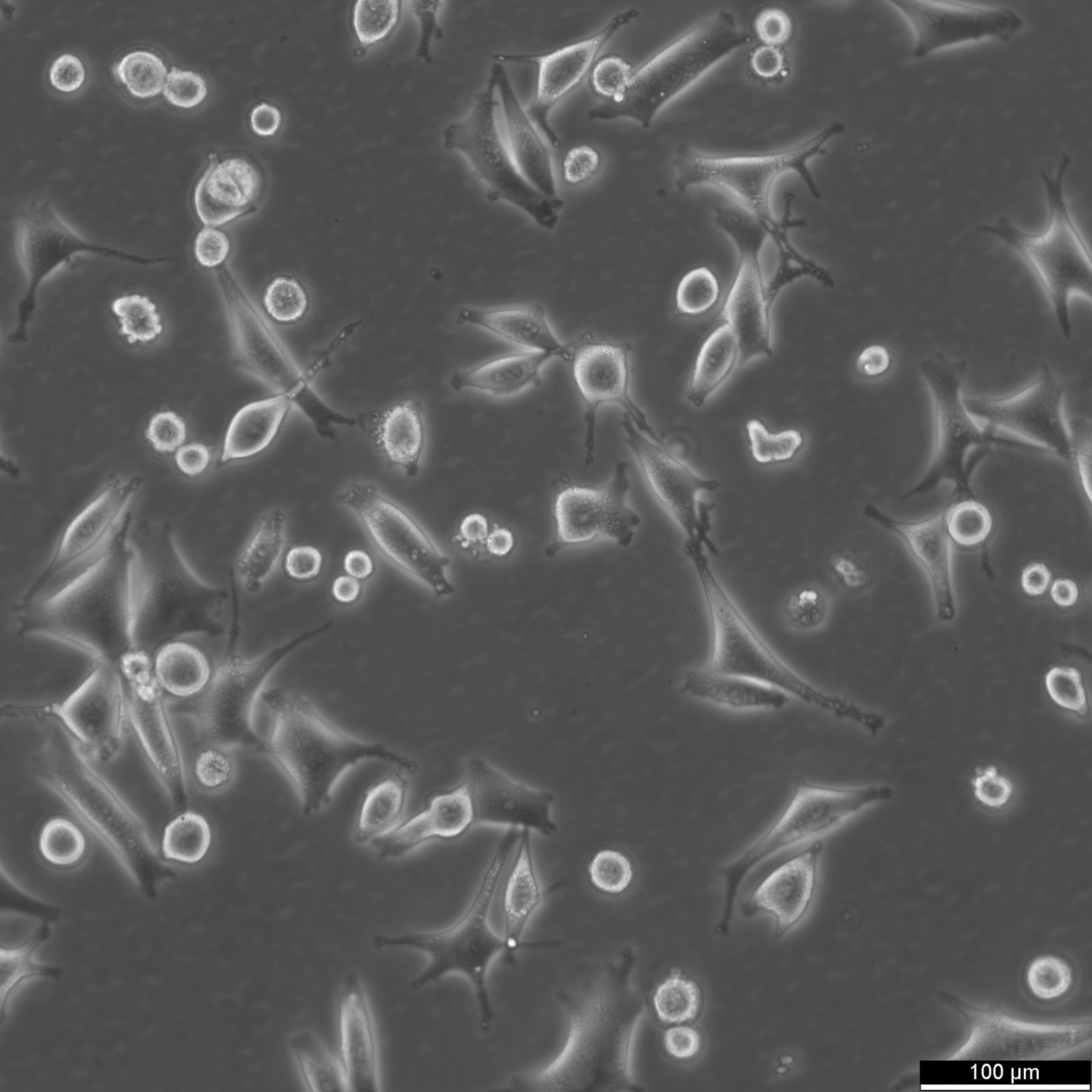
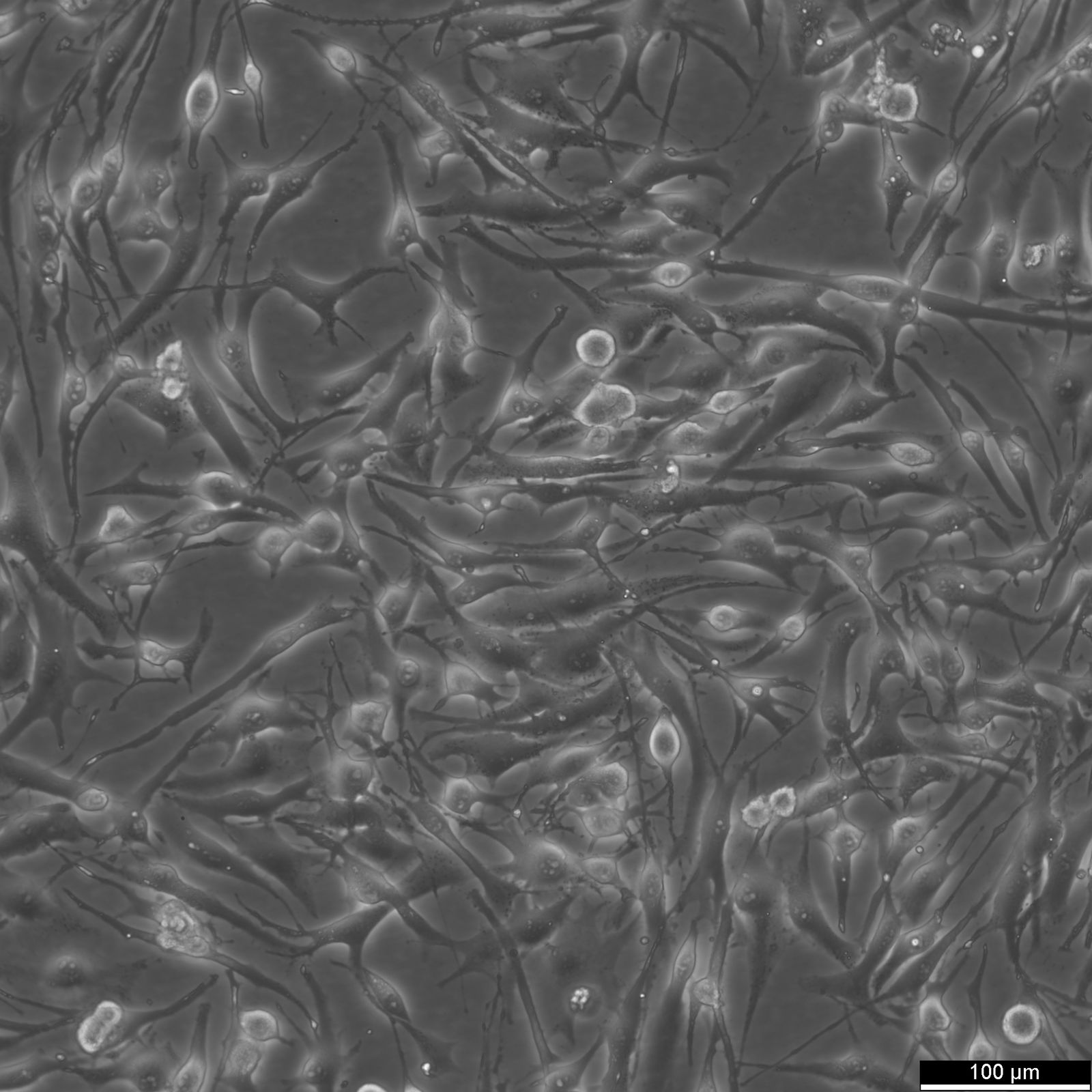
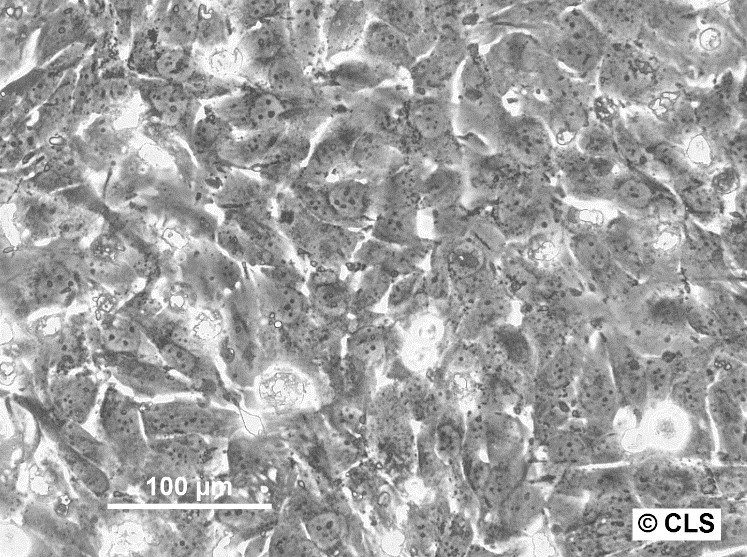
SK-OV-3 Cells
USD$395.00*
Products are shipped frozen on dry ice in cryotubes. Each cryotube typically contains 3 × 10⁶ cells for adherent lines or 5 × 10⁶ cells for suspension lines (refer to the batch CoA for details).
Key points about the SK-OV-3 cell line
| Description | SK-OV-3 cells, also known as SKOV3 cells, were derived from the ascitic fluid of a 64-year-old Caucasian female with ovarian cancer, are used in the study of serous cystadenocarcinoma, a subtype of ovarian carcinoma. These cells are known for their resistance to tumor necrosis factor and various cytotoxic drugs, including cisplatin, highlighting the challenges in chemotherapy for ovarian cancer treatment and makes them an excellent model for studying the mechanisms underlying cisplatin resistance and exploring new therapeutic strategies. The antioxidant system, including the thioredoxin antioxidant system (Trx), plays a crucial role in the survival and resistance of SK-OV-3 cells, offering a target for interventions aimed at sensitizing cancer cells to chemotherapy. The use of compounds like quercetin to modulate the antioxidant system and induce apoptosis in SK-OV-3 cells highlights the potential for dietary antioxidants in cancer therapy. In addition to their role in studying drug resistance, SK-OV-3 cells are used to investigate the invasive behavior of ovarian carcinoma cells and the interaction between cancer cells and the tumor microenvironment, including the role of M0 and M2 macrophages in tumor progression. The application of SK-OV-3 cells in cancer research extends to the development of xenograft models and the use of reporter genes, such as firefly-Luc, to monitor tumor growth and metastasis in vivo. Overall, SK-OV-3 cells serve as a critical model for understanding the complexity of ovarian cancer, from the molecular mechanisms driving resistance and estrogen signaling to the interaction between cancer cells and the tumor microenvironment. |
|---|---|
| Organism | Human |
| Tissue | Ovary |
| Disease | Serous cystadenocarcinoma |
| Metastatic site | Ascites |
| Synonyms | SKOV-3, SK-OV3, SK.OV.3, SKOV3, Skov3, SKO3 |
Properties of ovarian cancer cell line SKOV3
| Age | 64 years |
|---|---|
| Gender | Female |
| Ethnicity | Caucasian |
| Growth properties | Adherent |
Documentation
| Citation | SK-OV-3 (Cytion catalog number 300342) |
|---|---|
| Biosafety level | 1 |
| NCBI_TaxID | 9606 |
| CellosaurusAccession | CVCL_0532 |
Genomics
| Isoenzymes | PGM3, 1, PGM1, 1-2, ES-D, 1, Me-2, 1, AK-1, 1, GLO-1, 1-2, G6PD, B, Phenotype Frequency Product: 0.0311 |
|---|---|
| Tumorigenic | Forms moderately well differentiated adenocarcinoma consistent with ovarian primary |
| Karyotype | (P16) hypodiploid to hypotetraploid with dicentrics and large telocentric |
Handling SKOV3 cells
| Culture Medium | DMEM:Ham's F12 (1:1), w: 3.1 g/L Glucose, w: 2.5 mM L-Glutamine, w: 15 mM HEPES, w: 0.5 mM Sodium pyruvate, w: 1.2 g/L NaHCO3 (Cytion article number 820400a) |
|---|---|
| Supplements | Supplement the medium with 10% FBS |
| Dissociation Reagent | Accutase |
| Subculturing | Remove the old medium from the adherent cells and wash them with PBS that lacks calcium and magnesium. For T25 flasks, use 3-5 ml of PBS, and for T75 flasks, use 5-10 ml. Then, cover the cells completely with Accutase, using 1-2 ml for T25 flasks and 2.5 ml for T75 flasks. Let the cells incubate at room temperature for 8-10 minutes to detach them. After incubation, gently mix the cells with 10 ml of medium to resuspend them, then centrifuge at 300xg for 3 minutes. Discard the supernatant, resuspend the cells in fresh medium, and transfer them into new flasks that already contain fresh medium. |
| Seeding density | 1 x 10⁴ cells/cm2 |
| Post-Thaw Recovery | After thawing, plate the cells at 5 x 10⁴ cells/cm2 and allow the cells to recover from the freezing process and to adhere for at least 24 hours. |
| Freeze medium | As a cryopreservation medium, we use complete growth medium (including FBS) + 10% DMSO for adequate post-thaw viability, or CM-1 (Cytion catalog number 800100), which includes optimized osmoprotectants and metabolic stabilizers to enhance recovery and reduce cryo-induced stress. |
| Thawing and Culturing Cells |
|
| Incubation Atmosphere | 37°C, 5% CO2, humidified atmosphere. |
| Shipping Conditions | Cryopreserved cell lines are shipped on dry ice in validated, insulated packaging with sufficient refrigerant to maintain approximately −78 °C throughout transit. On receipt, inspect the container immediately and transfer vials without delay to appropriate storage. |
| Storage Conditions | For long-term preservation, place vials in vapor-phase liquid nitrogen at about −150 to −196 °C. Storage at −80 °C is acceptable only as a short interim step before transfer to liquid nitrogen. |
Genetic profile
| Sterility | Mycoplasma contamination is excluded using both PCR-based assays and luminescence-based mycoplasma detection methods. To ensure there is no bacterial, fungal, or yeast contamination, cell cultures are subjected to daily visual inspections. |
|---|
Certificate of Analysis (CoA)
| Lot Number | Certificate Type | Date | Catalog Number |
|---|---|---|---|
| 300342-220425 | Certificate of Analysis | 23. May. 2025 | 300342 |
| 300342-131125 | Certificate of Analysis | 08. Jan. 2026 | 300342 |
| 300342-1420SF | Certificate of Analysis | 23. May. 2025 | 300342 |
-
Related products
Related products
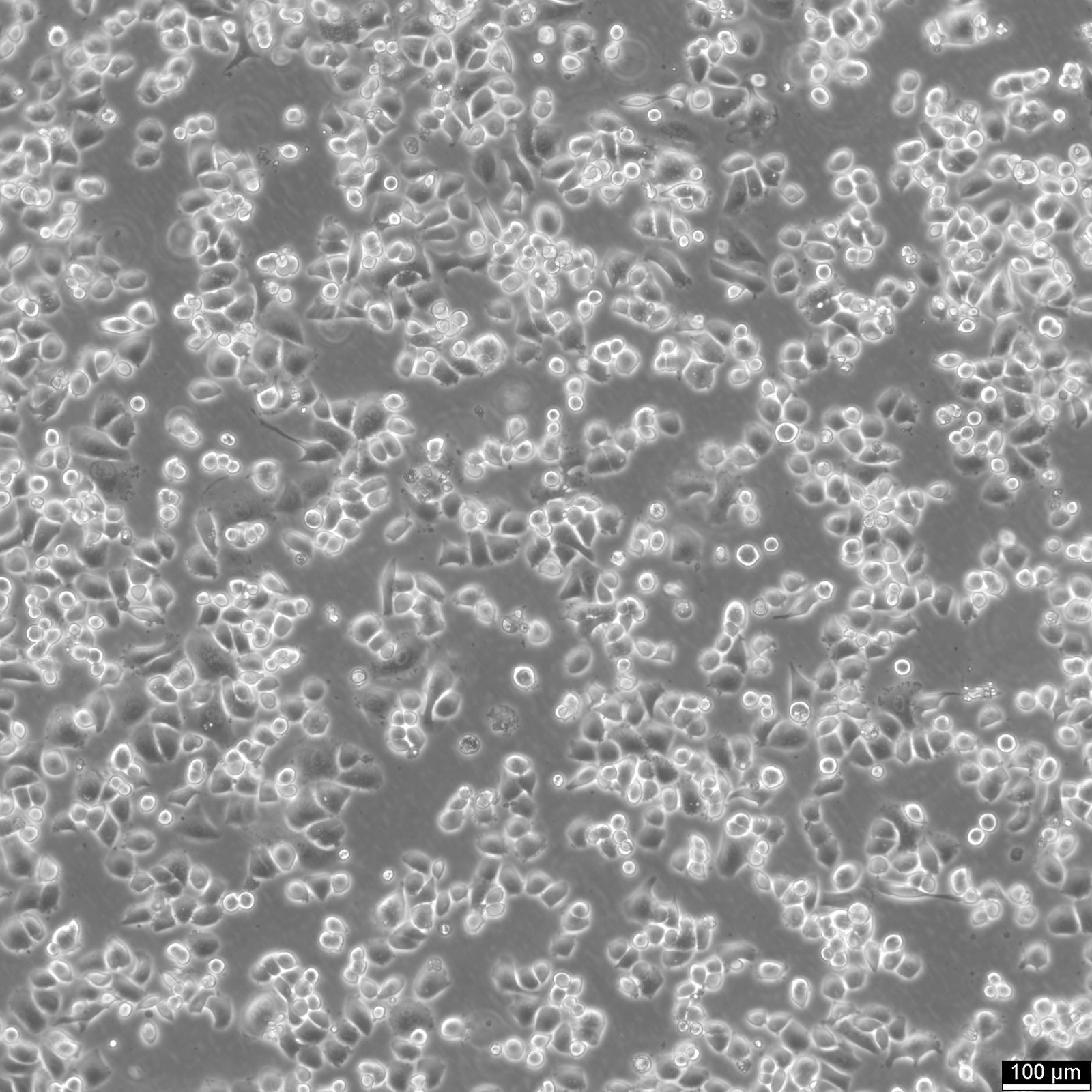
SK-BR-3 CellsOrganism Human Tissue Breast, mammary gland Disease Invasive ductal carcinoma USD$395.00*