
HaCaT-ras A5 Cells
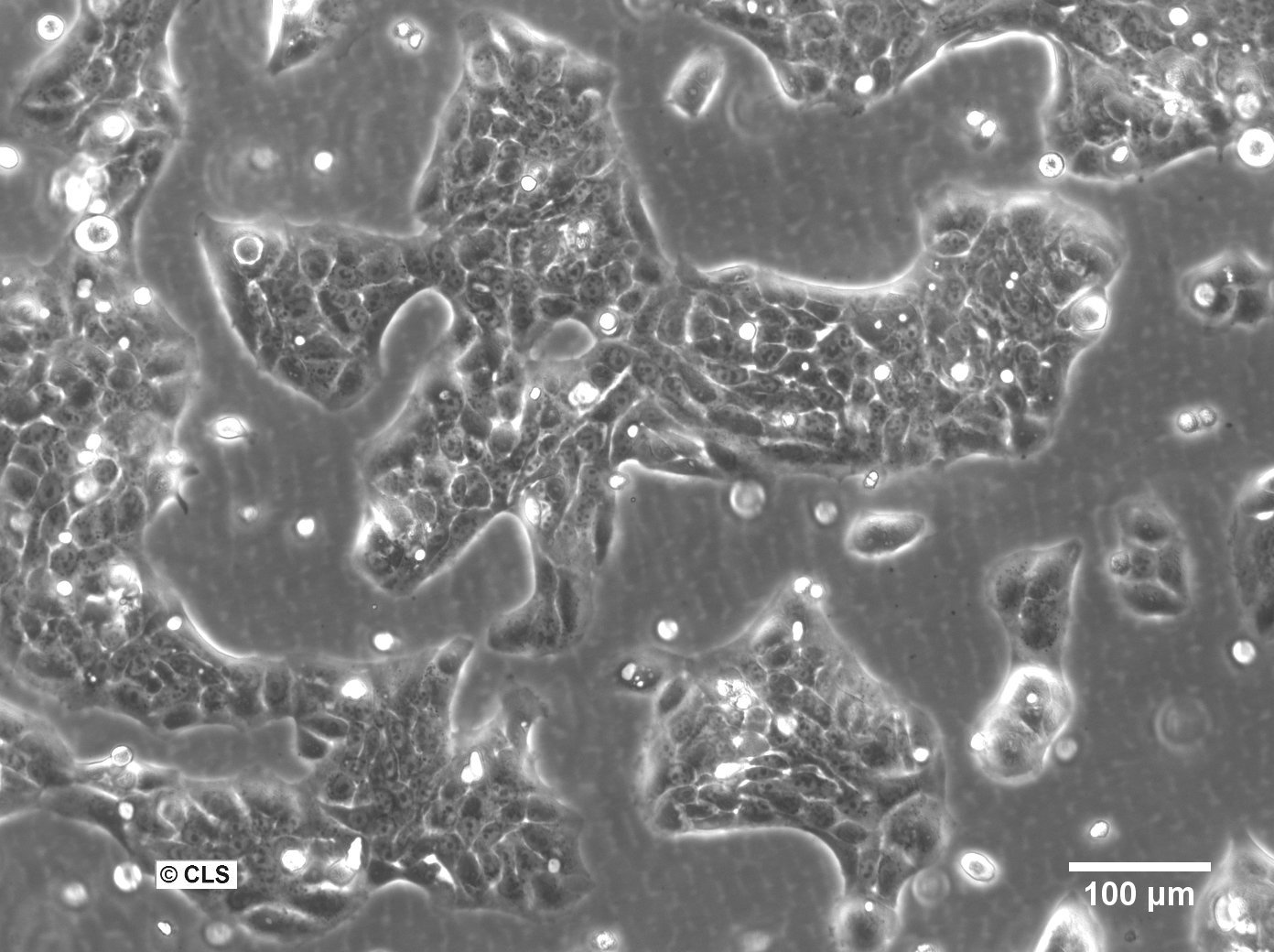
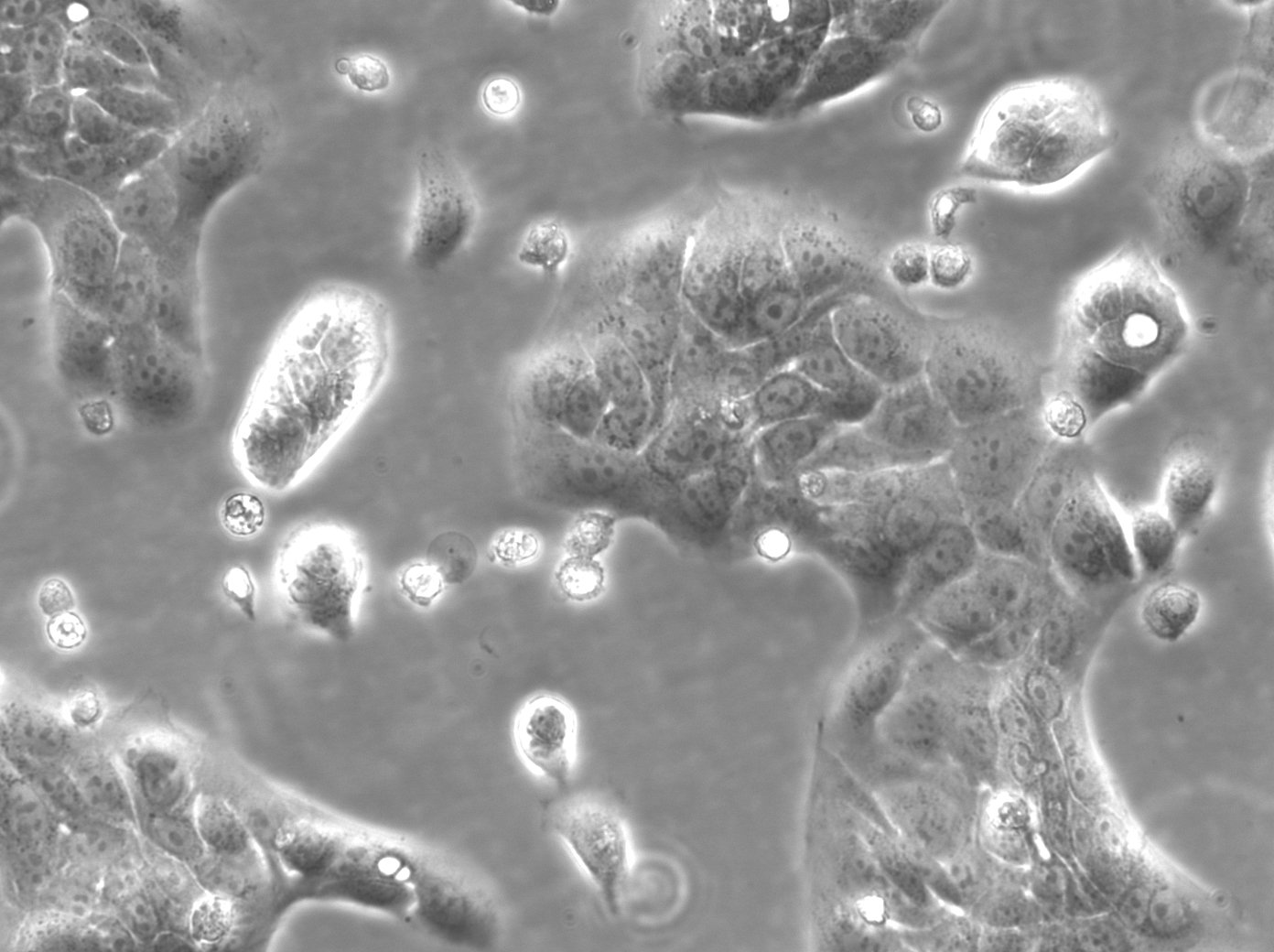
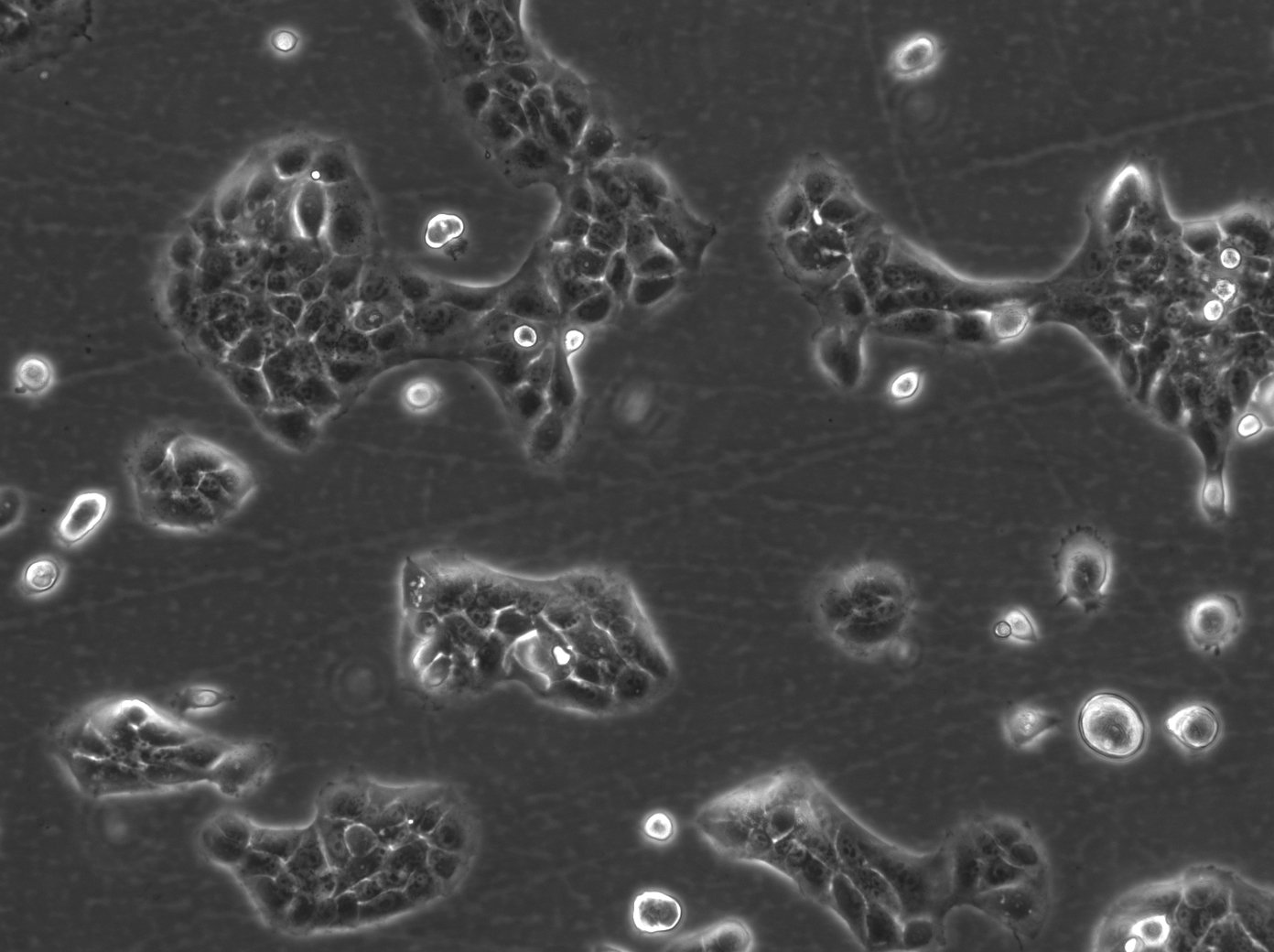
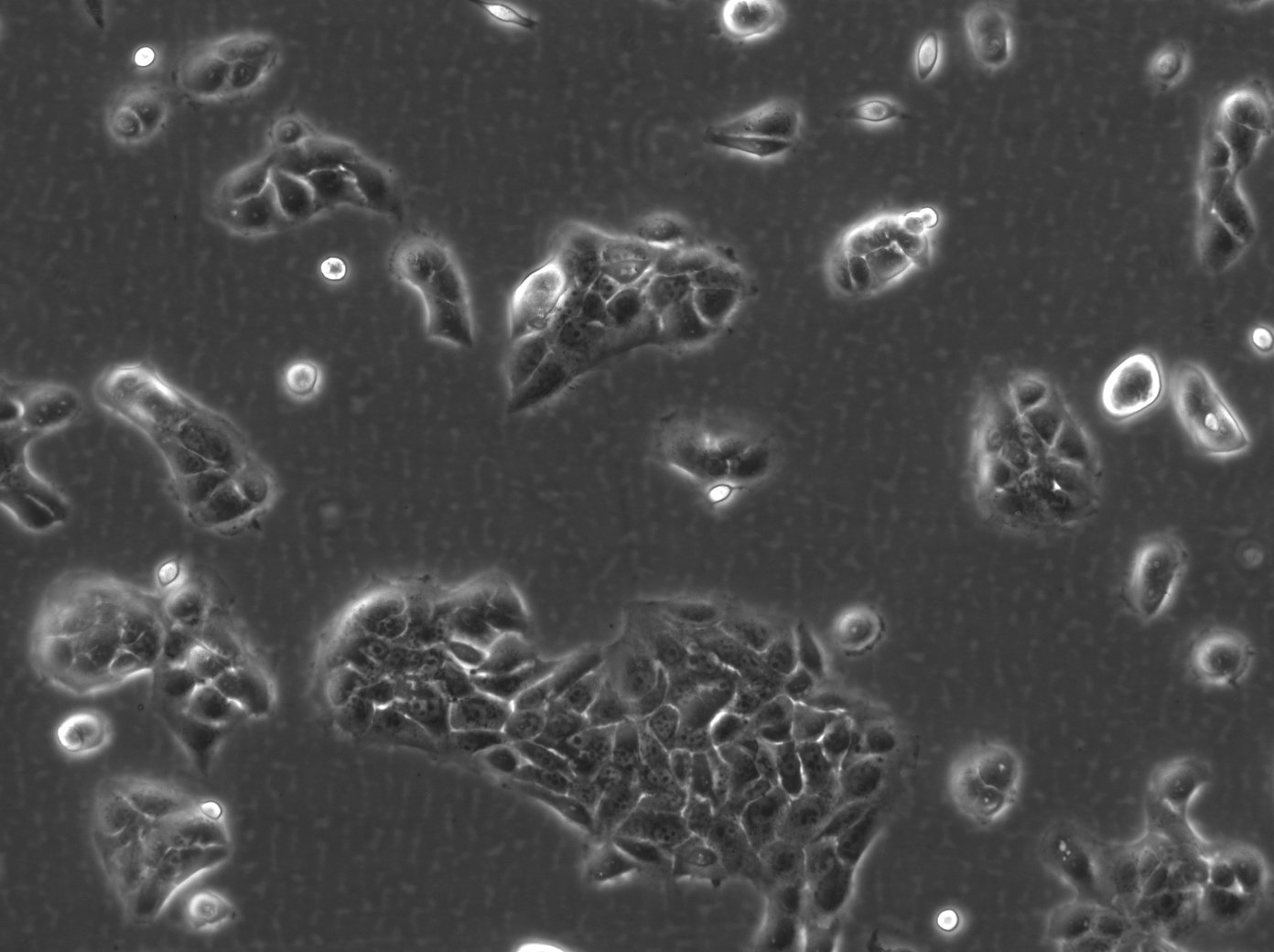
€800.00*
Products are shipped frozen on dry ice in cryotubes. Each cryotube typically contains 3 × 10⁶ cells for adherent lines or 5 × 10⁶ cells for suspension lines (refer to the batch CoA for details).
Third Party Agreement
Please note that this cell line is not available under a standard Cytion MTA, as it requires a third-party agreement and/or is subject to negotiation with the original licensor.-
Required products
Required products
 Freeze Medium CM-1 - 50 mlCryopreservation Media Variants: 50 mlCytion’s Freeze Medium CM-1 is a state-of-the-art cryopreservation medium designed to ensure the highest level of cell viability and functionality post-thaw. This versatile medium is suitable for a broad spectrum of cell types, including both human and animal cells, making it an essential tool for diverse research applications. Formulated with a meticulously balanced combination of cryoprotectants and essential nutrients, Freeze Medium CM-1 minimizes ice crystal formation and cellular stress during the freezing process, thus preserving cellular integrity.
Key features of Freeze Medium CM-1 include:
Broad Compatibility: Effective for a wide range of cell types, including primary cells, stem cells, and established cell lines.
High Viability: Optimized to maximize post-thaw cell recovery and viability, ensuring reliable experimental outcomes.
Ready-to-Use: Conveniently prepared and sterilized for immediate application, reducing preparation time and risk of contamination.
Enhanced Stability: Maintains consistent performance under standard cryopreservation conditions, ensuring reproducible results.
Long Shelf Life: CM-1 is a serum-containing, ready-to-use cryopreservation medium that can be stored in the refrigerator for up to one year.
Using CM-1 for Freezing Cells
To use CM-1 for freezing both adherent and suspension cells, follow these steps:
For adherent cells, wash and dissociate them from the culture substrate. For suspension cells, proceed directly to the next step.
Count the cells to ensure they are at the proper concentration.
Centrifuge the cells to pellet them, then resuspend in CM-1 freeze medium.
Transfer the resuspended cells into cryovials.
Use a slow-freezing method before transferring the cells to long-term storage.
Method
Description
Steps
❄️
Manual Freezing
A step-by-step method involving gradual temperature reduction to ensure cell viability.
1️⃣ Place cells in freeze medium in a 4°C freezer for 40 minutes.
2️⃣ Transfer to a -80°C freezer for 24 hours.
3️⃣ Store cells in liquid nitrogen for long-term preservation.
❄️
Using Mr. Frosty
A convenient device that allows for controlled freezing rates without electrical power.
1️⃣ Prepare cells in cryovials with freeze medium.
2️⃣ Place cryovials in Mr. Frosty container.
3️⃣ Store at -80°C for 24 hours before transferring to liquid nitrogen.
❄️
Controlled-Rate Freezer
A high-precision freezer by Thermo Fisher or other manufacturers designed for controlled temperature reduction.
1️⃣ Program the device to gradually decrease the temperature.
2️⃣ Place prepared cells in the freezer.
3️⃣ After the freezing cycle, transfer cells to liquid nitrogen.
Store the cryovials at temperatures below -130°C or in liquid nitrogen for long-term preservation.
Ingredients
Contains FBS, DMSO, Glucose, Salts
Buffering capacity: pH = 7.2 to 7.6
Cytion’s Freeze Medium CM-1 offers a reliable solution for cryopreservation, ensuring high cell viability and functionality post-thaw for a wide range of research applications.€59.00* DMEM, w: 4.5 g/L Glucose, w: 4 mM L-Glutamine, w: 3.7 g/L NaHCO3, w: 1.0 mM Sodium pyruvateDMEM (Dulbecco's Modified Eagle Medium) is a highly versatile and widely utilized basal medium designed to support the growth of a diverse range of mammalian cells in biological research. It serves as an ideal medium for culturing primary fibroblasts, neurons, glial cells, HUVECs, smooth muscle cells, as well as popular cell lines like HeLa, 293, Cos-7, and PC-12.
What sets DMEM apart from other media is its unique composition. It contains an impressive fourfold increase in amino acid and vitamin concentration compared to the original Eagle's Minimal Essential Medium. Initially developed with low glucose (1 g/L) and sodium pyruvate, DMEM is frequently employed with higher glucose levels, either with or without sodium pyruvate. Notably, DMEM does not contain proteins, lipids, or growth factors, necessitating supplementation. To achieve optimal growth, a common approach is to supplement DMEM with 10% Fetal Bovine Serum (FBS). Additionally, DMEM employs a sodium bicarbonate buffer system, requiring a 5-10% CO2 environment to maintain a physiological pH.
Dulbecco's Modified Eagle Medium (DMEM) is highly regarded among defined media for cell and tissue culture, catering to the growth needs of various adherent cell phenotypes. It surpasses the original Eagle's Medium, developed in the 1950s for cultivating chicken cells, through the enhanced supplementary formulation known as Dulbecco's modification. This modification significantly elevates the content of select amino acids and vitamins up to fourfold compared to the original medium.
In the field of cell culture, DMEM plays a vital role as a growth medium for different cell types, including primary cells, stem cells, and transformed cells. Researchers also employ the modified version of DMEM for a wide array of research applications, such as drug discovery, tissue engineering, and the study of cell signaling pathways.
Quality Control
Sterile-filtered
Storage and Shelf Life
Store at +2°C to +8°C, protected from light.
Once opened, store at 4°C and use within 6–8 weeks.
Shipping Conditions
Ambient temperature
Maintenance
Keep refrigerated at +2°C to +8°C in the dark. Avoid freezing and frequent warming to +37°C, as it reduces product quality.
Do not heat the medium beyond 37°C or use uncontrolled heat sources such as microwave appliances.
If only part of the medium is to be used, remove the required amount and warm it to room temperature before use.
Composition
Category
Components
Concentration (mg/L)
Amino Acids
Glycine
30.00
L-Arginine HCl
84.00
L-Cystine 2 HCl
62.57
L-Glutamine
584.00
L-Histidine HCl H2O
42.00
L-Isoleucine
105.00
L-Leucine
105.00
L-Lysine HCl
146.00
L-Methionine
30.00
L-Phenylalanine
66.00
L-Serine
42.00
L-Threonine
95.00
L-Tryptophan
16.00
L-Tyrosine 2 Na 2H2O
103.79
L-Valine
94.00
Vitamins
Choline chloride
4.00
D-Calcium Pantothenate
4.00
Folic Acid
4.00
myo-Inositol
7.20
Nicotinamide
4.00
Pyridoxal HCl
4.00
Riboflavin
0.40
Thiamine HCl
4.00
Inorganic Salts
CaCl2 2 H2O
265.00
Fe(NO3)3 9 H2O
0.10
KCl
400.00
MgSO4 7H2O
200.10
NaCl
6400.00
NaHCO3
3700.00
NaH2PO4 2H2O
141.73
Other Components
D-Glucose
4500.00
Phenol Red Sodium Salt
15.90
Sodium Pyruvate
110.00€25.00* Accutase Cell Detachment Solution - 100 mlVariants: 100 mlAccutase Cell Detachment Solution with EDTA and Phenol Red – 100 ml
Accutase is a ready-to-use, sterile-filtered cell detachment solution designed as a gentle alternative to trypsin/EDTA for dissociating adherent mammalian cells from standard tissue culture plasticware and adhesion-coated surfaces. It combines proteolytic and collagenolytic enzyme activity in a balanced salt solution to deliver effective yet controlled dissociation, preserving cell-surface proteins and supporting high post-passage viability and rapid reattachment.
The Accutase formulation is based on Dulbecco’s phosphate-buffered saline (DPBS) with EDTA and phenol red as a visual pH indicator. The enzymes are of non-mammalian and non-bacterial origin, making Accutase particularly well suited to stem cell research, vaccine workflows, and any application where animal
- or microbially-derived contaminants must be minimised. The solution auto-inhibits at 37 °C, so no neutralising reagent or serum-containing medium is required after detachment – cells can be transferred directly into fresh medium.
Key Features
Ready-to-use 1x sterile-filtered liquid – no dilution or reconstitution required
Combined proteolytic and collagenolytic enzyme activity for gentle dissociation
Each batch standardised to a defined dissociation activity for lot-to-lot consistency
Non-mammalian and non-bacterial enzyme origin
Auto-inhibits at 37 °C – no neutralising solution needed
Formulated in Dulbecco’s PBS with EDTA
Phenol red included as visual pH indicator
pH 6.8 – 7.8
Typical Applications
Accutase gently dissociates a wide variety of adherent and sensitive cell types, including human embryonic stem cells (hESCs), human induced pluripotent stem cells (iPSCs), neural stem cells, primary neurons, and routinely cultured adherent lines such as HeLa, HEK 293, CHO, MDCK, Vero, NIH/3T3, BHK-21 and A549. Typical use cases include:
Routine subculture and passaging of adherent mammalian cells
Gentle single-cell dissociation of hESCs, iPSCs and other sensitive lines
Sample preparation for flow cytometry and FACS analysis
Analysis of cell-surface markers where epitope integrity matters
Cell migration, proliferation and apoptosis assays
Quiescence assays by serum starvation and oncogene transfection studies
Tumor cell and neural crest cell migration assays
Production scale-up in bioreactor workflows
For routine work, apply approximately 10 ml of Accutase per 75 cm2 of culture surface and incubate for 5–10 minutes at room temperature. The optimal incubation time should be determined for each cell line and should not exceed one hour. Prior to addition, rinse the cell layer with a Ca2+/Mg2+-free salt solution such as DPBS without calcium and magnesium to remove residual serum and divalent cations.
Handling & Storage
Store the unopened bottle frozen at -15 °C or below. Thaw either at room temperature or overnight at +2 °C to +8 °C. Do not thaw Accutase in a 37 °C water bath, as elevated temperatures reduce enzyme activity. After thawing, the solution can be stored for up to 2 months at +2 °C to +8 °C; do not store at room temperature. Do not pre-warm the reagent to 37 °C before application – add it directly to washed cells at room temperature. For long-term shelf life, single-use aliquoting is recommended to avoid repeated thaw cycles. Always work under aseptic conditions.
Quality
Manufactured under strict quality standards. Each batch of Accutase is sterile-filtered and tested for sterility, pH, appearance and dissociation activity to ensure consistent, reproducible performance from lot to lot.
Product Specifications
Specification
Detail
Product typeCell detachment / dissociation reagent
FormatSterile-filtered liquid, ready-to-use
Volume100 ml
Working concentration1x (ready-to-use)
Enzyme activityCombined proteolytic and collagenolytic
Enzyme originNon-mammalian and non-bacterial
Buffer systemDulbecco’s PBS with EDTA
pH indicatorPhenol red
pH range6.8 – 7.8
AppearanceClear, pale red to orange solution
Storage temperature-15 °C or below
Stability after thawingUp to 2 months at +2 °C to +8 °C
Recommended use volume~10 ml per 75 cm2 culture surface
Typical incubation time5 – 10 minutes at room temperature
Shipping conditionsFrozen on dry ice
Intended useFor research use and further manufacturing only
Formulation (Composition per Liter)
Component
Concentration (mg/L)
Inorganic Salts
Sodium chloride (NaCl)8000.00
Disodium hydrogen phosphate (Na2HPO4)1150.00
Potassium chloride (KCl)200.00
Potassium dihydrogen phosphate (KH2PO4)200.00
Other Components
EDTA · 4Na (tetrasodium EDTA)220.00
Phenol red3.00
Proprietary enzyme blend (proteolytic and collagenolytic activity)1x
Accutase is a registered trademark of Innovative Cell Technologies, Inc.€75.00* Antibiotic/Antimycotic Solution (100x)Product Overview
Volume: 100 ml
Storage: ≤-15°C
Sterility: Sterile-filtered
Antibiotic/Antimycotic Solution (100x) is a sterile, ready-to-use concentrate designed to reduce microbial contamination risks in cell culture and related laboratory applications. This 100x solution contains a well-established combination of penicillin, streptomycin, and amphotericin B—providing broad-spectrum antimicrobial activity against Gram-positive and Gram-negative bacteria, yeasts, and filamentous fungi. The formulation is suitable for use in eukaryotic cell cultures, bacterial media, and other contamination-sensitive systems, supporting clean and consistent lab operations.
Application and Benefits Optimized for routine research protocols, this solution is widely used to maintain aseptic conditions in cell culture workflows. It offers reliable performance in contamination-sensitive environments, helping researchers reduce the risk of microbial overgrowth without compromising cell health or experimental reproducibility. The sterile-filtered formulation eliminates the need for additional solubilization steps, supporting streamlined media preparation and reducing variability in daily lab procedures.
Usage and Compatibility To achieve standard working concentrations, dilute the solution 1:100 into your complete culture medium. The product is compatible with a broad range of mammalian cell lines and basal media. With consistent stock availability, researchers benefit from dependable supply continuity and simplified logistics planning. The solution should be stored at ≤ –15 °C and protected from repeated freeze-thaw cycles to maintain stability. For research use only. Not for use in diagnostic or therapeutic procedures. Not for use in humans or animals.€45.00* FBS, Fetal Bovine Serum, US-Origin, 50 mlSourced from the United States, this sterile-filtered Fetal Bovine Serum (FBS) provides a consistent foundation for cell culture applications. Every batch undergoes quality control screening for sterility, mycoplasma, and bovine viruses. Additionally, each lot is biologically validated to confirm its ability to support the growth of CHO and HEK293 cell lines. The serum is packaged in 50 mL and 500 mL volumes. Batch-specific Certificates of Analysis (CoA) are available upon request.
Product Specifications
Appearance
Clear amber liquid
Storage and shelf life
Store at ≤-15°C.Avoid repeated freeze-thaw cycles. Preparation of aliquots recommended.Once opened store at 4°C and use within 4-6 weeks.
Shipping conditions
Frozen (Dry ice)
Thawing
Overnight at +2°C to +8°C. Swirl gently to homogenize.€52.00* PBSPhosphate-Buffered Saline (PBS) Solution
Phosphate-buffered saline (PBS) is a widely used buffer solution in biological and chemical research. It plays a crucial role in maintaining the pH balance and osmolarity during various experimental procedures, including tissue processing and cell culture. Our PBS solution is meticulously formulated with high-purity ingredients to ensure stability and reliability in every experiment. The osmolarity and ion concentrations of our PBS closely mimic those of the human body, making it isotonic and non-toxic to most cells.
Composition of Our PBS Solution
Our PBS solution is a pH-adjusted blend of ultrapure-grade phosphate buffers and saline solutions. At a 1X working concentration, it contains:
8000 mg/L Sodium chloride (NaCl)
200 mg/L Potassium chloride (KCl)
1150 mg/L Sodium phosphate dibasic anhydrous (Na2HPO4)
200 mg/L Potassium phosphate monobasic anhydrous (KH2PO4)
This composition ensures an optimal pH and ionic balance, suitable for a wide range of biological applications.
Applications of Our PBS Solution
Our PBS solution is ideal for various applications in biological research. Its isotonic and non-toxic properties make it suitable for substance dilution and cell container rinsing. PBS solutions containing EDTA are effective for disengaging attached and clumped cells. However, divalent metals such as zinc should not be added to PBS, as this can cause precipitation. In such cases, Good's buffers are recommended. Additionally, our PBS solution is an acceptable alternative to viral transport medium for the transport and storage of RNA viruses, including SARS-CoV-2.
Quality Control
Sterile-filtered
Storage and Shelf Life
Store at +2°C to +25°C, protected from light.
Once opened, store at 2°C to 25°C and use within 24 months.
Shipping Conditions
Ambient temperature
Maintenance
Keep refrigerated at +2°C to +8°C in the dark. Avoid freezing and frequent warming to +37°C, as it reduces product quality.
Do not heat the medium beyond 37°C or use uncontrolled heat sources such as microwave appliances.
If only part of the medium is to be used, remove the required amount and warm it to room temperature before use.
Composition
Category
Components
Concentration (mg/L)
Salts
Potassium chloride
200
Potassium phosphate monobasic anhydrous
200
Sodium chloride
8000
Sodium phosphate dibasic anhydrous
1150€20.00*
 Powered by Bioz