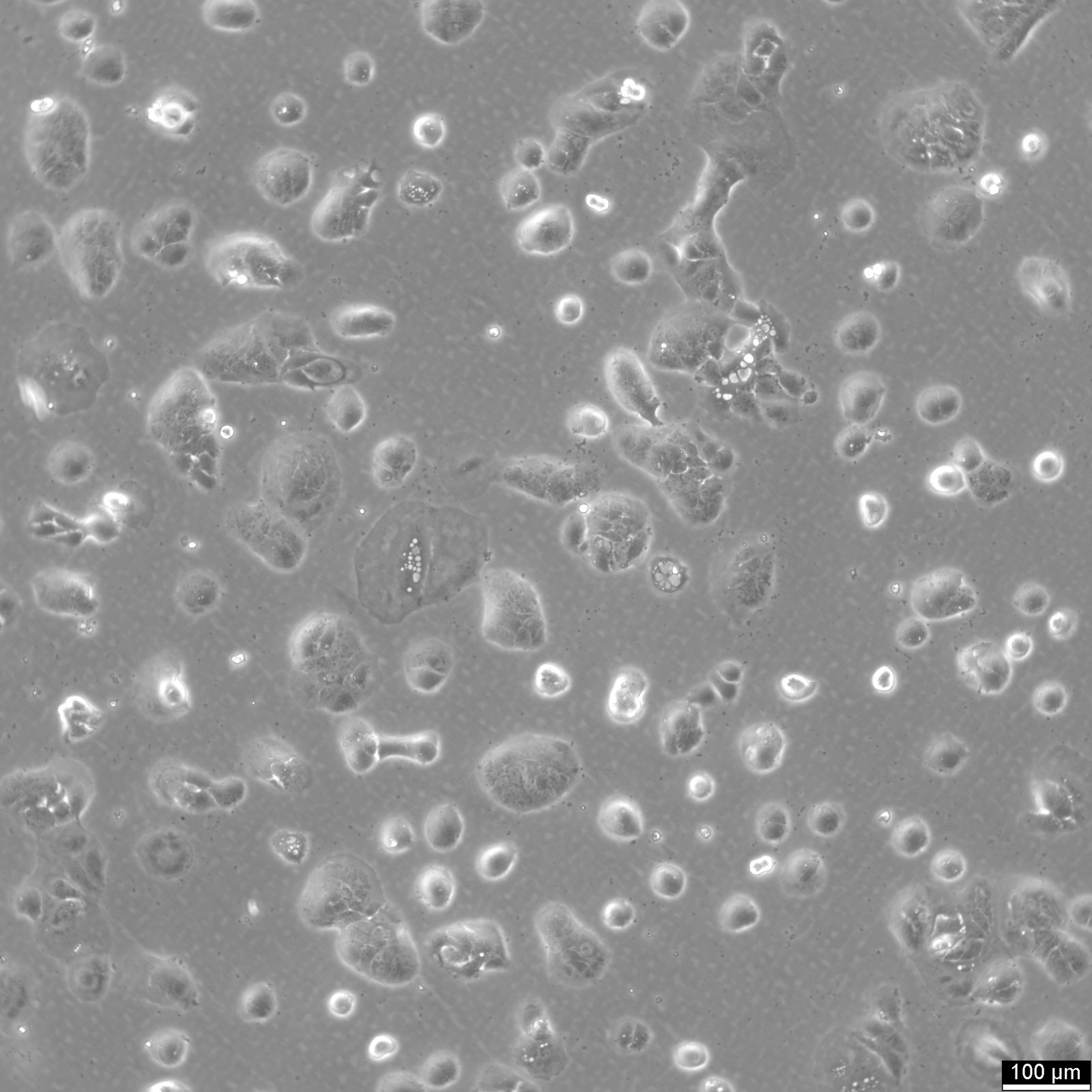
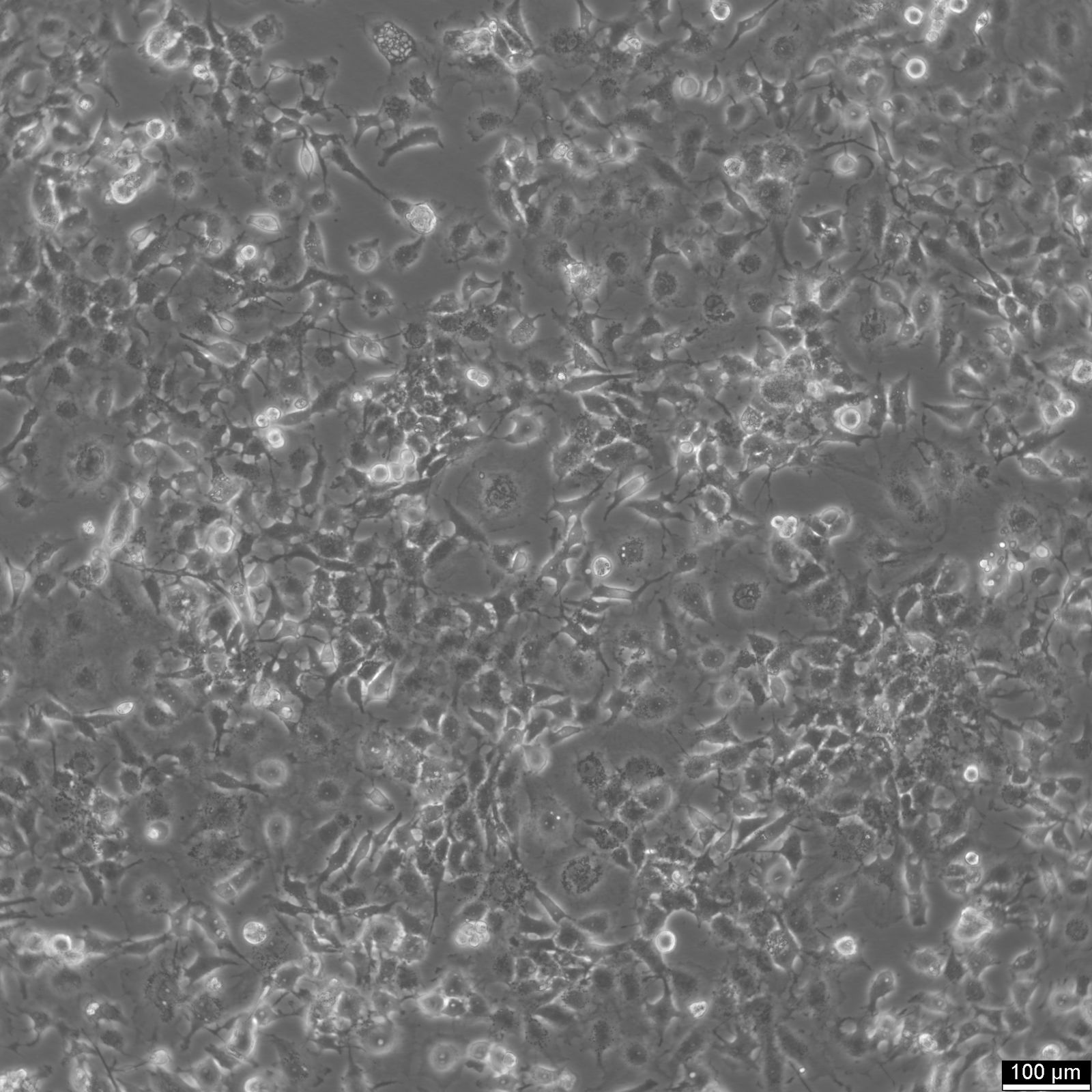
MDA-MB-231 Cells
General information
| Description | The MDA-MB-231 cell line is a widely used model in breast cancer research. Derived from a human breast adenocarcinoma, these cells are characterized by their aggressive and invasive nature, making them an ideal model for studying triple-negative breast cancer (TNBC). MDA-MB-231 cells lack estrogen receptors (ER), progesterone receptors (PR), and HER2 amplification, which are typical markers used to classify and treat breast cancers. Consequently, these cells are resistant to hormonal therapies, reflecting the clinical challenges faced in managing TNBC. Their mesenchymal-like phenotype and ability to form tumors in immunocompromised mice further contribute to their utility in cancer research. Genetically, MDA-MB-231 cells harbor mutations in key oncogenes and tumor suppressor genes such as TP53, KRAS, and BRAF. These genetic alterations play a crucial role in driving their malignancy and metastatic potential. Researchers use this cell line to investigate the molecular mechanisms underlying cancer progression, metastasis, and drug resistance. MDA-MB-231 cells are also employed in high-throughput screening for potential therapeutic agents, as their aggressive behavior provides a stringent test for new anti-cancer drugs. The cell line's robust response to various stimuli makes it an invaluable tool for deciphering the complex biology of triple-negative breast cancer. |
|---|---|
| Organism | Human |
| Tissue | Breast |
| Disease | Adenocarcinoma |
| Metastatic site | Pleural effusion |
| Synonyms | MDA_MB_231, MDA-MB 231, MDA.MB.231, MDA MB 231, MDA MB231, MDA Mb231, MDA-MB231, MDAMB-231, MDAMB231, MDA-231, MDA-231P, MDA231, MDA231-BRE, MB231, MD Anderson-Metastatic Breast-231 |
Characteristics
| Age | 51 years |
|---|---|
| Gender | Female |
| Ethnicity | European |
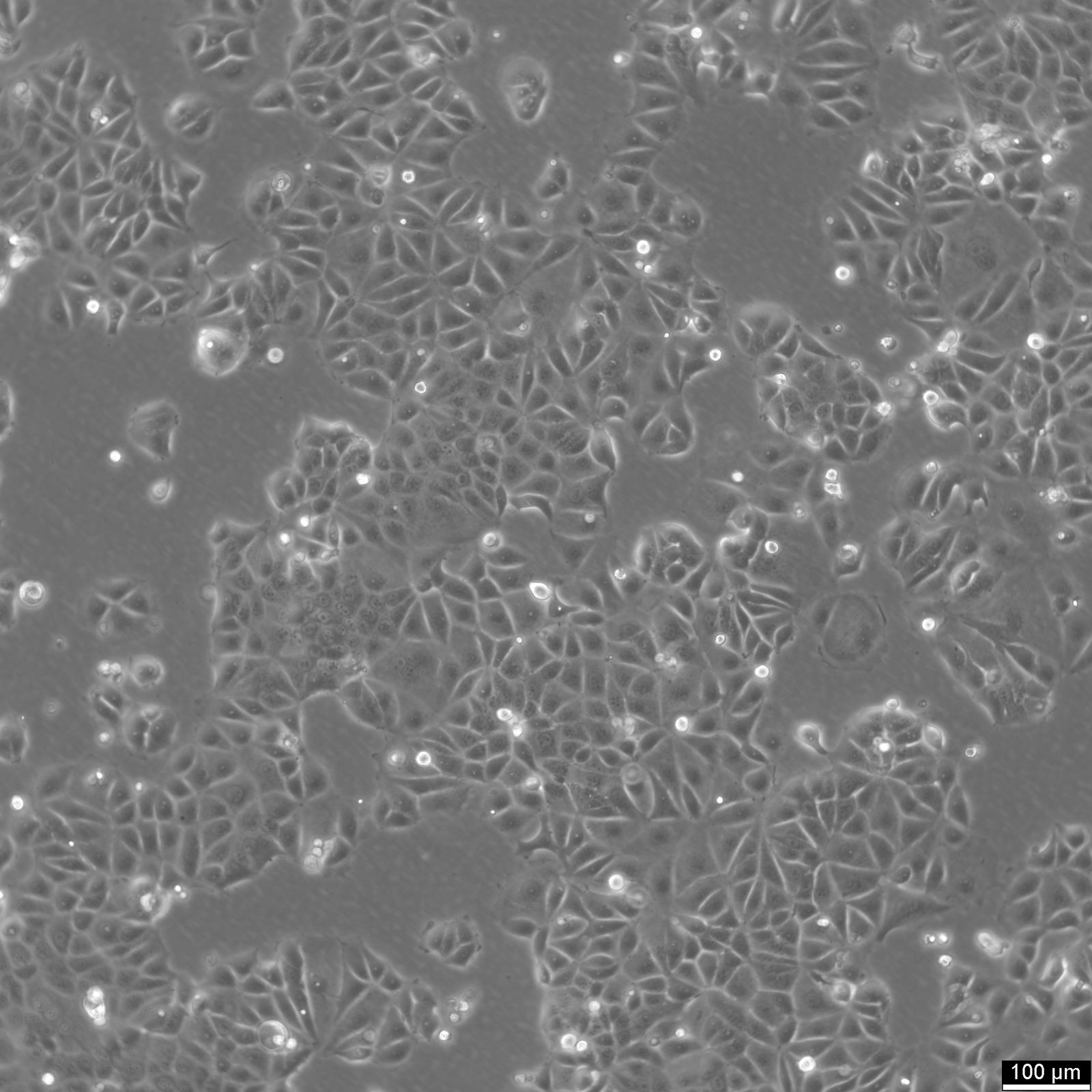
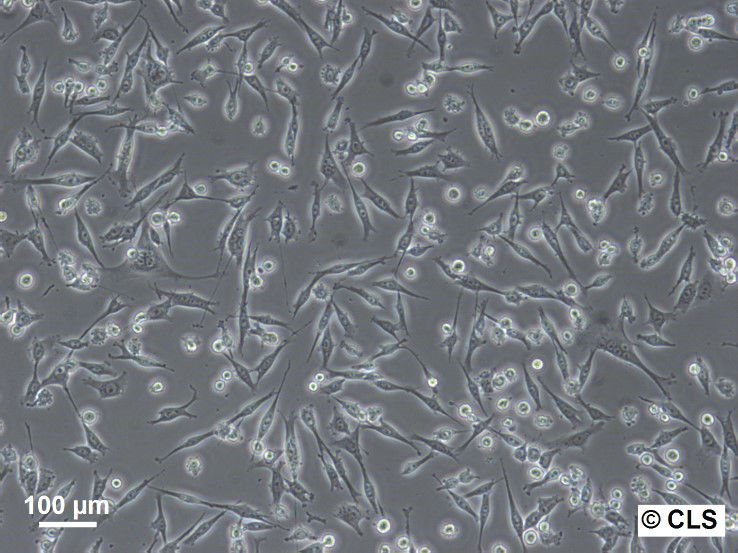
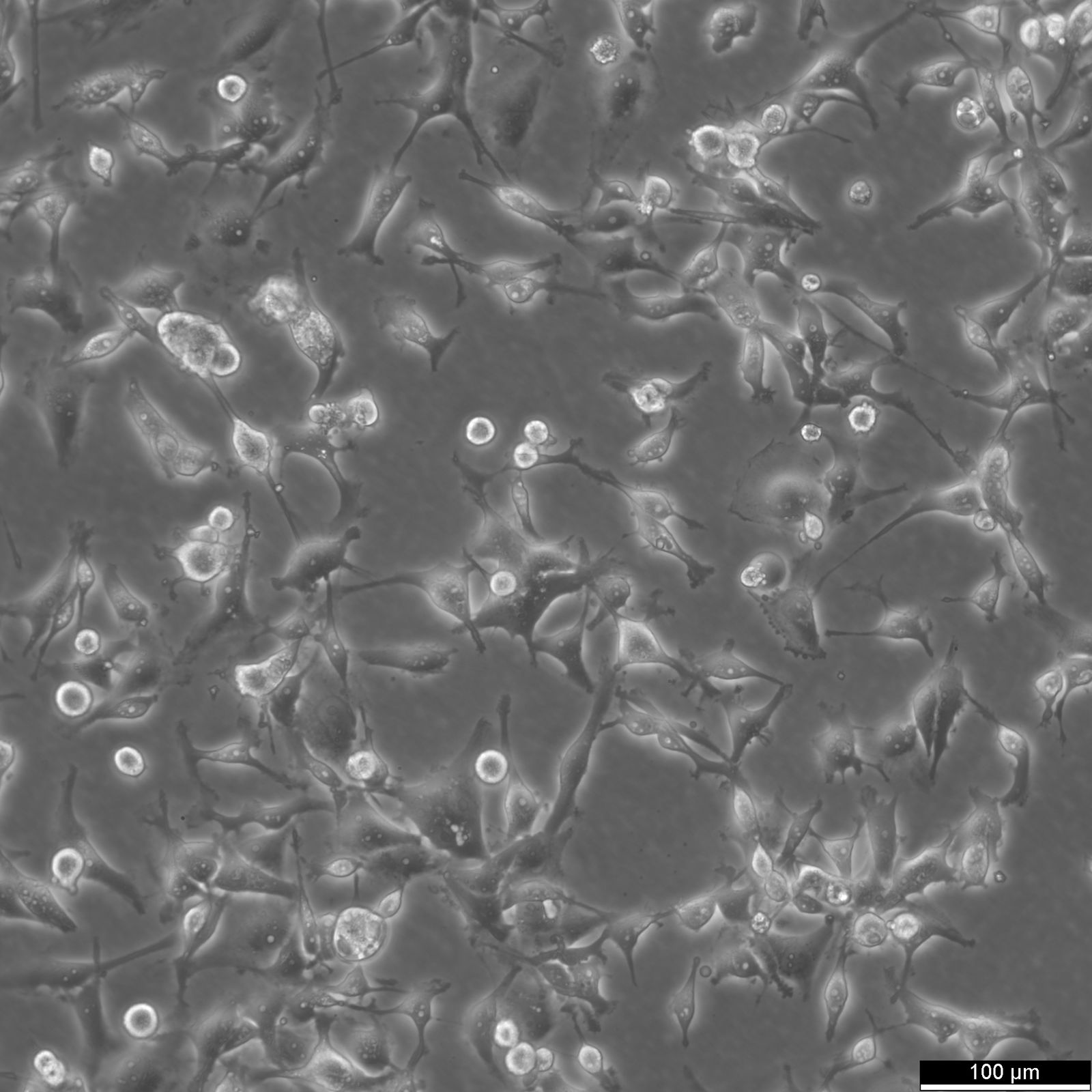
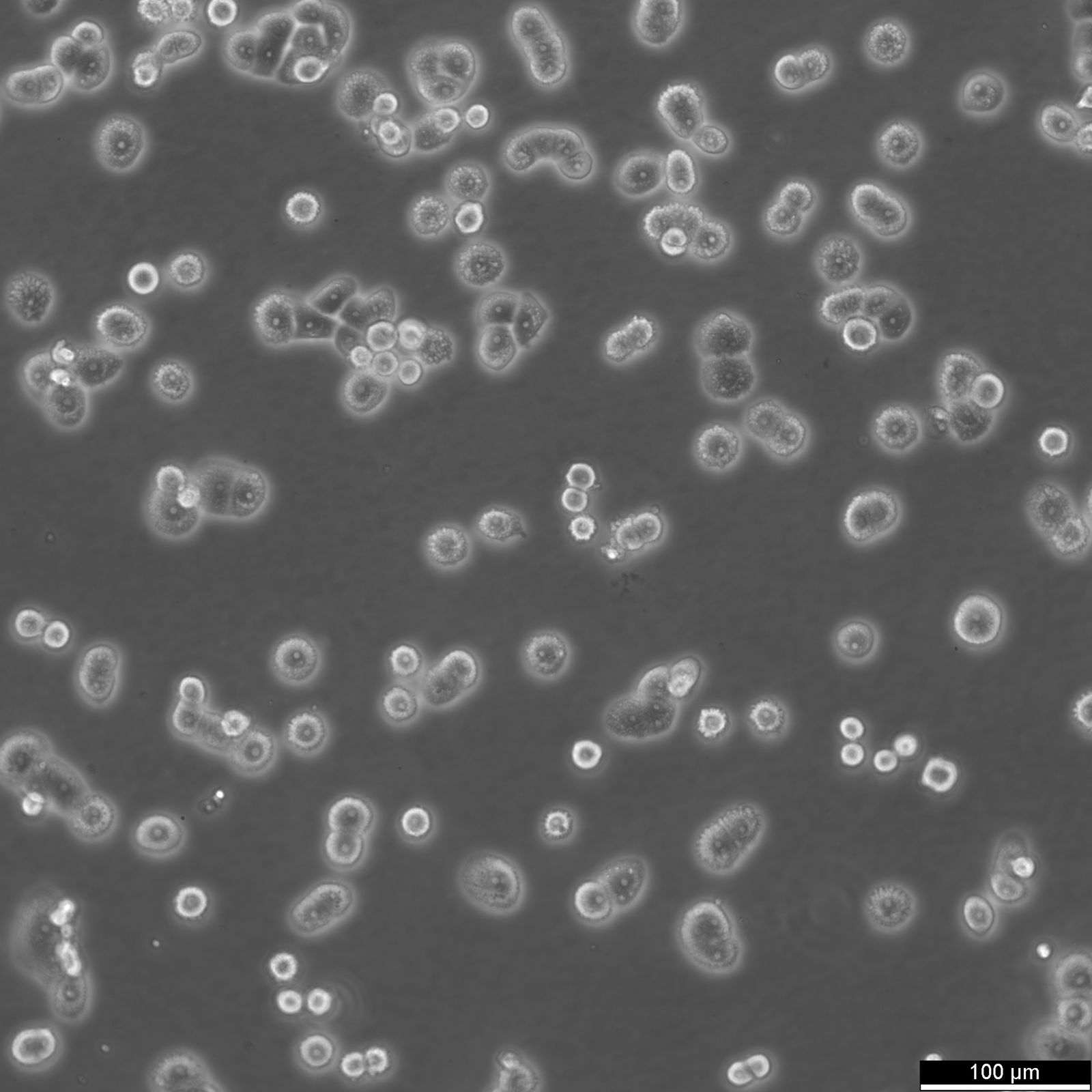
| Morphology | Epithelial |
| Growth properties | Adherent |
Regulatory Data
| Citation | MDA-MB-231 (Cytion catalog number 300275) |
|---|---|
| Biosafety level | 1 |
| NCBI_TaxID | 9606 |
| CellosaurusAccession | CVCL_0062 |
Biomolecular Data
Handling
| Culture Medium | DMEM:Ham's F12 (1:1), w: 3.1 g/L Glucose, w: 2.5 mM L-Glutamine, w: 15 mM HEPES, w: 0.5 mM Sodium pyruvate, w: 1.2 g/L NaHCO3 (Cytion article number 820400a) |
|---|---|
| Subculturing | Remove the old medium from the adherent cells and wash them with PBS that lacks calcium and magnesium. For T25 flasks, use 3-5 ml of PBS, and for T75 flasks, use 5-10 ml. Then, cover the cells completely with Accutase, using 1-2 ml for T25 flasks and 2.5 ml for T75 flasks. Let the cells incubate at room temperature for 8-10 minutes to detach them. After incubation, gently mix the cells with 10 ml of medium to resuspend them, then centrifuge at 300xg for 3 minutes. Discard the supernatant, resuspend the cells in fresh medium, and transfer them into new flasks that already contain fresh medium. |
| Split ratio | 1:2 to 1:4 |
| Fluid renewal | 2 to 3 times per week |
| Freeze medium | As a cryopreservation medium, use complete growth medium (including FBS) + 10% DMSO for adequate post-thaw viability, or CM-1 (Cytion catalog number 800100), which includes optimized osmoprotectants and metabolic stabilizers to enhance recovery and reduce cryo-induced stress. |
Quality Control & Molecular Analysis
| Sterility | Mycoplasma contamination is excluded using both PCR-based assays and luminescence-based mycoplasma detection methods. To ensure there is no bacterial, fungal, or yeast contamination, cell cultures are subjected to daily visual inspections. |
|---|---|
| STR profile |
PEZ6: LS174T
|
Certificate of Analysis (CoA)
| Lot Number | Certificate Type | Date | Catalog Number |
|---|---|---|---|
| 300275-310524 | Certificate of Analysis | 23. May. 2025 | 300275 |
| 300275-190824 | Certificate of Analysis | 21. Jul. 2025 | 300275 |