WERI-Rb-1 Cells
545,10 CAD$*
Products are shipped frozen on dry ice in cryotubes. Each cryotube typically contains 3 × 10⁶ cells for adherent lines or 5 × 10⁶ cells for suspension lines (refer to the batch CoA for details).
Renseignements généraux
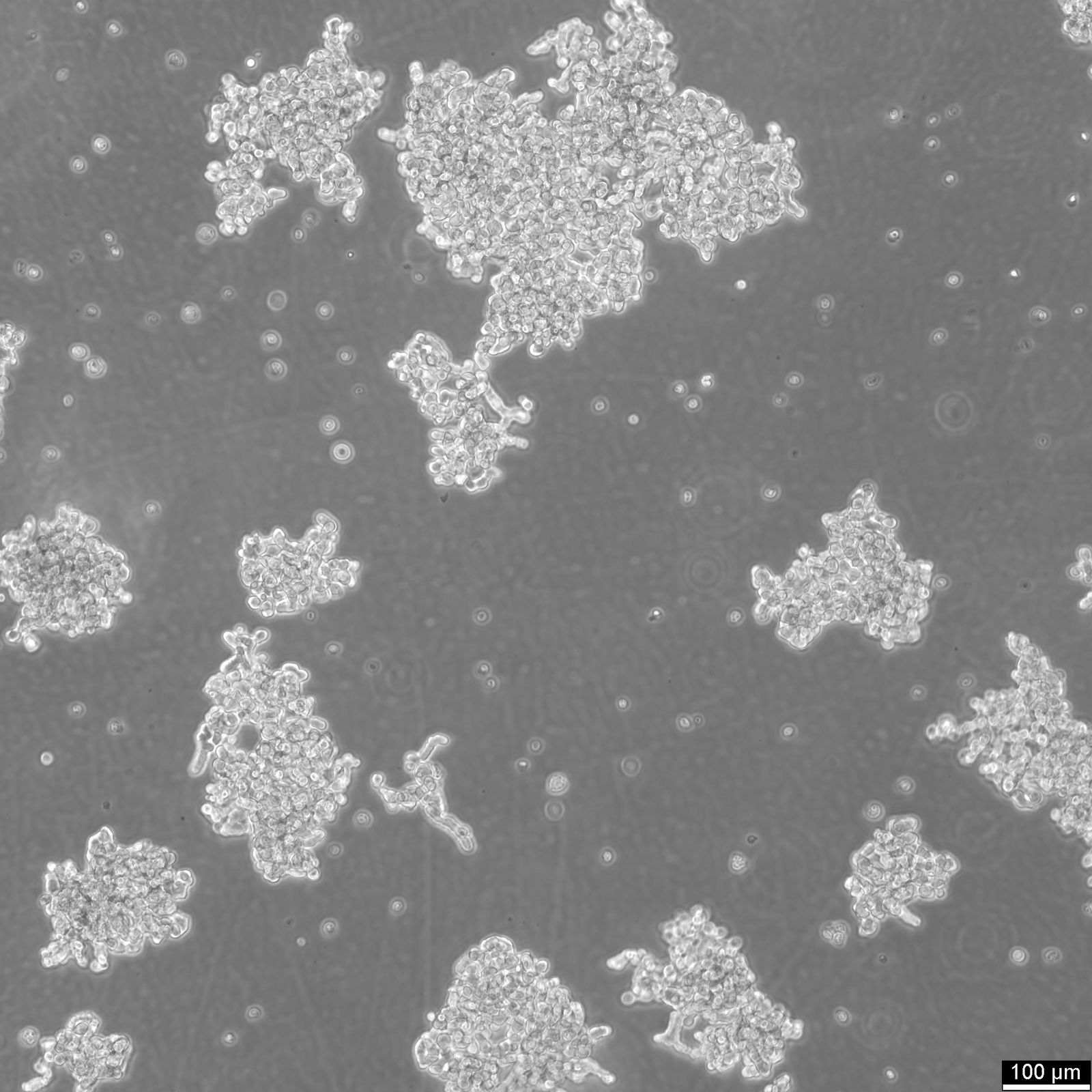
| Description | The WERI-Rb-1 cell line is derived from a retinoblastoma, a rare malignant tumor of the retina that typically manifests in early childhood. This cell line was established to provide a consistent and replicable model for the study of retinoblastoma biology, offering insights into the genetic, molecular, and cellular mechanisms underlying this form of cancer. WERI-Rb-1 cells are particularly valued in oncological research for their utility in investigating the pathophysiological processes and potential therapeutic targets for retinoblastoma. WERI-Rb-1 cells exhibit characteristics typical of retinoblastoma, including the expression of neuronal markers and the capability to form cell aggregates resembling Flexner-Wintersteiner rosettes, a hallmark of retinoblastoma histology. These cells have been used extensively to study the role of oncogenes and tumor suppressor genes in cancer development, with a focus on the RB1 gene, mutations of which are pivotal in the etiology of retinoblastoma. Furthermore, WERI-Rb-1 serves as an important tool in the evaluation of chemotherapeutic agents and novel drug delivery systems aimed at improving treatment outcomes for retinoblastoma patients. |
|---|---|
| Organisme | Human |
| Tissu | Eye |
| Maladie | Retinoblastoma |
| Applications | 3D cell culture |
| Synonymes | WERI-RB-1, WERI-Rb 1, WERI-Rb1, WERI-RB1, WERI Rb-1, WERIRb1, WERI, Wills Eye Research Institute-Retinoblastoma-1 |
Caractéristiques
| Âge | 1 year |
|---|---|
| Genre | Female |
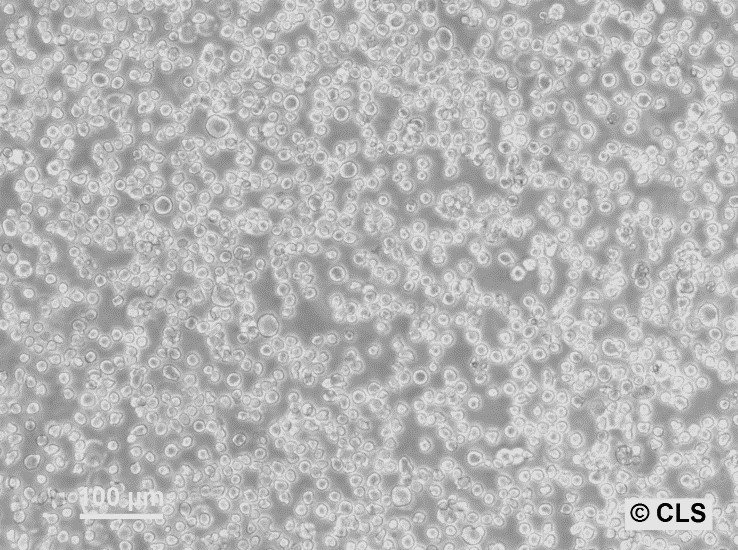
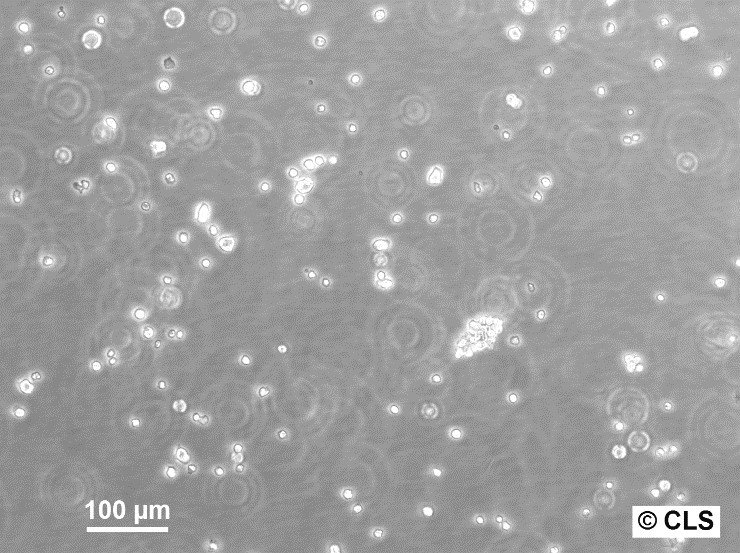
| Morphologie | Round cells |
| Propriétés de croissance | Suspension |
Données réglementaires
| Référence | WERI-Rb-1 (Cytion catalog number 300632) |
|---|---|
| Niveau de biosécurité | 1 |
| NCBI_Numéro d'identification fiscale | 9606 |
| Cellosaurus - Numéro d'enregistrement | CVCL_1792 |
Données biomoléculaires
| Isoenzymes | ES-D, 1, G6PD, B, GLO-I, 2, Me-2, 1, PGM1, 1, PGM3, 0 |
|---|---|
| Tumorigène | Yes, in rabbits |
| Virus | EBV -, HBV -, HCV -, HHV-8 -, HIV-1 -, HIV-2 -, HTLV-1/2 -, MLV -, SMRV - |
| Transcriptase inverse | Negative |
| Caryotype | Human pseudodiploid karyotype with 3.9% polyploidy - 46(41-48)<2n>xx, +6, -10, -10, -14, -22, +3mar, add(3)(q25), add(3)(q25), add(4)(p15), add(5)(q35), i(6q), del(7)(p21), add(9)(q33), der(13)x2, add(16)(q23), add(16)(q23), i(17q), add(19)(q13) - apparently (uniparental?) disomic rearrangement of ch 13 - corresponds to reported karyotype |
Manipulation
| Milieu de culture | RPMI 1640, w: 2.0 mM stable Glutamine, w: 2.0 g/L NaHCO3 (Cytion article number 820700a) |
|---|---|
| Suppléments | Supplement the medium with 10% FBS and 0.01 mg/mL insulin |
| Repiquage | Gently homogenize the cell suspension in the flask by pipetting up and down, then take a representative sample to determine the cell density per ml. Dilute the suspension to achieve a cell concentration of 1 x 10⁵ cells/ml with fresh culture medium, and aliquot the adjusted suspension into new flasks for further cultivation. |
| Milieu de congélation | As a cryopreservation medium, we use 50% basal medium + 40% FBS + 10% DMSO, or CM-1 (Cytion catalog number 800100), which includes optimized osmoprotectants and metabolic stabilizers to enhance recovery and reduce cryo-induced stress. |
| Décongélation et culture des cellules |
|
| Atmosphère d'incubation | 37°C, 5% CO2, humidified atmosphere. |
| Conditions d'expédition | Cryopreserved cell lines are shipped on dry ice in validated, insulated packaging with sufficient refrigerant to maintain approximately −78 °C throughout transit. On receipt, inspect the container immediately and transfer vials without delay to appropriate storage. |
| Conditions d'entreposage | For long-term preservation, place vials in vapor-phase liquid nitrogen at about −150 to −196 °C. Storage at −80 °C is acceptable only as a short interim step before transfer to liquid nitrogen. |
Contrôle de la qualité et analyse moléculaire
| Stérilité | Mycoplasma contamination is excluded using both PCR-based assays and luminescence-based mycoplasma detection methods. To ensure there is no bacterial, fungal, or yeast contamination, cell cultures are subjected to daily visual inspections. |
|---|
Certificat d'analyse (CoA)
| Numéro de lot | Type de certificat | Date | Numéro de catalogue |
|---|---|---|---|
| 300632-120624 | Certificat d'analyse | 23. May. 2025 | 300632 |
-
Related products
Related products