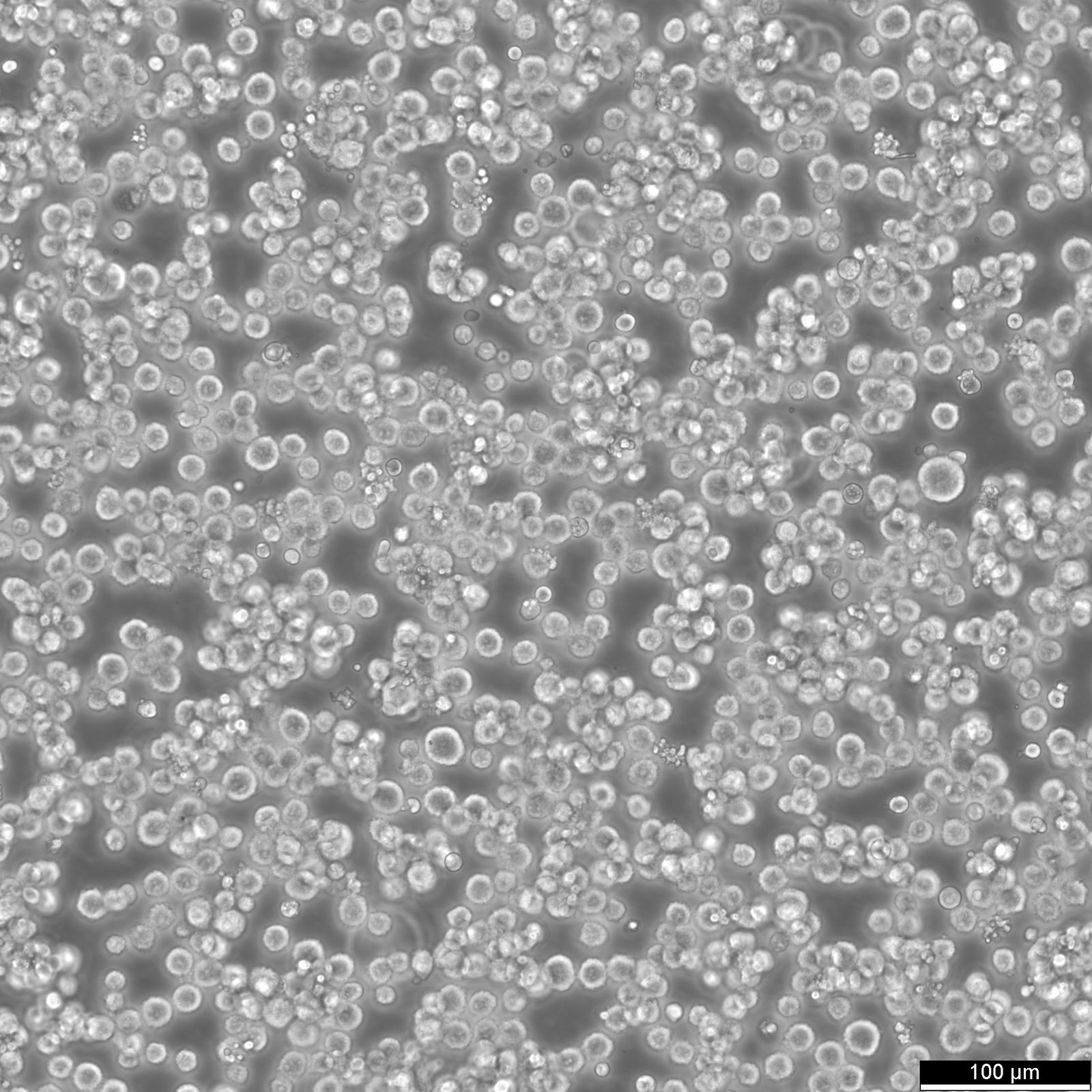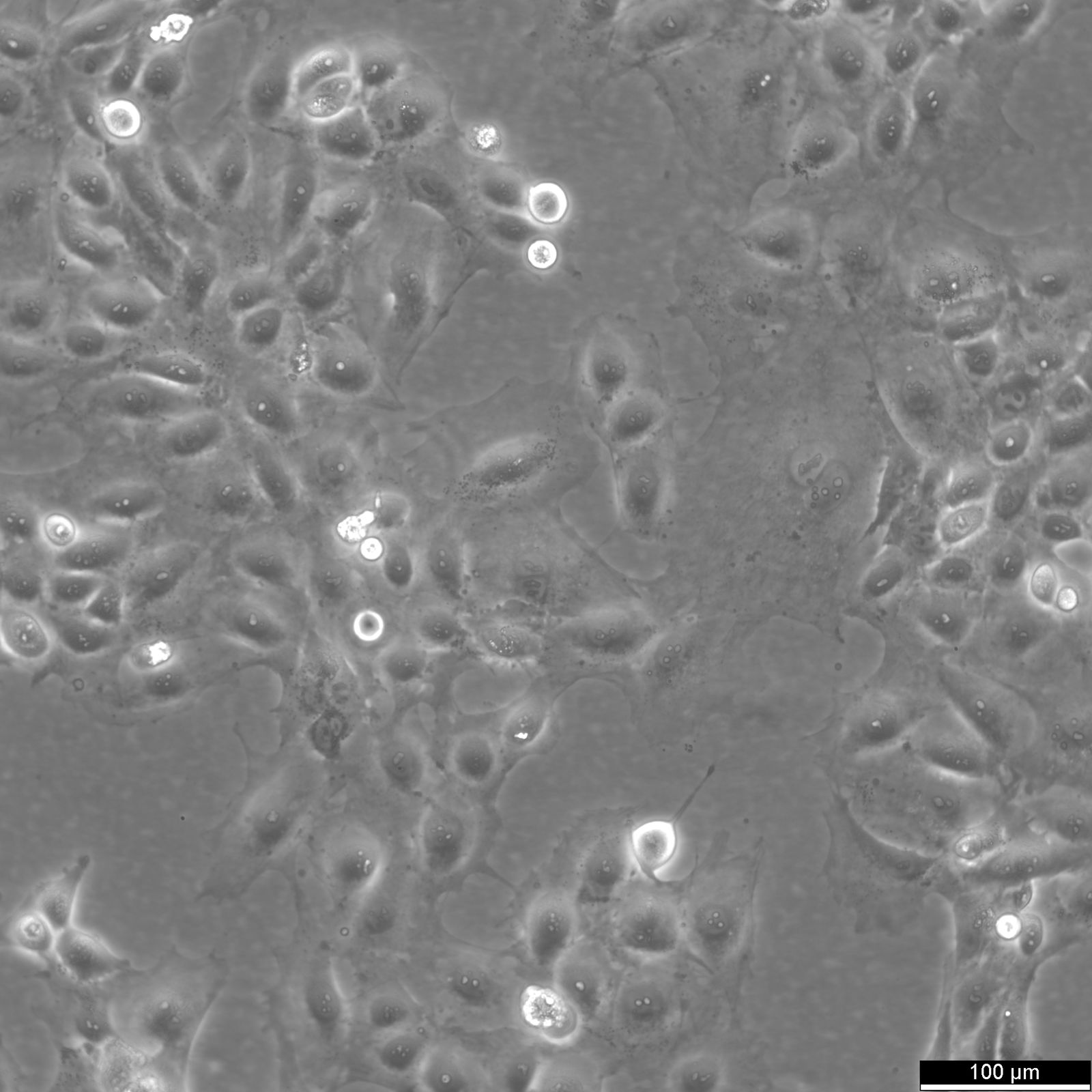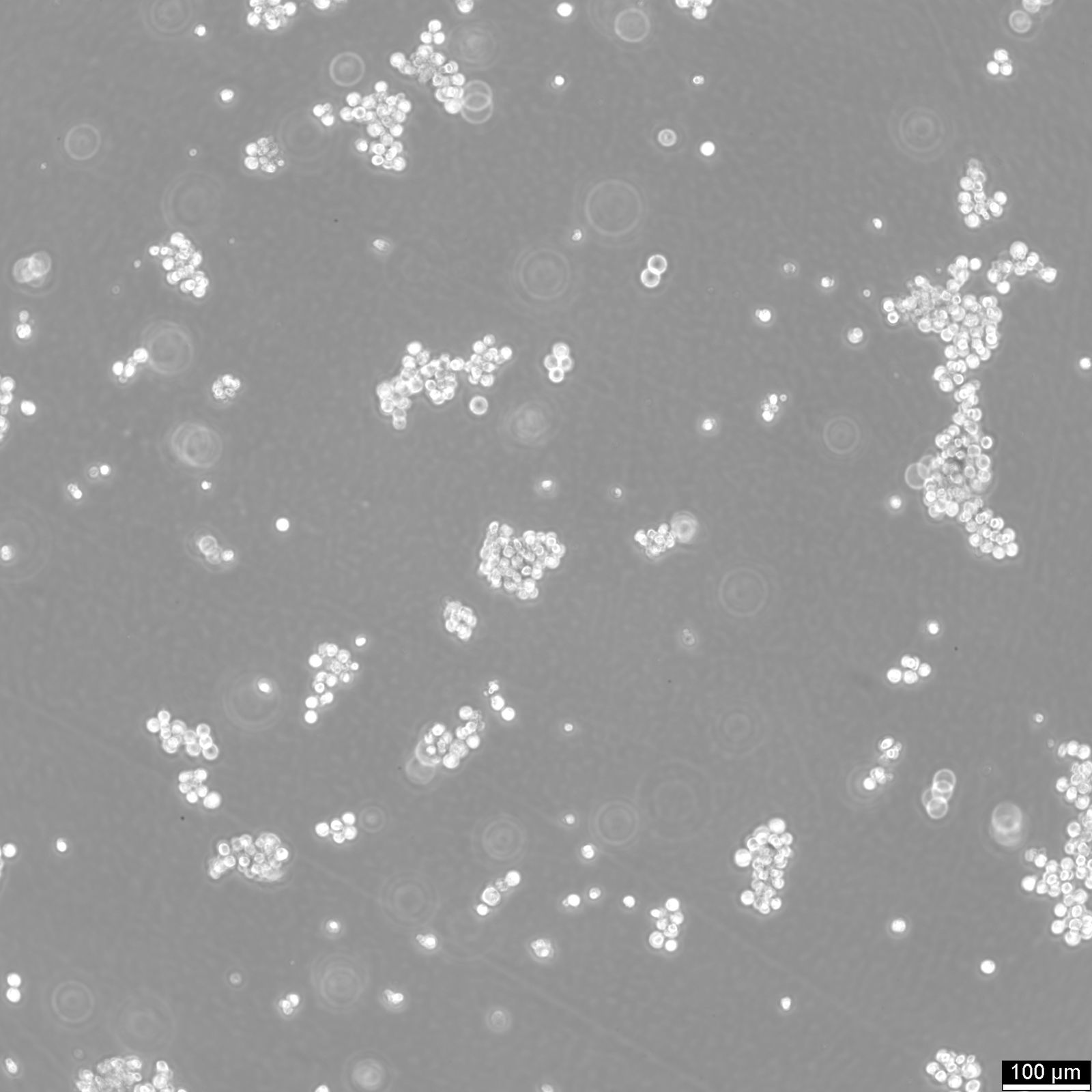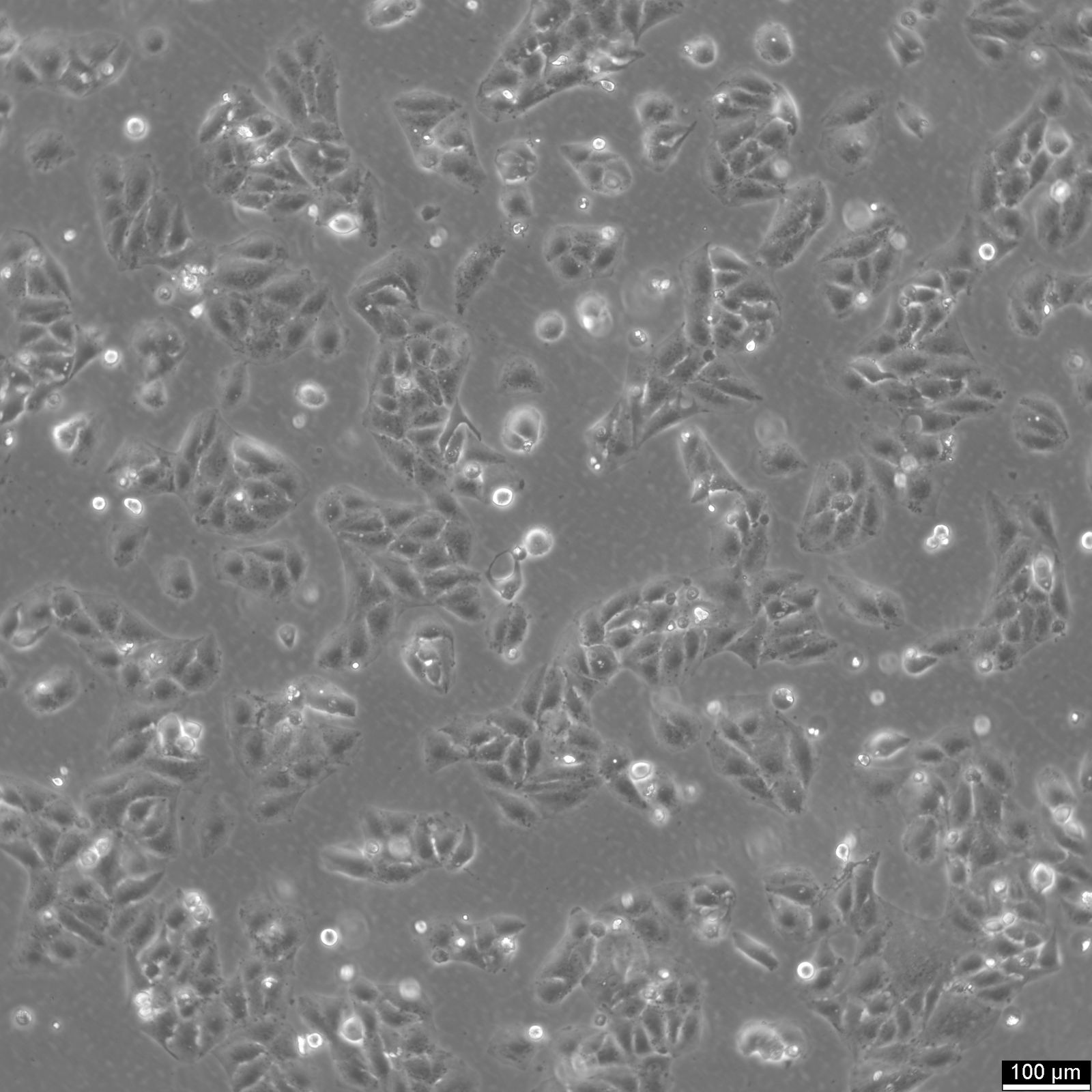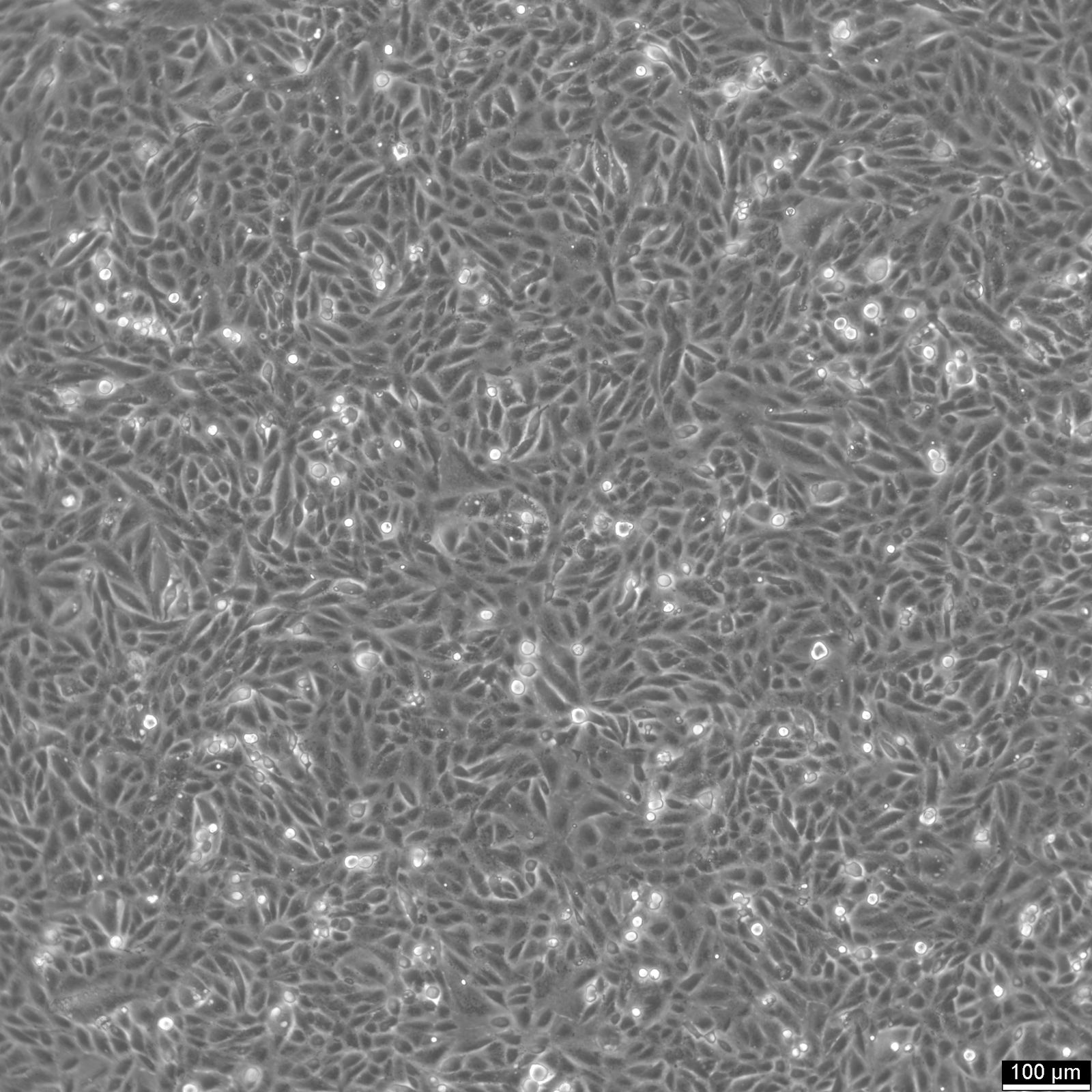
SNU-449 Cells
759,00 CAD$*
Products are shipped frozen on dry ice in cryotubes. Each cryotube typically contains 3 × 10⁶ cells for adherent lines or 5 × 10⁶ cells for suspension lines (refer to the batch CoA for details).
Renseignements généraux
| Description | SNU-449 is a human hepatocellular carcinoma (HCC) cell line widely used in research to study liver cancer biology, drug resistance, apoptosis, and novel therapeutic strategies. As hepatocellular carcinoma is one of the most aggressive and common liver malignancies with poor prognosis, cell lines like SNU-449 are critical for understanding the molecular mechanisms underlying cancer progression and drug responses. SNU-449 has been particularly useful in studies involving apoptosis and ferroptosis, a regulated form of cell death associated with iron-dependent lipid peroxidation. For example, research has shown that agents like sorafenib, a standard treatment for advanced HCC, and artesunate synergize to induce ferroptosis in SNU-449 cells. This combination exacerbates lipid peroxidation and oxidative stress, leading to extensive cancer cell death. This synergy occurs because artesunate promotes lysosomal ferritin degradation (ferritinophagy), which increases free iron availability, while sorafenib impairs mitochondrial function and depletes glutathione, a critical antioxidant. SNU-449 has also been used to explore apoptotic pathways in liver cancer. For example, genistein, a natural isoflavone, induces apoptosis in SNU-449 cells by down-regulating thioredoxin-1 (Trx1), an antioxidant protein that regulates reactive oxygen species (ROS) and inhibits apoptosis. Genistein treatment increases ROS levels and activates apoptosis-related pathways, including caspase-3 activation and DNA fragmentation. These findings highlight SNU-449 as a valuable model for studying both apoptosis and ferroptosis, aiding in the development of targeted therapies for hepatocellular carcinoma. |
|---|---|
| Organisme | Human |
| Tissu | Liver |
| Maladie | Adult hepatocellular carcinoma |
| Synonymes | SNU449, NCI-SNU-449 |
Caractéristiques
| Âge | 52 years |
|---|---|
| Genre | Male |
| Origine ethnique | Korean |
| Morphologie | Epithelial-like |
| Propriétés de croissance | Adherent |
Données réglementaires
| Référence | SNU-449 (Cytion catalog number 305429) |
|---|---|
| Niveau de biosécurité | 2 |
| NCBI_Numéro d'identification fiscale | 9606 |
| Cellosaurus - Numéro d'enregistrement | CVCL_0454 |
Données biomoléculaires
| Virus | HBV |
|---|---|
| Profil mutationnel | Mutation: ARID1A, p.Glu2250Argfs*28 (c.6747dupA); Mutation: AXIN1, p.Arg712Ter (c.2134C>T), homozygous; Mutation: TP53, p.Lys139Arg (c.416A>G); Mutation: TP53, p.Ala161Thr (c.481G>A), homozygous |
Manipulation
| Milieu de culture | RPMI 1640, w: 2.0 mM stable Glutamine, w: 2.0 g/L NaHCO3 (Cytion article number 820700a) |
|---|---|
| Suppléments | Supplement the medium with 10% heat-inactivated FBS, add 2.5 g/L glucose and 25 mM HEPES |
| Réactif de dissociation | Accutase |
| Milieu de congélation | As a cryopreservation medium, we use complete growth medium (including FBS) + 10% DMSO for adequate post-thaw viability, or CM-1 (Cytion catalog number 800100), which includes optimized osmoprotectants and metabolic stabilizers to enhance recovery and reduce cryo-induced stress. |
| Décongélation et culture des cellules |
|
| Atmosphère d'incubation | 37°C, 5% CO2, humidified atmosphere. |
| Conditions d'expédition | Cryopreserved cell lines are shipped on dry ice in validated, insulated packaging with sufficient refrigerant to maintain approximately −78 °C throughout transit. On receipt, inspect the container immediately and transfer vials without delay to appropriate storage. |
| Conditions d'entreposage | For long-term preservation, place vials in vapor-phase liquid nitrogen at about −150 to −196 °C. Storage at −80 °C is acceptable only as a short interim step before transfer to liquid nitrogen. |
Contrôle de la qualité et analyse moléculaire
| Stérilité | Mycoplasma contamination is excluded using both PCR-based assays and luminescence-based mycoplasma detection methods. To ensure there is no bacterial, fungal, or yeast contamination, cell cultures are subjected to daily visual inspections. |
|---|
Certificat d'analyse (CoA)
| Numéro de lot | Type de certificat | Date | Numéro de catalogue |
|---|---|---|---|
| 305429-270924 | Certificat d'analyse | 23. May. 2025 | 305429 |
| 305429-130226 | Certificat d'analyse | 13. Mar. 2026 | 305429 |
-
Related products
Related products
SNU-601 CellsOrganisme Human Tissu Stomach Maladie Gastric signet ring cell adenocarcinoma 759,00 CAD$*