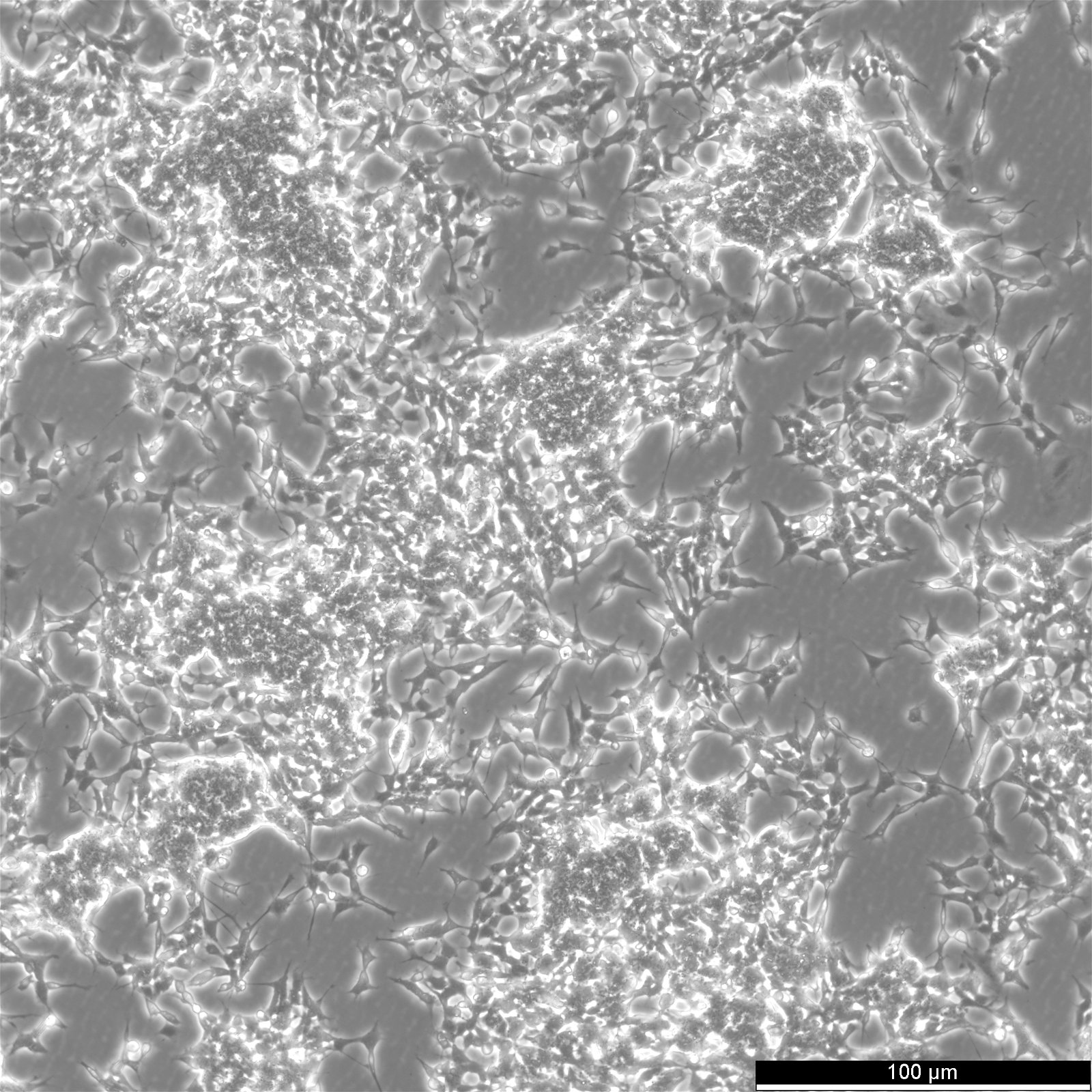
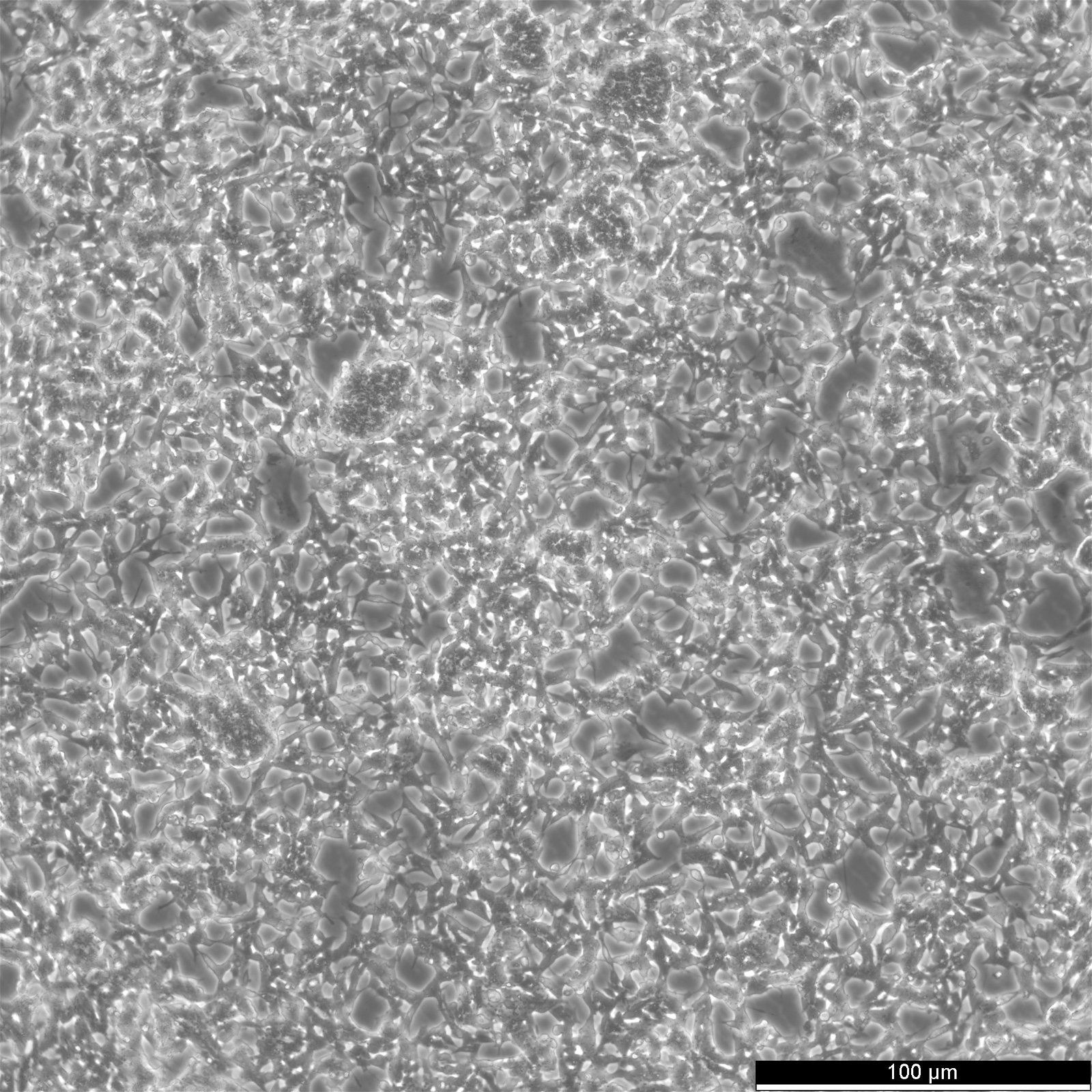
SK-N-BE(2) Cells
545,10 CAD$*
Products are shipped frozen on dry ice in cryotubes. Each cryotube typically contains 3 × 10⁶ cells for adherent lines or 5 × 10⁶ cells for suspension lines (refer to the batch CoA for details).
Renseignements généraux
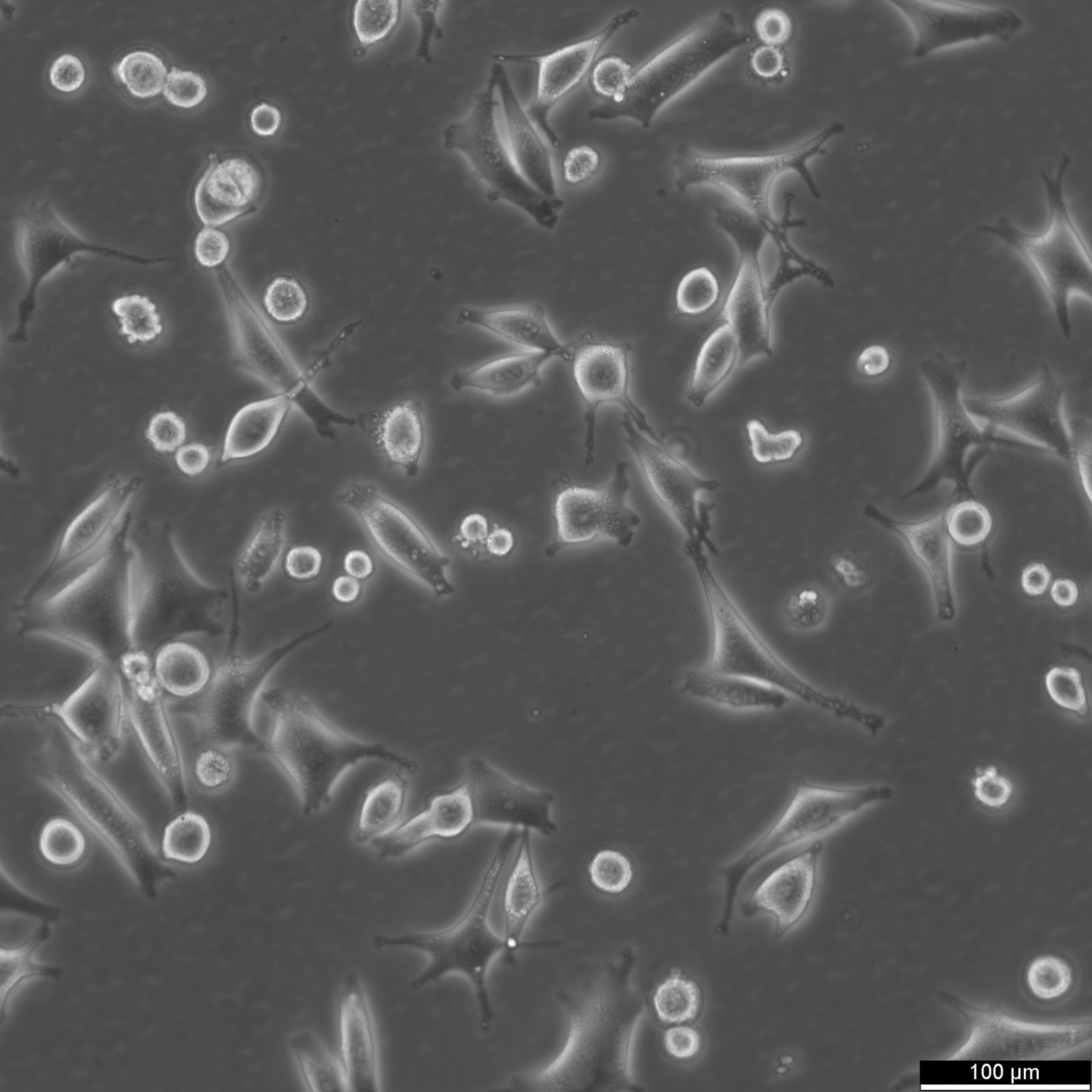
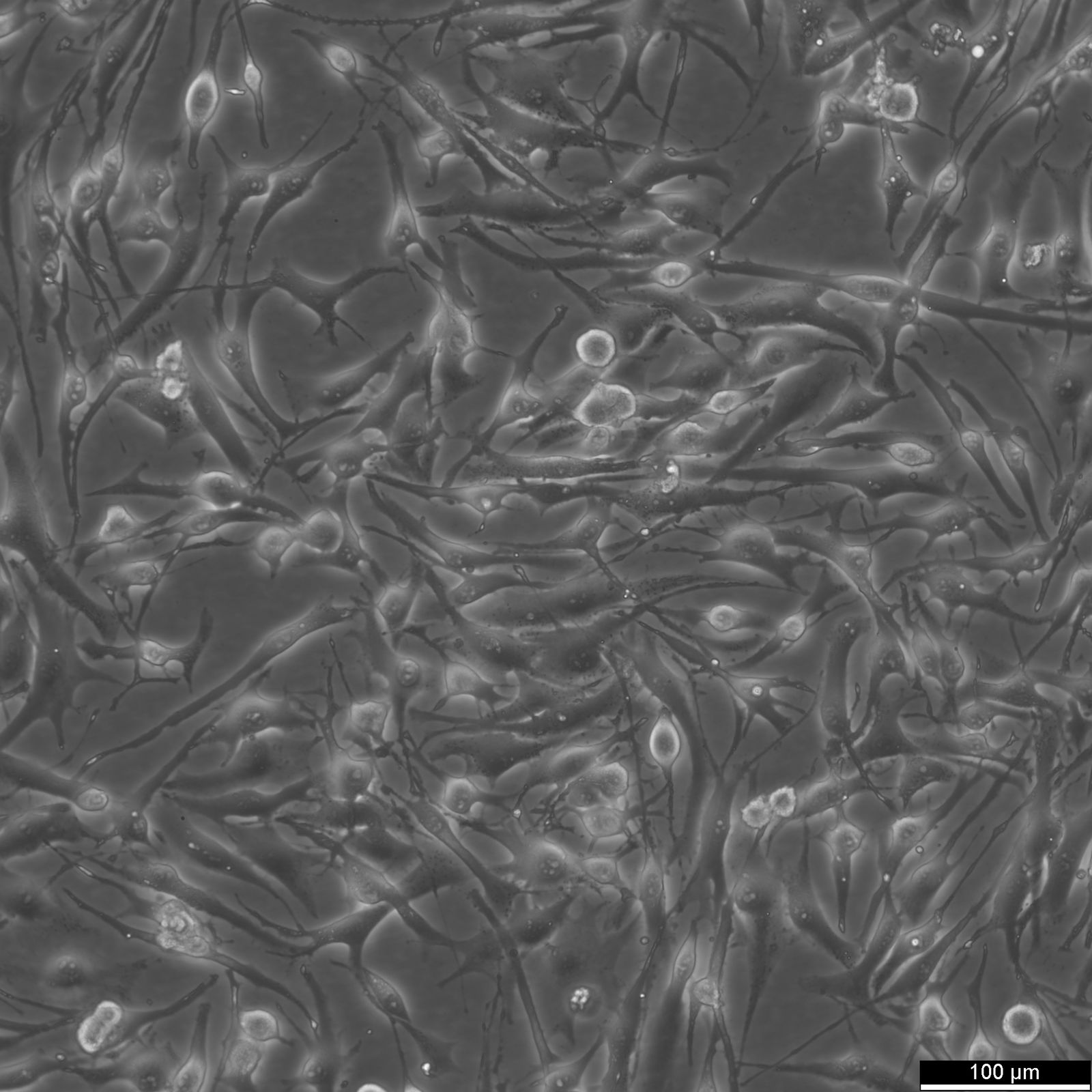
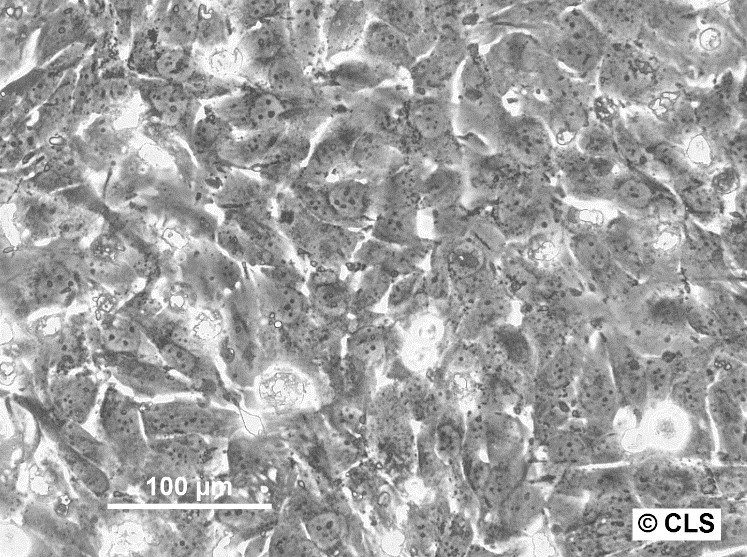
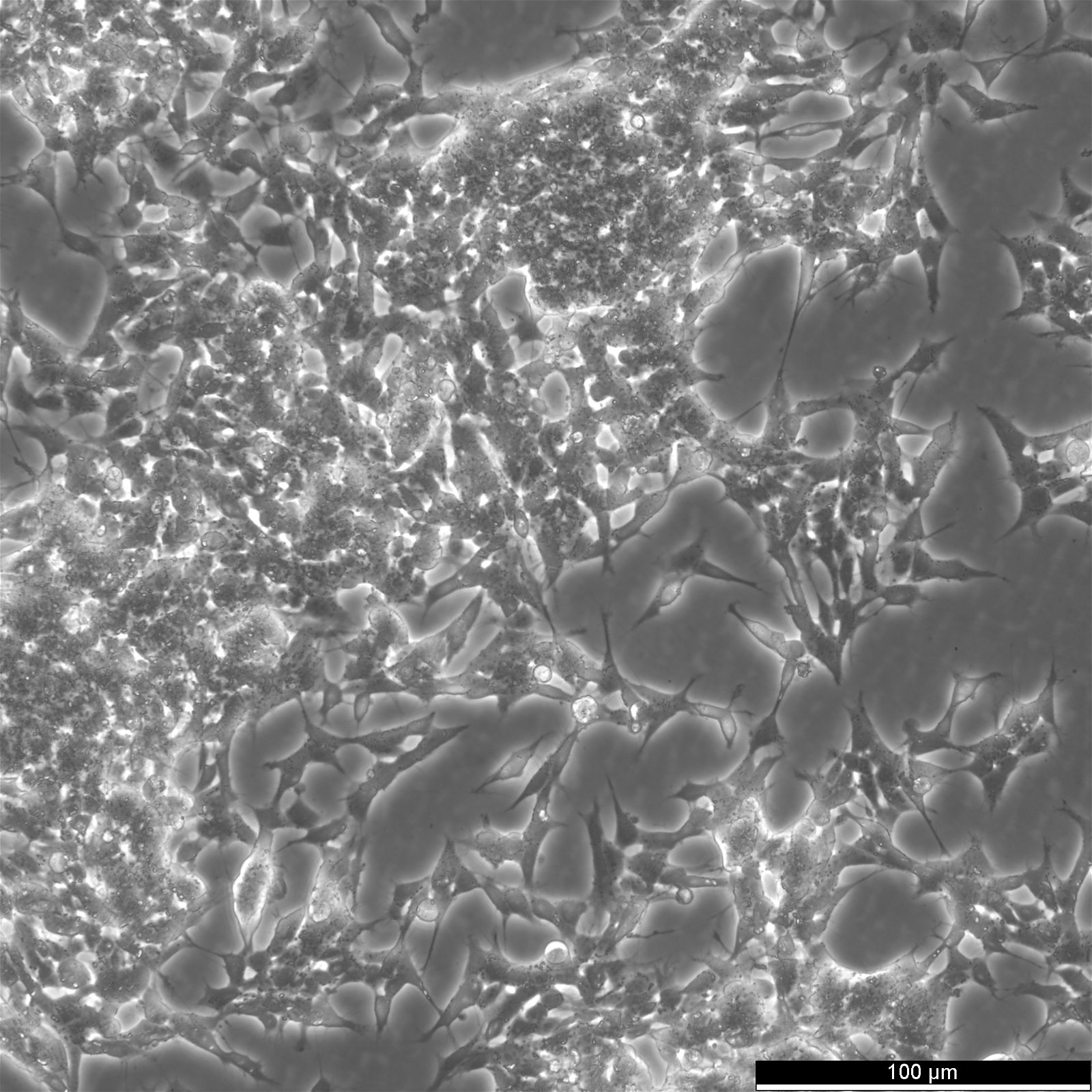
| Description | The cells exhibit moderate levels of dopamine beta hydroxylase activity.SK-N-BE(2) cells have a reported saturation density greater than 1×10⁶ cells/cm2.The morphology of the cells varies with some cells having long processes and others that are epithelioid like.The cells will aggregate, form clumps and float. |
|---|---|
| Organisme | Human |
| Tissu | Brain |
| Maladie | Neuroblastoma |
| Site métastatique | Bone marrow |
| Synonymes | SK-N-BE2, SK-N-BE-2, SKNBE(2), SKNBE-2, SKNBE2, SK-N-BE, SKNBE |
Caractéristiques
| Âge | 2 years |
|---|---|
| Genre | Male |
| Origine ethnique | European |
| Morphologie | Neuroblast |
| Propriétés de croissance | Adherent |
Données réglementaires
| Référence | SK-N-BE(2) (Cytion catalog number 305058) |
|---|---|
| Niveau de biosécurité | 1 |
| NCBI_Numéro d'identification fiscale | 9606 |
| Cellosaurus - Numéro d'enregistrement | CVCL_0528 |
Données biomoléculaires
| Tumorigène | Yes |
|---|
Manipulation
| Milieu de culture | Please mix EMEM and Ham's F12 in a 50:50 ratio (Cytion article numbers 820100a and 820600a) |
|---|---|
| Suppléments | Supplement the medium with 10% FBS |
| Réactif de dissociation | Accutase |
| Repiquage | Gather the suspension cells in a 15 ml tube and gently wash the adherent cells with PBS lacking calcium and magnesium (use 3-5 ml for T25 flasks and 5-10 ml for T75 flasks). Apply Accutase (1-2 ml for T25 flasks, 2.5 ml for T75 flasks) ensuring full coverage of the cell layer. Allow the cells to incubate at room temperature for 10 minutes. Following incubation, combine and centrifuge both the suspension and adherent cells. After centrifugation, carefully resuspend the cell pellet and transfer the cell suspension into new flasks containing fresh medium. |
| Renouvellement des fluides | 2 to 3 times per week |
| Milieu de congélation | As a cryopreservation medium, we use 50% basal medium + 40% FBS + 10% DMSO, or CM-1 (Cytion catalog number 800100), which includes optimized osmoprotectants and metabolic stabilizers to enhance recovery and reduce cryo-induced stress. |
| Décongélation et culture des cellules |
|
| Atmosphère d'incubation | 37°C, 5% CO2, humidified atmosphere. |
| Conditions d'expédition | Cryopreserved cell lines are shipped on dry ice in validated, insulated packaging with sufficient refrigerant to maintain approximately −78 °C throughout transit. On receipt, inspect the container immediately and transfer vials without delay to appropriate storage. |
| Conditions d'entreposage | For long-term preservation, place vials in vapor-phase liquid nitrogen at about −150 to −196 °C. Storage at −80 °C is acceptable only as a short interim step before transfer to liquid nitrogen. |
Contrôle de la qualité et analyse moléculaire
| Stérilité | Mycoplasma contamination is excluded using both PCR-based assays and luminescence-based mycoplasma detection methods. To ensure there is no bacterial, fungal, or yeast contamination, cell cultures are subjected to daily visual inspections. |
|---|
Certificat d'analyse (CoA)
| Numéro de lot | Type de certificat | Date | Numéro de catalogue |
|---|---|---|---|
| 305058-211122 | Certificat d'analyse | 23. May. 2025 | 305058 |
-
Related products
Related products
SK-BR-3 CellsOrganisme Human Tissu Breast, mammary gland Maladie Invasive ductal carcinoma 545,10 CAD$*