
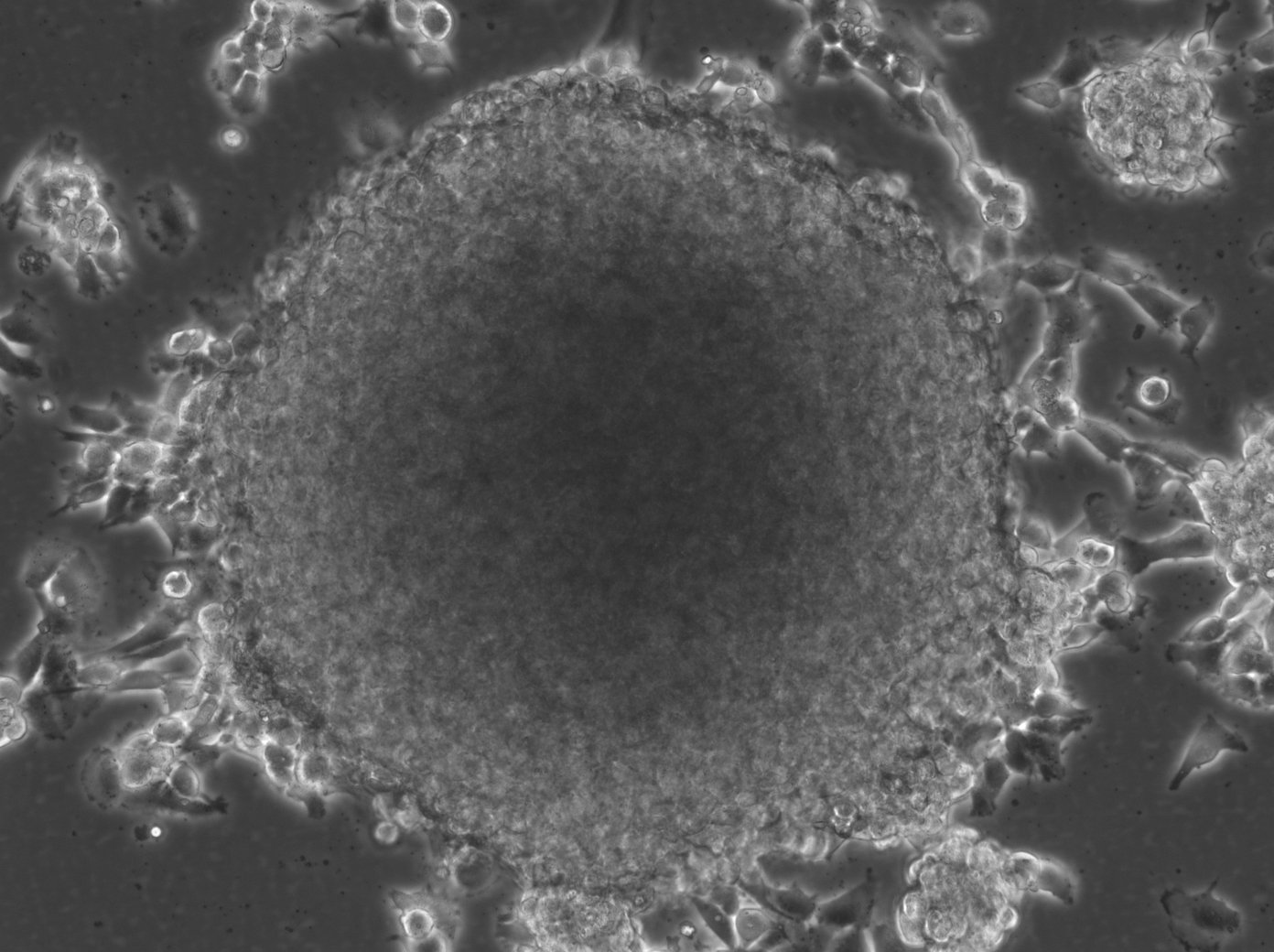
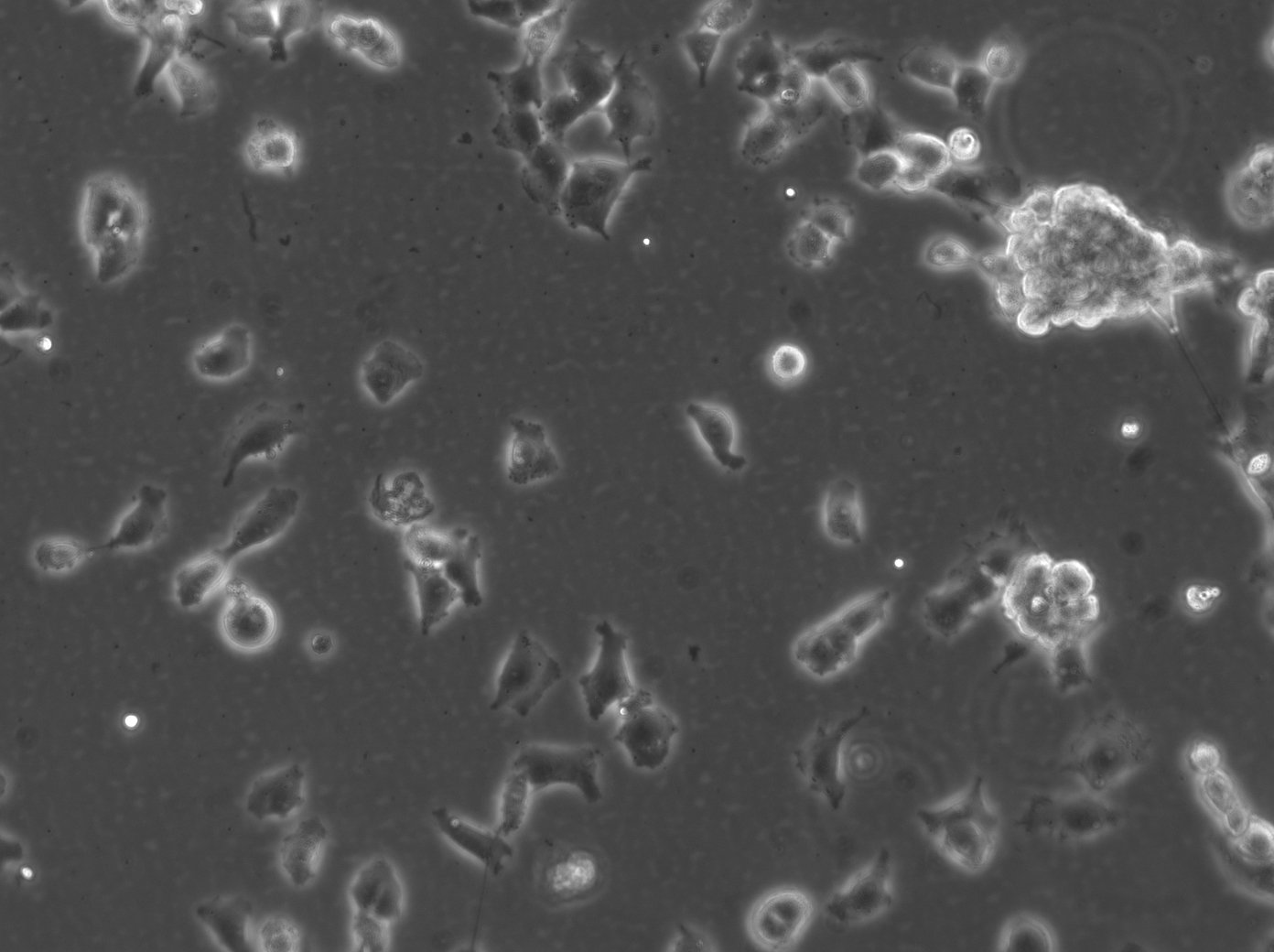
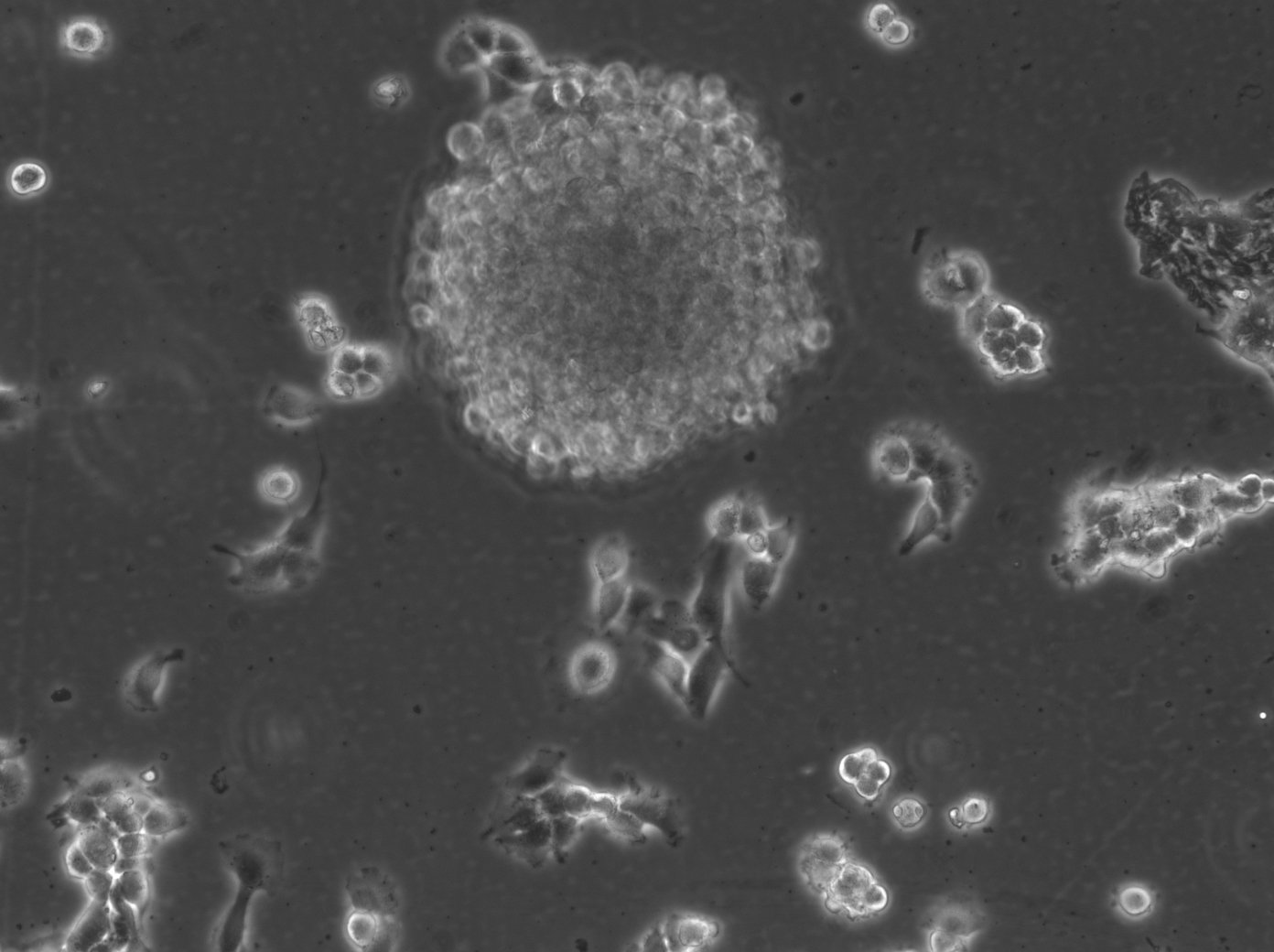
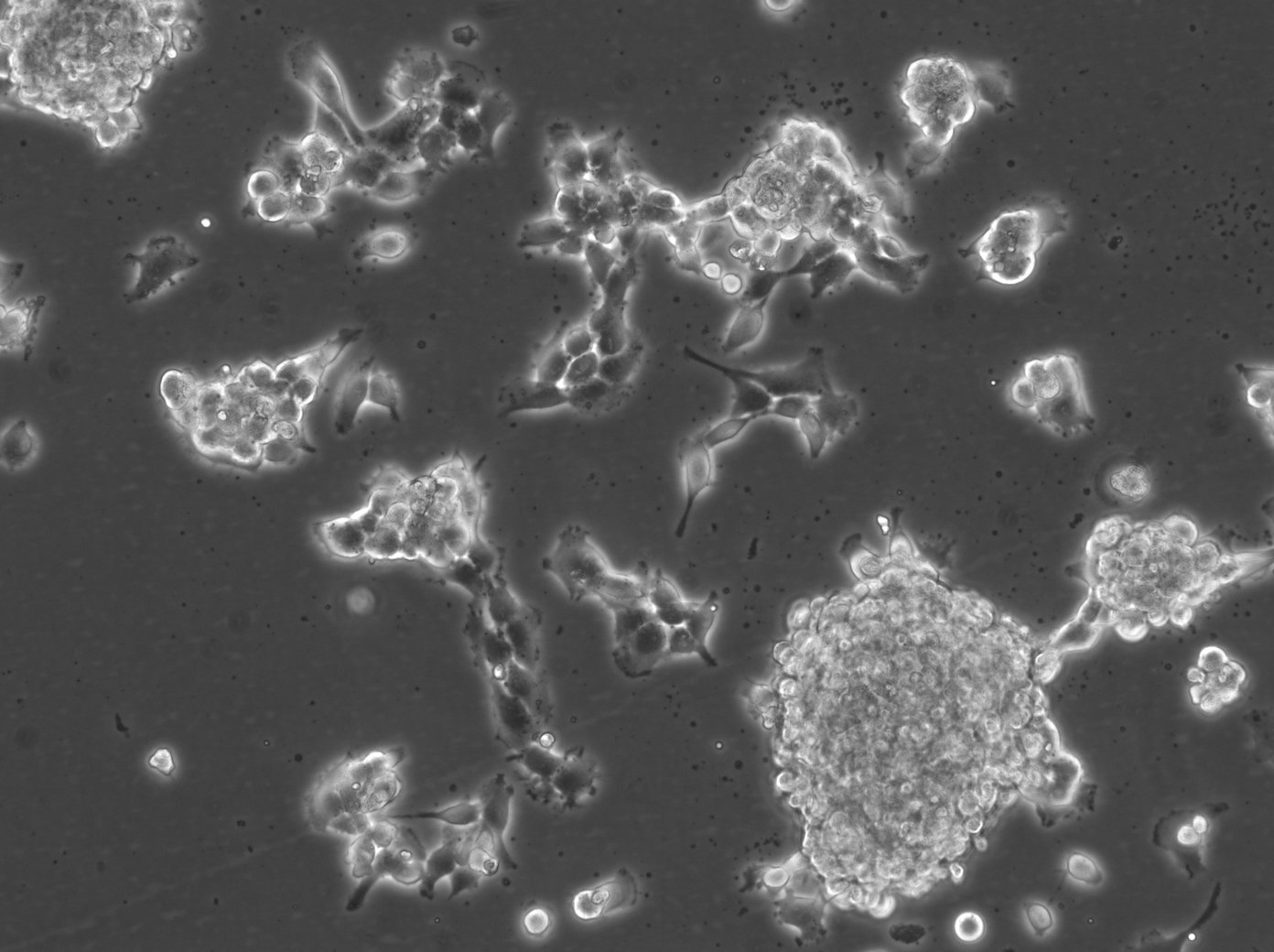
NCH690 Cells
1 104,00 CAD$*
Products are shipped frozen on dry ice in cryotubes. Each cryotube typically contains 3 × 10⁶ cells for adherent lines or 5 × 10⁶ cells for suspension lines (refer to the batch CoA for details).
Renseignements généraux
| Description | The NCH640 cell line is a glioblastoma stem-like cell model used in research to explore the mechanisms of tumor resistance, cellular survival under stress, and therapeutic responses. Glioblastoma, one of the most aggressive forms of brain tumors, is difficult to treat due to its resistance to therapy and adaptation to a hostile microenvironment. NCH640 is cultured in specialized media such as Neurobasal A with supplements like B27, and its growth is supported by essential growth factors like EGF and FGF-2. It is often used alongside other glioma stem cell models, such as NCH690 and NCH644, to investigate these biological phenomena. The research on NCH640 focuses heavily on its resistance mechanisms, particularly under hypoxic conditions. Glioma cells like NCH640 show significant reliance on metabolic adaptations, including altered reactive oxygen species (ROS) regulation. Studies have demonstrated that targeting pathways such as the integrated stress response (ISR) in NCH640 and related cell lines may improve their sensitivity to therapies like temozolomide, which is commonly used in glioblastoma treatment. These findings are important for devising new strategies to overcome the inherent resistance of glioma stem-like cells to standard therapeutic interventions. |
|---|---|
| Organisme | Human |
| Tissu | Brain |
| Maladie | Glioblastoma |
Caractéristiques
| Âge | 78 years |
|---|---|
| Genre | Female |
| Origine ethnique | Caucasian |
| Propriétés de croissance | Spheroid culture, partly adherent |
Données réglementaires
| Référence | NCH690 (Cytion catalog number 300120) |
|---|---|
| Niveau de biosécurité | 1 |
| NCBI_Numéro d'identification fiscale | 9606 |
| Cellosaurus - Numéro d'enregistrement | CVCL_x915 |
Données biomoléculaires
| Tumorigène | Yes |
|---|
Manipulation
| Milieu de culture | DMEM:Ham's F12 (1:1), w: 3.1 g/L Glucose, w: 2.5 mM L-Glutamine, w: 15 mM HEPES, w: 0.5 mM Sodium pyruvate, w: 1.2 g/L NaHCO3 (Cytion article number 820400a) |
|---|---|
| Suppléments | Supplement the medium with 10% FBS, 5 mg/L Heparin, 20 ng/mL bFGF, 20 microgram/L EGF, 5 mg/L Insulin, 100 mg/L Transferrin, 5,2 microgram/L Na-selenit, 6,3 microgram/L Progesteron, 161,1 microgram/L Putrescin, 50 mg/L Hydrocortinson |
| Repiquage | For subculturing spheroid cultures, begin by mechanically dissociating the spheroids through pipetting up and down 5 to 10 times using an Eppendorf pipette with 1000 μl filter tips. After this, centrifuge the mixture at 300g for 5 minutes at room temperature to pellet the cells. Discard the supernatant and resuspend the cell pellet in fresh culture medium. Finally, transfer the resuspended cells into new culture vessels to promote further spheroid formation. This approach ensures efficient spheroid breakdown and readies them for continued growth in a new environment. |
| Densité de semis | 1 x 10⁵ cells/mL |
| Renouvellement des fluides | 2 to 3 times per week |
| Rétablissement après le dégel | After thawing allow the cells to recover from the freezing process for at least 24 to 48 hours. |
| Milieu de congélation | As a cryopreservation medium, we use 50% basal medium + 40% FBS + 10% DMSO, or CM-1 (Cytion catalog number 800100), which includes optimized osmoprotectants and metabolic stabilizers to enhance recovery and reduce cryo-induced stress. |
| Décongélation et culture des cellules |
|
| Atmosphère d'incubation | 37°C, 5% CO2, humidified atmosphere. |
| Conditions d'expédition | Cryopreserved cell lines are shipped on dry ice in validated, insulated packaging with sufficient refrigerant to maintain approximately −78 °C throughout transit. On receipt, inspect the container immediately and transfer vials without delay to appropriate storage. |
| Conditions d'entreposage | For long-term preservation, place vials in vapor-phase liquid nitrogen at about −150 to −196 °C. Storage at −80 °C is acceptable only as a short interim step before transfer to liquid nitrogen. |
Contrôle de la qualité et analyse moléculaire
| Stérilité | Mycoplasma contamination is excluded using both PCR-based assays and luminescence-based mycoplasma detection methods. To ensure there is no bacterial, fungal, or yeast contamination, cell cultures are subjected to daily visual inspections. |
|---|
Certificat d'analyse (CoA)
| Numéro de lot | Type de certificat | Date | Numéro de catalogue |
|---|---|---|---|
| 300120-314SF | Certificat d'analyse | 26. May. 2025 | 300120 |