
LLC1 (LL-2) Cells
545,10 CAD$*
Products are shipped frozen on dry ice in cryotubes. Each cryotube typically contains 3 × 10⁶ cells for adherent lines or 5 × 10⁶ cells for suspension lines (refer to the batch CoA for details).
Renseignements généraux
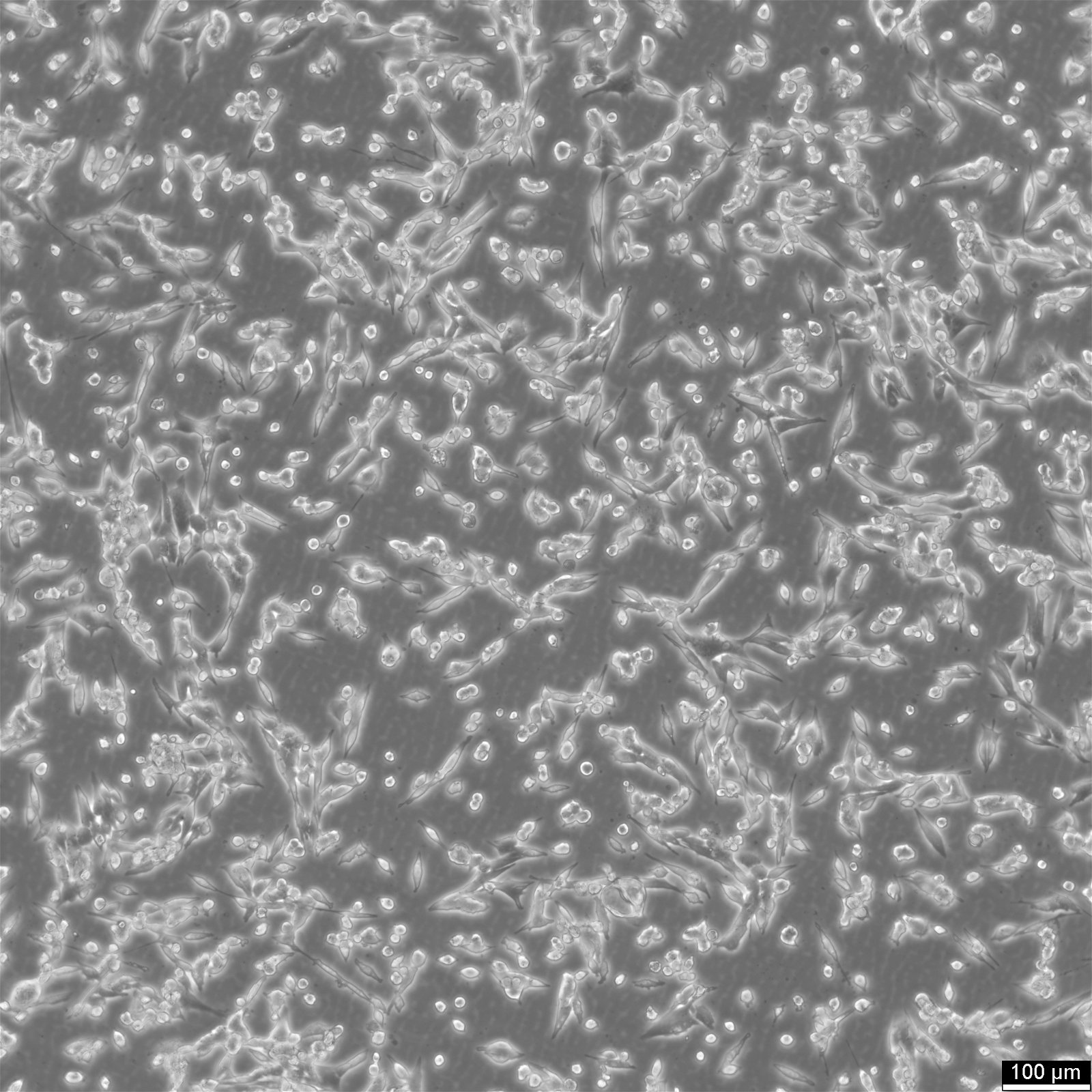
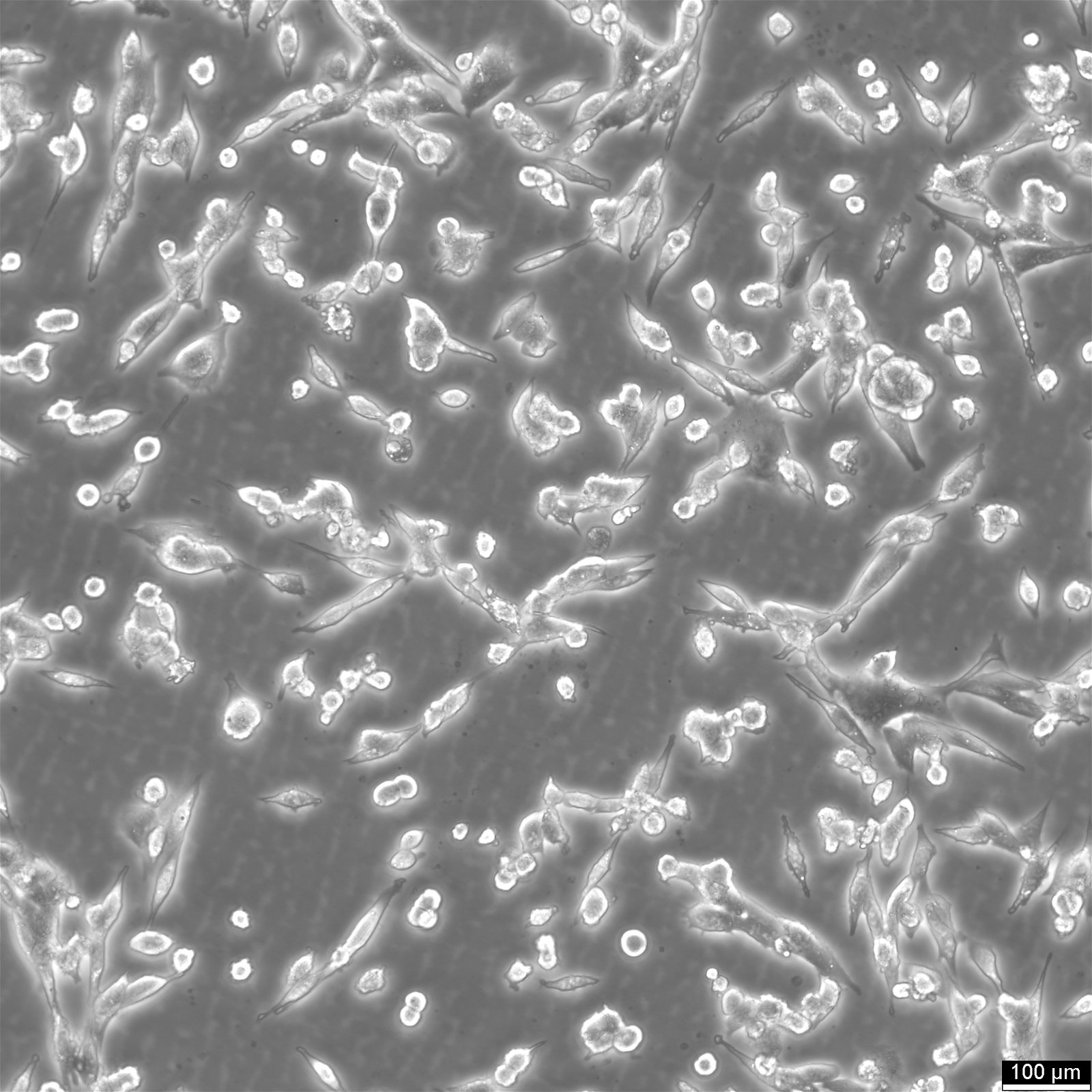
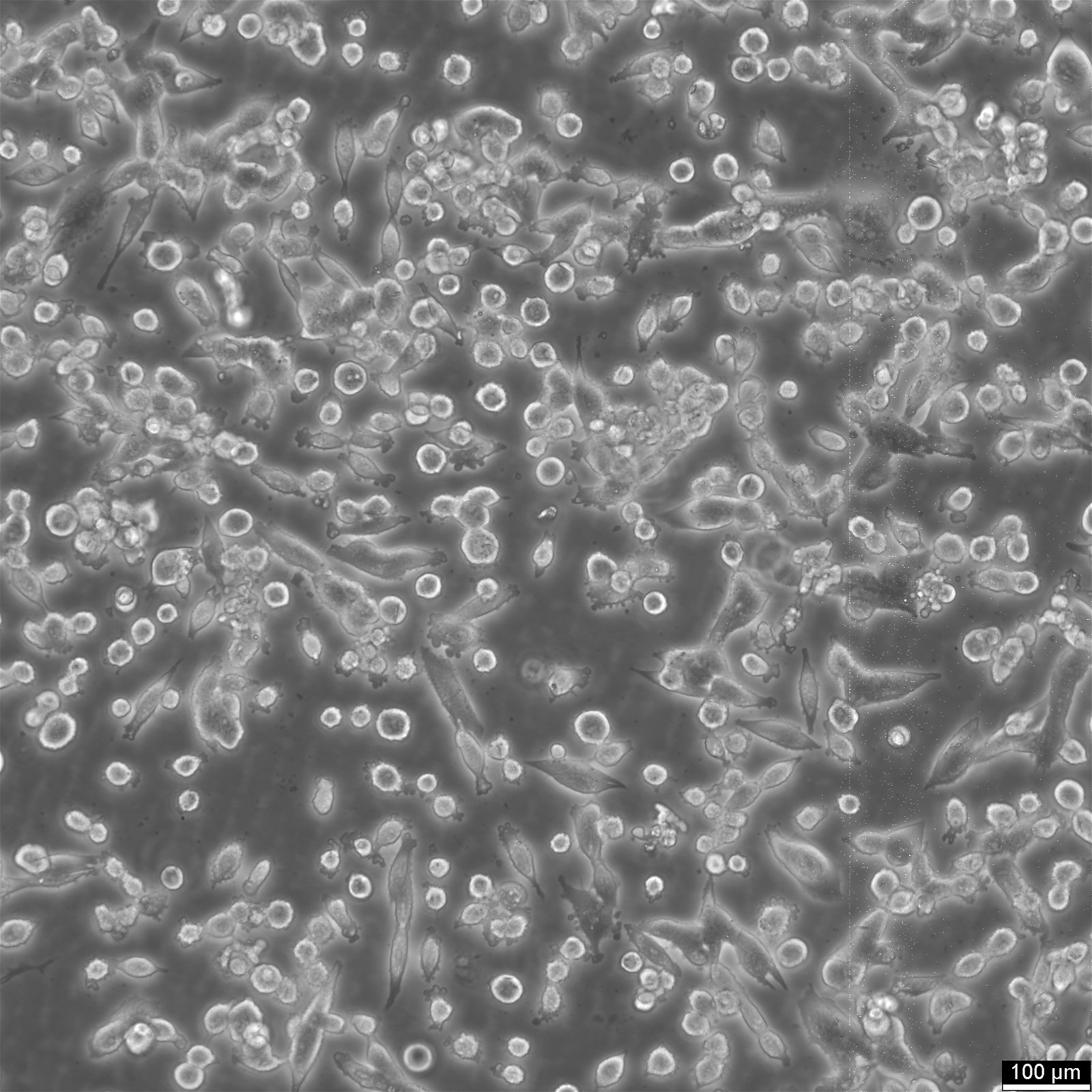
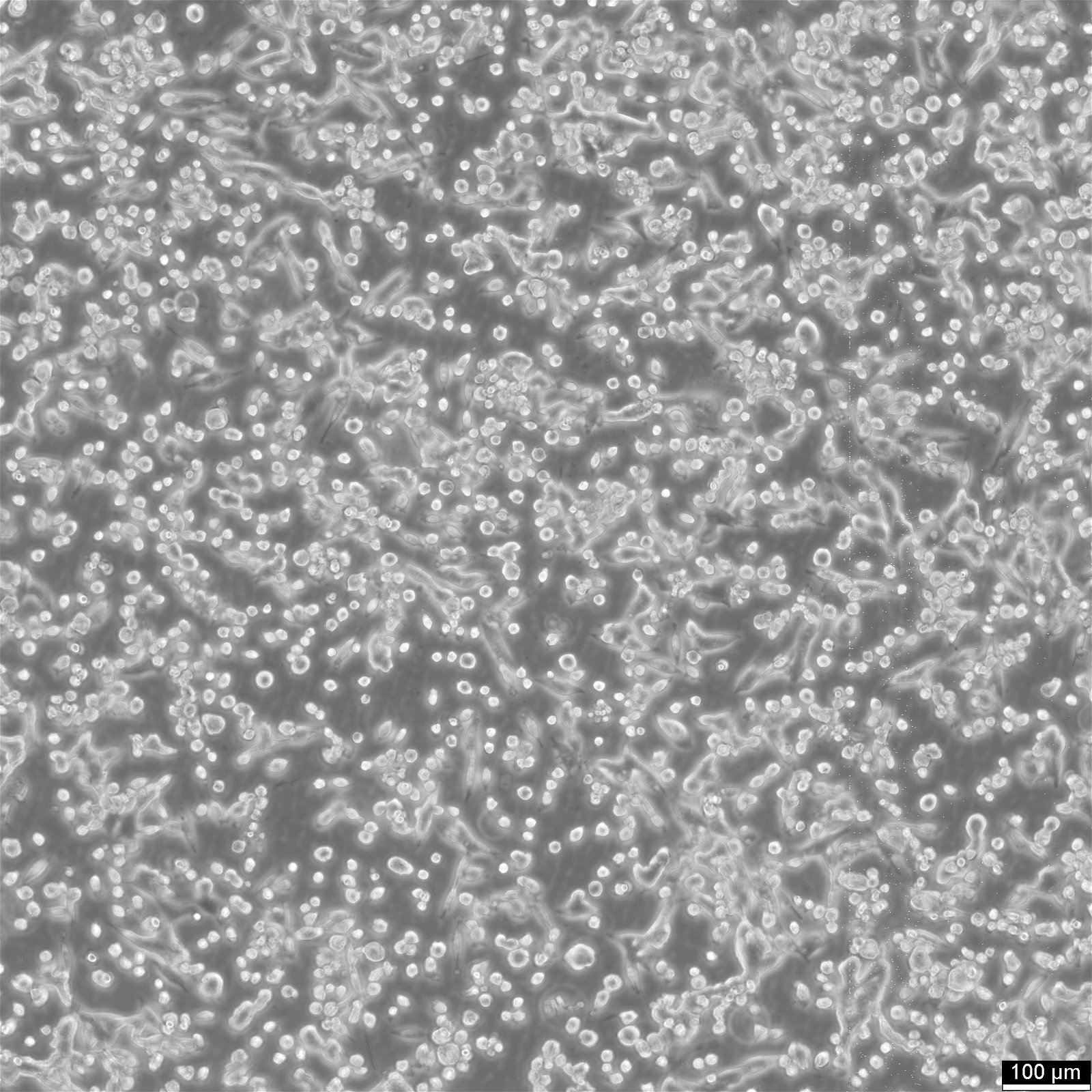
| Description | LLC1 (LL-2) cells are a murine cell line derived from the Lewis Lung Carcinoma (LLC), a tumor model extensively used for cancer research. These cells were originally isolated and adapted to in vitro culture from the Lewis Lung Carcinoma in C57BL/6 mice. LLC1 (LL-2) cells have a doubling time of 21 hours and retain high tumorigenic potential, forming primary tumors and lung metastases in syngeneic C57BL/6 mice that are histologically similar to the original tumor. LLC1 (LL-2) cells have proven valuable for various experimental applications, including studies on cancer metastasis, tumor-host interactions, and drug sensitivity testing. Notably, while these cells show significant in vitro sensitivity to various chemotherapeutic agents, such as cisplatin and methotrexate, their in vivo response can differ, highlighting the complexity of translating in vitro findings to in vivo contexts. The ability of LLC1 (LL-2) cells to form discrete colonies on plastic substrates also makes them suitable for use in focus assays to evaluate drug-induced cytotoxicity, making them an important tool in the evaluation of new cancer therapies. LLC1 (LL-2) cells exhibit several features typical of aggressive lung carcinoma, including rapid proliferation, high metastatic potential, and resistance to certain chemotherapeutic agents. These cells provide a relevant model for understanding the molecular and genetic alterations associated with lung cancer progression. Studies utilizing LLC1 (LL-2) have contributed to the identification of key signaling pathways and genetic mutations involved in tumor development and metastasis. Moreover, this cell line has been instrumental in evaluating novel therapeutic strategies aimed at inhibiting tumor growth and spread, thereby advancing the field of oncology research. |
|---|---|
| Organisme | Mouse |
| Tissu | Lung |
| Maladie | Malignant tumors of the mouse pulmonary system |
| Synonymes | LL/2 (LLC1), LL/2 (LLc1), LL/2(LLc1), LL/2, LL2, LLC1, LLC, Lewis lung carcinoma line 1, Lewis lung carcinoma, Lewis Lung Cancer, Lewis-Lung, Lewis Lung |
Caractéristiques
| Race/Sous-espèce | C57BL/6 |
|---|---|
| Propriétés de croissance | Adherent |
Données réglementaires
| Référence | LLC1 (LL-2) (Cytion catalog number 305311) |
|---|---|
| Niveau de biosécurité | 1 |
| NCBI_Numéro d'identification fiscale | 10090 |
| Cellosaurus - Numéro d'enregistrement | CVCL_4358 |
Données biomoléculaires
| Expression de l'antigène | H-2b |
|---|---|
| Tumorigène | Yes, in C57BL mice |
| Virus | MAP-test negative: Sendai, Ektromelia, Polyoma, K-Virus, Kilham, Reo 3, PVM, LCM, M.pulmonis, MVM, Theiler's GD VII, Toolan's H-1, MHV, LDV, RCV/SDA, M-Adenovirus, B.piliformis. |
Manipulation
| Milieu de culture | DMEM, w: 4.5 g/L Glucose, w: 4 mM L-Glutamine, w: 3.7 g/L NaHCO3, w: 1.0 mM Sodium pyruvate (Cytion article number 820300a) |
|---|---|
| Suppléments | Supplement the medium with 10% FBS |
| Réactif de dissociation | Accutase |
| Temps de doublement | 21 hours |
| Repiquage | Gather the suspension cells in a 15 ml tube and gently wash the adherent cells with PBS lacking calcium and magnesium (use 3-5 ml for T25 flasks and 5-10 ml for T75 flasks). Apply Accutase (1-2 ml for T25 flasks, 2.5 ml for T75 flasks) ensuring full coverage of the cell layer. Allow the cells to incubate at room temperature for 10 minutes. Following incubation, combine and centrifuge both the suspension and adherent cells. After centrifugation, carefully resuspend the cell pellet and transfer the cell suspension into new flasks containing fresh medium. |
| Densité de semis | 1 to 2 x 10⁴ cells/cm2 |
| Renouvellement des fluides | 2 to 3 times per week |
| Rétablissement après le dégel | After thawing, plate the cells at 5 x 10⁴ cells/cm2 and allow the cells to recover from the freezing process and to adhere for at least 24 hours. |
| Milieu de congélation | As a cryopreservation medium, we use complete growth medium (including FBS) + 10% DMSO for adequate post-thaw viability, or CM-1 (Cytion catalog number 800100), which includes optimized osmoprotectants and metabolic stabilizers to enhance recovery and reduce cryo-induced stress. |
| Décongélation et culture des cellules |
|
| Atmosphère d'incubation | 37°C, 5% CO2, humidified atmosphere. |
| Conditions d'expédition | Cryopreserved cell lines are shipped on dry ice in validated, insulated packaging with sufficient refrigerant to maintain approximately −78 °C throughout transit. On receipt, inspect the container immediately and transfer vials without delay to appropriate storage. |
| Conditions d'entreposage | For long-term preservation, place vials in vapor-phase liquid nitrogen at about −150 to −196 °C. Storage at −80 °C is acceptable only as a short interim step before transfer to liquid nitrogen. |
Contrôle de la qualité et analyse moléculaire
| Stérilité | Mycoplasma contamination is excluded using both PCR-based assays and luminescence-based mycoplasma detection methods. To ensure there is no bacterial, fungal, or yeast contamination, cell cultures are subjected to daily visual inspections. |
|---|
Certificat d'analyse (CoA)
| Numéro de lot | Type de certificat | Date | Numéro de catalogue |
|---|---|---|---|
| 305311-230924 | Certificat d'analyse | 26. May. 2025 | 305311 |