
ImWilms10T Cells
1 104,00 CAD$*
Products are shipped frozen on dry ice in cryotubes. Each cryotube typically contains 3 × 10⁶ cells for adherent lines or 5 × 10⁶ cells for suspension lines (refer to the batch CoA for details).
Renseignements généraux
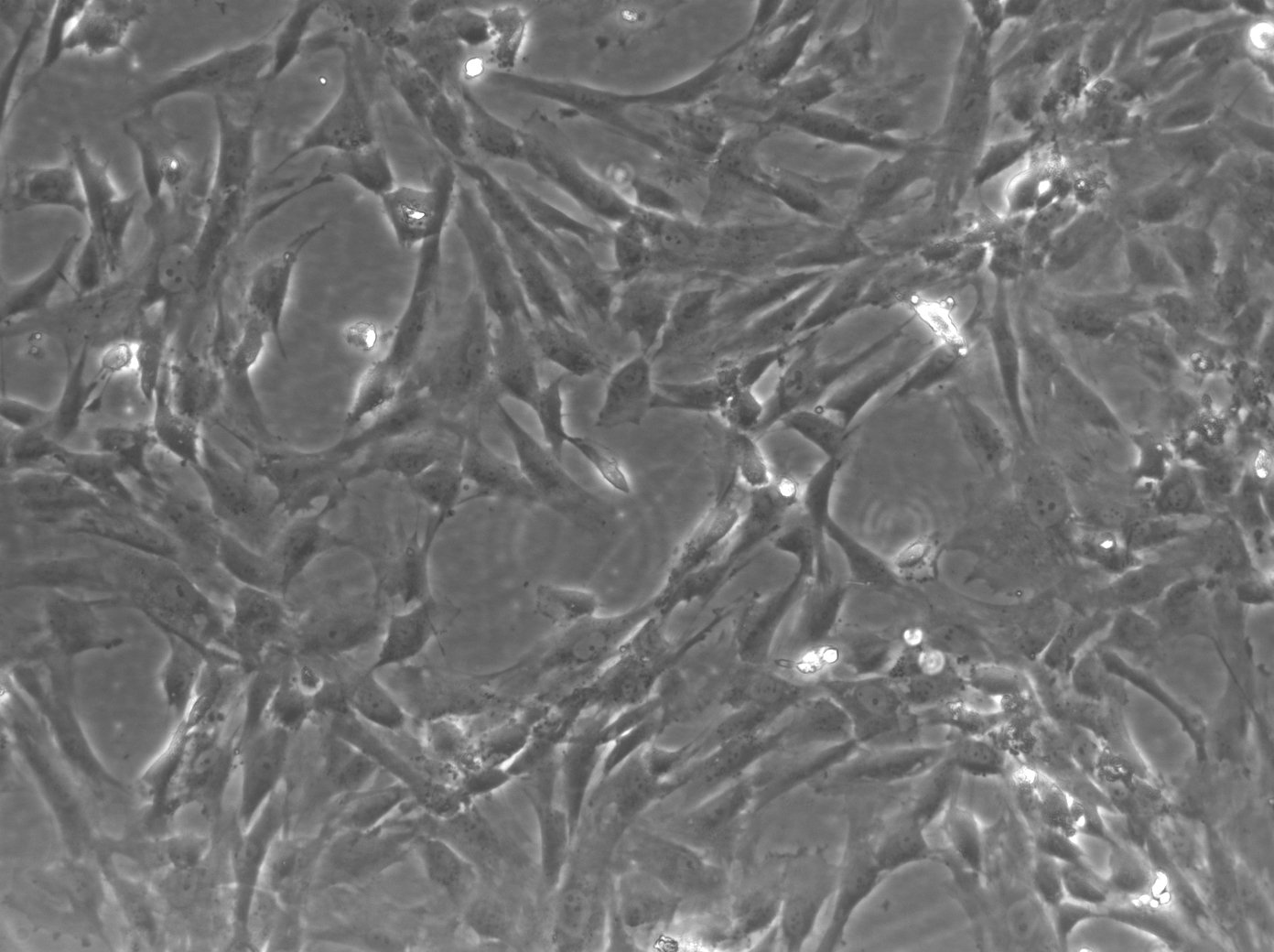
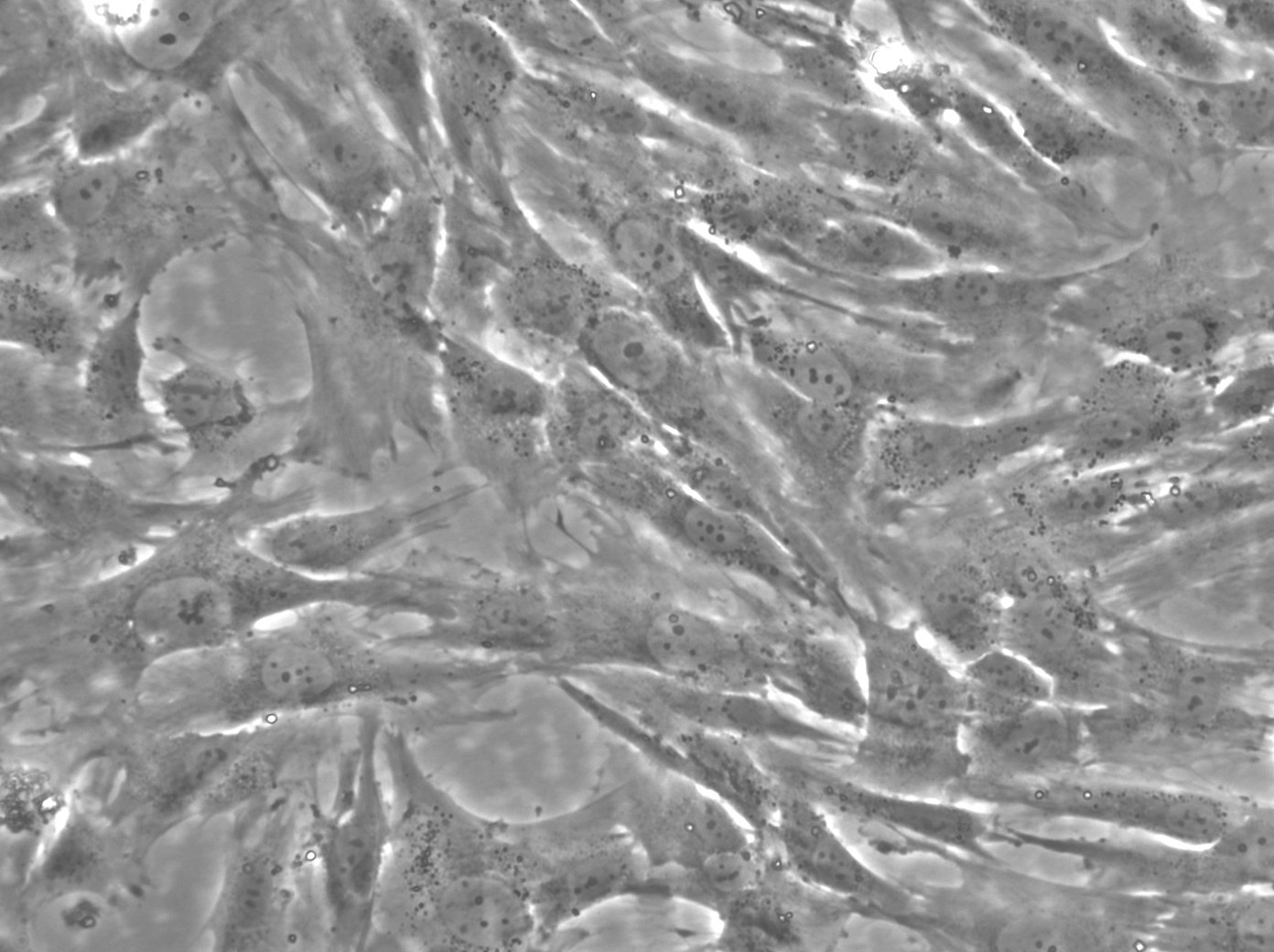
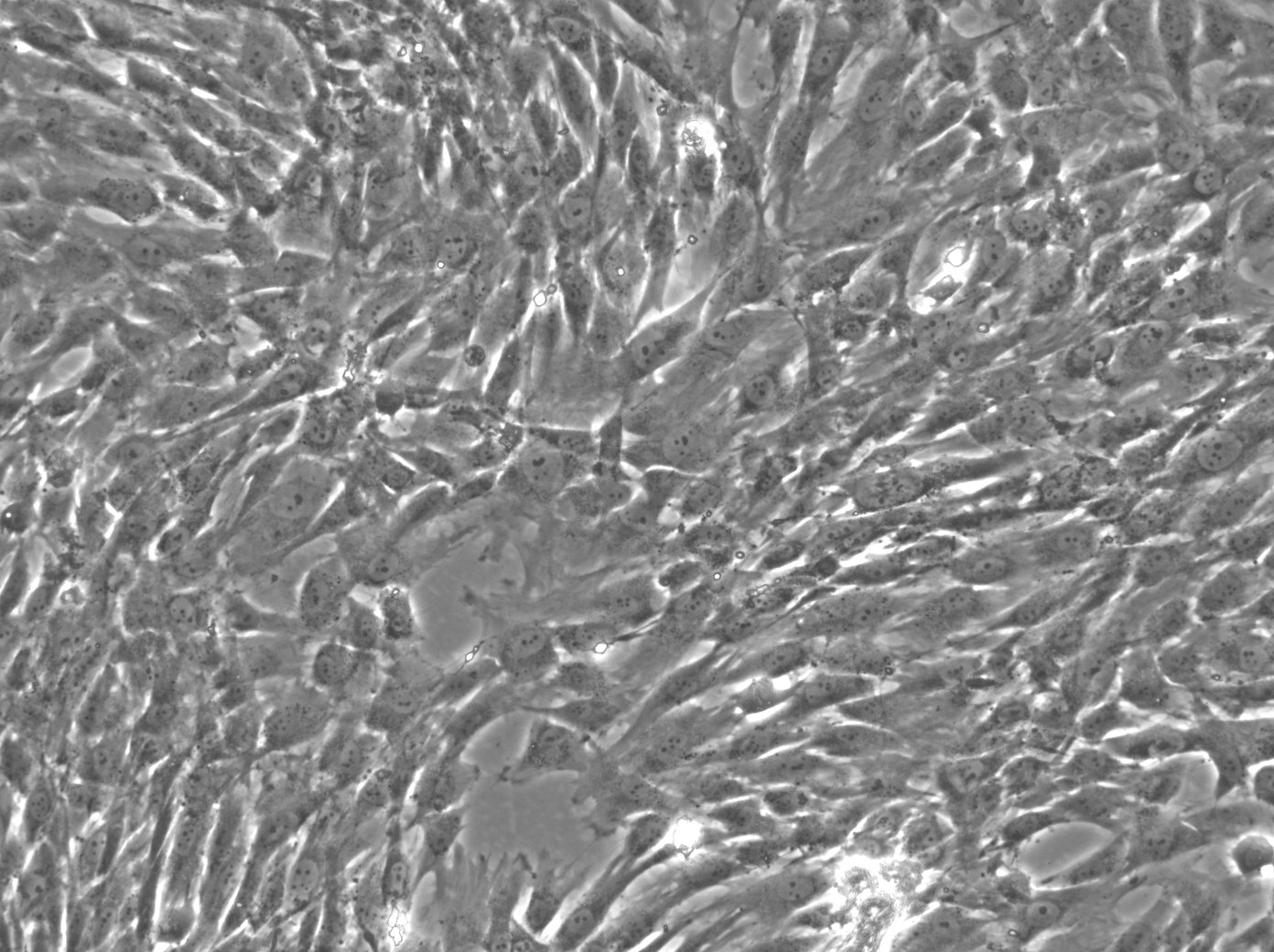
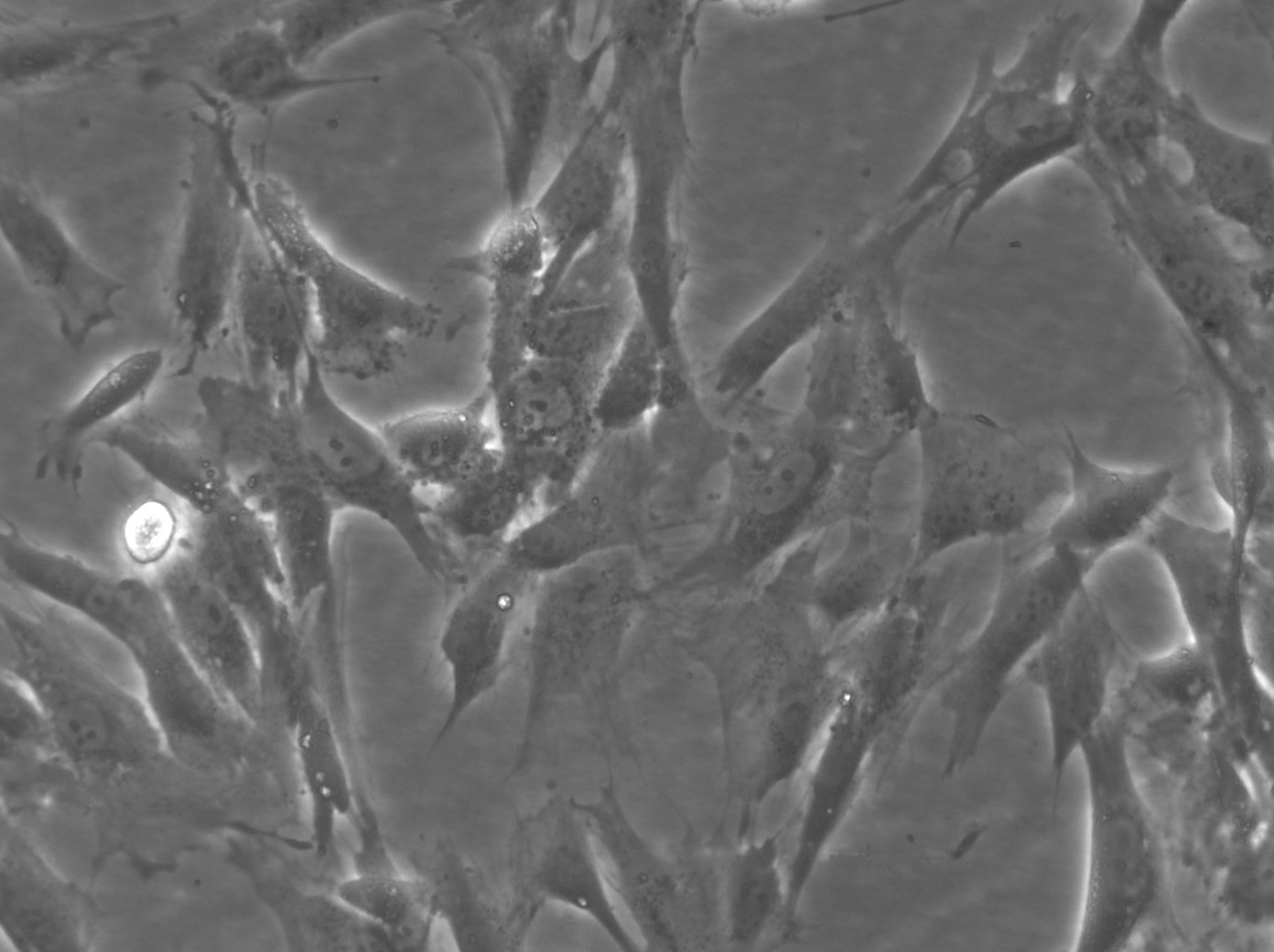
| Description | The imWilms10T cell line is an immortalized variant of the Wilms10T primary tumor cell line, which was derived from a Wilms tumor (nephroblastoma) sample in a pediatric patient. This cell line is distinguished by a homozygous deletion of the WT1 gene, resulting in a complete loss of WT1 protein function. WT1 is a crucial gene for kidney development, and its deletion in imWilms10T reflects a severe genetic disruption that is associated with the pathogenesis of Wilms tumor. In addition to the WT1 deletion, imWilms10T cells exhibit loss of heterozygosity (LOH) in the 11p15 chromosomal region, which includes key genes such as IGF2, contributing to the tumor's aggressive behavior. To overcome the limited lifespan of the Wilms10T cells, the imWilms10T cell line was established by introducing a triple mutant SV40 large T antigen (U19dl89-97tsA58) into the original tumor cells. This immortalization process enables imWilms10T cells to proliferate indefinitely while maintaining chromosomal stability, thereby providing a reliable model for long-term studies. The imWilms10T cells retain the critical characteristics of the parental Wilms10T line, including the complete loss of WT1 and the presence of LOH at 11p15, making them an invaluable resource for studying the molecular consequences of WT1 deletion and the associated tumorigenic processes. imWilms10T cells have been extensively studied for their involvement in key signaling pathways that drive tumor progression. Proteomic analyses have revealed that these cells exhibit phosphorylation and activation of several receptor tyrosine kinases (RTKs), such as IGF1R, PDGFRβ, and AXL. These activated receptors signal through downstream pathways, including the MAPK and PI3K/AKT pathways, which are crucial for maintaining the malignant phenotype of the cells. The imWilms10T cell line serves as an important tool for investigating the impact of complete WT1 loss on cellular signaling, tumor growth, and potential therapeutic targets in Wilms tumor, particularly for more aggressive tumor subtypes. |
|---|---|
| Organisme | Human |
| Tissu | Kidney |
| Maladie | Wilms Tumor |
| Synonymes | ImWilms10 T, IM-WT-10 |
Caractéristiques
| Âge | 2 years |
|---|---|
| Genre | Female |
| Origine ethnique | Caucasian |
| Morphologie | Spindle-shaped |
| Type de cellule | Wilms cells |
| Propriétés de croissance | Adherent |
Données réglementaires
| Référence | ImWilms10T (Cytion catalog number 300419) |
|---|---|
| Niveau de biosécurité | 1 |
| NCBI_Numéro d'identification fiscale | 9606 |
| Cellosaurus - Numéro d'enregistrement | CVCL_DF34 |
| Statut OGM | GMO-S1: This imWilms10T derivative contains the same triple-mutant SV40 T-antigen enabling conditional immortalization for pediatric kidney tumor biology. This classification applies only within Germany and may differ elsewhere. |
Données biomoléculaires
| Profil mutationnel | WT1 mutation status: homozygous del WT1 within del11p13, LOH: no in 11p13 but UPD in 11p15, CTNNB1 mutation status: homozygous del TCT, p.DS45, UPD 3p |
|---|
Manipulation
| Milieu de culture | MSCGM kit (from Lonza) |
|---|---|
| Réactif de dissociation | Accutase |
| Repiquage | Remove the old medium from the adherent cells and wash them with PBS that lacks calcium and magnesium. For T25 flasks, use 3-5 ml of PBS, and for T75 flasks, use 5-10 ml. Then, cover the cells completely with Accutase, using 1-2 ml for T25 flasks and 2.5 ml for T75 flasks. Let the cells incubate at room temperature for 8-10 minutes to detach them. After incubation, gently mix the cells with 10 ml of medium to resuspend them, then centrifuge at 300xg for 3 minutes. Discard the supernatant, resuspend the cells in fresh medium, and transfer them into new flasks that already contain fresh medium. |
| Renouvellement des fluides | 1 to 2 times per week |
| Milieu de congélation | As a cryopreservation medium, we use complete growth medium (including FBS) + 10% DMSO for adequate post-thaw viability, or CM-1 (Cytion catalog number 800100), which includes optimized osmoprotectants and metabolic stabilizers to enhance recovery and reduce cryo-induced stress. |
| Décongélation et culture des cellules |
|
| Atmosphère d'incubation | 37°C, 5% CO2, humidified atmosphere. |
| Conditions d'expédition | Cryopreserved cell lines are shipped on dry ice in validated, insulated packaging with sufficient refrigerant to maintain approximately −78 °C throughout transit. On receipt, inspect the container immediately and transfer vials without delay to appropriate storage. |
| Conditions d'entreposage | For long-term preservation, place vials in vapor-phase liquid nitrogen at about −150 to −196 °C. Storage at −80 °C is acceptable only as a short interim step before transfer to liquid nitrogen. |
Contrôle de la qualité et analyse moléculaire
| Stérilité | Mycoplasma contamination is excluded using both PCR-based assays and luminescence-based mycoplasma detection methods. To ensure there is no bacterial, fungal, or yeast contamination, cell cultures are subjected to daily visual inspections. |
|---|
Certificat d'analyse (CoA)
| Numéro de lot | Type de certificat | Date | Numéro de catalogue |
|---|---|---|---|
| 300419-221 | Certificat d'analyse | 23. May. 2025 | 300419 |