HK EB3-EGFP Cells
1 104,00 CAD$*
Products are shipped frozen on dry ice in cryotubes. Each cryotube typically contains 3 × 10⁶ cells for adherent lines or 5 × 10⁶ cells for suspension lines (refer to the batch CoA for details).
Renseignements généraux
| Description | Hela Kyoto EB3-EGFP is a derivative of the HeLa Kyoto cell line, specifically engineered to express the End-Binding Protein 3 (EB3) tagged with Enhanced Green Fluorescent Protein (EGFP). This cell line is commonly utilized in research focused on understanding microtubule dynamics due to the fluorescent tagging of EB3, a protein that associates with the plus ends of microtubules. The expression of EGFP provides a fluorescent marker that allows for real-time visualization of microtubule behavior in live cells under a fluorescence microscope. This cell line is particularly valuable in cell biology and cancer research, where understanding the mechanics of cell division and intracellular transport is crucial. The stable expression of EB3-EGFP does not interfere with the normal functions of the microtubules, making these cells a reliable tool for detailed studies of cellular processes that depend on microtubule dynamics. |
|---|---|
| Organisme | Human |
| Tissu | Cervix |
| Maladie | Carcinoma |
| Synonymes | HeLa Kyoto EB3-EGFP, HeLa Kyoto EB3 EGFP, HeLa Kyoto EGFP-EB3 |
Caractéristiques
| Âge | 30 years |
|---|---|
| Genre | Female |
| Origine ethnique | African American |
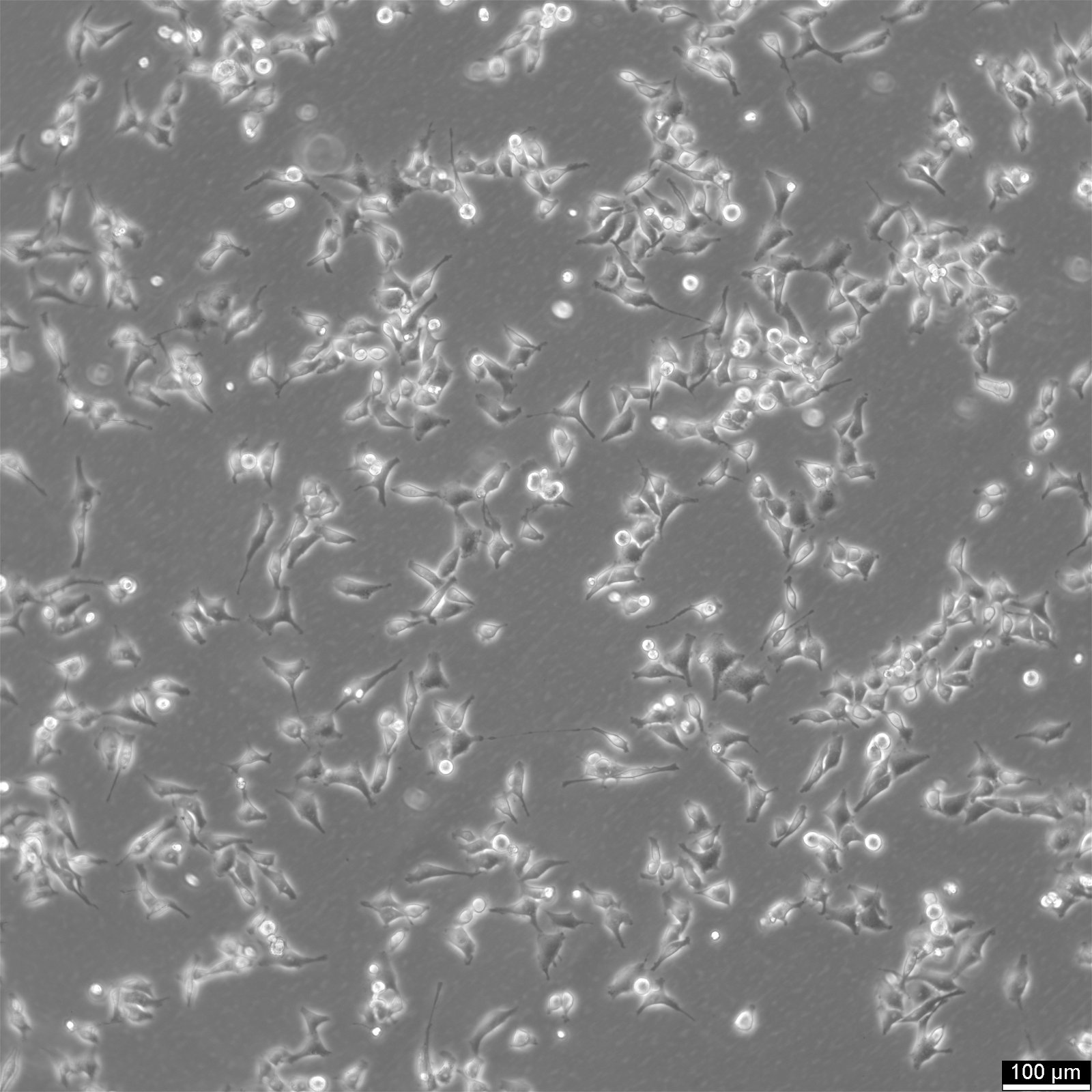
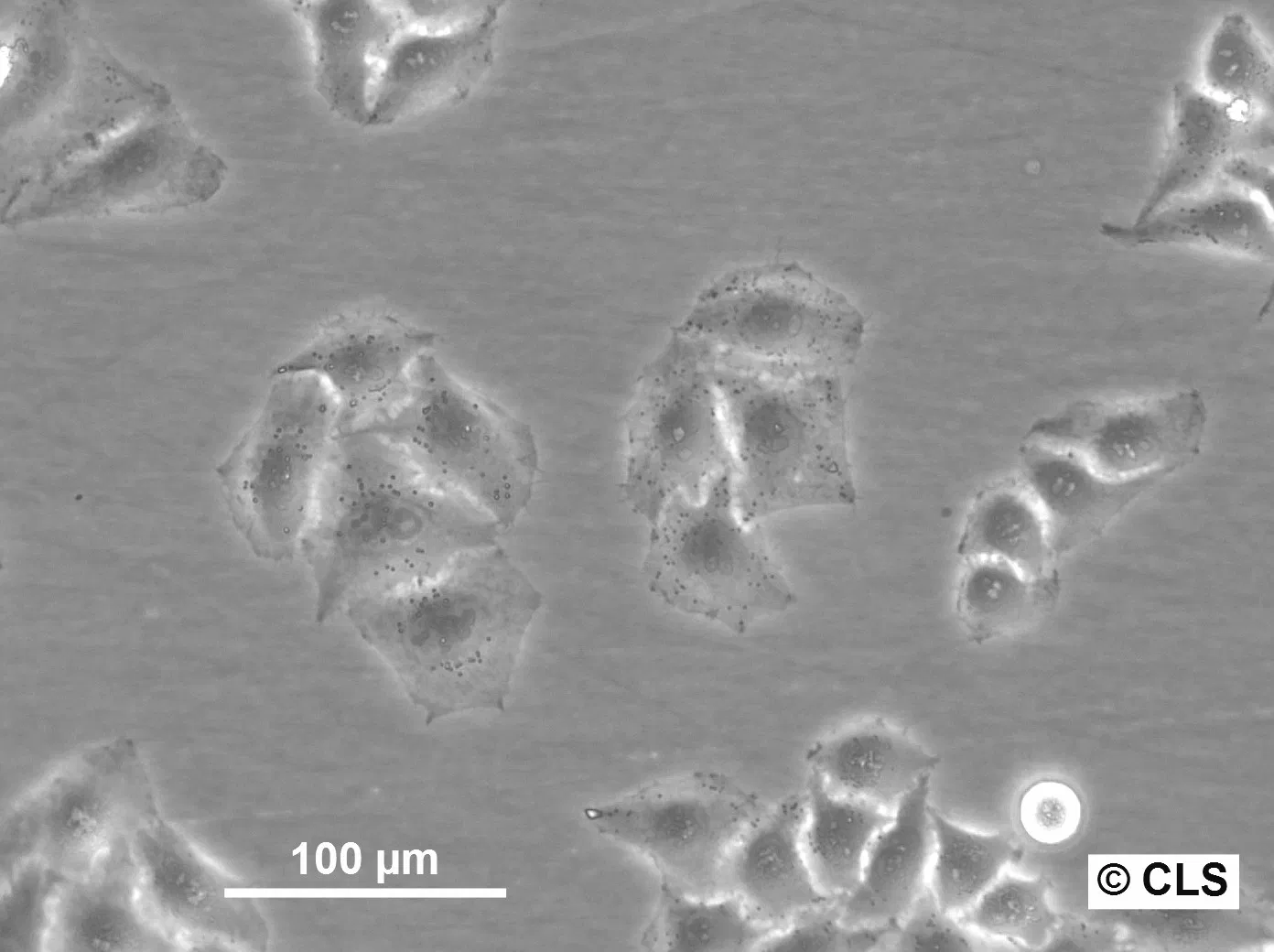
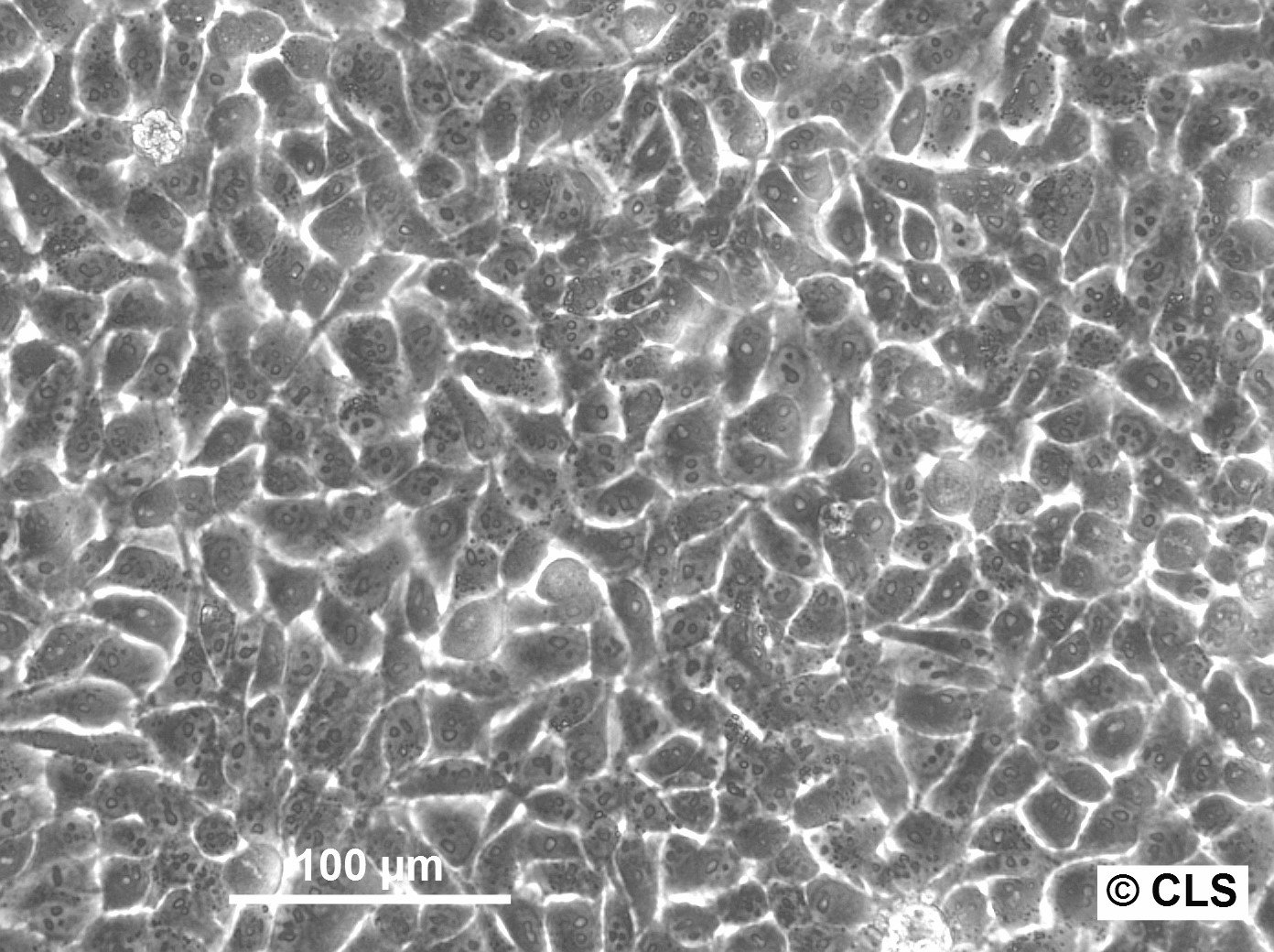
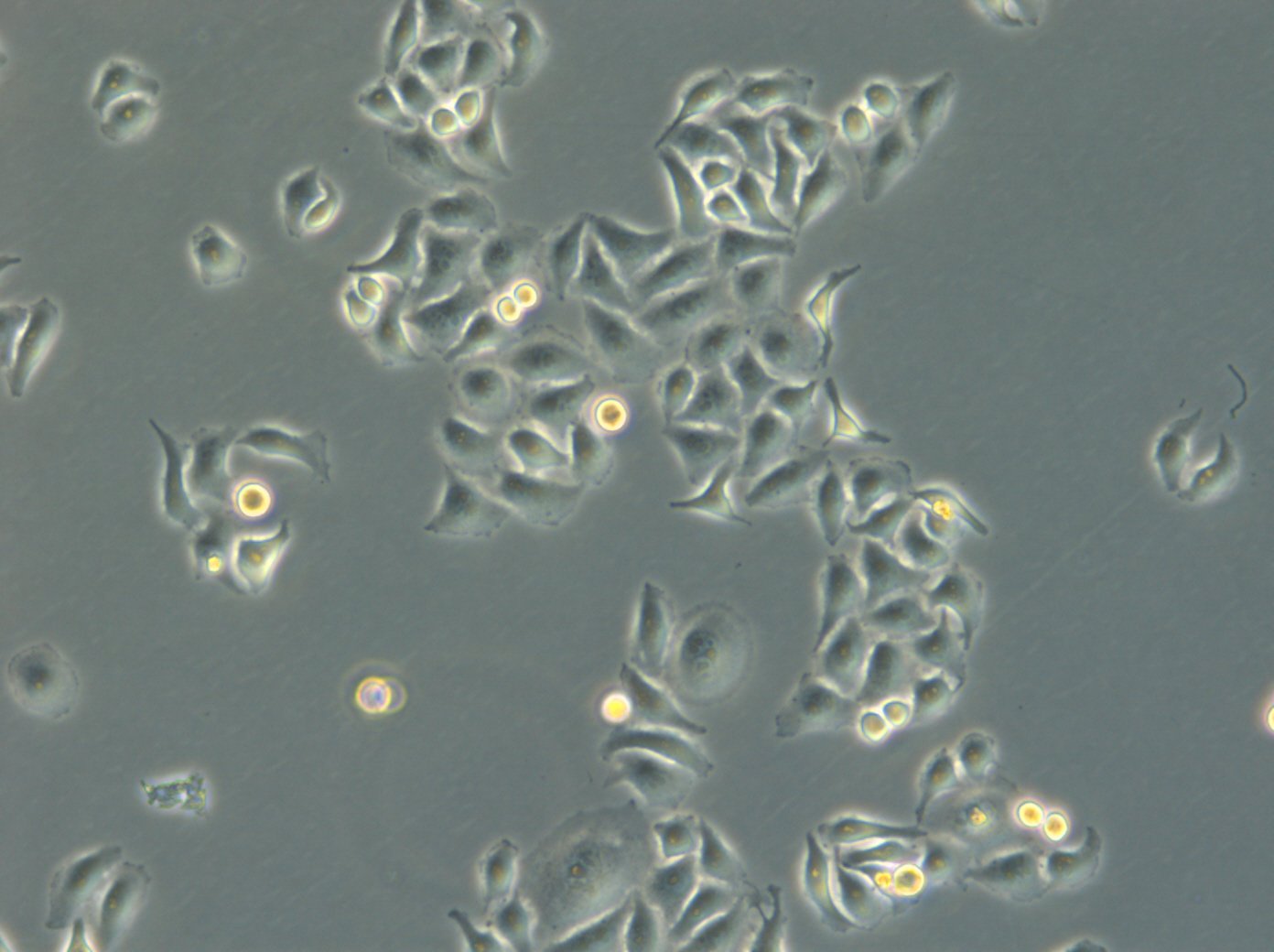
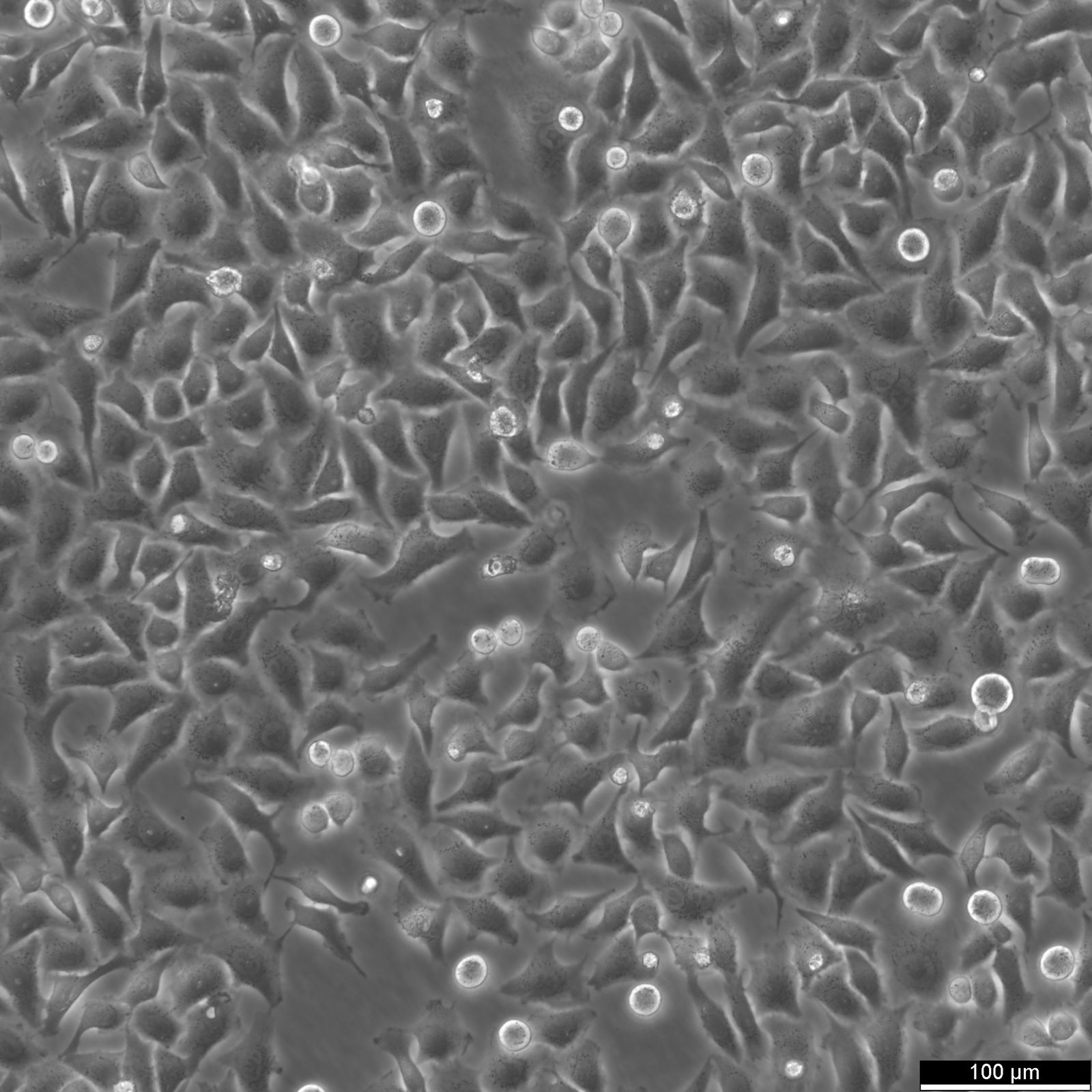
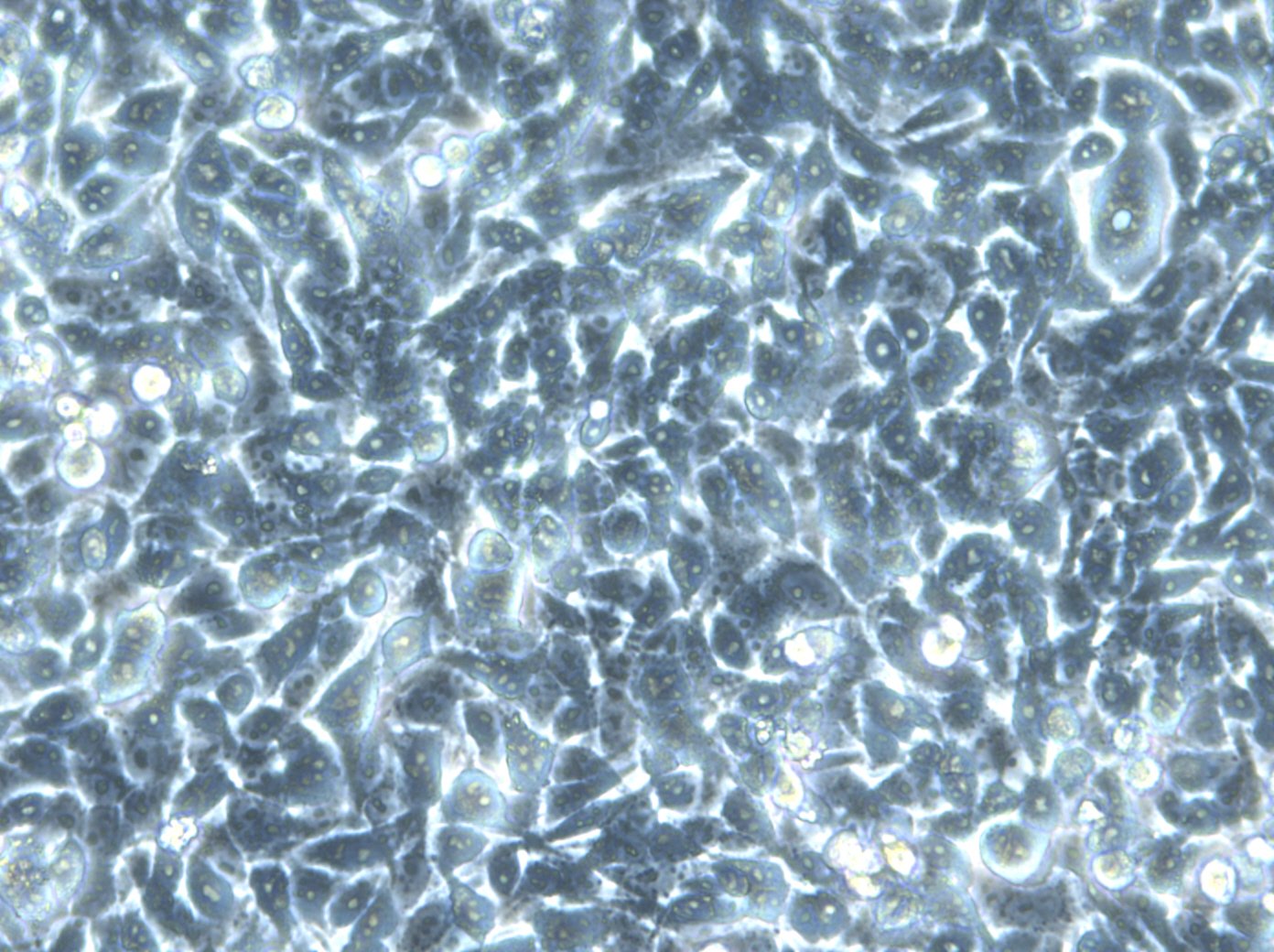
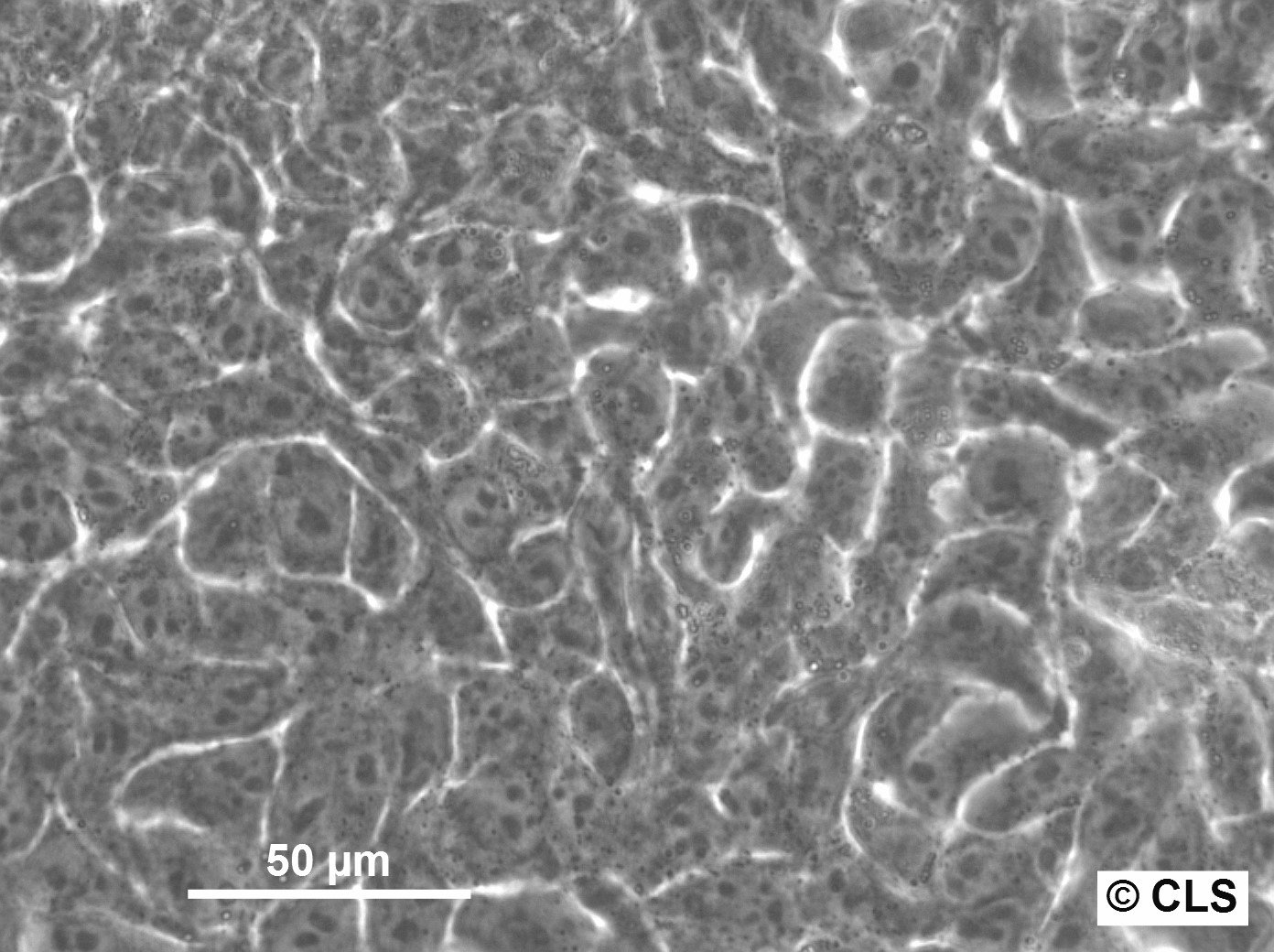
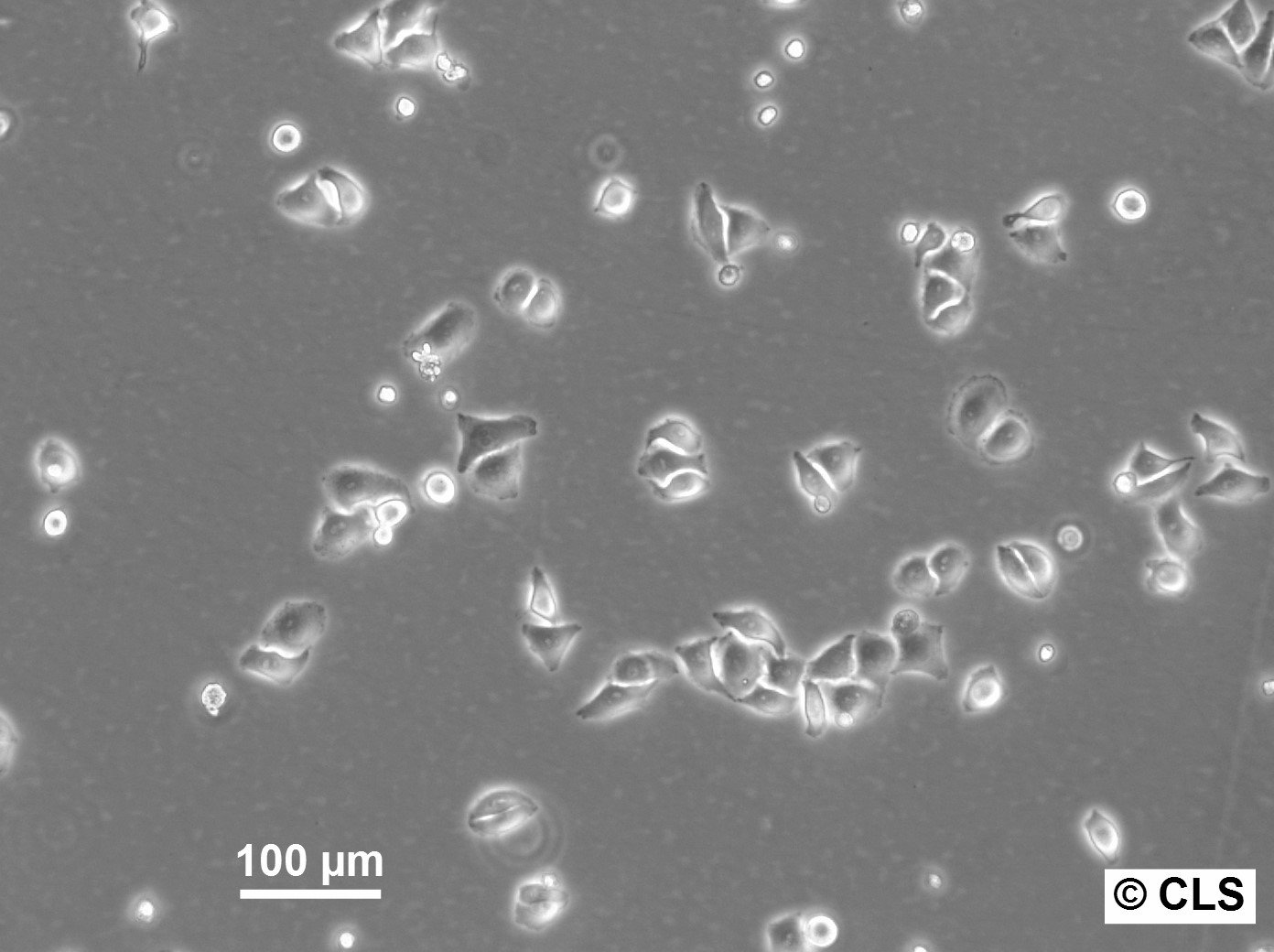
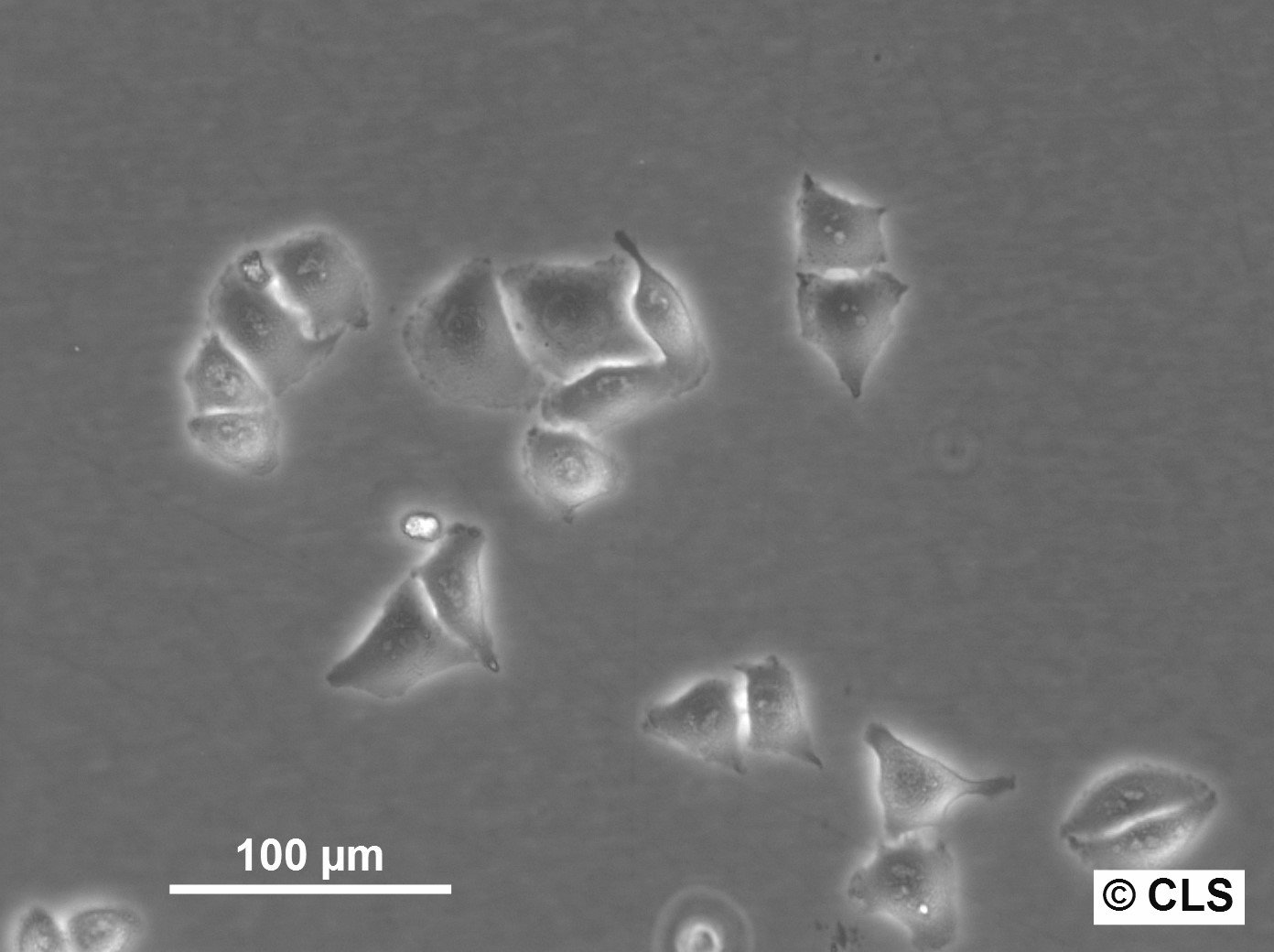
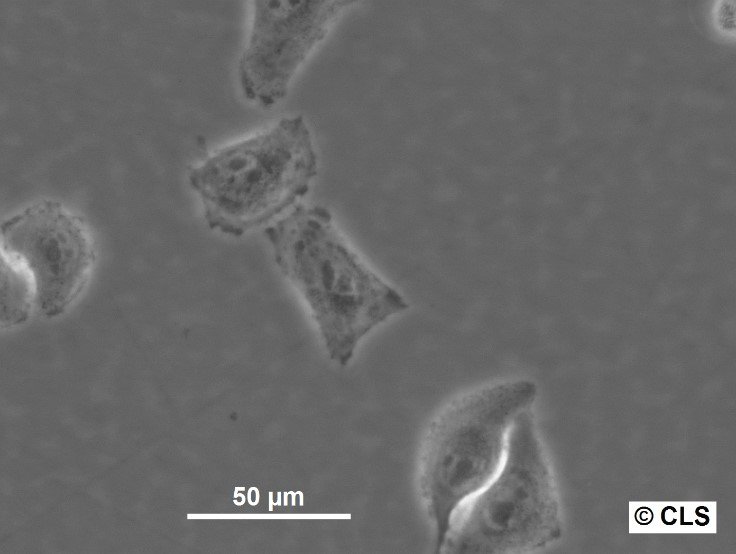
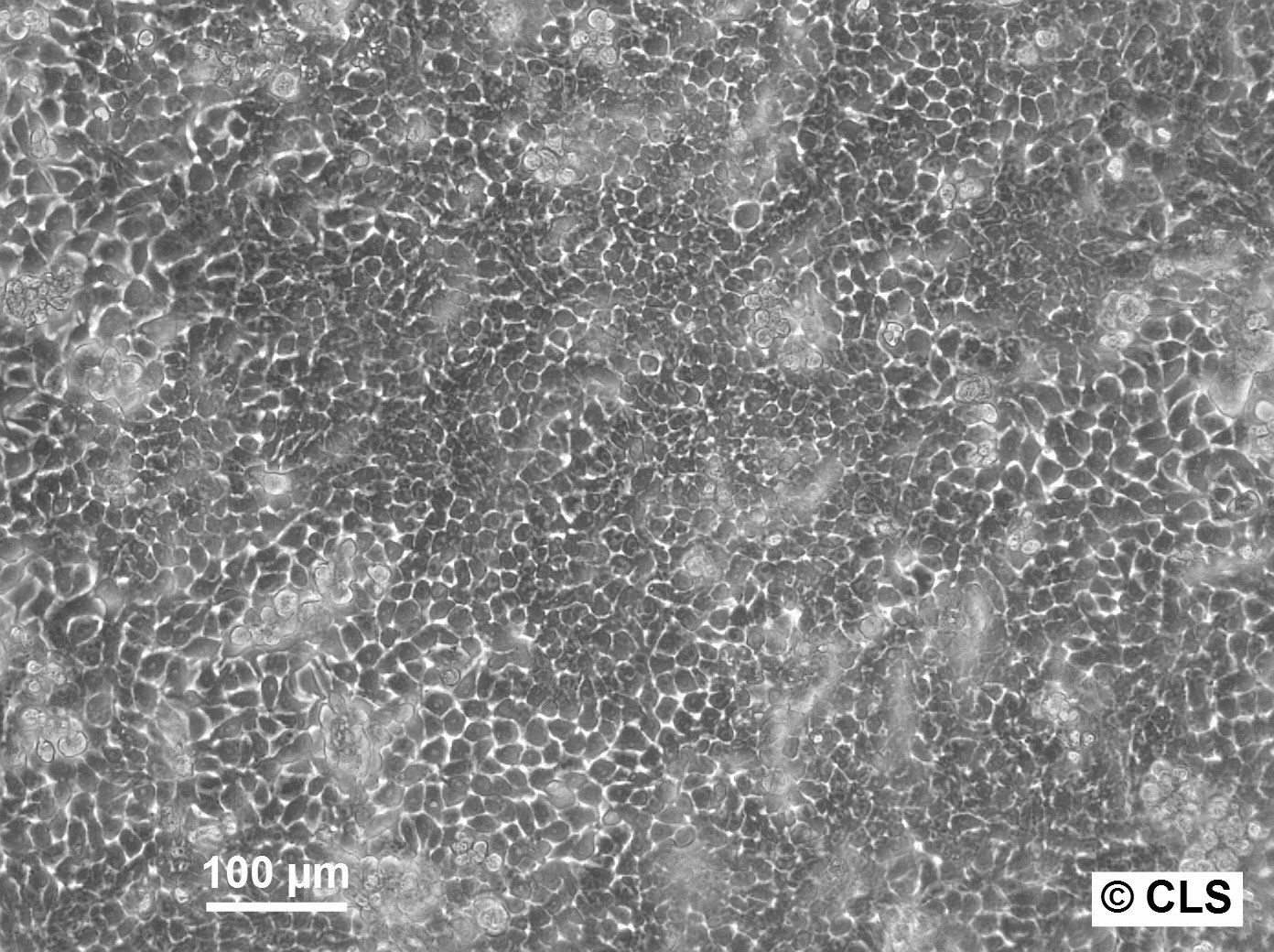
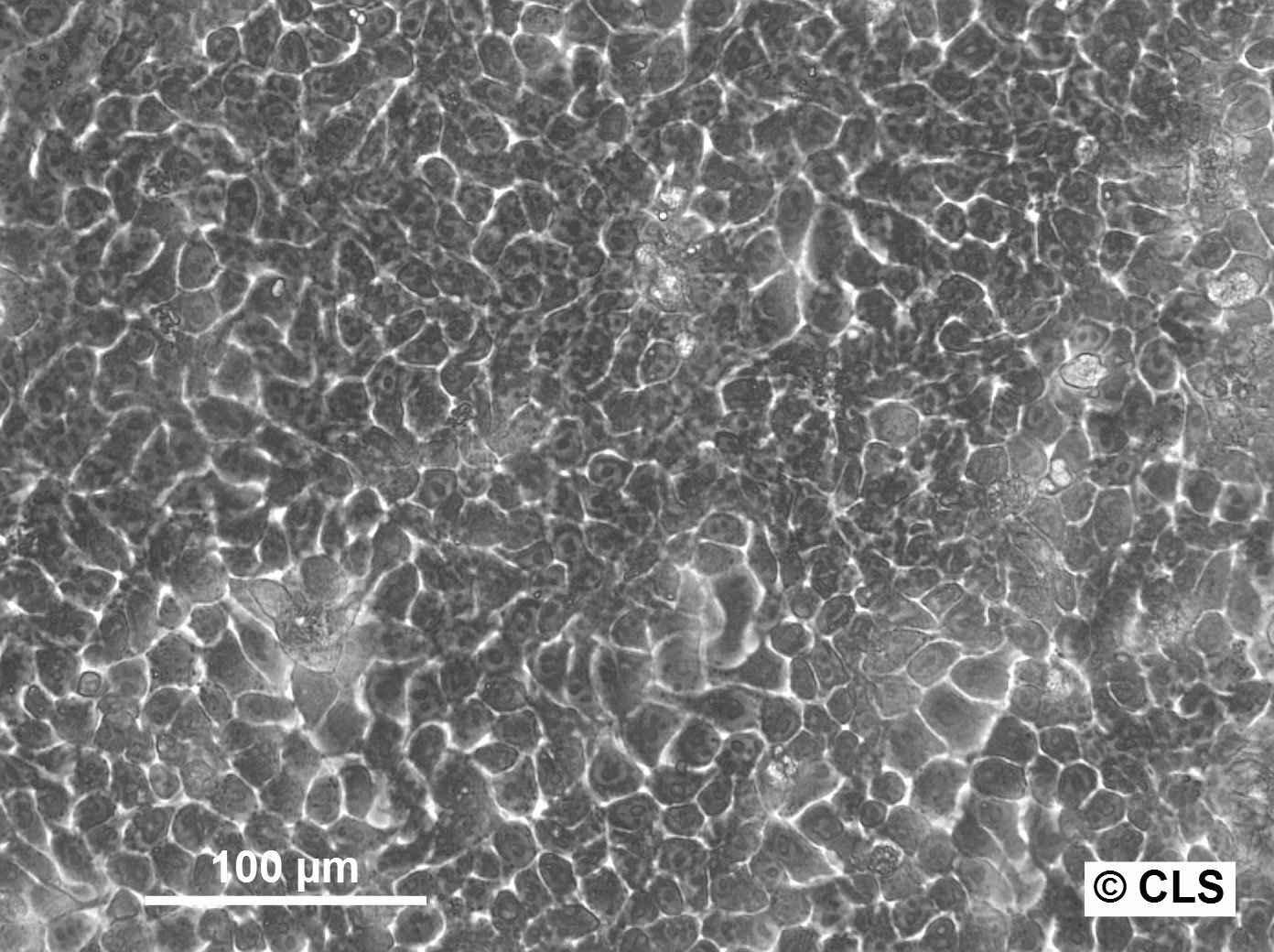
| Morphologie | Epithelial-like cells with mosaic stone shape |
| Propriétés de croissance | Monolayer, adherent |
Données réglementaires
| Référence | HK EB3-EGFP (Cytion catalog number 300668) |
|---|---|
| Niveau de biosécurité | 1 |
| NCBI_Numéro d'identification fiscale | 9606 |
| Cellosaurus - Numéro d'enregistrement | CVCL_1D61 |
| Déposant | The Ellenberg Lab (EMBL) |
| Statut OGM | GMO-S1: This HeLa Kyoto EB3-EGFP line contains an EGFP-tagged EB3 construct for dynamic microtubule visualization. This classification applies only within Germany and may differ elsewhere. |
Données biomoléculaires
| Expression des protéines | MEGFP (microtubule End-binding protein 3 mEGFP tagged): Location/Gene: 1..589 / Pcmv, 652..1497 / EB3, 1516..2235 / EGFP, 3466..4260 / KanR/NeoR |
|---|---|
| Produits | CMV Promotor EB3, Neomycin, Phosphotransferase |
Manipulation
| Milieu de culture | DMEM, w: 4.5 g/L Glucose, w: 4 mM L-Glutamine, w: 3.7 g/L NaHCO3, w: 1.0 mM Sodium pyruvate (Cytion article number 820300a) |
|---|---|
| Suppléments | Supplement the medium with 10% FBS |
| Réactif de dissociation | Accutase |
| Repiquage | Remove the old medium from the adherent cells and wash them with PBS that lacks calcium and magnesium. For T25 flasks, use 3-5 ml of PBS, and for T75 flasks, use 5-10 ml. Then, cover the cells completely with Accutase, using 1-2 ml for T25 flasks and 2.5 ml for T75 flasks. Let the cells incubate at room temperature for 8-10 minutes to detach them. After incubation, gently mix the cells with 10 ml of medium to resuspend them, then centrifuge at 300xg for 3 minutes. Discard the supernatant, resuspend the cells in fresh medium, and transfer them into new flasks that already contain fresh medium. |
| Densité de semis | 1 x 10⁴ cells/cm2 |
| Renouvellement des fluides | 2 to 3 times per week |
| Rétablissement après le dégel | After thawing, plate the cells at 5 x 10⁴ cells/cm2 and allow the cells to recover from the freezing process and to adhere for at least 24 hours. |
| Milieu de congélation | As a cryopreservation medium, we use complete growth medium (including FBS) + 10% DMSO for adequate post-thaw viability, or CM-1 (Cytion catalog number 800100), which includes optimized osmoprotectants and metabolic stabilizers to enhance recovery and reduce cryo-induced stress. |
| Décongélation et culture des cellules |
|
| Atmosphère d'incubation | 37°C, 5% CO2, humidified atmosphere. |
| Conditions d'expédition | Cryopreserved cell lines are shipped on dry ice in validated, insulated packaging with sufficient refrigerant to maintain approximately −78 °C throughout transit. On receipt, inspect the container immediately and transfer vials without delay to appropriate storage. |
| Conditions d'entreposage | For long-term preservation, place vials in vapor-phase liquid nitrogen at about −150 to −196 °C. Storage at −80 °C is acceptable only as a short interim step before transfer to liquid nitrogen. |
Contrôle de la qualité et analyse moléculaire
| Stérilité | Mycoplasma contamination is excluded using both PCR-based assays and luminescence-based mycoplasma detection methods. To ensure there is no bacterial, fungal, or yeast contamination, cell cultures are subjected to daily visual inspections. |
|---|
-
Related products
Related products
HK EGFP-alpha-tubulin/H2B-mCherry CellsOrganisme Human Tissu Cervix Maladie Carcinoma 1 104,00 CAD$*