
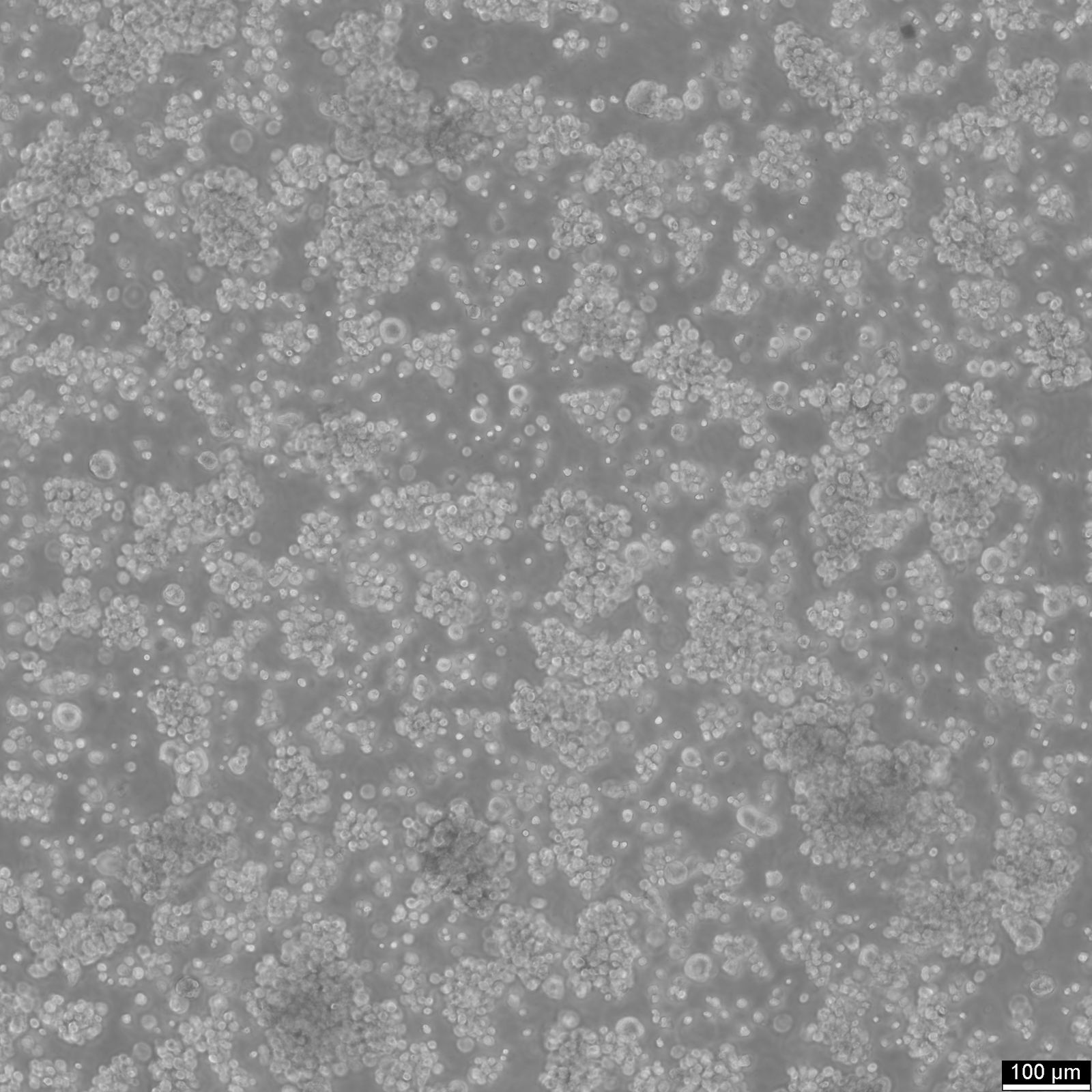
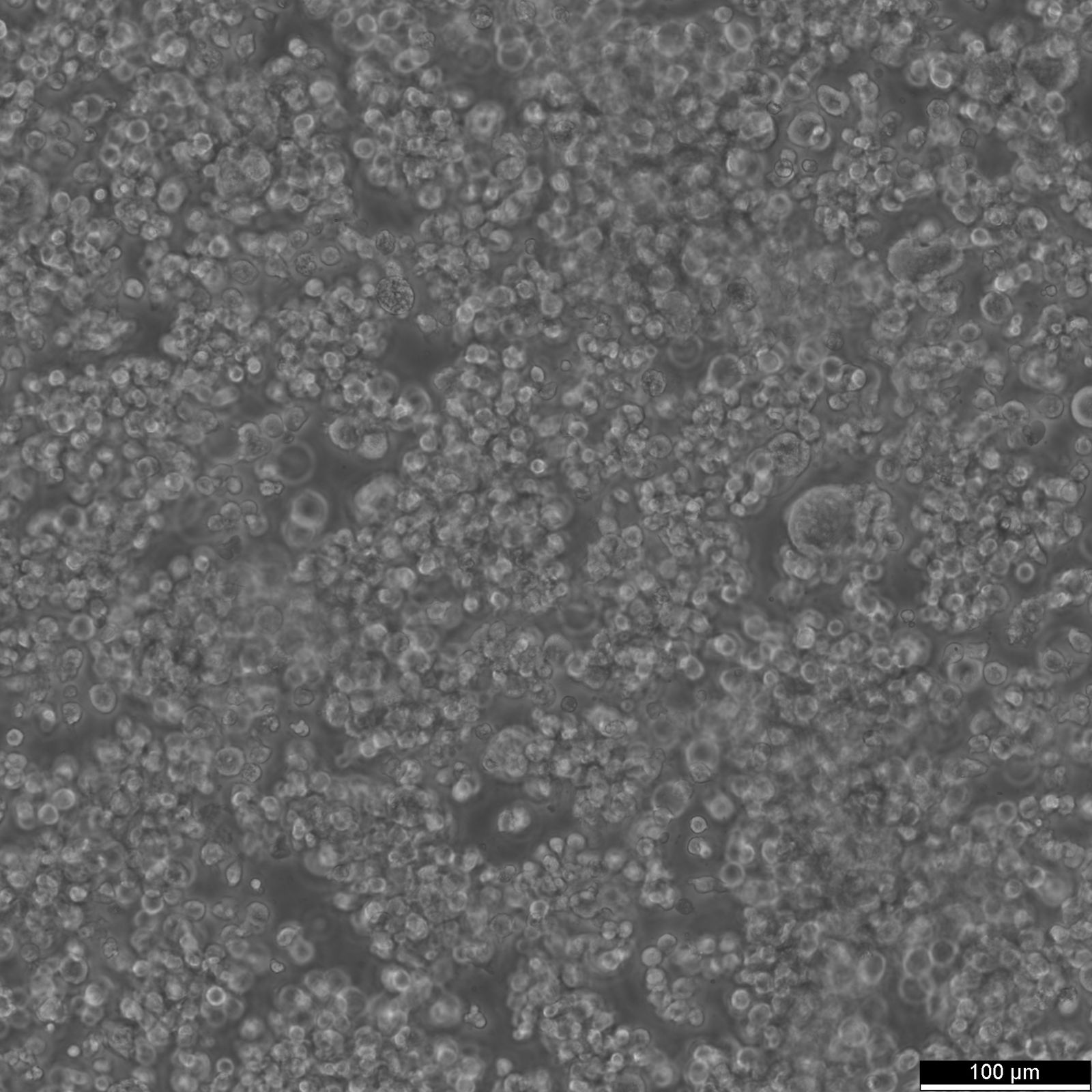
EB1 Cells
545,10 CAD$*
Products are shipped frozen on dry ice in cryotubes. Each cryotube typically contains 3 × 10⁶ cells for adherent lines or 5 × 10⁶ cells for suspension lines (refer to the batch CoA for details).
Renseignements généraux
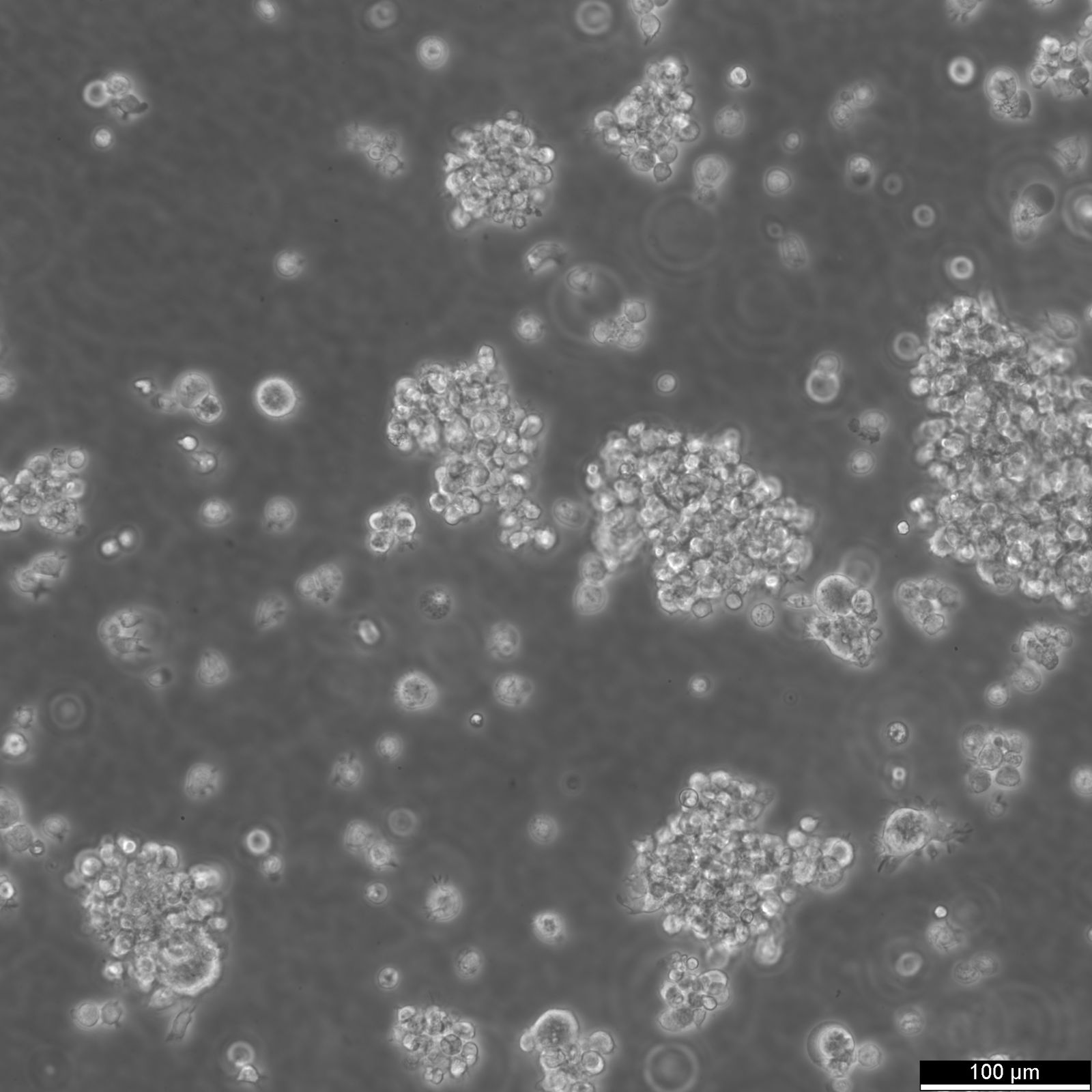
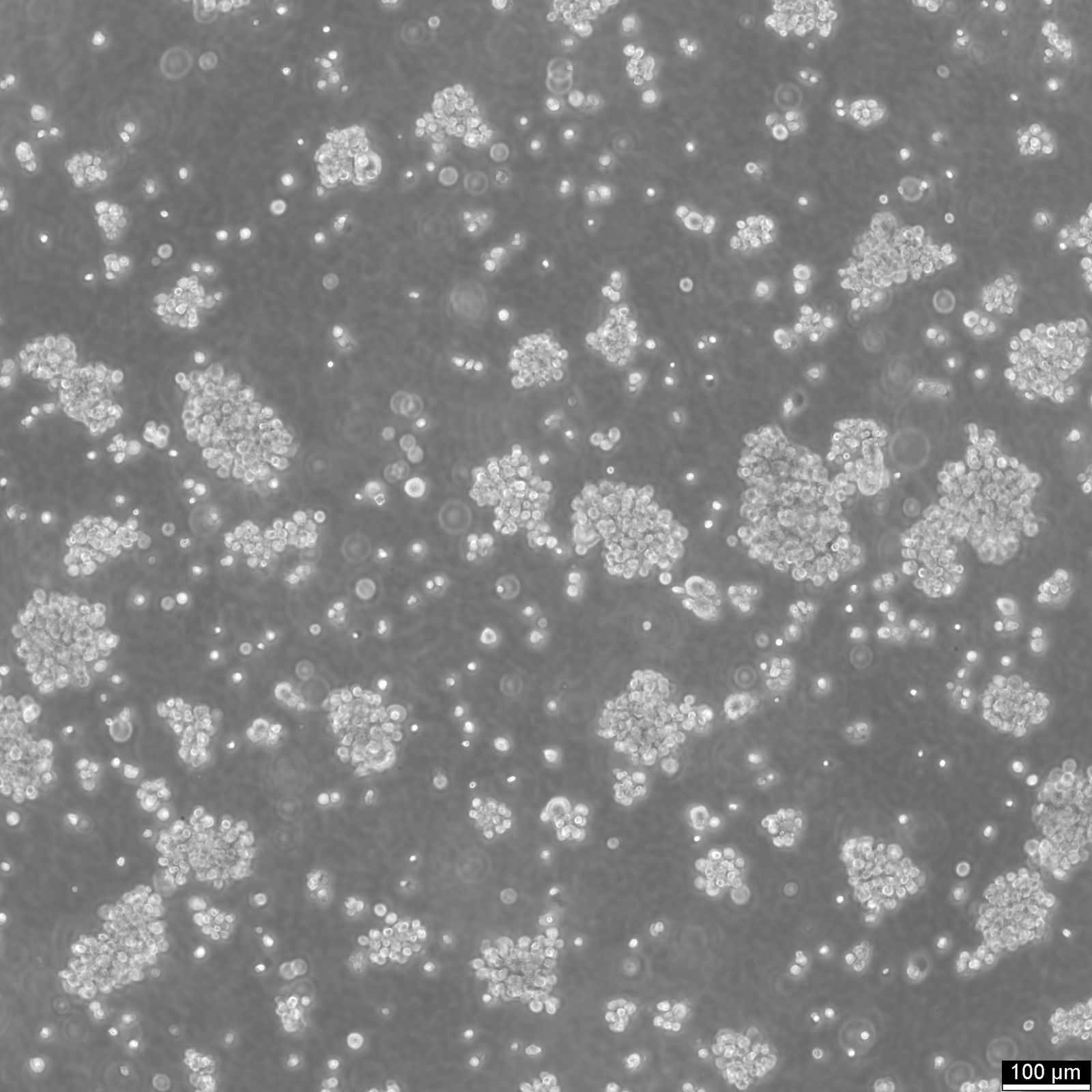
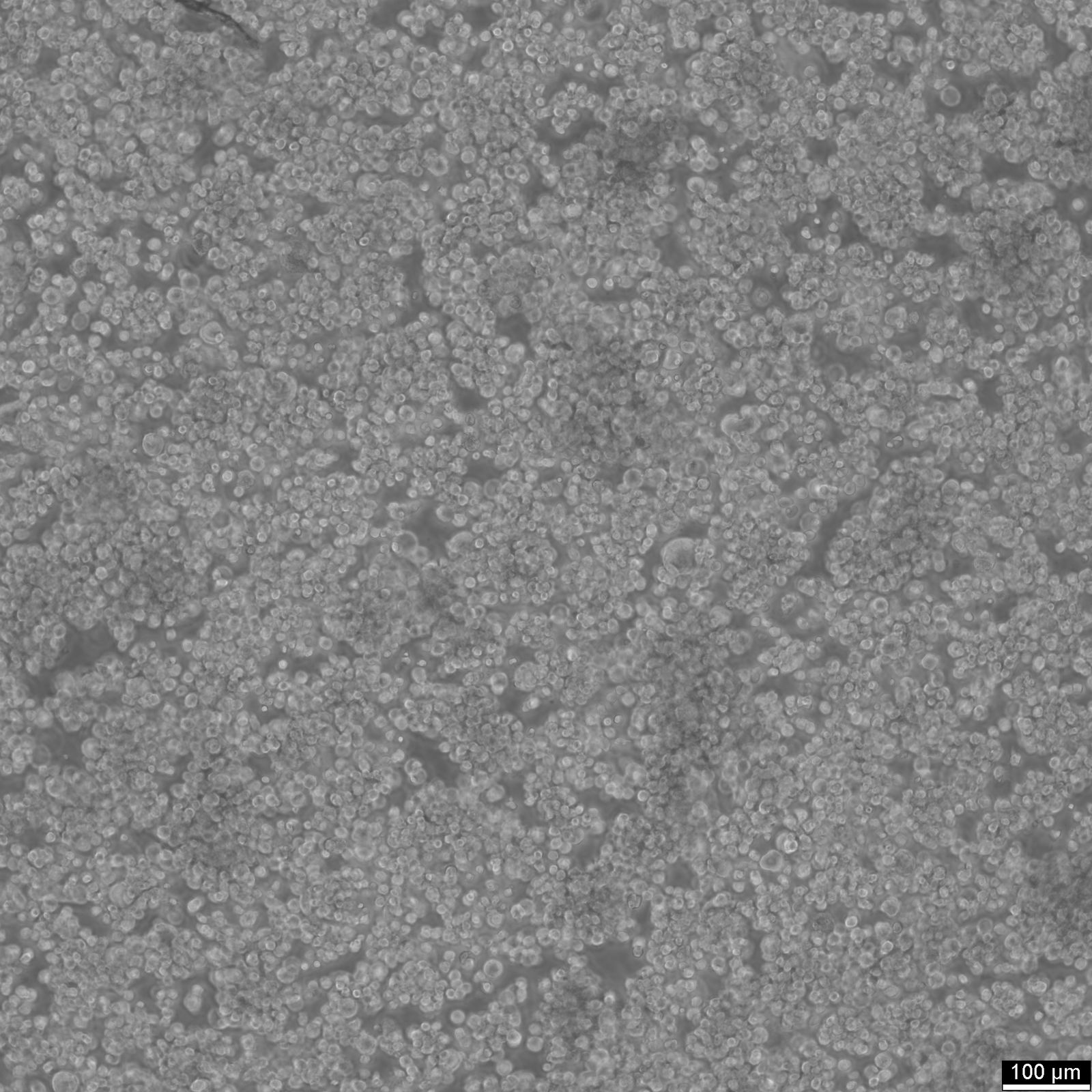
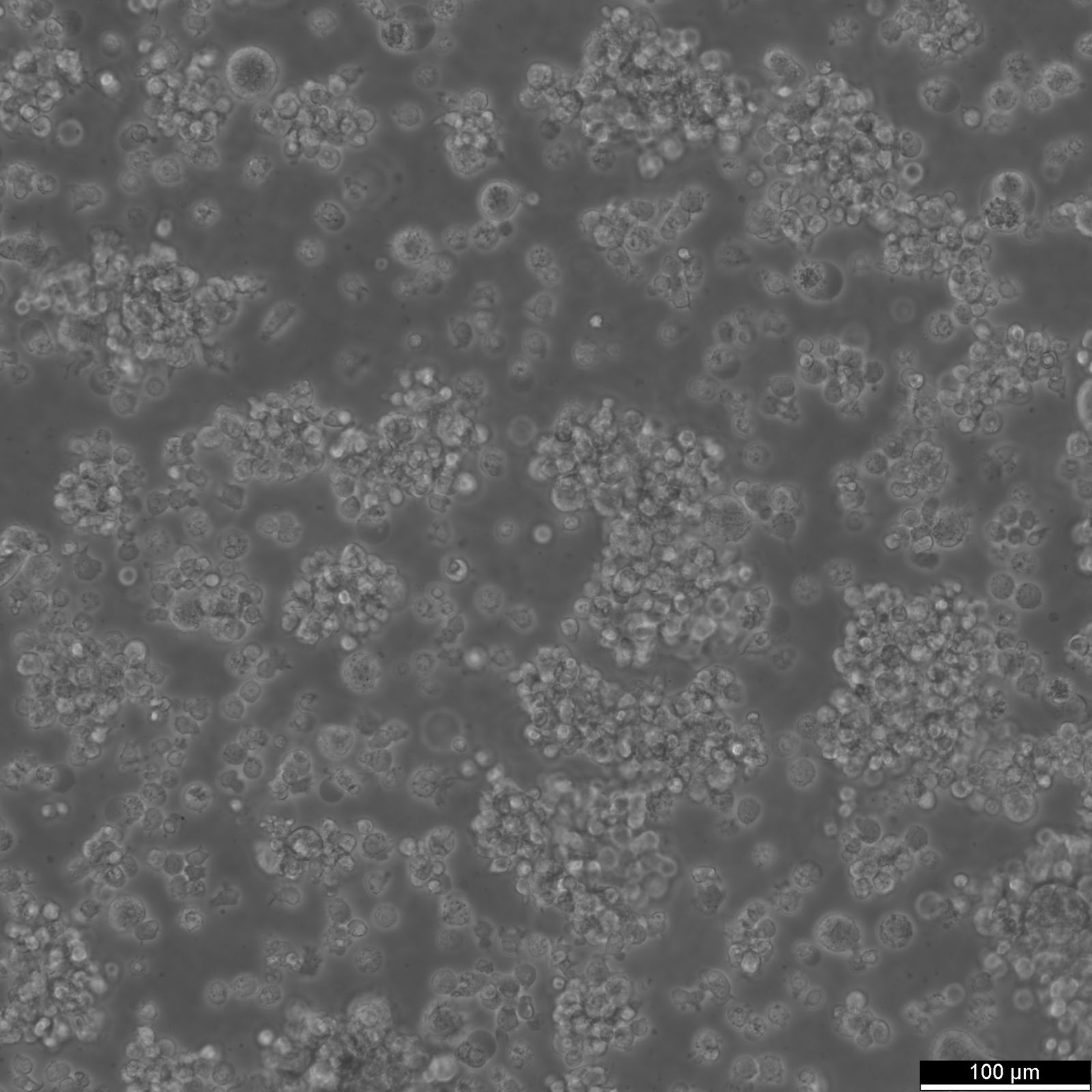
| Description | The EB1 cell line is a human-derived cell line established from biopsy fragments and cell clumps of Burkitt lymphoma. This line was originally cultivated in Eagle's basal medium supplemented with 10% human serum. The unique growth conditions facilitated the development of cells that predominantly grew as free-floating single individuals or doublets. The EB1 cells exhibit a characteristic doubling time of approximately 48 hours, highlighting their rapid proliferation rate, which is a hallmark feature of lymphoblasts. Morphologically, the EB1 cells display uniform altered lymphoblast characteristics, indicating their derivation from lymphoid tissue. The cell line has been utilized extensively in the study of Burkitt's lymphoma, providing insights into the pathology of lymphoid malignancies. It serves as a valuable model for researching the biological behavior of lymphoid cells under various experimental conditions, aiding in the exploration of therapeutic targets and the understanding of lymphoma progression. |
|---|---|
| Organisme | Human |
| Tissu | Blood |
| Maladie | Burkitt lymphoma |
| Synonymes | EB-1, Epstein-Barr-1 |
Caractéristiques
| Âge | 9 years |
|---|---|
| Genre | Female |
| Origine ethnique | African |
| Morphologie | Polymorph cells, big nuclei, formation of microvilli |
| Type de cellule | B lymphocyte |
| Propriétés de croissance | Suspension |
Données réglementaires
| Référence | EB1 (Cytion catalog number 300403) |
|---|---|
| Niveau de biosécurité | 2 |
| NCBI_Numéro d'identification fiscale | 9606 |
| Cellosaurus - Numéro d'enregistrement | CVCL_2027 |
Données biomoléculaires
| Isoenzymes | PGM1, ESD1, GLO-1, G6PD, B |
|---|---|
| Virus | Contains Herpesvirus |
| Caryotype | Chromosome Frequency Distribution 30 cells: 2n = 46. The cell line is aneuploid human female, with chromosome counts in the near dipoidrange. Normal chromosomes N8, N11 and N14 are monosomic, with the remainder of autosomes usually being paired. The x chromosome most often is trisomic. Four marker chromosomes are found. Two of these (markers M1 and M3) involve the reciprocal translocation between chromosomes N8 and N14 associated with most Burkitt's lymphoma cell lines. |
Manipulation
| Milieu de culture | RPMI 1640, w: 2.0 mM stable Glutamine, w: 2.0 g/L NaHCO3 (Cytion article number 820700a) |
|---|---|
| Suppléments | Supplement the medium with 10% heat-inactivated FBS |
| Temps de doublement | 48 hours |
| Repiquage | The cells should be subcultured by transferring part of the suspension into fresh new cell culture flasks prefilled with fresh medium. Alternatively, the clusters may be collected by centrifugation and resuspended in fresh medium. |
| Densité de semis | 0.1 x 10⁶ cells/ml |
| Renouvellement des fluides | 2 to 3 times per week |
| Rétablissement après le dégel | After thawing, allow the cells to recover from the freezing process for at least 24 hours |
| Milieu de congélation | As a cryopreservation medium, we use complete growth medium (including FBS) + 10% DMSO for adequate post-thaw viability, or CM-1 (Cytion catalog number 800100), which includes optimized osmoprotectants and metabolic stabilizers to enhance recovery and reduce cryo-induced stress. |
| Décongélation et culture des cellules |
|
| Atmosphère d'incubation | 37°C, 5% CO2, humidified atmosphere. |
| Conditions d'expédition | Cryopreserved cell lines are shipped on dry ice in validated, insulated packaging with sufficient refrigerant to maintain approximately −78 °C throughout transit. On receipt, inspect the container immediately and transfer vials without delay to appropriate storage. |
| Conditions d'entreposage | For long-term preservation, place vials in vapor-phase liquid nitrogen at about −150 to −196 °C. Storage at −80 °C is acceptable only as a short interim step before transfer to liquid nitrogen. |
Contrôle de la qualité et analyse moléculaire
| Stérilité | Mycoplasma contamination is excluded using both PCR-based assays and luminescence-based mycoplasma detection methods. To ensure there is no bacterial, fungal, or yeast contamination, cell cultures are subjected to daily visual inspections. |
|---|
Certificat d'analyse (CoA)
| Numéro de lot | Type de certificat | Date | Numéro de catalogue |
|---|---|---|---|
| 300403-213 | Certificat d'analyse | 23. May. 2025 | 300403 |
| 300403-240225 | Certificat d'analyse | 23. May. 2025 | 300403 |