
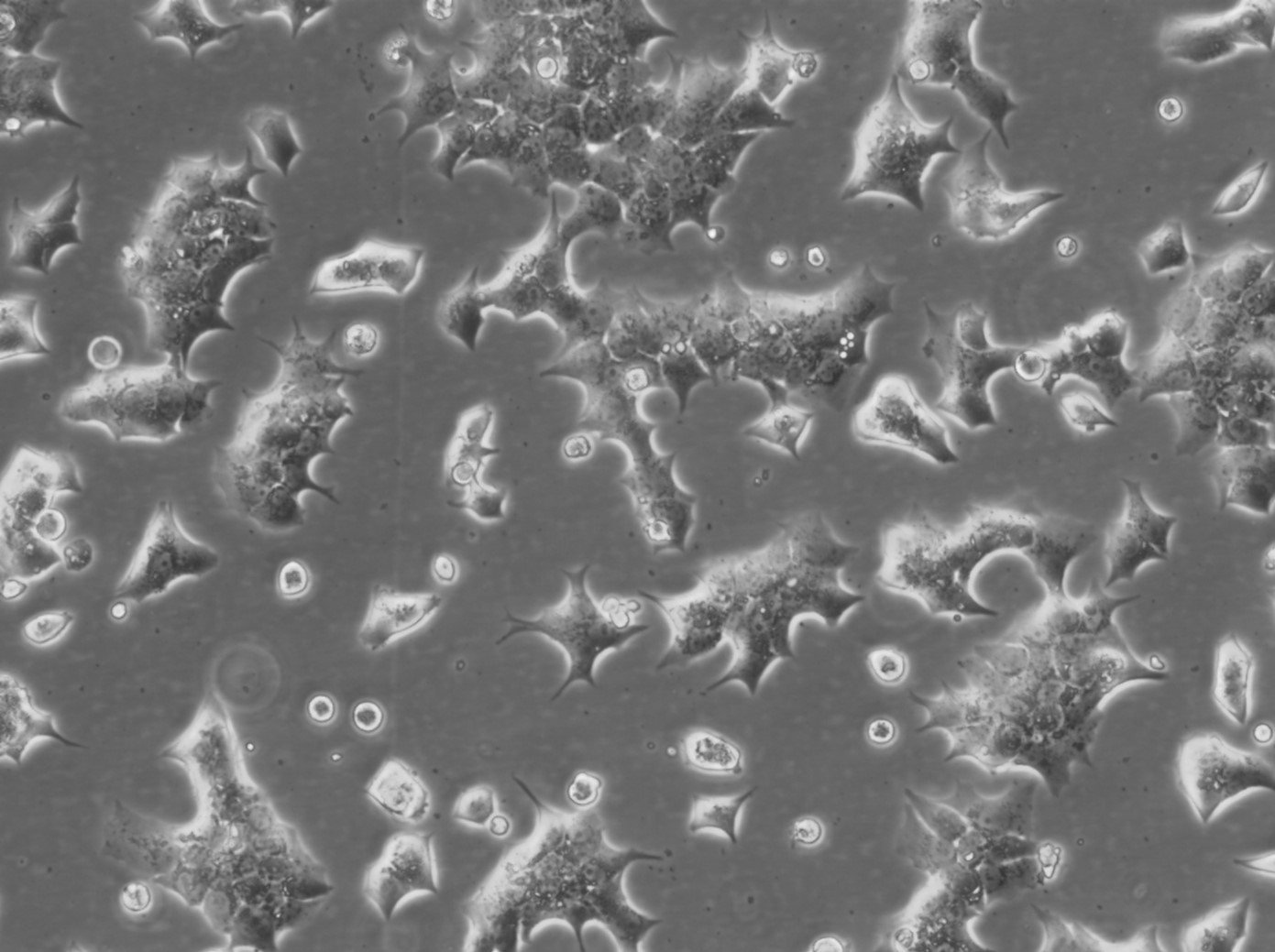
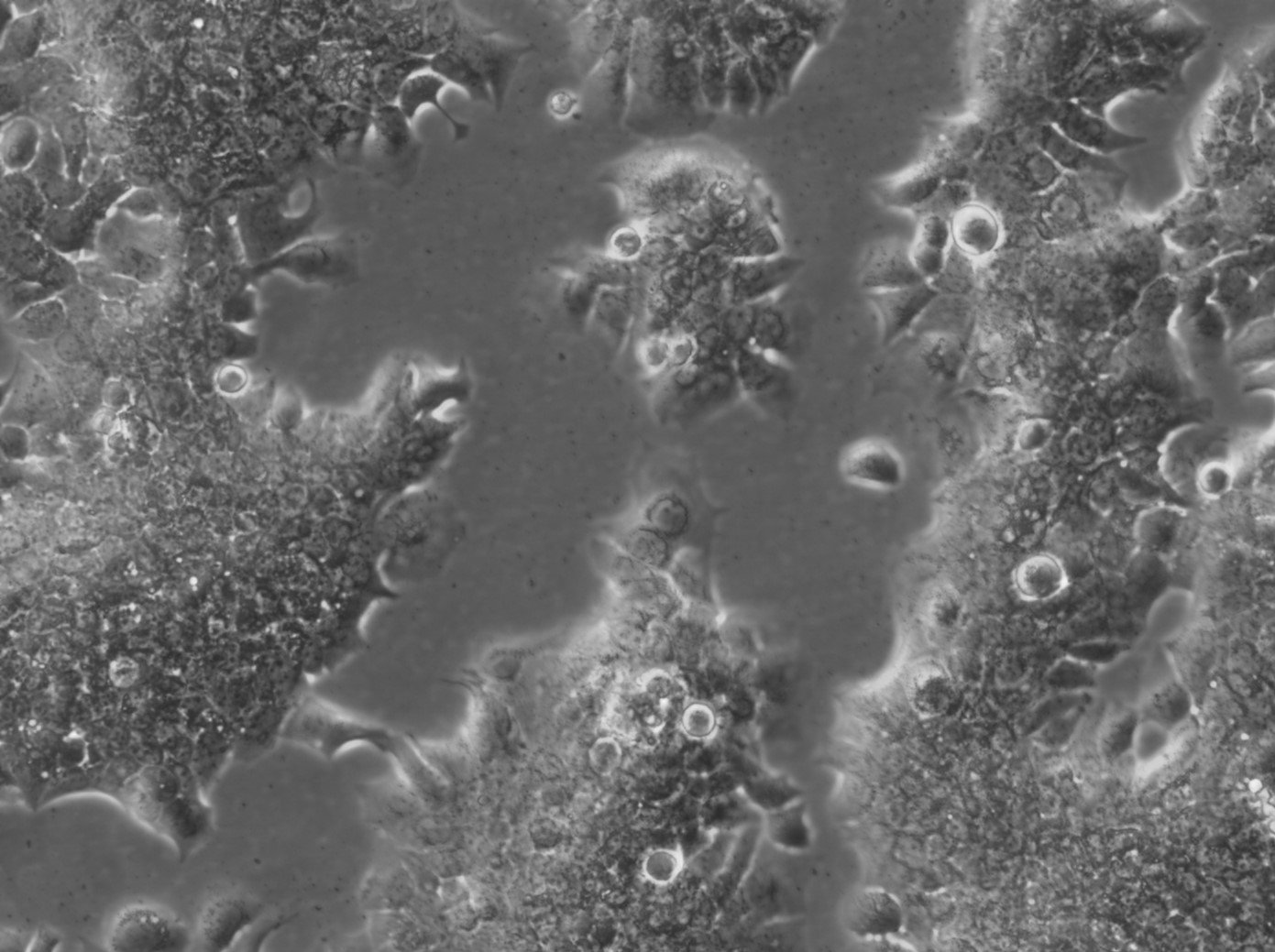
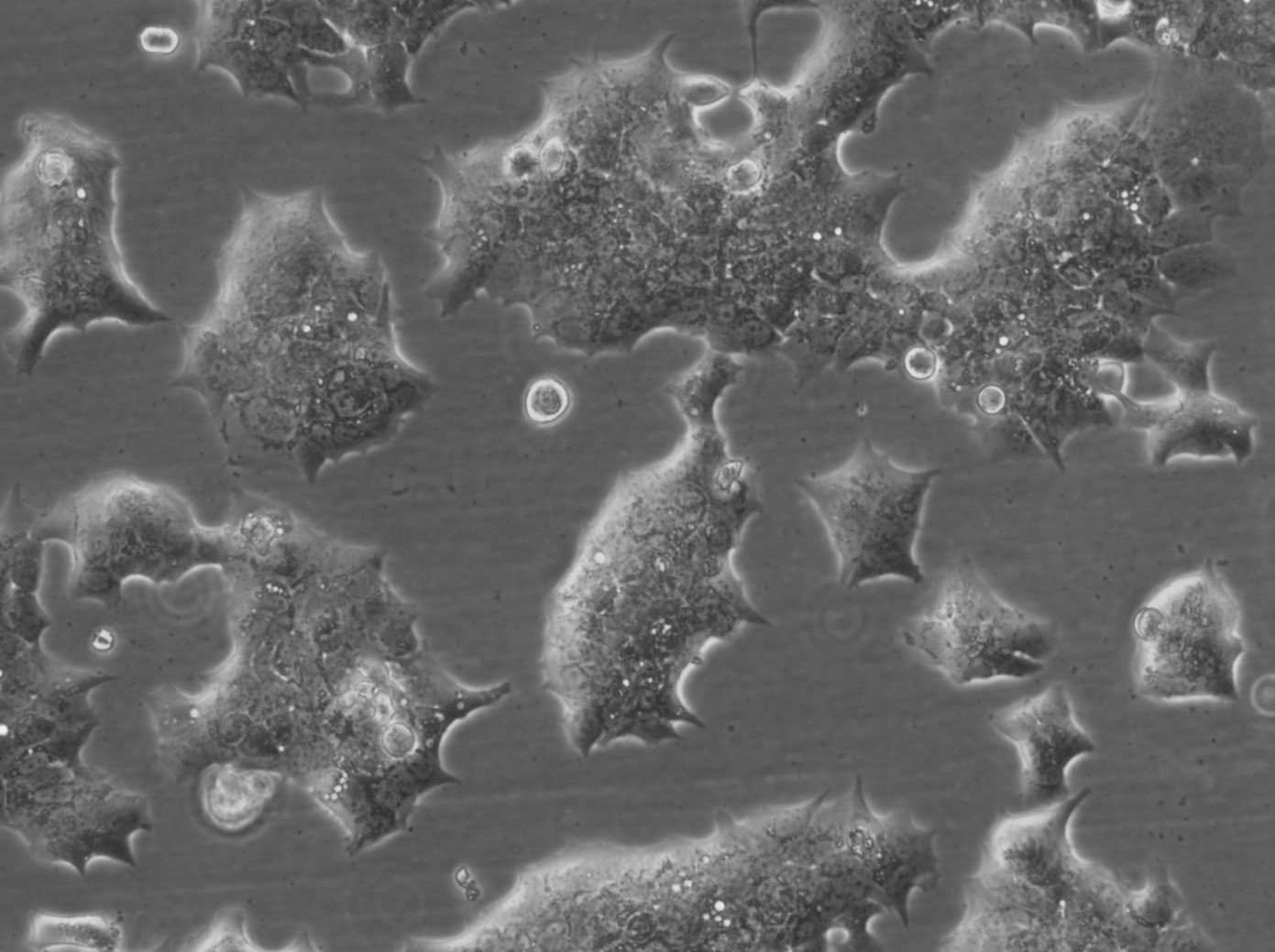
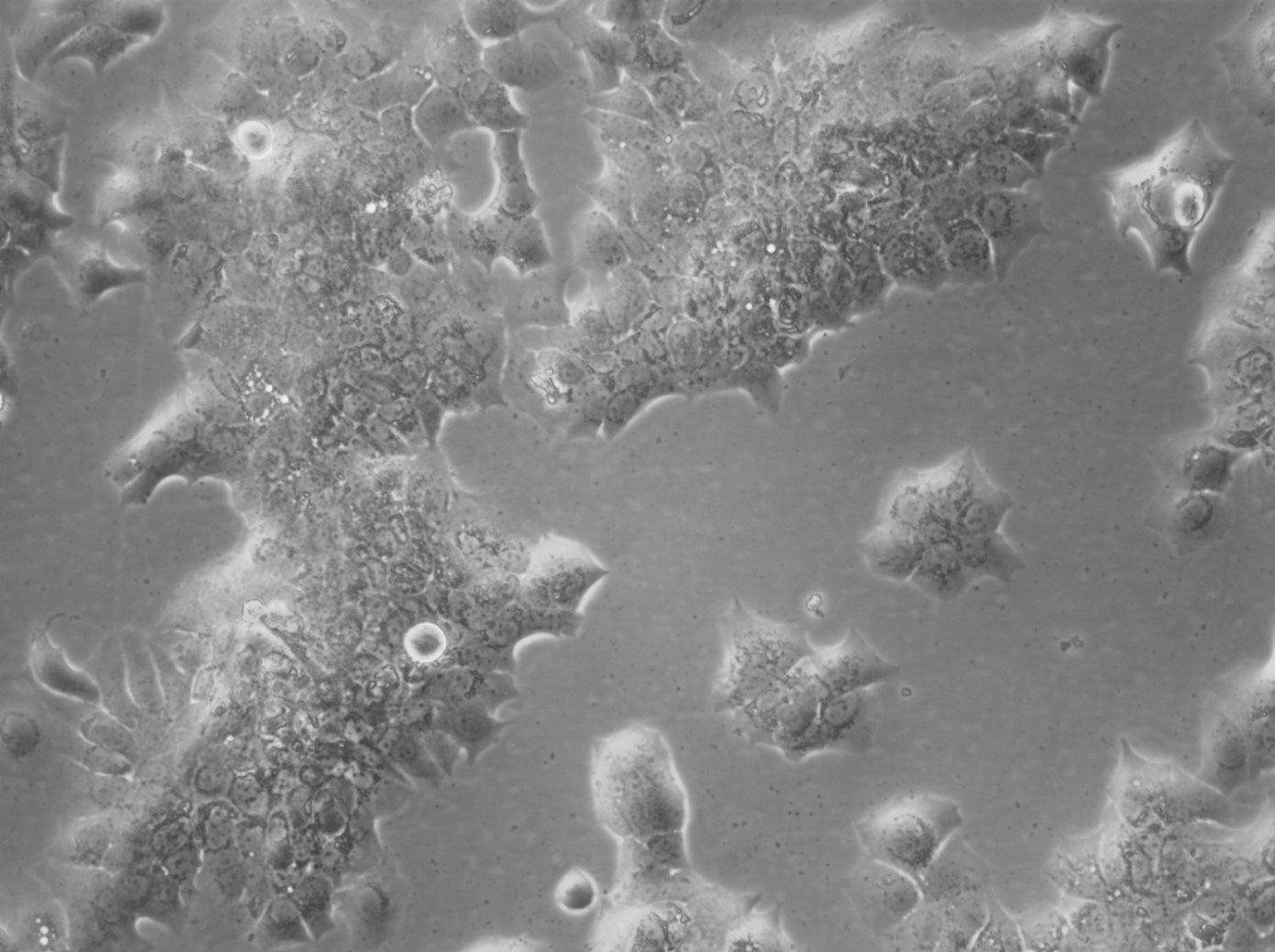
BT-474 Cells
545,10 CAD$*
Products are shipped frozen on dry ice in cryotubes. Each cryotube typically contains 3 × 10⁶ cells for adherent lines or 5 × 10⁶ cells for suspension lines (refer to the batch CoA for details).
Renseignements généraux
| Description | BT-474 is a human breast cancer cell line, derived from the ductal carcinoma of a 60-year-old female. This cell line is estrogen and progesterone receptor positive, making it a valuable model for studying hormone-responsive breast cancers. BT-474 cells are also characterized by the overexpression of HER2/neu (human epidermal growth factor receptor 2), a protein that is amplified and plays a critical role in the pathogenesis and progression of certain aggressive types of breast cancer. The BT-474 cell line is extensively used in oncological research to study the molecular mechanisms of breast cancer proliferation and to test therapeutic strategies targeting hormone receptors and the HER2 pathway. These cells are particularly useful for examining the efficacy of HER2-targeted therapies, such as trastuzumab (Herceptin), and for exploring mechanisms of resistance to these treatments. The cell line has also contributed to advancements in understanding how hormonal manipulations affect cancer cell growth and survival, providing insights into potential treatment approaches for hormone-dependent tumors. |
|---|---|
| Organisme | Human |
| Tissu | Breast, mammary gland |
| Maladie | Invasive ductal carcinoma |
| Site métastatique | Ductal |
| Synonymes | Bt-474, BT474 |
Caractéristiques
| Âge | 60 years |
|---|---|
| Genre | Female |
| Origine ethnique | Caucasian |
| Morphologie | Epithelial-like |
| Propriétés de croissance | The cells grow in compact, slowly growing multi-layered colonies which rarely become confluent. A confluent monolayer is not formed. |
Données réglementaires
| Référence | BT-474 (Cytion catalog number 300131) |
|---|---|
| Niveau de biosécurité | 1 |
| NCBI_Numéro d'identification fiscale | 9606 |
| Cellosaurus - Numéro d'enregistrement | CVCL_0179 |
Données biomoléculaires
| Récepteurs exprimés | HER-2/NEU+, ER+, PR+ |
|---|---|
| Isoenzymes | G6PD, B, PGM3, 1, PGM1, 1, ES-D, 1, Me-2, 0, AK-1, 1, GLO-1, 1, Phenotype Frequency Product: 0.0426 |
| Tumorigène | Yes, in nude mice |
| Sensibilité aux virus | Mouse mammary tumor virus (RIII-MuMTV) |
| État du MSI | Stable (MSS) |
| Profil mutationnel | TP53 mut |
| Caryotype | Mode = 55, range = 50 to 112, bimodal shift 58 - 59 and 100 in later passages with 3 marker chromosomes |
Manipulation
| Milieu de culture | DMEM:Ham's F12 (1:1), w: 3.1 g/L Glucose, w: 2.5 mM L-Glutamine, w: 15 mM HEPES, w: 0.5 mM Sodium pyruvate, w: 1.2 g/L NaHCO3 (Cytion article number 820400a) |
|---|---|
| Suppléments | Supplement the medium with 10% FBS, 10 microgram/mL Insulin |
| Temps de doublement | 60 to 80 hours |
| Repiquage | Remove the old medium from the adherent cells and wash them with PBS that lacks calcium and magnesium. For T25 flasks, use 3-5 ml of PBS, and for T75 flasks, use 5-10 ml. Then, cover the cells completely with Accutase, using 1-2 ml for T25 flasks and 2.5 ml for T75 flasks. Let the cells incubate at room temperature for 8-10 minutes to detach them. After incubation, gently mix the cells with 10 ml of medium to resuspend them, then centrifuge at 300xg for 3 minutes. Discard the supernatant, resuspend the cells in fresh medium, and transfer them into new flasks that already contain fresh medium. |
| Densité de semis | 2 x 10⁴ cells/cm2 will yield in a mostly confluent layer in about 4 days |
| Renouvellement des fluides | 2 to 3 times per week |
| Rétablissement après le dégel | Almost 100% recovered cells at >90% viability |
| Milieu de congélation | As a cryopreservation medium, we use complete growth medium (including FBS) + 10% DMSO for adequate post-thaw viability, or CM-1 (Cytion catalog number 800100), which includes optimized osmoprotectants and metabolic stabilizers to enhance recovery and reduce cryo-induced stress. |
| Décongélation et culture des cellules |
|
| Atmosphère d'incubation | 37°C, 5% CO2, humidified atmosphere. |
| Conditions d'expédition | Cryopreserved cell lines are shipped on dry ice in validated, insulated packaging with sufficient refrigerant to maintain approximately −78 °C throughout transit. On receipt, inspect the container immediately and transfer vials without delay to appropriate storage. |
| Conditions d'entreposage | For long-term preservation, place vials in vapor-phase liquid nitrogen at about −150 to −196 °C. Storage at −80 °C is acceptable only as a short interim step before transfer to liquid nitrogen. |
Contrôle de la qualité et analyse moléculaire
| Stérilité | Mycoplasma contamination is excluded using both PCR-based assays and luminescence-based mycoplasma detection methods. To ensure there is no bacterial, fungal, or yeast contamination, cell cultures are subjected to daily visual inspections. |
|---|
Certificat d'analyse (CoA)
| Numéro de lot | Type de certificat | Date | Numéro de catalogue |
|---|---|---|---|
| 300131-210325 | Certificat d'analyse | 23. May. 2025 | 300131 |
| 300131-261023 | Certificat d'analyse | 23. May. 2025 | 300131 |