Sf9 Cells (adherent)
USD$395.00*
Products are shipped frozen on dry ice in cryotubes. Each cryotube typically contains 3 × 10⁶ cells for adherent lines or 5 × 10⁶ cells for suspension lines (refer to the batch CoA for details).
General information
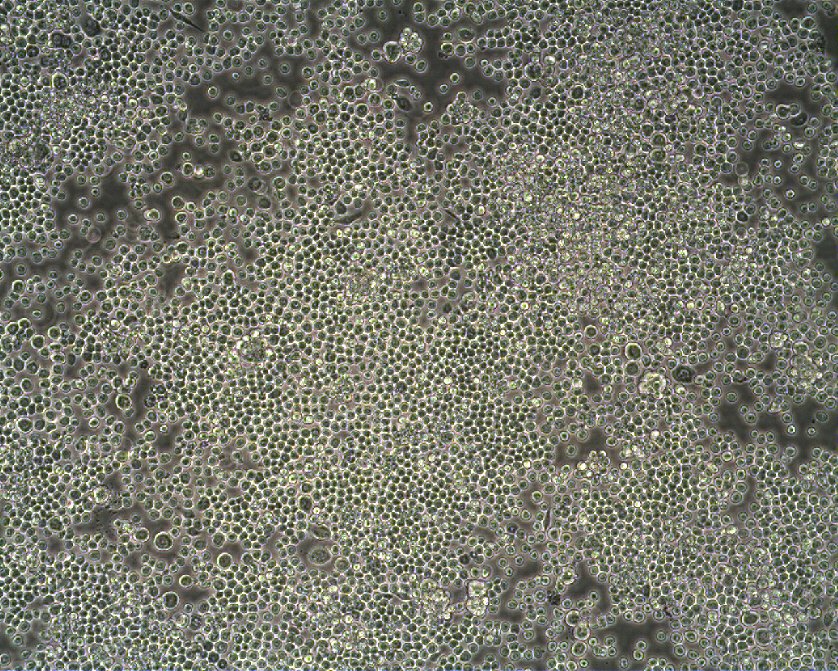
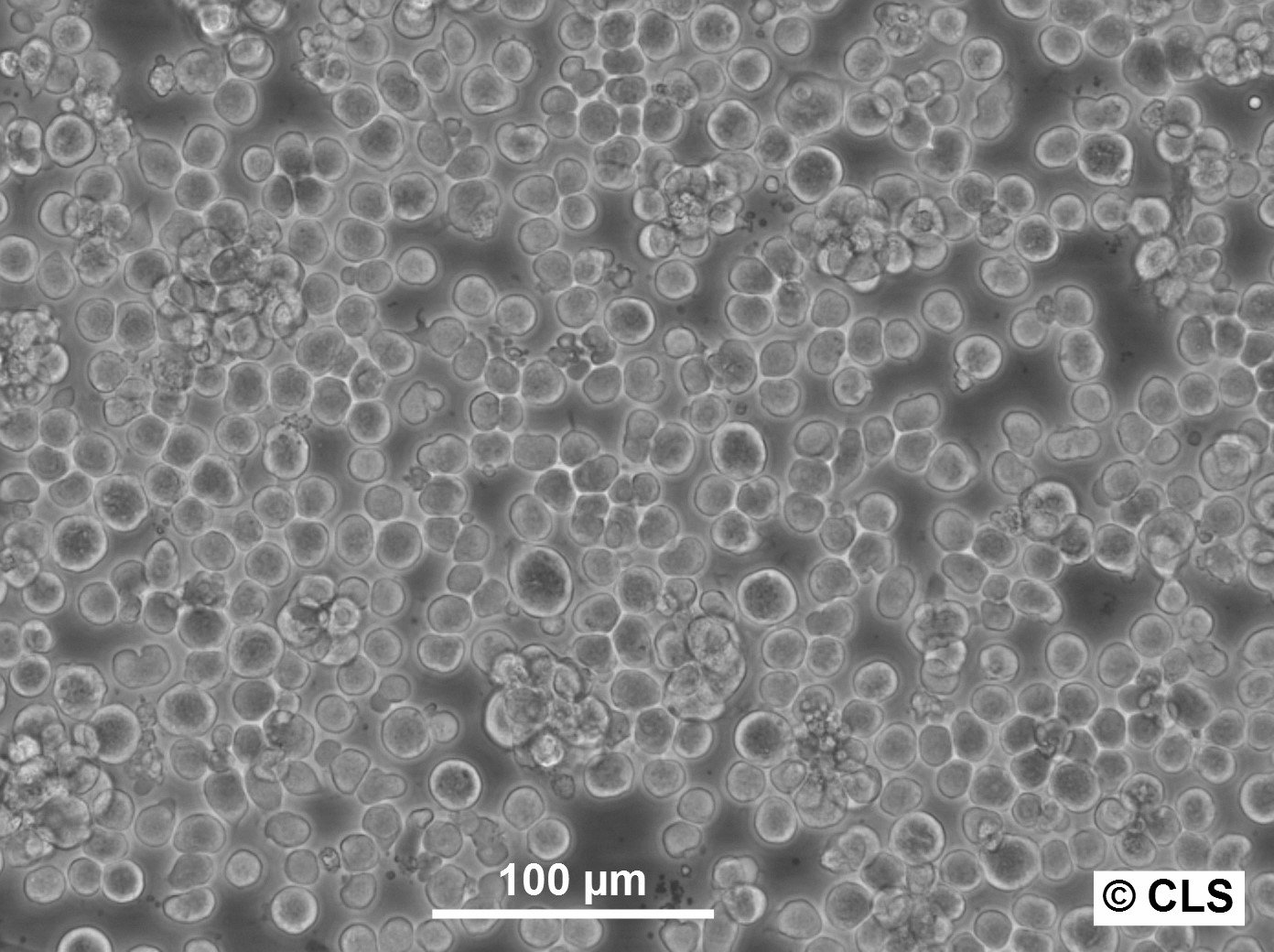
| Description | Sf9 cells are clonal isolates derived from the Spodoptera frugiperda Sf21 cell line (IPLB-Sf-21-AE). They are commonly used in insect cell culture for recombinant protein production using baculovirus expression systems. Sf9 cells are epithelial in morphology and were cloned from the pupal ovarian tissue of the fall armyworm. One of the key characteristics of Sf9 cells is their small, regular size which is ideal for the formation of monolayers and plaques. They are also suitable for transfection, plaque assay/purification, amplification of high-titer stocks, and expression of recombinant proteins. The Sf9 insect cell line can be maintained in attached and suspended cultures, and do not require serum or CO2 to grow. They are considered Biosafety Level 1 and are usually grown in a 26-28 degree celsius incubator. Sf9 cells/baculovirus expression systems are widely used for high-level protein expression, often for purification, but proteins may also be functionally expressed in the defined Sf9 cell environment. The size of infected Sf9 cells is generally 17-30 microns in diameter. The Sf9 cell line is distinct from the Sf21 cell line in that it is a clonal isolate with a smaller and more regular size, while Sf21 cells are more disparate in size and form monolayers and plaques that are more irregular. Some Sf9 cell lines may harbor a negative sense Rhabdovirus called Spodoptera frugiperda rhabdovirus (SfRV), although not all tested Sf9 cells appear to be infected with this virus. The genome size of Sf9 has been estimated to be 451 Mbp with a G+C content of 36.53%. |
|---|---|
| Organism | Fall armyworm |
| Tissue | Ovary |
| Applications | Transfection, plaque assay/purification, amplification of high-titer stocks, and expression of recombinant proteins |
| Synonyms | SF9, sf9, SF-9, Sf-9, sf-9, Sf 9, Spodoptera frugiperda clone 9, Sf clone 9, IPLB-Sf-9AE, IPLB-SF-9AE, IPLB-SF-9, IPLB-Sf-9, IPLB-Sf9 |
Characteristics
| Age | Pupal stage |
|---|---|
| Gender | Female |
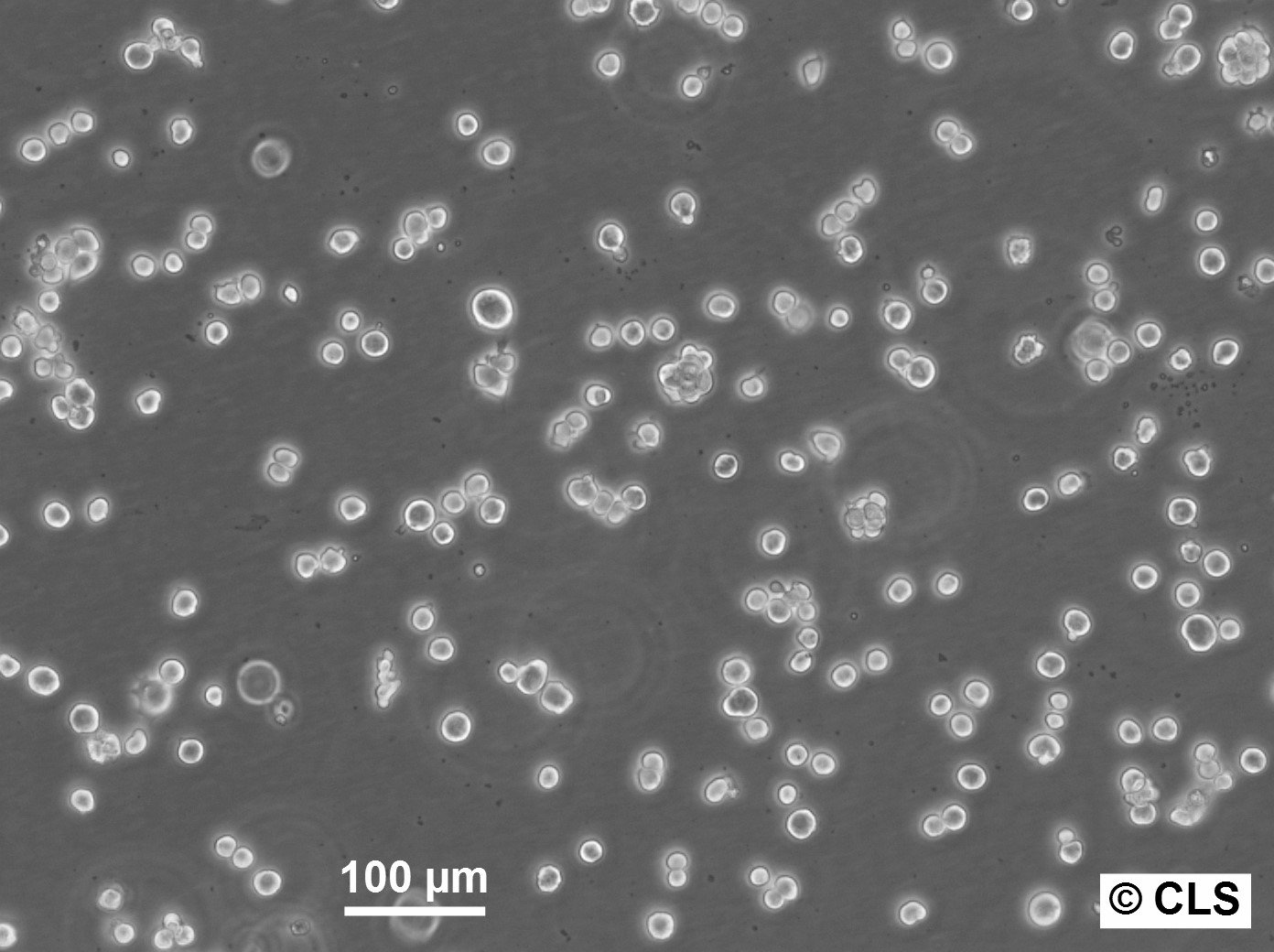
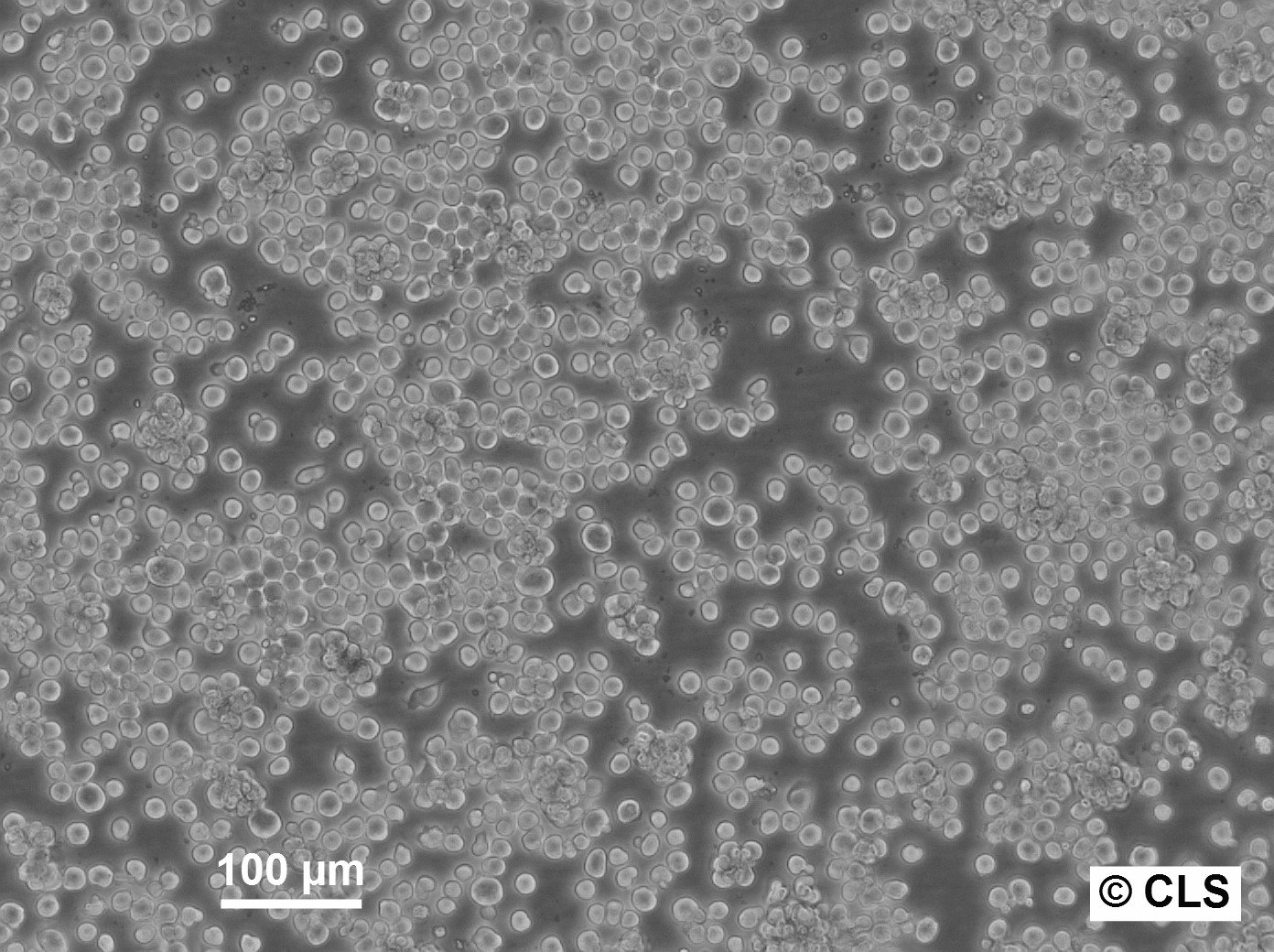
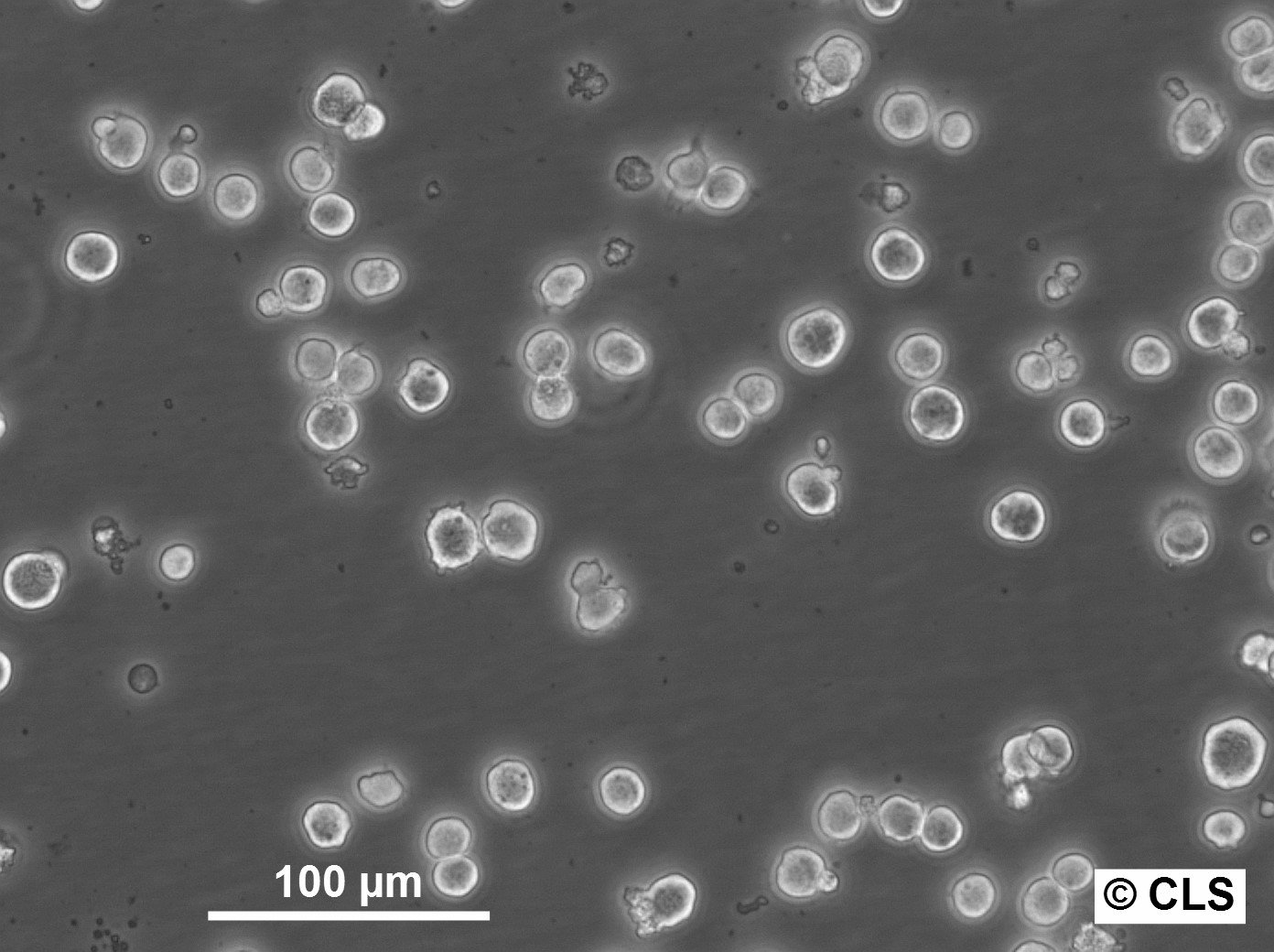
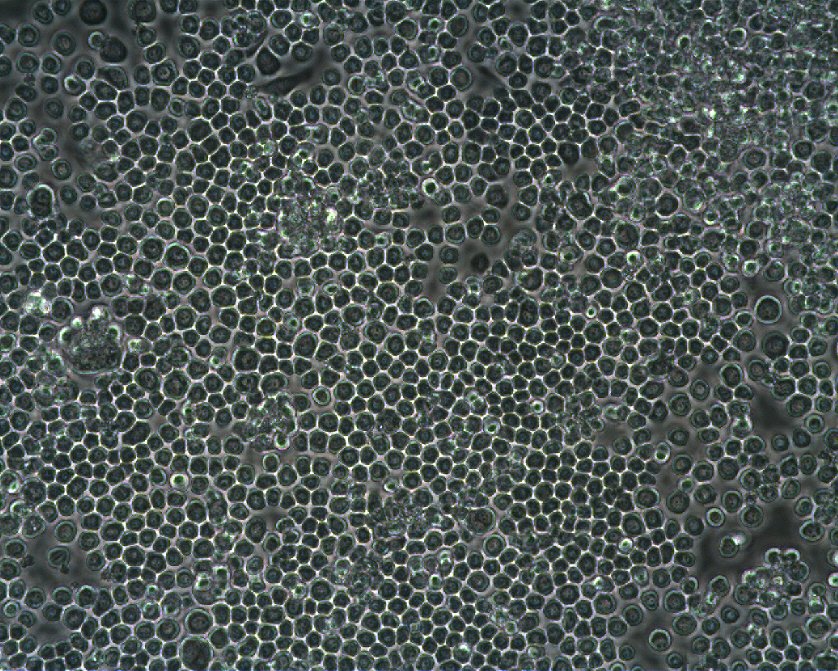
| Morphology | Round, attached, epitheloid |
| Growth properties | Adherent |
Regulatory Data
| Citation | Sf9 (Cytion catalog number 604329) |
|---|---|
| Biosafety level | 1 |
| NCBI_TaxID | 7108 |
| CellosaurusAccession | CVCL_0549 |
Biomolecular Data
| Virus susceptibility | Baculoviruses, Autographa californica (MNPV), St. Louis encephalitis (SLE) |
|---|
Handling
| Culture Medium | Spodopan (PAN Biotech) |
|---|---|
| Supplements | Supplement the medium with 2% FBS to enhance proliferation if needed |
| Dissociation Reagent | Accutase |
| Subculturing | Detachment of cells via a cell scraper is recommended. Collect the medium with detached cells after scraping in a 15ml centrifuge tube. Add about 5ml of medium to the flask and rinse the flask several times to collect any remaining cells and combine them with the rest of the cells in the tube. Centrifuge for 3 min at 300xg, remove the supernatant, resuspend the cells in fresh, cold medium and dispense into new flasks. |
| Seeding density | 1 x 10⁴ cells/cm2. Incubate between 26 to 30 degree Celsius in a non-humidified, ambient air-regulated incubator. Use cell culture flasks with filter caps or loosen caps to allow for oxygen exchange. |
| Fluid renewal | 2 to 3 times per week |
| Freeze medium | As a cryopreservation medium, we use complete growth medium (including FBS) + 10% DMSO for adequate post-thaw viability, or CM-1 (Cytion catalog number 800100), which includes optimized osmoprotectants and metabolic stabilizers to enhance recovery and reduce cryo-induced stress. |
| Thawing and Culturing Cells |
|
| Incubation Atmosphere | 27°C, 0% CO2, humidified atmosphere. |
| Shipping Conditions | Cryopreserved cell lines are shipped on dry ice in validated, insulated packaging with sufficient refrigerant to maintain approximately −78 °C throughout transit. On receipt, inspect the container immediately and transfer vials without delay to appropriate storage. |
| Storage Conditions | For long-term preservation, place vials in vapor-phase liquid nitrogen at about −150 to −196 °C. Storage at −80 °C is acceptable only as a short interim step before transfer to liquid nitrogen. |
Quality Control & Molecular Analysis
| Sterility | Mycoplasma contamination is excluded using both PCR-based assays and luminescence-based mycoplasma detection methods. To ensure there is no bacterial, fungal, or yeast contamination, cell cultures are subjected to daily visual inspections. |
|---|