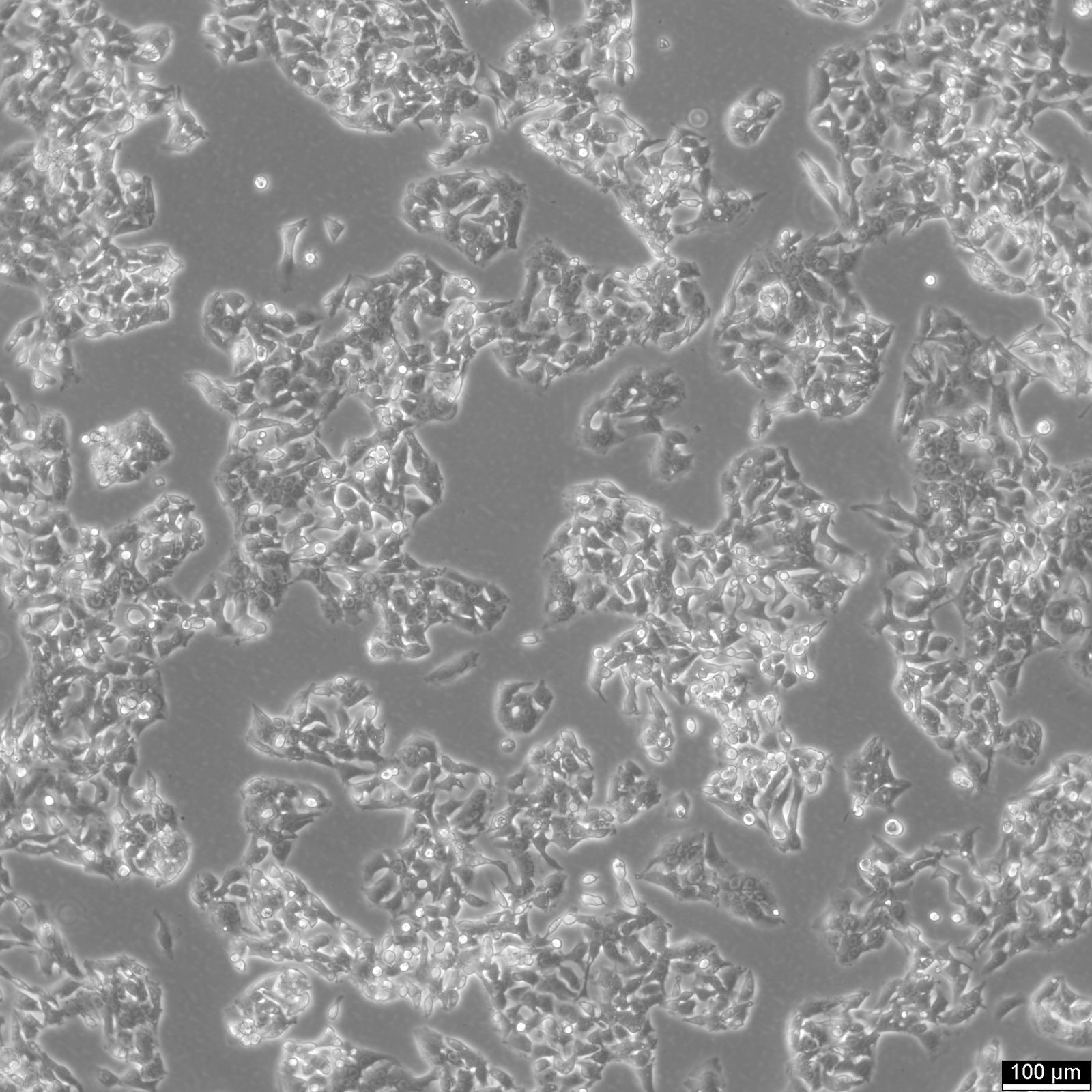
HepG2 Cells
USD$395.00*
Products are shipped frozen on dry ice in cryotubes. Each cryotube typically contains 3 × 10⁶ cells for adherent lines or 5 × 10⁶ cells for suspension lines (refer to the batch CoA for details).
Essential facts on HepG2 cells
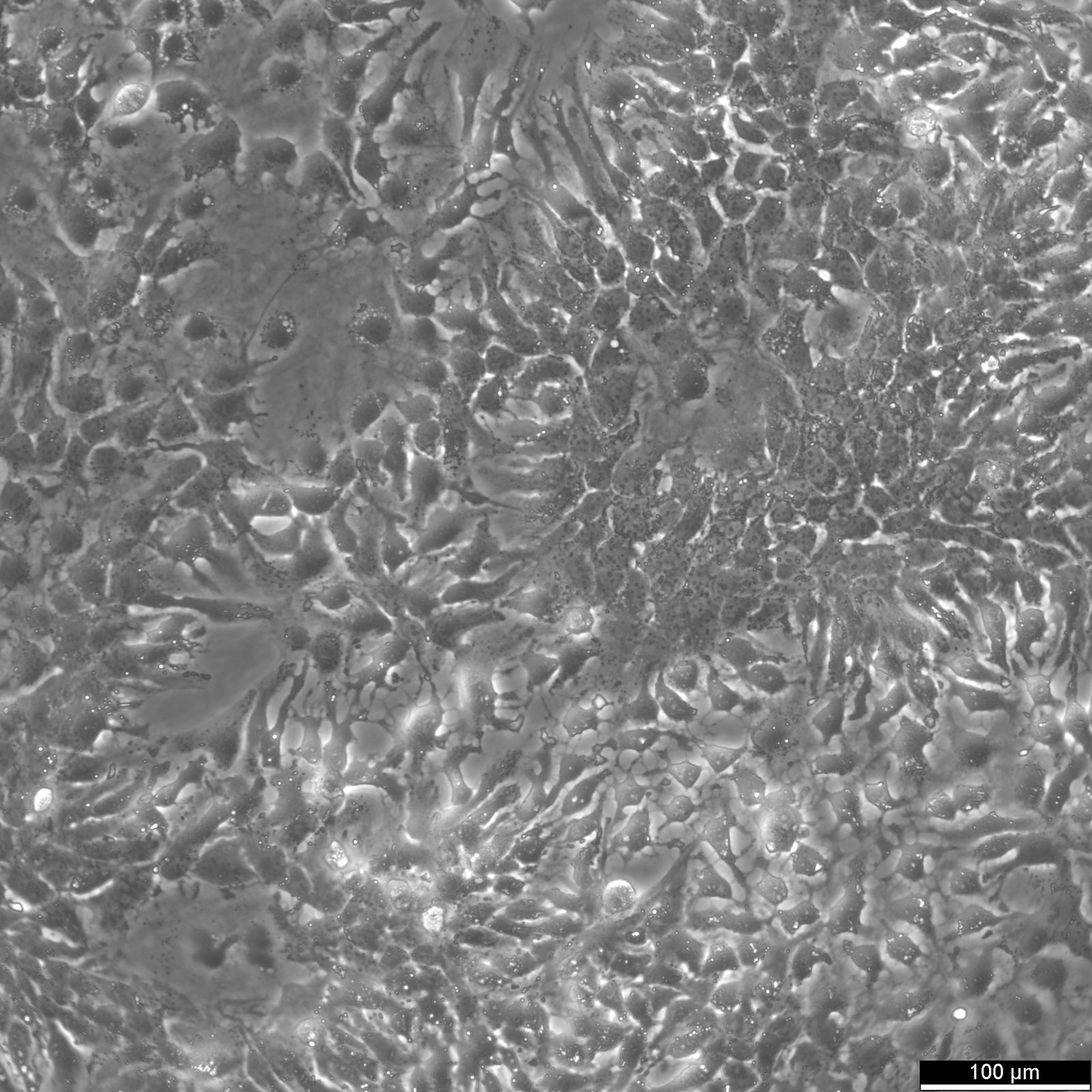
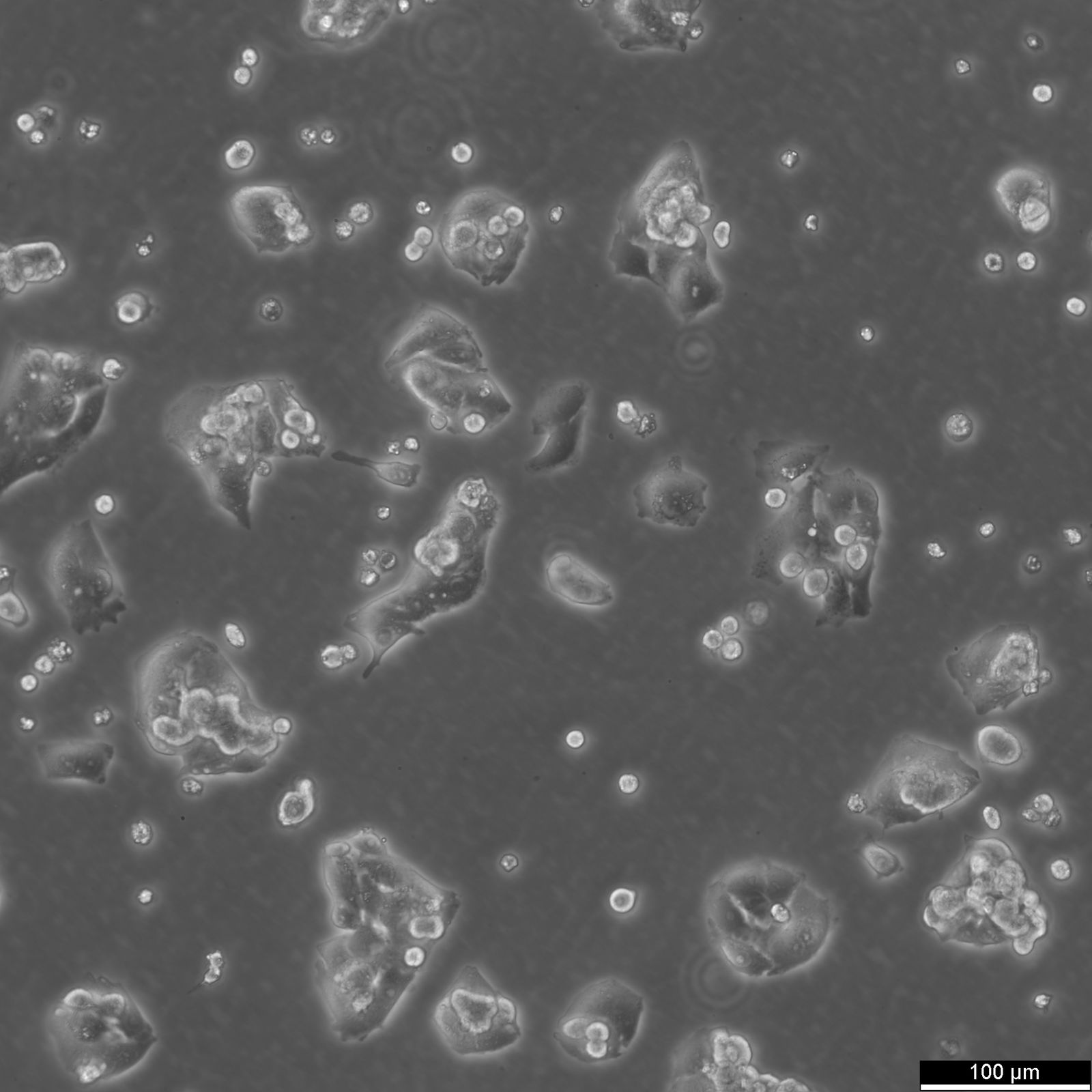
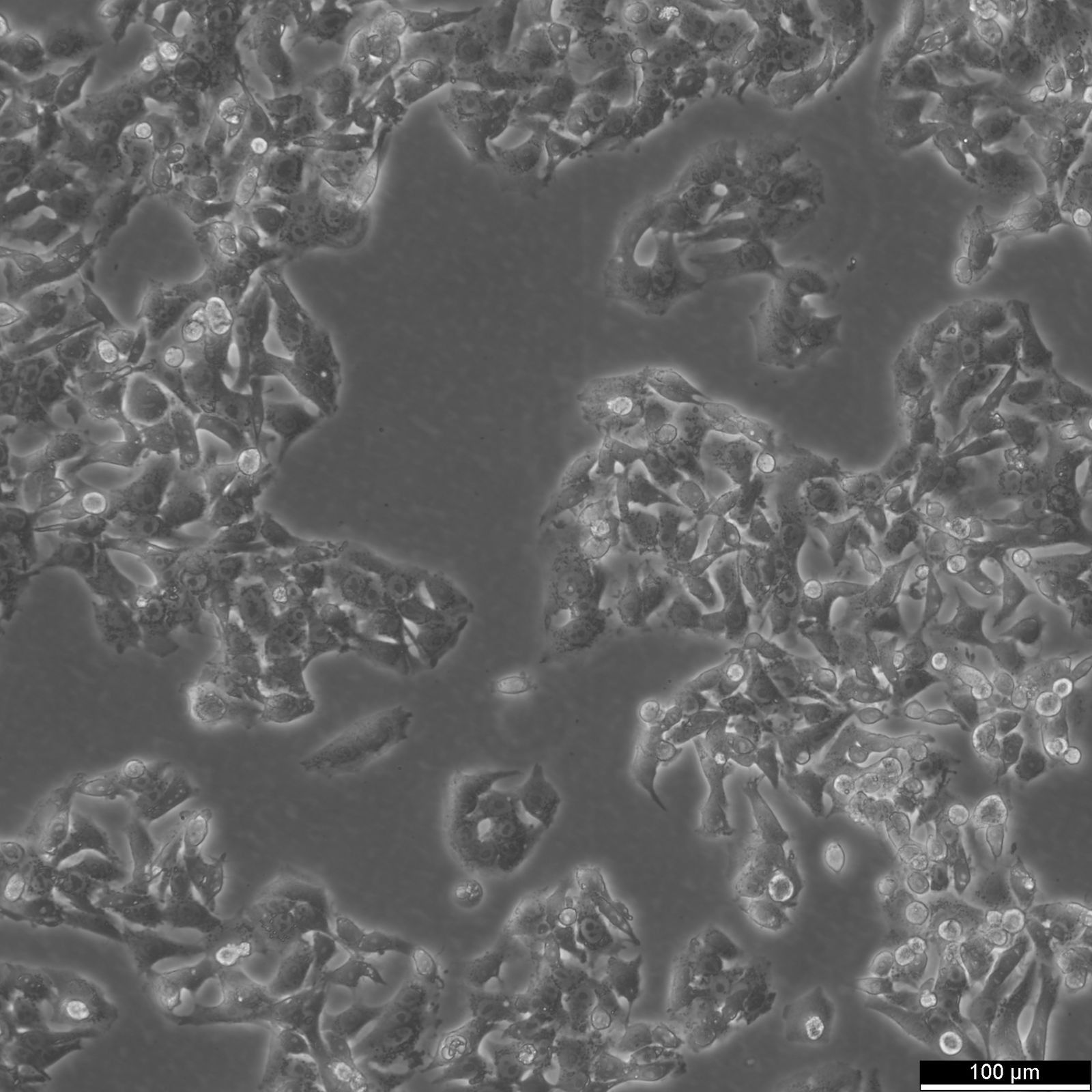
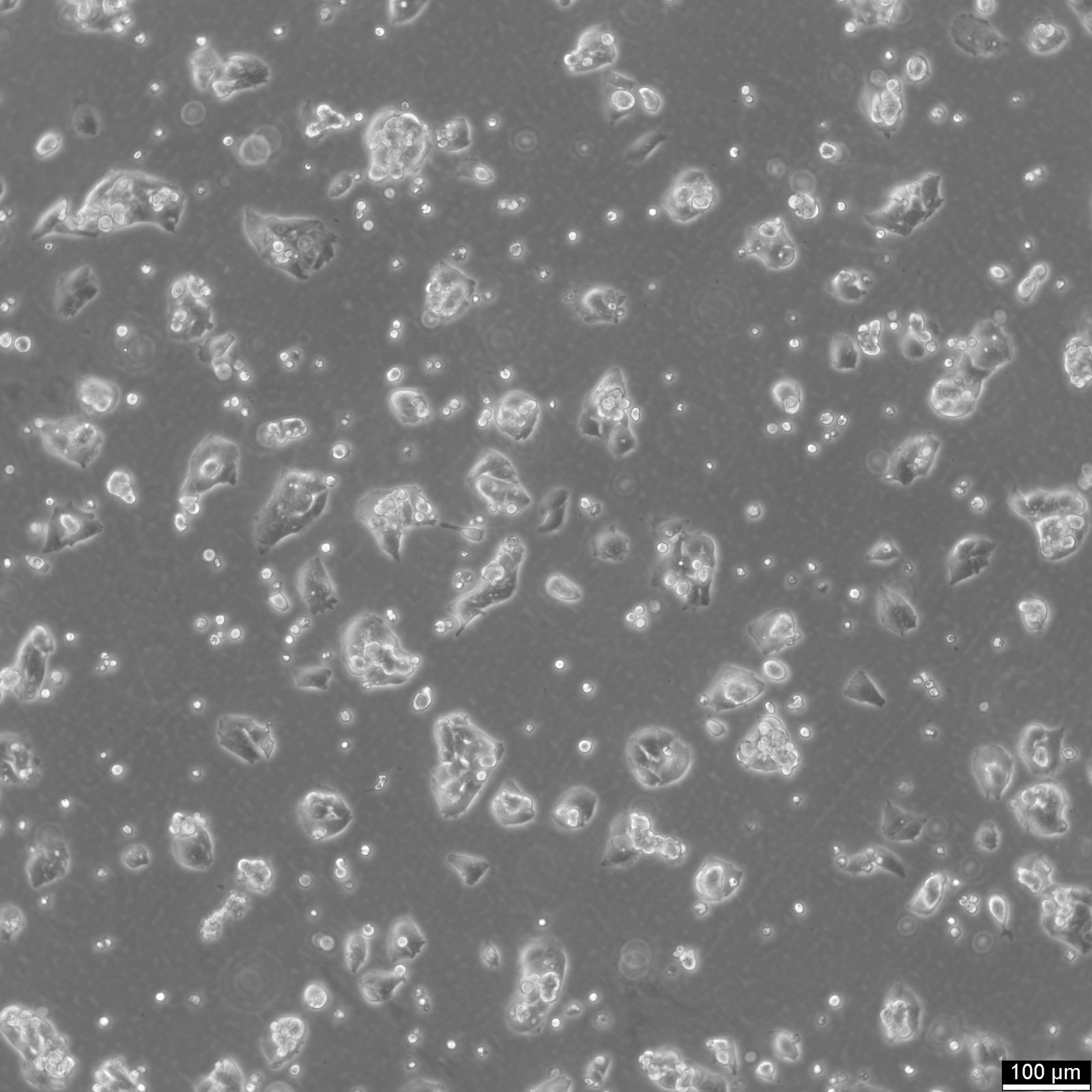
| Description | HepG2 cells, a hepatoblastoma cell line, are a cornerstone in biological science, particularly in liver cancer research. The HepG2 cell line was first isolated in 1975 and initially misclassified as hepatocellular carcinoma, with the HepG2 cell line origin as hepatoblastoma being recognized later, clarifying years of scientific ambiguity. Human hepatic cell lines such as HepG2 are commonly used as in vitro models for primary human hepatocytes. These cell lines offer advantages such as indefinite proliferation, stable phenotype, easy accessibility, and ease of manipulation. However, they exhibit reduced expression of some metabolic functions compared to primary hepatocytes. Derived from hepatocellular carcinoma, HepG2 cells proliferate quickly and have an epithelial-like morphology, performing many specialized hepatic functions. Despite these differences, HepG2 cells are widely used in studying drug metabolism and toxicity, thanks to their resemblance to hepatocellular carcinoma and hepatoblastoma cells in terms of drug metabolism and transport proteins. HepG2 is a human liver cancer cell line often used in research, including studies on drug metabolism and toxicity. However, one of the limitations of hepatoma HepG2 cells is their altered expression of certain liver-specific functions, including the expression of cytochrome P450 enzymes. Cytochrome P450 enzymes are essential for the metabolism of xenobiotics (foreign compounds such as drugs and carcinogens) in the liver. The altered or reduced expression of these enzymes in HepG2 cells can affect their ability to accurately model the metabolism and elimination of xenobiotics, which is a critical aspect of liver function. The HepG2 cell line, alongside other hepatoma cell lines such as the Hep3B and human hepatoma HepaRG cell lines, contributes to a broader understanding of human liver carcinoma cells. The cell line stands out for its versatility, serving as an optimal choice for stable cell line generation, transfection studies, drug metabolism, and hepatotoxicity studies. Furthermore, the HepG2 cell line is pivotal in a range of applications, from 3D cell culture to high-throughput screening and toxicology. |
|---|---|
| Organism | Human |
| Tissue | Liver |
| Disease | Hepatocellular carcinoma |
| Applications | This cell line is an optimal choice for transfection. Further, the HepG2 cells offer an array of applications, ranging from 3D cell culture and cancer research to high-throughput screening and toxicology. |
| Synonyms | HEP-G2, Hep G2, HEP G2, Hep-G2, HEPG2 |
Characteristics of the HepG2 cell line
| Age | 15 years |
|---|---|
| Gender | Male |
| Ethnicity | Caucasian |
| Morphology | Epithelial-like |
| Growth properties | Adherent |
Regulatory Data
| Citation | HepG2 (Cytion catalog number 300198) |
|---|---|
| Biosafety level | 1 |
| NCBI_TaxID | 9606 |
| CellosaurusAccession | CVCL_0027 |
Genomics of HepG2 human hepatoma cells
| Receptors expressed | Insulin, insulin-like growth factor II (IGF II) |
|---|---|
| Protein expression | P53 positive |
| Tumorigenic | No |
| Products | Albumin, alpha-fetoprotein (alpha fetoprotein), alpha1 acid glycoprotein (alpha-1 acid glycoprotein), alpha1 antitrypsin (alpha-1-antitrypsin), alpha1 antichymotrypsin, (alpha-1-antichymotrypsin), alpha2 HS glycoprotein (alpha-2-HS- glycoprotein), alpha2 macroglobulin (alpha-2-macroglobulin), beta lipoprotein (beta-lipoprotein), ceruloplasmin, C4 and C3 activator, fibrinogen, haptoglobin, plasminogen, retinol binding protein (retinolbinding protein), transferrin |
| Karyotype | Modal number = 55 (range = 50 to 60), has a rearranged chromosome 1 |
Handling of Hep G2 cells
| Culture Medium | Ham's F12, w: 1.0 mM stable Glutamine, w: 1.0 mM Sodium pyruvate, w: 1.1 g/L NaHCO3 (Cytion article number 820600a) |
|---|---|
| Supplements | Supplement the medium with 10% FBS |
| Dissociation Reagent | Accutase |
| Doubling time | 48 hours |
| Subculturing | Remove the old medium from the adherent cells and wash them with PBS that lacks calcium and magnesium. For T25 flasks, use 3-5 ml of PBS, and for T75 flasks, use 5-10 ml. Then, cover the cells completely with Accutase, using 1-2 ml for T25 flasks and 2.5 ml for T75 flasks. Let the cells incubate at room temperature for 8-10 minutes to detach them. After incubation, gently mix the cells with 10 ml of medium to resuspend them, then centrifuge at 300xg for 3 minutes. Discard the supernatant, resuspend the cells in fresh medium, and transfer them into new flasks that already contain fresh medium. |
| Seeding density | 2 to 3 x 10⁴ cells/cm2 during routine culture |
| Fluid renewal | 2 to 3 times per week |
| Post-Thaw Recovery | Start culture using the complete contents of the cryovial in 2xT25 cell culture flasks. The cells will recover within 48 to 72 hours. |
| Freeze medium | As a cryopreservation medium, we use complete growth medium (including FBS) + 10% DMSO for adequate post-thaw viability, or CM-1 (Cytion catalog number 800100), which includes optimized osmoprotectants and metabolic stabilizers to enhance recovery and reduce cryo-induced stress. |
| Thawing and Culturing Cells |
|
| Incubation Atmosphere | 37°C, 5% CO2, humidified atmosphere. |
| Shipping Conditions | Cryopreserved cell lines are shipped on dry ice in validated, insulated packaging with sufficient refrigerant to maintain approximately −78 °C throughout transit. On receipt, inspect the container immediately and transfer vials without delay to appropriate storage. |
| Storage Conditions | For long-term preservation, place vials in vapor-phase liquid nitrogen at about −150 to −196 °C. Storage at −80 °C is acceptable only as a short interim step before transfer to liquid nitrogen. |
Quality Control & Molecular Analysis
| Sterility | Mycoplasma contamination is excluded using both PCR-based assays and luminescence-based mycoplasma detection methods. To ensure there is no bacterial, fungal, or yeast contamination, cell cultures are subjected to daily visual inspections. |
|---|
Certificate of Analysis (CoA)
| Lot Number | Certificate Type | Date | Catalog Number |
|---|---|---|---|
| 300198-260523 | Certificate of Analysis | 23. May. 2025 | 300198 |
| 300198-300525 | Certificate of Analysis | 21. Jul. 2025 | 300198 |
| 300198-240624 | Certificate of Analysis | 23. May. 2025 | 300198 |
-
Related products
Related products