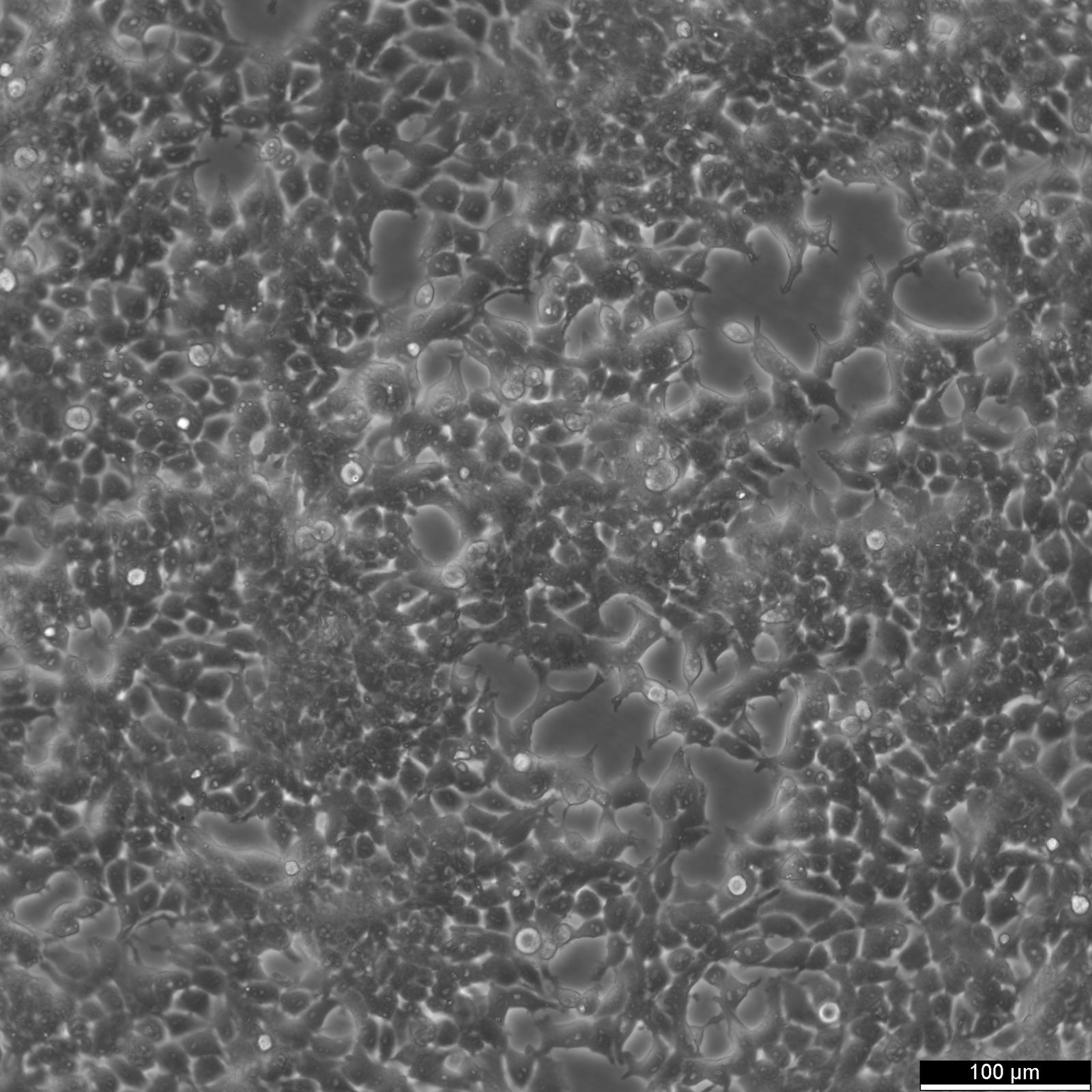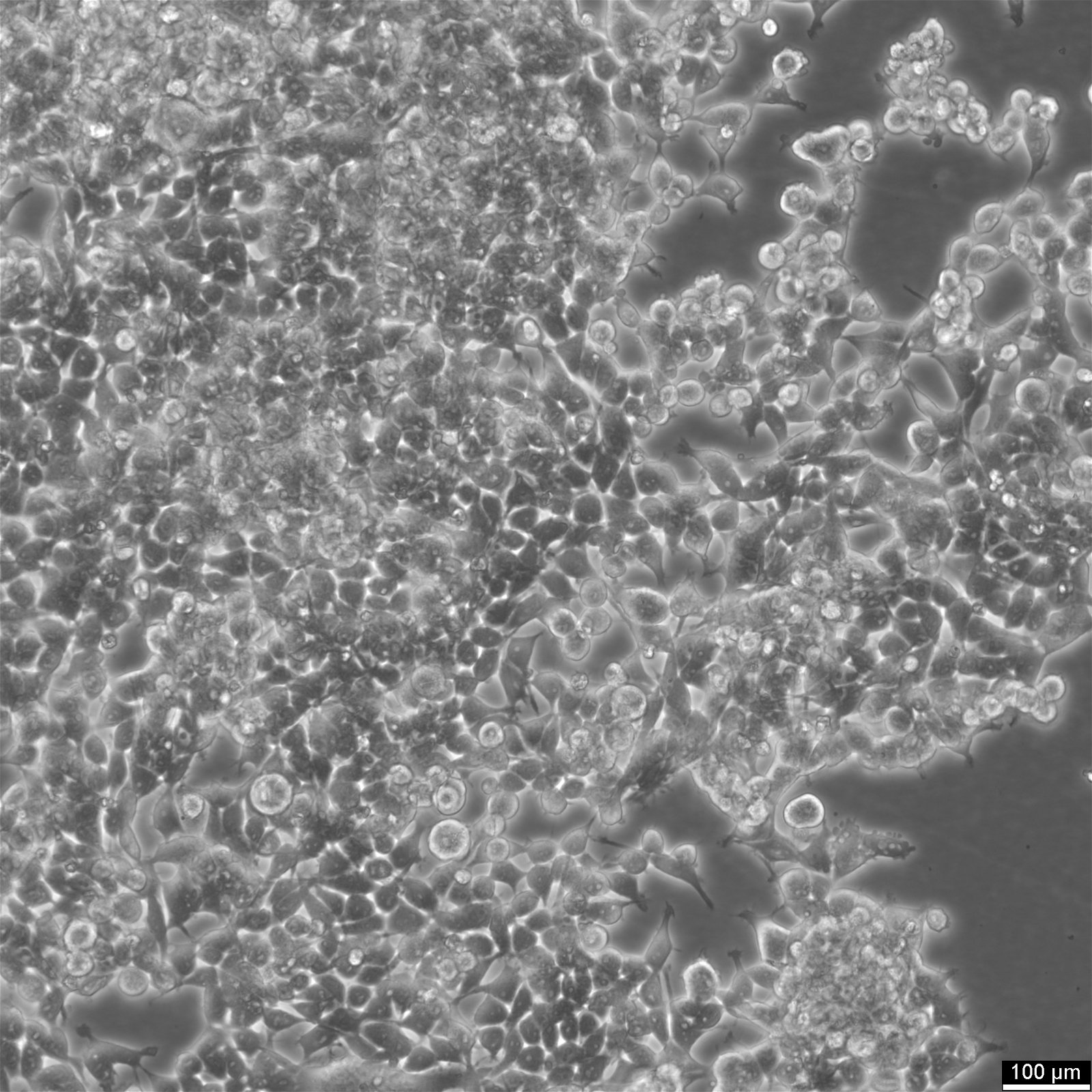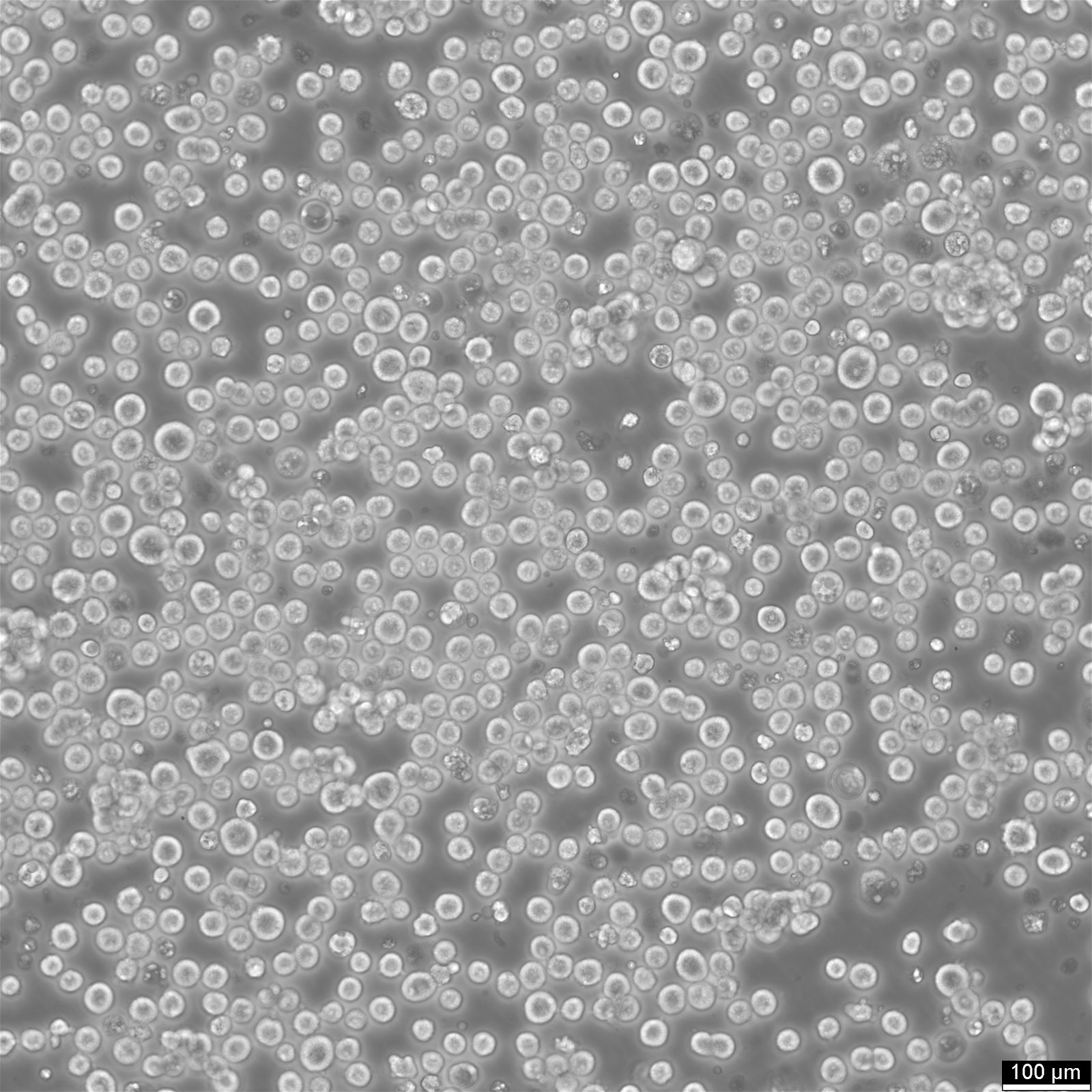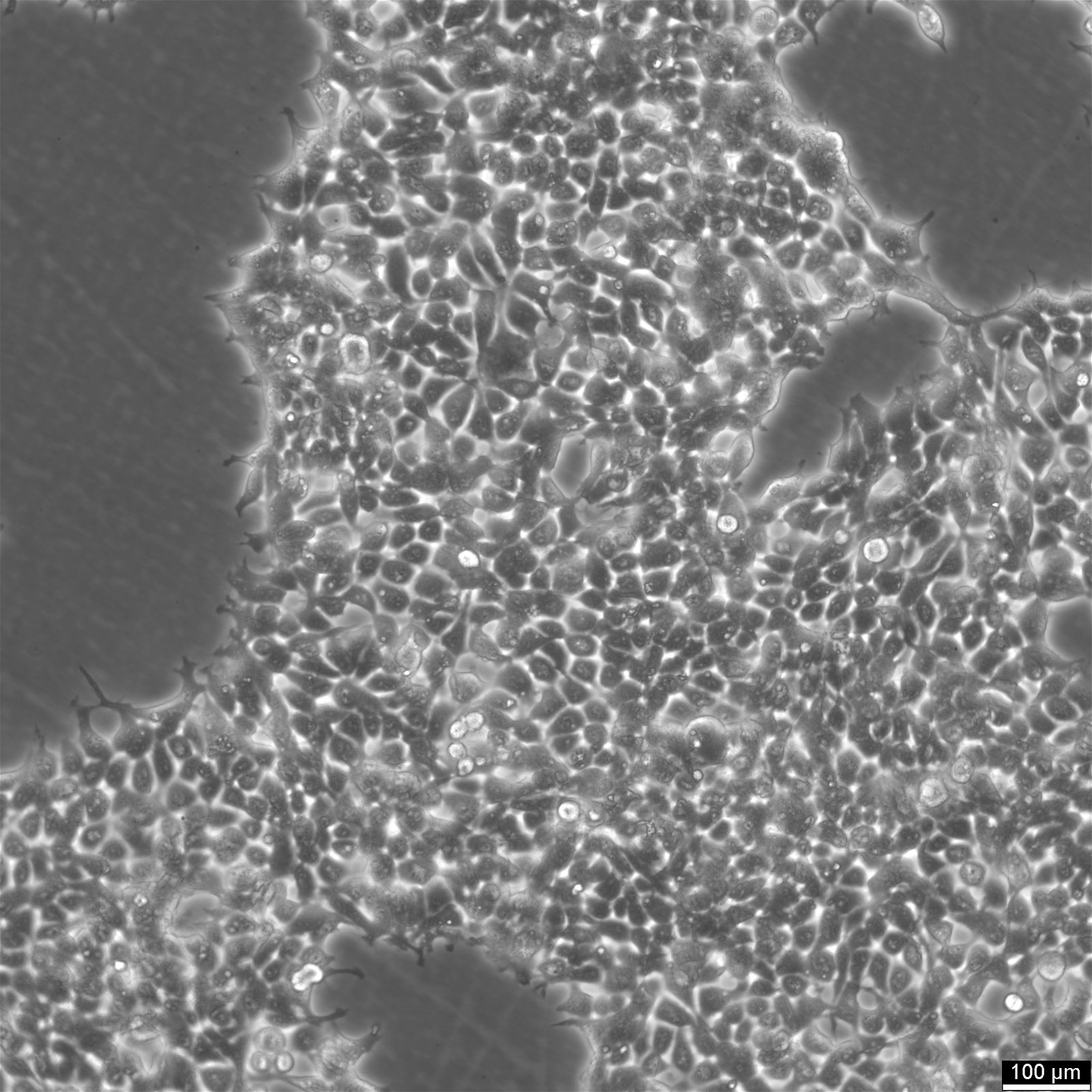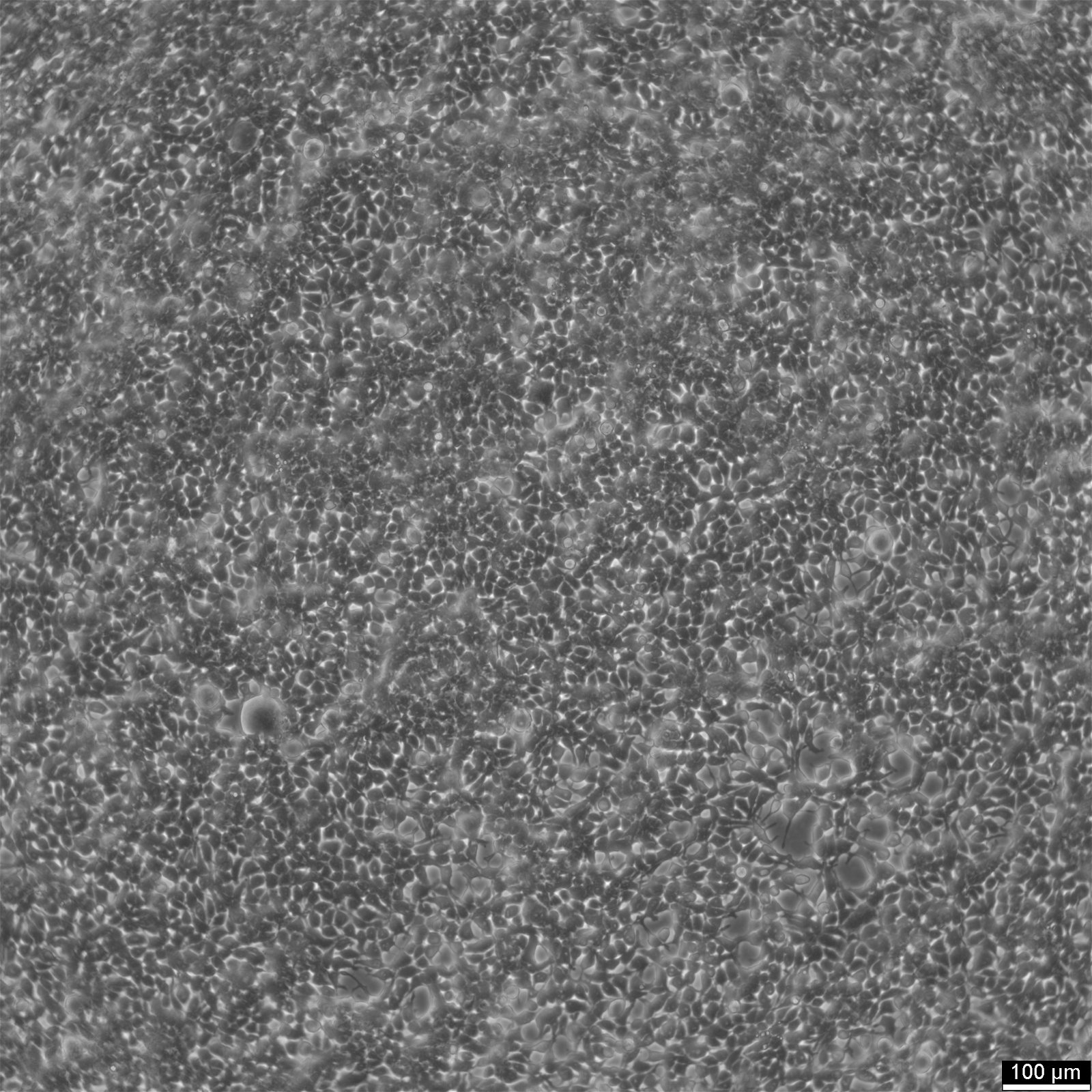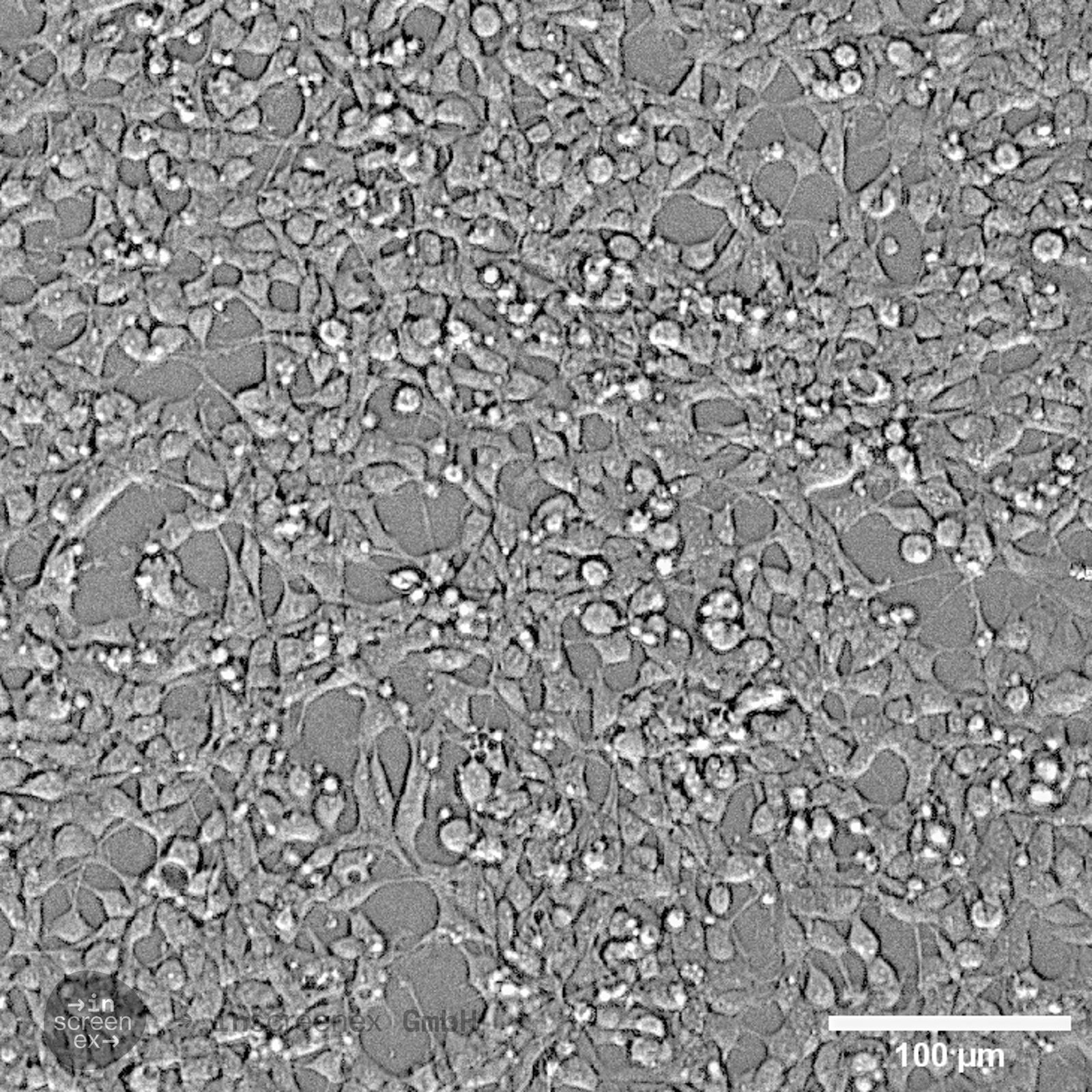
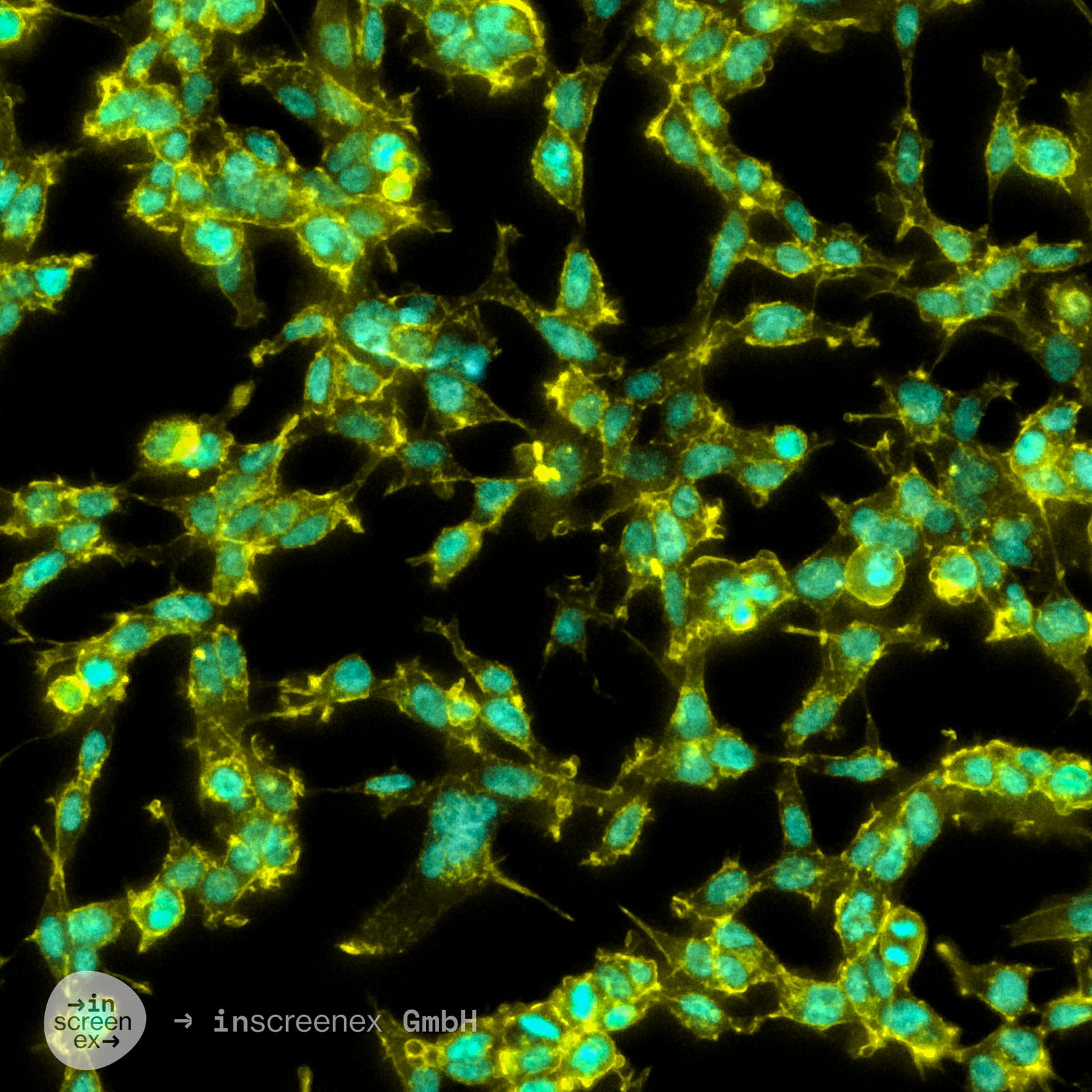
HEK293-HER2 Cells
USD$5,000.00*
Products are shipped frozen on dry ice in cryotubes. Each cryotube typically contains 3 × 10⁶ cells for adherent lines or 5 × 10⁶ cells for suspension lines (refer to the batch CoA for details).
General information
| Description | Disclaimer: The prices displayed for cell lines are exclusively for not-for-profit customers. If you represent a commercial entity, please contact us for alternative pricing. The HEK293-HER2 cell line is a stable recombinant HEK293 cell line engineered to express the HER2 receptor at a high level, approximately 75,000 molecules per cell. This cell line was developed using inscreenex's landing pad technology, ensuring precise and reproducible integration of the HER2 gene at a specific, pre-validated genomic locus. HER2, also known as ERBB2 or CD340, is a receptor tyrosine kinase that belongs to the epidermal growth factor receptor (EGFR) family. HER2 plays a crucial role in cell growth and differentiation, often forming heterodimers with other EGFR family members, such as EGFR, HER3, or HER4, to drive cell proliferation. Overexpression of HER2 is strongly associated with certain cancers, particularly breast and ovarian cancers, making it a critical target for cancer therapies, including monoclonal antibodies like Trastuzumab (Herceptin) and Pertuzumab (Perjeta). The expression of HER2 in this cell line was confirmed using flow cytometry with a target-specific antibody, ensuring reliable and consistent receptor density across the cell population. |
|---|---|
| Organism | Human |
| Tissue | Fetal Kidney |
Characteristics
| Age | Fetus |
|---|---|
| Gender | Female |
| Morphology | Epithelial-like |
| Growth properties | Monolayer, adherent |
Regulatory Data
| Citation | HEK293-HER2 (Cytion catalog number 305422) |
|---|---|
| Biosafety level | 1 |
| NCBI_TaxID | 9606 |
| GMO Status | GMO-S1: This HEK293 derivative contains a human HER2 expression construct, enabling targeted therapy and receptor signaling studies. This classification applies only within Germany and may differ elsewhere. |
Biomolecular Data
| Receptors expressed | HER2 |
|---|
Handling
| Culture Medium | RPMI 1640, w: 2.0 mM stable Glutamine, w: 2.0 g/L NaHCO3 (Cytion article number 820700a) |
|---|---|
| Supplements | Supplement the medium with 10% FBS, 1 mM sodium pyruvate, 10 mM HEPES, 1% NEAA. Add Geneticin (G418-Sulfat) to achieve a final concentration of 1 mg/mL. |
| Dissociation Reagent | Trypsin-EDTA |
| Subculturing | For routine adherent cell culture: Aspirate the old culture medium from the adherent cells, and wash them with PBS to remove any remaining medium. After aspirating the PBS, add the appropriate volume of Trypsin/EDTA solution based on the culture vessel size (e.g., 1 ml for a T25 flask, 3 ml for a T75 flask) and incubate at room temperature or 37°C until the cells detach (5-10 minutes). Monitor detachment under a microscope, and gently tap the vessel if necessary to release the cells. Once detached, add complete medium to inactivate the Trypsin/EDTA, gently resuspend the cells, and transfer an aliquot of the cell suspension into a new culture vessel containing fresh medium. Place the vessel in an incubator set to 37°C with 5% CO2, and change the medium every 2-3 days. |
| Fluid renewal | 2 to 3 times per week |
| Post-Thaw Recovery | After thawing, split the cells at a ratio of 1:2 to 1:3 in T25 flasks and allow the cells to recover from the freezing process and to adhere for at least 24 hours. For best attachment and viability after thawing the cells, we recommend using Collagen-coated flasks or plates for the initial seeding after cryo-recovery. Collagen coating is not required for subsequent routine culture of the cells. |
| Freeze medium | As a cryopreservation medium, we use complete growth medium (including FBS) + 10% DMSO for adequate post-thaw viability, or CM-1 (Cytion catalog number 800100), which includes optimized osmoprotectants and metabolic stabilizers to enhance recovery and reduce cryo-induced stress. |
| Thawing and Culturing Cells |
|
| Incubation Atmosphere | 37°C, 5% CO2, humidified atmosphere. |
| Shipping Conditions | Cryopreserved cell lines are shipped on dry ice in validated, insulated packaging with sufficient refrigerant to maintain approximately −78 °C throughout transit. On receipt, inspect the container immediately and transfer vials without delay to appropriate storage. |
| Storage Conditions | For long-term preservation, place vials in vapor-phase liquid nitrogen at about −150 to −196 °C. Storage at −80 °C is acceptable only as a short interim step before transfer to liquid nitrogen. |
Quality Control & Molecular Analysis
| Sterility | Mycoplasma contamination is excluded using both PCR-based assays and luminescence-based mycoplasma detection methods. To ensure there is no bacterial, fungal, or yeast contamination, cell cultures are subjected to daily visual inspections. |
|---|
-
Related products
Related products