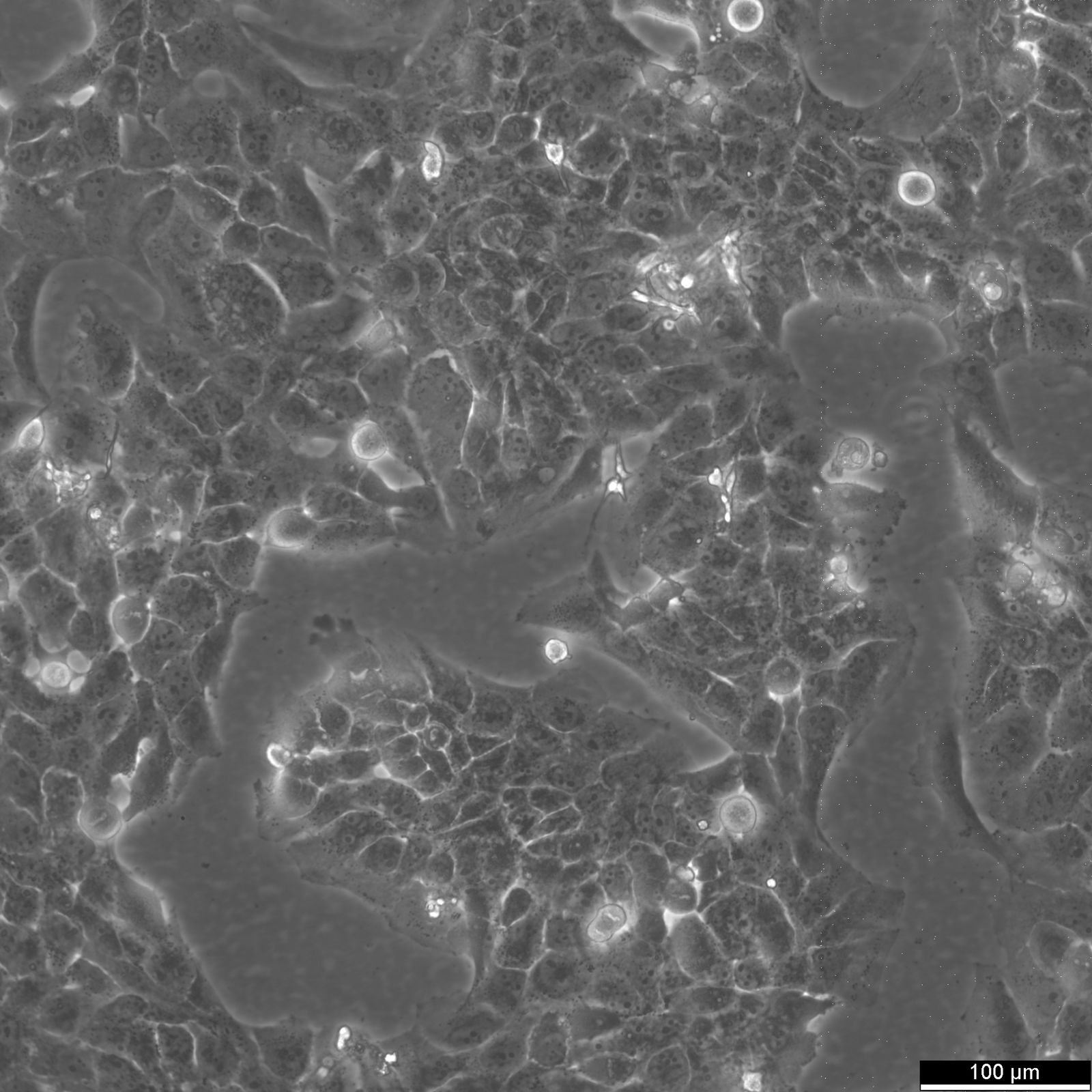
NCI-H69AR Cells
CAD$759.00*
Products are shipped frozen on dry ice in cryotubes. Each cryotube typically contains 3 × 10⁶ cells for adherent lines or 5 × 10⁶ cells for suspension lines (refer to the batch CoA for details).
General information
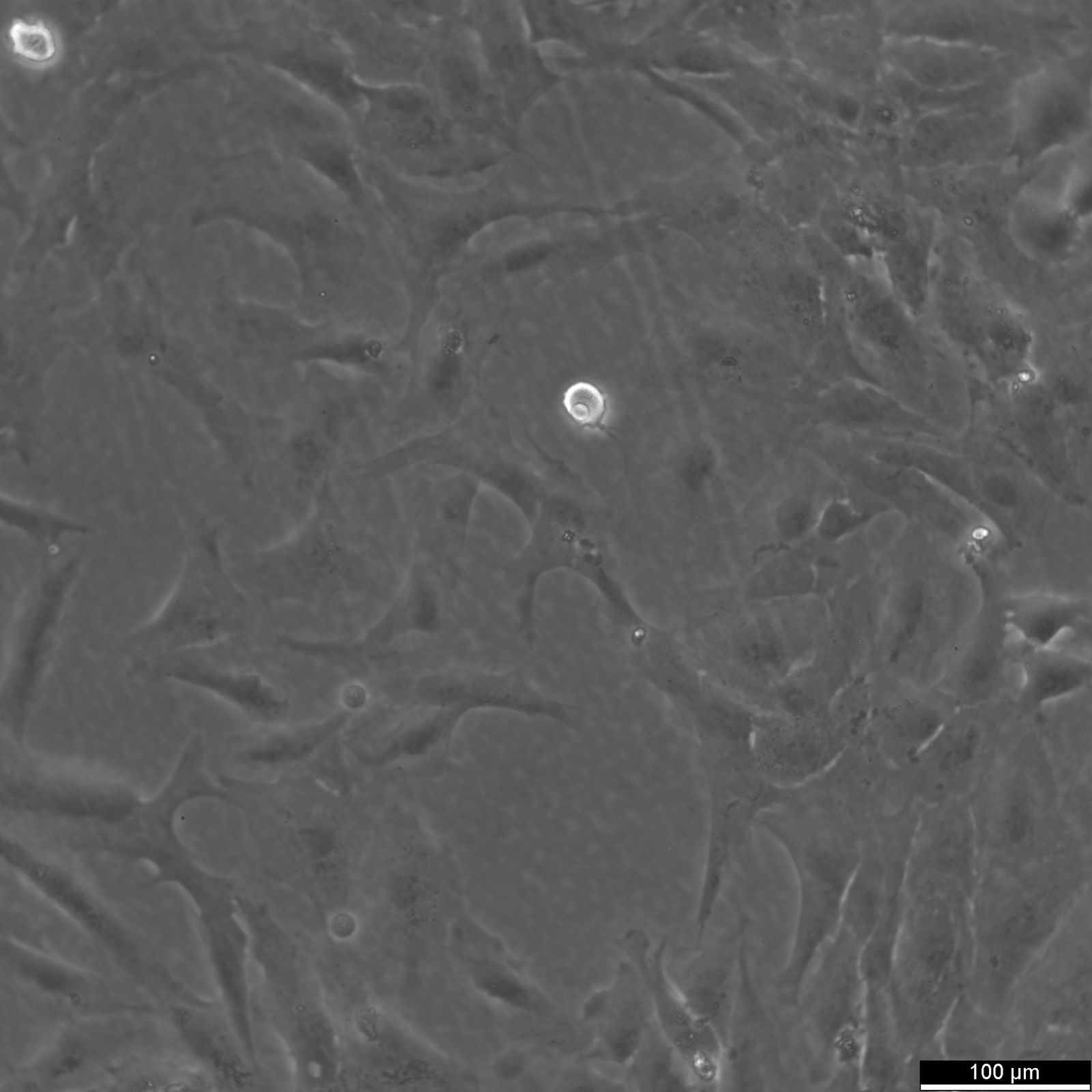
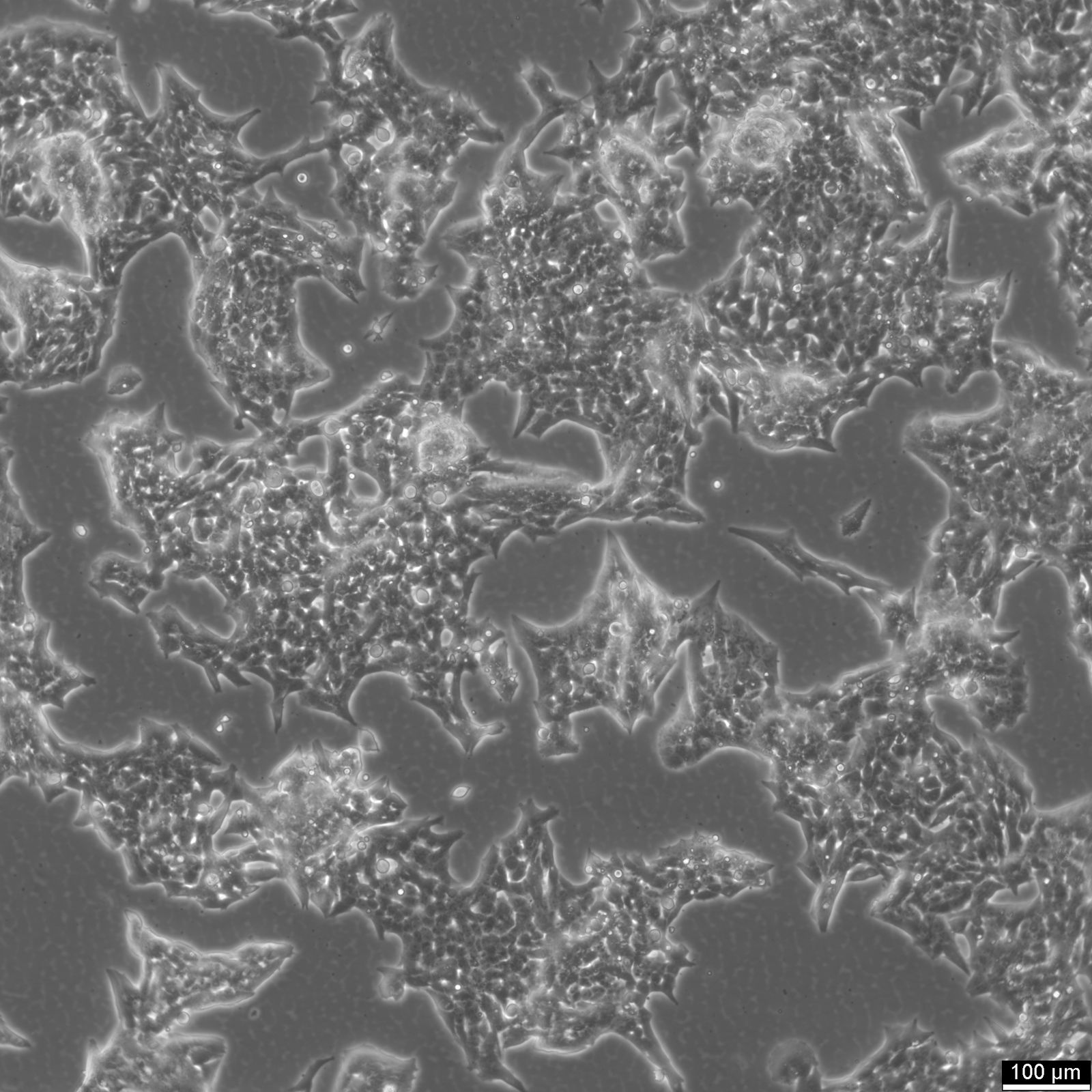
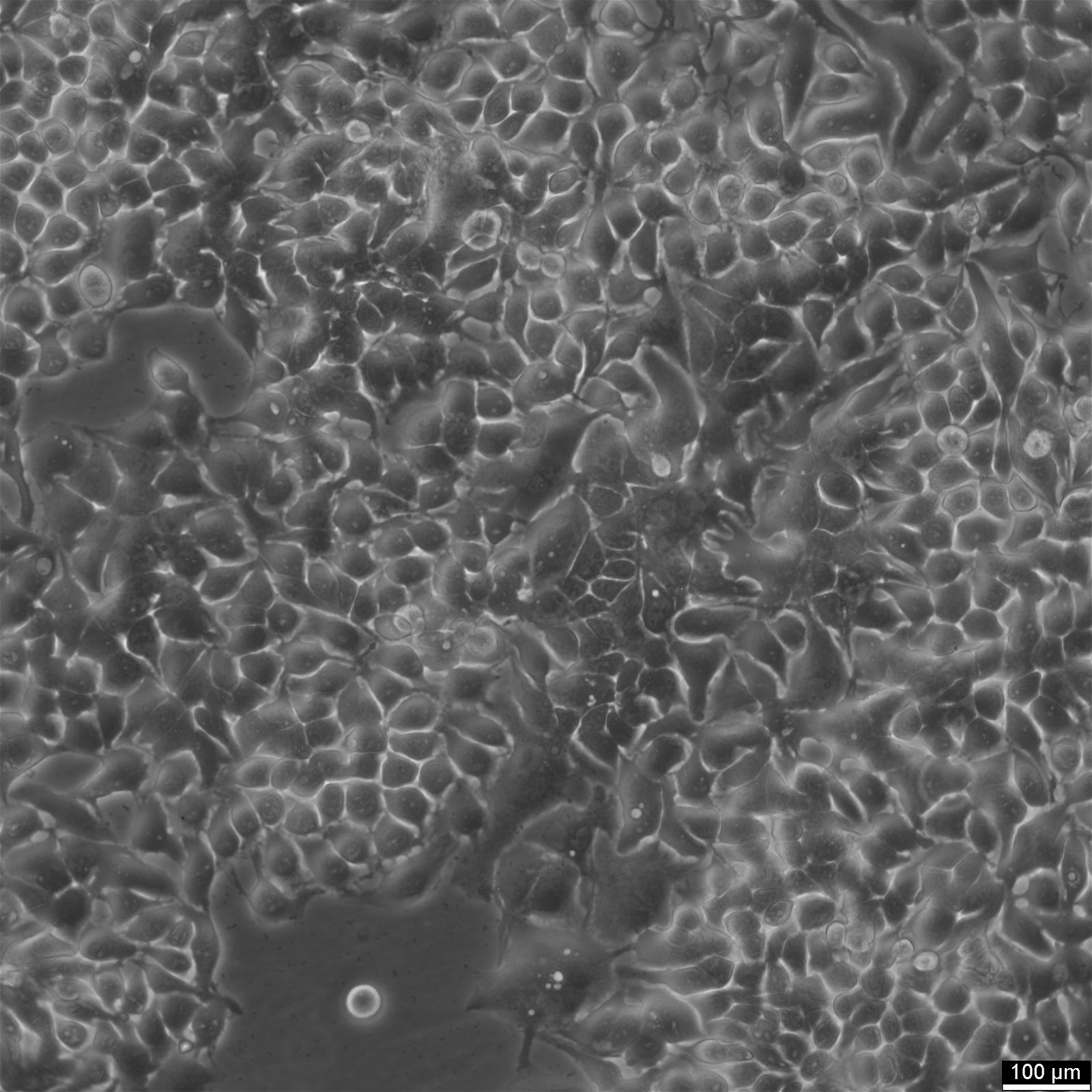
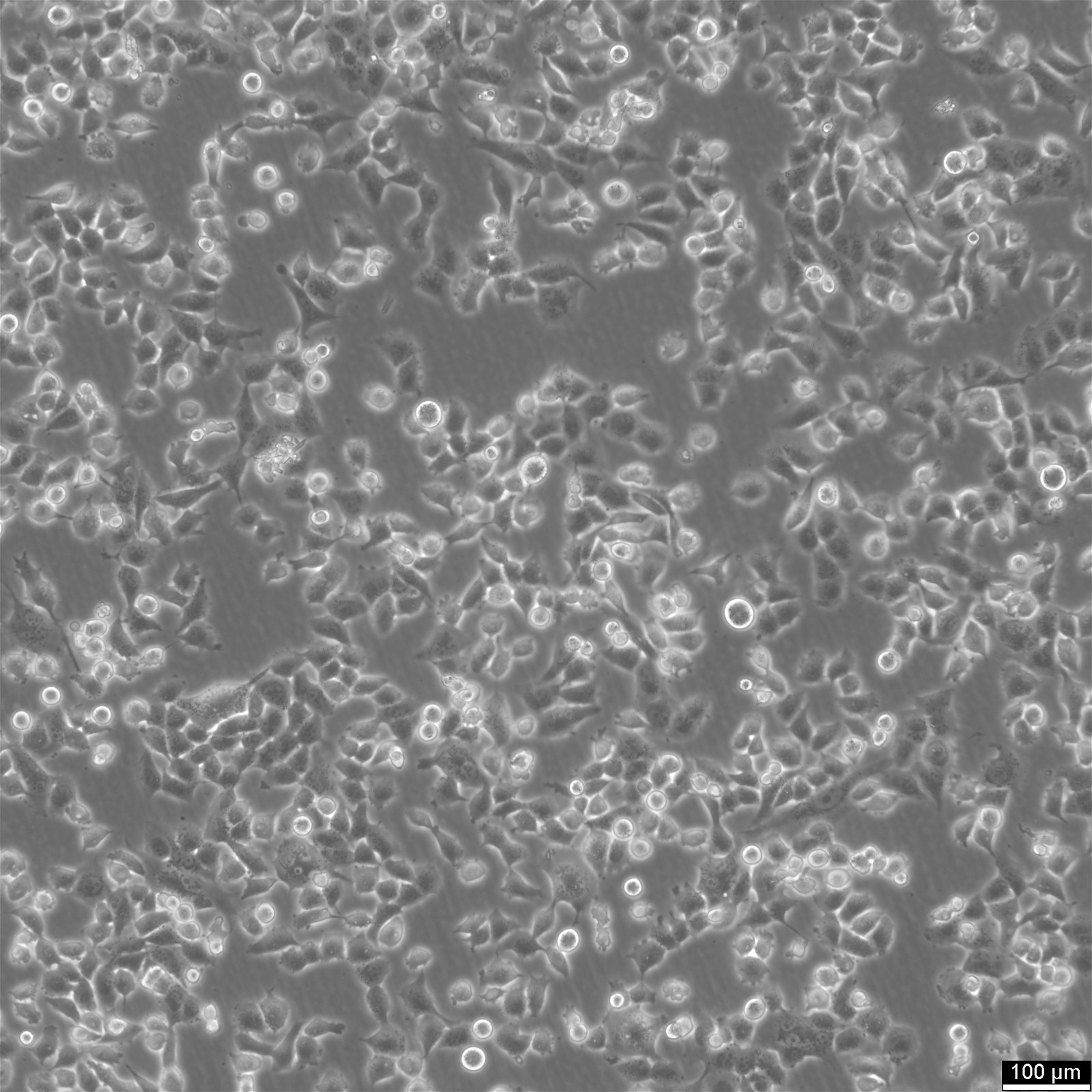
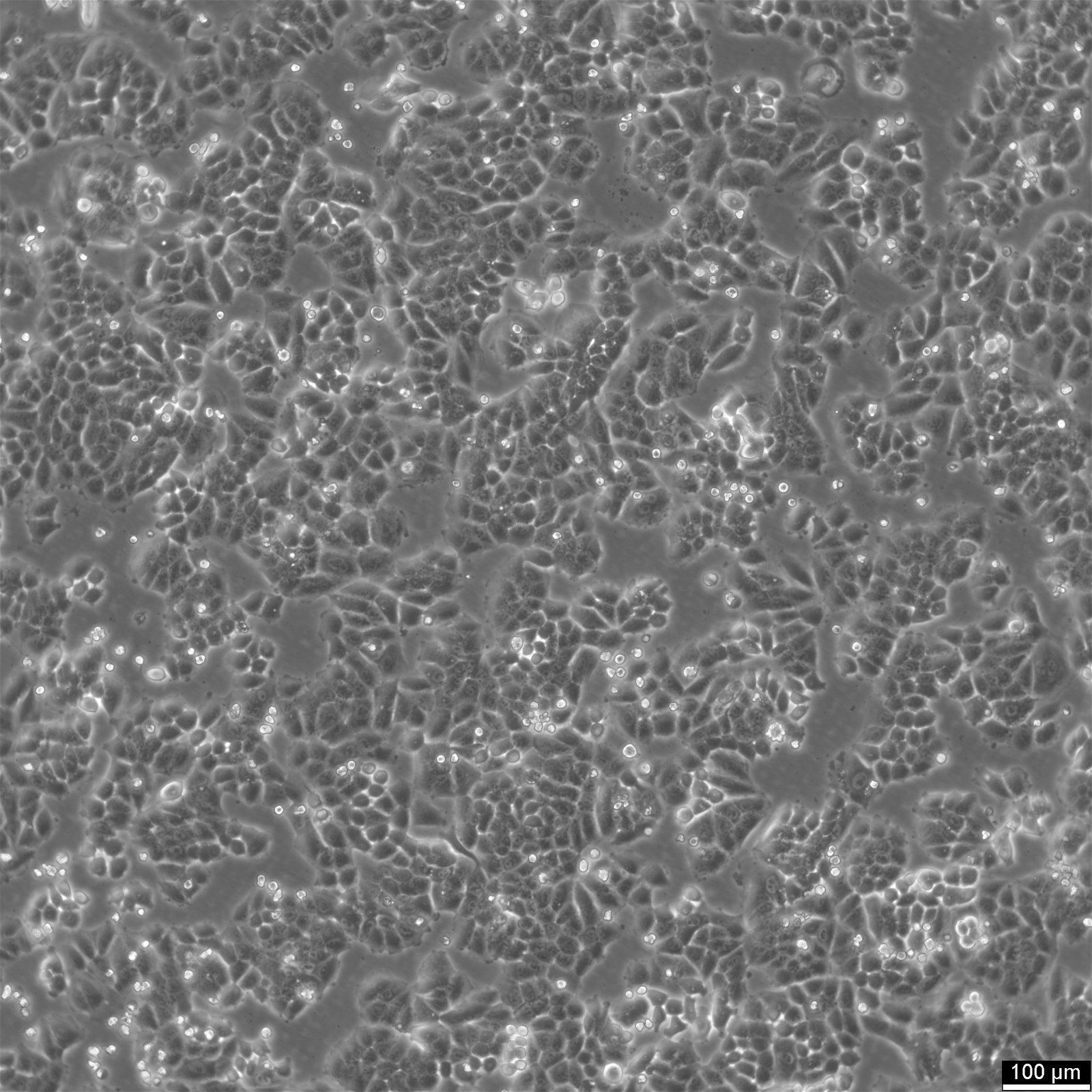
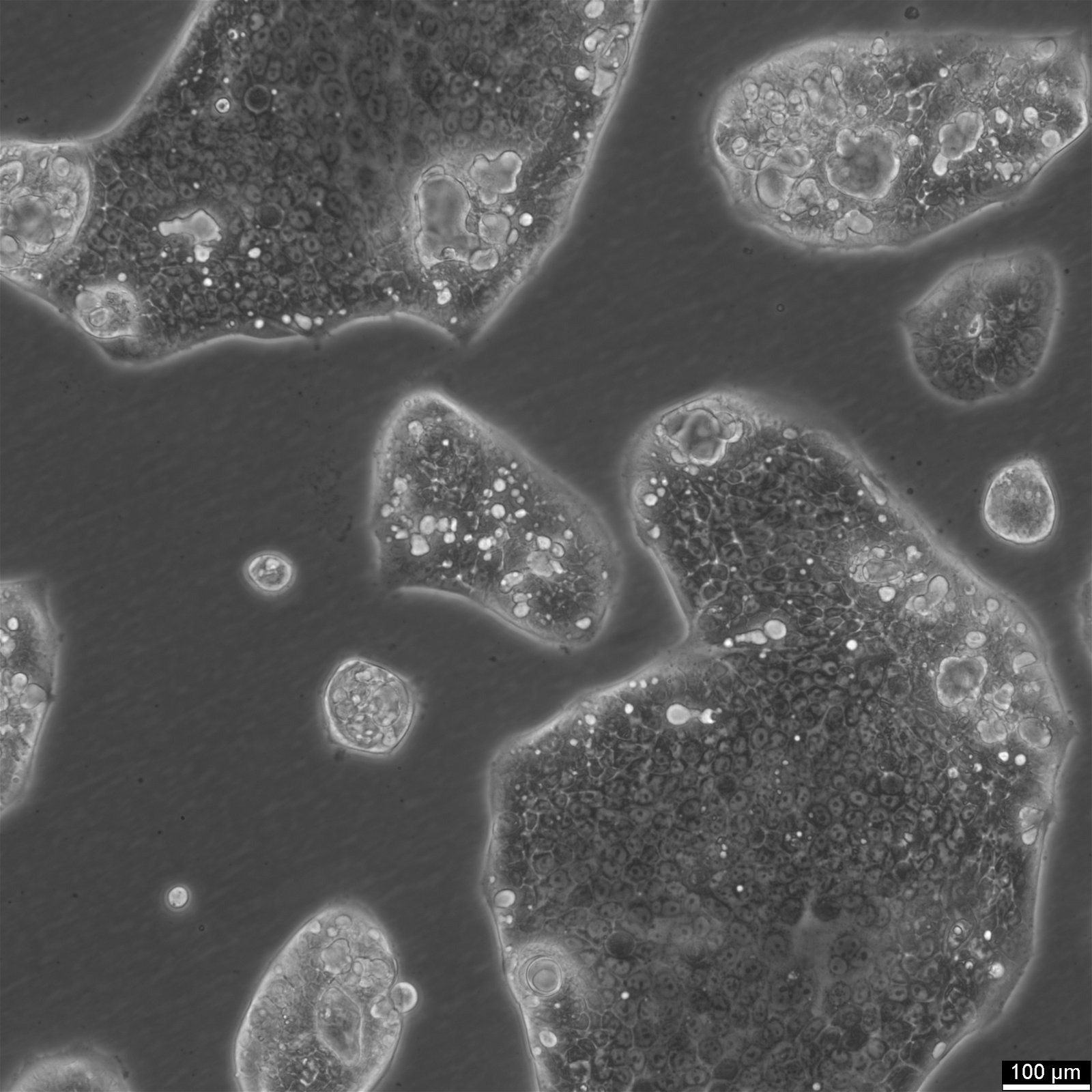
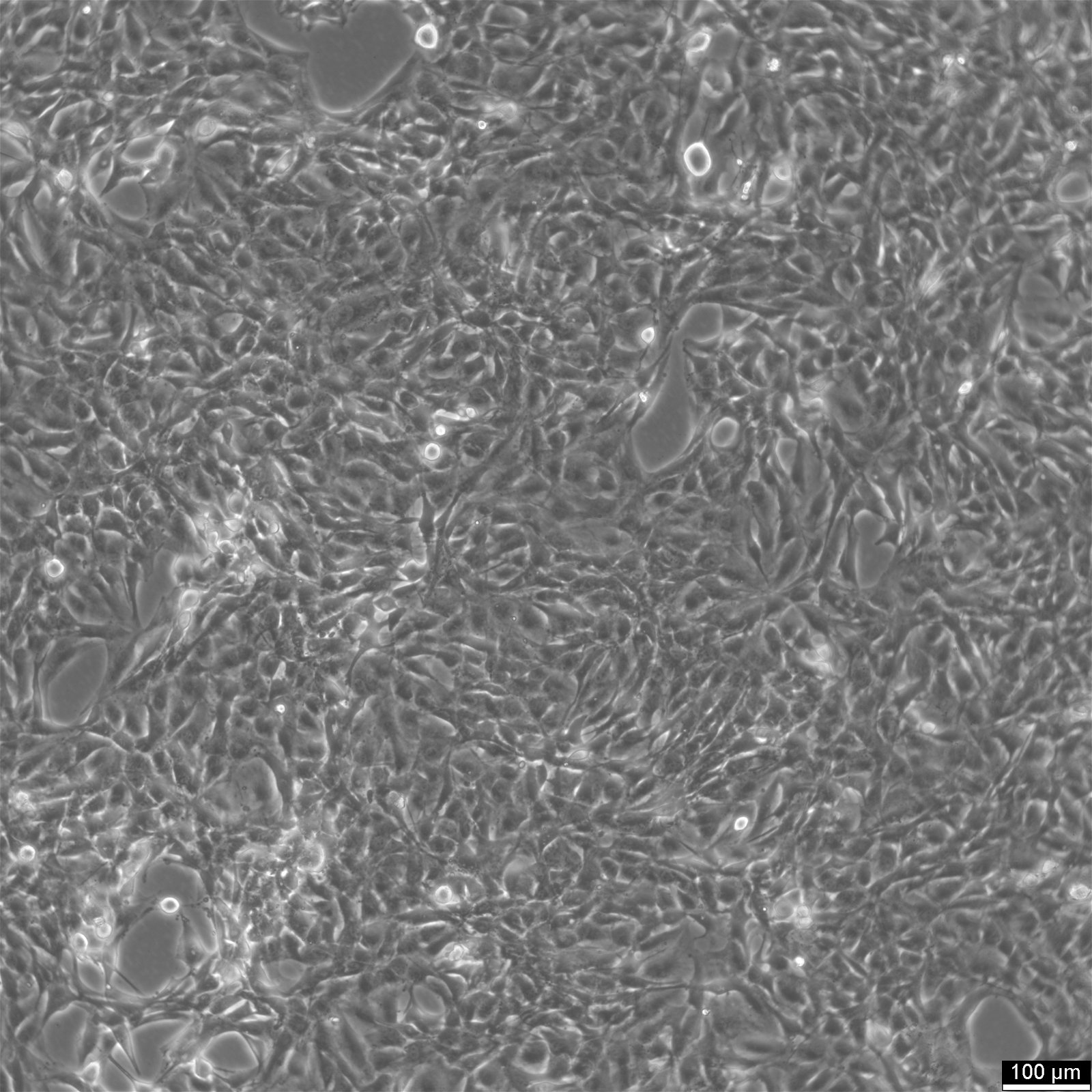
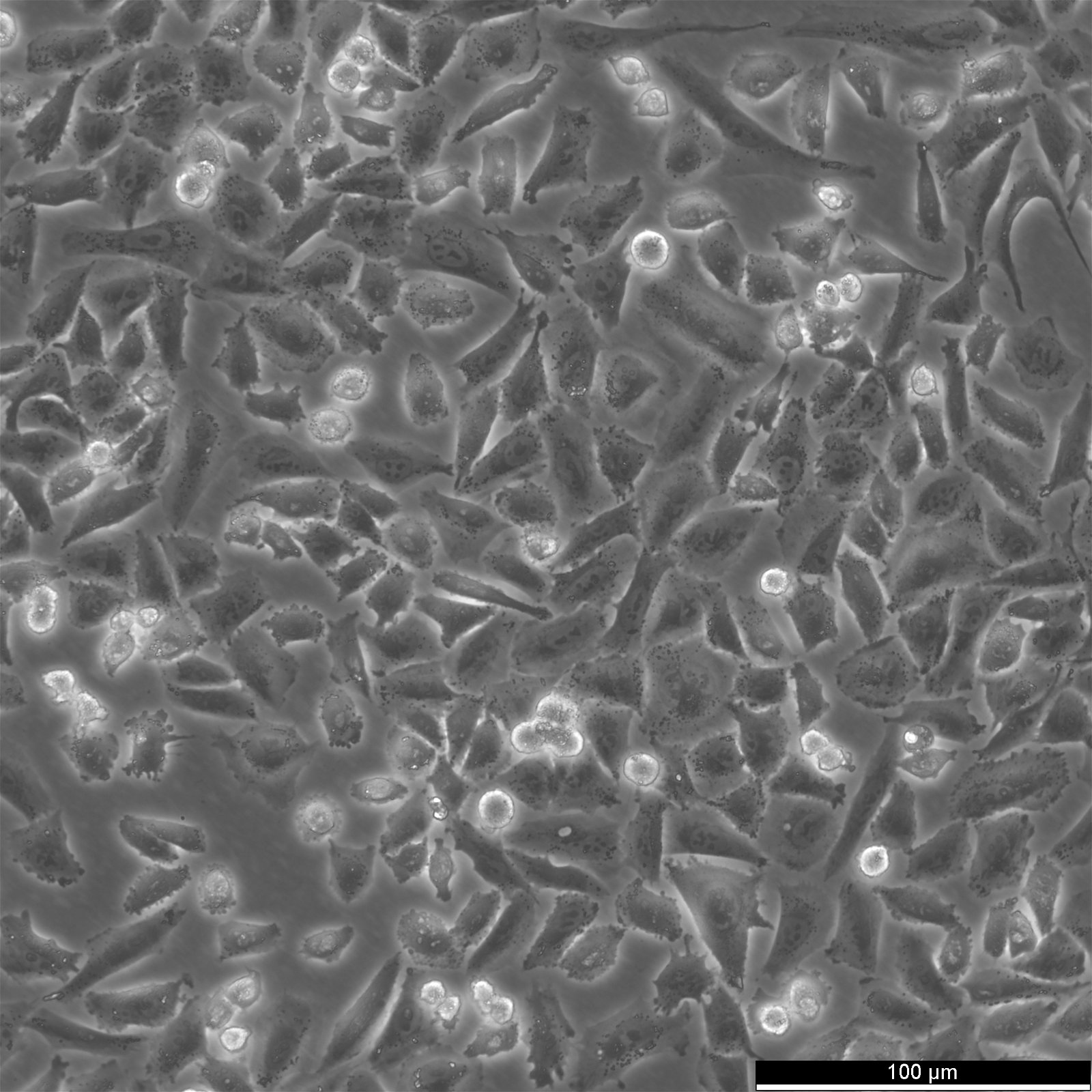
| Description | NCI-H69AR is a multidrug-resistant derivative of the parental small cell lung carcinoma (SCLC) cell line NCI-H69. It was developed through continuous selection in increasing concentrations of chemotherapeutic agents such as doxorubicin. As a result, NCI-H69AR serves as a key model system for investigating mechanisms of acquired drug resistance in SCLC. This cell line retains many of the morphological and biochemical features of its parental line but exhibits profound resistance to several cytotoxic agents, making it especially relevant for studying efflux-mediated resistance pathways. The primary mechanism of resistance in NCI-H69AR involves overexpression of the multidrug resistance protein P-glycoprotein (P-gp), encoded by the MDR1 gene. P-gp functions as an ATP-dependent efflux pump that reduces intracellular drug accumulation, particularly for anthracyclines, vinca alkaloids, and epipodophyllotoxins. Additionally, NCI-H69AR exhibits altered expression of membrane-associated proteins, including annexin II, which may be associated with changes in calcium signaling and vesicular trafficking-processes implicated in drug resistance and cellular stress response. These phenotypic alterations make NCI-H69AR a valuable model for identifying modulators of drug resistance and for evaluating the efficacy of agents targeting efflux mechanisms or bypassing resistance pathways altogether. NCI-H69AR has also been used in comparative studies with its parental line to delineate changes in gene and protein expression, drug sensitivity profiles, and response to pharmacologic inhibitors. This comparative framework helps clarify the evolution of drug resistance in cancer and contributes to the design of combination therapies aimed at re-sensitizing resistant tumors. The line is typically cultured in RPMI-1640 medium supplemented with fetal bovine serum and maintained under standard atmospheric conditions. Its robustness and well-characterized resistance phenotype have secured its place in preclinical research on drug resistance in lung cancer. |
|---|---|
| Organism | Human |
| Tissue | Metastatic |
| Disease | Lung small cell carcinoma |
| Metastatic site | Pleural effusion |
| Synonyms | NCI-H69 AR, NCI-H69/AR, H69AR, H-69AR |
Characteristics
| Age | 55 years |
|---|---|
| Gender | Male |
| Ethnicity | Caucasian |
| Morphology | Epithelial |
| Cell type | Epithelial like |
| Growth properties | Adherent |
Regulatory Data
| Citation | NCI-H69AR (Cytion catalog number 305840) |
|---|---|
| Biosafety level | 1 |
| NCBI_TaxID | 9606 |
| CellosaurusAccession | CVCL_3513 |
Biomolecular Data
| Tumorigenic | Yes; Yes, in nude mice |
|---|---|
| Mutational profile | Mutation: PIK3CA, Simple, p.Gly106_Arg108del (c.317_325delGGCAACCGT), Heterozygous (from parent cell line).Mutation, RB1, Simple, p.Glu748Ter (c.2242G>T), Homozygous (from parent cell line).Mutation, TP53, Simple, p.Glu171Ter (c.511G>T), Homozygous (from parent cell line). |
Handling
| Culture Medium | RPMI 1640, w: 2.0 mM stable Glutamine, w: 2.0 g/L NaHCO3 (Cytion article number 820700a) |
|---|---|
| Supplements | Supplement the medium with 20% FBS |
| Dissociation Reagent | Accutase |
| Fluid renewal | 2 to 3 times per week |
| Freeze medium | As a cryopreservation medium, we use complete growth medium (including FBS) + 10% DMSO for adequate post-thaw viability, or CM-1 (Cytion catalog number 800100), which includes optimized osmoprotectants and metabolic stabilizers to enhance recovery and reduce cryo-induced stress. |
| Thawing and Culturing Cells |
|
| Incubation Atmosphere | 37°C, 5% CO2, humidified atmosphere. |
| Shipping Conditions | Cryopreserved cell lines are shipped on dry ice in validated, insulated packaging with sufficient refrigerant to maintain approximately −78 °C throughout transit. On receipt, inspect the container immediately and transfer vials without delay to appropriate storage. |
| Storage Conditions | For long-term preservation, place vials in vapor-phase liquid nitrogen at about −150 to −196 °C. Storage at −80 °C is acceptable only as a short interim step before transfer to liquid nitrogen. |
Quality Control & Molecular Analysis
| Sterility | Mycoplasma contamination is excluded using both PCR-based assays and luminescence-based mycoplasma detection methods. To ensure there is no bacterial, fungal, or yeast contamination, cell cultures are subjected to daily visual inspections. |
|---|
| Metastatic site: | Pleural effusion |
|---|
Certificate of Analysis (CoA)
| Lot Number | Certificate Type | Date | Catalog Number |
|---|---|---|---|
| 305840-071125 | Certificate of Analysis | 18. Dec. 2025 | 305840 |
-
Related products
Related products