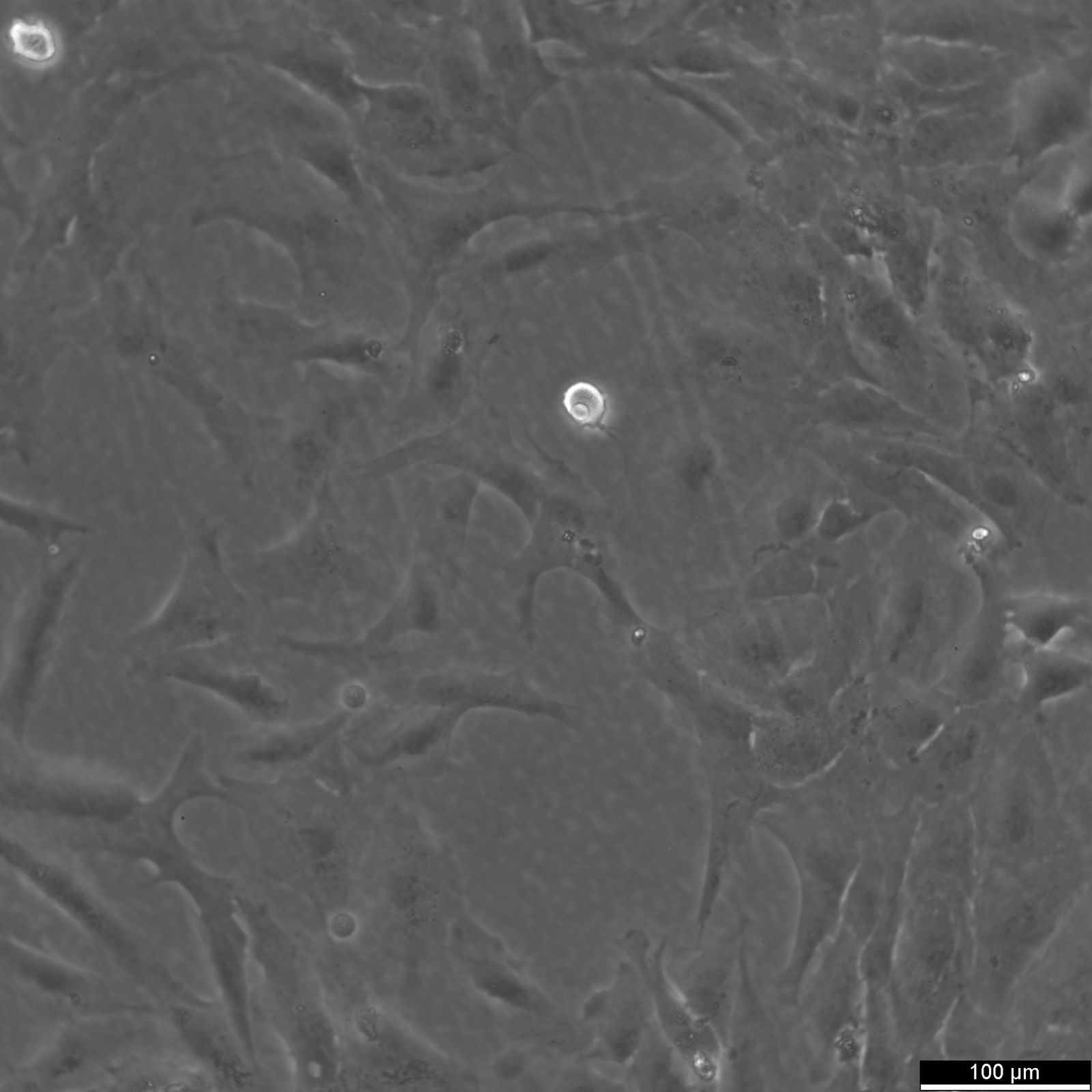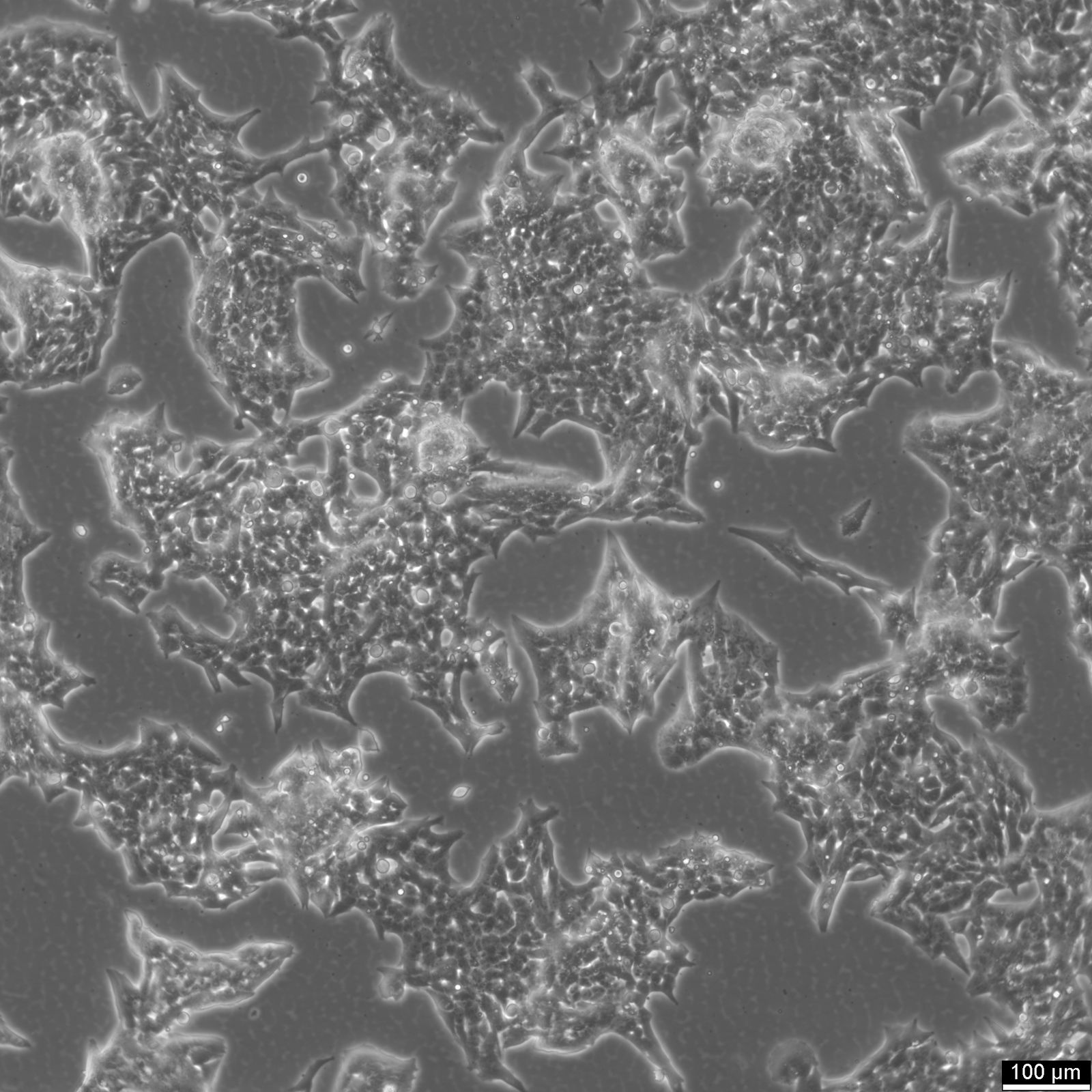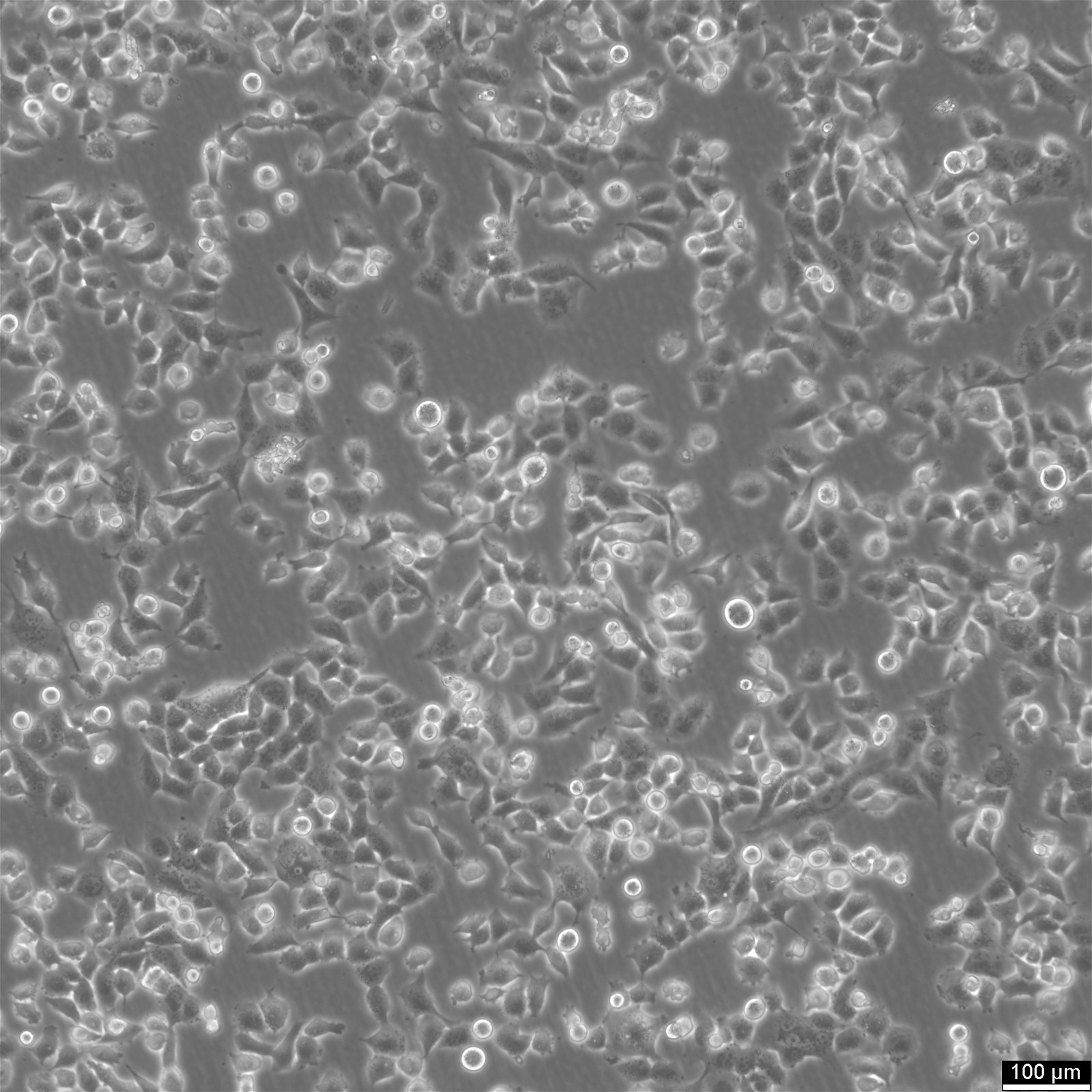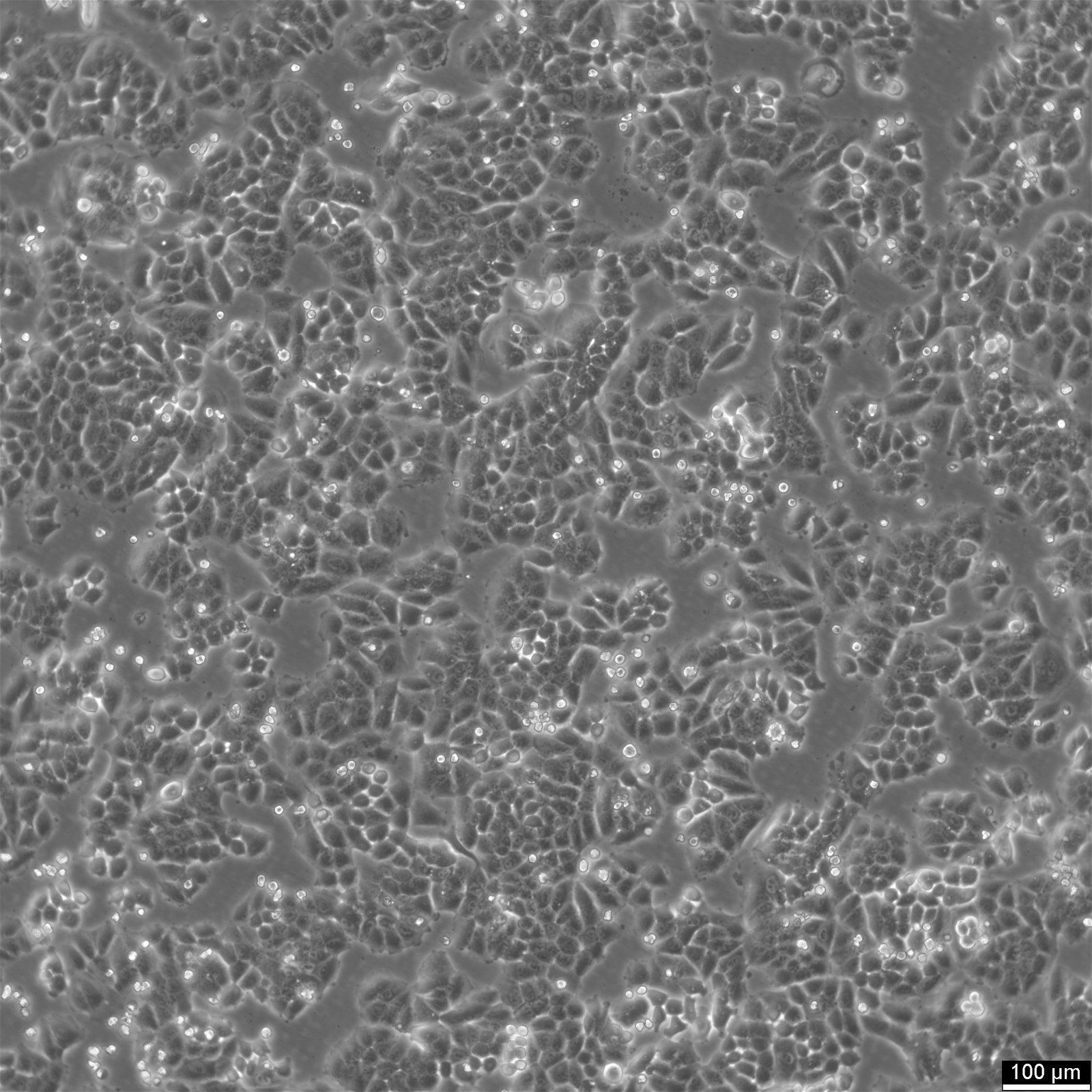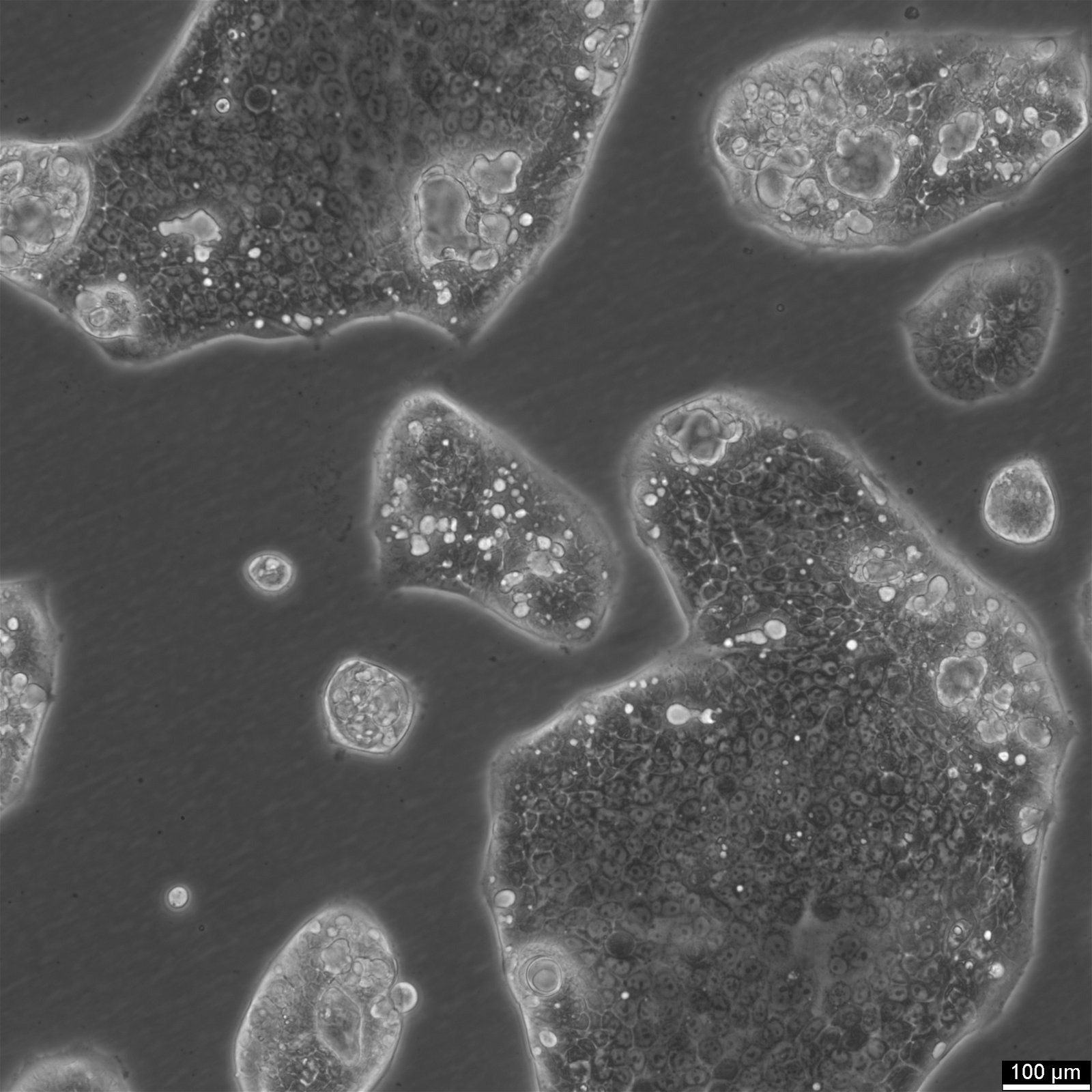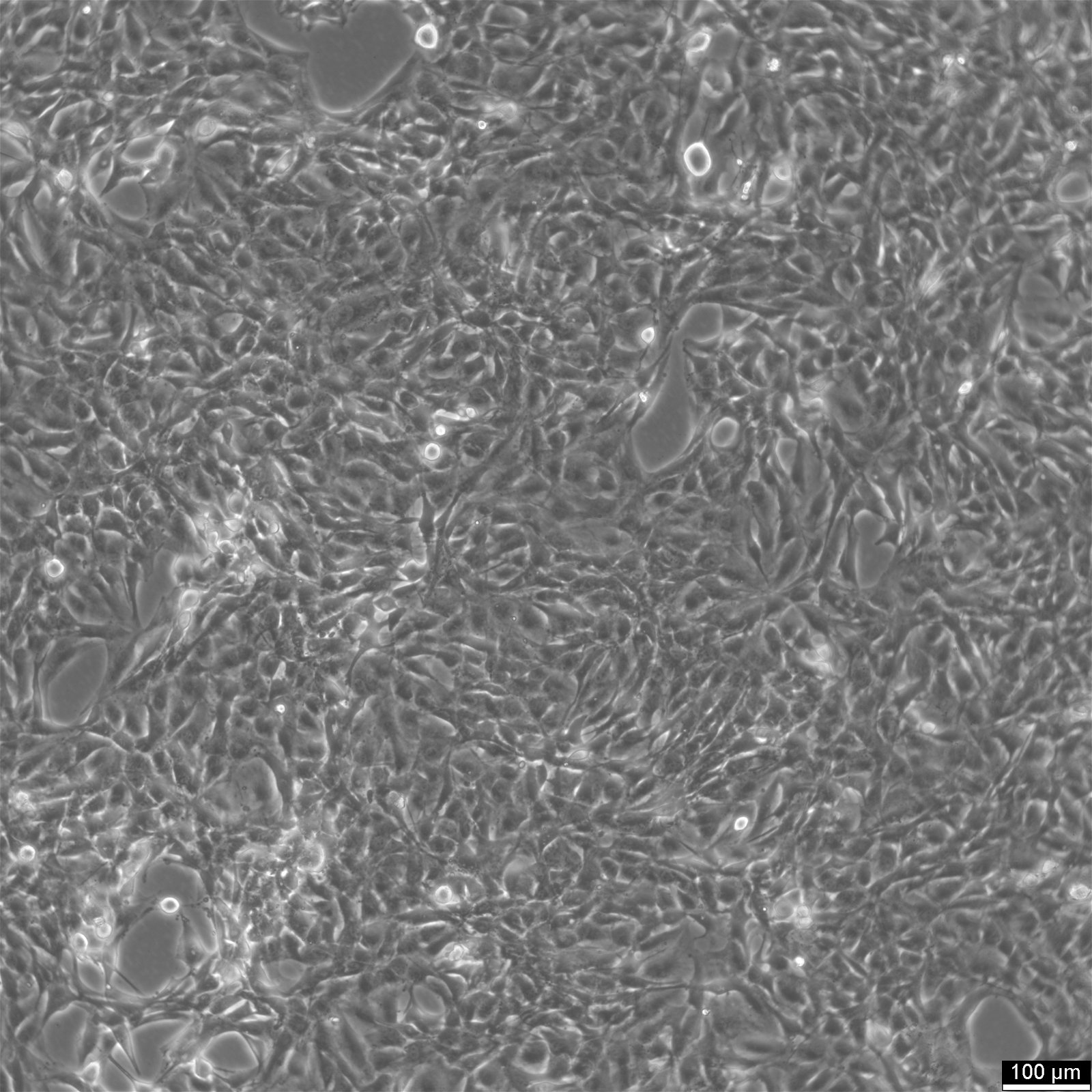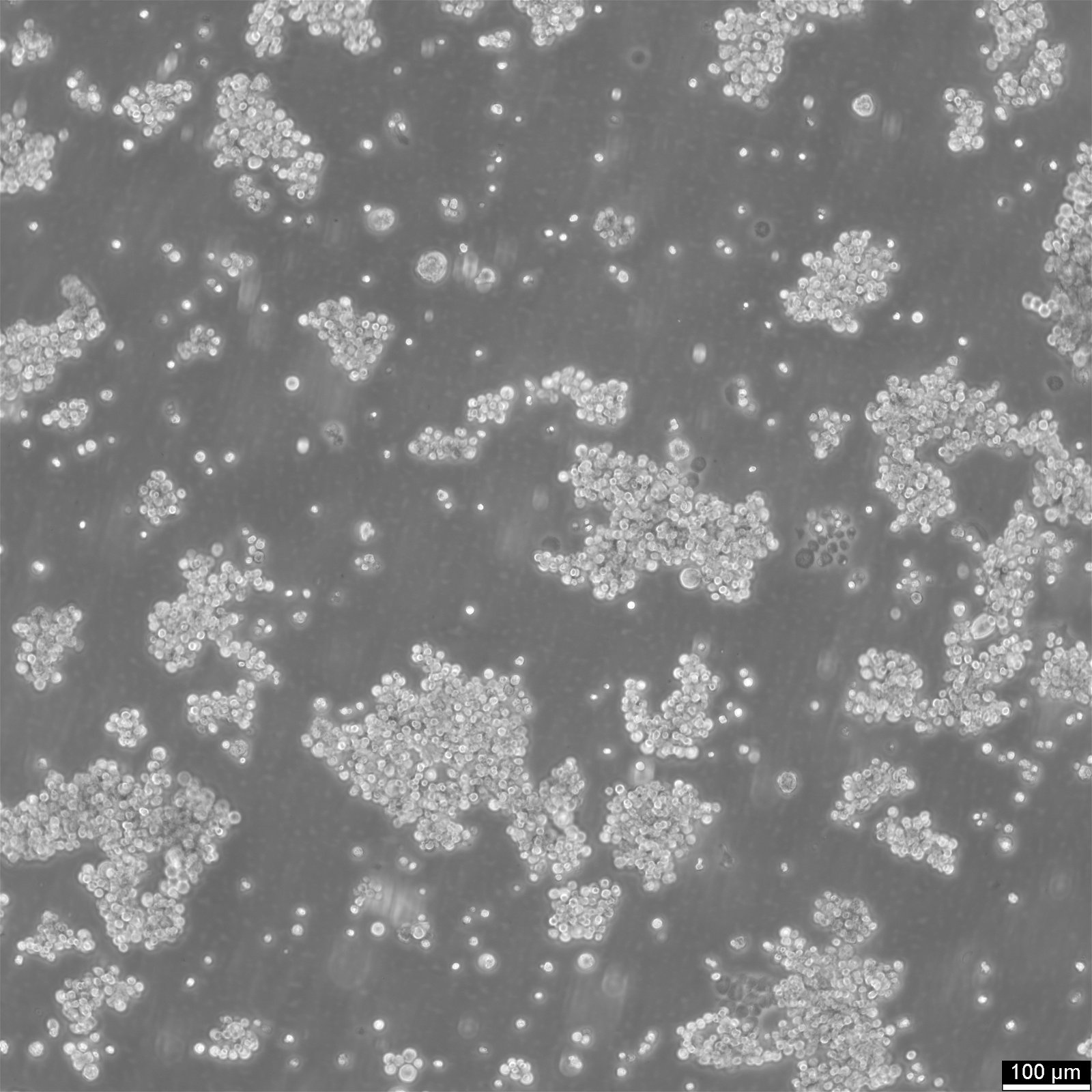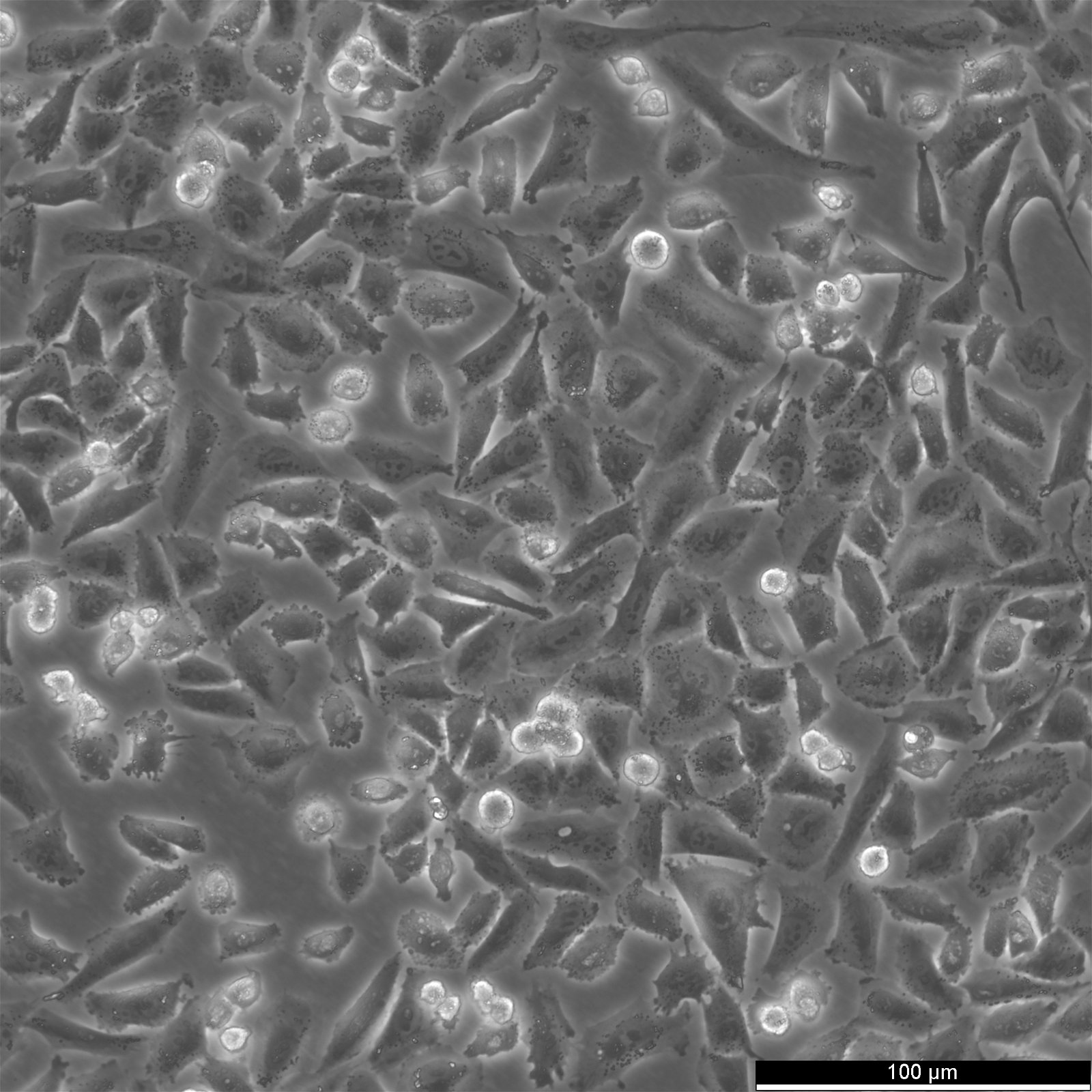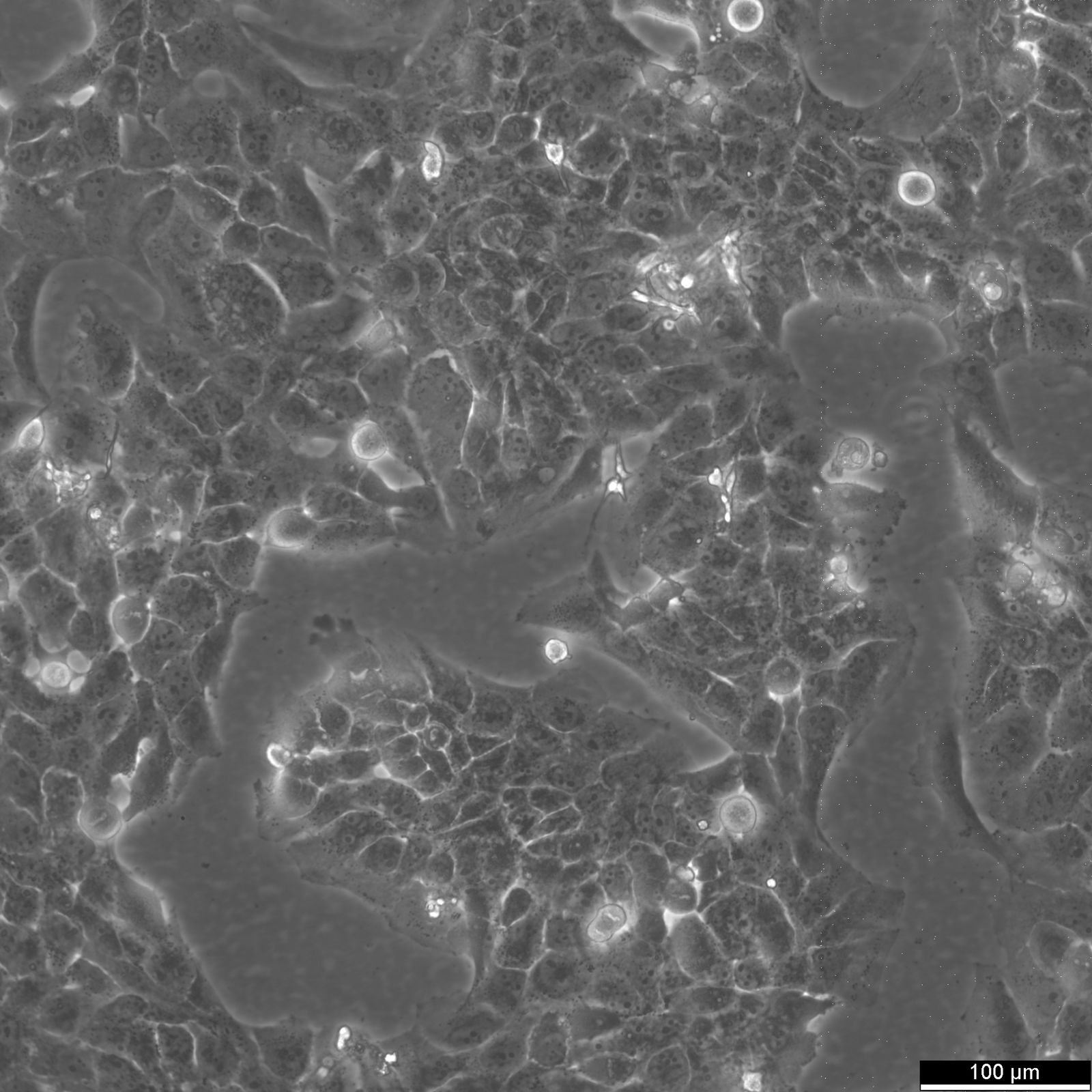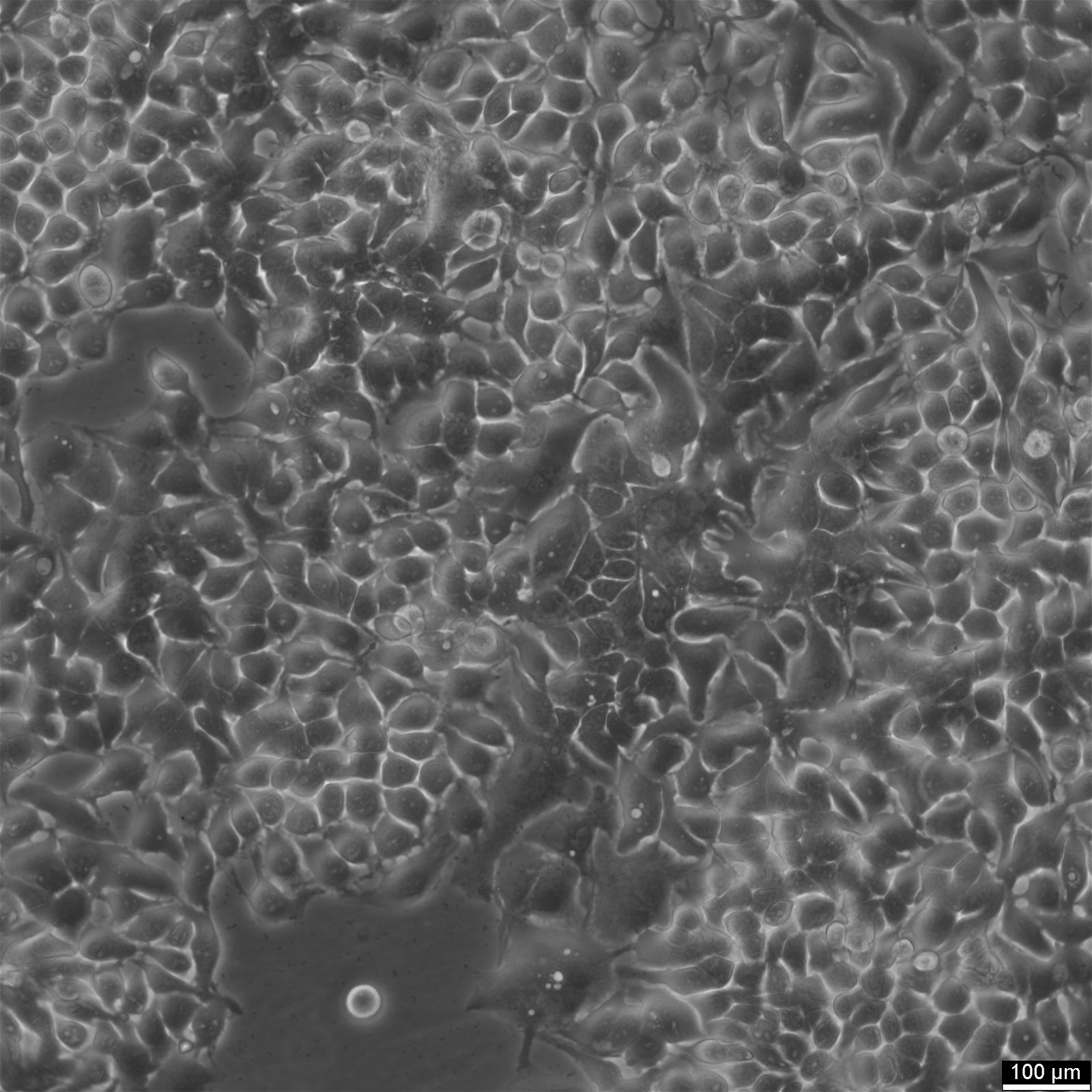
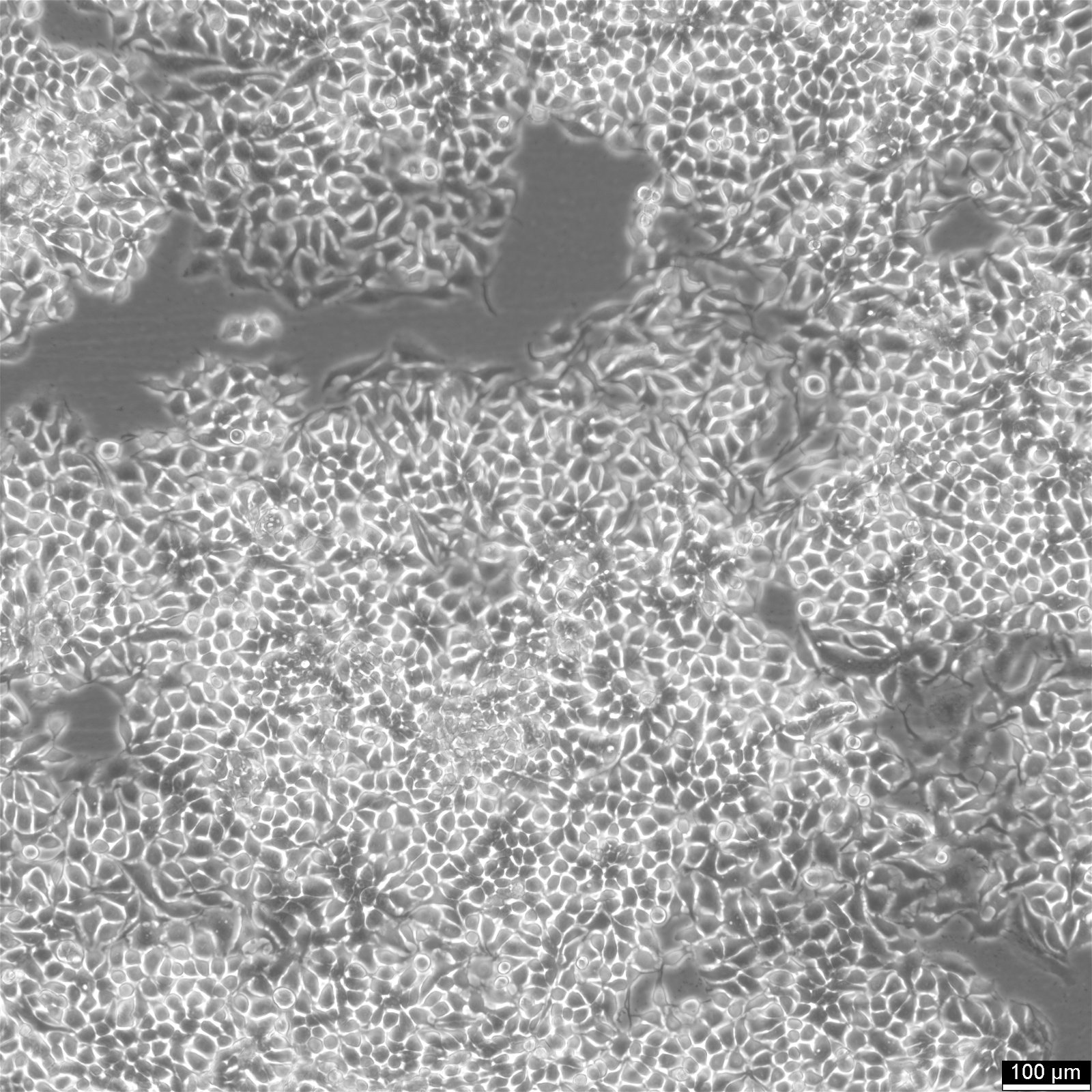
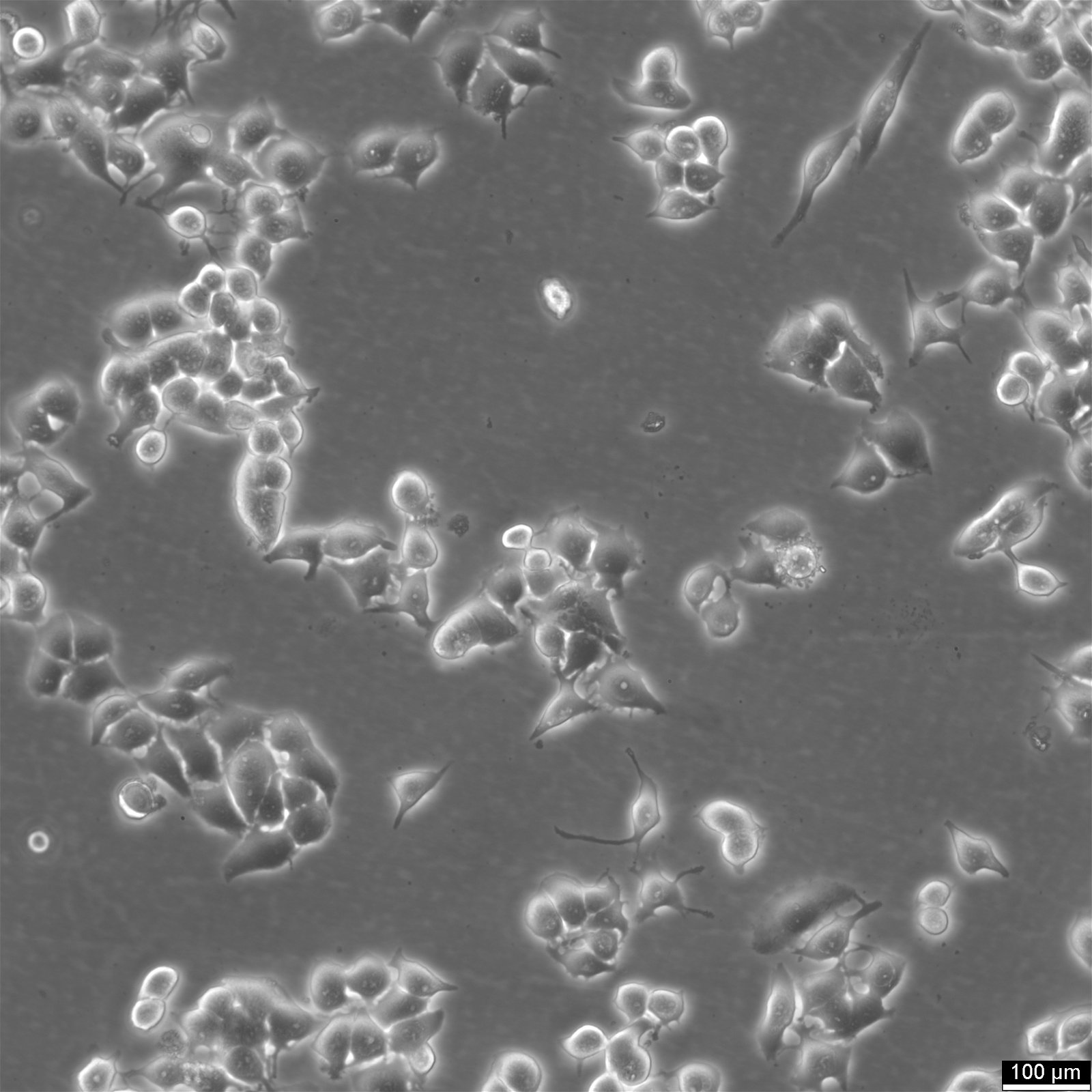
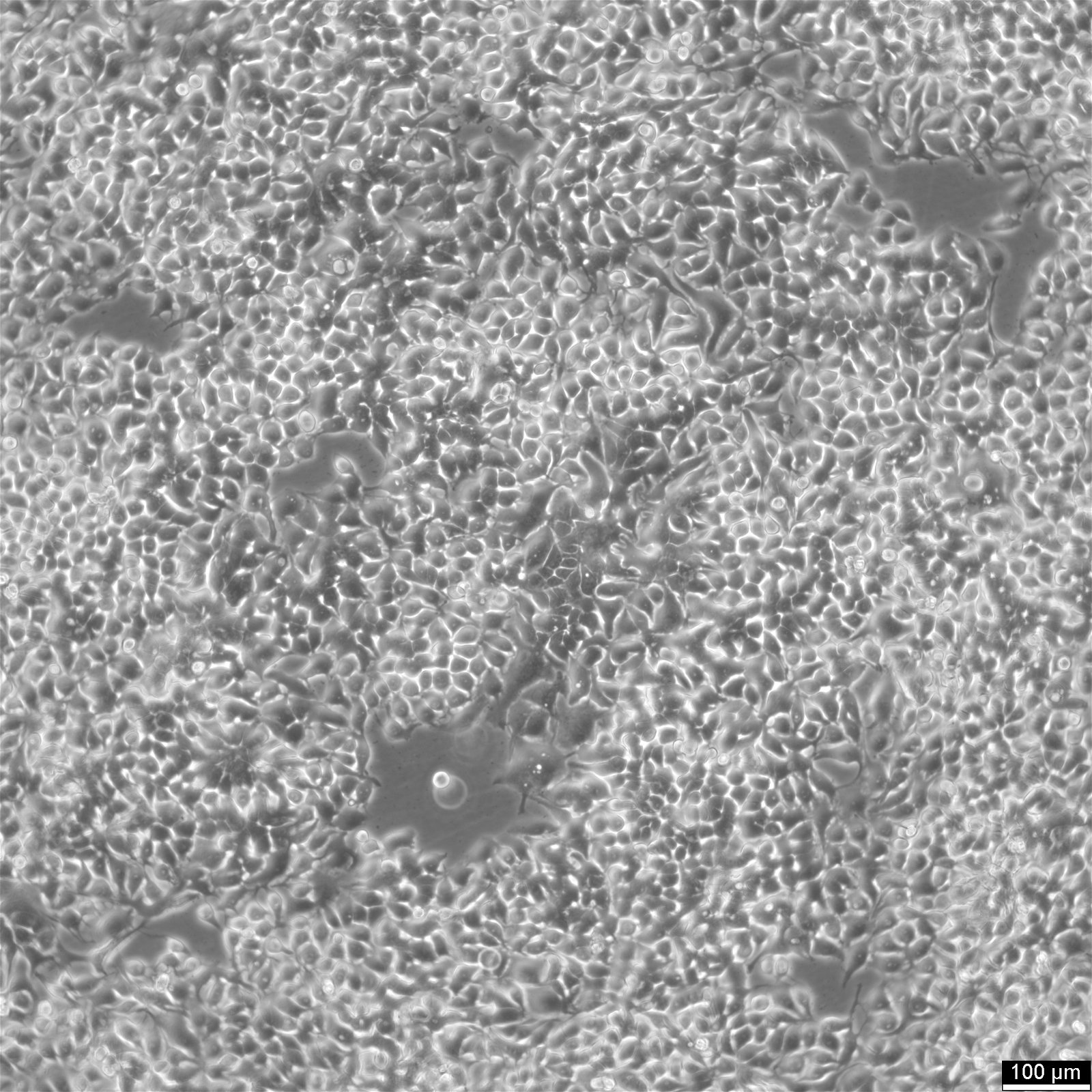
NCI-H3122 Cells
CAD$759.00*
Products are shipped frozen on dry ice in cryotubes. Each cryotube typically contains 3 × 10⁶ cells for adherent lines or 5 × 10⁶ cells for suspension lines (refer to the batch CoA for details).
General information
| Description | The NCI-H3122 cell line is derived from non-small-cell lung cancer (NSCLC) and is characterized by the presence of the EML4-ALK fusion gene, which results from a chromosomal translocation between echinoderm microtubule-associated protein-like 4 (EML4) and anaplastic lymphoma kinase (ALK). This fusion drives oncogenic signaling and makes NCI-H3122 cells highly dependent on ALK signaling for survival, known as "ALK-addicted." NCI-H3122 has become a key model for studying targeted therapies, particularly for ALK inhibitors like crizotinib. Studies have shown that NCI-H3122 cells are sensitive to crizotinib, which inhibits ALK phosphorylation and its downstream targets such as the AKT and ERK pathways. However, resistance to crizotinib often develops, typically due to alternative signaling pathways like the activation of the epidermal growth factor receptor (EGFR). This resistance mechanism has been confirmed in NCI-H3122 resistant variants, where increased EGFR phosphorylation was observed, and dual inhibition of ALK and EGFR using crizotinib and EGFR inhibitors such as afatinib or erlotinib was shown to overcome the resistance. NCI-H3122 is frequently used to explore combination therapies aimed at preventing or reversing drug resistance. For instance, targeting both ALK and EGFR pathways has been a successful strategy in preclinical models, and this dual inhibition has been suggested as a potential therapeutic approach for ALK-positive, crizotinib-resistant NSCLC patients. |
|---|---|
| Organism | Human |
| Tissue | Lung |
| Disease | Adenocarcinoma |
| Synonyms | NCI-H3122, H-3122, NCIH3122 |
Characteristics
| Gender | Male |
|---|---|
| Ethnicity | Caucasian |
| Growth properties | Adherent |
Regulatory Data
| Citation | NCI-H3122 (Cytion catalog number 300484) |
|---|---|
| Biosafety level | 1 |
| NCBI_TaxID | 9606 |
| CellosaurusAccession | CVCL_5160 |
Biomolecular Data
Handling
| Culture Medium | RPMI 1640, w: 2.0 mM stable Glutamine, w: 2.0 g/L NaHCO3 (Cytion article number 820700a) |
|---|---|
| Supplements | Supplement the medium with 10% FBS |
| Dissociation Reagent | Accutase |
| Subculturing | Remove the old medium from the adherent cells and wash them with PBS that lacks calcium and magnesium. For T25 flasks, use 3-5 ml of PBS, and for T75 flasks, use 5-10 ml. Then, cover the cells completely with Accutase, using 1-2 ml for T25 flasks and 2.5 ml for T75 flasks. Let the cells incubate at room temperature for 8-10 minutes to detach them. After incubation, gently mix the cells with 10 ml of medium to resuspend them, then centrifuge at 300xg for 3 minutes. Discard the supernatant, resuspend the cells in fresh medium, and transfer them into new flasks that already contain fresh medium. |
| Freeze medium | As a cryopreservation medium, we use complete growth medium (including FBS) + 10% DMSO for adequate post-thaw viability, or CM-1 (Cytion catalog number 800100), which includes optimized osmoprotectants and metabolic stabilizers to enhance recovery and reduce cryo-induced stress. |
| Thawing and Culturing Cells |
|
| Incubation Atmosphere | 37°C, 5% CO2, humidified atmosphere. |
| Shipping Conditions | Cryopreserved cell lines are shipped on dry ice in validated, insulated packaging with sufficient refrigerant to maintain approximately −78 °C throughout transit. On receipt, inspect the container immediately and transfer vials without delay to appropriate storage. |
| Storage Conditions | For long-term preservation, place vials in vapor-phase liquid nitrogen at about −150 to −196 °C. Storage at −80 °C is acceptable only as a short interim step before transfer to liquid nitrogen. |
Quality Control & Molecular Analysis
| Sterility | Mycoplasma contamination is excluded using both PCR-based assays and luminescence-based mycoplasma detection methods. To ensure there is no bacterial, fungal, or yeast contamination, cell cultures are subjected to daily visual inspections. |
|---|
Certificate of Analysis (CoA)
| Lot Number | Certificate Type | Date | Catalog Number |
|---|---|---|---|
| 300484-050923 | Certificate of Analysis | 18. Aug. 2025 | 300484 |
| 300484-110625 | Certificate of Analysis | 18. Aug. 2025 | 300484 |
| 300484-170724 | Certificate of Analysis | 23. May. 2025 | 300484 |
-
Related products
Related products