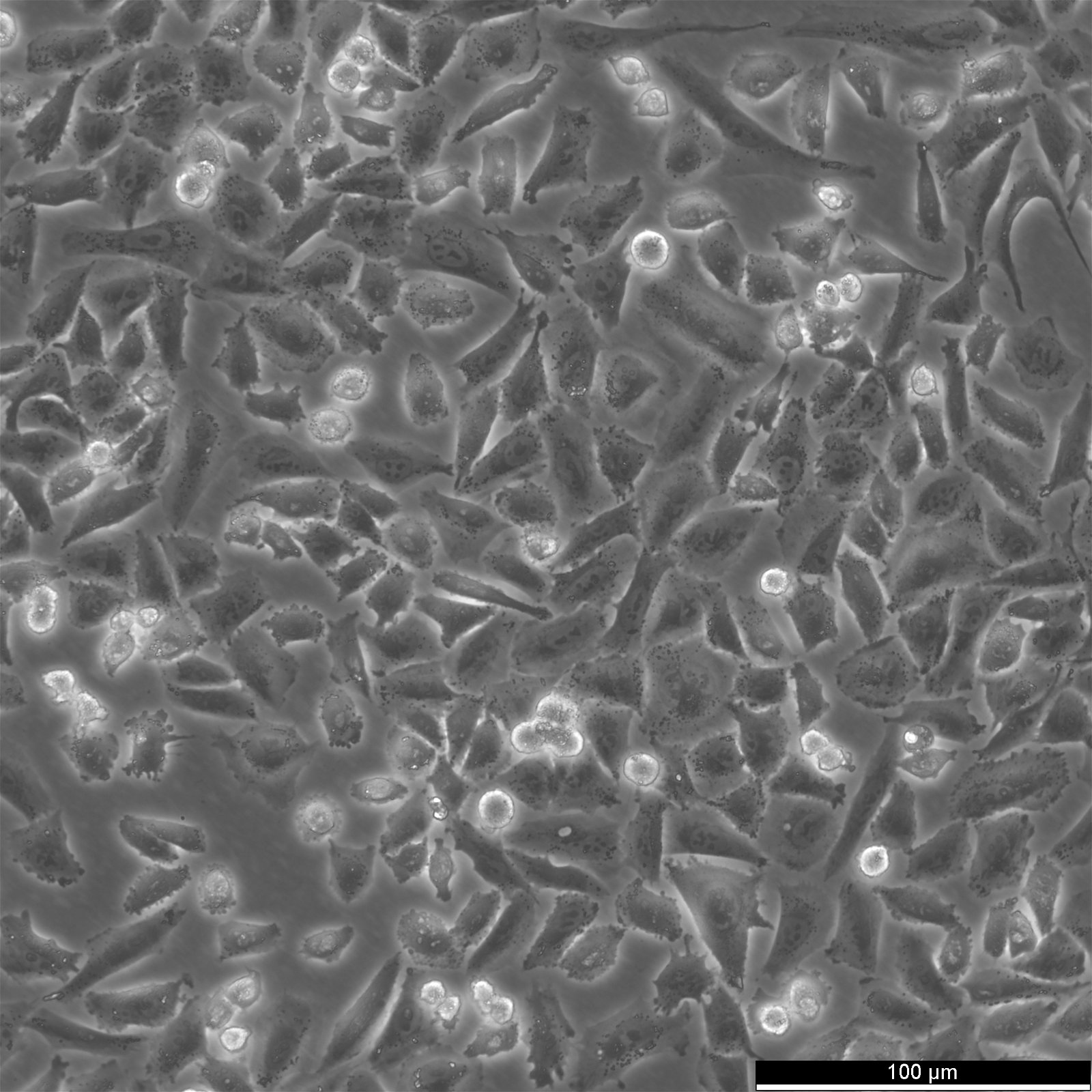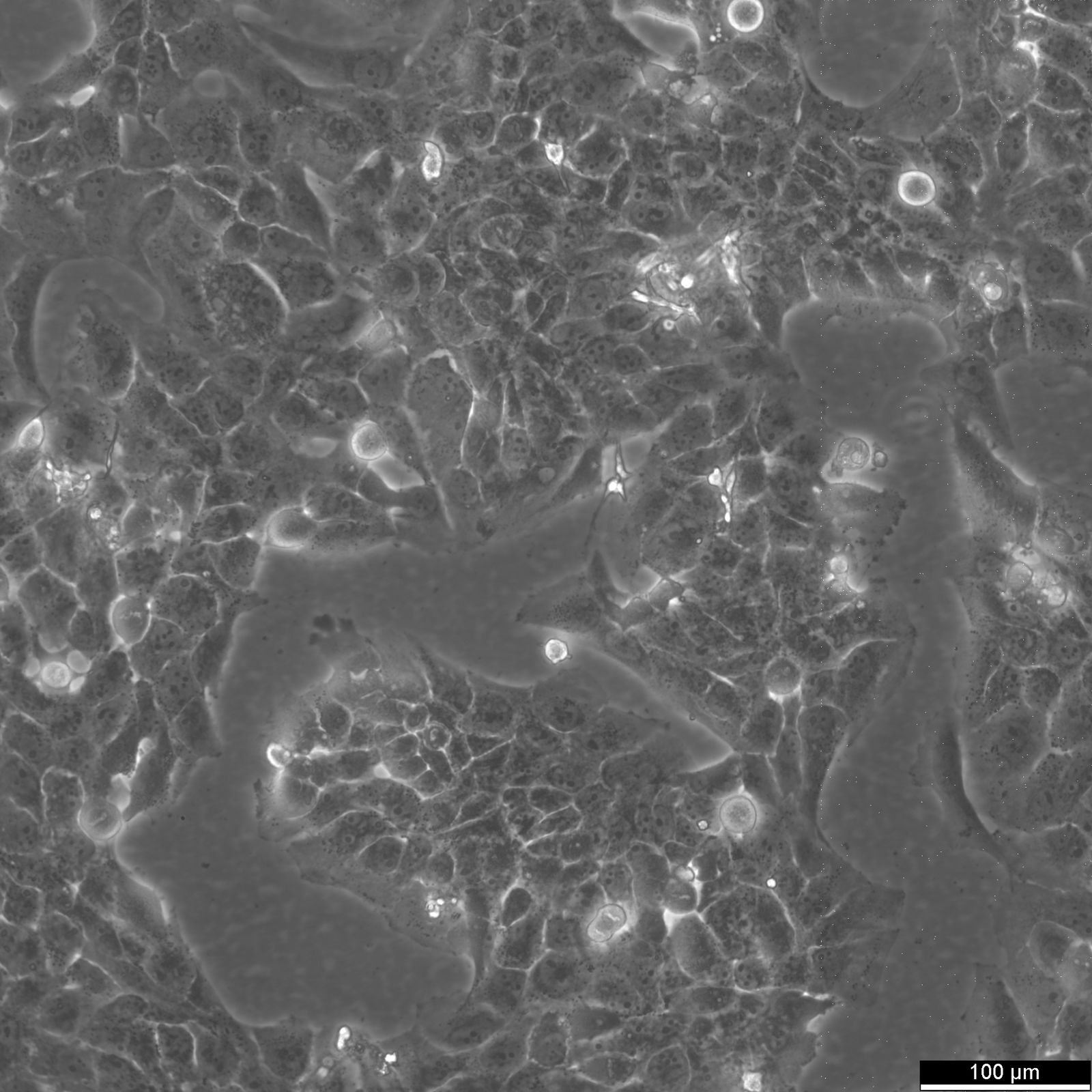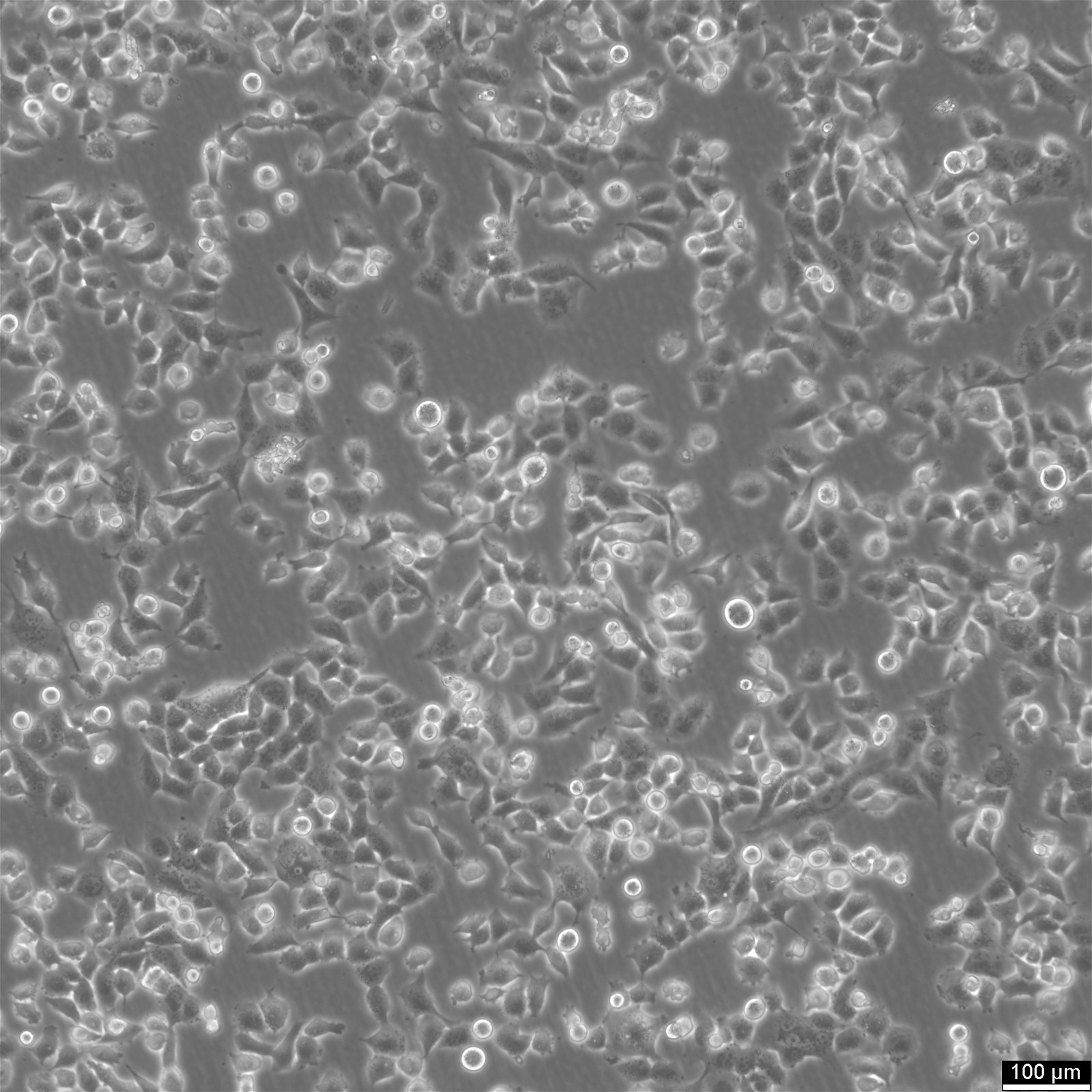
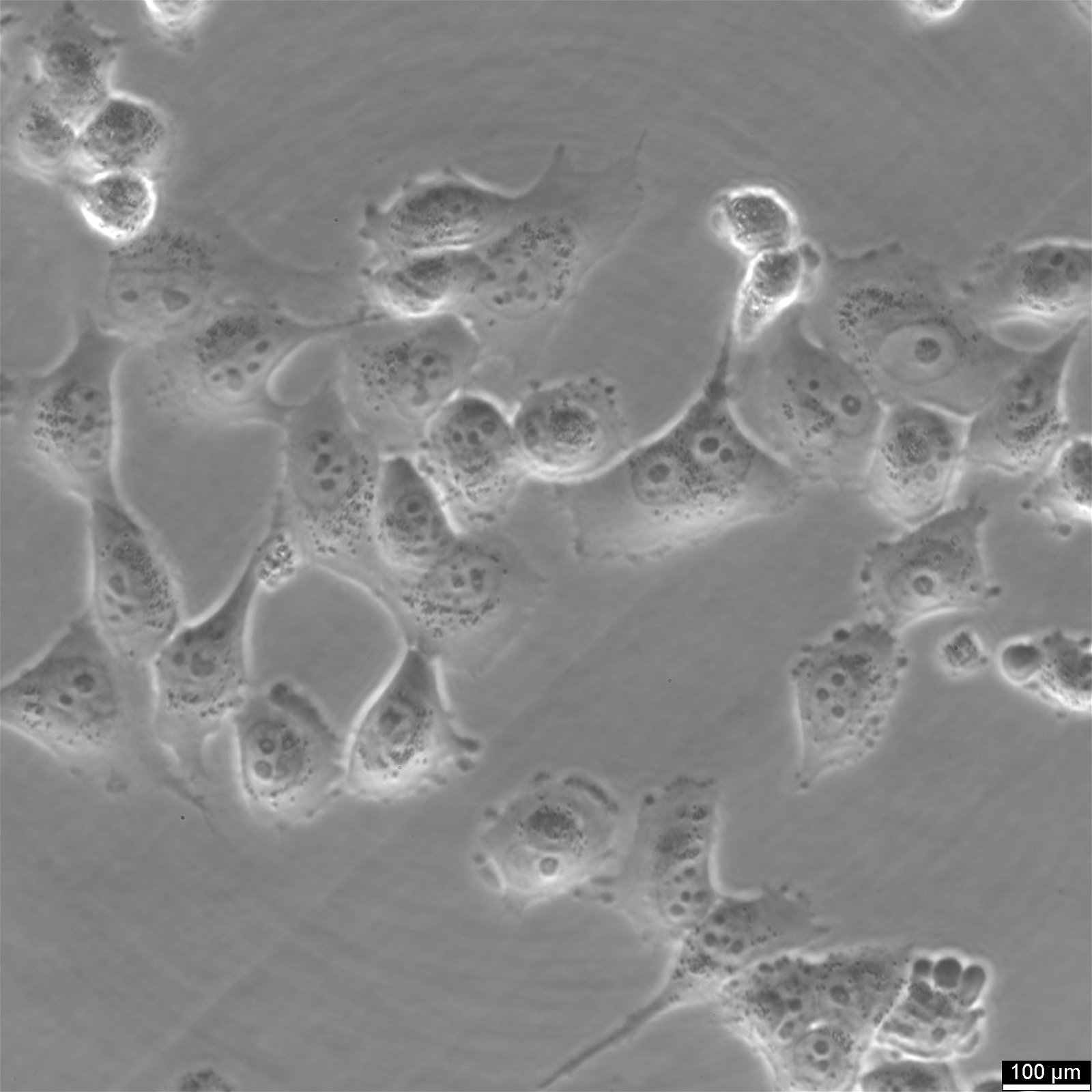
NCI-H1299 Cells
CAD$545.10*
Products are shipped frozen on dry ice in cryotubes. Each cryotube typically contains 3 × 10⁶ cells for adherent lines or 5 × 10⁶ cells for suspension lines (refer to the batch CoA for details).
Insights on NCI-H1299 lung cancer cells
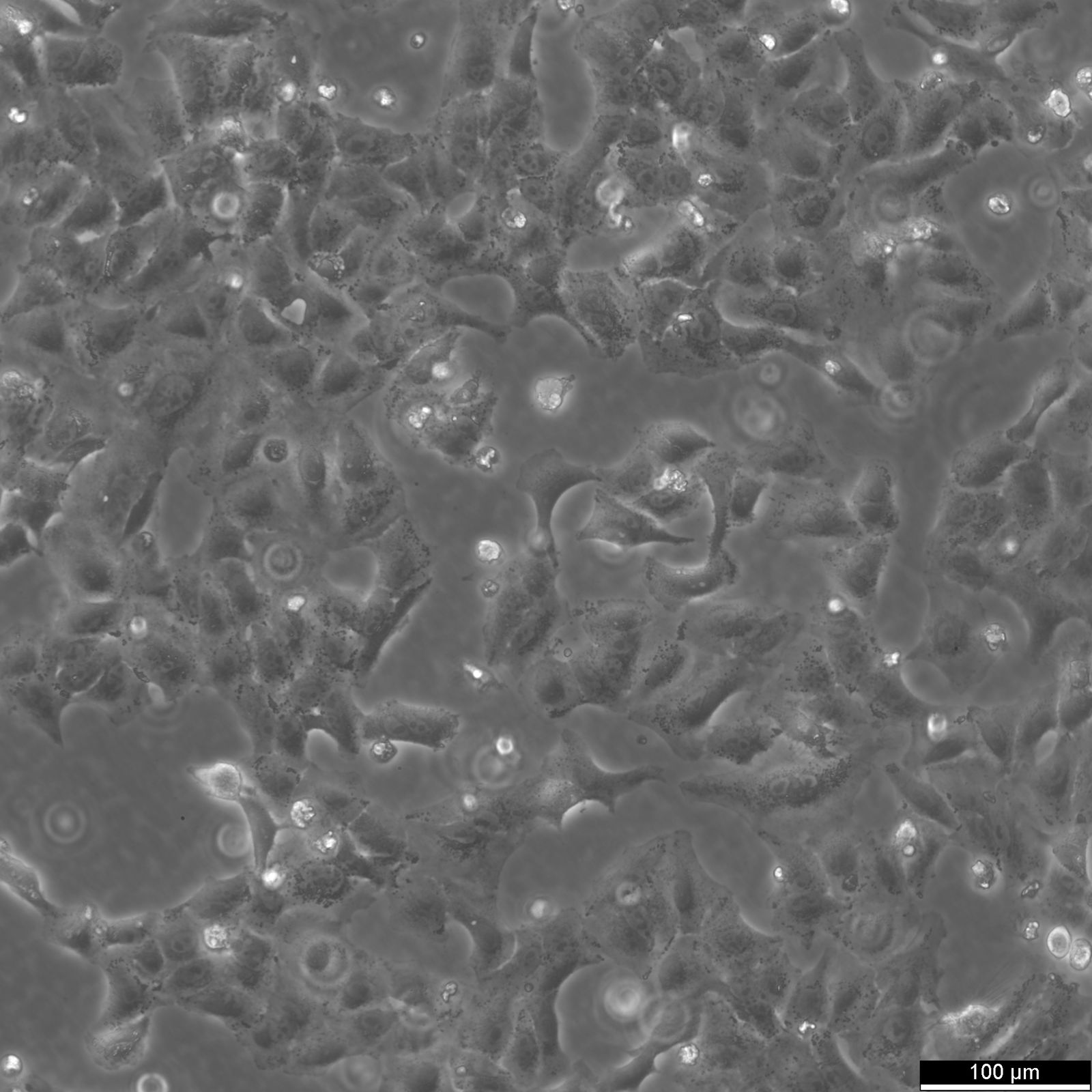
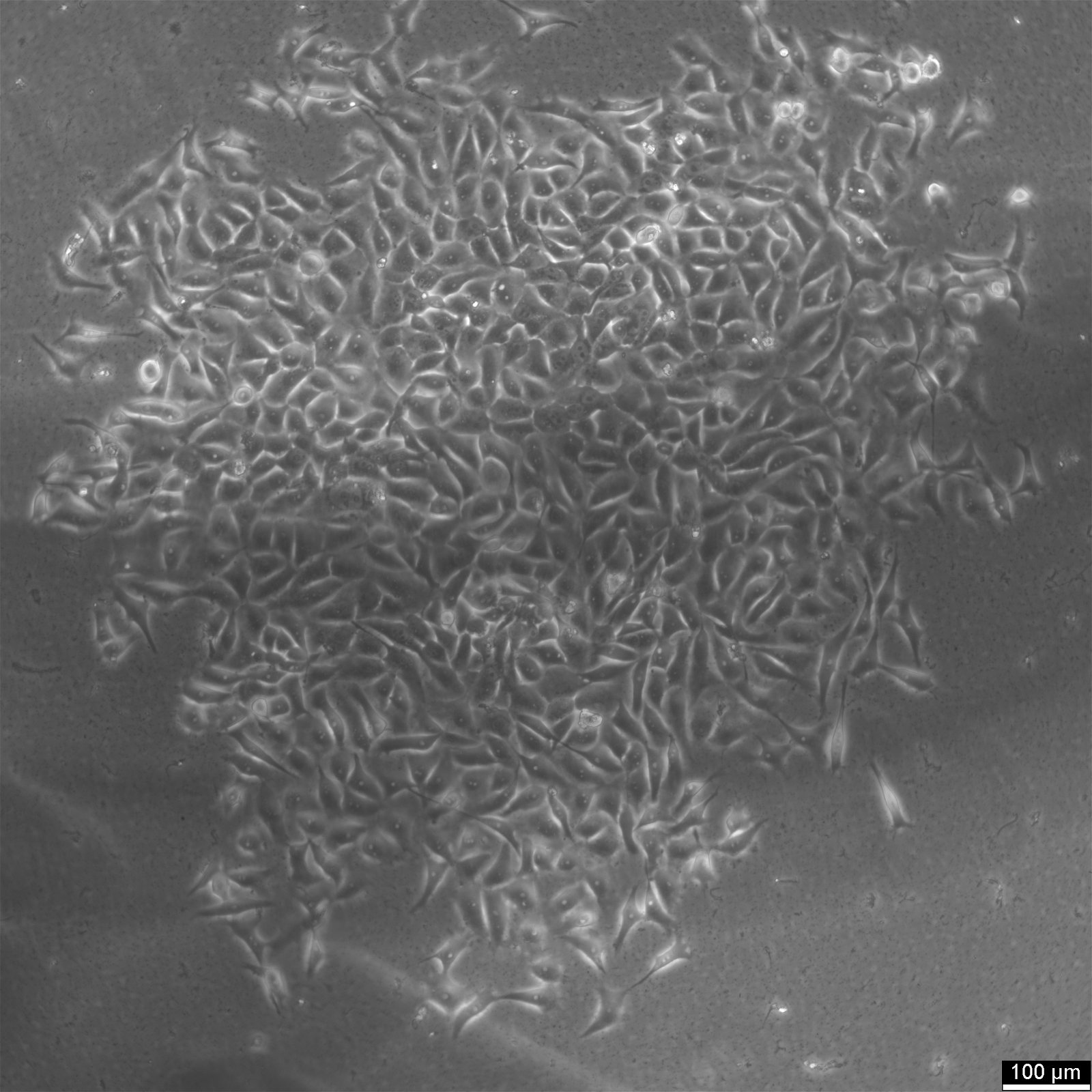
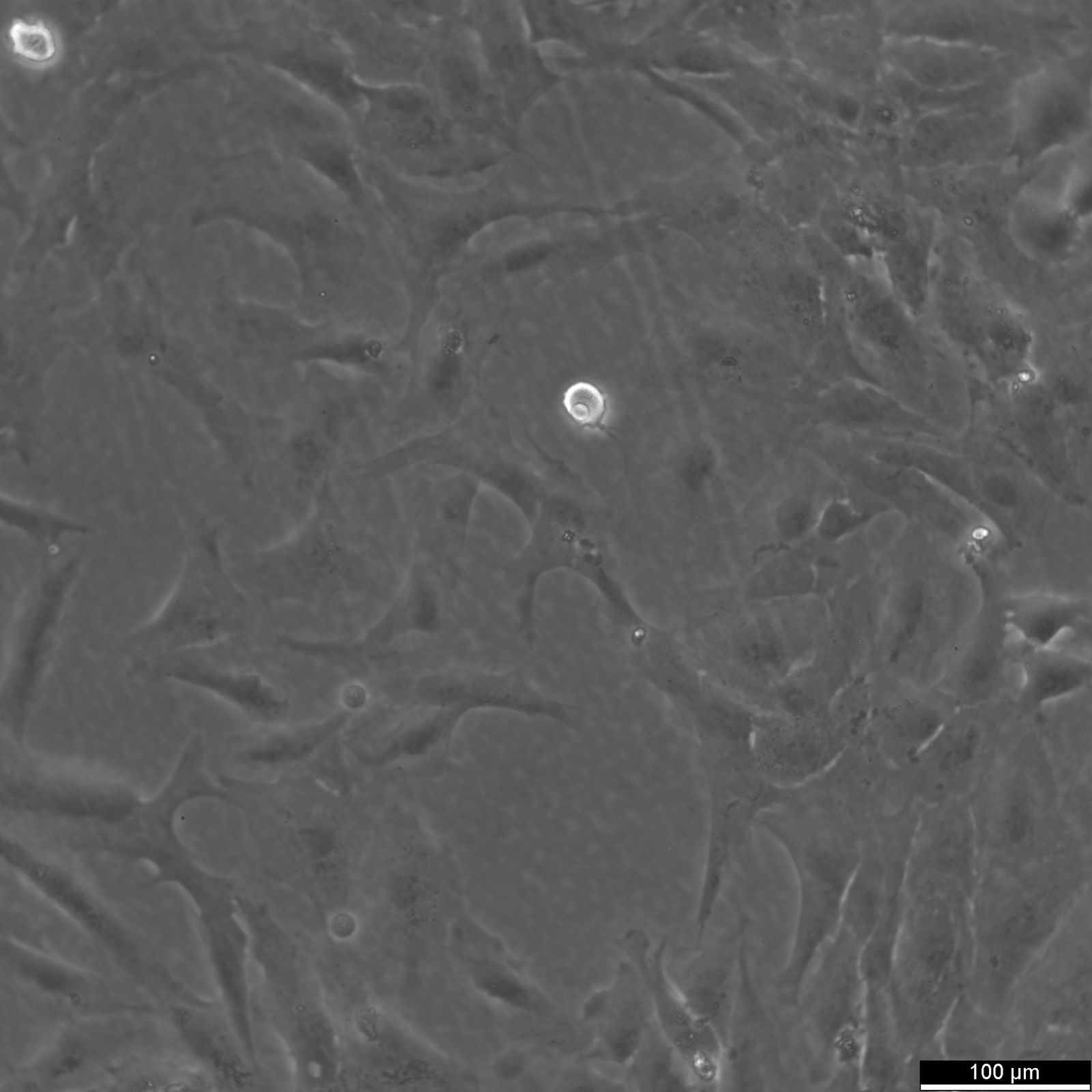
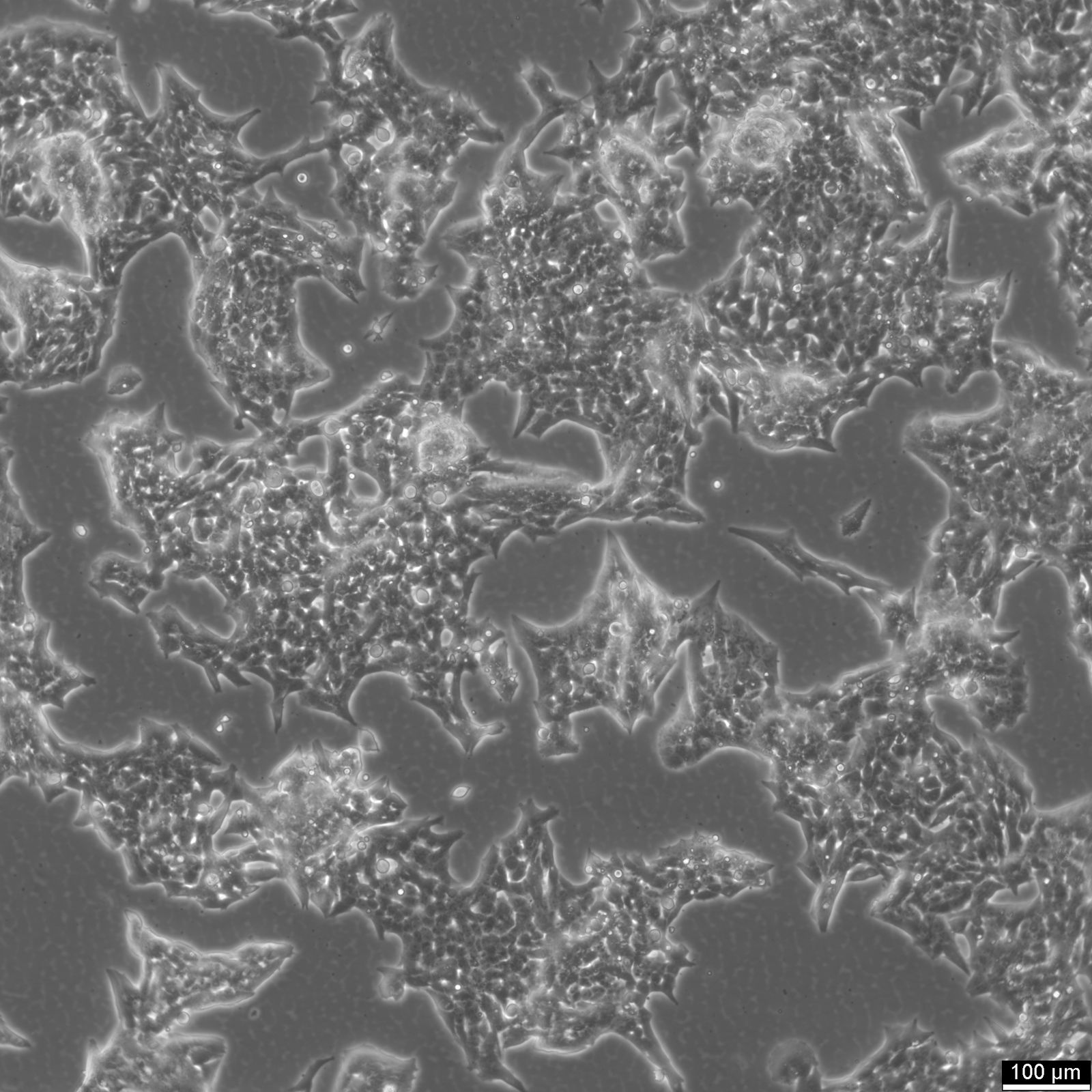
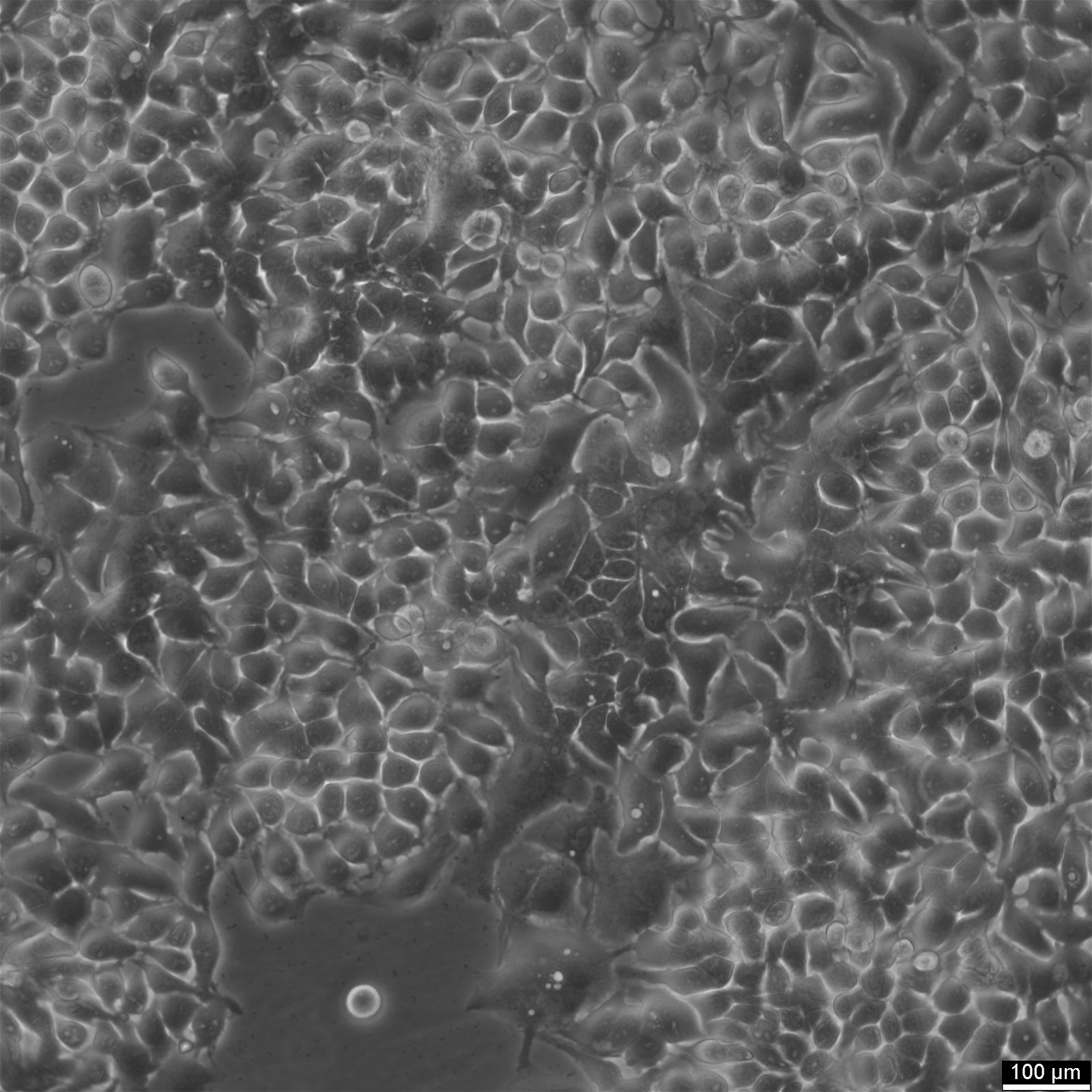
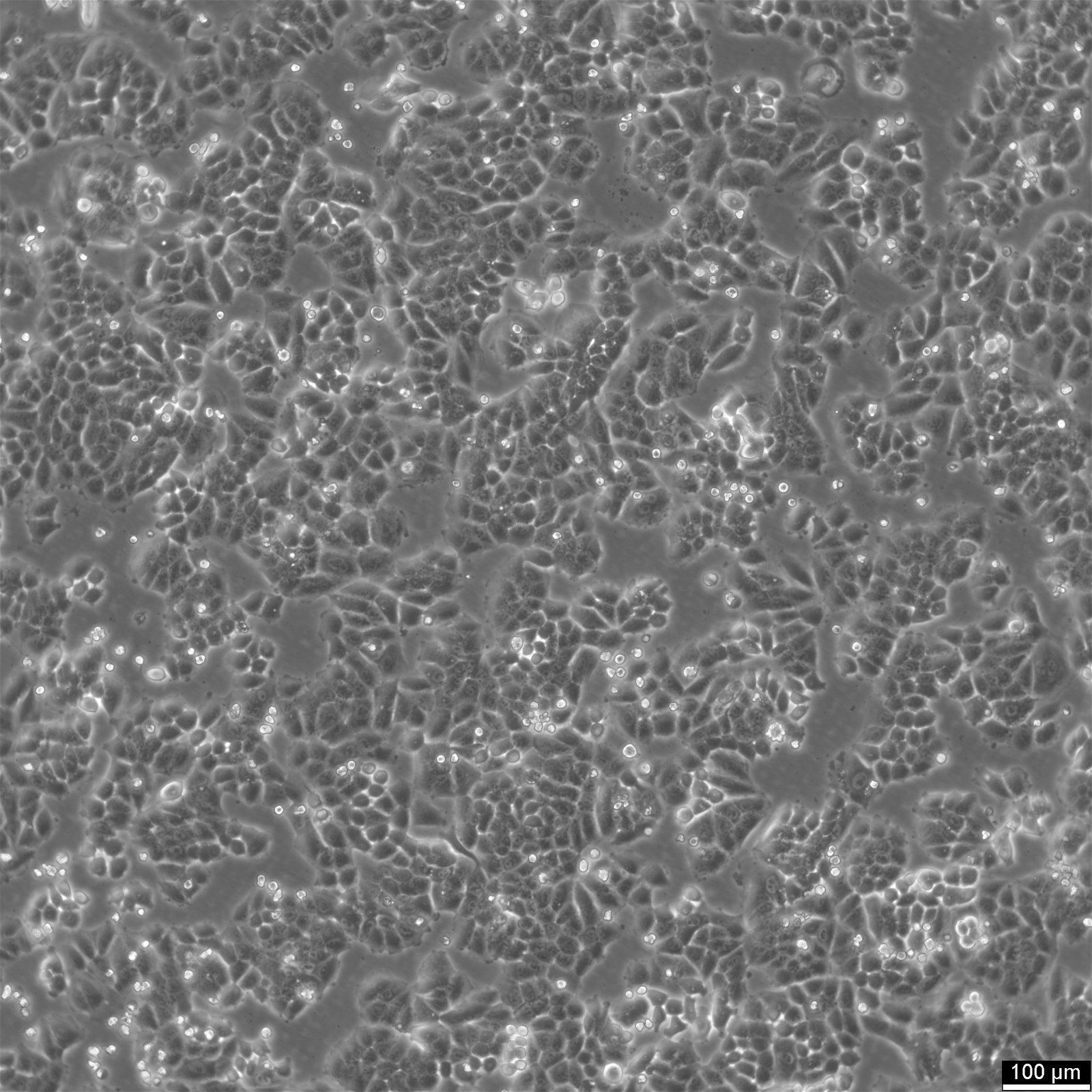
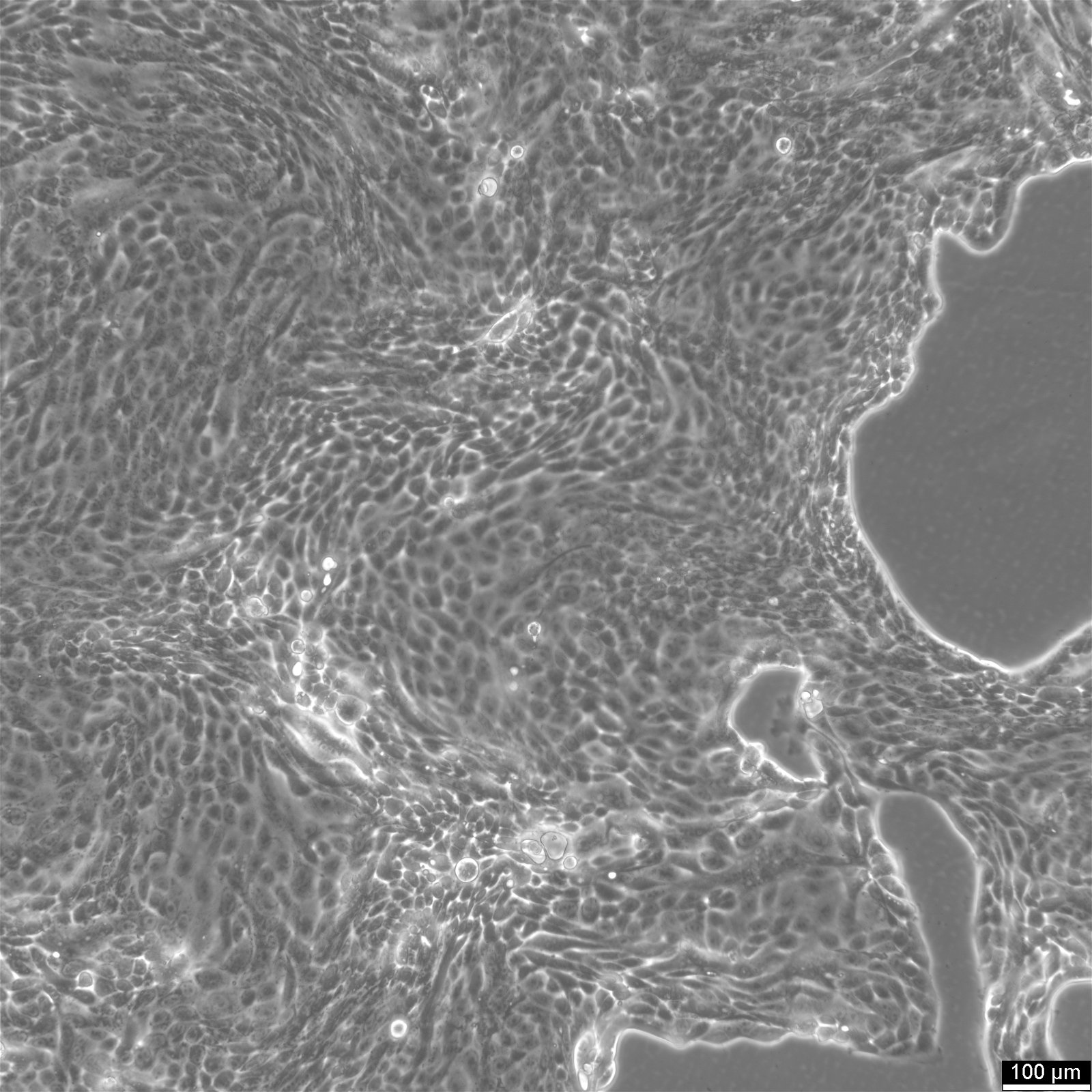
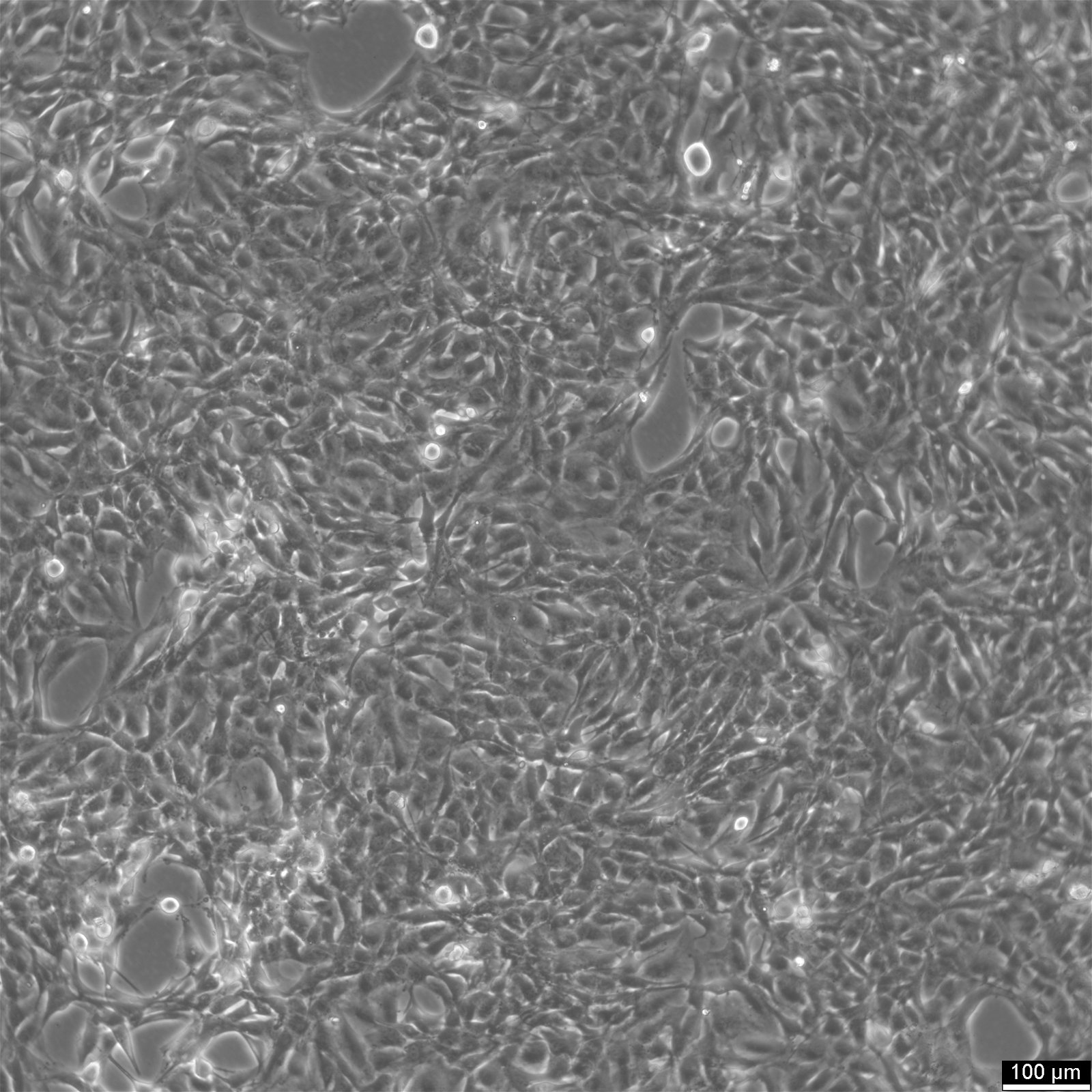
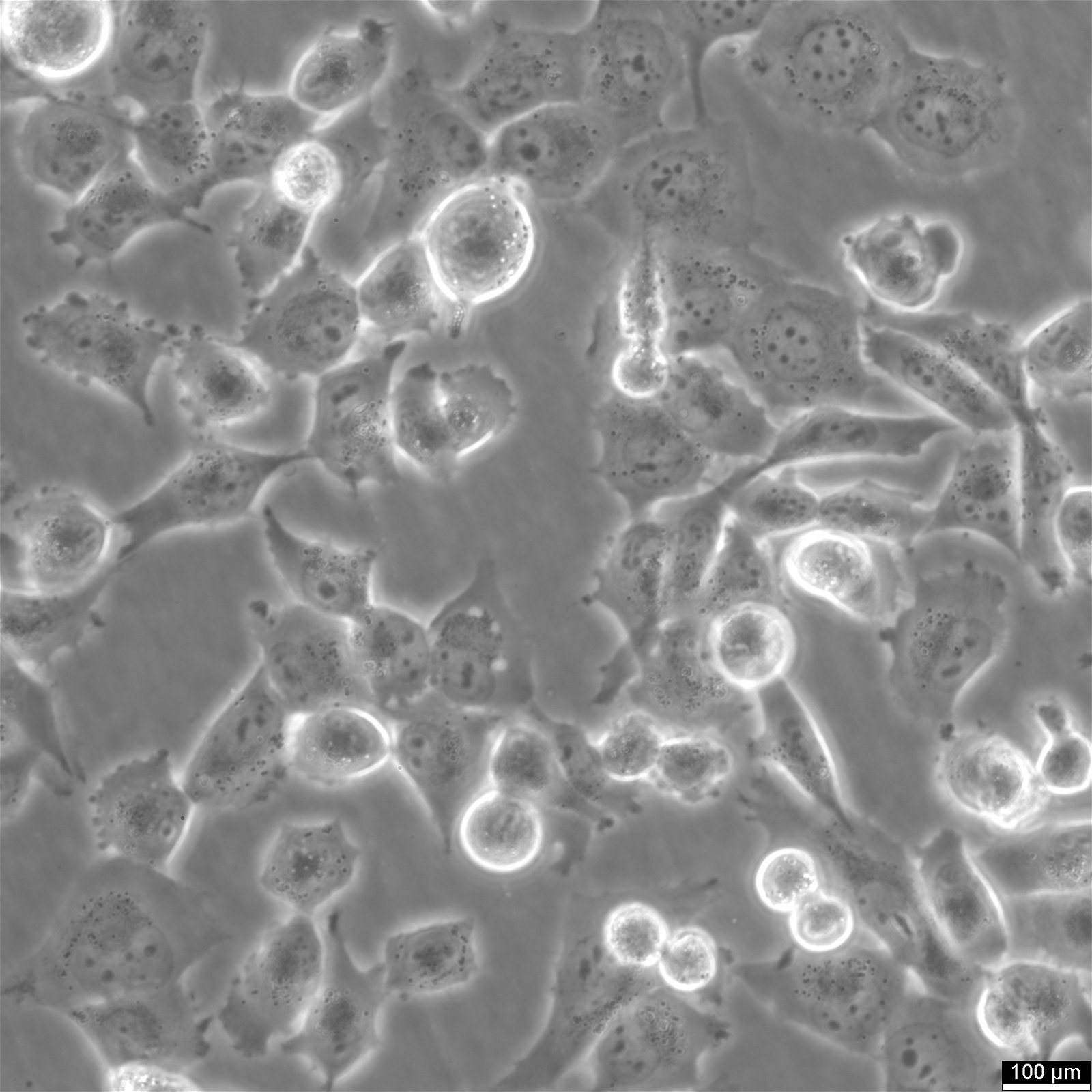
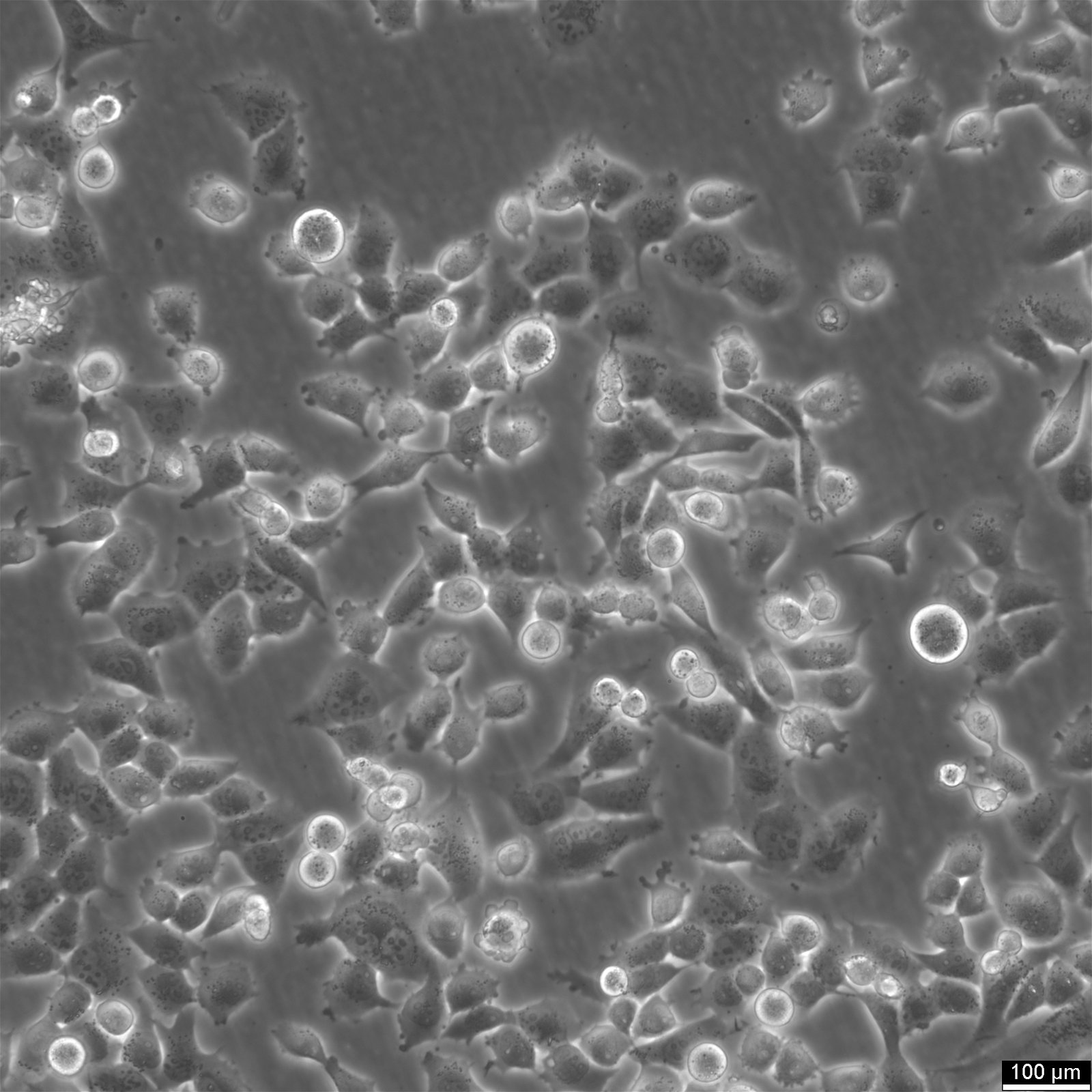
| Description | NCI-H1299, also known as H1299, is a cell line established from a lymph node metastasis of the lung from a 43-year-old white male patient with carcinoma. H1299 and H292 are non-small cell lung cancer (NSCLC) cell lines. Regarding their genetic profile, H1299 cells have a homozygous partial deletion of the p53 protein and lack expression of p53 protein. While KRAS mutations are commonly found in various types of cancer, including NSCLC, H1299 expresses KRAS WT. A549 is another NSCLC cell line that homozygously expresses endogenous KRAS G12S. Understanding the biology of KRAS and its downstream signalling pathways is crucial for developing effective cancer therapies. Therefore, this epithelial-like cell line is commonly used in cancer and immuno-oncology research. The morphology of H1299 cells is characterized by adherent flattened cells with a thickness of fewer than 5 microns. H1299 cells have an approximate doubling time of 22 - 30 hours. H1299 cells express keratin and vimentin but are negative for neurofilament triplet protein. They are also reported to be able to synthesize the peptide neuromedin B (NMB) at 0.1 pmol/mg protein but not the gastrin-releasing peptide (GRP). Compared to A549 cells with more epithelial characteristics, H1299 cells have more mesenchymal characteristics and less effective epithelial marker expression. |
|---|---|
| Organism | Human |
| Tissue | Lung |
| Disease | Carcinoma |
| Synonyms | H1299, H-1299, NCIH1299 |
Details
| Age | 59 years |
|---|---|
| Ethnicity | Caucasian |
| Growth properties | Adherent |
Characteristics of H1299 small cell lung cancer cells
| Citation | NCI-H1299 (Cytion catalog number 300485) |
|---|---|
| Biosafety level | 1 |
| NCBI_TaxID | 9606 |
| CellosaurusAccession | CVCL_0060 |
Expression / Mutation
Handling
| Culture Medium | RPMI 1640, w: 2.0 mM stable Glutamine, w: 2.0 g/L NaHCO3 (Cytion article number 820700a) |
|---|---|
| Supplements | Supplement the medium with 10% FBS, add 2.5 g/L glucose and 10 mM HEPES |
| Dissociation Reagent | Accutase |
| Subculturing | Remove the old medium from the adherent cells and wash them with PBS that lacks calcium and magnesium. For T25 flasks, use 3-5 ml of PBS, and for T75 flasks, use 5-10 ml. Then, cover the cells completely with Accutase, using 1-2 ml for T25 flasks and 2.5 ml for T75 flasks. Let the cells incubate at room temperature for 8-10 minutes to detach them. After incubation, gently mix the cells with 10 ml of medium to resuspend them, then centrifuge at 300xg for 3 minutes. Discard the supernatant, resuspend the cells in fresh medium, and transfer them into new flasks that already contain fresh medium. |
| Fluid renewal | 2 to 3 times per week |
| Freeze medium | As a cryopreservation medium, we use complete growth medium (including FBS) + 10% DMSO for adequate post-thaw viability, or CM-1 (Cytion catalog number 800100), which includes optimized osmoprotectants and metabolic stabilizers to enhance recovery and reduce cryo-induced stress. |
| Thawing and Culturing Cells |
|
| Incubation Atmosphere | 37°C, 5% CO2, humidified atmosphere. |
| Shipping Conditions | Cryopreserved cell lines are shipped on dry ice in validated, insulated packaging with sufficient refrigerant to maintain approximately −78 °C throughout transit. On receipt, inspect the container immediately and transfer vials without delay to appropriate storage. |
| Storage Conditions | For long-term preservation, place vials in vapor-phase liquid nitrogen at about −150 to −196 °C. Storage at −80 °C is acceptable only as a short interim step before transfer to liquid nitrogen. |
Quality control of H1299 cells
| Sterility | Mycoplasma contamination is excluded using both PCR-based assays and luminescence-based mycoplasma detection methods. To ensure there is no bacterial, fungal, or yeast contamination, cell cultures are subjected to daily visual inspections. |
|---|
Certificate of Analysis (CoA)
| Lot Number | Certificate Type | Date | Catalog Number |
|---|---|---|---|
| 300485-240624 | Certificate of Analysis | 23. May. 2025 | 300485 |
| 300485-131124 | Certificate of Analysis | 26. May. 2025 | 300485 |
-
Related products
Related products