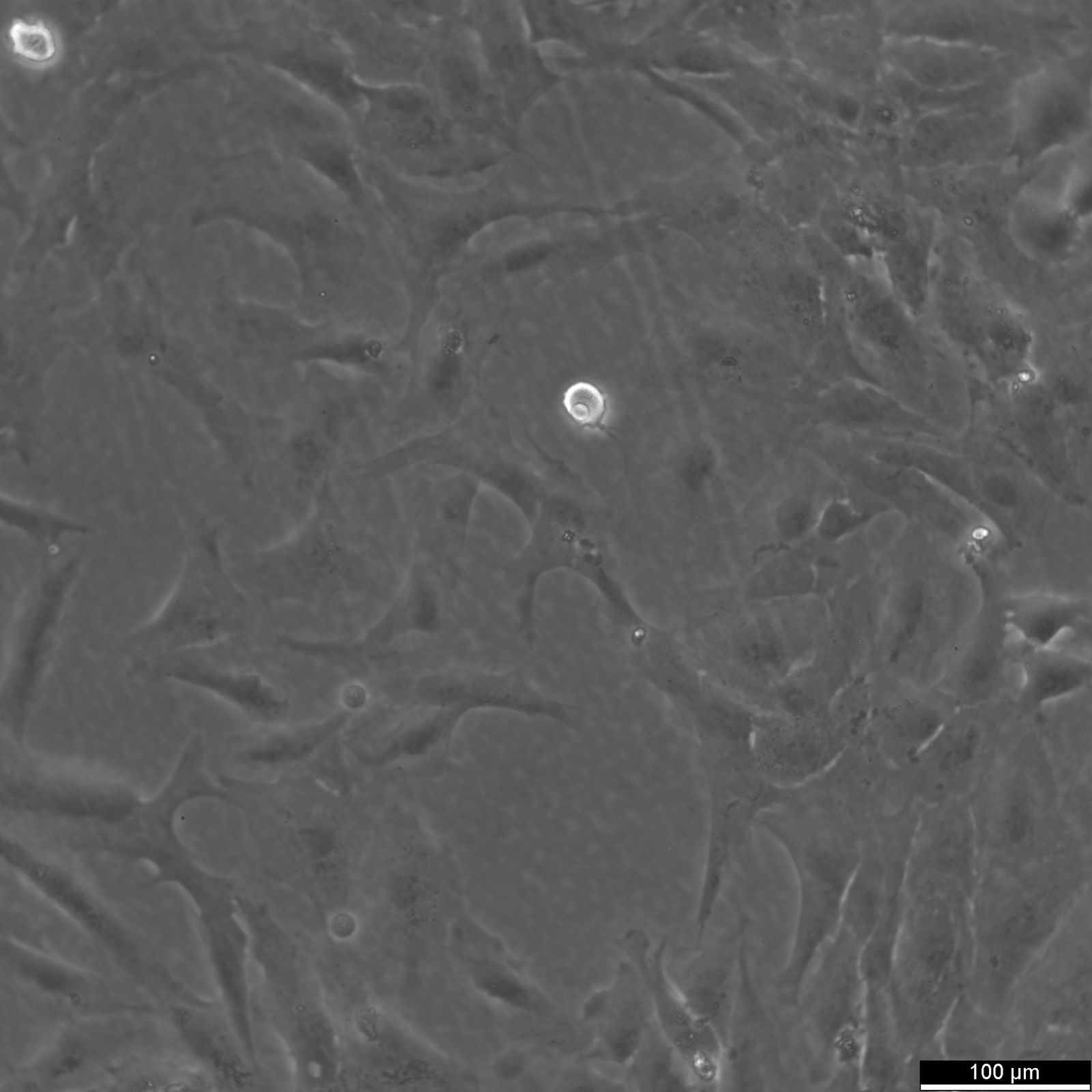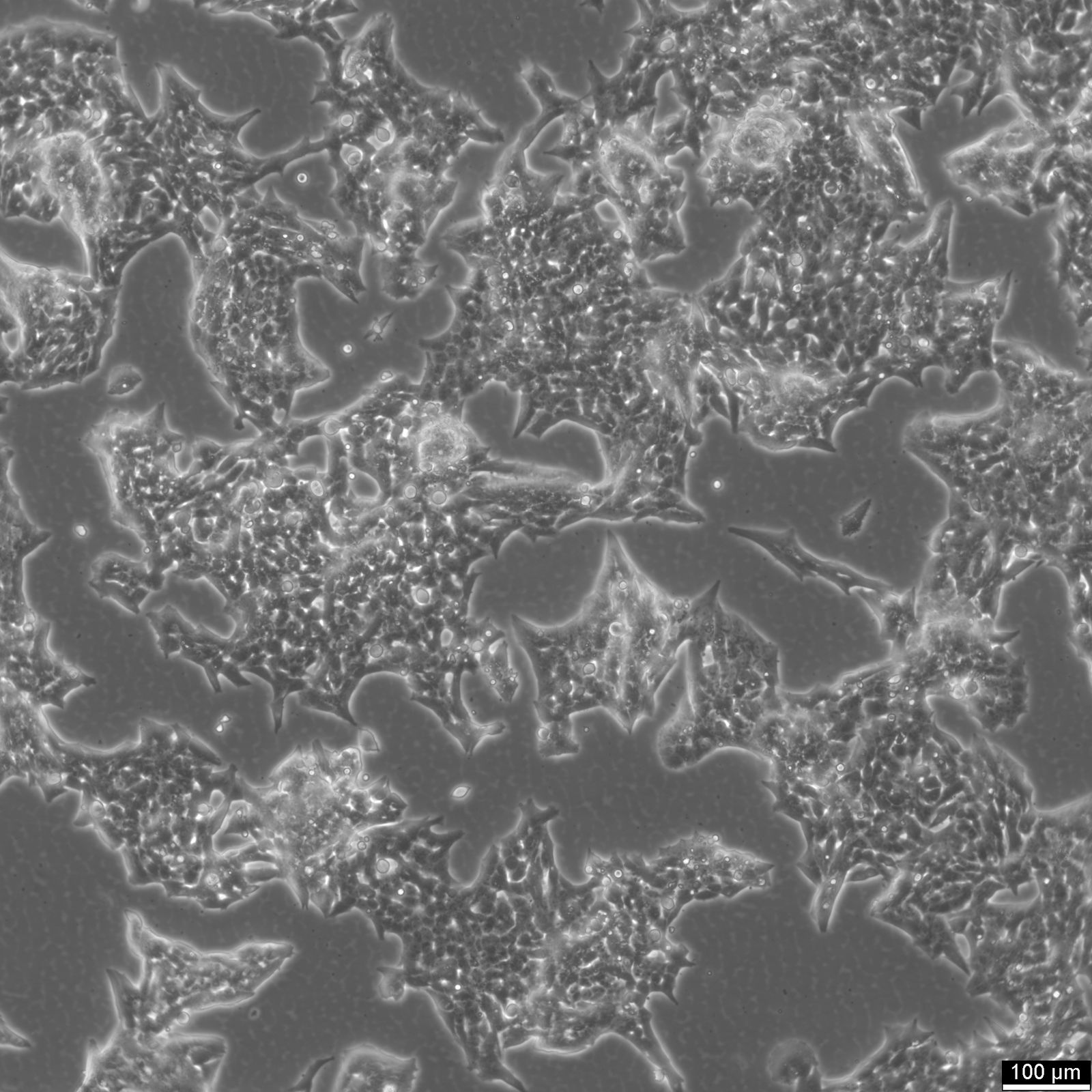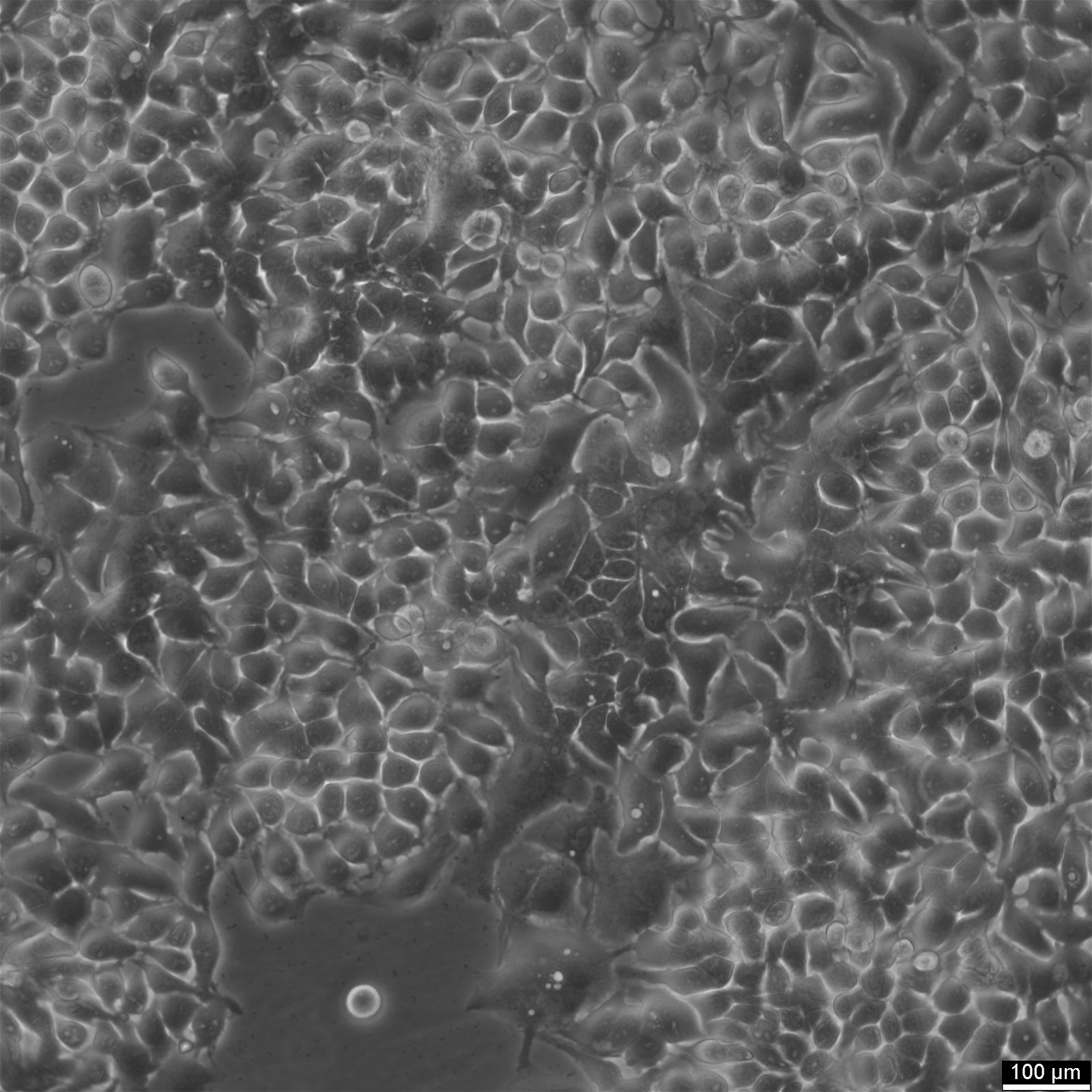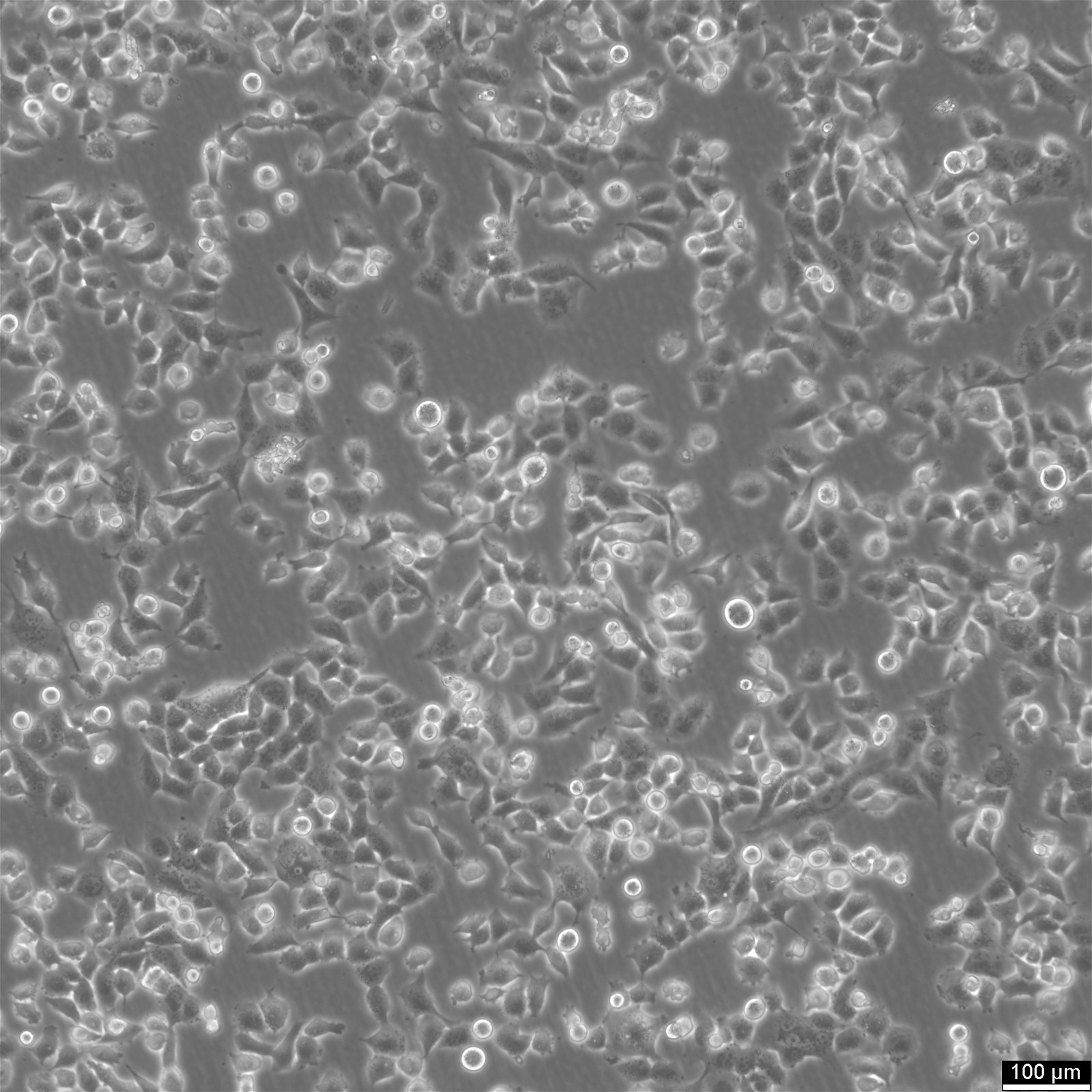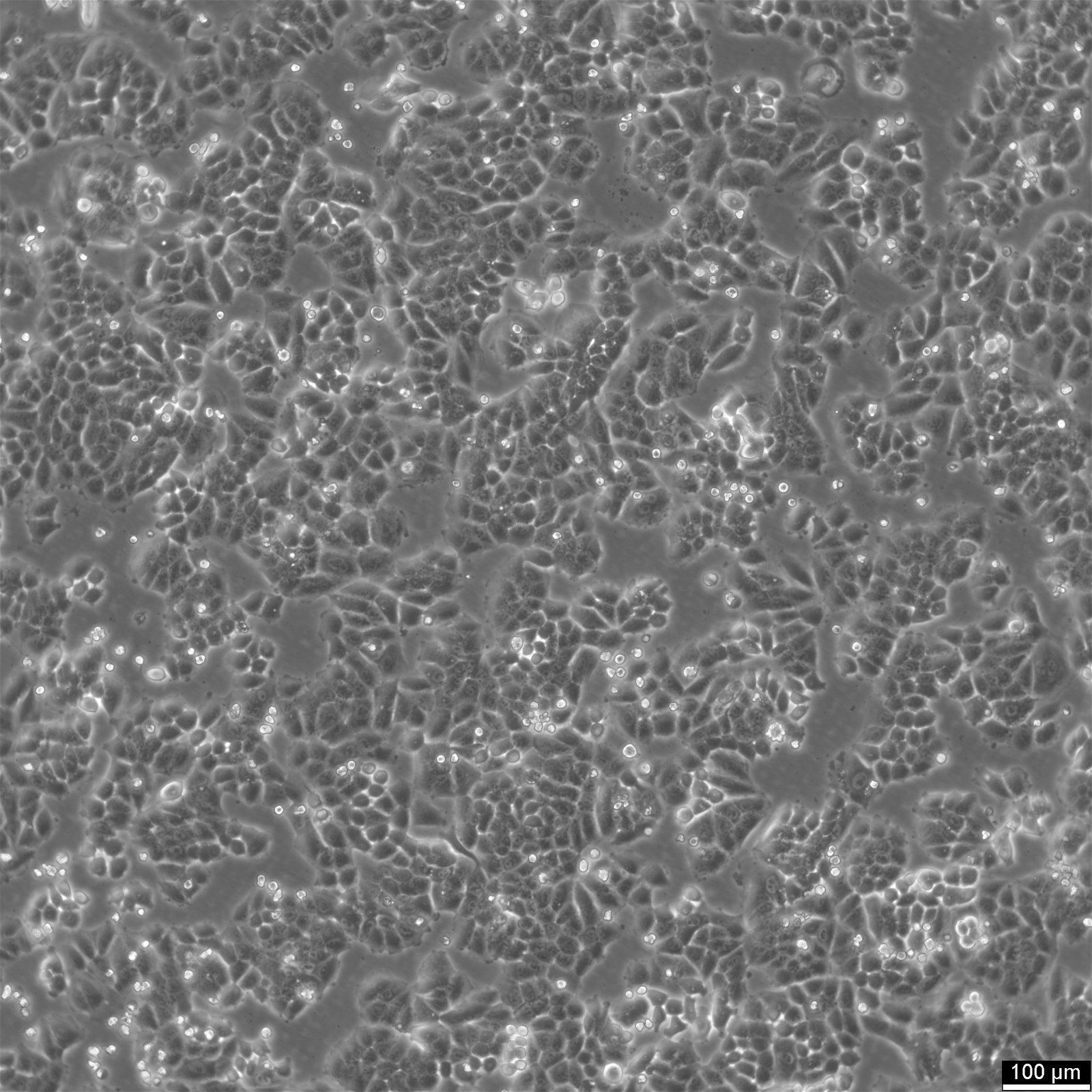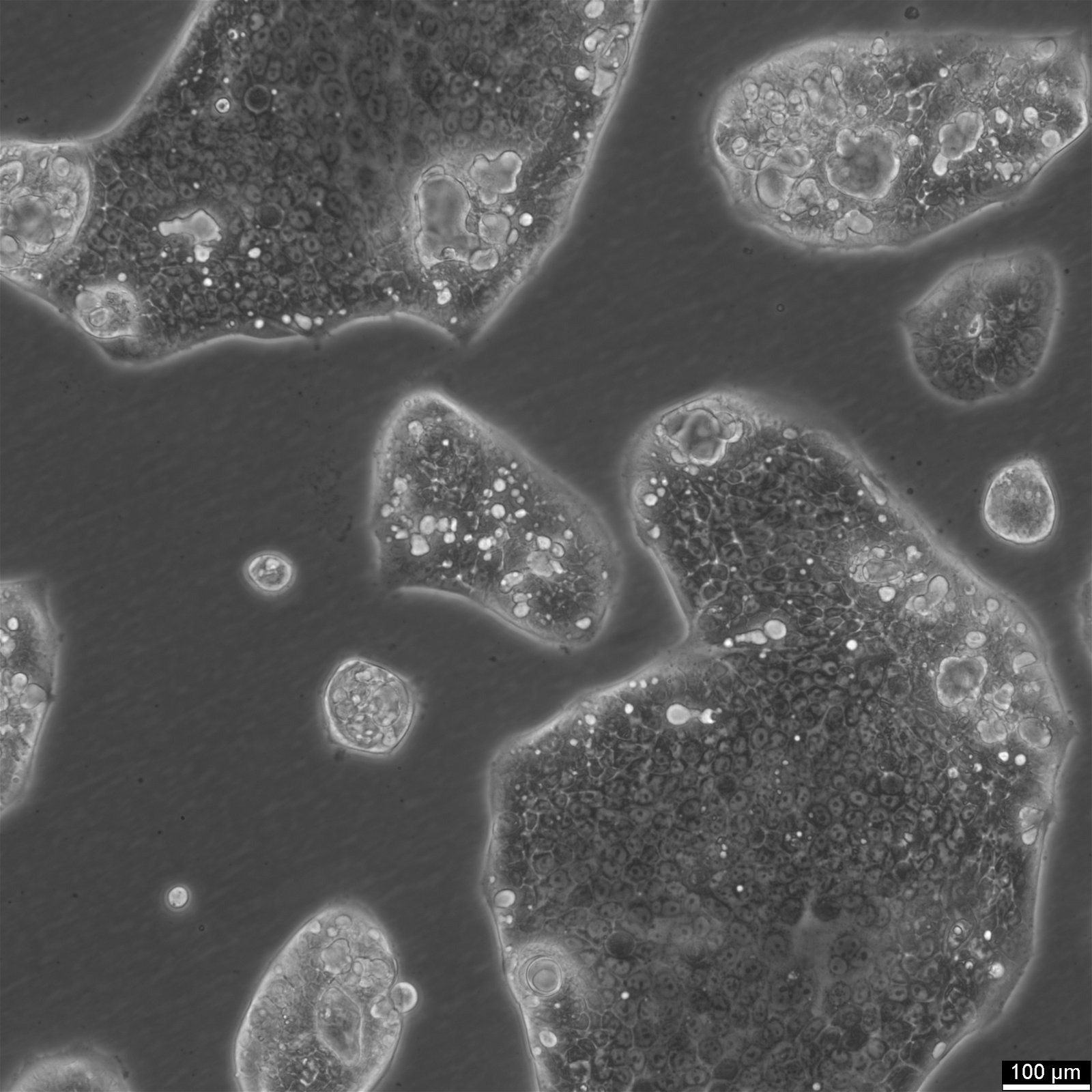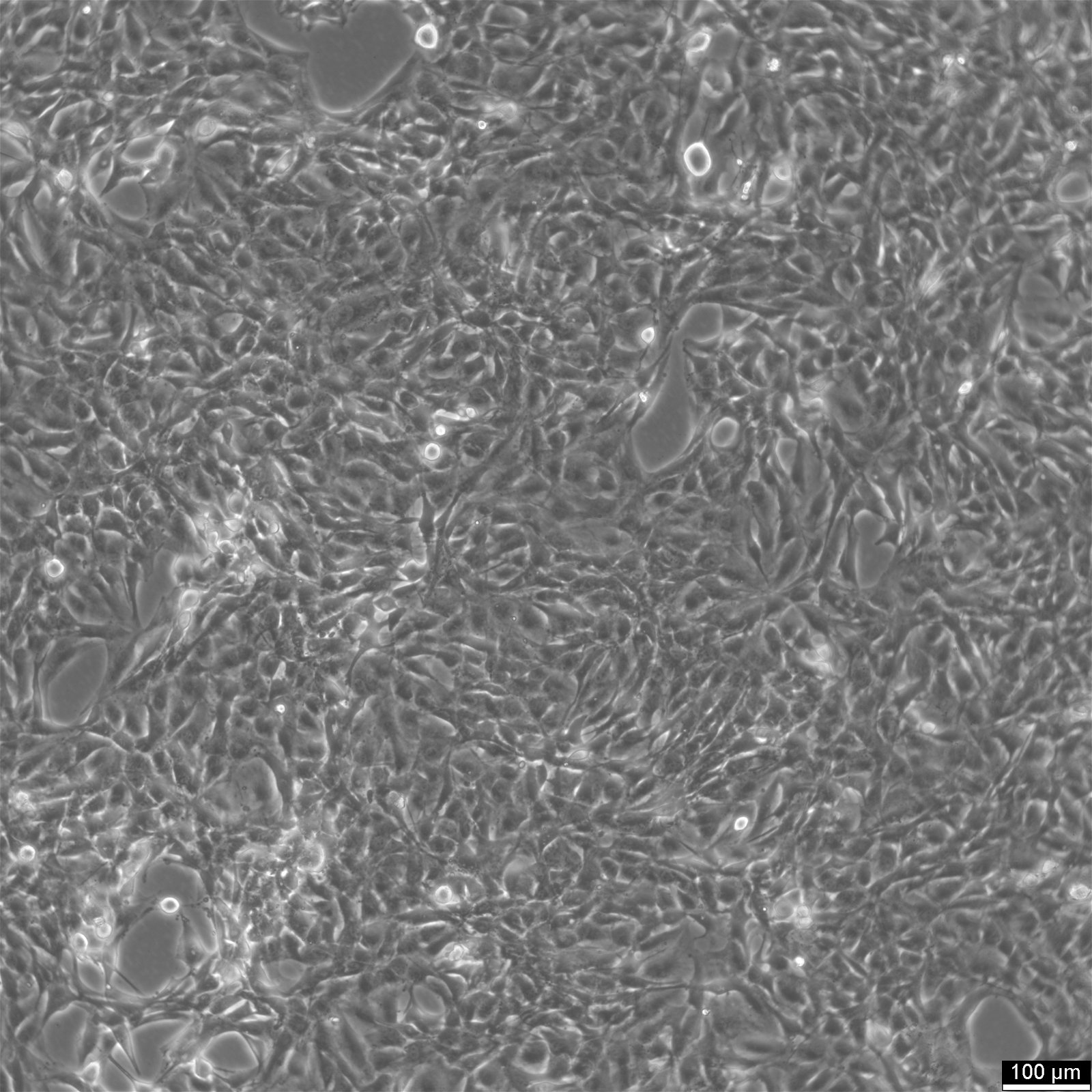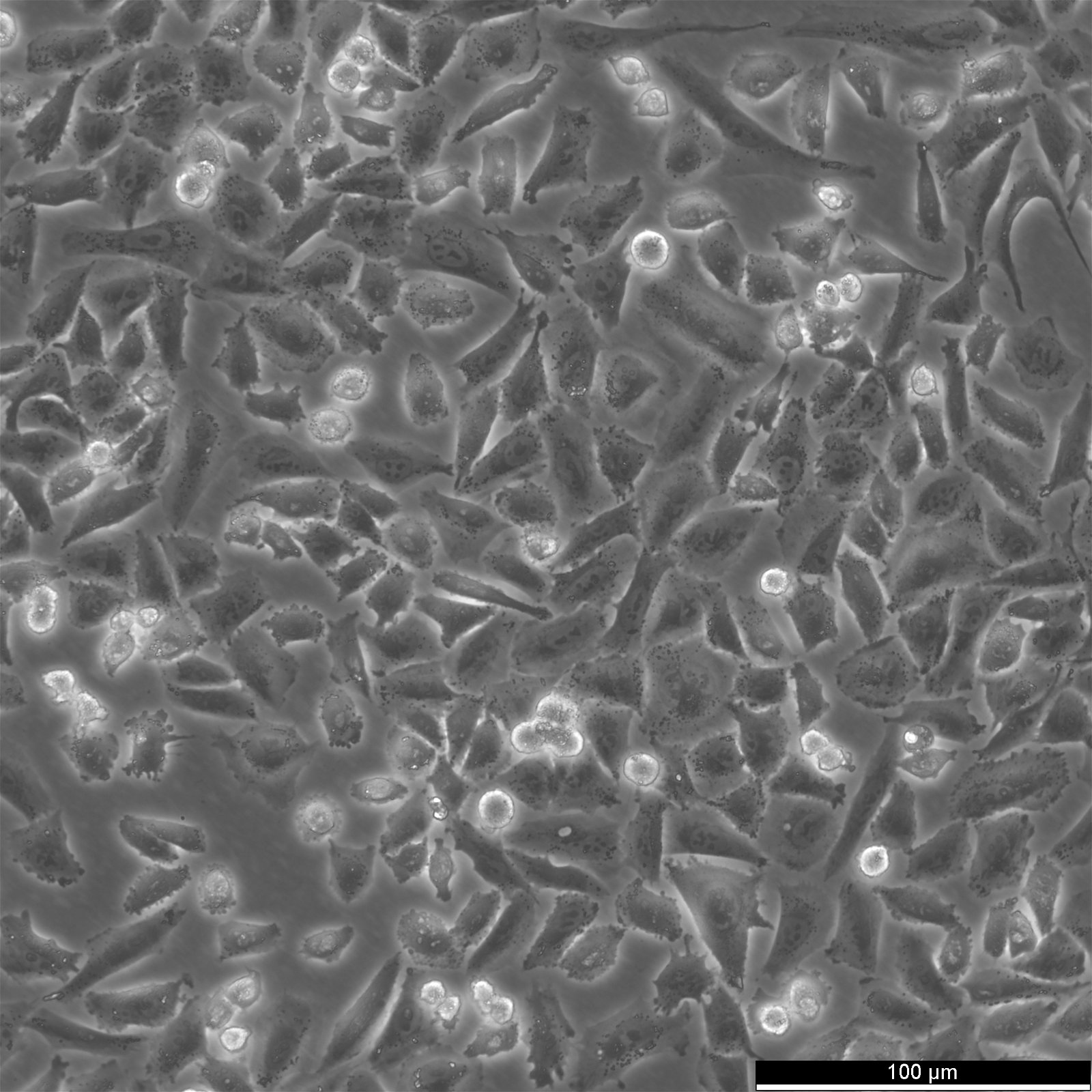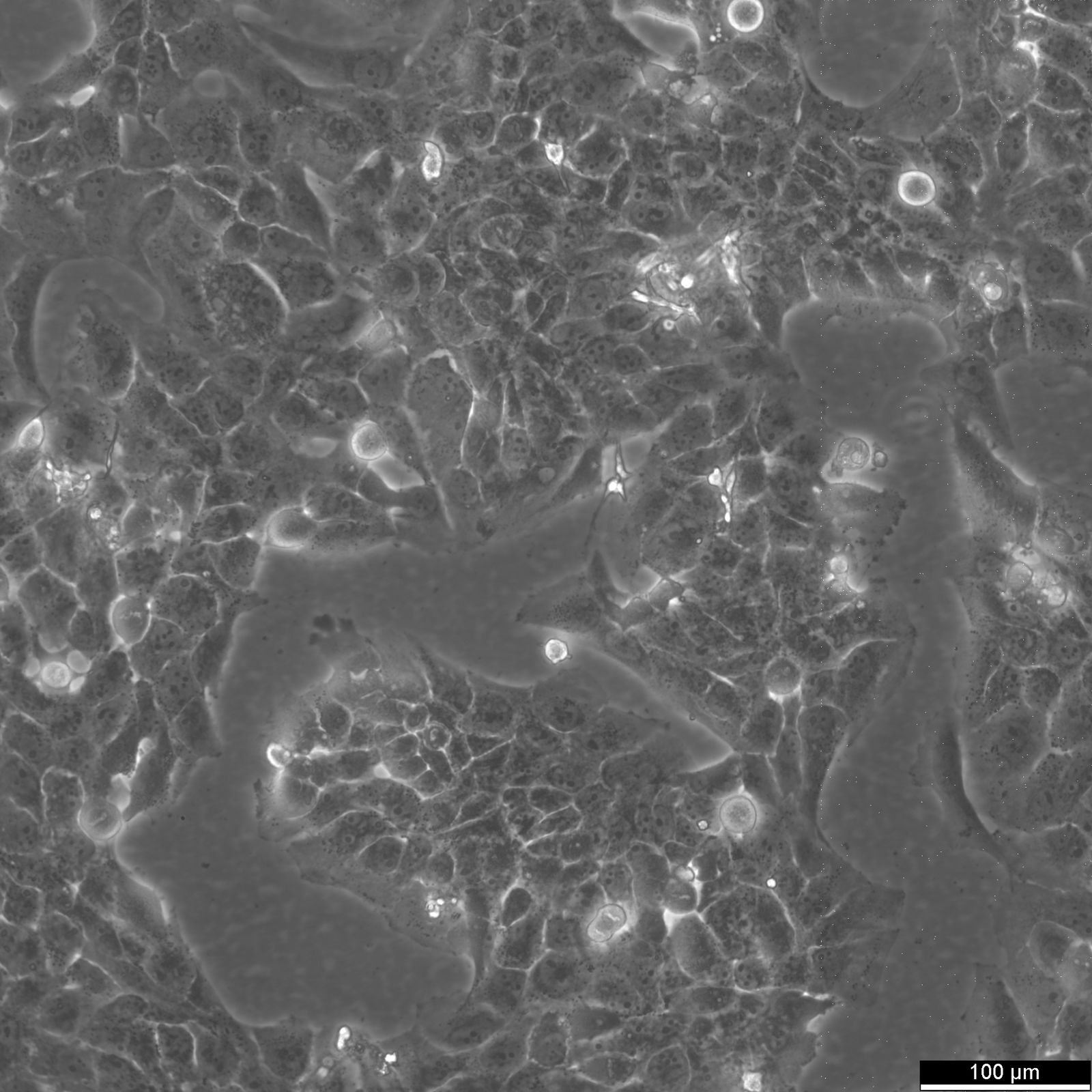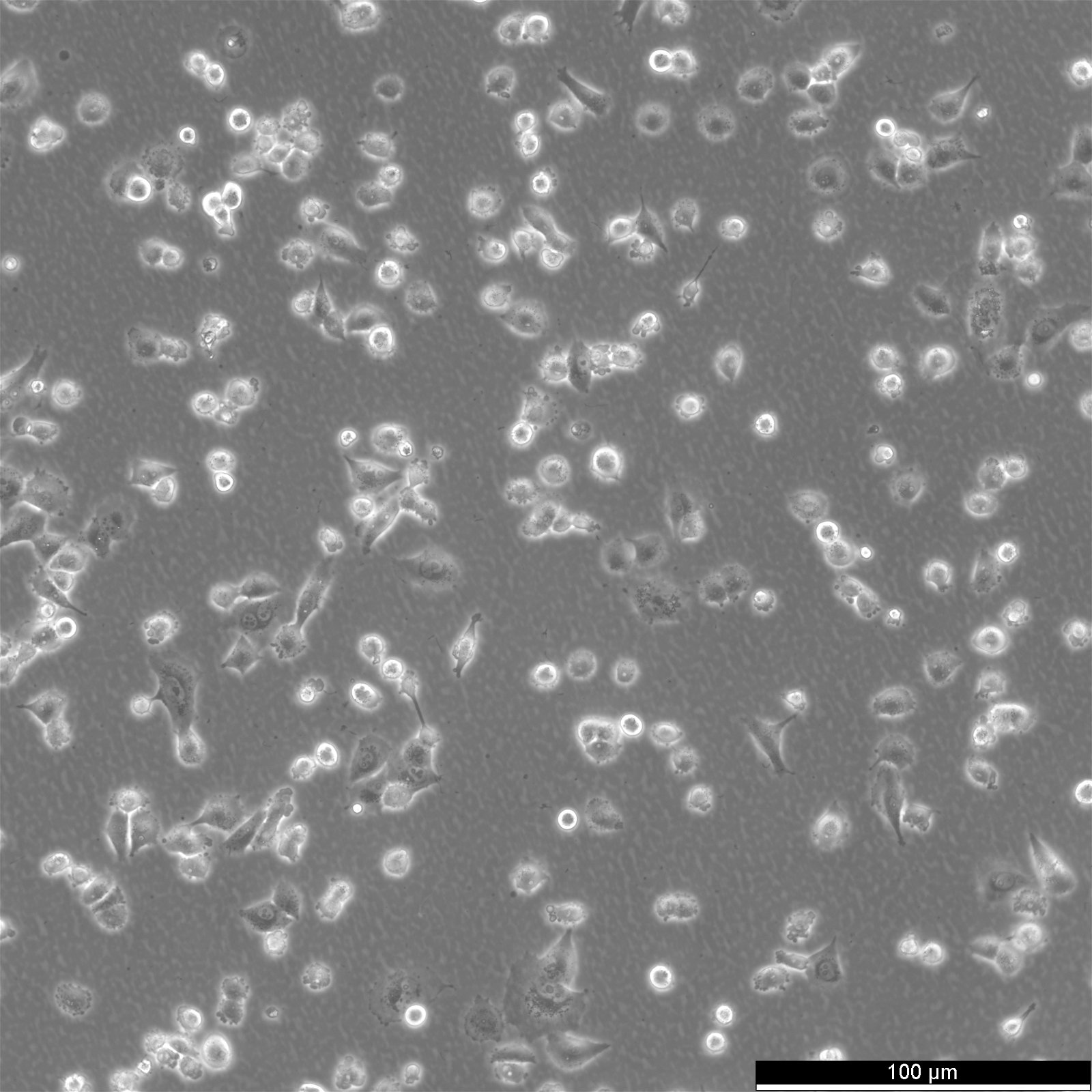
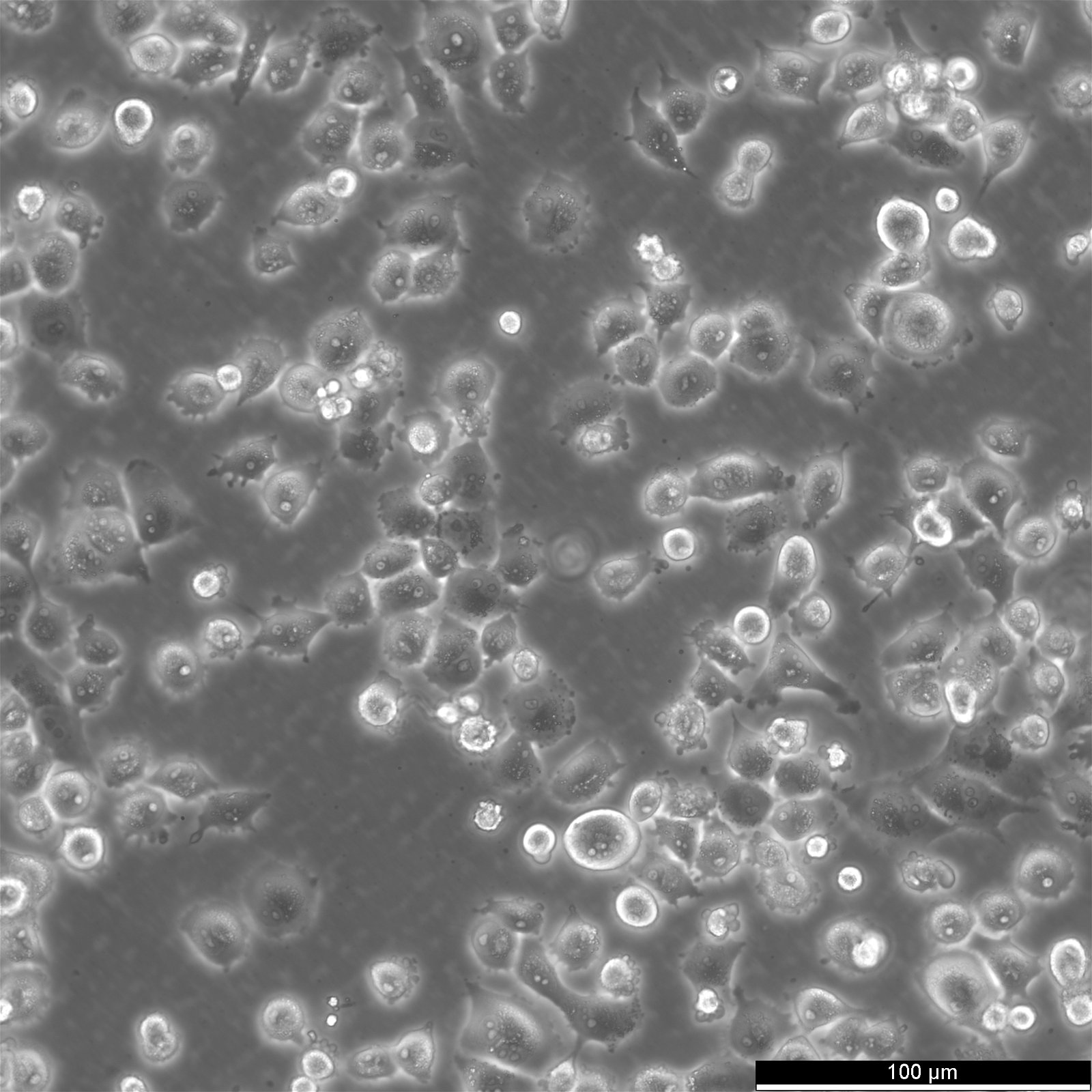
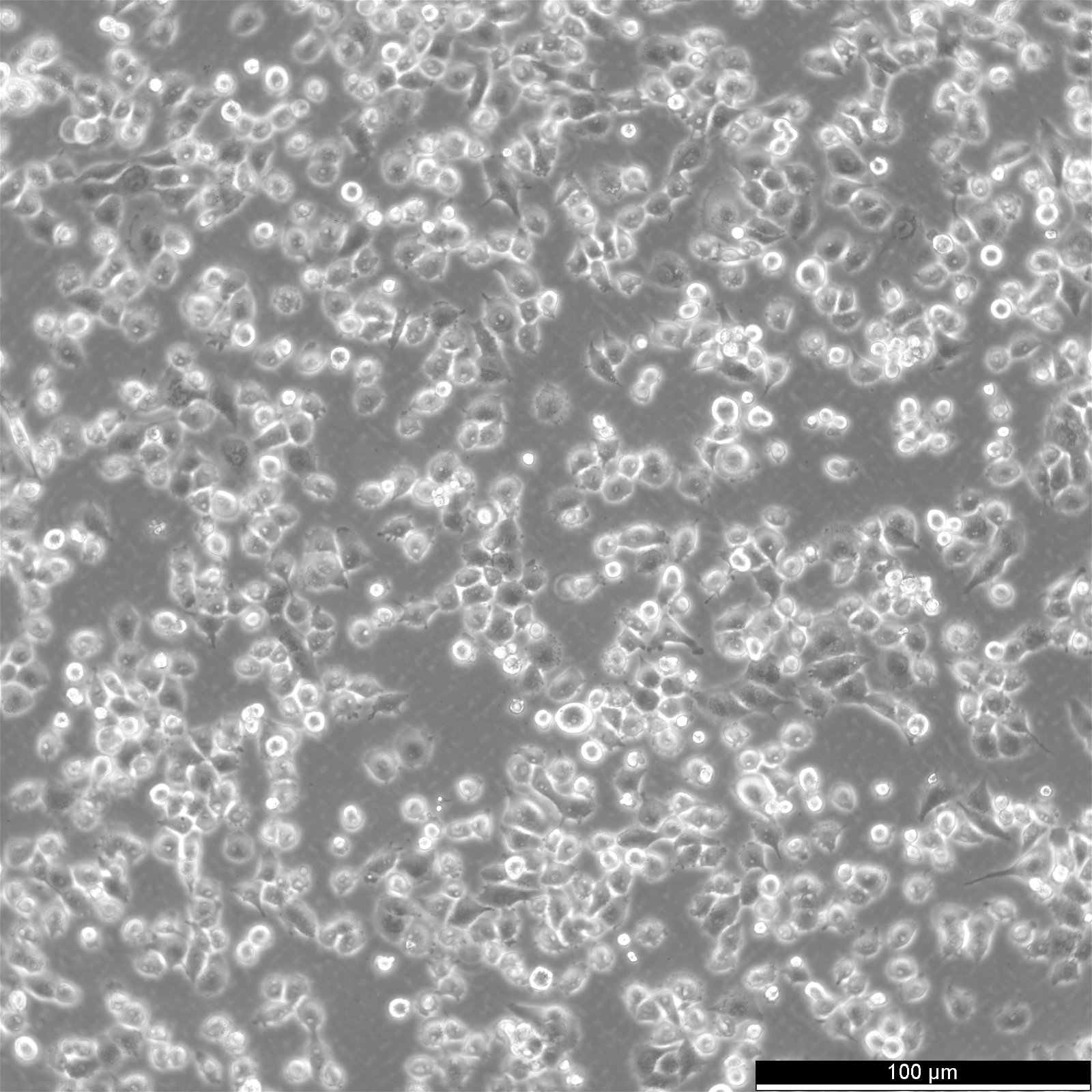
NCI-H1299-RFP Cells
CAD$1,104.00*
Products are shipped frozen on dry ice in cryotubes. Each cryotube typically contains 3 × 10⁶ cells for adherent lines or 5 × 10⁶ cells for suspension lines (refer to the batch CoA for details).
General information
| Description | The NCI-H1299 RFP cells, modified to include a reporter in the DAPK1 gene, are not only useful for studying specific gene activation but also provide a broader understanding of how cells react to epigenetic drugs globally. By using a technique called Cap Analysis of Gene Expression (CAGE), researchers have been able to detail changes in where transcription starts across the genome in response to treatments with DNMTi (DAC), HDACi (SAHA or SB939), or their combinations. This method reveals not just the expected reactivation of the DAPK1 gene but also the emergence of new transcription start sites, called treatment-induced non-annotated TSSs (TINATs), especially under drug treatment. These new start sites are typically located in regions of the genome that do not usually produce proteins and lead to the creation of new RNA molecules that could potentially code for proteins. Further analysis shows that these new RNA molecules can sometimes merge with existing ones to form what are known as TINAT-exon fusion transcripts. Depending on how these transcripts are spliced, they can translate into new, atypical proteins. This process has been confirmed through laboratory techniques that demonstrate these transcripts can indeed lead to the production of new protein forms. These proteins might interact abnormally within the cell or be recognized as foreign by the immune system, potentially offering new targets for cancer therapy. The activation of these TINATs involves intricate changes in both DNA methylation and histone modifications, illustrating a complex interaction between these epigenetic factors under drug treatment. Particularly, the combined use of DAC and SB939 shows a greater effect, boosting the expression of these novel transcripts more than when either drug is used alone. Understanding these interactions and their outcomes helps clarify how epigenetic therapies alter cell behavior and opens up possibilities for new cancer treatments that leverage these complex molecular changes. |
|---|---|
| Organism | Human |
| Tissue | Lung |
| Disease | Large cell carcinoma |
Characteristics
| Morphology | Epithelial-like |
|---|---|
| Growth properties | Adherent |
Regulatory Data
| Citation | NCI-H1299-EGFP, with G418 resistance & silenced reporter (DKFZ # P-1045) (Cytion catalog number 300272) |
|---|---|
| Biosafety level | 1 |
| NCBI_TaxID | 9606 |
Biomolecular Data
Handling
| Culture Medium | RPMI 1640, w: 2.0 mM stable Glutamine, w: 2.0 g/L NaHCO3 (Cytion article number 820700a) |
|---|---|
| Supplements | Supplement the medium with 10% FBS |
| Dissociation Reagent | Accutase |
| Subculturing | Remove the old medium from the adherent cells and wash them with PBS that lacks calcium and magnesium. For T25 flasks, use 3-5 ml of PBS, and for T75 flasks, use 5-10 ml. Then, cover the cells completely with Accutase, using 1-2 ml for T25 flasks and 2.5 ml for T75 flasks. Let the cells incubate at room temperature for 8-10 minutes to detach them. After incubation, gently mix the cells with 10 ml of medium to resuspend them, then centrifuge at 300xg for 3 minutes. Discard the supernatant, resuspend the cells in fresh medium, and transfer them into new flasks that already contain fresh medium. |
| Fluid renewal | 2 to 3 times per week |
| Freeze medium | As a cryopreservation medium, we use complete growth medium (including FBS) + 10% DMSO for adequate post-thaw viability, or CM-1 (Cytion catalog number 800100), which includes optimized osmoprotectants and metabolic stabilizers to enhance recovery and reduce cryo-induced stress. |
| Thawing and Culturing Cells |
|
| Incubation Atmosphere | 37°C, 5% CO2, humidified atmosphere. |
| Shipping Conditions | Cryopreserved cell lines are shipped on dry ice in validated, insulated packaging with sufficient refrigerant to maintain approximately −78 °C throughout transit. On receipt, inspect the container immediately and transfer vials without delay to appropriate storage. |
| Storage Conditions | For long-term preservation, place vials in vapor-phase liquid nitrogen at about −150 to −196 °C. Storage at −80 °C is acceptable only as a short interim step before transfer to liquid nitrogen. |
Quality Control & Molecular Analysis
| Sterility | Mycoplasma contamination is excluded using both PCR-based assays and luminescence-based mycoplasma detection methods. To ensure there is no bacterial, fungal, or yeast contamination, cell cultures are subjected to daily visual inspections. |
|---|
-
Related products
Related products