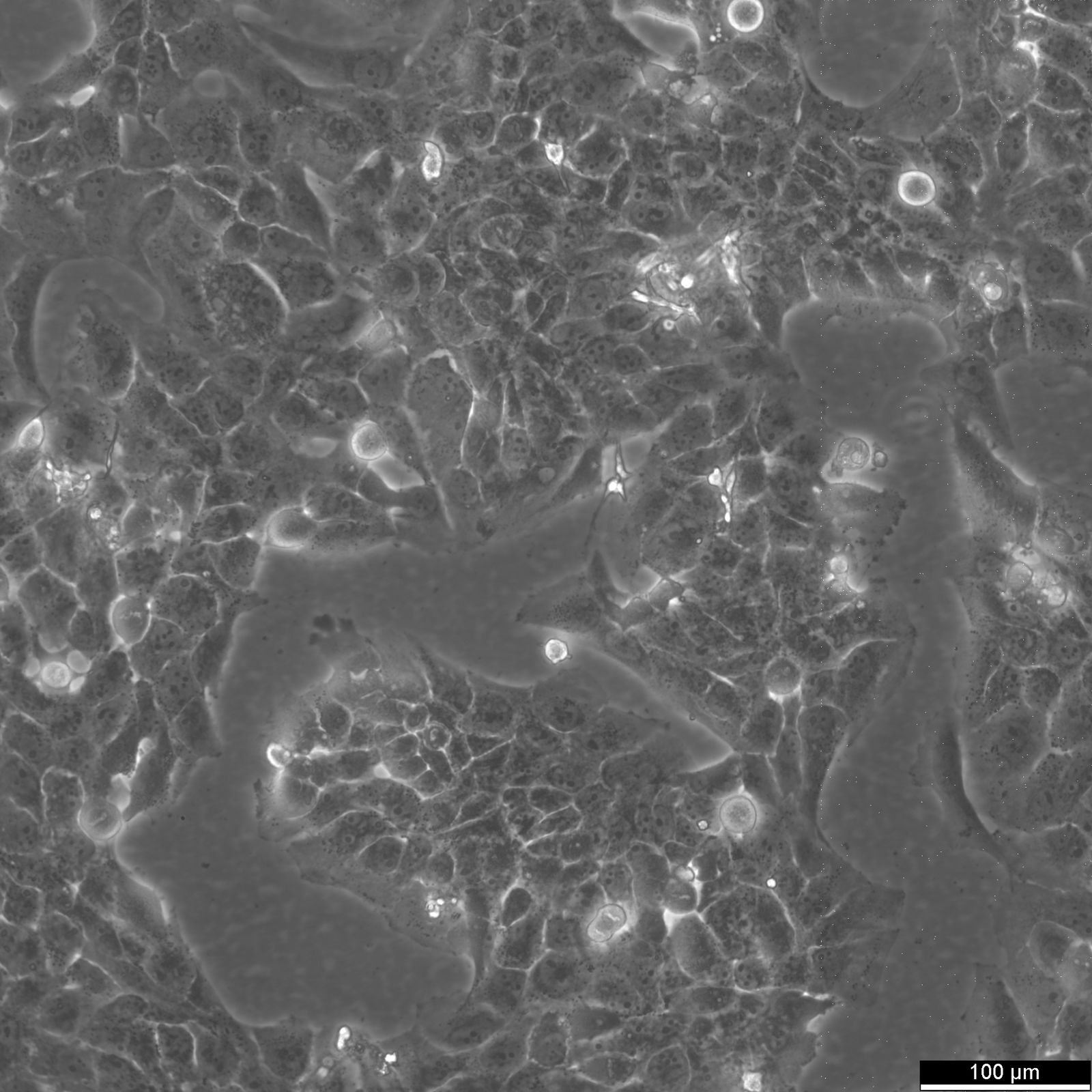
NCI-H716 Cells
USUSD$395.00*
Products are shipped frozen on dry ice in cryotubes. Each cryotube typically contains 3 × 10⁶ cells for adherent lines or 5 × 10⁶ cells for suspension lines (refer to the batch CoA for details).
一般資訊
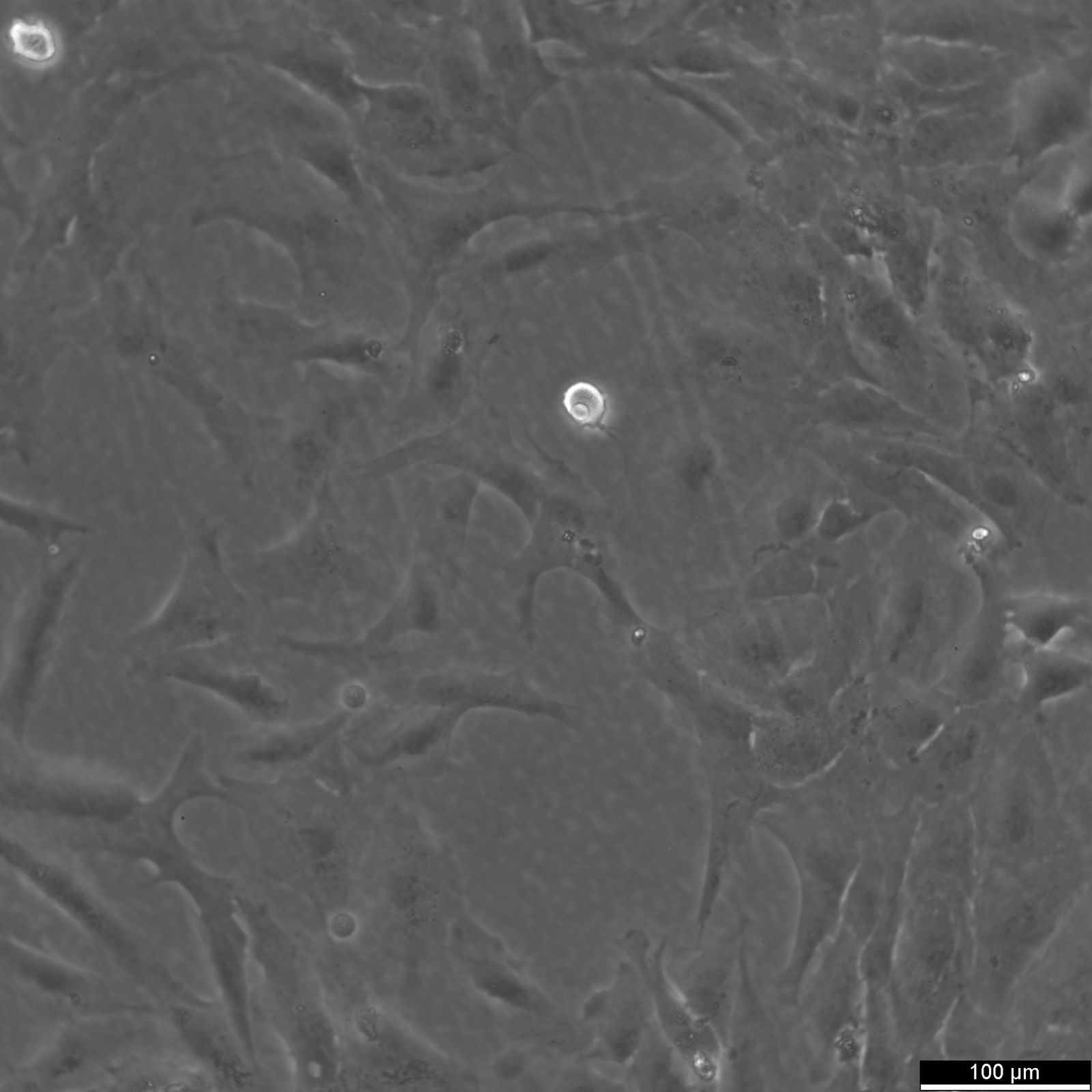
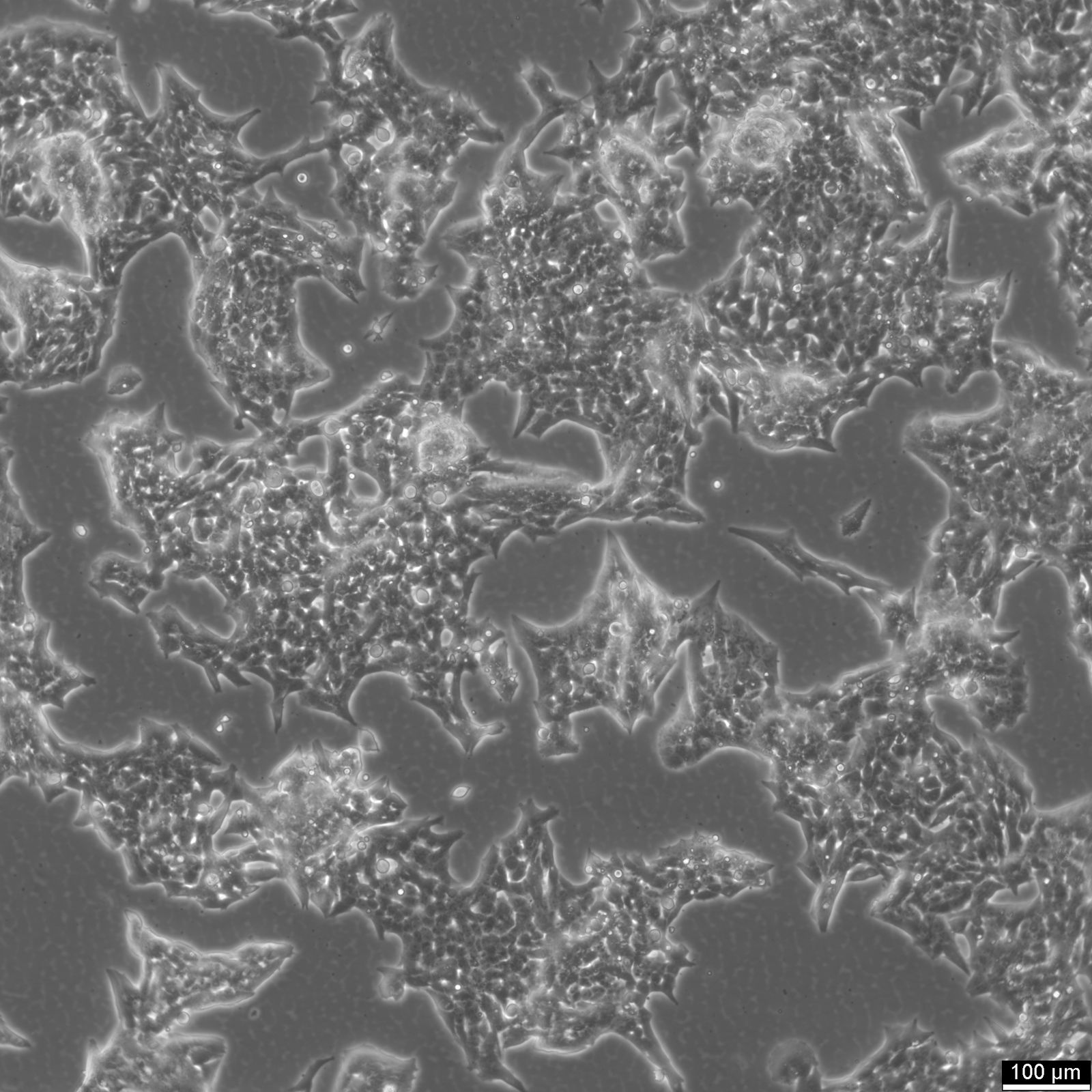
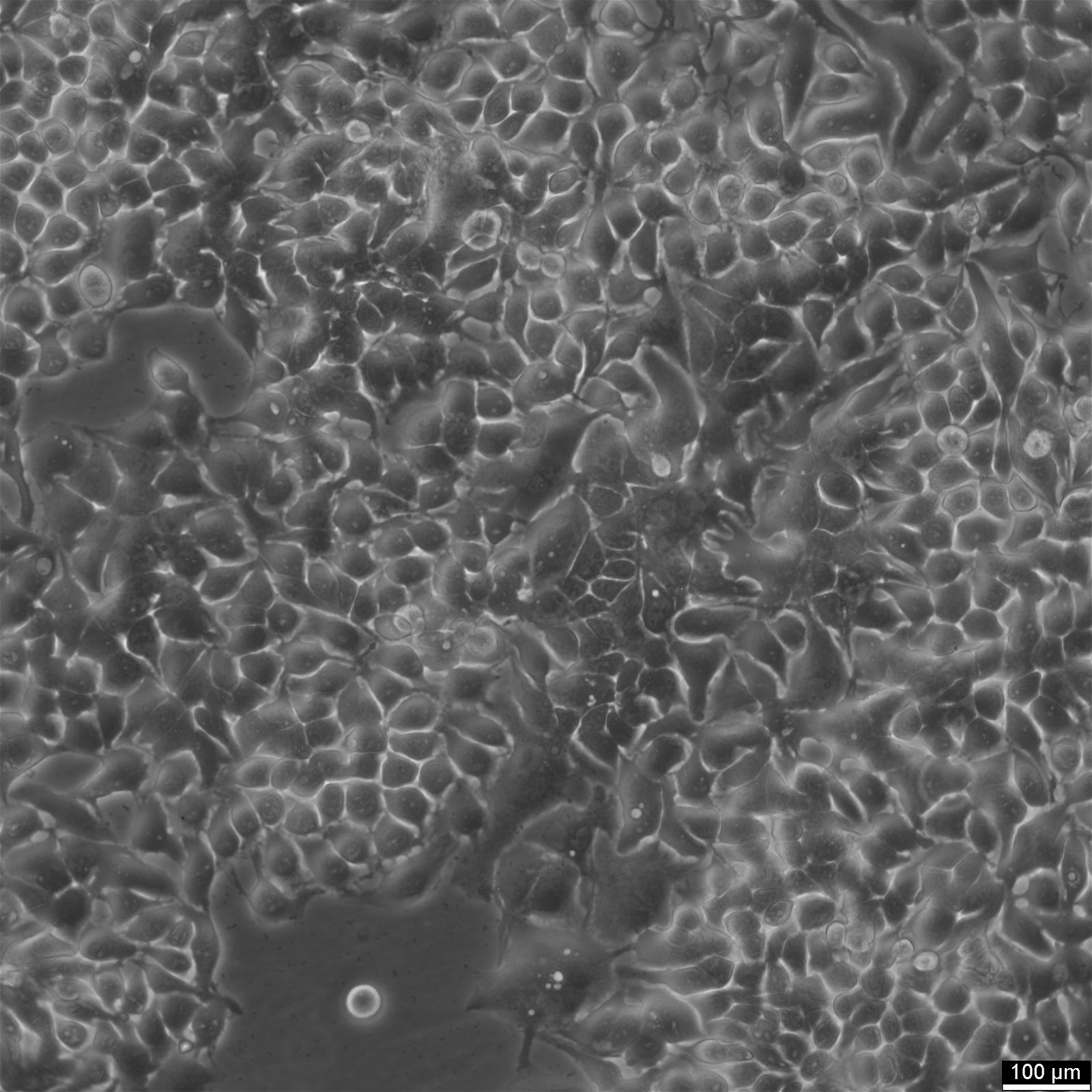
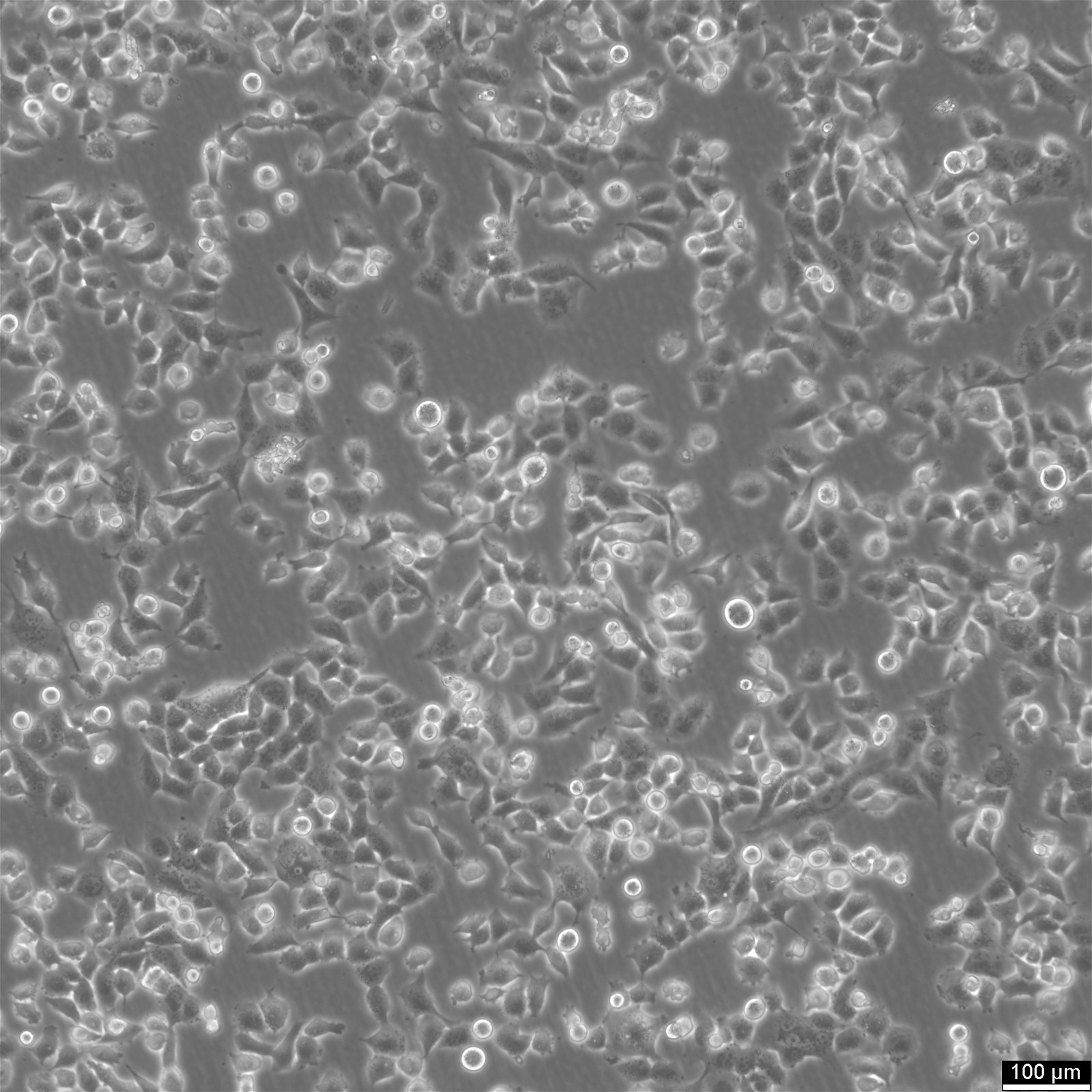
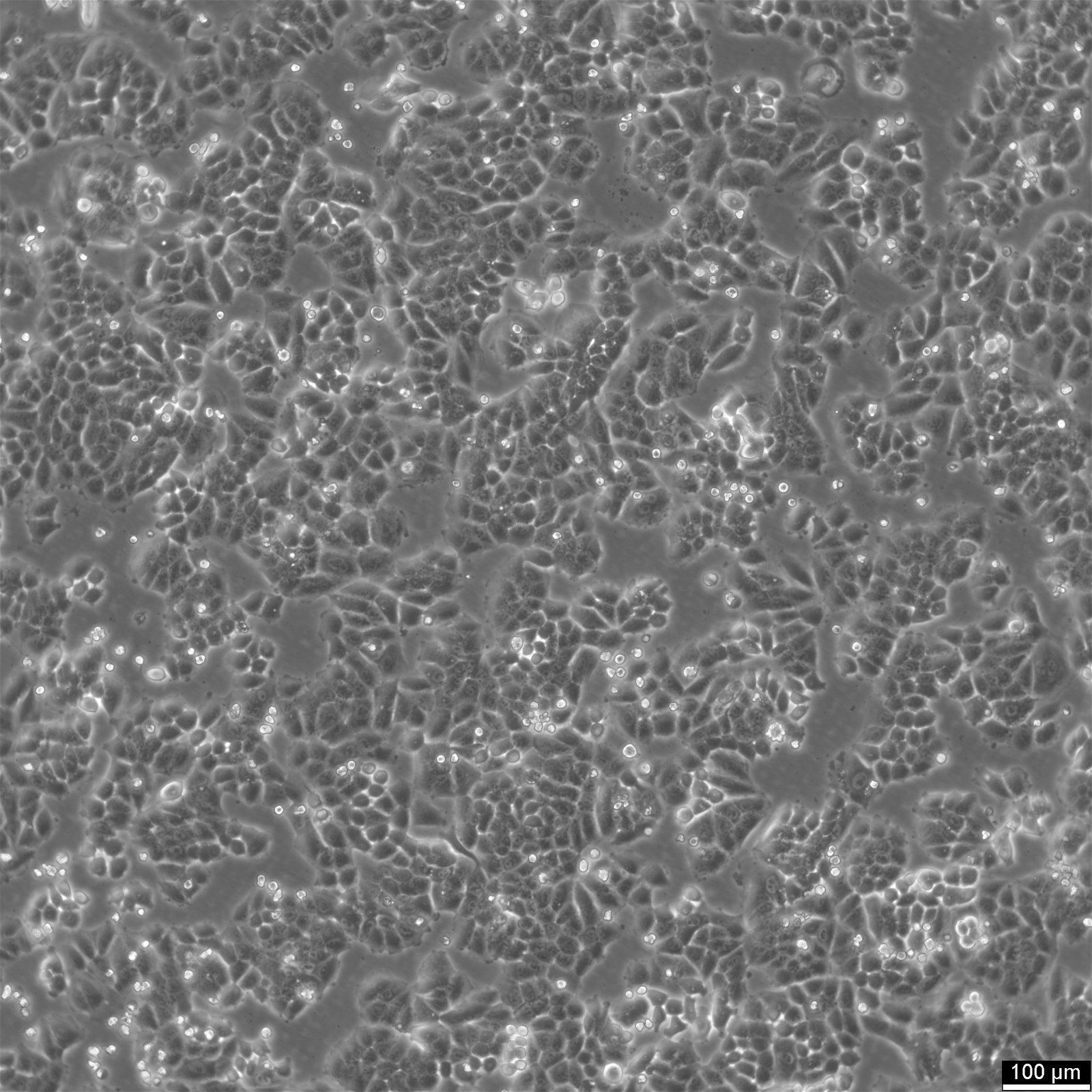
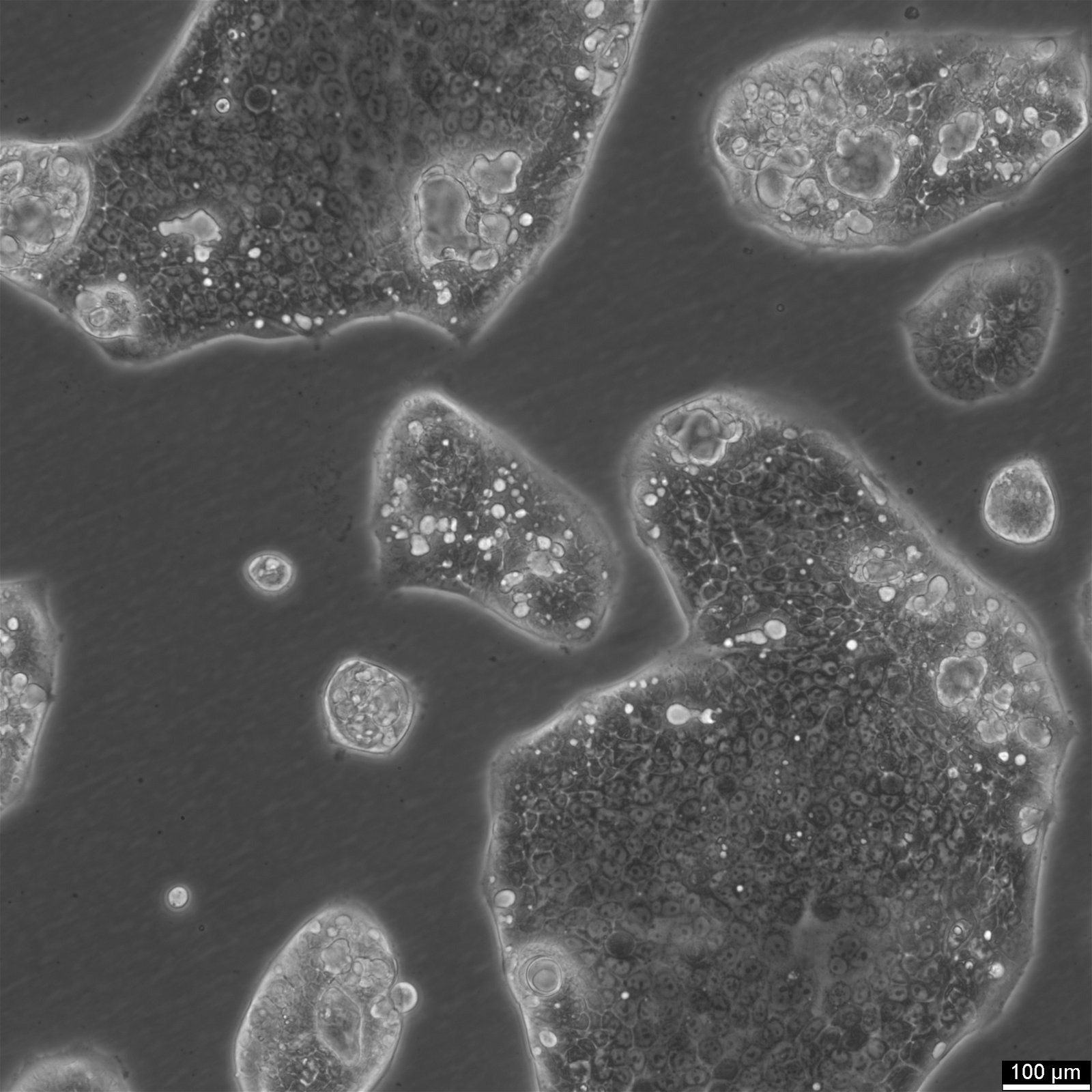
| 說明 | The NCI-H716 cell line is a human adenocarcinoma cell line derived from the colon. It was established from the metastatic site in the ascites of a 33-year-old Caucasian male. One of the defining features of the NCI-H716 cell line is its ability to express and secrete enteroendocrine hormones, notably glucagon-like peptide 1 (GLP-1), which makes it highly relevant in the study of gut hormone physiology and the enteroendocrine system. This aspect is crucial for diabetes research, especially in the context of investigating the hormonal regulation of insulin secretion and glucose homeostasis. These cells are adapted to grow as floating aggregates or in suspension culture, which is somewhat unusual for epithelial-derived cells. The ability to grow in suspension allows the study of cellular interactions and signaling pathways in a three-dimensional culture environment, which can mimic in vivo conditions more closely than traditional monolayer cultures. The NCI-H716 cell line has been utilized extensively to explore signal transduction pathways involved in the secretion of hormones, response to pharmacological agents, and the interaction between gut epithelial cells and the microbiota. Studies using this cell line have contributed significantly to understanding the pathophysiology of gastrointestinal diseases and the development of therapeutic strategies targeting the gut-brain axis. Furthermore, NCI-H716 cells are used to test therapeutic compounds for their potential effects on secretion and receptor response. Their unique hormonal profile also enables their use in pharmacodynamic studies and drug discovery related to metabolic disorders and obesity. Thus, NCI-H716 serves as a vital tool in translational medicine, bridging basic research and clinical applications in gastrointestinal and metabolic diseases. |
|---|---|
| 生物體 | Human |
| 組織 | Cecum |
| 疾病 | Cecum adenocarcinoma |
| 轉移部位 | Ascites |
| 同義詞 | NCI H716, NCI-H716, H-716, NCIH716 |
特徵
| 年齡 | 33 years |
|---|---|
| 性別 | Male |
| 族裔 | European |
| 形態學 | Epithelial |
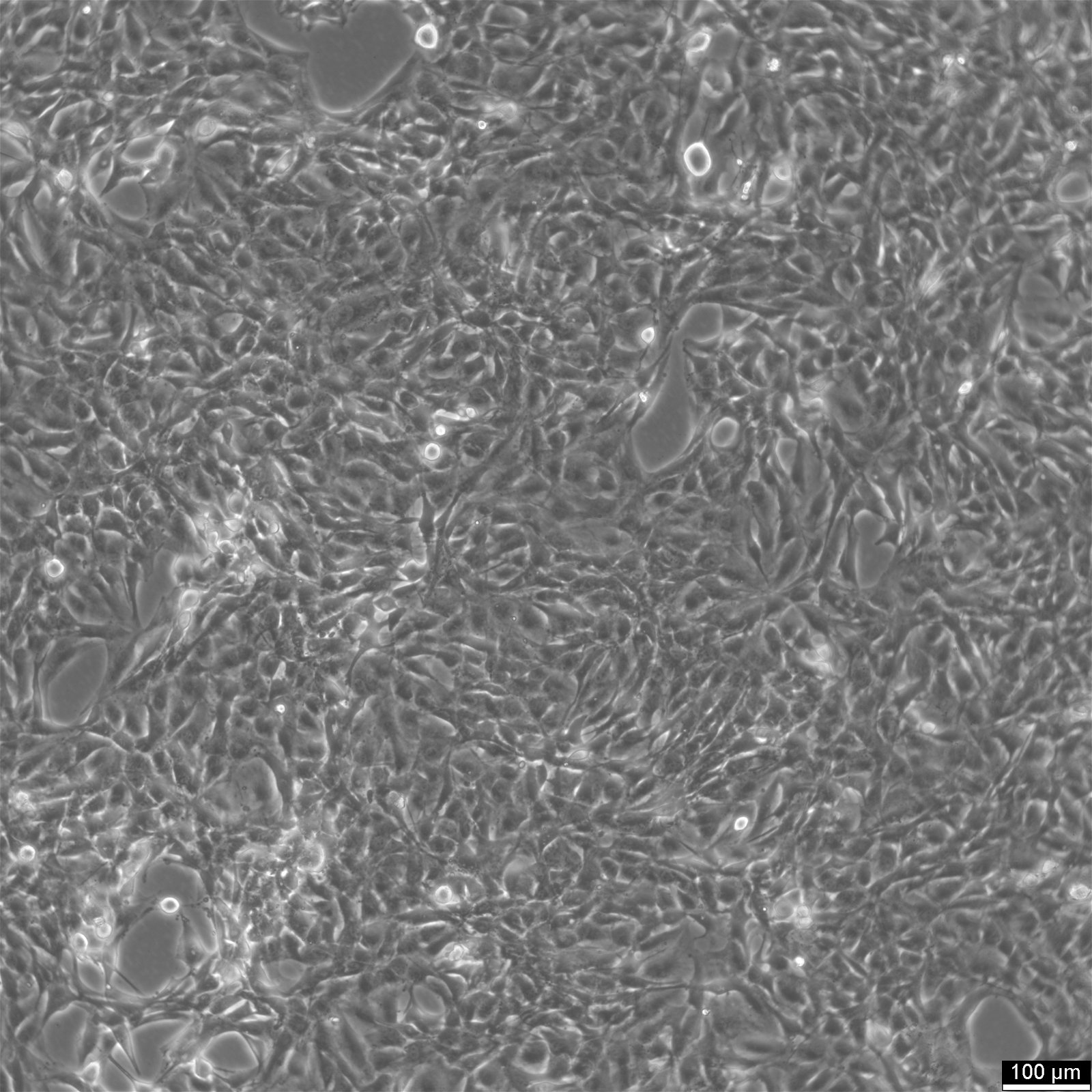
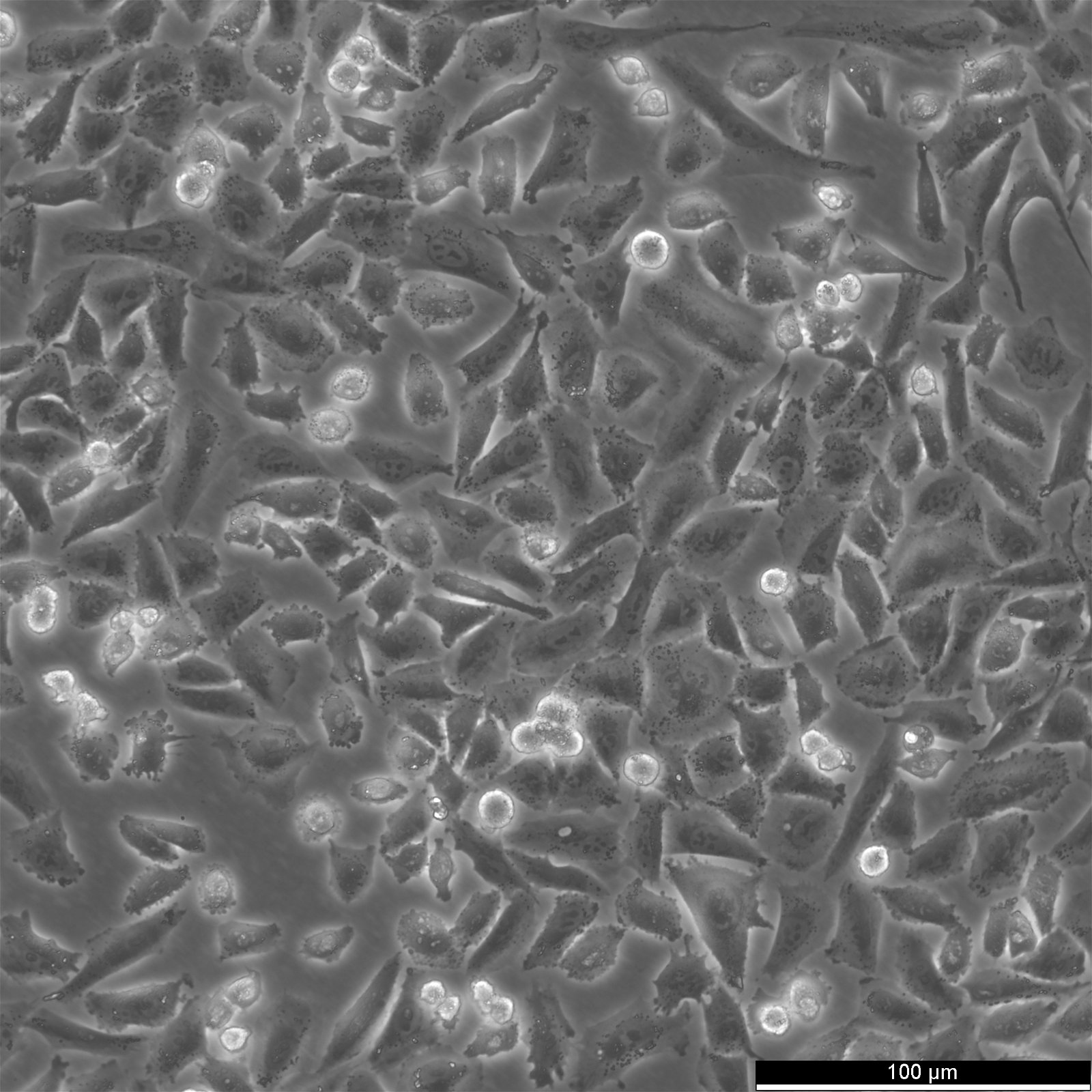
| 生長特性 | Suspension, multicell aggregates and some adherent cells |
監管數據
| 引用 | NCI-H716 (Cytion catalog number 305079) |
|---|---|
| 生物安全等級 | 1 |
| NCBI_TaxID | 9606 |
| Cellosaurus 編號 | CVCL_1581 |
生物分子資料
處理方式
| 培養基 | RPMI 1640, w: 2.0 mM stable Glutamine, w: 2.0 g/L NaHCO3 (Cytion article number 820700a) |
|---|---|
| 營養補充品 | Supplement the medium with 10% FBS |
| 倍增時間 | 50 hours |
| 傳代培養 | Gently homogenize the cell suspension in the flask by pipetting up and down, then take a representative sample to determine the cell density per ml. Dilute the suspension to achieve a cell concentration of 1 x 10⁵ cells/ml with fresh culture medium, and aliquot the adjusted suspension into new flasks for further cultivation. |
| 播種密度 | > 3 x 10⁵ cells/ml |
| 流體更新 | Add 1 ml of fresh medium daily, weekends may be omitted, and separate clusters by pipetting as required. |
| 冷凍培養基 | As a cryopreservation medium, we use complete growth medium (including FBS) + 10% DMSO for adequate post-thaw viability, or CM-1 (Cytion catalog number 800100), which includes optimized osmoprotectants and metabolic stabilizers to enhance recovery and reduce cryo-induced stress. |
| 細胞解凍與培養 |
|
| 培養環境 | 37°C, 5% CO2, humidified atmosphere. |
| 運送條款 | Cryopreserved cell lines are shipped on dry ice in validated, insulated packaging with sufficient refrigerant to maintain approximately −78 °C throughout transit. On receipt, inspect the container immediately and transfer vials without delay to appropriate storage. |
| 儲存條件 | For long-term preservation, place vials in vapor-phase liquid nitrogen at about −150 to −196 °C. Storage at −80 °C is acceptable only as a short interim step before transfer to liquid nitrogen. |
品質控制與分子分析
| 不孕症 | Mycoplasma contamination is excluded using both PCR-based assays and luminescence-based mycoplasma detection methods. To ensure there is no bacterial, fungal, or yeast contamination, cell cultures are subjected to daily visual inspections. |
|---|
分析證明書 (CoA)
| 批次編號 | 證書類型 | 日期 | 型號 |
|---|---|---|---|
| 305079-020124 | 分析證明書 | 23. May. 2025 | 305079 |
| 305079-120424 | 分析證明書 | 23. May. 2025 | 305079 |
| 305079-260424 | 分析證明書 | 23. May. 2025 | 305079 |
-
Related products
Related products