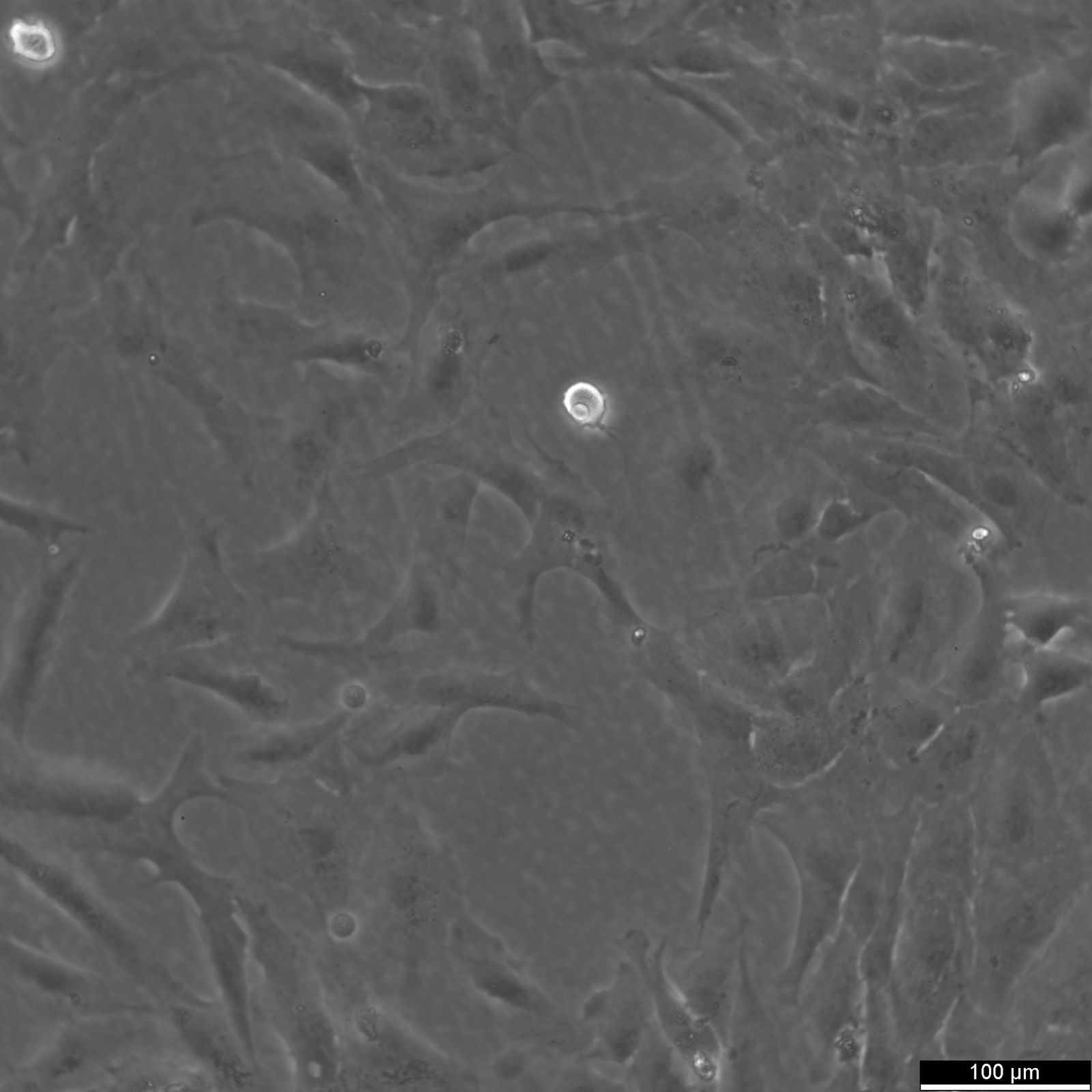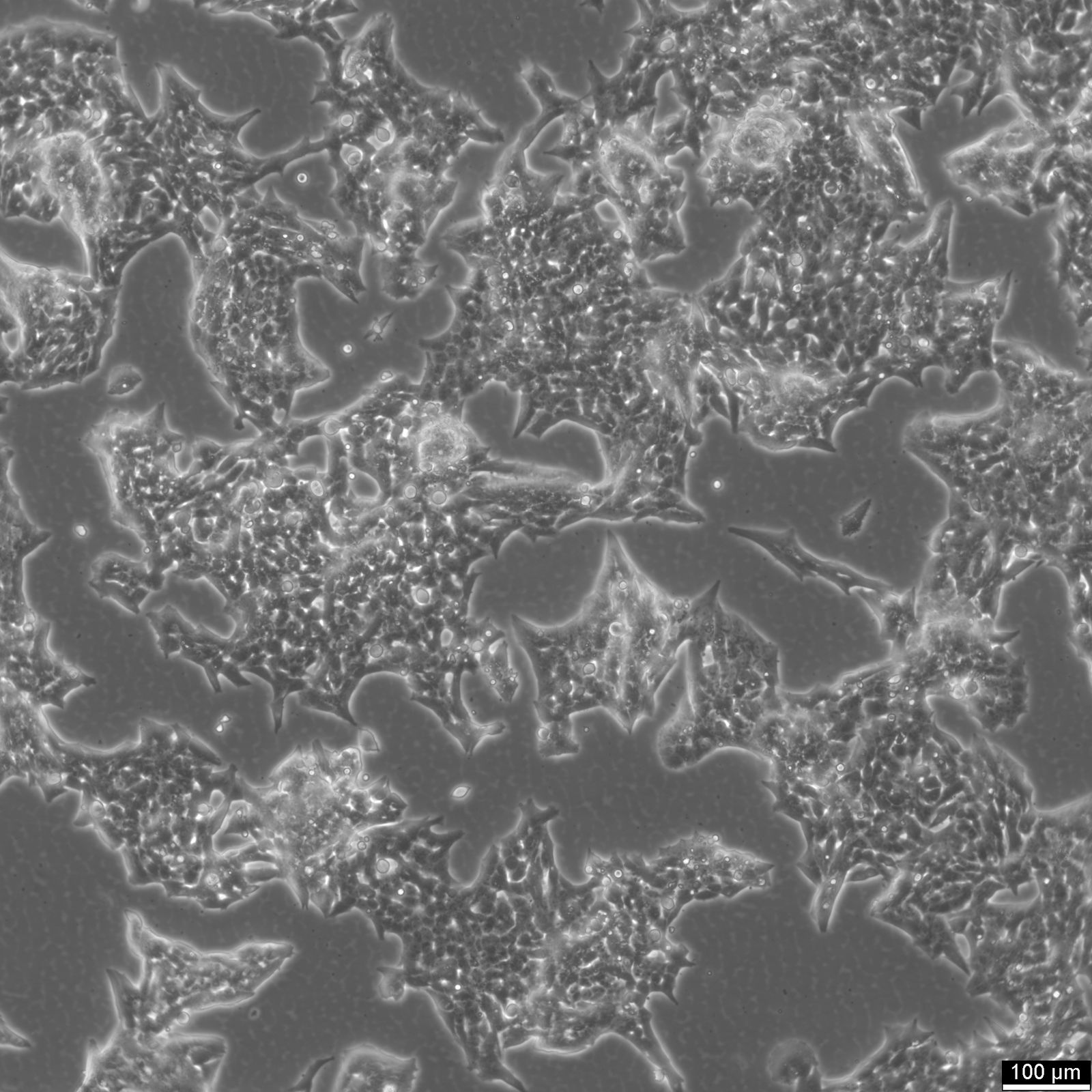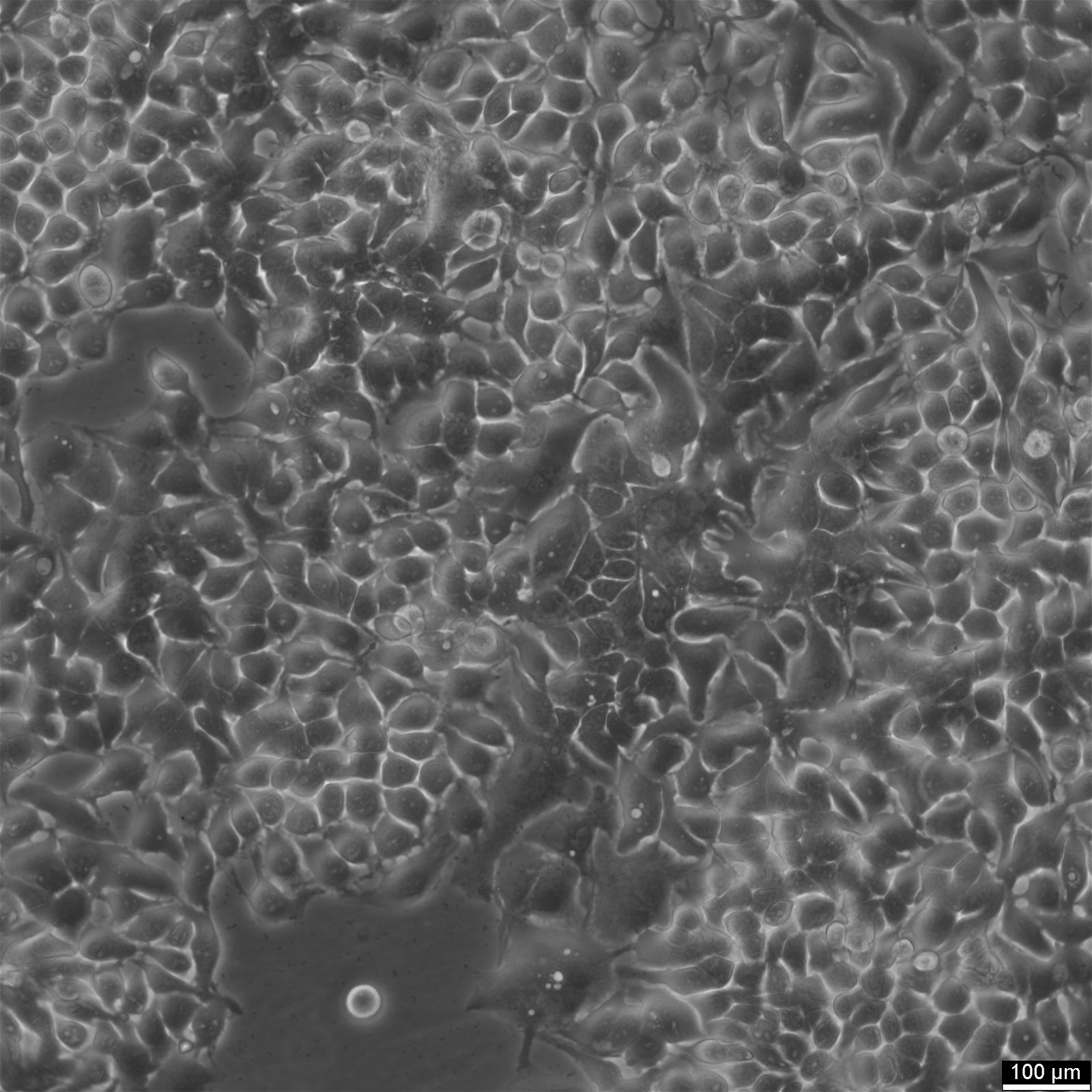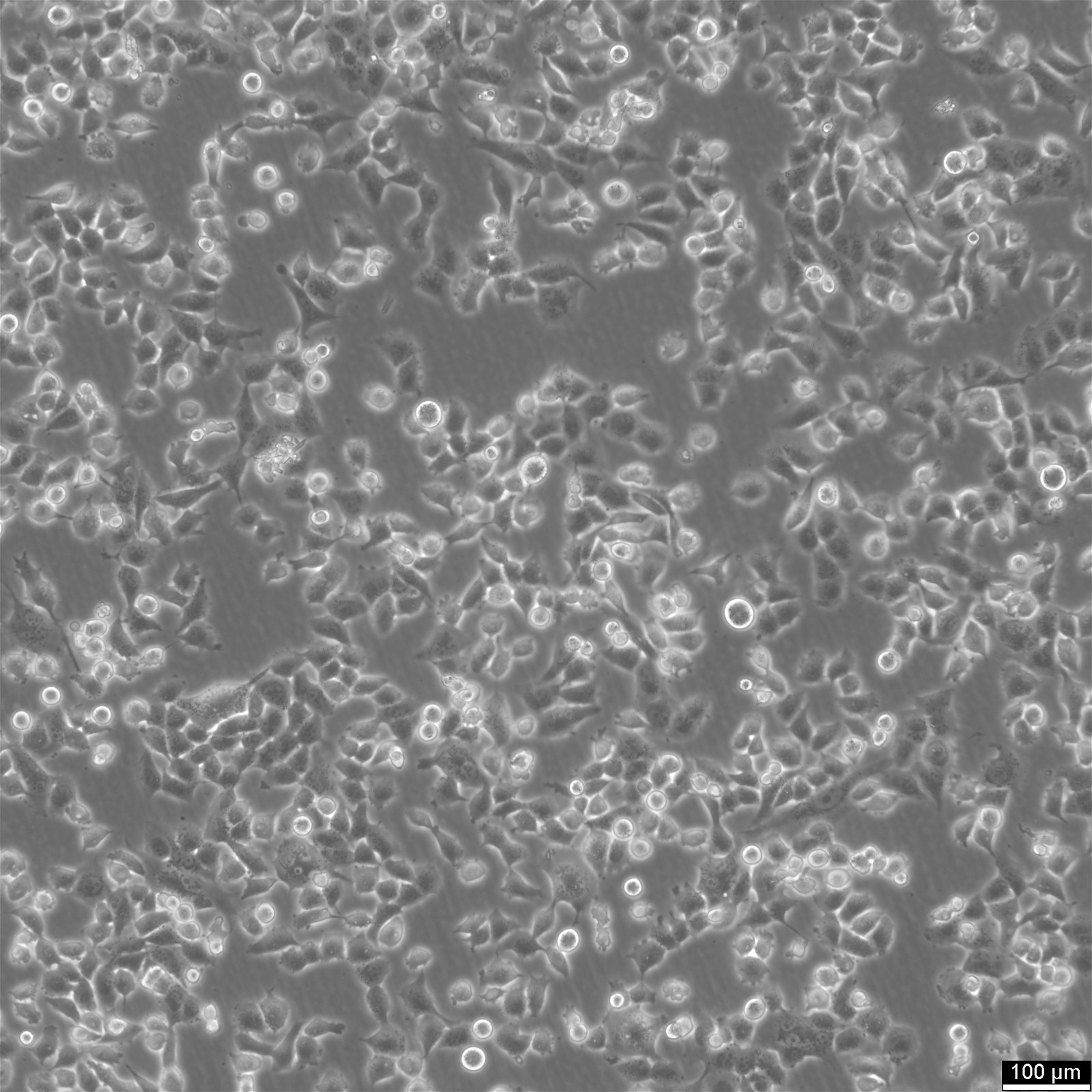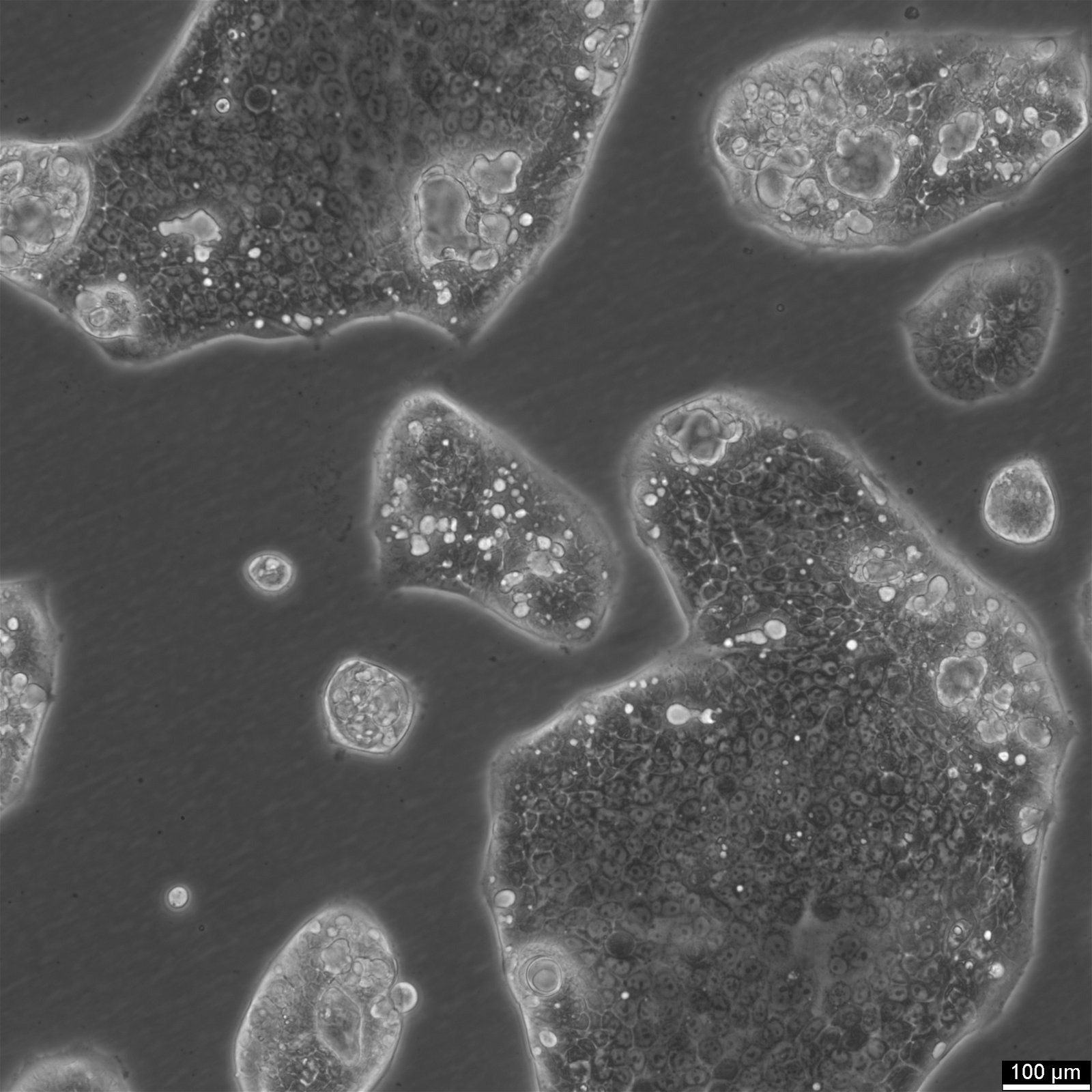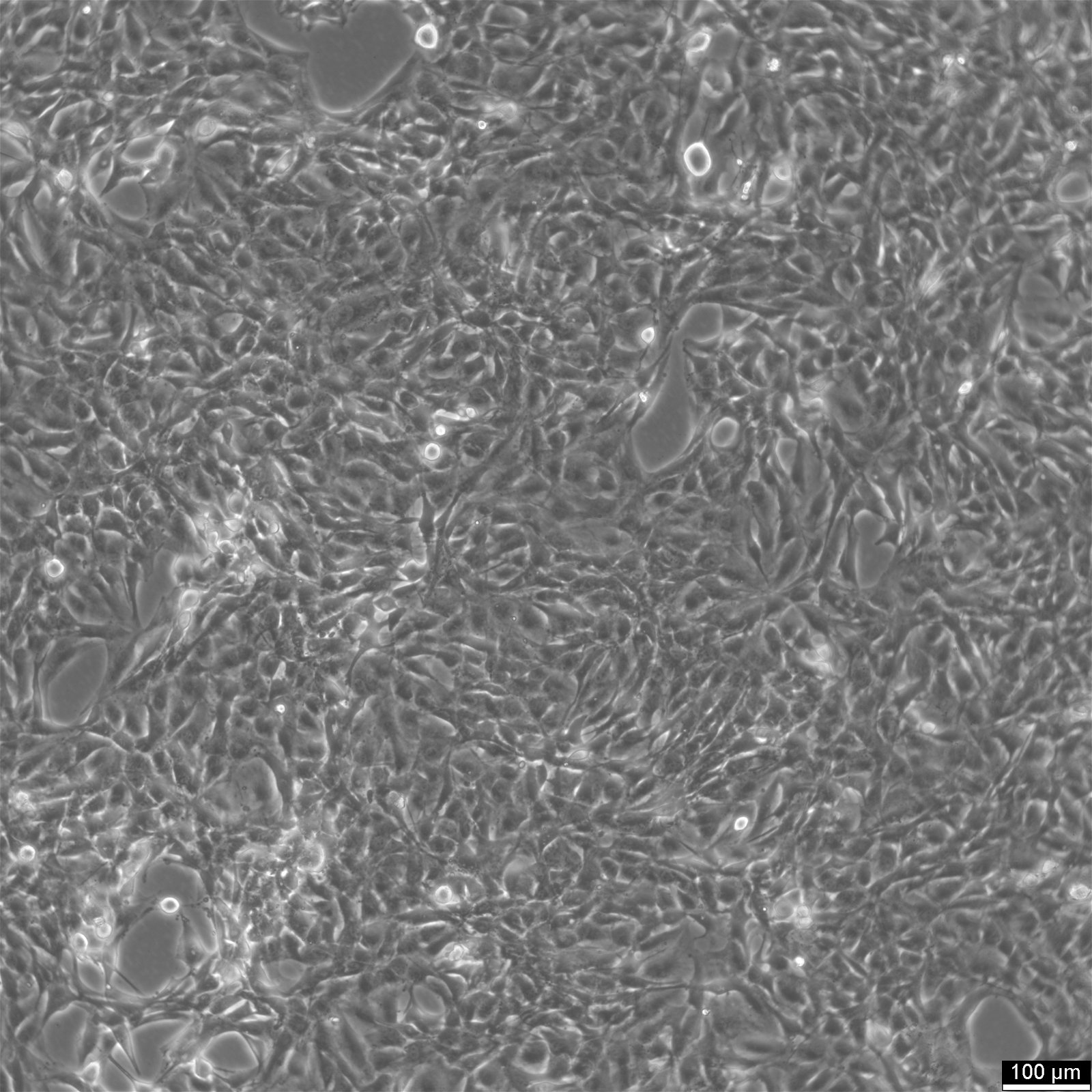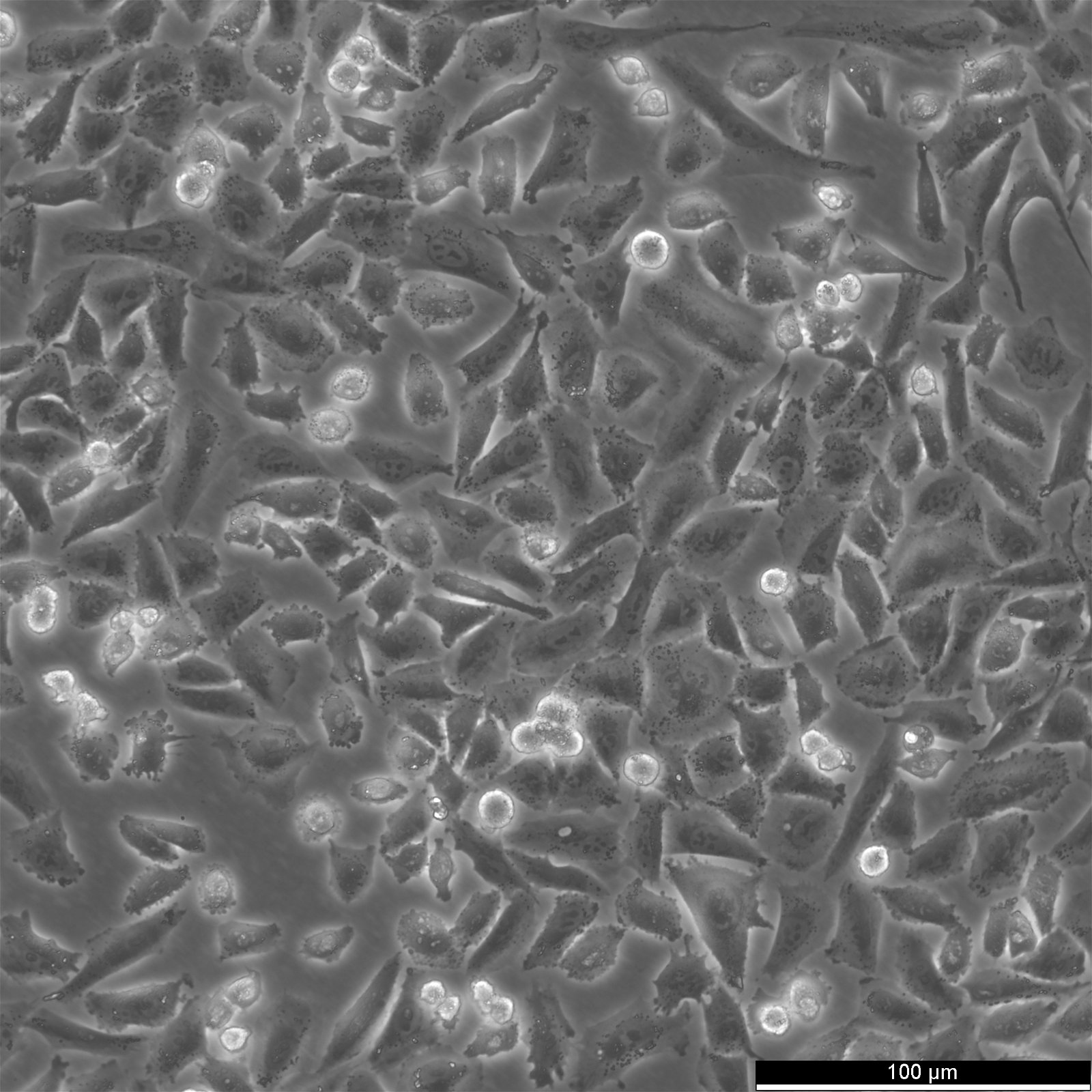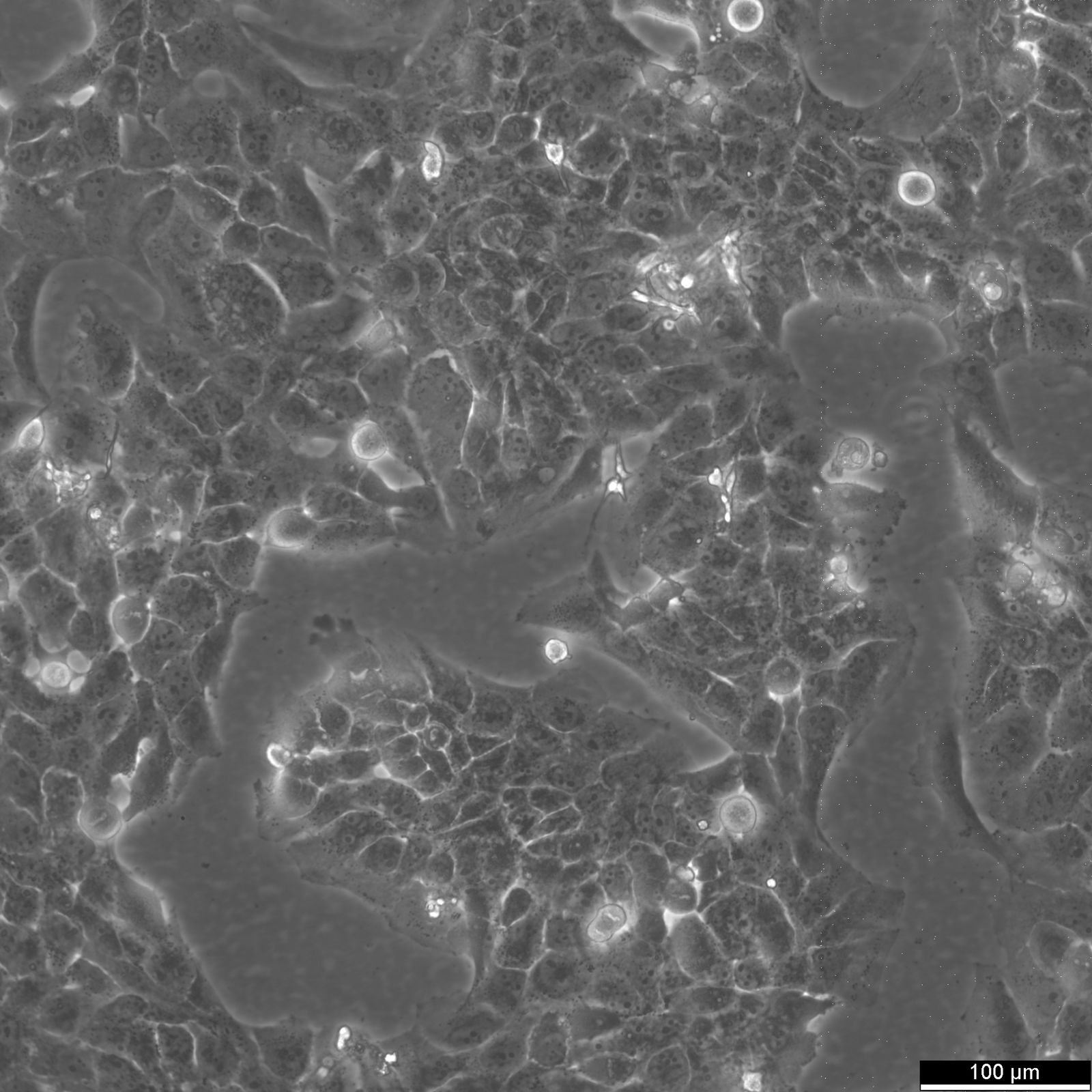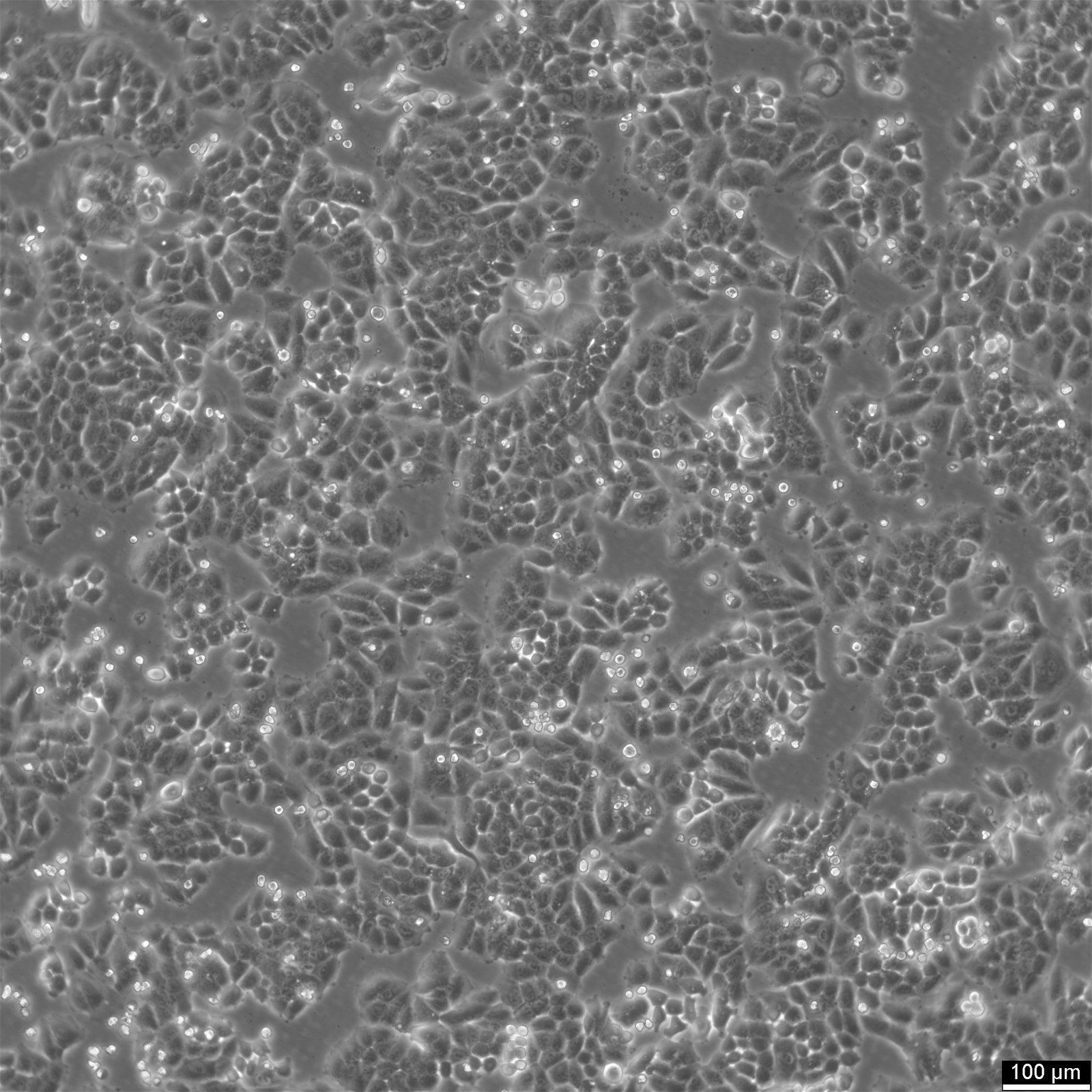
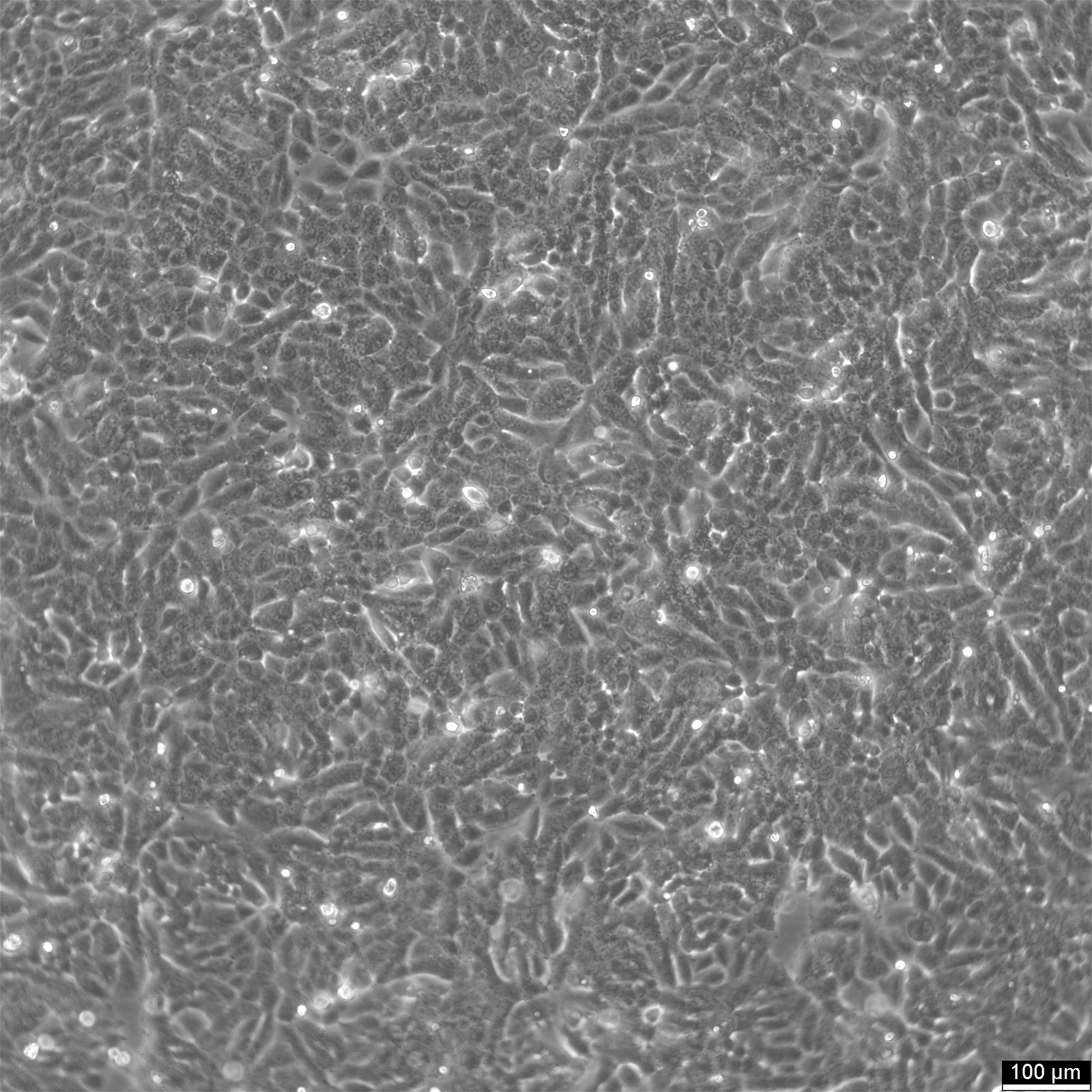
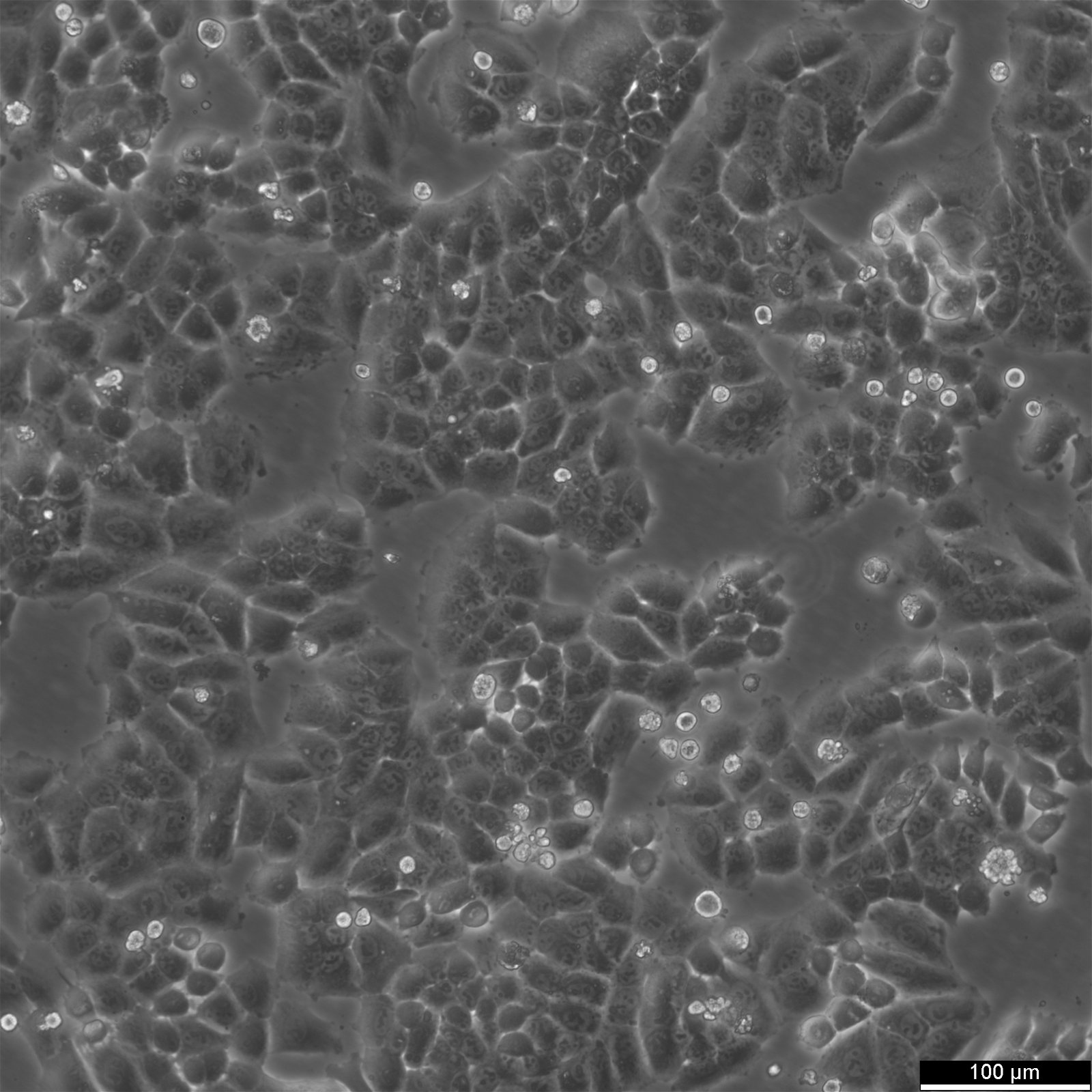
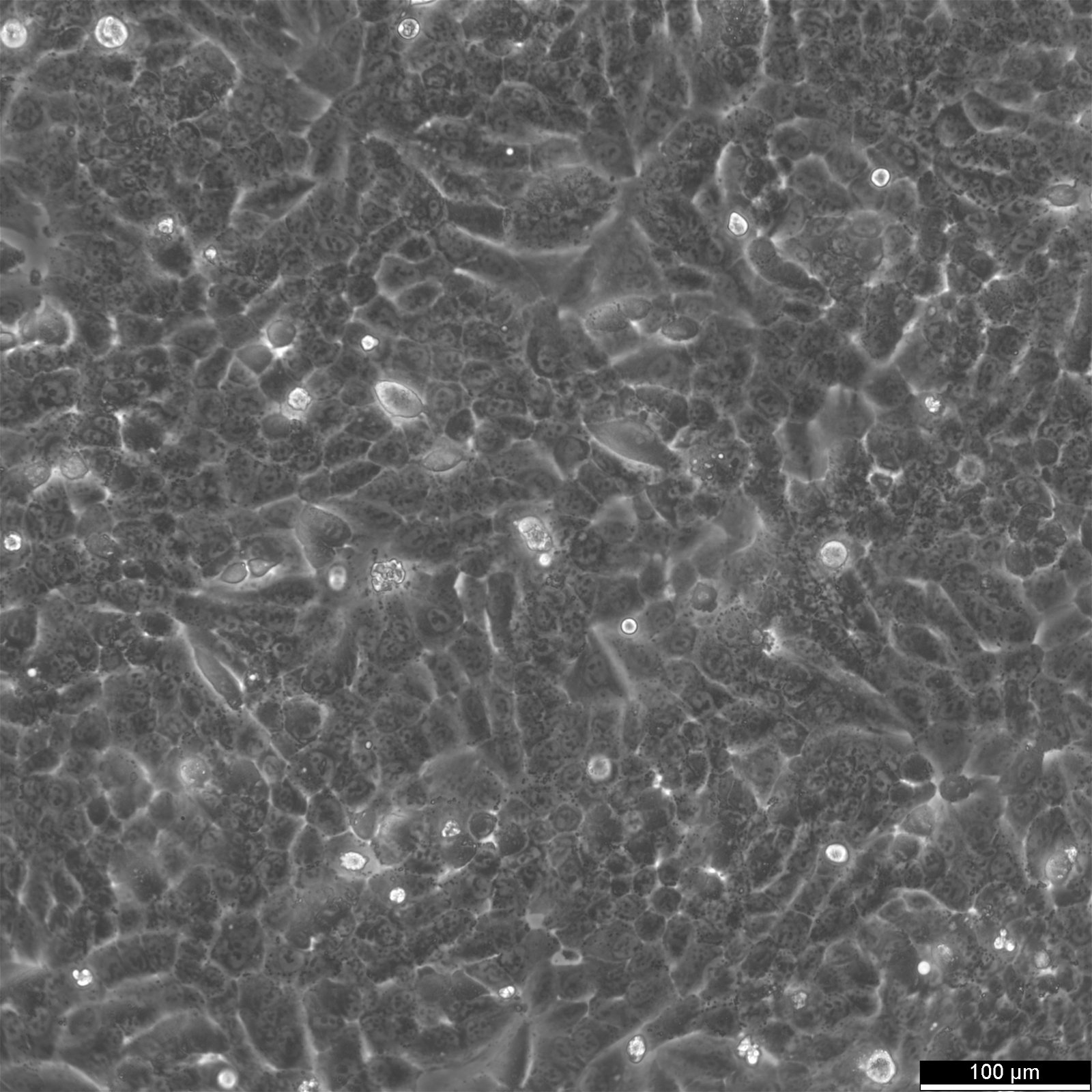
NCI-H460 Cells
USUSD$395.00*
Products are shipped frozen on dry ice in cryotubes. Each cryotube typically contains 3 × 10⁶ cells for adherent lines or 5 × 10⁶ cells for suspension lines (refer to the batch CoA for details).
一般資訊
| 說明 | NCI-H460, also known as H460, was derived from a male patient with large cell lung carcinoma. NCI-H460 cells are adherent cells growing twice as fast than the A549 cells with a doubling time of 33 hours in RPMI 1640 supplemented with 10% FBS. They can form tumors in both in vitro and in vivo models, including nude mice. NCI-H460 cells have been shown to express p53 mRNA at high levels comparable to normal lung tissue, while exhibiting no gross structural DNA abnormalities. They stain positively for keratin and vimentin but are negative for neurofilament triplet protein. Isoenzyme analysis has shown that HPRT is localized on the surface of these non-small-cell lung cancer cell lines. AK-1, ES-D, and Me-2 isoenzymes are expressed at level 1, while G6PD and PGM1 and PGM3 isoenzymes are expressed at level B and 1-2, respectively. The cells have a hypotriploid karyotype with a modal chromosome number of 57, ranging from 53 to 65. Seven marker chromosomes are common to all cells, including der(9)t(1;9)(q21;p24), der(9)t(7;9)(p11;p22), t(10q14q), der(16)t(7;16)(q11.23;q22). Their high expression levels of p53 mRNA make them a suitable model for studying the molecular mechanisms of non-small-cell lung cancer. |
|---|---|
| 生物體 | Human |
| 組織 | Lung |
| 疾病 | Lung large cell carcinoma |
| 轉移部位 | Pleural effusion |
| 同義詞 | NCI-H460, NCI.H460, H-460, NCIH460, NCI-HUT-460, NCI-460 |
特徵
| 性別 | Male |
|---|---|
| 族裔 | European |
| 形態學 | Epithelial |
| 生長特性 | Adherent |
監管數據
| 引用 | H-460 (Cytion catalog number 305020) |
|---|---|
| 生物安全等級 | 1 |
| NCBI_TaxID | 9606 |
| Cellosaurus 編號 | CVCL_0459 |
生物分子資料
| 致瘤性 | Yes |
|---|
處理方式
| 培養基 | RPMI 1640, w: 2.0 mM stable Glutamine, w: 2.0 g/L NaHCO3 (Cytion article number 820700a) |
|---|---|
| 營養補充品 | Supplement the medium with 10% FBS |
| 解離試劑 | Accutase |
| 傳代培養 | Remove the old medium from the adherent cells and wash them with PBS that lacks calcium and magnesium. For T25 flasks, use 3-5 ml of PBS, and for T75 flasks, use 5-10 ml. Then, cover the cells completely with Accutase, using 1-2 ml for T25 flasks and 2.5 ml for T75 flasks. Let the cells incubate at room temperature for 8-10 minutes to detach them. After incubation, gently mix the cells with 10 ml of medium to resuspend them, then centrifuge at 300xg for 3 minutes. Discard the supernatant, resuspend the cells in fresh medium, and transfer them into new flasks that already contain fresh medium. |
| 流體更新 | 2 to 3 times per week |
| 冷凍培養基 | As a cryopreservation medium, we use complete growth medium (including FBS) + 10% DMSO for adequate post-thaw viability, or CM-1 (Cytion catalog number 800100), which includes optimized osmoprotectants and metabolic stabilizers to enhance recovery and reduce cryo-induced stress. |
| 細胞解凍與培養 |
|
| 培養環境 | 37°C, 5% CO2, humidified atmosphere. |
| 運送條款 | Cryopreserved cell lines are shipped on dry ice in validated, insulated packaging with sufficient refrigerant to maintain approximately −78 °C throughout transit. On receipt, inspect the container immediately and transfer vials without delay to appropriate storage. |
| 儲存條件 | For long-term preservation, place vials in vapor-phase liquid nitrogen at about −150 to −196 °C. Storage at −80 °C is acceptable only as a short interim step before transfer to liquid nitrogen. |
品質控制與分子分析
| 不孕症 | Mycoplasma contamination is excluded using both PCR-based assays and luminescence-based mycoplasma detection methods. To ensure there is no bacterial, fungal, or yeast contamination, cell cultures are subjected to daily visual inspections. |
|---|
分析證明書 (CoA)
| 批次編號 | 證書類型 | 日期 | 型號 |
|---|---|---|---|
| 305020-140225 | 分析證明書 | 23. May. 2025 | 305020 |
| 305020-170124 | 分析證明書 | 23. May. 2025 | 305020 |
-
Related products
Related products