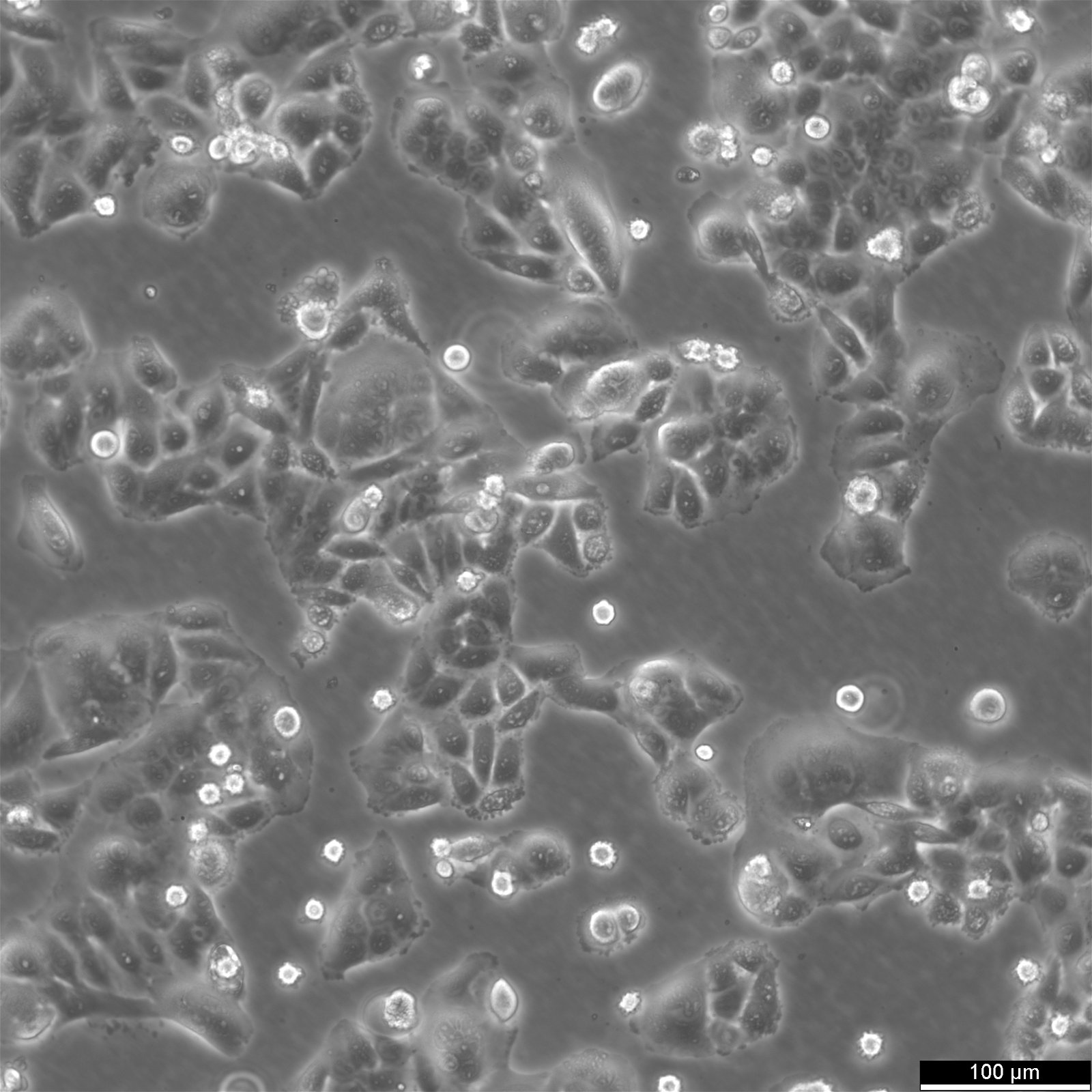
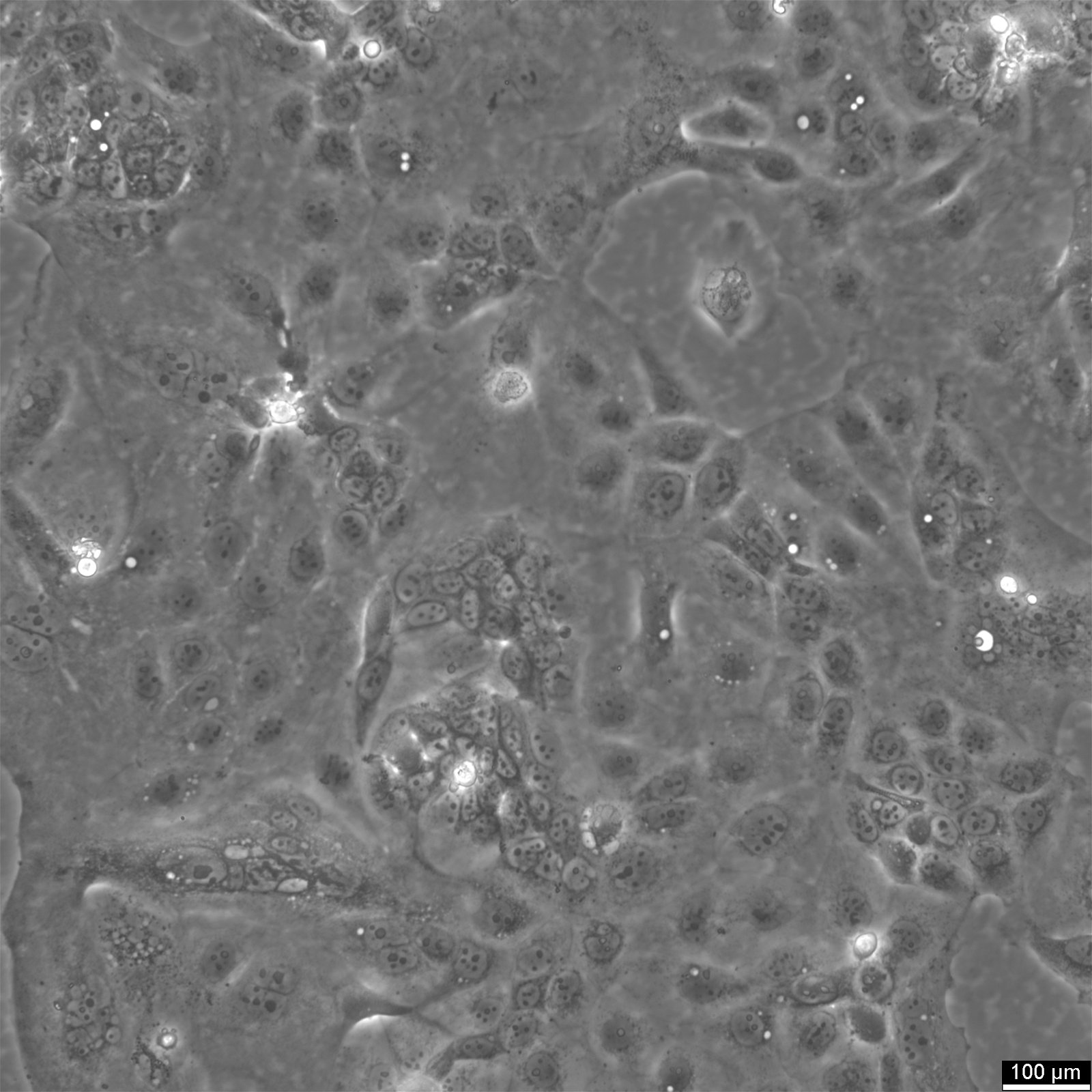
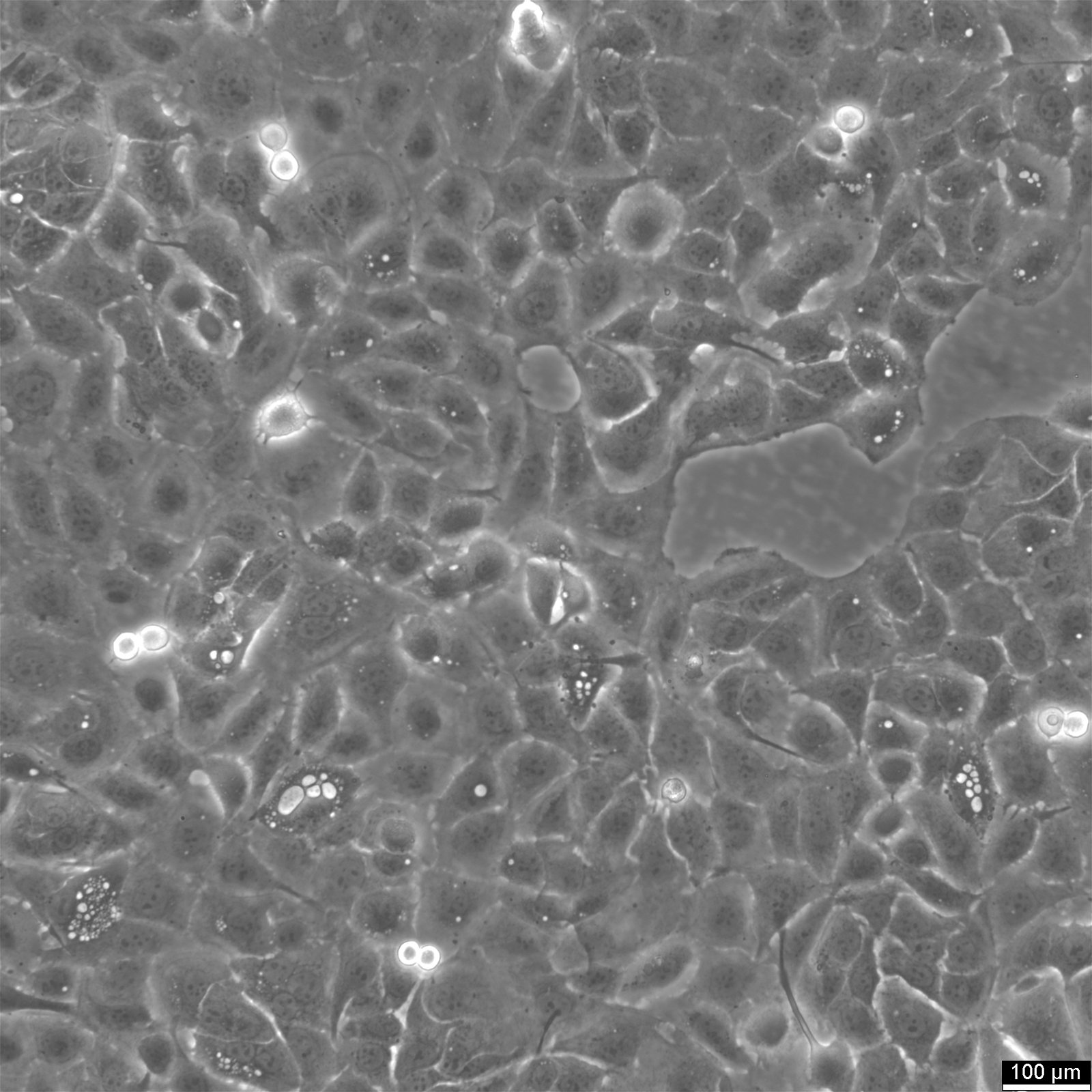
SW620 Cells
USUSD$395.00*
Products are shipped frozen on dry ice in cryotubes. Each cryotube typically contains 3 × 10⁶ cells for adherent lines or 5 × 10⁶ cells for suspension lines (refer to the batch CoA for details).
Basic details about the SW-620 cancer cell line
| 說明 | The SW-620 cell line, originating from the large intestine of a 51-year-old male with Dukes-C colorectal cancer, is a pivotal research model in colorectal cancer, especially for cancer biomarkers, chemotherapy, and the study of metastatic cancer cells. SW-620 cells are pivotal for studying cell apoptosis and the resistance mechanisms to anoikis, a form of programmed cell death crucial for preventing metastasis. Research utilizing the SW-620 colon cancer cells has delved into proteomic analysis to understand proteome changes under different conditions, such as hypoxia. Hypoxic SW620 cells exhibit specific proteome adaptations that contribute to chemotherapy resistance. SW620 colon cancer cells have been pivotal in evaluating natural compounds like curcumin and their impact on cancer cell viability. Studies have shown that curcumin inhibits cell viability in SW-620 cells. Moreover, the cell line aids in assessing the effects of chemotherapeutic agents and the potential for chemotherapy resistance, which is critical for advancing cancer treatment strategies. Exhibiting high tumorigenic and metastatic capabilities, SW-620 cells form solid tumors in vivo. The SW620 xenograft model, alongside the study of specific pathways like the catenin pathway and the role of transcription factors such as cdx2 in colonic adenocarcinoma cells, enriches our understanding of colorectal cancer's molecular underpinnings. In summary, SW-620 human colon adenocarcinoma cells are an invaluable resource in cancer research, offering a multifaceted approach to understanding colorectal cancer's complexities. |
|---|---|
| 生物體 | Human |
| 組織 | Colorectal |
| 疾病 | Adenocarcinoma |
| 轉移部位 | Lymph node |
| 同義詞 | SW620, SW 620, SW.620 |
Aspects
| 年齡 | 51 years |
|---|---|
| 性別 | Male |
| 族裔 | Caucasian |
| 形態學 | Epithelial-like |
| 生長特性 | Adherent |
Specification
| 引用 | SW-620 (Cytion catalog number 300466) |
|---|---|
| 生物安全等級 | 1 |
| NCBI_TaxID | 9606 |
| Cellosaurus 編號 | CVCL_0547 |
Genetic makeup of the colorectal cancer cell line SW620
| 致瘤性 | Yes, in athymic nude mice |
|---|---|
| 核型分析 | Average number of chromosomes 48 (range, 46-52). Eighteen marker chromosomes. For a detailed description of the karyotype we refer to Melcher et al. |
Maintenance techniques
| 培養基 | DMEM, w: 4.5 g/L Glucose, w: 4 mM L-Glutamine, w: 3.7 g/L NaHCO3, w: 1.0 mM Sodium pyruvate (Cytion article number 820300a) |
|---|---|
| 營養補充品 | Supplement the medium with 10% FBS |
| 解離試劑 | Accutase |
| 傳代培養 | Remove the old medium from the adherent cells and wash them with PBS that lacks calcium and magnesium. For T25 flasks, use 3-5 ml of PBS, and for T75 flasks, use 5-10 ml. Then, cover the cells completely with Accutase, using 1-2 ml for T25 flasks and 2.5 ml for T75 flasks. Let the cells incubate at room temperature for 8-10 minutes to detach them. After incubation, gently mix the cells with 10 ml of medium to resuspend them, then centrifuge at 300xg for 3 minutes. Discard the supernatant, resuspend the cells in fresh medium, and transfer them into new flasks that already contain fresh medium. |
| 流體更新 | 2 times per week |
| 冷凍培養基 | As a cryopreservation medium, we use complete growth medium (including FBS) + 10% DMSO for adequate post-thaw viability, or CM-1 (Cytion catalog number 800100), which includes optimized osmoprotectants and metabolic stabilizers to enhance recovery and reduce cryo-induced stress. |
| 細胞解凍與培養 |
|
| 培養環境 | 37°C, 5% CO2, humidified atmosphere. |
| 運送條款 | Cryopreserved cell lines are shipped on dry ice in validated, insulated packaging with sufficient refrigerant to maintain approximately −78 °C throughout transit. On receipt, inspect the container immediately and transfer vials without delay to appropriate storage. |
| 儲存條件 | For long-term preservation, place vials in vapor-phase liquid nitrogen at about −150 to −196 °C. Storage at −80 °C is acceptable only as a short interim step before transfer to liquid nitrogen. |
Quality assurance of SW620 cells
| 不孕症 | Mycoplasma contamination is excluded using both PCR-based assays and luminescence-based mycoplasma detection methods. To ensure there is no bacterial, fungal, or yeast contamination, cell cultures are subjected to daily visual inspections. |
|---|
分析證明書 (CoA)
| 批次編號 | 證書類型 | 日期 | 型號 |
|---|---|---|---|
| 300466-322F | 分析證明書 | 23. May. 2025 | 300466 |
| 300466-150925 | 分析證明書 | 05. Dec. 2025 | 300466 |
-
Related products
Related products