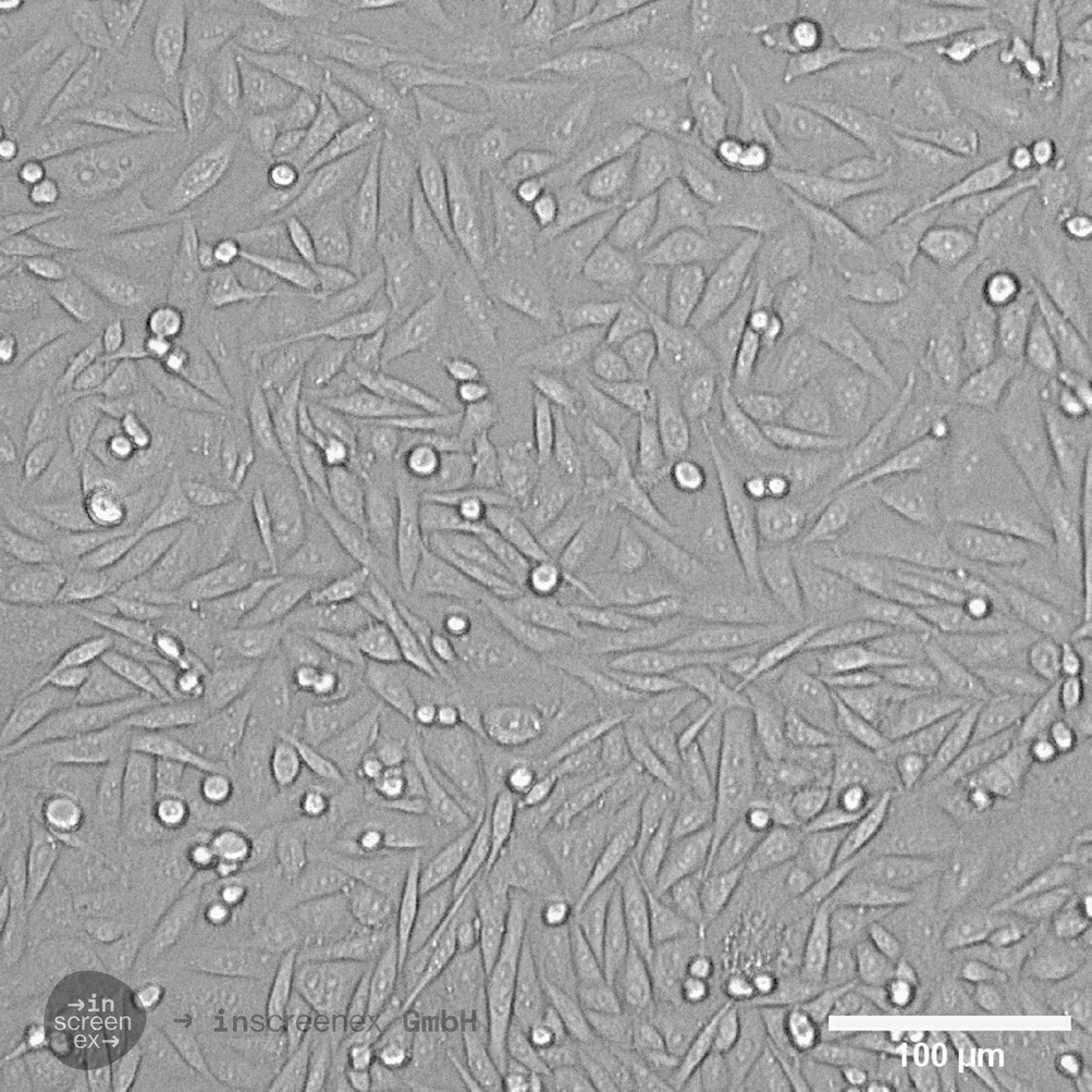
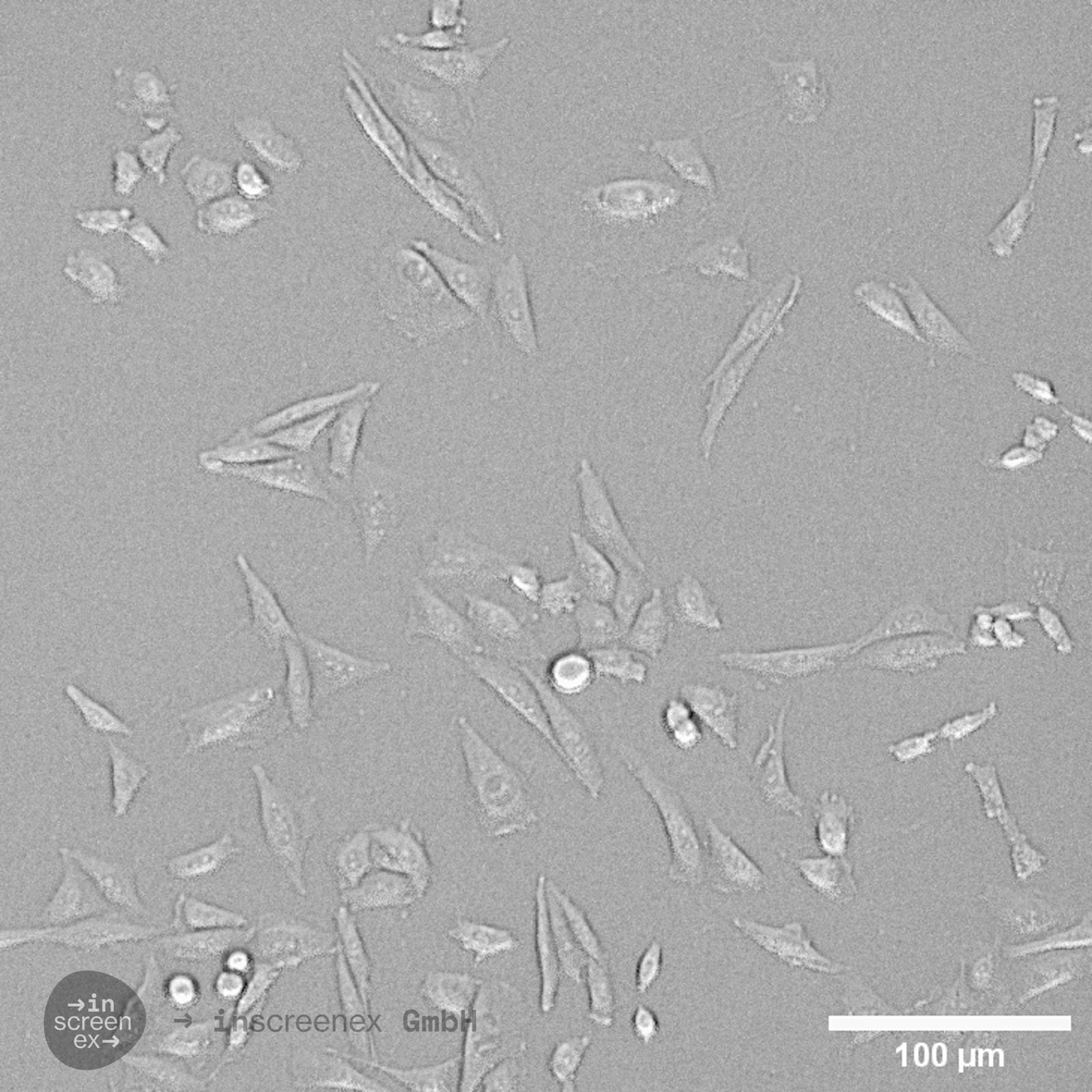
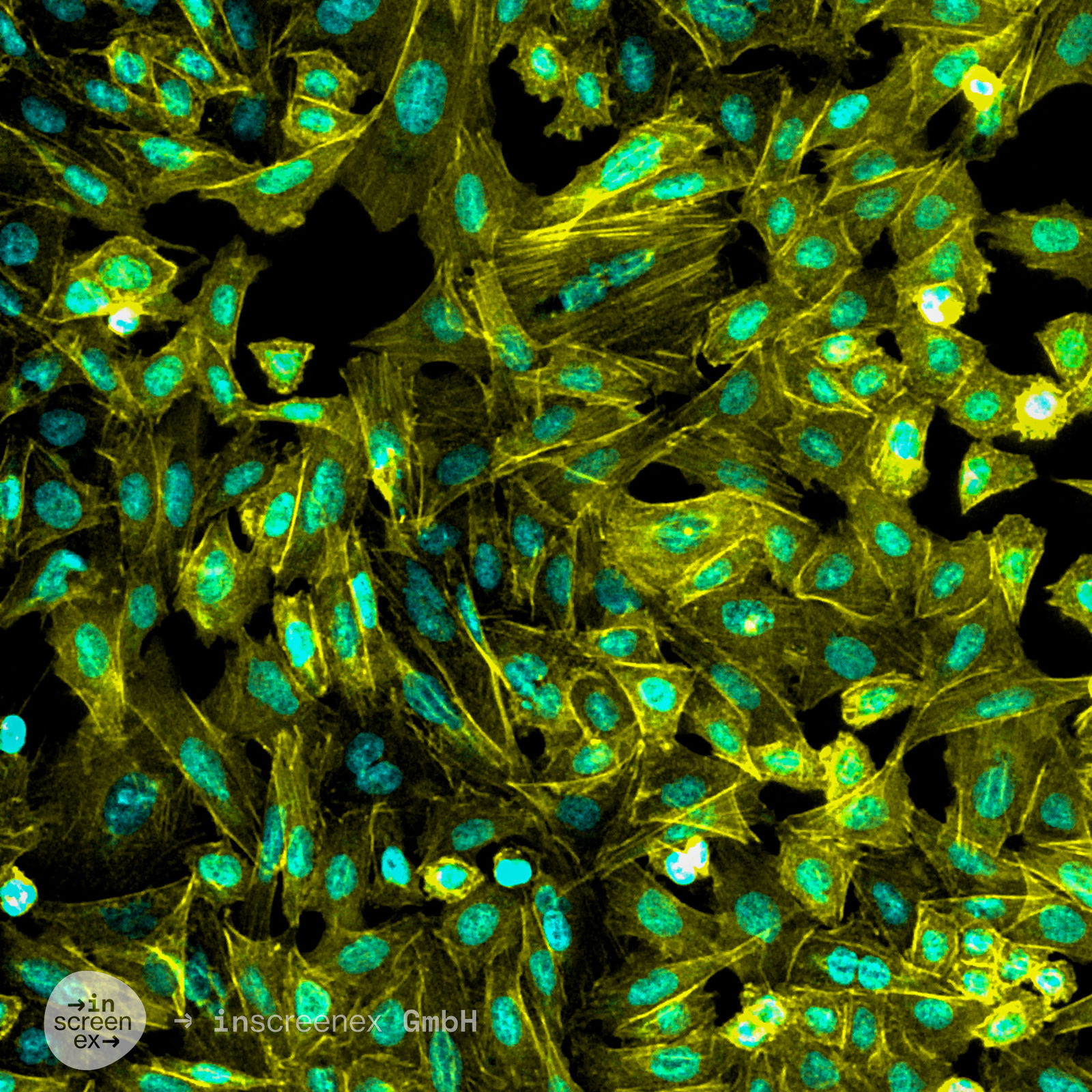
CHO-CXCR7 Cells (medium-high)
USUSD$2,200.00*
Products are shipped frozen on dry ice in cryotubes. Each cryotube typically contains 3 × 10⁶ cells for adherent lines or 5 × 10⁶ cells for suspension lines (refer to the batch CoA for details).
一般資訊
| 說明 | Disclaimer: The prices displayed for cell lines are exclusively for academic/not-for-profit customers. For commercial entitites the price is approximately €6,250. The CHO-CXCR7-Medium-high cell line is a stable recombinant CHO (Chinese Hamster Ovary) cell line engineered to express the CXCR7 receptor at a medium-high level. This cell line was created using an innovative landing pad technology, which allows for targeted integration of the CXCR7 gene at a pre-validated genomic locus, ensuring consistent and reproducible expression. CXCR7, also known as ACKR3, is an atypical chemokine receptor involved in immune modulation and cancer biology. Unlike typical GPCRs, CXCR7 does not signal through G proteins but instead scavenges chemokines such as CXCL12 and CXCL11, and forms heterodimers with CXCR4, influencing processes like tumor progression, metastasis, and angiogenesis. CXCR7 is notably overexpressed in various cancers, including breast, lung, and prostate cancers, where it is linked to increased tumor growth, metastasis, and poorer prognosis. This makes the CHO-CXCR7-Medium-high cell line particularly valuable for oncology research, allowing for the study of CXCR7's role in cancer progression and its potential as a therapeutic target. The expression of CXCR7 in this cell line was confirmed using flow cytometry. |
|---|---|
| 生物體 | Chinese hamster |
| 組織 | Ovary |
| 疾病 | Chinese hamster ovary, non-neoplastic; genetically engineered for CXCR7 (ACKR3) surface expression (medium-high expression level) |
| 應用 | Antibody screening; CXCR7-targeted therapy development; chemokine receptor biology; tumor microenvironment research; flow cytometry |
| 同義詞 | CHO-CXCR7 |
特徵
| 年齡 | Adult |
|---|---|
| 性別 | Female |
| 形態學 | Epithelial-like |
| 細胞類型 | Epithelial cells |
| 生長特性 | Adherent/suspension |
監管數據
| 引用 | CHO-CXCR7 Medium-high (Cytion catalog number 305412MH) |
|---|---|
| 生物安全等級 | 1 |
| NCBI_TaxID | 10029 |
| Cellosaurus 編號 | CVCL_A8W2 |
| 轉基因狀態 | GMO-S1: This CHO cell line contains a construct supporting medium-to-high expression of human CXCR7 for chemokine receptor research. This classification applies only within Germany and may differ elsewhere. |
生物分子資料
| 受體的表達 | CXCR7 (ACKR3) |
|---|
處理方式
| 培養基 | For adherent cultures: DMEM:Ham's F12 (1:1), w: 3.1 g/L Glucose, w: 2.5 mM L-Glutamine, w: 15 mM HEPES, w: 0.5 mM Sodium pyruvate, w: 1.2 g/L NaHCO3 (Cytion article number 820400a) For suspension cultures: CHO Growth Medium A (from InSCREENeX; InSCREENeX catalog number INS-ME-1039) |
|---|---|
| 營養補充品 | For adherent cultures: Supplement the medium with 5% FBS. Add Geneticin (G418-Sulfat) to achieve a final concentration of 0.5 mg/mL. |
| 解離試劑 | For adherent cultures: Trypsin-EDTA |
| 倍增時間 | approx. 14-16 hours |
| 傳代培養 | For routine adherent cell culture: Aspirate the old culture medium from the adherent cells, and wash them with PBS to remove any remaining medium. After aspirating the PBS, add the appropriate volume of Trypsin/EDTA solution based on the culture vessel size (e.g., 1 ml for a T25 flask, 3 ml for a T75 flask) and incubate at room temperature or 37°C for 5-10 minutes, or until the cells detach. Monitor detachment under a microscope, and gently tap the vessel if necessary to release the cells. Once detached, add complete medium to inactivate the Trypsin/EDTA, gently resuspend the cells, and transfer an aliquot of the cell suspension into a new culture vessel containing fresh medium. Place the vessel in an incubator set to 37°C with 5% CO2, and change the medium every 2-3 days. |
| 拆股比例 | 1 to 5 |
| 播種密度 | 2 to 5 x 10⁴ cells/cm2 |
| 流體更新 | 2 to 3 times per week |
| 解凍後的恢復 | After thawing, split the cells at a ratio of 1:2 to 1:3 in T25 flasks and allow the cells to recover from the freezing process and to adhere (for adherent cultures) for at least 24 hours. |
| 冷凍培養基 | As a cryopreservation medium, we use complete growth medium (including FBS) + 10% DMSO for adequate post-thaw viability, or CM-1 (Cytion catalog number 800100), which includes optimized osmoprotectants and metabolic stabilizers to enhance recovery and reduce cryo-induced stress. |
| 細胞解凍與培養 |
|
| 培養環境 | 37°C, 5% CO2, humidified atmosphere. |
| 運送條款 | Cryopreserved cell lines are shipped on dry ice in validated, insulated packaging with sufficient refrigerant to maintain approximately −78 °C throughout transit. On receipt, inspect the container immediately and transfer vials without delay to appropriate storage. |
| 儲存條件 | For long-term preservation, place vials in vapor-phase liquid nitrogen at about −150 to −196 °C. Storage at −80 °C is acceptable only as a short interim step before transfer to liquid nitrogen. |
品質控制與分子分析
| 不孕症 | Mycoplasma contamination is excluded using both PCR-based assays and luminescence-based mycoplasma detection methods. To ensure there is no bacterial, fungal, or yeast contamination, cell cultures are subjected to daily visual inspections. |
|---|