
Caco-2 細胞——關於 Caco-2 細胞在胃腸道研究中的詳盡指南
人類結腸癌細胞系 Caco-2 源自一例人類結腸癌病例,是胃腸道研究的基石,因其無論在上皮特性或形態上均與正常腸上皮細胞極為相似,而廣受認可。 這些細胞源自一名 72 歲白人男性的結腸癌,已被採用為人體胃腸道(特別是腸道黏膜)的標準體外上皮細胞系模型。 儘管該細胞系本身具有異質性,但其價值在於能夠分化為極化且具刷狀緣的單層結構,完美模擬了小腸內襯的吸收性腸上皮細胞。
- 培養基
- 請參閱產品頁面
- 倍增時間
- 請參閱產品頁面
- 生長類型
- 附著型
- 生物安全等級
- BSL-1
- 供應來源
- Cytion — 訂購 CaCo-2
就功能而言,CaCo-2 細胞構成了腸道上皮屏障的強大模型,有助於深化我們對細胞穿越此層的運輸機制,以及其與天然腸道中細胞外基質相互作用的理解。研究人員仰賴這些細胞,以深入了解藥物與營養素的運輸及代謝機制,這些正是藥理學與營養學研究中的關鍵領域。 該上皮細胞系能展現高度分化的上皮特徵,例如刷狀緣、緊密連接,以及微絨毛水解酶和營養物質轉運蛋白的表達,這凸顯了其在評估細胞通透性及闡明藥物轉運途徑方面的重要性。
作為一種模型系統,Caco-2 細胞能夠模擬發生於腸上皮完全分化絨毛細胞中的藥物吸收與代謝過程。這包括對候選藥物的快速評估、制定製劑策略,以及了解影響藥物擴散的物理化學因素。 此外,Caco-2 細胞系在毒理學評估中扮演著不可或缺的角色,有助於預測物質對胃腸道這一關鍵生物屏障的潛在影響。科學界對其的廣泛採用,證實了 Caco-2 細胞系在生物醫學研究領域中不可或缺的地位。
Caco-2 細胞系的獨特之處何在?
獨特的極化現象與刷狀緣形成
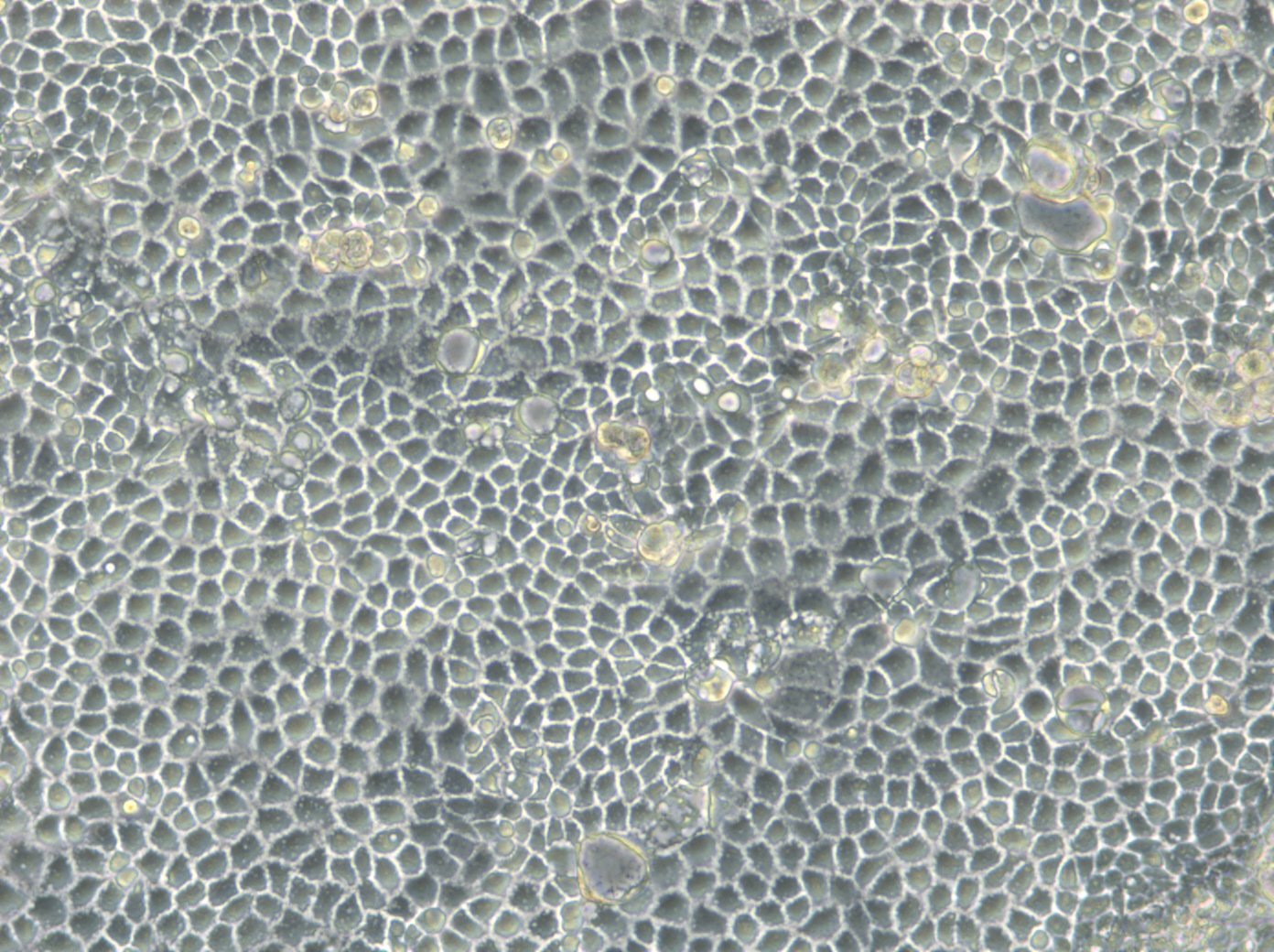
Caco-2 細胞系之所以脫穎而出,在於其在培養過程中能形成圓柱狀極化的單層結構。 其特徵在於頂端面會發育出能分泌酶的刷狀緣微絨毛,且相鄰細胞之間會形成均勻的緊密連接。這種形態特徵極其接近小腸的吸收性腸上皮細胞,這正是 Caco-2 細胞系在腸道研究中具有特別價值的原因。
穹頂形成與離子轉運
Caco-2 細胞系的另一項獨特之處在於,當細胞達到匯合狀態時,離子與水會透過極化單層進行單向流動,進而在培養物中形成穹頂。這些穹頂是有效離子轉運的視覺指標,也是高度分化且具功能性上皮層的標誌。
結腸上皮細胞標記物的表達
Caco-2 細胞表達結腸上皮細胞特有的標記物,而結腸上皮細胞是結腸中的主要上皮細胞。這使它們成為研究結腸生理學與病理學(包括藥物吸收與致癌作用)的重要模型。
後期傳代生長的影響
在後期傳代階段,Caco-2 細胞傾向於形成多層結構,而非維持單層結構。這種生長模式可能會影響 TEER 測量結果,因為多層結構可能會改變細胞層兩端的電阻,因此必須謹慎管理傳代過程,以確保結果的一致性。
異質性與亞群
Caco-2 細胞的培養本質上具有異質性,其中包含形態與功能各異的亞群。這種異質性既可能帶來挑戰,也可能帶來益處:一方面它反映了人類腸道組織中的多樣性,但另一方面也可能導致實驗結果出現變異。
將 Caco-2 細胞系的這些獨特屬性納入我們的理解之中,不僅能豐富我們對這些細胞在研究中應用方式的視野,也能讓我們更清楚地認識到,在利用它們模擬人體腸道吸收與轉運時,必須進行哪些謹慎的考量。

Applications of the Caco-2 Cell Line
Bioactive Food Components and Barrier Function
The Caco-2 cell line has been instrumental in exploring the interactions between the intestinal epithelium and various bioactive food components. This cell line offers an in-depth understanding of how microbiota and their metabolites, along with food digests, influence the intestinal epithelium's barrier function. Researchers utilize Caco-2 cells to monitor changes in permeability and the expression of tight junction proteins, thereby dissecting the epithelial transport mechanisms affected by dietary substances. These insights are crucial for determining the impact of food components on health and disease, providing valuable data for the design of functional foods.
A notable example from the literature involves the study of dietary polyphenols, which are abundant in fruits, vegetables, and other plant-based foods. Polyphenols are known for their antioxidant properties and potential health benefits. In one study, the effects of a specific polyphenol, resveratrol, were examined using the Caco-2 cell line. Resveratrol was found to enhance the integrity of the epithelial barrier by increasing the expression of tight junction proteins, leading to decreased permeability. This example underscores the value of the Caco-2 cell model in elucidating the mechanisms through which dietary components can modulate intestinal health, highlighting its pivotal role in nutritional research and the development of functional foods aimed at improving gut barrier function.
Analyzing Drug and Nutrient Transport Across the Intestinal Epithelium
Caco-2 cells indeed serve as a pivotal model system to differentiate the routes and methods by which substances traverse the intestinal barrier. These cells enable researchers to discern whether a compound's absorption occurs via paracellular or transcellular routes and to determine if the process is passive or requires energy-dependent carriers. This ability is crucial in pharmaceutical science for understanding the absorption and cellular transport of medication, which is vital for effective drug design, epithelial permeability studies, and exploring the potential of lipid nanoparticles in drug delivery systems for enhancing intestinal drug absorption.
A specific example from the literature that showcases the application of Caco-2 cells in studying transport mechanisms is a study where the transport of Quercetin and naringenin across human intestinal Caco-2 cells was investigated. The study aimed to understand the transcellular transport by Caco-2 cells, particularly how these compounds, which have potential health benefits, are absorbed in the intestine. This research contributes significantly to the pharmaceutical and nutritional fields by providing insights into how bioactive compounds in foods can influence health through absorption in the gastrointestinal tract.
Another study explored the experimental evaluation of the transport mechanisms of PoIFN-α in Caco-2 cells, focusing on the endocytosis pathways and intracellular trafficking within these cells. This research sheds light on the complex cellular processes involved in the uptake and transport of substances across the intestinal epithelium, further emphasizing the utility of Caco-2 cells in studying cellular transport mechanisms. These studies underscore the importance of Caco-2 cells in elucidating the mechanisms underlying intestinal drug absorption and the potential of lipid nanoparticles as carriers for improving drug delivery across the intestinal epithelium.Assessing Mucosal Toxicity
Investigating mucosal toxicity using the Caco-2 cell line provides a vital platform for assessing the safety profiles of potential pharmaceutical compounds and novel food ingredients with respect to the intestinal mucosa. This model system enables researchers to study the interaction of these substances with the intestinal lining, thereby predicting possible adverse effects within the human colon prior to clinical trials and consumption.
A notable study conducted with Caco-2 cells, alongside HT29-MTX cells, highlighted the model's effectiveness in evaluating cellular layer integrity and the potential toxic effects on the intestinal epithelium. By measuring transepithelial electrical resistance (TEER), the study demonstrated the Caco-2 model's utility in preclinical safety assessments, offering valuable insights that help in mitigating risks associated with new compounds and ingredients. This approach underscores the importance of the Caco-2 cell line in the early stages of drug development and food safety evaluation.
Transport and Bioavailability of Bioactive Compounds
The Caco-2 cell line is instrumental in assessing the transport mechanisms of bioactive compounds across the intestinal epithelial membrane. This model allows for the identification of compounds that possess the ideal physicochemical characteristics for passive diffusion, either through transcellular or paracellular pathways, in the intestinal epithelium. Moreover, Caco-2 cells enable the study of compound interactions during transport, which is crucial for pharmaceutical and supplement development.
A specific example illustrating the use of Caco-2 cells in this context is a study investigating the effect of curcumin on cholesterol absorption and cell proliferation in Caco-2 cells. The study revealed that curcumin could inhibit cell proliferation and reduce cholesterol absorption via specific signaling pathways, highlighting the potential of curcumin in preventing colorectal cancer and its utility in primary prevention strategies. This example underscores the Caco-2 cell line's role in understanding how different formulations impact intestinal cholesterol transport and the cellular mechanisms involved.
Another study explored the trans-epithelial transport of olive seed-derived cholesterol-lowering bioactive peptides using differentiated Caco-2 cells. This research demonstrated the peptides' ability to modulate intracellular cholesterol metabolism, highlighting the potential of food-derived bioactive peptides in managing cholesterol levels and the importance of Caco-2 cells in evaluating their intestinal transport and metabolic stability.
Investigating Intestinal Efflux Systems
The Caco-2 cell line is instrumental in understanding the function and molecular details of intestinal epithelium efflux systems, such as P-glycoprotein, crucial for drug development. This model aids in identifying how drug candidates interact with efflux transporters, impacting drug absorption and efficacy, and optimizing formulations for better therapeutic outcomes. A study detailed in the Journal of Pharmacy and Pharmacology explores this application, showcasing Caco-2's role in evaluating drug permeability in line with FDA guidelines.

Advantages of the Caco-2 Cell Line
While it is challenging to list all the potential benefits of the Caco-2 cell line, here are some of its advantages:
- Fast Differentiation: Caco-2 cells differentiate rapidly to express mature small intestinal enterocytes' morphological and functional properties.
- High TEER Values: The polarized Caco-2 cell layer exhibits TEER (transepithelial electrical resistance) values that are four times higher than those of HT29 monolayers, making them a valuable tool for studying epithelial barrier function.
- Cholesterol Transport: The Caco-2 cell line is an excellent model for studying how cholesterol moves through the body and the expression of cholesterol transporters.
- Expression of Receptors and Enzymes: Caco-2 cells express most receptors, transporters, and drug-metabolizing enzymes found in normal epithelium, such as aminopeptidase, esterase, and sulfatase.
- Lack of P-450 Enzyme Activity: Notably, the Caco-2 cell line does not exhibit P-450 metabolizing enzyme activity, which is useful when studying drug metabolism pathways that do not involve this enzyme family.

Limitations of the Caco-2 Cell Model
While the Caco-2 cell model is a valuable tool for investigating intestinal epithelial features, it has several limitations when compared to normal intestinal epithelium:
- Multiple Cell Types: Normal human epithelium contains more than one cell type, not only enterocytes, whereas the Caco-2 cell line only contains enterocytes.
- Absence of Mucus and Unstirred Water Layer: When using the Caco-2 cell line, mucus and the unstirred water layer near the epithelium is absent.
- Non-Cellular Parameters: Several non-cellular parameters, such as bile acids and phospholipids, will affect the absorption of a particular compound in cells. In vivo, compound solubility in the mucus layer plays a role in absorption, and the unstirred water layer near the epithelium will significantly impact uptake.
Unlocking Research Potential: The Essential Caco-2 Cell Line
Related Cell Lines to Caco-2 Cells
All cell lines mentioned below are used as in vitro models of the intestinal epithelial barrier and have diverse characteristics and applications in research.
| Cell Line | Source | Characteristics and Applications |
|---|---|---|
| HCT-8 | Human ileocecal adenocarcinoma cells | Similar to Caco-2 cells and used in toxicological and cancer research |
| IEC 6 | Rat small intestine epithelial cells | Typical in vitro model of the intestinal epithelial barrier and essential for digestion, nutrition absorption, and defense against microbial infections |
| HT29 | Epithelial-like cells isolated from a primary colon tumor of a 44-year-old female patient with colon adenocarcinoma | Useful for studies in oncology and toxicity and may serve as a transfection host |
| HT29-MTXE12 | Mucous-secreting cell line derived from HT29 cells | Forms tight junctions and produces mucus, similar to gastric cells and Caco-2 cells |
| HT29-MTX | HT29 subclones differentiated into mature goblets with methotrexate | Useful for studying the differentiation and maturation of goblet cells in the colon |
Handling and Culturing Caco-2 Cells
Culturing Caco-2 cells requires meticulous attention to the original cell line's properties and the maintenance of epithelial cell monolayers. Ensuring proper intestinal permeability models and studying the intestinal mucosa's features and mechanisms demand a standardized approach across different laboratories. While Caco-2 cells are invaluable in vivo models, researchers must acknowledge the difference from the vivo situation and adapt their methodologies accordingly, particularly when considering the relevance to human health.
Protocol for the subculturing of Caco-2 cells:
- Remove the culture media and wash the adhering cells with phosphate-buffered saline (PBS) without calcium and magnesium ions (3-5 ml PBS for T25 and 5-10 ml for T75 cell culture flasks).
- Completely cover the cell sheet with Accutase (1-2 ml per T25, 2.5 ml per T75 cell culture flask) and leave it at room temperature for 8-10 minutes.
- Reconstitute the cells in fresh media (10 ml), centrifuge for 3 minutes at 300 g, and carefully transfer the cells to new flasks.
- For recovery from the freezing procedure, allow the cells at a density of 5 x 10⁴ cells/cm2 to stick to the plate for at least 24 hours after thawing.
- The doubling time for Caco-2 cells is 60-70 hours, and the recommended split ratio is 1:2 to 1:3. 90 percent monolayer confluence is reached at 1 x 10⁴ cells/cm2 after four days.
- Replace the medium for confluent cultures every two to three days or less frequently if they are not sub-cultured.
Conclusion
In conclusion, while Caco-2 cells are invaluable in vitro models for studying intestinal absorption and barrier function, they do not represent enteroendocrine cells or other specialized cell types found in vivo. Despite their origins from colorectal adenocarcinoma, Caco-2 cells have been widely adopted in intestinal absorption studies and serve as essential cellular model systems for understanding drug transport mechanisms. Researchers utilize various tools such as tissue culture inserts and measurements of transepithelial resistance (TEER) to study transepithelial transport of drugs and food components. However, it's essential to acknowledge the limitations of Caco-2 cells, including their inability to fully replicate the brush border layer and interactions with other cell types such as epithelium and fibroblasts. Incorporating Caco-2 cells into research protocols requires careful consideration of their advantages and disadvantages and adherence to general protocols for culturing and experimentation.