
Células mioblásticas C2C12: Pioneiras na pesquisa em biologia muscular e regeneração
Reconhecidas no campo da biologia e regeneração muscular, as células mioblásticas C2C12 constituem uma ferramenta indispensável para pesquisadores que investigam as complexidades da formação, diferenciação e dinâmica molecular do músculo esquelético. Essa linhagem celular derivada de camundongos oferece uma plataforma robusta para explorar os fundamentos celulares e genéticos da função e da reparação muscular.
- Meio de crescimento
- Consulte a página do produto
- Tempo de duplicação
- Consulte a página do produto
- Tipo de crescimento
- Adere
- Nível de biossegurança
- BSL-1
- Disponível na
- Cytion — Encomende C2C12
Antes de iniciar sua jornada com as células C2C12, é fundamental conhecer suas origens, características e aplicações. Esta visão geral fornece informações essenciais sobre:
- Explorando os fundamentos das células mioblásticas C2C12
- Informações sobre o cultivo das células C2C12
- Linha celular C2C12: vantagens e limitações
- Eleve o nível de sua pesquisa com as células C2C12
- Aplicações de pesquisa da linha celular C2C12
- Protocolo de transfecção para células C2C12
- Protocolo de diferenciação para células C2C12
- Recursos para a linha celular C2C12: protocolos, vídeos e muito mais
- Células C2C12: Publicações de pesquisa
- Perguntas frequentes sobre as células C2C12
- Perguntas frequentes
Explorando os fundamentos das células mioblásticas C2C12
Compreender a origem das células C2C12 e suas propriedades únicas é fundamental para aproveitar seu potencial na pesquisa. Esta seção esclarece:
- A origem das células C2C12 remonta ao trabalho pioneiro de Yaffe e Saxel em 1977, que estabeleceram essa linhagem a partir do músculo da coxa de um camundongo C3H de dois meses de idade, após uma lesão por esmagamento. Essa história de origem destaca a resiliência e a capacidade regenerativa dessas células.
- Em cultura, as células C2C12 exibem notável adaptabilidade, prosperando em condições de alto teor de soro para proliferação e fazendo a transição para a formação de miotubos quando submetidas a condições de baixo teor de soro em sistemas de cultura com substituição de soro, passando por um processo de diferenciação, mudando de mioblastos em proliferação para miotubos maduros. Essa transição é guiada por uma rede bem orquestrada de sinais, desde mudanças metabólicas intracelulares até alterações nos transportadores de membrana, proporcionando uma visão sobre a adaptação e a especialização celular.
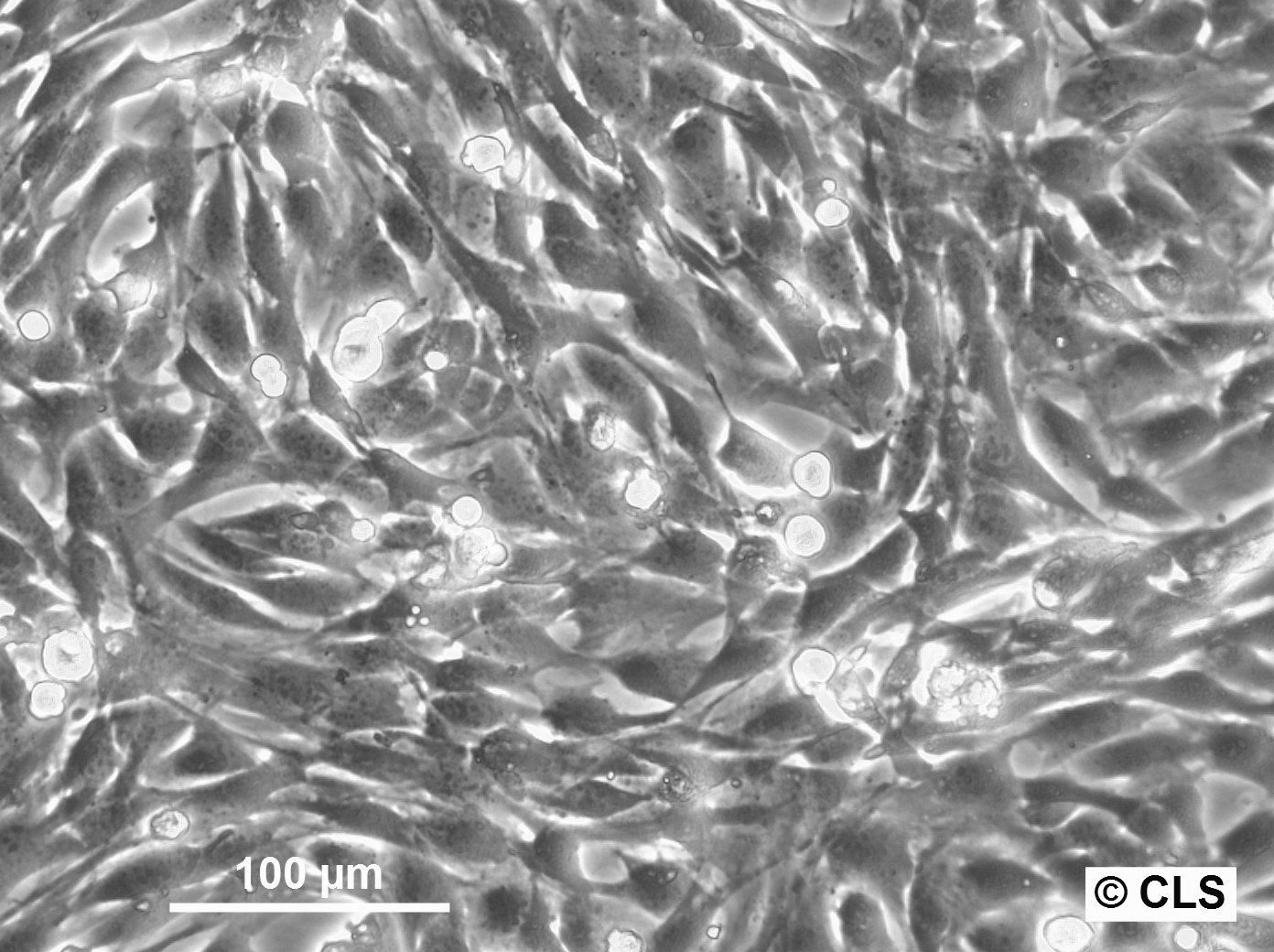
- A morfologia distinta semelhante à dos mioblastos das células C2C12, caracterizada por ramificações radiais e fibras alongadas, oferece um modelo dinâmico para o estudo do comportamento e das interações das células musculares.
- Mantendo um estado cromossômico diplóide, as células C2C12 oferecem uma base genética estável para experimentos, garantindo consistência e confiabilidade nos resultados da pesquisa.
Embarque em uma jornada de pesquisa com as células mioblásticas C2C12 para revelar novas dimensões na biologia e regeneração muscular, aproveitando seu potencial para aprofundar nossa compreensão das doenças musculares e das estratégias terapêuticas.
Informações sobre o cultivo de células C2C12
As células C2C12, amplamente reconhecidas por seu papel na pesquisa em biologia muscular, requerem condições específicas para um crescimento e diferenciação ideais. Aqui estão os pontos-chave a serem considerados ao cultivar mioblastos C2C12:
Tempo de duplicação: As células C2C12 geralmente apresentam um tempo de duplicação de 12 a 24 horas, o que indica sua rápida taxa de proliferação em condições ideais.
Tipo de célula: Esses mioblastos são aderentes, exigindo uma superfície adequada para fixação e crescimento.
Densidade de semeadura: A densidade ideal de semeadura para as células C2C12 é de cerca de 1 x 10^4 células/cm^2. Nessa densidade, as células geralmente atingem a confluência em aproximadamente 4 dias, tornando crucial o monitoramento da confluência celular para evitar o crescimento excessivo.
Meio de crescimento: O meio recomendado para o cultivo de células C2C12 é o RPMI 1640, enriquecido com 10% de soro fetal bovino (FBS) e 2,1 mM de L-glutamina. Esse meio atende às necessidades nutricionais das células e promove uma proliferação saudável.
Condições de crescimento: O cultivo é melhor realizado a 37 °C em uma incubadora umidificada com 5% de CO₂, criando um ambiente que imita as condições fisiológicas.
Armazenamento: Para preservação de longo prazo, as células C2C12 são armazenadas na fase de vapor de nitrogênio líquido ou em freezers de temperatura ultrabaixa, mantendo temperaturas abaixo de -150 °C.
Congelamento e descongelamento: Utilizando meios de congelamento CM-1 ou CM-ACF, recomenda-se um método de congelamento lento para reduzir gradualmente a temperatura e preservar a viabilidade celular. Após o descongelamento, as células são suavemente ressuspensas em meio fresco, centrifugadas para remover o meio de congelamento e, em seguida, transferidas para novos frascos de cultura.
Biossegurança: O cultivo de células C2C12 requer um ambiente de nível 1 de biossegurança, garantindo práticas seguras de manuseio e manutenção dentro do laboratório.
O cumprimento desses parâmetros de cultura garante a saúde e a viabilidade das células C2C12, facilitando o sucesso dos experimentos e dos resultados de pesquisa na biologia muscular e em outras áreas.

Linha celular C2C12: vantagens e limitações
A linha celular de mioblastos de camundongo C2C12, derivada do tecido muscular esquelético, é amplamente reconhecida no campo da pesquisa biomédica por seu conjunto único de vantagens e limitações.
Vantagens
Bem caracterizadas: as células C2C12 foram amplamente estudadas, proporcionando uma compreensão profunda de suas propriedades fisiológicas e biológicas, como morfologia, potencial de diferenciação e resposta a diversos estímulos. Essa caracterização minuciosa garante confiabilidade e reprodutibilidade nos resultados das pesquisas.
Diferenciação muscular: Um dos principais pontos fortes das células C2C12 é sua capacidade de se diferenciar em miotubos, imitando o desenvolvimento das células musculares. Isso as torna uma ferramenta essencial para explorar a biologia muscular, incluindo a formação e o desenvolvimento das células musculares, bem como a expressão de proteínas contráteis, que são cruciais para a função muscular.
Modelo versátil para a biologia celular: Como um modelo bem documentado, as células C2C12 oferecem insights sobre inúmeros processos celulares, incluindo respostas ao estresse oxidativo, metabolismo da glicose, sinalização da insulina e os mecanismos subjacentes à resistência à insulina. Seu uso facilita uma compreensão mais profunda desses processos, tanto no nível celular quanto no molecular.
Limitações
Diferenças específicas da espécie: Por se tratar de uma linhagem celular derivada de camundongos, as células C2C12 podem não reproduzir perfeitamente a biologia muscular humana. Diferenças na expressão gênica, no metabolismo celular e nas respostas fisiológicas entre camundongos e seres humanos podem limitar a aplicabilidade direta dos resultados da pesquisa às condições humanas.
Esses aspectos destacam o papel fundamental das células C2C12 na pesquisa muscular, ao mesmo tempo em que ressaltam a importância de levar em conta suas limitações, especialmente ao extrapolar dados para a biologia humana.
Elevate Your Research with C2C12 Cells
Research Applications of the C2C12 Cell Line
Explore the diverse research applications of the C2C12 mouse cell line.
Study of Muscle Biology: C2C12 cells serve as a robust in vitro model for muscle biology research, allowing for studies on muscle development, metabolism, and differentiation. These cells can differentiate into muscle-like cells, providing insights into myotube formation and muscle regeneration mechanisms. A notable study highlighted the role of TGF-β1 and microRNA-22 in C2C12 cell functions, emphasizing their regulatory impact on cell proliferation and differentiation.
Drug Screening and Toxicity Testing: The C2C12 cell line is instrumental in evaluating potential therapeutics for muscle disorders. It offers a platform to assess drug effects on muscle cell metabolism and differentiation. Research has shown the beneficial effects of Cnidoscolus aconitifolius leaf extract on C2C12 cells, enhancing fatty acid oxidation and mitochondrial bioenergetics, while Moringa oleifera leaf extract has been found to protect C2C12 myotubes from oxidative stress. C2c12 cells are invaluable in screening epigenetic drugs that might affect muscle differentiation or myofilament protein concentration. The epigenetic drug model allows researchers to observe follistatin expression and smad1 phosphorylation, crucial factors in muscle stem cell maturation and regeneration.
- 3D Tissue Constructs and Skeletal Muscle Tissue Development: Utilizing c2c12 myoblast culture medium, scientists have successfully cultivated myoblasts and myotubes in dimensional cell cultures that mimic the structure and function of skeletal muscle tissue. These 3d tissue constructs offer a detailed model for studying sarcomera formation, the basic unit of muscle contraction. By providing a three-dimensional framework, such constructs contribute significantly to our understanding of myogenesis and the development of different muscle phenotypes, shedding light on the complex orchestration of other proteins and contractile protein content during muscle formation.
Skeletal Muscle Cell Production: The ultimate goal remains the practical application of this research to in vivo muscle maturation and skeletal muscle cell production, aiming to repair or replace damaged tissue in clinical settings. Satellite cell culture, combined with conventional serum supplementation culture, lays the groundwork for developing therapies that could revolutionize the treatment of muscle-related diseases.
Sarcomere Formation and Contractile Function: Sarcomere formation within myotubes derived from C2C12 cells is a primary area of interest for researchers. The sarcomeres are the fundamental contractile units of muscle cells, and their proper assembly is crucial for muscle function. The study of these structures provides valuable information about the contractile protein content and overall muscle health, especially when C2C12 cells are subjected to various drugs that may influence these processes.
Transfection Protocol for C2C12 Cells
Materials Needed:
C2C12 myoblast cells
Growth medium: DMEM with 10–20% FBS
Transfection reagent (e.g., Lipofectamine)
Plasmid DNA or siRNA
Opti-MEM or similar serum-free media
6-well plates or culture dishes
Incubator set at 37°C with 5% CO2
Procedure:
Cell Seeding:
One day before transfection, seed C2C12 cells into a 6-well plate to ensure they will be 70–80% confluent at the time of transfection.
DNA-Reagent Mixture:
Dilute the plasmid DNA or siRNA in Opti-MEM (without serum) to a final volume that allows for an optimal DNA-to-reagent ratio.
Mix the transfection reagent with Opti-MEM in a separate tube and incubate at room temperature for 5 minutes.
Combine the DNA and reagent mixtures and incubate for 20 minutes at room temperature to allow complex formation.
Transfection:
Remove the growth medium from the cells and replace it with the DNA-reagent complex in Opti-MEM.
Incubate cells with the transfection mixture for 4-6 hours in the incubator.
Medium Replacement:
After incubation, replace the transfection mixture with fresh growth medium and return the cells to the incubator.
Expression Analysis:
Analyze the transfection efficiency after 24-48 hours by checking for the expression of the transfected gene or the effects of the siRNA.
Differentiation Protocol for C2C12 Cells
Materials Needed:
C2C12 myoblast cells
Growth medium: DMEM with 10–20% FBS
Differentiation medium: DMEM with 2% horse serum
6-well plates or culture dishes
Incubator set at 37°C with 5% CO2
Procedure:
Cell Seeding:
Seed C2C12 cells into a 6-well plate or culture dish and grow them in growth medium until they reach full confluence.
Induction of Differentiation:
Once the cells are confluent, aspirate the growth medium and replace it with differentiation medium.
The low serum concentration is crucial for initiating differentiation.
Maintenance:
Change the differentiation medium every day to provide fresh nutrients and remove cellular debris.
Monitoring Differentiation:
Observe the cells daily under the microscope. Within 1-2 days, you should see the myoblasts align and fuse to form myotubes.
Full differentiation and myotube formation typically occur within 3–5 days.
Analysis:
After 5-7 days, differentiated myotubes should be ready for downstream applications such as immunofluorescence or protein expression analysis.
Note: The exact conditions for transfection and differentiation (like the concentration of the transfection reagent or the serum percentage in the differentiation medium) may vary and should be optimized based on specific experimental needs. Always consult the product datasheets or scientific literature for optimal conditions.
Resources for C2C12 Cell Line: Protocols, Videos, and More
Discover valuable C2C12 cell line resources:
C2C12 Transfection Protocol: A comprehensive video tutorial detailing in vitro transfection for C2C12 cells.
C2C12 Myoblasts: This protocol guide covers the essentials of passaging and transfecting C2C12 muscle cells.
C2C12 Culture: Offers key insights for culturing and differentiating C2C12 cells.
C2C12 Differentiation: This document provides a detailed guide on growing and differentiating C2C12 cells from frozen cultures.
C2C12 Cells: Research Publications
Highlighted below are significant publications featuring C2C12 cells:
Interleukin-6 Induces Myogenic Differentiation via JAK2-STAT3 Signaling: This 2019 study in the International Journal of Molecular Sciences investigates the role of IL-6 in myogenic differentiation of C2C12 cells, shedding light on the underlying JAK2/STAT3 signaling pathway.
Impact of Rubus Anatolicus Leaf Extract on Glucose Metabolism: Published in 2023, this research explores the glucose metabolism modulation by Rubus Anatolicus in C2C12 and other cell lines, suggesting its potential in enhancing glycogenesis.
Myostatin's Reduced Effect on C2C12 Cell Differentiation: This 2020 Biomolecules paper discusses how C2C12 cell differentiation significantly diminishes the impact of myostatin on intracellular signaling, providing new insights into muscle development.
Genistein's Effects on Insulin Pathway-Related Genes: A 2018 study in Folia Histochemica et Cytobiologica utilizing differentiated C2C12 cells to assess genistein's influence on insulin pathway genes.
Moringa Oleifera's Role in Oxidative Metabolism: This Phytomedicine Plus (2021) research posits that Moringa Oleifera leaf extract promotes mitochondrial biogenesis in C2C12 myotubes through the SIRT1-PPARα pathway.
Frequently asked questions about C2C12 cells
References
- Denes, L.T., et al., Culturing C2C12 myotubes on micromolded gelatin hydrogels accelerates myotube maturation. Skeletal muscle, 2019. 9(1): p. 1-10.
- Wong, C.Y., H. Al-Salami, and C.R. Dass, C2C12 cell model: its role in understanding of insulin resistance at the molecular level and pharmaceutical development at the preclinical stage. J Pharm Pharmacol, 2020. 72(12): p. 1667-1693.
- Wang, H., et al., miR-22 regulates C2C12 myoblast proliferation and differentiation by targeting TGFBR1. European Journal of Cell Biology, 2018. 97(4): p. 257-268.
- Avila-Nava, A., et al., Chaya (Cnidoscolus aconitifolius (Mill.) IM Johnst) leaf extracts regulate mitochondrial bioenergetics and fatty acid oxidation in C2C12 myotubes and primary hepatocytes. Journal of Ethnopharmacology, 2023. 312: p. 116522.
- Ceci, R., et al., Moringa oleifera leaf extract protects C2C12 myotubes against H2O2-induced oxidative stress. Antioxidants, 2022. 11(8): p. 1435.