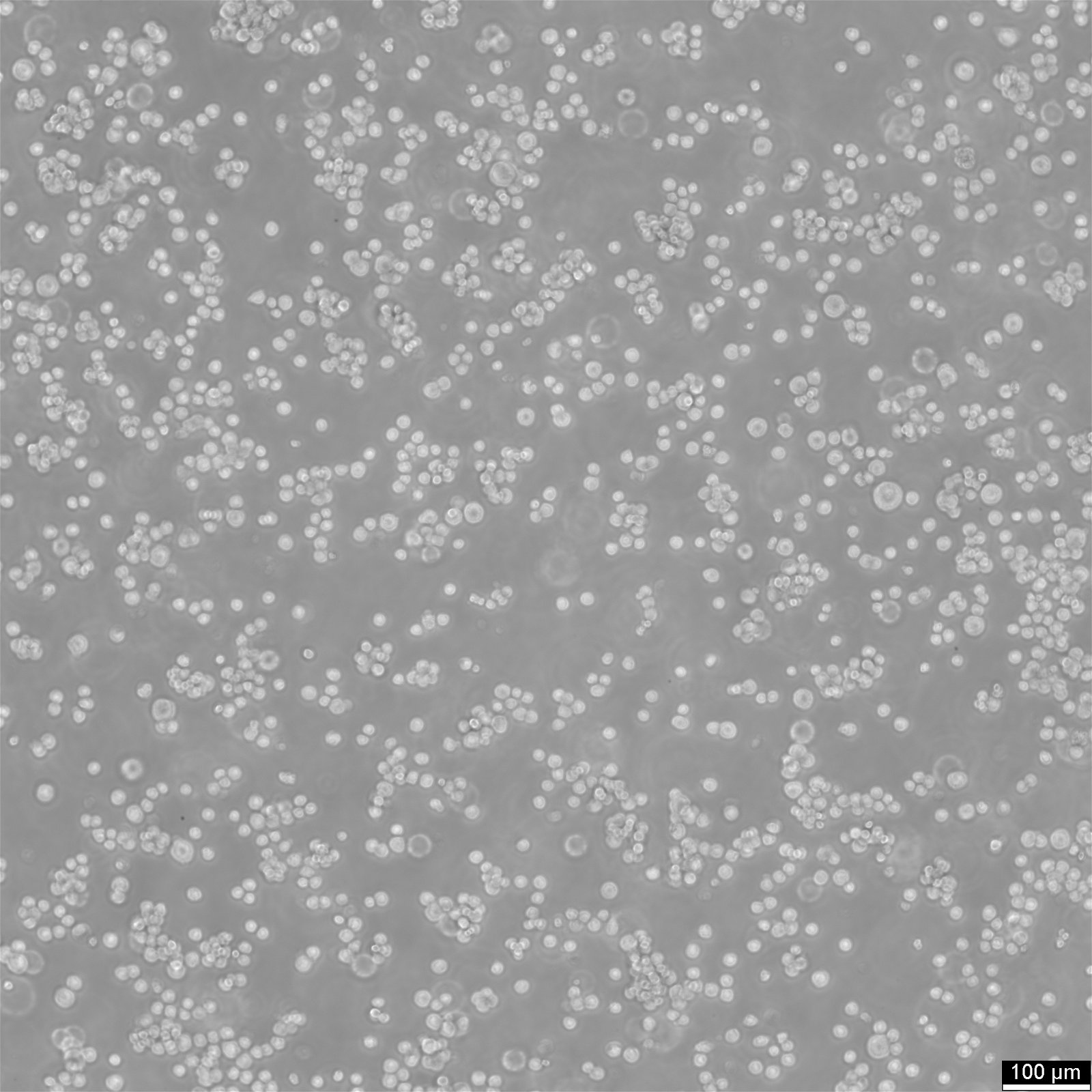
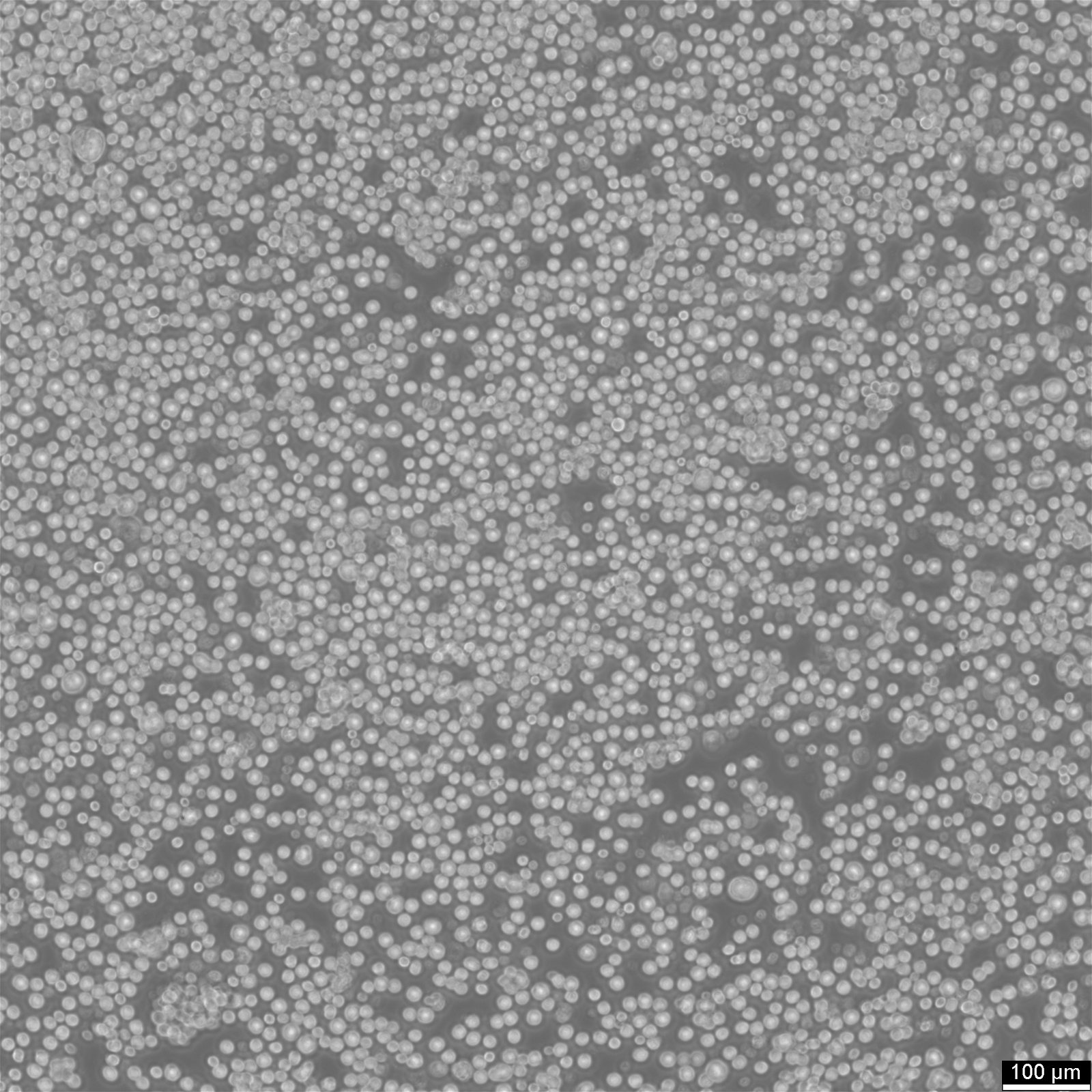
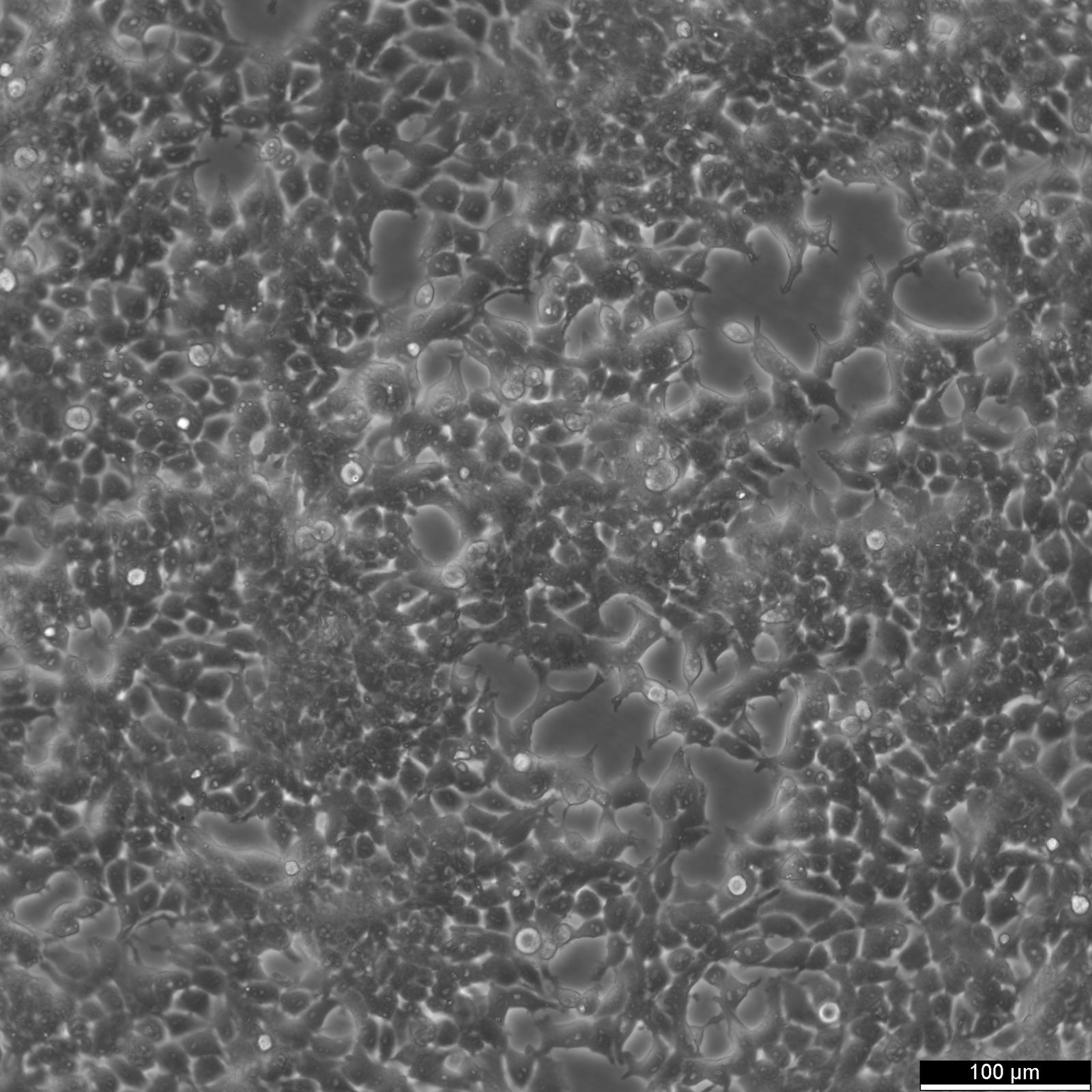
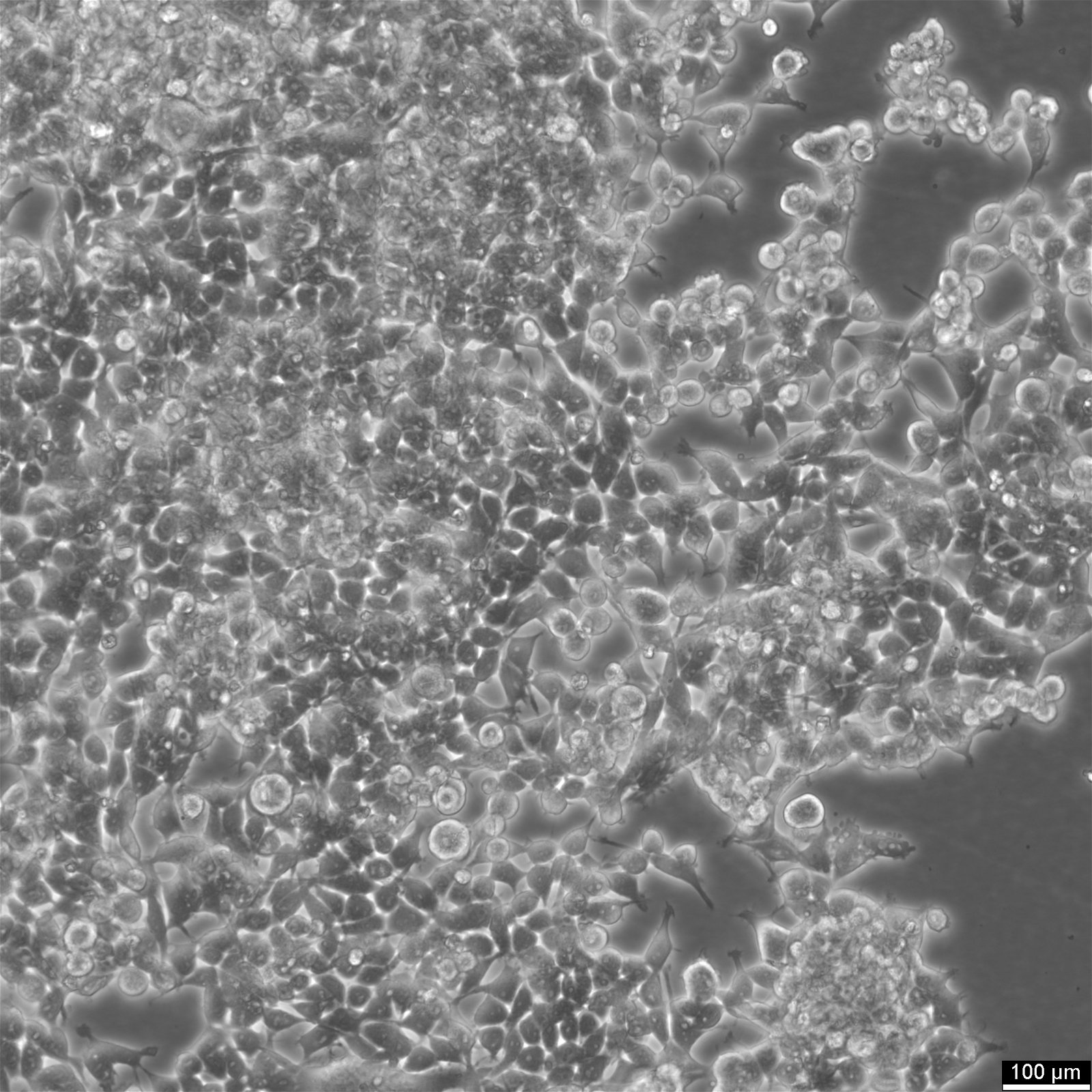
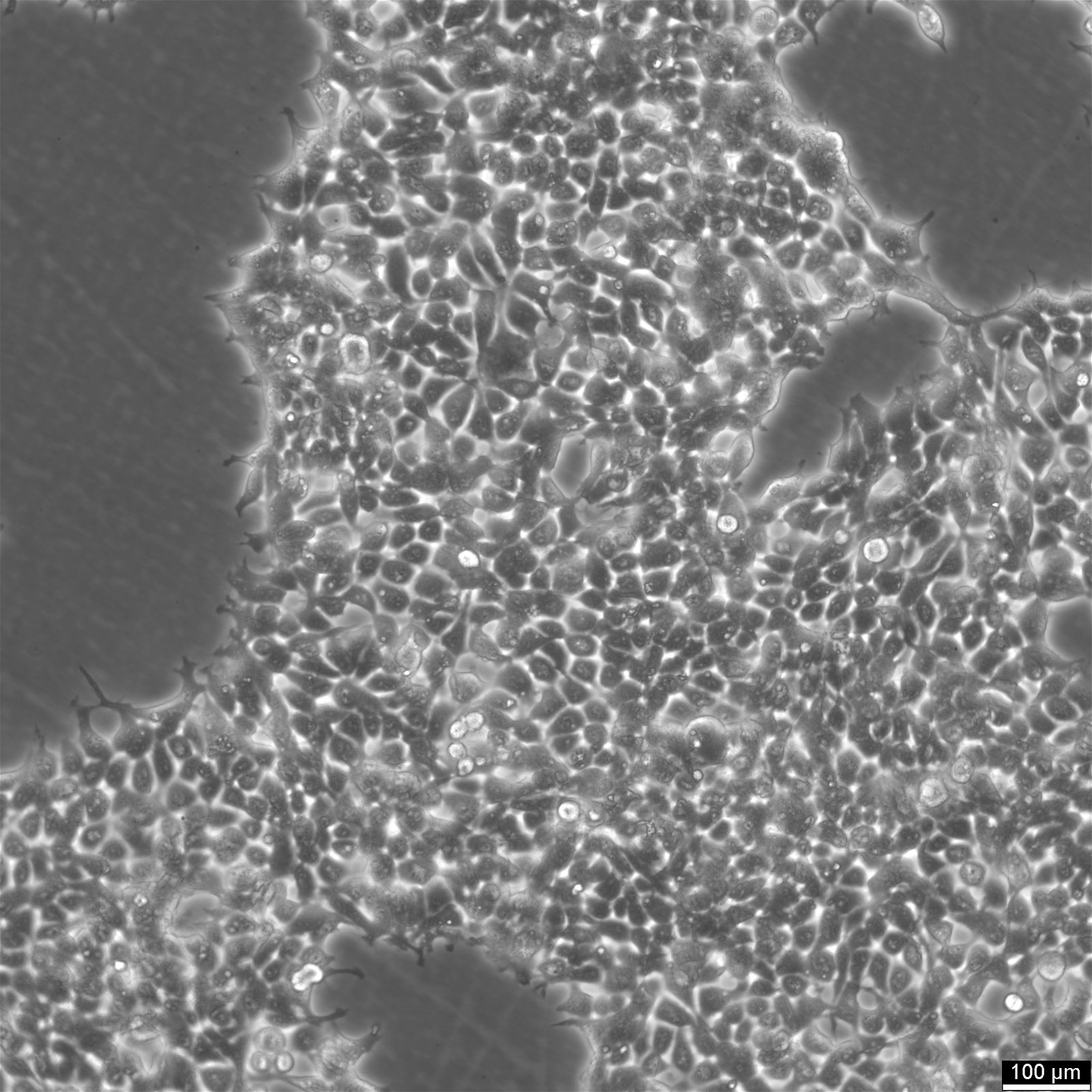
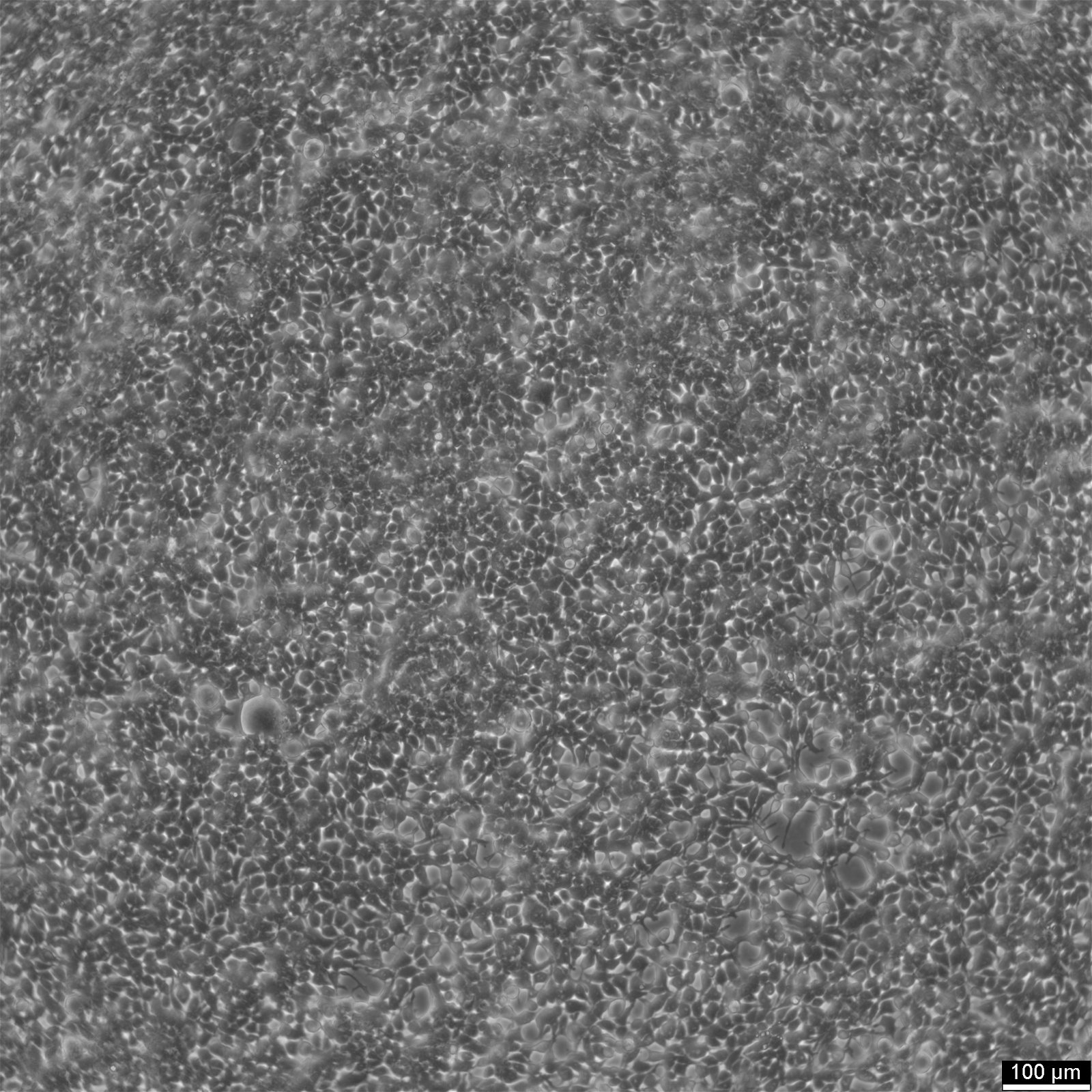
HEK293 suspension-adapted
759,00 CAD$*
Products are shipped frozen on dry ice in cryotubes. Each cryotube typically contains 3 × 10⁶ cells for adherent lines or 5 × 10⁶ cells for suspension lines (refer to the batch CoA for details).
Renseignements généraux
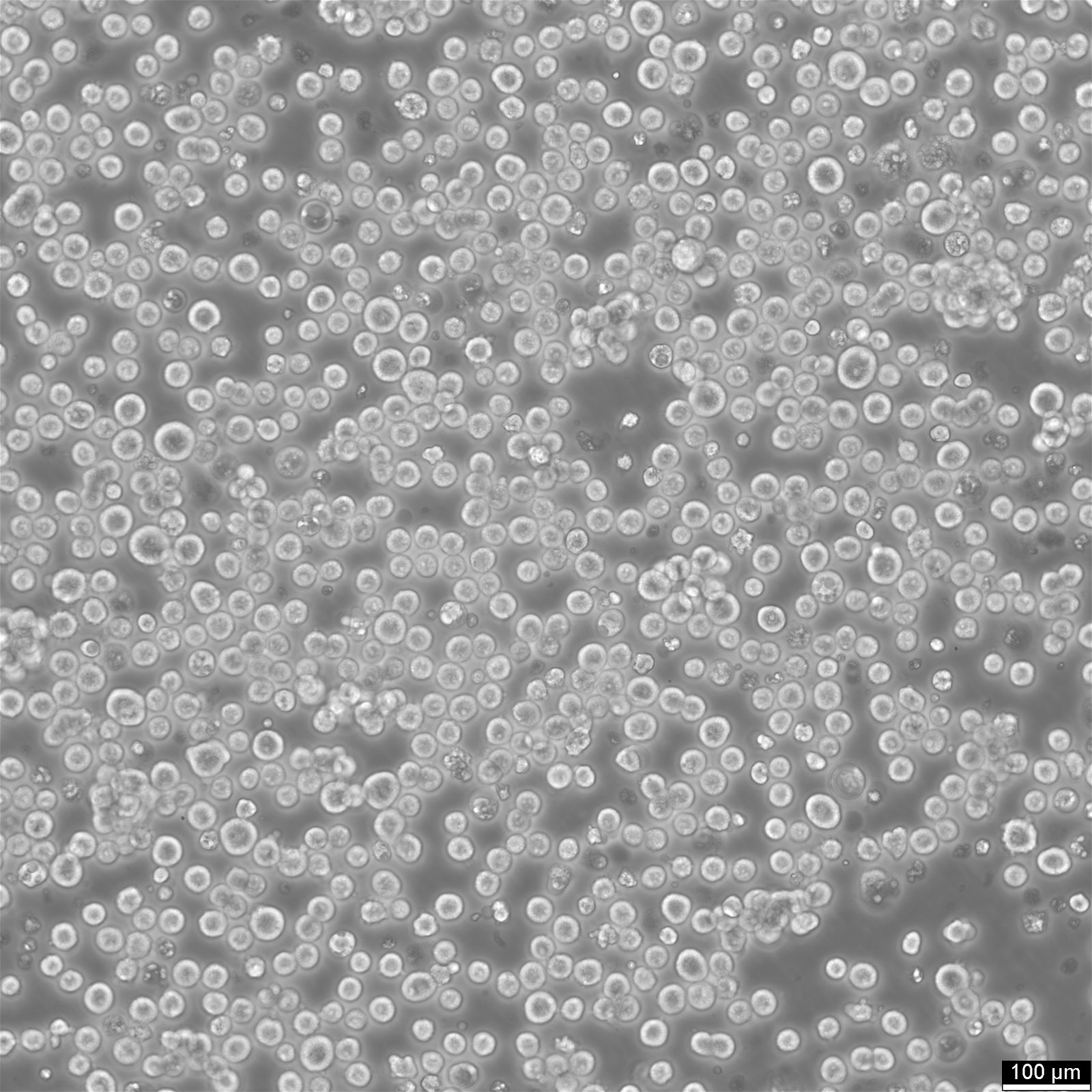
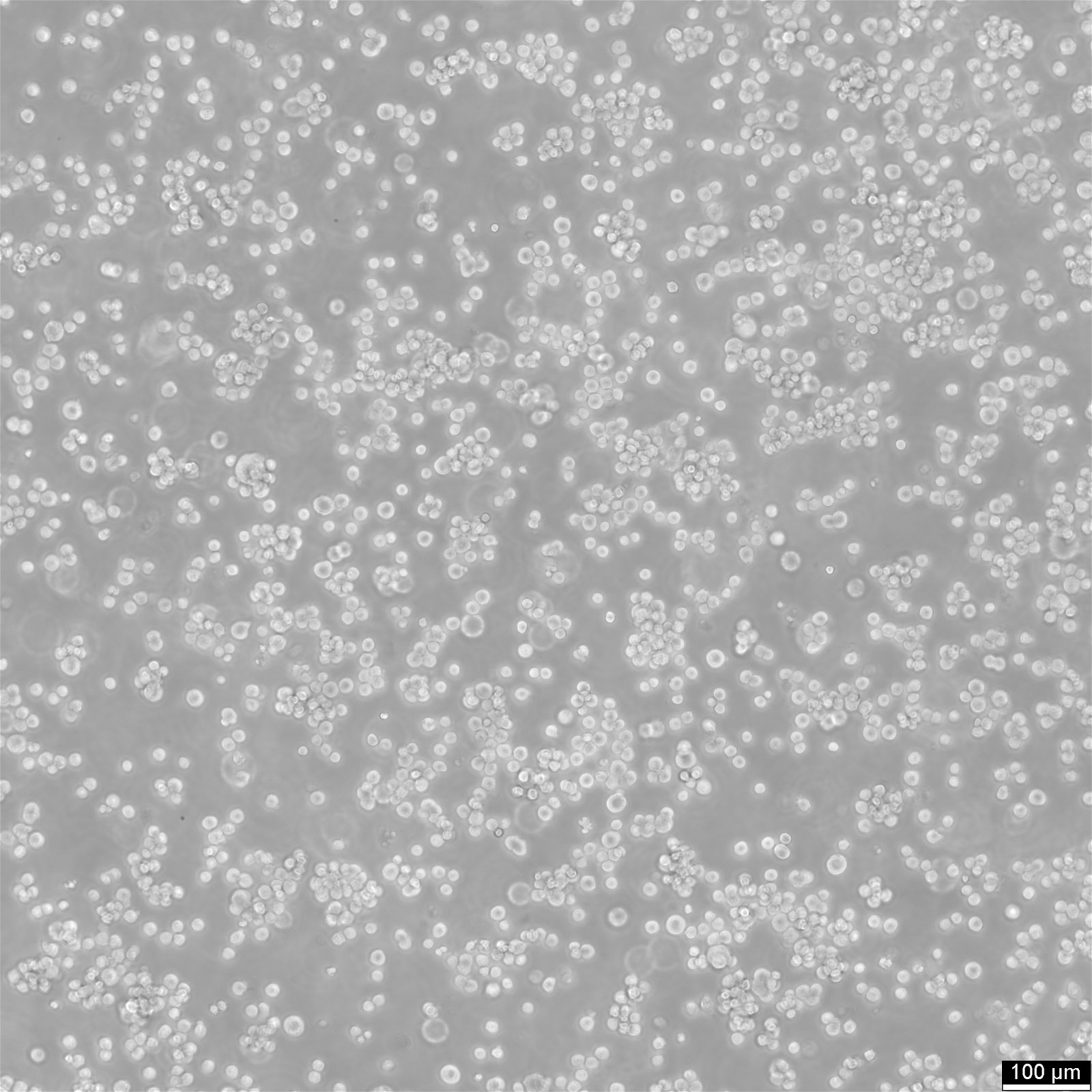
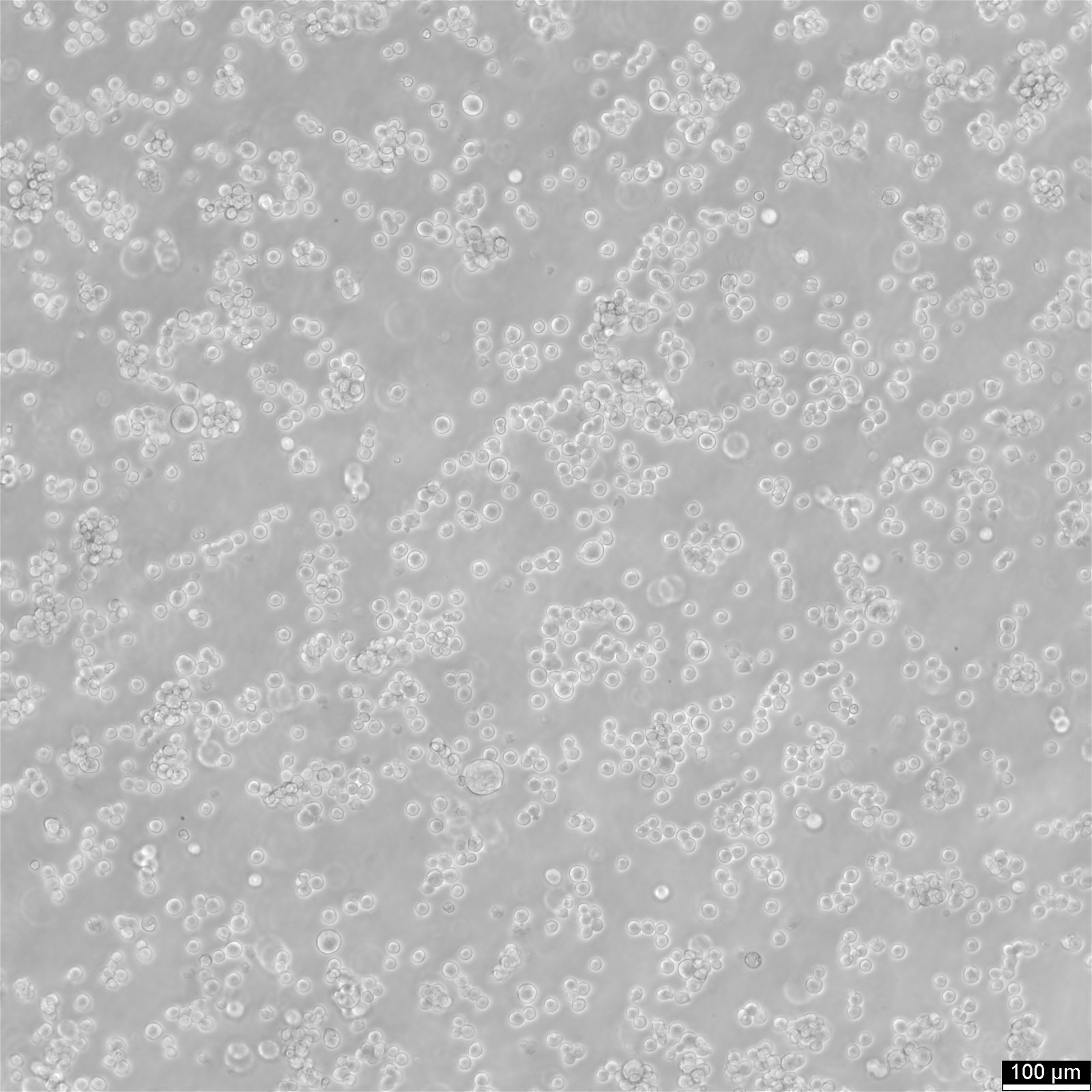
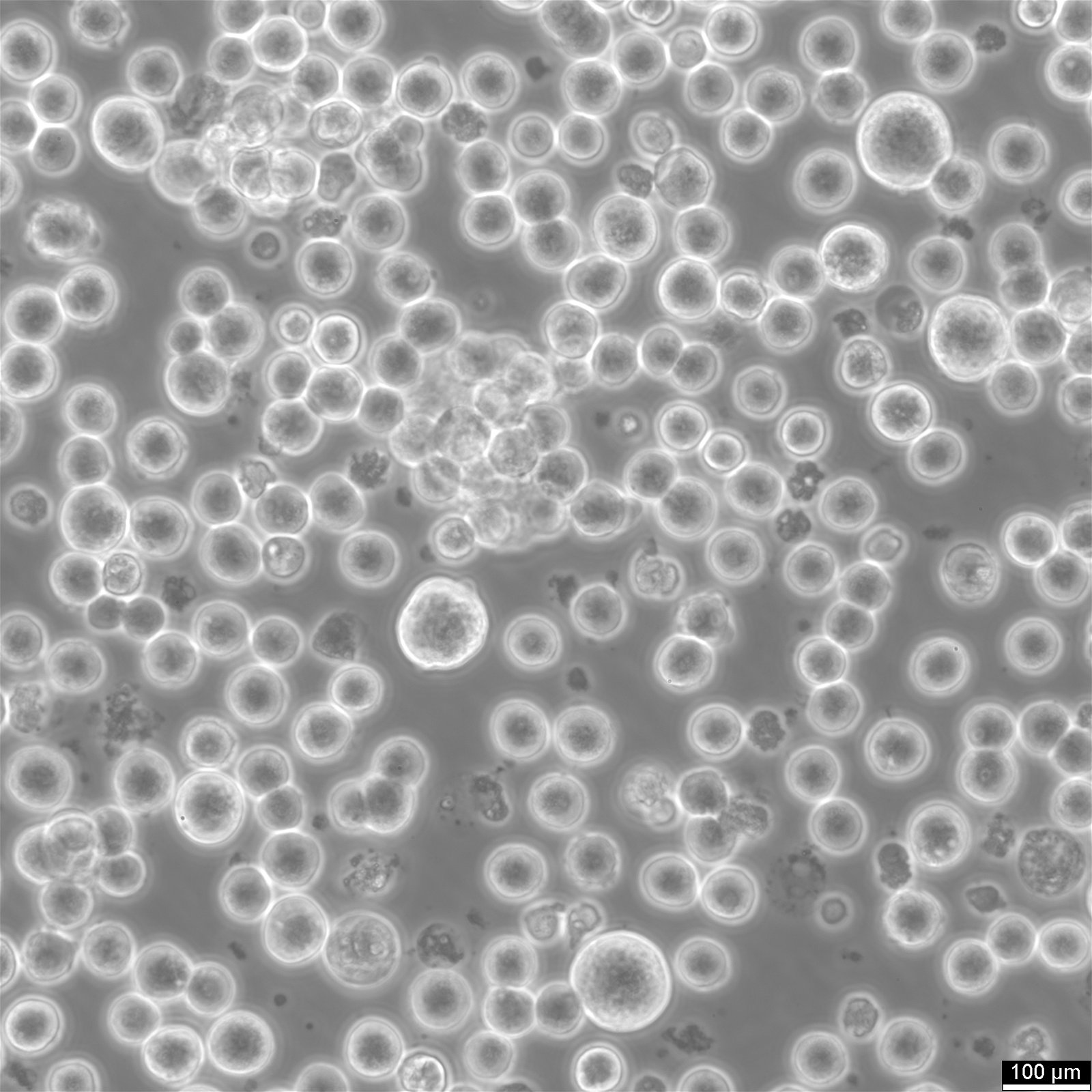
| Description | The HEK293 suspension-adapted cell line is a variant of the human embryonic kidney 293 (HEK293) cells that has been modified to grow in suspension culture rather than adherent culture. This adaptation is significant for industrial applications where large-scale protein production is required. The cells maintain many of the characteristics of the original HEK293 line, including a robust transient transfection efficiency and the ability to post-translationally modify expressed proteins in a manner similar to that of native human cells. These cells are particularly valued in the biotechnology and pharmaceutical industries for the production of recombinant proteins and viruses for gene therapy and vaccine development. The adaptation to suspension culture allows for easier scalability and simplifies the harvesting process, making it more suitable for commercial-scale bioprocessing. The HEK293 suspension-adapted cell line supports various viral production systems, including adenovirus, lentivirus, and adeno-associated virus (AAV), which are pivotal in therapeutic applications and research. Overall, the HEK293 suspension-adapted cell line is a crucial tool in the fields of molecular biology and bioprocessing, providing a versatile platform for the production of various biologically active molecules. Its ease of genetic manipulation and ability to produce proteins that are correctly folded and post-translationally modified according to human cell patterns make it an indispensable resource in many advanced therapeutic and research settings. |
|---|---|
| Organisme | Human |
| Tissu | Kidney |
| Applications | Transfection host |
Caractéristiques
| Âge | Fetus |
|---|---|
| Genre | Female |
| Morphologie | Round |
| Propriétés de croissance | Suspension |
Données réglementaires
| Référence | HEK293 suspension-adapted (Cytion catalog number 300686) |
|---|---|
| Niveau de biosécurité | 1 |
| NCBI_Numéro d'identification fiscale | 9606 |
| Cellosaurus - Numéro d'enregistrement | CVCL_0045 |
| Statut OGM | GMO-S1: This suspension-adapted HEK293 cell line contains adenovirus 5-derived E1 sequences from the parental HEK293 line, supporting high proliferative and protein expression capacity. The modification is stably present in transformed embryonic kidney cells. This classification applies only within Germany and may differ elsewhere. |
Données biomoléculaires
| Récepteurs exprimés | Vitronectin |
|---|---|
| Expression des protéines | CEA negative, p53 positive |
| Tumorigène | In nude mice |
| Sensibilité aux virus | Transformed with adenovirus 5 DNA adenovirus 5 DNA |
Manipulation
| Milieu de culture | Panserin 293S (PanBiotech, Germany) |
|---|---|
| Suppléments | No supplements required |
| Réactif de dissociation | Not required |
| Repiquage | Maintain the suspension cells at cell densities between 5 x 10⁵ and 2-3 x 10⁶ cells/ml in Eppendorf cell culture flasks on a shaker inside an incubator at 37°C/5% CO2. Subculture once the cell density has reached 2-3 x 10⁶ cells/ml. Carefully dislodge the cells to avoid cluster. Once the cell density of 1-2 x 10⁶ cells/ml is achieved, collect the cells by centrifuging at 200xg for 5 min and discard the supernatant. Dilute in an appropriate volume of fresh, prewarmed culture medium and count the cells to get information on the viability and number of cells. Collect the cells by ccentrifuging at 200xg for 5 min and discard the supernatant. Resuspend the cells in the appropriate volume of freeze medium and count once more. The cell viability should be >>80%, a cell density of 5-10 million cells/ml is recommended. Pipette the cells into pre-labeled cryovials. Use either CoolCell freezing container or a controlled rate freezer to ensure a cooling rate of 1°C/min. |
| Densité de semis | 5 x 10⁵ cells/ml |
| Rétablissement après le dégel | Initiate cultures at a density of 5 x 10⁵ cells/ml and keep the cell concentration up to 2-3 x 10⁶ cells/ml for optimal growth. Incubate at 37°C/5% CO2 on a cell shaker at 100-150 rpm. |
| Milieu de congélation | As a cryopreservation medium, we use complete growth medium + 10% DMSO for adequate post-thaw viability. |
| Décongélation et culture des cellules |
|
| Atmosphère d'incubation | 37°C, 5% CO2, humidified atmosphere. |
| Conditions d'expédition | Cryopreserved cell lines are shipped on dry ice in validated, insulated packaging with sufficient refrigerant to maintain approximately −78 °C throughout transit. On receipt, inspect the container immediately and transfer vials without delay to appropriate storage. |
| Conditions d'entreposage | For long-term preservation, place vials in vapor-phase liquid nitrogen at about −150 to −196 °C. Storage at −80 °C is acceptable only as a short interim step before transfer to liquid nitrogen. |
Contrôle de la qualité et analyse moléculaire
| Stérilité | Mycoplasma contamination is excluded using both PCR-based assays and luminescence-based mycoplasma detection methods. To ensure there is no bacterial, fungal, or yeast contamination, cell cultures are subjected to daily visual inspections. |
|---|
Certificat d'analyse (CoA)
| Numéro de lot | Type de certificat | Date | Numéro de catalogue |
|---|---|---|---|
| 300686-171125 | Certificat d'analyse | 15. Jan. 2026 | 300686 |
-
Related products
Related products
HEK293-FAP CellsOrganisme Human Tissu Fetal Kidney Maladie Transformed/immortalized; non-tumorigenic (HEK293 background) 3 100,00 CAD$*